| | | | | Arrive | Depart |
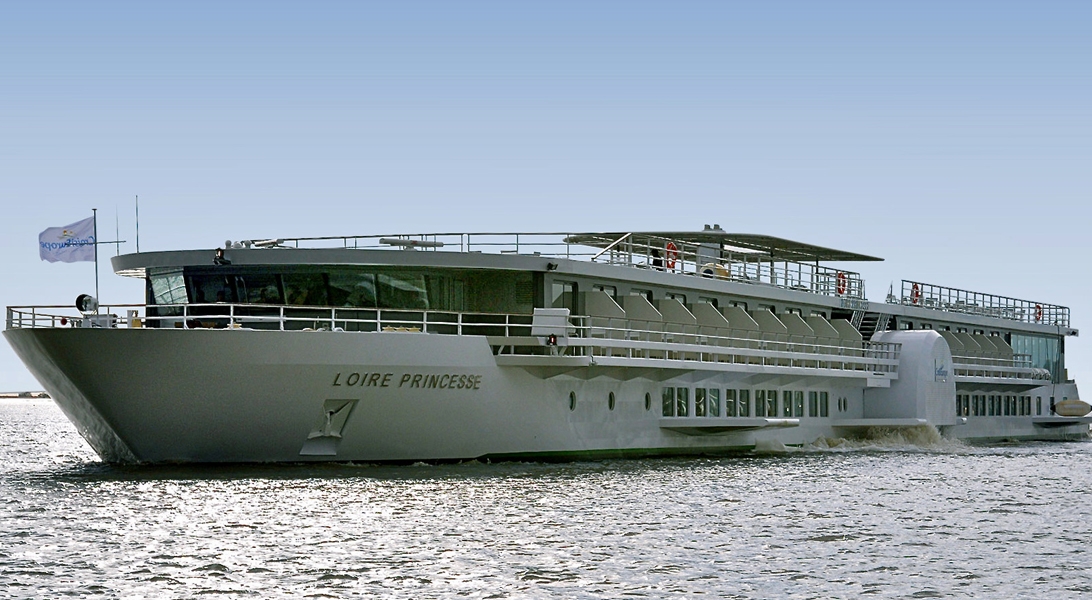
| 18th18 | NovNov | 202626 | Nantes, France, embark on the MS Loire Princesse | 18:00 | 18:00 |
The gateway to the Atlantic Ocean and the country’s seventh largest city, Nantes is located on the north bank of the Loire River. Although officially no longer the capital of Brittany since Nantes was included in the Pays de Loire administrative region, many of the city’s inhabitants regard themselves still an integral part of Brittany. During medieval times, much of the city’s prosperity resulted from colonial expeditions and the slave trade. Today Nantes is the most important commercial and industrial centre in west-central France, and appears as a particularly well-managed city with fine museums and carefully tended parks and gardens. One of the museums is dedicated to Jules Verne, born here in 1828. The Loire, foundation of Nantes’ riches, has dwindled from the city centre. As recently as the 1930s the river crossed the city in seven separate channels. However, they were filled in after World War II but, fortunately, left the area’s 18th-century mansions intact. They once were the trademark of rich merchants who made their fortunes from the slave trade. French influence was brought to Nantes by the Loire and its trade from the end of the 18th century when the city became known as "Little Paris." The Place Royale and the Place Graslin were first laid out during that time. One of the most impressive landmarks is the Chateau des Ducs, most of which is preserved in its original form built by the last two rulers of independent Brittany, Francois II, and his daughter Duchess Anne, born here in 1477. Boarding.Introduction of the crew and welcome cocktail. |
| 19th19 | NovNov | 202626 | Saint-Nazaire, France | 02:00 | 18:00 |
A city with long maritime history, Saint-Nazaire is mostly known for its shipbuilding industry. Rebuilt after World War II, it offers activities and sights for a wide range of interests, from history buffs to sports enthusiasts. Morning included excursion: Visit to La Maison des Paludiers in Gurande. Discover the traditions and expertise of the salt workers who have shaped the regions unique landscape for centuries.Return on board for lunch.Afternoon cruise to Nantes. Enjoy the scenery along the Loire as you sail towards the historic city of Nantes. During the cruise, sample a selection of typical regional specialties.GRAND PRIZE QUIZ(1). Participants will answer a series of questions, and the winner will qualify for the grand prize draw at the end of the cruise. Evening on board. |
| 19th19 | NovNov | 202626 | Nantes, France | 19:00 | |
The gateway to the Atlantic Ocean and the country’s seventh largest city, Nantes is located on the north bank of the Loire River. Although officially no longer the capital of Brittany since Nantes was included in the Pays de Loire administrative region, many of the city’s inhabitants regard themselves still an integral part of Brittany. During medieval times, much of the city’s prosperity resulted from colonial expeditions and the slave trade. Today Nantes is the most important commercial and industrial centre in west-central France, and appears as a particularly well-managed city with fine museums and carefully tended parks and gardens. One of the museums is dedicated to Jules Verne, born here in 1828. The Loire, foundation of Nantes’ riches, has dwindled from the city centre. As recently as the 1930s the river crossed the city in seven separate channels. However, they were filled in after World War II but, fortunately, left the area’s 18th-century mansions intact. They once were the trademark of rich merchants who made their fortunes from the slave trade. French influence was brought to Nantes by the Loire and its trade from the end of the 18th century when the city became known as "Little Paris." The Place Royale and the Place Graslin were first laid out during that time. One of the most impressive landmarks is the Chateau des Ducs, most of which is preserved in its original form built by the last two rulers of independent Brittany, Francois II, and his daughter Duchess Anne, born here in 1477. |
| 20th20 | NovNov | 202626 | Nantes, France | | 13:00 |
The gateway to the Atlantic Ocean and the country’s seventh largest city, Nantes is located on the north bank of the Loire River. Although officially no longer the capital of Brittany since Nantes was included in the Pays de Loire administrative region, many of the city’s inhabitants regard themselves still an integral part of Brittany. During medieval times, much of the city’s prosperity resulted from colonial expeditions and the slave trade. Today Nantes is the most important commercial and industrial centre in west-central France, and appears as a particularly well-managed city with fine museums and carefully tended parks and gardens. One of the museums is dedicated to Jules Verne, born here in 1828. The Loire, foundation of Nantes’ riches, has dwindled from the city centre. As recently as the 1930s the river crossed the city in seven separate channels. However, they were filled in after World War II but, fortunately, left the area’s 18th-century mansions intact. They once were the trademark of rich merchants who made their fortunes from the slave trade. French influence was brought to Nantes by the Loire and its trade from the end of the 18th century when the city became known as "Little Paris." The Place Royale and the Place Graslin were first laid out during that time. One of the most impressive landmarks is the Chateau des Ducs, most of which is preserved in its original form built by the last two rulers of independent Brittany, Francois II, and his daughter Duchess Anne, born here in 1477. Morning included excursion: Guided tour of the Chteau of the Dukes of Brittany.Afternoon cruise to Ancenis. Breton culture and Celtic traditions activity on board.Evening of Celtic Tales and Legends.GRAND PRIZE QUIZ(1). Participants will answer a series of questions, and the winner will qualify for the grand prize draw at the end of the cruise. |
| 20th20 | NovNov | 202626 | Ancenis, France | 19:00 | |
| 21st21 | NovNov | 202626 | Ancenis, France | | |
| Complimentary full-day excursion: Historical Treasures, a Royal Wedding and Monastic Heritage.Departure by coach for Langeais Castle.Lunch at a local restaurant.Continue to Fontevraud Abbey.Evening entertainment on board. |
| 22nd22 | NovNov | 202626 | Ancenis, France | | 13:00 |
| Morning included excursion: The Trades Museum of Saint-Laurent-de-la-Plaine in Anjou, Mauges-sur-Loire.Afternoon cruise to Nantes. Introduction to the art of maritime knot tying.Gala evening.GRAND PRIZE QUIZ(1). Grand prize draw. |
| 22nd22 | NovNov | 202626 | Nantes, France | 19:00 | |
The gateway to the Atlantic Ocean and the country’s seventh largest city, Nantes is located on the north bank of the Loire River. Although officially no longer the capital of Brittany since Nantes was included in the Pays de Loire administrative region, many of the city’s inhabitants regard themselves still an integral part of Brittany. During medieval times, much of the city’s prosperity resulted from colonial expeditions and the slave trade. Today Nantes is the most important commercial and industrial centre in west-central France, and appears as a particularly well-managed city with fine museums and carefully tended parks and gardens. One of the museums is dedicated to Jules Verne, born here in 1828. The Loire, foundation of Nantes’ riches, has dwindled from the city centre. As recently as the 1930s the river crossed the city in seven separate channels. However, they were filled in after World War II but, fortunately, left the area’s 18th-century mansions intact. They once were the trademark of rich merchants who made their fortunes from the slave trade. French influence was brought to Nantes by the Loire and its trade from the end of the 18th century when the city became known as "Little Paris." The Place Royale and the Place Graslin were first laid out during that time. One of the most impressive landmarks is the Chateau des Ducs, most of which is preserved in its original form built by the last two rulers of independent Brittany, Francois II, and his daughter Duchess Anne, born here in 1477. |
| 23rd23 | NovNov | 202626 | Nantes, France, disembark the MS Loire Princesse | | |
The gateway to the Atlantic Ocean and the country’s seventh largest city, Nantes is located on the north bank of the Loire River. Although officially no longer the capital of Brittany since Nantes was included in the Pays de Loire administrative region, many of the city’s inhabitants regard themselves still an integral part of Brittany. During medieval times, much of the city’s prosperity resulted from colonial expeditions and the slave trade. Today Nantes is the most important commercial and industrial centre in west-central France, and appears as a particularly well-managed city with fine museums and carefully tended parks and gardens. One of the museums is dedicated to Jules Verne, born here in 1828. The Loire, foundation of Nantes’ riches, has dwindled from the city centre. As recently as the 1930s the river crossed the city in seven separate channels. However, they were filled in after World War II but, fortunately, left the area’s 18th-century mansions intact. They once were the trademark of rich merchants who made their fortunes from the slave trade. French influence was brought to Nantes by the Loire and its trade from the end of the 18th century when the city became known as "Little Paris." The Place Royale and the Place Graslin were first laid out during that time. One of the most impressive landmarks is the Chateau des Ducs, most of which is preserved in its original form built by the last two rulers of independent Brittany, Francois II, and his daughter Duchess Anne, born here in 1477. Disembarkation. |