| | | | | Arrive | Depart |
| 23rd23 | SepSep | 202626 | 2 nights accommodation before your cruise, staying in Vannes | | |
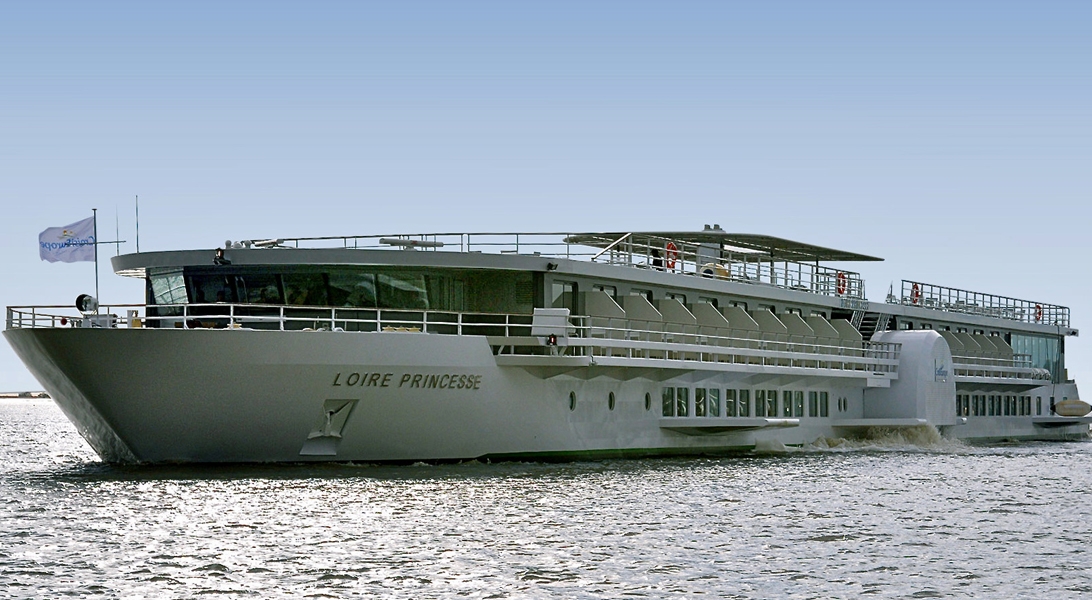
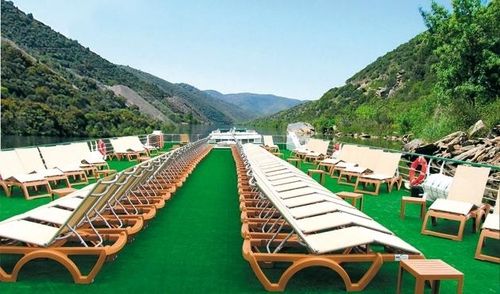
| 25th25 | SepSep | 202626 | Vannes, France, embark on the MS Loire Princesse | | |
| Breakfast will be served at the hotel.This morning, the included excursion is a guided tour of Vannes. Discover the medieval city of Vannes and its fortifications during an urban stroll. Our tour guide will recount the city's history within the confines of the old city walls. This is a great way to learn about the beautiful medieval and Renaissance-style architecture. Your tour will bring you to the Jardin des Remparts, ancient washhouses, Poterne Gate, and Conntable Tower. Step back in time while sauntering through the narrow streets lined with half-timbered homes.We'll enjoy lunch in an authentic crperie. Buckwheat crepes are part of the region's deep heritage. Take part in a genuine cultural experience with a crepe and a bowl of hard cider.After our visit, we'll leave by coach for Nantes,where you'll board our ship at 6 p.m. After comfortably settling into your cabins, we'll introduce our crew at a welcome cocktail. Our ship will begin to cruise towards Saint-Nazaire. |
| 25th25 | SepSep | 202626 | Nantes, France | 18:00 | 20:50 |
The gateway to the Atlantic Ocean and the country’s seventh largest city, Nantes is located on the north bank of the Loire River. Although officially no longer the capital of Brittany since Nantes was included in the Pays de Loire administrative region, many of the city’s inhabitants regard themselves still an integral part of Brittany. During medieval times, much of the city’s prosperity resulted from colonial expeditions and the slave trade. Today Nantes is the most important commercial and industrial centre in west-central France, and appears as a particularly well-managed city with fine museums and carefully tended parks and gardens. One of the museums is dedicated to Jules Verne, born here in 1828. The Loire, foundation of Nantes’ riches, has dwindled from the city centre. As recently as the 1930s the river crossed the city in seven separate channels. However, they were filled in after World War II but, fortunately, left the area’s 18th-century mansions intact. They once were the trademark of rich merchants who made their fortunes from the slave trade. French influence was brought to Nantes by the Loire and its trade from the end of the 18th century when the city became known as "Little Paris." The Place Royale and the Place Graslin were first laid out during that time. One of the most impressive landmarks is the Chateau des Ducs, most of which is preserved in its original form built by the last two rulers of independent Brittany, Francois II, and his daughter Duchess Anne, born here in 1477. |
| 26th26 | SepSep | 202626 | Saint-Nazaire, France | 01:00 | 20:50 |
A city with long maritime history, Saint-Nazaire is mostly known for its shipbuilding industry. Rebuilt after World War II, it offers activities and sights for a wide range of interests, from history buffs to sports enthusiasts. This morning, join us for the optional CLASSIC / DISCOVERY excursion: tour of Saint Nazaire, a town on the sea. We'll visit Escal'Atlantic,a museum that explores the historic ocean liner experience, and the Saint-Nazaire shipyard, one of the largest shipyards in Europe (this excursion must be booked in advance through your travel agency. Each passenger will be asked to produce a valid passport in order to gain access to the shipyard). |
| 26th26 | SepSep | 202626 | Nantes, France | 20:00 | |
The gateway to the Atlantic Ocean and the country’s seventh largest city, Nantes is located on the north bank of the Loire River. Although officially no longer the capital of Brittany since Nantes was included in the Pays de Loire administrative region, many of the city’s inhabitants regard themselves still an integral part of Brittany. During medieval times, much of the city’s prosperity resulted from colonial expeditions and the slave trade. Today Nantes is the most important commercial and industrial centre in west-central France, and appears as a particularly well-managed city with fine museums and carefully tended parks and gardens. One of the museums is dedicated to Jules Verne, born here in 1828. The Loire, foundation of Nantes’ riches, has dwindled from the city centre. As recently as the 1930s the river crossed the city in seven separate channels. However, they were filled in after World War II but, fortunately, left the area’s 18th-century mansions intact. They once were the trademark of rich merchants who made their fortunes from the slave trade. French influence was brought to Nantes by the Loire and its trade from the end of the 18th century when the city became known as "Little Paris." The Place Royale and the Place Graslin were first laid out during that time. One of the most impressive landmarks is the Chateau des Ducs, most of which is preserved in its original form built by the last two rulers of independent Brittany, Francois II, and his daughter Duchess Anne, born here in 1477. |
| 27th27 | SepSep | 202626 | Nantes, France | | 20:50 |
The gateway to the Atlantic Ocean and the country’s seventh largest city, Nantes is located on the north bank of the Loire River. Although officially no longer the capital of Brittany since Nantes was included in the Pays de Loire administrative region, many of the city’s inhabitants regard themselves still an integral part of Brittany. During medieval times, much of the city’s prosperity resulted from colonial expeditions and the slave trade. Today Nantes is the most important commercial and industrial centre in west-central France, and appears as a particularly well-managed city with fine museums and carefully tended parks and gardens. One of the museums is dedicated to Jules Verne, born here in 1828. The Loire, foundation of Nantes’ riches, has dwindled from the city centre. As recently as the 1930s the river crossed the city in seven separate channels. However, they were filled in after World War II but, fortunately, left the area’s 18th-century mansions intact. They once were the trademark of rich merchants who made their fortunes from the slave trade. French influence was brought to Nantes by the Loire and its trade from the end of the 18th century when the city became known as "Little Paris." The Place Royale and the Place Graslin were first laid out during that time. One of the most impressive landmarks is the Chateau des Ducs, most of which is preserved in its original form built by the last two rulers of independent Brittany, Francois II, and his daughter Duchess Anne, born here in 1477. This morning, join us for the optional excursions proposed :- CLASSIC : Guided tour of Nantes and the Castle of the Dukes of Brittany.- DISCOVERY: Nantes, the Machines de l'le(3), secret courtyards and covered passageways.This afternoon, join us for the optional excursions proposed :- CLASSIC : The Muscadet Wine Route and Clisson, a charming medieval town.- DISCOVERY: Helicopter ride(2), the Loire from above (this excursion must be booked in advance through your travel agency). |
| 27th27 | SepSep | 202626 | Ancenis, France | 23:30 | |
| 28th28 | SepSep | 202626 | Ancenis, France | | 20:50 |
| Departure by coach towards the Chteau dAzay-le-Rideau. Built on an island in the middle of the Indre River, the structure as it stands today was erected during the reign of Francis I by a wealthy financier, Gilles Berthelot, who sought to combine Italian innovations with French architectural art. Listed as a historic monument, the Chteau d'Azay-le-Rideau embodies all the refinement of an early French Renaissance chteau. Continuation to Villandry for lunch. In the afternoon, enjoy a stroll through the gardens of the Chteau de Villandry: spread over three levels, they combine aesthetics, diversity, and harmony. Then, visit the Chteau de Villandry. Through its furniture, dcor, and atmosphere, it stands as a living testament to French heritage. The estate of Villandry has evolved over the centuries. Acquired by Jean Le Breton, it transitioned from a medieval fortress to a residence enriched with Renaissance elements. In the 18th century, the Marquis de Castellane transformed it into a comfortable and luminous place, reflecting the art of living of the time. In the 19th century, it was saved by Joachim Carvallo and Ann Coleman, who restored it to its Renaissance state. Today, Henri Carvallo continues this legacy by combining preservation with the enhancement of the site.(The coach transfer time is estimated at approximately 4 hours round trip.)We'll return on board in Chalonnes-sur-Loire. |
| 28th28 | SepSep | 202626 | Chalonnes-sur-Loire, France | 13:00 | |
| 29th29 | SepSep | 202626 | Chalonnes-sur-Loire, France | | 20:50 |
| In the morning, join us for the optional excursions proposed:- CLASSIC: Guided tour of Angers, its historic districts and the famous Apocalypse tapestry(5).- DISCOVERY: Tour of Brissac castle(4) and its cellars complete with a wine-tasting session.We'll return on board.Well spend the afternoon cruising to Ancenis.Tonight is our gala evening. We'll be cruising to Nantes. |
| 29th29 | SepSep | 202626 | Ancenis, France | 17:00 | 20:50 |
| 30th30 | SepSep | 202626 | Nantes, France, disembark the MS Loire Princesse | 02:30 | |
The gateway to the Atlantic Ocean and the country’s seventh largest city, Nantes is located on the north bank of the Loire River. Although officially no longer the capital of Brittany since Nantes was included in the Pays de Loire administrative region, many of the city’s inhabitants regard themselves still an integral part of Brittany. During medieval times, much of the city’s prosperity resulted from colonial expeditions and the slave trade. Today Nantes is the most important commercial and industrial centre in west-central France, and appears as a particularly well-managed city with fine museums and carefully tended parks and gardens. One of the museums is dedicated to Jules Verne, born here in 1828. The Loire, foundation of Nantes’ riches, has dwindled from the city centre. As recently as the 1930s the river crossed the city in seven separate channels. However, they were filled in after World War II but, fortunately, left the area’s 18th-century mansions intact. They once were the trademark of rich merchants who made their fortunes from the slave trade. French influence was brought to Nantes by the Loire and its trade from the end of the 18th century when the city became known as "Little Paris." The Place Royale and the Place Graslin were first laid out during that time. One of the most impressive landmarks is the Chateau des Ducs, most of which is preserved in its original form built by the last two rulers of independent Brittany, Francois II, and his daughter Duchess Anne, born here in 1477. Enjoy one last buffet breakfast before disembarking at 10:00 a.m. End of our services. |