| | | | | Arrive | Depart |
| 14th14 | FebFeb | 202626 | 2 nights accommodation before your cruise, staying in Siem Reap | | |
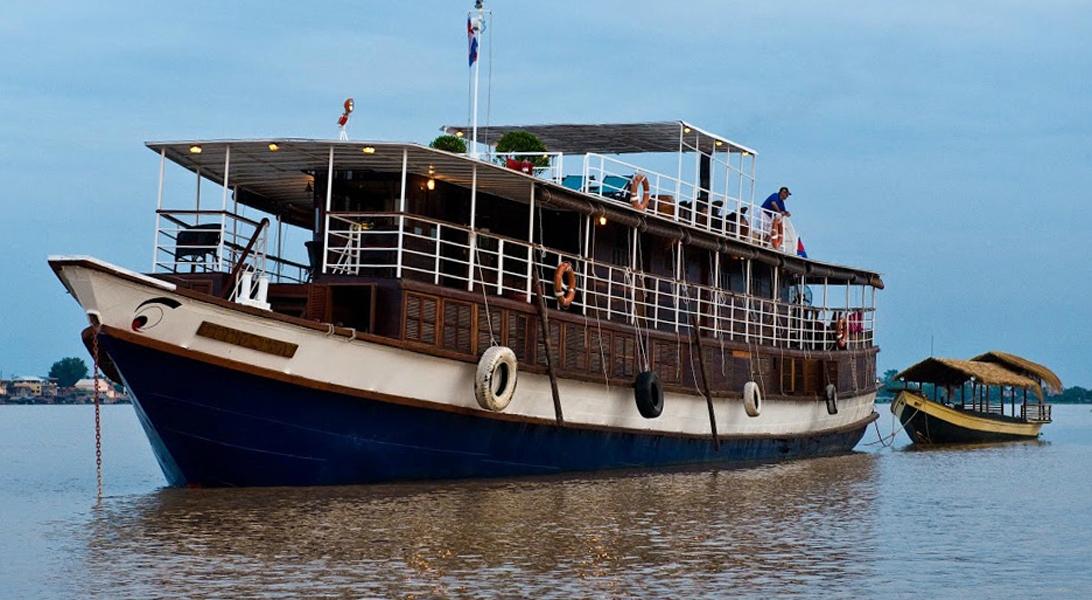
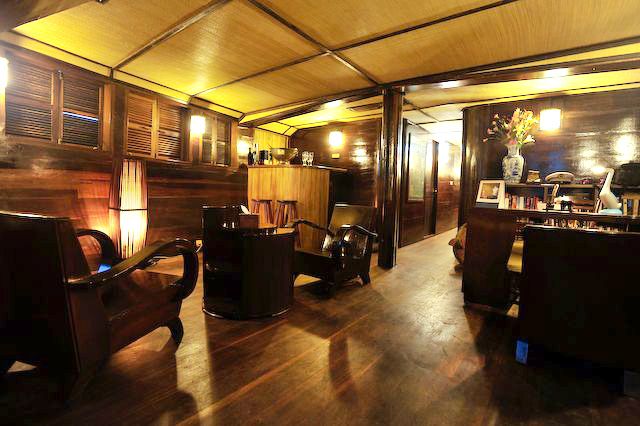
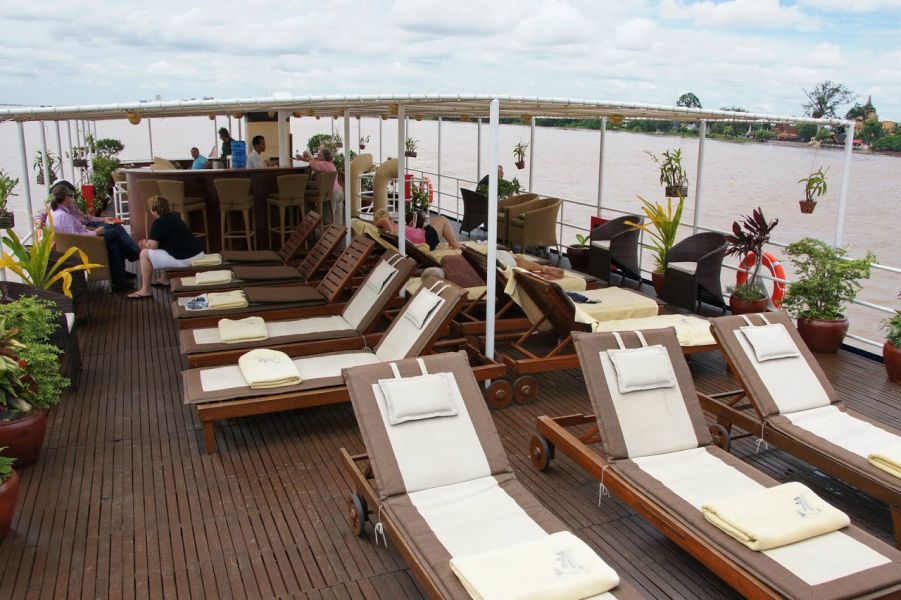
| 16th16 | FebFeb | 202626 | Angkor, Cambodia, embark on the Toum Tiou II | | |
| Included excursion: the Angkor Wat temple.Youll be transferred to your ship.After comfortably settling into your cabins, well introduce our crew at a welcome cocktail.We'll spend the night on the ship. |
| 17th17 | FebFeb | 202626 | Koh Chen, Cambodia | | |
| Sail to Kampong Chhnang and lunch on board. Visit Kampong Chhnang, one of the largest fishing ports on the Tonle Sap Lake. Option: For those seeking more activity, there will be an option at Kampong Chhnang to cycle alongside the riverside and then to the pottery village to explore this area. We'll have dinner and spend the night on board. |
| 17th17 | FebFeb | 202626 | Kampong Tralach, Cambodia | | |
| 18th18 | FebFeb | 202626 | Kampong Tralach, Cambodia | | |
| Breakfast on board.We will head to Oudong, which was the royal residence and the capital of Cambodia for over 250 years. Visit the Vipassana Dhura Pagoda, located at the foot of a hill where many stupas from the last Khmer kings can be found.Lunch on board.In the afternoon, visit the beautiful Vihara of the Wat Kampong Tralach Leu pagoda.We then offer clients to return to the ship by enjoying a mountain biking experience through the stunning countryside to witness the beauty of the rice fields surrounding the area before returning to the ship.After returning on board, start cruising towards Phnom Penh. Enjoy a performance of classical Khmer dancing and music then dinner. Night on board. |
| 18th18 | FebFeb | 202626 | Phnom Penh, Cambodia | | |
Phnom Penh, Cambodia’s busy capital, sits at the junction of the Mekong and Tonlé Sap rivers. It was a hub for both the Khmer Empire and French colonialists. On its walkable riverfront, lined with parks, restaurants and bars, are the ornate Royal Palace, Silver Pagoda and the National Museum, displaying artifacts from around the country. At the city’s heart is the massive, art deco Central Market. |
| 19th19 | FebFeb | 202626 | Phnom Penh, Cambodia | | |
Phnom Penh, Cambodia’s busy capital, sits at the junction of the Mekong and Tonlé Sap rivers. It was a hub for both the Khmer Empire and French colonialists. On its walkable riverfront, lined with parks, restaurants and bars, are the ornate Royal Palace, Silver Pagoda and the National Museum, displaying artifacts from around the country. At the city’s heart is the massive, art deco Central Market. Breakfast on board. We'll enjoy a tour of the fabulous Royal Palace, one of the most impressive examples of Cambodian architecture, and its Silver Pagoda. Onward to visit the National Museum. Enjoy an afternoon tour of the area by "tuk-tuk," for an authentic and immersive experience like no other. We'll return on board for dinner in the evening and start sailing towards Vietnam. Night on board. |
| 20th20 | FebFeb | 202626 | Phnom Penh, Cambodia | | |
Phnom Penh, Cambodia’s busy capital, sits at the junction of the Mekong and Tonlé Sap rivers. It was a hub for both the Khmer Empire and French colonialists. On its walkable riverfront, lined with parks, restaurants and bars, are the ornate Royal Palace, Silver Pagoda and the National Museum, displaying artifacts from around the country. At the city’s heart is the massive, art deco Central Market. Breakfast on board. Arrival at Vinh Xuong border. Customs clearance and entry formalities, departure for Chau Doc. Situated on the border between Cambodia and Vietnam, the prosperous town of Chau Doc has developed around fishing and fish farming. Well experience this beautiful forest with small local boats, where you can witness this incredible and diverse flora and fauna. Return to the boat for lunch.In the afternoon, we will board a cable car and embark on an unforgettable journey to Sam mountain. Continuation to Sa Dec, dinner and overnight on board. |
| 20th20 | FebFeb | 202626 | Sa Déc, Vietnam | | |
| 21st21 | FebFeb | 202626 | Sa Déc, Vietnam | | |
| Breakfast on board. Local boat picks up for a short panoramic tour of Sa Dec, including a promenade at Sa Dec market on the riverbank.Ship leaves Sa Dec for Cai Be. Cai Be offers many exciting attractions, activities, and excursions. Disembark to visit the craft village where you can witness how the local products are made. Continue cruising on the boat. Get off at the fruit orchards comprising of many kinds of fruits such as: jack-fruit, durian, guava, rambutan, longan etc... drink hot tea, eat fresh fruits and enjoy a live local music performance. Head to the local restaurant by boat, attend a cooking class with local chef, then enjoy your lunch. After lunch, take a rest, then enjoy a kayaking adventure. Ship leaves Cai Be for My Tho. Dinner during cruising and night on board. |
| 21st21 | FebFeb | 202626 | Cái Bè, Vietnam | | |
| 22nd22 | FebFeb | 202626 | Cái Bè, Vietnam | | |
| In My Tho we will kick off our day with a local boat pick-up that will take us on a boat cruise to Thoi Son Island where we will have the opportunity to explore the daily lives of the local people and enjoy seasonal fruits. Lunch on board and cruise the magnificent Chao Gao canal, the entrance to Saigon where you will experience the lively and vibrant canal full of ships and activity, yet still feel close to the life on shore. A must-see part of the cruise and that we're the only cruise line offering this unique passage.Arrive in Saigon, dinner on board. Night on board."Saigon After Dark" is a part night excursion, part street/local food adventure from 6pm to 10pm. After this, the tour will bring you to a live music venue to enjoy the drinks with live music. |
| 22nd22 | FebFeb | 202626 | Ho Chi Minh City, Vietnam | | |
Romantically referred to by the French as the Pearl of the Orient, Ho Chi Minh City today is a super-charged city of sensory overload. Motorbikes zoom day and night along the wide boulevards, through the narrow back alleys and past vendors pushing handcarts hawking goods of all descriptions. Still called Saigon by most residents, this is Vietnam's largest city and the engine driving the country's current economic resurgence, but despite its frenetic pace, it's a friendlier place than Hanoi and locals will tell you the food—simple, tasty, and incorporating many fresh herbs—is infinitely better than in the capital.This is a city full of surprises. The madness of the city's traffic—witness the oddball things that are transported on the back of motorcycles—is countered by tranquil pagodas, peaceful parks, quirky coffee shops, and whole neighborhoods hidden down tiny alleyways, although some of these quiet spots can be difficult to track down. Life in Ho Chi Minh City is lived in public: on the back of motorcycles, on the sidewalks, and in the parks. Even when its residents are at home, they're still on display. With many living rooms opening onto the street, grandmothers napping, babies being rocked, and food being prepared, are all in full view of passersby.Icons of the past endure in the midst of the city’s headlong rush into capitalism. The Hotel Continental, immortalized in Graham Greene's The Quiet American, continues to stand on the corner of old Indochina's most famous thoroughfare, the rue Catinat, known to American G.I.s during the Vietnam War as Tu Do (Freedom) Street and renamed Dong Khoi (Uprising) Street by the Communists. The city still has its ornate opera house and its old French city hall, the Hôtel de Ville. The broad colonial boulevards leading to the Saigon River and the gracious stucco villas are other remnants of the French colonial presence. Grisly reminders of the more recent past can be seen at the city's war-related museums. Residents, however, prefer to look forward rather than back and are often perplexed by tourists' fascination with a war that ended 40 years ago.The Chinese influence on the country is still very much in evidence in the Cholon district, the city's Chinatown, but the modern office towers and international hotels that mark the skyline symbolize Vietnam's fixation on the future. |
| 23rd23 | FebFeb | 202626 | Ho Chi Minh City, Vietnam | | |
Romantically referred to by the French as the Pearl of the Orient, Ho Chi Minh City today is a super-charged city of sensory overload. Motorbikes zoom day and night along the wide boulevards, through the narrow back alleys and past vendors pushing handcarts hawking goods of all descriptions. Still called Saigon by most residents, this is Vietnam's largest city and the engine driving the country's current economic resurgence, but despite its frenetic pace, it's a friendlier place than Hanoi and locals will tell you the food—simple, tasty, and incorporating many fresh herbs—is infinitely better than in the capital.This is a city full of surprises. The madness of the city's traffic—witness the oddball things that are transported on the back of motorcycles—is countered by tranquil pagodas, peaceful parks, quirky coffee shops, and whole neighborhoods hidden down tiny alleyways, although some of these quiet spots can be difficult to track down. Life in Ho Chi Minh City is lived in public: on the back of motorcycles, on the sidewalks, and in the parks. Even when its residents are at home, they're still on display. With many living rooms opening onto the street, grandmothers napping, babies being rocked, and food being prepared, are all in full view of passersby.Icons of the past endure in the midst of the city’s headlong rush into capitalism. The Hotel Continental, immortalized in Graham Greene's The Quiet American, continues to stand on the corner of old Indochina's most famous thoroughfare, the rue Catinat, known to American G.I.s during the Vietnam War as Tu Do (Freedom) Street and renamed Dong Khoi (Uprising) Street by the Communists. The city still has its ornate opera house and its old French city hall, the Hôtel de Ville. The broad colonial boulevards leading to the Saigon River and the gracious stucco villas are other remnants of the French colonial presence. Grisly reminders of the more recent past can be seen at the city's war-related museums. Residents, however, prefer to look forward rather than back and are often perplexed by tourists' fascination with a war that ended 40 years ago.The Chinese influence on the country is still very much in evidence in the Cholon district, the city's Chinatown, but the modern office towers and international hotels that mark the skyline symbolize Vietnam's fixation on the future. Enjoy a tasty breakfast on board before our Ho Chin Minh city tour. Transfer back to ship for lunch.After lunch, we'll explore the local Chinatown and experience the daily life of the people. We'll also visit the Giac Lam Pagoda, which is over 300 years old and is the oldest pagoda in Ho Chi Minh City. Lastly, we'll visit the Flower Market and Binh Tay market for a 15-minute walking tour to explore how locals buy and sell local food and products.Transfer to the ship to enjoy our farewell cocktail and dinner onboard.We'll remain in port overnight. |
| 24th24 | FebFeb | 202626 | Ho Chi Minh City, Vietnam, disembark the Toum Tiou II | | |
Romantically referred to by the French as the Pearl of the Orient, Ho Chi Minh City today is a super-charged city of sensory overload. Motorbikes zoom day and night along the wide boulevards, through the narrow back alleys and past vendors pushing handcarts hawking goods of all descriptions. Still called Saigon by most residents, this is Vietnam's largest city and the engine driving the country's current economic resurgence, but despite its frenetic pace, it's a friendlier place than Hanoi and locals will tell you the food—simple, tasty, and incorporating many fresh herbs—is infinitely better than in the capital.This is a city full of surprises. The madness of the city's traffic—witness the oddball things that are transported on the back of motorcycles—is countered by tranquil pagodas, peaceful parks, quirky coffee shops, and whole neighborhoods hidden down tiny alleyways, although some of these quiet spots can be difficult to track down. Life in Ho Chi Minh City is lived in public: on the back of motorcycles, on the sidewalks, and in the parks. Even when its residents are at home, they're still on display. With many living rooms opening onto the street, grandmothers napping, babies being rocked, and food being prepared, are all in full view of passersby.Icons of the past endure in the midst of the city’s headlong rush into capitalism. The Hotel Continental, immortalized in Graham Greene's The Quiet American, continues to stand on the corner of old Indochina's most famous thoroughfare, the rue Catinat, known to American G.I.s during the Vietnam War as Tu Do (Freedom) Street and renamed Dong Khoi (Uprising) Street by the Communists. The city still has its ornate opera house and its old French city hall, the Hôtel de Ville. The broad colonial boulevards leading to the Saigon River and the gracious stucco villas are other remnants of the French colonial presence. Grisly reminders of the more recent past can be seen at the city's war-related museums. Residents, however, prefer to look forward rather than back and are often perplexed by tourists' fascination with a war that ended 40 years ago.The Chinese influence on the country is still very much in evidence in the Cholon district, the city's Chinatown, but the modern office towers and international hotels that mark the skyline symbolize Vietnam's fixation on the future. Enjoy breakfast on board before disembarking. We'll then proceed to the War Museum to learn more about the history of Vietnam.Then, we'll transfer to a local restaurant for lunch.We'll bid you farewell at approximately 2:00 p.m. Please do not book your flight before 5:00 p.m. |