This site uses cookies as defined in our Cookie Policy, by continuing to use this site you agree to their use.
Continue

| Arrive | Depart | ||||||
| 30th30 | OctOct | 202626 | Osaka, Japan, embark on the Emerald Harmony | ||||
From Minami's neon-lighted Dotombori and historic Tenno-ji to the high-rise class and underground shopping labyrinths of Kita, Osaka is a city that pulses with its own unique rhythm. Though Osaka has no shortage of tourist sites, it is the city itself that is the greatest attraction. Home to some of Japan's best food, most unique fashions, and warmest locals, Osaka does not beg to be explored—it demands it. More than anywhere else in Japan, it rewards the impulsive turn down an interesting side street or the chat with a random stranger. People do not come here to see the city, they come to experience it.Excluded from the formal circles of power and aristocratic culture in 16th-century Edo (Tokyo), Osaka took advantage of its position as Japan's trading center, developing its own art forms such as Bunraku puppet theater and Rakugo comic storytelling. It was in Osaka that feudal Japan's famed Floating World—the dining, theater, and pleasure district—was at its strongest and most inventive. Wealthy merchants and common laborers alike squandered fortunes on culinary delights, turning Osaka into "Japan's Kitchen," a moniker the city still has today. Though the city suffered a blow when the Meiji government canceled all of the samurai class's outstanding debts to the merchants, it was quick to recover. At the turn of the 20th century, it had become Japan's largest and most prosperous city, a center of commerce and manufacturing.Today Osaka remains Japan's iconoclastic metropolis, refusing to fit Tokyo's norms and expectations. Unlike the hordes of Tokyo, Osakans are fiercely independent. As a contrast to the neon and concrete surroundings, the people of Osaka are known as Japan's friendliest and most outgoing. Ask someone on the street for directions in Tokyo and you are lucky to get so much as a glance. Ask someone in Osaka and you get a conversation.The main areas of the city, Kita (north) and Minami (south), are divided by two rivers: the Dojima-gawa and the Tosabori-gawa. Between Kita and Minami is Naka-no-shima, an island and the municipal center of Osaka. Kita (north of Chuo Dori) is Osaka's economic hub and contains Osaka's largest stations: JR Osaka and Hankyu Umeda. The area is crammed with shops, department stores, and restaurants. Nearby are a nightlife district, Kita-shinchi; Naka-no-shima and the Museum of Oriental Ceramics; Osaka-jo (Osaka Castle); and Osaka Koen (Osaka Park). Restaurants, bars, department stores, and boutiques attract Osaka's youth to Minami (south Chuo Dori); theatergoers head to the National Bunraku Theatre and electronics-lovers to Den Den Town. For a glimpse of old Osaka, visit Tenno-ji Temple and Shin Sekai. The main stations are Namba, Shin-sai-bashi, Namba Nankai, and Tenno-ji. There's easy access to the Municipal Museum of Fine Art and Sumiyoshi Taisha (Sumiyoshi Grand Shrine).The bay area, to the west of the city center, is home to the Osaka Aquarium and Universal Studios Japan. The Shinkansen stops at Shin-Osaka, three stops (about five minutes) north of Osaka Station on the Mido-suji subway line. To the north of Shin-Osaka is Senri Expo Park. Welcome to Japan and the vibrant city of Osaka. Upon arrival, you’ll be transferred to your hotel for your three-night included stay in Japan’s third largest metropolis, renowned as the ‘nation’s kitchen.’ This evening, meet your Tour Director for your briefing for the days ahead and Welcome Dinner. | |||||||
| 31st31 | OctOct | 202626 | Osaka, Japan | ||||
From Minami's neon-lighted Dotombori and historic Tenno-ji to the high-rise class and underground shopping labyrinths of Kita, Osaka is a city that pulses with its own unique rhythm. Though Osaka has no shortage of tourist sites, it is the city itself that is the greatest attraction. Home to some of Japan's best food, most unique fashions, and warmest locals, Osaka does not beg to be explored—it demands it. More than anywhere else in Japan, it rewards the impulsive turn down an interesting side street or the chat with a random stranger. People do not come here to see the city, they come to experience it.Excluded from the formal circles of power and aristocratic culture in 16th-century Edo (Tokyo), Osaka took advantage of its position as Japan's trading center, developing its own art forms such as Bunraku puppet theater and Rakugo comic storytelling. It was in Osaka that feudal Japan's famed Floating World—the dining, theater, and pleasure district—was at its strongest and most inventive. Wealthy merchants and common laborers alike squandered fortunes on culinary delights, turning Osaka into "Japan's Kitchen," a moniker the city still has today. Though the city suffered a blow when the Meiji government canceled all of the samurai class's outstanding debts to the merchants, it was quick to recover. At the turn of the 20th century, it had become Japan's largest and most prosperous city, a center of commerce and manufacturing.Today Osaka remains Japan's iconoclastic metropolis, refusing to fit Tokyo's norms and expectations. Unlike the hordes of Tokyo, Osakans are fiercely independent. As a contrast to the neon and concrete surroundings, the people of Osaka are known as Japan's friendliest and most outgoing. Ask someone on the street for directions in Tokyo and you are lucky to get so much as a glance. Ask someone in Osaka and you get a conversation.The main areas of the city, Kita (north) and Minami (south), are divided by two rivers: the Dojima-gawa and the Tosabori-gawa. Between Kita and Minami is Naka-no-shima, an island and the municipal center of Osaka. Kita (north of Chuo Dori) is Osaka's economic hub and contains Osaka's largest stations: JR Osaka and Hankyu Umeda. The area is crammed with shops, department stores, and restaurants. Nearby are a nightlife district, Kita-shinchi; Naka-no-shima and the Museum of Oriental Ceramics; Osaka-jo (Osaka Castle); and Osaka Koen (Osaka Park). Restaurants, bars, department stores, and boutiques attract Osaka's youth to Minami (south Chuo Dori); theatergoers head to the National Bunraku Theatre and electronics-lovers to Den Den Town. For a glimpse of old Osaka, visit Tenno-ji Temple and Shin Sekai. The main stations are Namba, Shin-sai-bashi, Namba Nankai, and Tenno-ji. There's easy access to the Municipal Museum of Fine Art and Sumiyoshi Taisha (Sumiyoshi Grand Shrine).The bay area, to the west of the city center, is home to the Osaka Aquarium and Universal Studios Japan. The Shinkansen stops at Shin-Osaka, three stops (about five minutes) north of Osaka Station on the Mido-suji subway line. To the north of Shin-Osaka is Senri Expo Park. We begin our morning tour of Osaka by wandering through Shinsaibashi-suji shopping avenue, followed by Kuromon Ichiba Market, known as ‘Osaka’s Kitchen.’ Afterwards visit the Museum of History and the rebuilt Osaka Castle, displaying exteriors restored to their 16th century, Edo-era glory. The afternoon is free at leisure before transferring to the Umeda Sky Building for 360-degree night-time views of the dazzling skyline of Osaka from the Floating Garden Observatory. Then savour a delicious dinner and admire the spectacular views, elevated 170-metres off the ground. | |||||||
| 1st01 | NovNov | 202626 | Osaka, Japan | ||||
From Minami's neon-lighted Dotombori and historic Tenno-ji to the high-rise class and underground shopping labyrinths of Kita, Osaka is a city that pulses with its own unique rhythm. Though Osaka has no shortage of tourist sites, it is the city itself that is the greatest attraction. Home to some of Japan's best food, most unique fashions, and warmest locals, Osaka does not beg to be explored—it demands it. More than anywhere else in Japan, it rewards the impulsive turn down an interesting side street or the chat with a random stranger. People do not come here to see the city, they come to experience it.Excluded from the formal circles of power and aristocratic culture in 16th-century Edo (Tokyo), Osaka took advantage of its position as Japan's trading center, developing its own art forms such as Bunraku puppet theater and Rakugo comic storytelling. It was in Osaka that feudal Japan's famed Floating World—the dining, theater, and pleasure district—was at its strongest and most inventive. Wealthy merchants and common laborers alike squandered fortunes on culinary delights, turning Osaka into "Japan's Kitchen," a moniker the city still has today. Though the city suffered a blow when the Meiji government canceled all of the samurai class's outstanding debts to the merchants, it was quick to recover. At the turn of the 20th century, it had become Japan's largest and most prosperous city, a center of commerce and manufacturing.Today Osaka remains Japan's iconoclastic metropolis, refusing to fit Tokyo's norms and expectations. Unlike the hordes of Tokyo, Osakans are fiercely independent. As a contrast to the neon and concrete surroundings, the people of Osaka are known as Japan's friendliest and most outgoing. Ask someone on the street for directions in Tokyo and you are lucky to get so much as a glance. Ask someone in Osaka and you get a conversation.The main areas of the city, Kita (north) and Minami (south), are divided by two rivers: the Dojima-gawa and the Tosabori-gawa. Between Kita and Minami is Naka-no-shima, an island and the municipal center of Osaka. Kita (north of Chuo Dori) is Osaka's economic hub and contains Osaka's largest stations: JR Osaka and Hankyu Umeda. The area is crammed with shops, department stores, and restaurants. Nearby are a nightlife district, Kita-shinchi; Naka-no-shima and the Museum of Oriental Ceramics; Osaka-jo (Osaka Castle); and Osaka Koen (Osaka Park). Restaurants, bars, department stores, and boutiques attract Osaka's youth to Minami (south Chuo Dori); theatergoers head to the National Bunraku Theatre and electronics-lovers to Den Den Town. For a glimpse of old Osaka, visit Tenno-ji Temple and Shin Sekai. The main stations are Namba, Shin-sai-bashi, Namba Nankai, and Tenno-ji. There's easy access to the Municipal Museum of Fine Art and Sumiyoshi Taisha (Sumiyoshi Grand Shrine).The bay area, to the west of the city center, is home to the Osaka Aquarium and Universal Studios Japan. The Shinkansen stops at Shin-Osaka, three stops (about five minutes) north of Osaka Station on the Mido-suji subway line. To the north of Shin-Osaka is Senri Expo Park. Today, you’ll drive to Tondabayashi to visit a restored Edo era Merchant House before continuing onto Kehaya-za. For your EmeraldPLUS experience, learn about the history, life and training routine of a Sumo wrestler during a private visit to a Sumo Museum in Kehaya-za, where Sumo originated. After your welcome ceremony, observe a demonstration of Jinku and the wrestlers in action in the dohyo. Later in the evening, take a ride on the Osaka Metro to wander around the lively entertainment area of Dotonbori and Hozenji Yokocho food alley. EmeraldPLUS | |||||||
| 1st01 | NovNov | 202626 | Nara City, Japan | ||||
| 2nd02 | NovNov | 202626 | Osaka, Japan | ||||
From Minami's neon-lighted Dotombori and historic Tenno-ji to the high-rise class and underground shopping labyrinths of Kita, Osaka is a city that pulses with its own unique rhythm. Though Osaka has no shortage of tourist sites, it is the city itself that is the greatest attraction. Home to some of Japan's best food, most unique fashions, and warmest locals, Osaka does not beg to be explored—it demands it. More than anywhere else in Japan, it rewards the impulsive turn down an interesting side street or the chat with a random stranger. People do not come here to see the city, they come to experience it.Excluded from the formal circles of power and aristocratic culture in 16th-century Edo (Tokyo), Osaka took advantage of its position as Japan's trading center, developing its own art forms such as Bunraku puppet theater and Rakugo comic storytelling. It was in Osaka that feudal Japan's famed Floating World—the dining, theater, and pleasure district—was at its strongest and most inventive. Wealthy merchants and common laborers alike squandered fortunes on culinary delights, turning Osaka into "Japan's Kitchen," a moniker the city still has today. Though the city suffered a blow when the Meiji government canceled all of the samurai class's outstanding debts to the merchants, it was quick to recover. At the turn of the 20th century, it had become Japan's largest and most prosperous city, a center of commerce and manufacturing.Today Osaka remains Japan's iconoclastic metropolis, refusing to fit Tokyo's norms and expectations. Unlike the hordes of Tokyo, Osakans are fiercely independent. As a contrast to the neon and concrete surroundings, the people of Osaka are known as Japan's friendliest and most outgoing. Ask someone on the street for directions in Tokyo and you are lucky to get so much as a glance. Ask someone in Osaka and you get a conversation.The main areas of the city, Kita (north) and Minami (south), are divided by two rivers: the Dojima-gawa and the Tosabori-gawa. Between Kita and Minami is Naka-no-shima, an island and the municipal center of Osaka. Kita (north of Chuo Dori) is Osaka's economic hub and contains Osaka's largest stations: JR Osaka and Hankyu Umeda. The area is crammed with shops, department stores, and restaurants. Nearby are a nightlife district, Kita-shinchi; Naka-no-shima and the Museum of Oriental Ceramics; Osaka-jo (Osaka Castle); and Osaka Koen (Osaka Park). Restaurants, bars, department stores, and boutiques attract Osaka's youth to Minami (south Chuo Dori); theatergoers head to the National Bunraku Theatre and electronics-lovers to Den Den Town. For a glimpse of old Osaka, visit Tenno-ji Temple and Shin Sekai. The main stations are Namba, Shin-sai-bashi, Namba Nankai, and Tenno-ji. There's easy access to the Municipal Museum of Fine Art and Sumiyoshi Taisha (Sumiyoshi Grand Shrine).The bay area, to the west of the city center, is home to the Osaka Aquarium and Universal Studios Japan. The Shinkansen stops at Shin-Osaka, three stops (about five minutes) north of Osaka Station on the Mido-suji subway line. To the north of Shin-Osaka is Senri Expo Park. Enjoy a ride on Japan’s iconic Shinkansen (bullet train) to Hiroshima. Here, take time to reflect at the sobering Peace Memorial Park and Atomic Bomb Museum. Later, check in to your hotel for your included two-night hotel stay. Tonight, enjoy sampling Okonomiyaki, a Japanese-style savoury pancake and delicious regional specialty. | |||||||
| 2nd02 | NovNov | 202626 | Hiroshima, Japan | ||||
History buffs will want to write home Hiroshima. Despite being devastated in 1945, this Japanese city is known to all for its commitment peace – its ruin on the 6th August 1945 led to the end of the war and today, the Peace Memorial (a UNESCO World Heritage Site) , is a constant reminder of the destruction that war brings. A walk in the leafy boulevards of Peace Memorial Park brings quiet contemplation. The Flames of Peace – set in the park’s central feature pond – burn brightly and will continue to do so until all the nuclear bombs I the world have been destroyed. There are many other inspiring messages of hope around the city too; the Children’s’ Peace Monument just north of the park is a homage to little Sadako Sasaki, who was just two in 1945. When she developed leukemia in 1956, she believed that if she folded 1,000 paper cranes – a symbol of longevity and happiness in Japan – she would recover. Sadly she died before she finished her task but her classmates finished the rest. It is impossible to ignore the events of 1945 in Hiroshima, but this is far from a depressing place. The great efforts that have been made in rebuilding of the city over the years have given Hiroshima a vibrant, eclectic edge, with the downtown shopping area and street food stalls being well worth a visit. The proximity to Miyajima and its iconic, impressive, Torii gate should not be overlooked either. If you are lucky enough to visit during the unpredictable and short-lived Sakura (cherry blossom) season, then the extraordinary sight of the delicate pink blossom floating across the water to the red gate, means you can consider yourself one of the luckiest people on the planet. | |||||||
| 3rd03 | NovNov | 202626 | Hiroshima, Japan | ||||
History buffs will want to write home Hiroshima. Despite being devastated in 1945, this Japanese city is known to all for its commitment peace – its ruin on the 6th August 1945 led to the end of the war and today, the Peace Memorial (a UNESCO World Heritage Site) , is a constant reminder of the destruction that war brings. A walk in the leafy boulevards of Peace Memorial Park brings quiet contemplation. The Flames of Peace – set in the park’s central feature pond – burn brightly and will continue to do so until all the nuclear bombs I the world have been destroyed. There are many other inspiring messages of hope around the city too; the Children’s’ Peace Monument just north of the park is a homage to little Sadako Sasaki, who was just two in 1945. When she developed leukemia in 1956, she believed that if she folded 1,000 paper cranes – a symbol of longevity and happiness in Japan – she would recover. Sadly she died before she finished her task but her classmates finished the rest. It is impossible to ignore the events of 1945 in Hiroshima, but this is far from a depressing place. The great efforts that have been made in rebuilding of the city over the years have given Hiroshima a vibrant, eclectic edge, with the downtown shopping area and street food stalls being well worth a visit. The proximity to Miyajima and its iconic, impressive, Torii gate should not be overlooked either. If you are lucky enough to visit during the unpredictable and short-lived Sakura (cherry blossom) season, then the extraordinary sight of the delicate pink blossom floating across the water to the red gate, means you can consider yourself one of the luckiest people on the planet. Today, you’ll take the ferry to Miyajima Island, a small and picturesque island set in Hiroshima Bay. Here, you’ll visit Daisho-in Temple and its famous floating Torii Gate at the Itsukushima Shrine, also built over the water. Later, enjoy time at leisure to explore more of fascinating Hiroshima. | |||||||
| 3rd03 | NovNov | 202626 | Itsukushima, Japan | ||||
The small island of Miyajima (“The Shrine Island”) is known for the Floating Torii Gate, which is one of “The Three Most Beautiful Views” of Japan. Built in the water, the Torii Gate leads to the Itsukushima Shrine and at high tide it seems to float. The Torii Gate is one of the most photographed sites in all of Japan. There are many more shrines and paths on Miyajima that are inviting to walk. Mount Misen has a cable car leading partly up to the top with nice views and wild monkeys and deer roaming the trails. | |||||||
| 4th04 | NovNov | 202626 | Hiroshima, Japan | ||||
History buffs will want to write home Hiroshima. Despite being devastated in 1945, this Japanese city is known to all for its commitment peace – its ruin on the 6th August 1945 led to the end of the war and today, the Peace Memorial (a UNESCO World Heritage Site) , is a constant reminder of the destruction that war brings. A walk in the leafy boulevards of Peace Memorial Park brings quiet contemplation. The Flames of Peace – set in the park’s central feature pond – burn brightly and will continue to do so until all the nuclear bombs I the world have been destroyed. There are many other inspiring messages of hope around the city too; the Children’s’ Peace Monument just north of the park is a homage to little Sadako Sasaki, who was just two in 1945. When she developed leukemia in 1956, she believed that if she folded 1,000 paper cranes – a symbol of longevity and happiness in Japan – she would recover. Sadly she died before she finished her task but her classmates finished the rest. It is impossible to ignore the events of 1945 in Hiroshima, but this is far from a depressing place. The great efforts that have been made in rebuilding of the city over the years have given Hiroshima a vibrant, eclectic edge, with the downtown shopping area and street food stalls being well worth a visit. The proximity to Miyajima and its iconic, impressive, Torii gate should not be overlooked either. If you are lucky enough to visit during the unpredictable and short-lived Sakura (cherry blossom) season, then the extraordinary sight of the delicate pink blossom floating across the water to the red gate, means you can consider yourself one of the luckiest people on the planet. This morning, travel by Shinkansen to marvel at Himeji Castle, regarded as Japan’s most spectacular castle and one of the few remaining original feudal castles. Continue to the culturally-rich city of Kyoto, Japan’s imperial capital for over a millennia and home to numerous UNESCO World Heritage-listed sites. Afterwards, check in to your hotel in Kyoto for your included stay. Ryokan Upgrade | |||||||
| 4th04 | NovNov | 202626 | Himeji, Japan | ||||
| 4th04 | NovNov | 202626 | Kyoto, Japan | ||||
| 5th05 | NovNov | 202626 | Kyoto, Japan | ||||
Continue to Nara, Japan's first permanent capital established in the year 710 A.D., originally known as Heijo. Here you’ll visit Todaiji Temple, founded in the eighth century the head temple of all provincial Buddhist temples in Japan. The Temple grew so powerful that the capital was moved from Nara to Nagaoka in 784 in order to lower the temple's influence on government affairs. Today, you can also spot free-roaming deer in Nara Park before returning to Kyoto and stopping at a sake brewery and museum to taste and learn about Japan’s world-famous brew. | |||||||
| 5th05 | NovNov | 202626 | Nara City, Japan | ||||
| 6th06 | NovNov | 202626 | Kyoto, Japan | ||||
Pay an early morning visit to the Fushimi Inari Shrine, iconic for its thousands of vermilion torii gates and appearance in the film, ‘Memoirs of a Geisha’. Afterwards, glide through the ethereal Arashiyama Bamboo Grove by traditional rickshaw before exploring the World Heritage-listed Tenryu-ji Temple. After lunch, visit the famous Kinkaku-ji Temple, also known as the Golden Pavilion, because it is completely covered in gold leaf. For today’s EmeraldPLUS experience, savour a private group dinner hosted by a Geisha or Maiko — a rare opportunity to learn about the life of a Geisha and the art of Japanese hospitality. EmeraldPLUS | |||||||
| 7th07 | NovNov | 202626 | Kyoto, Japan | ||||
Board the shinkansen to Shizuoka. Upon arrival, head to the Nihondaira Yume Terrance to enjoy a 360-degree panoramic view of the sacred mountain, Mt. Fuji. Then, ride the ropeway from Nihondaira Plateau to Toshogu Shrine, located on Mt. Kuno. Surrounded by lush forest, this ornate shrine honours Tokugawa Ieyasu, the founder of the Tokugawa shogunate. With its vivid carvings, gold leaf details, and serene atmosphere, this is a must-see for culture lovers seeking a glimpse into Japan’s samurai legacy. Tonight, create your own Sushi dinner with a hands-on cooking experience. Enjoy and overnight stay at your hotel, overlooking Mt. Fuji and Shizuoka. | |||||||
| 7th07 | NovNov | 202626 | Shizuoka, Japan | ||||
| 8th08 | NovNov | 202626 | Shizuoka, Japan | ||||
Begin your day with a visit to a charming tea farm and factory. After enjoying a street food lunch at Omiya Yokocho, drive to the Mt. Fuji World Heritage Centre before continuing to Hakone. Stroll through the Hakone Chokokuno Mori Open-Air Museum, admiring the striking art works and sculptures in a natural setting. Established in 1969, the Hakone Open Air Museum presents Japan’s first outdoor museum. You’ll then be transferred to your hotel for your included stay. | |||||||
| 8th08 | NovNov | 202626 | Hakone, Japan | ||||
| 9th09 | NovNov | 202626 | Hakone, Japan | ||||
Admire the stunning views of Mt. Fuji as you enjoy a boat cruise on the serene waters of Lake Ashinoko. You’ll then drive to Tokyo, the Japanese capital and on arrival, explore the quaint Asakusa district, Tokyo’s oldest Geisha district and home to Senso-ji, the city’s oldest Buddhist temple. Surrounding the temple, the Nakamise shopping area, features many traditional shops that sell Japanese crafts and souvenirs. Check in at your hotel, your home for the next three nights. This evening, enjoy time at leisure, or join an Emerald DiscoverMORE excursion. DiscoverMORE DiscoverMORE | |||||||
| 9th09 | NovNov | 202626 | Tokyo, Japan | ||||
Lights, sushi, manga! Sprawling, frenetic, and endlessly fascinating, Japan’s capital is a city of contrasts. Shrines and gardens are pockets of calm between famously crowded streets and soaring office buildings. Mom-and-pop noodle houses share street space with Western-style chain restaurants and exquisite fine dining. Shopping yields lovely folk arts as well as the newest electronics. And nightlife kicks off with karaoke or sake and continues with techno clubs and more. Whether you seek the traditional or the cutting edge, Tokyo will provide it. | |||||||
| 10th10 | NovNov | 202626 | Tokyo, Japan | ||||
Lights, sushi, manga! Sprawling, frenetic, and endlessly fascinating, Japan’s capital is a city of contrasts. Shrines and gardens are pockets of calm between famously crowded streets and soaring office buildings. Mom-and-pop noodle houses share street space with Western-style chain restaurants and exquisite fine dining. Shopping yields lovely folk arts as well as the newest electronics. And nightlife kicks off with karaoke or sake and continues with techno clubs and more. Whether you seek the traditional or the cutting edge, Tokyo will provide it. Begin your day with sensory wonder at teamLab Borderless, an immersive digital art museum in Tokyo where artworks move, change, and interact without boundaries. You’ll also make a brief stop at the Imperial Palace East National Gardens. Afterwards, wander through picturesque Shinjuku-Gyoen Gardens, before experiencing the Shinjuku entertainment district come alive at dusk. Tonight, enjoy time at leisure, immersed in Shinjuku’s buzzing sights and sounds. | |||||||
| 11th11 | NovNov | 202626 | Tokyo, Japan | ||||
Lights, sushi, manga! Sprawling, frenetic, and endlessly fascinating, Japan’s capital is a city of contrasts. Shrines and gardens are pockets of calm between famously crowded streets and soaring office buildings. Mom-and-pop noodle houses share street space with Western-style chain restaurants and exquisite fine dining. Shopping yields lovely folk arts as well as the newest electronics. And nightlife kicks off with karaoke or sake and continues with techno clubs and more. Whether you seek the traditional or the cutting edge, Tokyo will provide it. Visit Tokyo’s most famous Shinto shrine, the Imperial Meiji Shrine, dedicated to the spirit of the late Emperor Meiji, before walking across the world’s busiest pedestrian crossing, in Shibuya. Enjoy an afternoon at leisure in Shibuya, with giving ample time to visit two of the city’s popular shopping districts, Harajuku and Omotesando. For your EmeraldPLUS experience, take in the bright lights of Tokyo during your evening farewell dinner cruise with free-flow drinks on Tokyo Bay and a yakatabune, a traditional Japanese houseboat. EmeraldPLUS | |||||||
| 12th12 | NovNov | 202626 | Tokyo, Japan | ||||
Lights, sushi, manga! Sprawling, frenetic, and endlessly fascinating, Japan’s capital is a city of contrasts. Shrines and gardens are pockets of calm between famously crowded streets and soaring office buildings. Mom-and-pop noodle houses share street space with Western-style chain restaurants and exquisite fine dining. Shopping yields lovely folk arts as well as the newest electronics. And nightlife kicks off with karaoke or sake and continues with techno clubs and more. Whether you seek the traditional or the cutting edge, Tokyo will provide it. Say goodbye to the ‘Land of the Rising Sun’ and fly to south to Vietnam. Xin Chao and welcome to Ho Chi Minh City, also known as Saigon. On arrival, you’ll be met by your Emerald Cruises & Tours representative and transferred to your hotel situated in downtown District 1, for your included two-night stay. After checking in to your hotel, you are free at leisure to explore this dynamic city before meeting your Vietnamese Tour Director for your welcome briefing and dinner at a local restaurant. | |||||||
| 12th12 | NovNov | 202626 | Ho Chi Minh City, Vietnam | ||||
Romantically referred to by the French as the Pearl of the Orient, Ho Chi Minh City today is a super-charged city of sensory overload. Motorbikes zoom day and night along the wide boulevards, through the narrow back alleys and past vendors pushing handcarts hawking goods of all descriptions. Still called Saigon by most residents, this is Vietnam's largest city and the engine driving the country's current economic resurgence, but despite its frenetic pace, it's a friendlier place than Hanoi and locals will tell you the food—simple, tasty, and incorporating many fresh herbs—is infinitely better than in the capital.This is a city full of surprises. The madness of the city's traffic—witness the oddball things that are transported on the back of motorcycles—is countered by tranquil pagodas, peaceful parks, quirky coffee shops, and whole neighborhoods hidden down tiny alleyways, although some of these quiet spots can be difficult to track down. Life in Ho Chi Minh City is lived in public: on the back of motorcycles, on the sidewalks, and in the parks. Even when its residents are at home, they're still on display. With many living rooms opening onto the street, grandmothers napping, babies being rocked, and food being prepared, are all in full view of passersby.Icons of the past endure in the midst of the city’s headlong rush into capitalism. The Hotel Continental, immortalized in Graham Greene's The Quiet American, continues to stand on the corner of old Indochina's most famous thoroughfare, the rue Catinat, known to American G.I.s during the Vietnam War as Tu Do (Freedom) Street and renamed Dong Khoi (Uprising) Street by the Communists. The city still has its ornate opera house and its old French city hall, the Hôtel de Ville. The broad colonial boulevards leading to the Saigon River and the gracious stucco villas are other remnants of the French colonial presence. Grisly reminders of the more recent past can be seen at the city's war-related museums. Residents, however, prefer to look forward rather than back and are often perplexed by tourists' fascination with a war that ended 40 years ago.The Chinese influence on the country is still very much in evidence in the Cholon district, the city's Chinatown, but the modern office towers and international hotels that mark the skyline symbolize Vietnam's fixation on the future. | |||||||
| 13th13 | NovNov | 202626 | Ho Chi Minh City, Vietnam | ||||
Romantically referred to by the French as the Pearl of the Orient, Ho Chi Minh City today is a super-charged city of sensory overload. Motorbikes zoom day and night along the wide boulevards, through the narrow back alleys and past vendors pushing handcarts hawking goods of all descriptions. Still called Saigon by most residents, this is Vietnam's largest city and the engine driving the country's current economic resurgence, but despite its frenetic pace, it's a friendlier place than Hanoi and locals will tell you the food—simple, tasty, and incorporating many fresh herbs—is infinitely better than in the capital.This is a city full of surprises. The madness of the city's traffic—witness the oddball things that are transported on the back of motorcycles—is countered by tranquil pagodas, peaceful parks, quirky coffee shops, and whole neighborhoods hidden down tiny alleyways, although some of these quiet spots can be difficult to track down. Life in Ho Chi Minh City is lived in public: on the back of motorcycles, on the sidewalks, and in the parks. Even when its residents are at home, they're still on display. With many living rooms opening onto the street, grandmothers napping, babies being rocked, and food being prepared, are all in full view of passersby.Icons of the past endure in the midst of the city’s headlong rush into capitalism. The Hotel Continental, immortalized in Graham Greene's The Quiet American, continues to stand on the corner of old Indochina's most famous thoroughfare, the rue Catinat, known to American G.I.s during the Vietnam War as Tu Do (Freedom) Street and renamed Dong Khoi (Uprising) Street by the Communists. The city still has its ornate opera house and its old French city hall, the Hôtel de Ville. The broad colonial boulevards leading to the Saigon River and the gracious stucco villas are other remnants of the French colonial presence. Grisly reminders of the more recent past can be seen at the city's war-related museums. Residents, however, prefer to look forward rather than back and are often perplexed by tourists' fascination with a war that ended 40 years ago.The Chinese influence on the country is still very much in evidence in the Cholon district, the city's Chinatown, but the modern office towers and international hotels that mark the skyline symbolize Vietnam's fixation on the future. Drive away from Ho Chi Minh City to Cu Chi Tunnels, watching the city skyline fade into the distance as the road winds through rice paddies, villages and scenes typical to southern Vietnam. Spend a couple of hours walking around Cu Chi’s rugged grounds with a local guide. Upon your return to Ho Chi Minh City, enjoy a Pho (noodle soup) lunch with the remainder of the afternoon and evening yours to enjoy at leisure or venture out on one of our DiscoverMORE excursions. Included Excursion DiscoverMORE DiscoverMORE | |||||||
| 14th14 | NovNov | 202626 | Ho Chi Minh City, Vietnam | ||||
Romantically referred to by the French as the Pearl of the Orient, Ho Chi Minh City today is a super-charged city of sensory overload. Motorbikes zoom day and night along the wide boulevards, through the narrow back alleys and past vendors pushing handcarts hawking goods of all descriptions. Still called Saigon by most residents, this is Vietnam's largest city and the engine driving the country's current economic resurgence, but despite its frenetic pace, it's a friendlier place than Hanoi and locals will tell you the food—simple, tasty, and incorporating many fresh herbs—is infinitely better than in the capital.This is a city full of surprises. The madness of the city's traffic—witness the oddball things that are transported on the back of motorcycles—is countered by tranquil pagodas, peaceful parks, quirky coffee shops, and whole neighborhoods hidden down tiny alleyways, although some of these quiet spots can be difficult to track down. Life in Ho Chi Minh City is lived in public: on the back of motorcycles, on the sidewalks, and in the parks. Even when its residents are at home, they're still on display. With many living rooms opening onto the street, grandmothers napping, babies being rocked, and food being prepared, are all in full view of passersby.Icons of the past endure in the midst of the city’s headlong rush into capitalism. The Hotel Continental, immortalized in Graham Greene's The Quiet American, continues to stand on the corner of old Indochina's most famous thoroughfare, the rue Catinat, known to American G.I.s during the Vietnam War as Tu Do (Freedom) Street and renamed Dong Khoi (Uprising) Street by the Communists. The city still has its ornate opera house and its old French city hall, the Hôtel de Ville. The broad colonial boulevards leading to the Saigon River and the gracious stucco villas are other remnants of the French colonial presence. Grisly reminders of the more recent past can be seen at the city's war-related museums. Residents, however, prefer to look forward rather than back and are often perplexed by tourists' fascination with a war that ended 40 years ago.The Chinese influence on the country is still very much in evidence in the Cholon district, the city's Chinatown, but the modern office towers and international hotels that mark the skyline symbolize Vietnam's fixation on the future. After checkout, enjoy a guided city tour, visiting the Notre Dame Cathedral, Opera House and Town Hall. Then, visit the Reunification Palace before transferring to the port where you will board your Emerald Cruises Star-Ship, Emerald Harmony. You’ll be welcomed on board by your captain and crew before setting sail down the Saigon River to Cho Gao canal where you will anchor for the night. This evening, enjoy your first dinner on board with your fellow travellers. Your Cruise Director will conduct a port talk to review the activities and itinerary for the days ahead. Included Excursion | |||||||
| 15th15 | NovNov | 202626 | Ben Tre, Vietnam | ||||
This morning, you’ll cruise through the bustling Cho Gao canal, one of the major arterial canals of Vietnam connecting Tien Giang Province in the Mekong Delta with Ho Chi Minh City. You’ll be fascinated watching the heavy commercial traffic navigate this important waterway, where upwards of 1,800 vessels transit each day. Once on the Mekong River, this afternoon you’ll visit the Tan My Floating community followed by a ride through local plantations to visit a mushroom farm, a fruit farm with sampling and a honey farm with local sweets. Later, you’ll sail onwards to Sa Ðéc, a Mekong Delta hidden gem. Included Excursion | |||||||
| 16th16 | NovNov | 202626 | Sa Déc, Vietnam | ||||
After a short sampan ride to Sa Ðéc, enjoy a walking tour with a visit to the home of Mr. Huynh Thuy Le, who inspired Marguerite Duras’ celebrated novel, L’Amant, and the town’s bustling central market. Return to Emerald Harmony by sampan, then sail on to My An Hung Island. Recognised as a cultural and historical destination, this small rural village specialises in cultivating red-hot chilli and peppers. As part of your EmeraldPLUS experience, listen to local folk singing during your visit. EmeraldPLUS Included Excursion Included Excursion | |||||||
| 16th16 | NovNov | 202626 | My An Hung, Vietnam | ||||
| 17th17 | NovNov | 202626 | Giêng Island, Vietnam | ||||
Known as ‘Mango Island,’ Cu Lao Gieng is a small, scenic island untouched by tourism, located along the upper Mekong River. Travel by local motorcycle rickshaw through the island’s villages to visit families who work in a variety of local industries including Mango farming, different types of boat building and a factory making incense sticks for temples. The afternoon is yours to enjoy at leisure on board. As part of our EmeraldPLUS experience, you’ll delight in a traditional Lion Dance performance on board. EmeraldPLUS Included Excursion | |||||||
| 17th17 | NovNov | 202626 | Long An, Vietnam | ||||
| 18th18 | NovNov | 202626 | Tân Châu, Vietnam | ||||
Embark on a sampan ride to Evergreen Island for a walk through a local village, giving you a glimpse into the lives of the local farming community. Reboard your sampan and return to Tan Chau and as part of our EmeraldPLUS experience, visit the local Cao Dai Temple. Cao Dai is a syncretic, monotheistic religion established in Tây Ninh, southern Vietnam, in 1926. At the temple, learn more about this fascinating and complex religion. Afterwards, ride in a Xe Loi (local form of cyclo) back to your sampan before returning to Emerald Harmony. Back on board your Star-Ship, you’ll sail to the border between Vietnam and Cambodia. EmeraldPLUS Included Excursion | |||||||
| 18th18 | NovNov | 202626 | Cruising | ||||
| 19th19 | NovNov | 202626 | Phnom Penh, Cambodia | ||||
Phnom Penh, Cambodia’s busy capital, sits at the junction of the Mekong and Tonlé Sap rivers. It was a hub for both the Khmer Empire and French colonialists. On its walkable riverfront, lined with parks, restaurants and bars, are the ornate Royal Palace, Silver Pagoda and the National Museum, displaying artifacts from around the country. At the city’s heart is the massive, art deco Central Market. This morning, you’ll awake in Cambodia’s capital, Phnom Penh. Known as the ‘Pearl of Asia,’ the city was almost entirely evacuated by the Khmer Rouge in 1975. Today, you’ll learn about the Khmer Rouge and the darkest days of Cambodia’s history. A short drive will take you to the Killing Fields at Choeung Ek, where you’ll have the opportunity to stroll through the fields, visit the memorial and understand more about this country’s sombre chapter. Afterwards, visit Tuol Sleng Genocide Museum (also known as ‘S-21’), a former school converted to the Khmer Rouge’s main prison and torture HQ. Spend the afternoon as you please, either exploring our DiscoverMORE excursions, visiting the Central Market located in the heart of Phnom Penh, or simply relaxing on board Emerald Harmony. This evening, as part of your EmeraldPLUS experience, enjoy a remork (local Tuk-Tuk) tour through Phnom Penh to admire the city lights. EmeraldPLUS Included Excursion DiscoverMORE DiscoverMORE DiscoverMORE | |||||||
| 20th20 | NovNov | 202626 | Phnom Penh, Cambodia | ||||
Phnom Penh, Cambodia’s busy capital, sits at the junction of the Mekong and Tonlé Sap rivers. It was a hub for both the Khmer Empire and French colonialists. On its walkable riverfront, lined with parks, restaurants and bars, are the ornate Royal Palace, Silver Pagoda and the National Museum, displaying artifacts from around the country. At the city’s heart is the massive, art deco Central Market. Located north of Phnom Penh, Oudong was the former royal capital of Cambodia until it relocated to Phnom Penh in 1866. Start your day with a visit to the Oudong Monastery and Temples. Important remnants here include the burial sites of Khmer kings as well as religious artefacts dating back more than a century. In Oudong Monastery’s main temple, receive a traditional Buddhist blessing from the resident monks, as part of your EmeraldPLUS experience. In the afternoon, you’ll visit the majestic Royal Palace, with its French-inspired gardens and Silver Pagoda. Back on board, as part of your EmeraldPLUS experience, enjoy a cultural performance by the Cambodian Student and Children’s Organisation. Afterwards set sail, gliding past the illuminated Phnom Penh at night, to Rokar Koang, a small town located further up along the up the Mekong River. EmeraldPLUS EmeraldPLUS Included Excursion | |||||||
| 20th20 | NovNov | 202626 | Oudong, Cambodia | ||||
| 20th20 | NovNov | 202626 | Rokar Koang, Vietnam | ||||
| 21st21 | NovNov | 202626 | Rokar Koang, Vietnam | ||||
Disembark Emerald Harmony in the morning, then continue your journey by road to Siem Reap for your included three-night stay. Upon arrival in this lively northern city, check into your beautiful hotel, a deluxe boutique property of world-class design, which takes great care in honouring the environment and paying homage to the traditional and local aesthetics. EmeraldPLUS DiscoverMORE | |||||||
| 21st21 | NovNov | 202626 | Siem Reap, Cambodia | ||||
| 22nd22 | NovNov | 202626 | Siem Reap, Cambodia | ||||
Today, start with a visit to Angkor Thom, not a single temple such as the historic sites it neighbours, but rather one of the most remarkable royal cities of the Angkor Period and an architectural wonder. As the last capital of the Khmer Empire, it was a fortified city, home to priests, officials of the palace, military and buildings for administering the kingdom. Afterwards, visit the sacred Temple of Ta Prohm. In an incredible standoff between human creation and nature, the jungle's root systems have reclaimed this spiritual location now enshrouded in wild vegetation. The backdrop to many Hollywood scenes, the incredible Ta Prohm is both a cinematic and contemplative location. This evening is free to visit ‘Pub Street’ or try a DiscoverMORE option. Included Excursion Included Excursion DiscoverMORE DiscoverMORE | |||||||
| 23rd23 | NovNov | 202626 | Siem Reap, Cambodia | ||||
Witness a mesmerising sunrise over Angkor Wat. Afterwards, walk through this magnificent UNESCO World Heritage-listed site, renowned for its intricate carvings. This afternoon, enjoy time at leisure to explore the town, or join a DiscoverMORE excursion. Later, as part of your EmeraldPLUS experience, enjoy an immersive evening and farewell dinner, accompanied by an Apsara dance performance. Included Excursion EmeraldPLUS DiscoverMORE DiscoverMORE DiscoverMORE DiscoverMORE DiscoverMORE | |||||||
| 24th24 | NovNov | 202626 | Siem Reap, Cambodia, disembark the Emerald Harmony | ||||
After breakfast this morning, you will be transferred to the Siem Reap airport to catch your onward or homebound flight. Rivers and waterways are subject to variations in water levels. While every effort is made to adhere to the planned itinerary, changes in river conditions, ad hoc local government regulations or local festivities may require journey modifications. These will be made based on the advice of local authorities or for safety reasons. Hotels are indicative and are subject to change. | |||||||
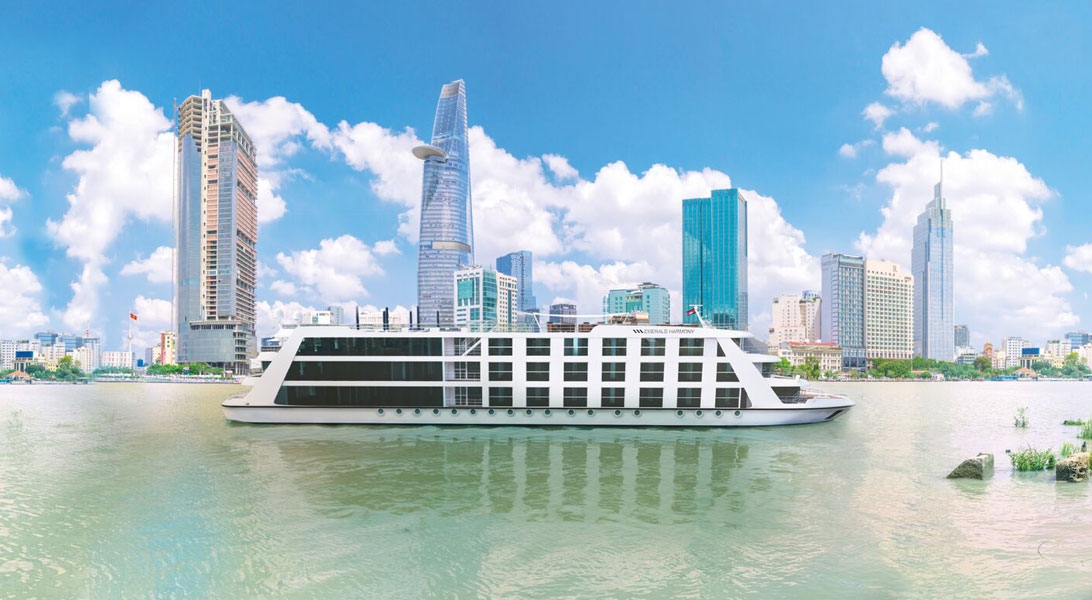
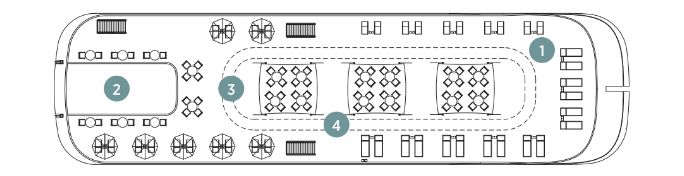

The images shown are for illustration purposes only and may not be an exact representation of what you find on the ship.
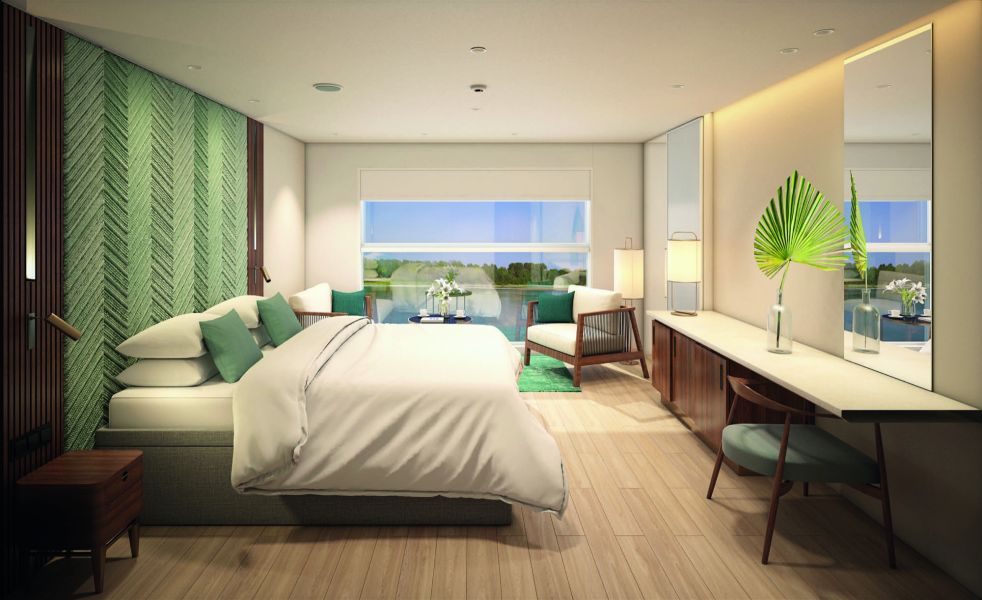
A private balcony with drop-down window is perfect for enjoying the ever-changing views. Reaching 273ft² (25.4m²), relax and unwind in your opulent en-suite bathroom, complete with toiletries, and sleep soundly in your queen-size or twin hotel-style bed.
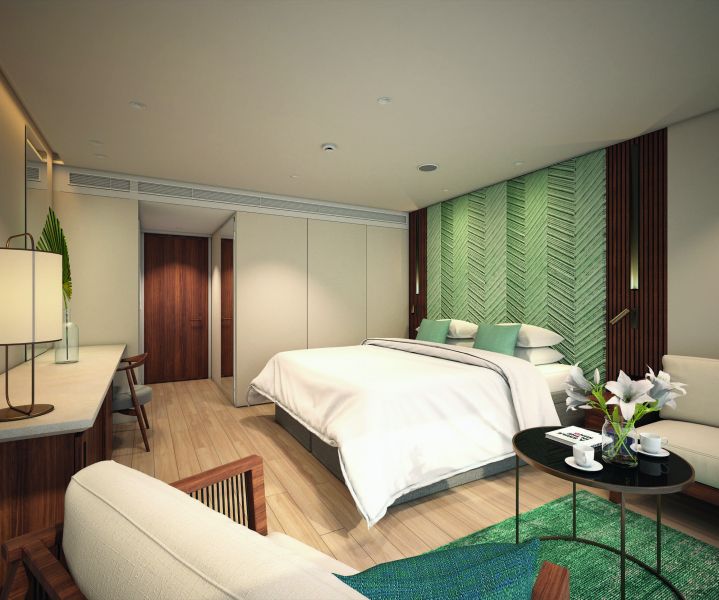
Providing excellent value for money, they are bigger than the average standard staterooms. Enjoy your time on-board in your home-away-from-home, with everything you could possibly need. Emerald Staterooms have porthole river views perfect for seeing the picturesque landscape pass by.
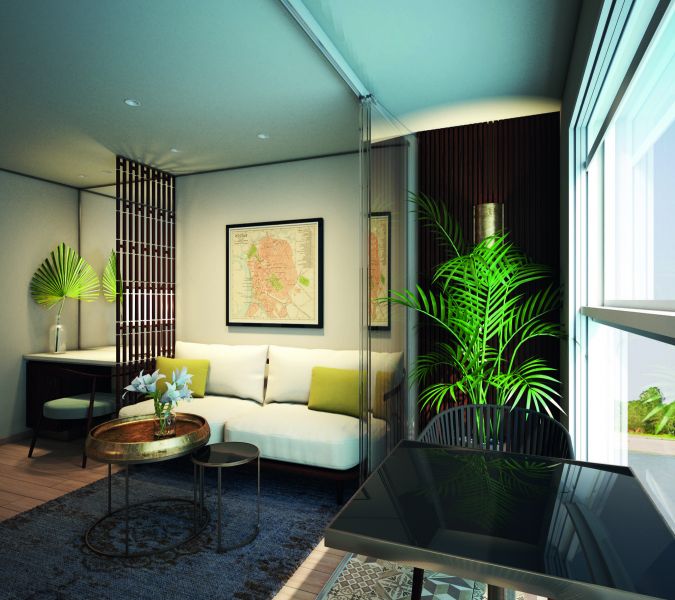
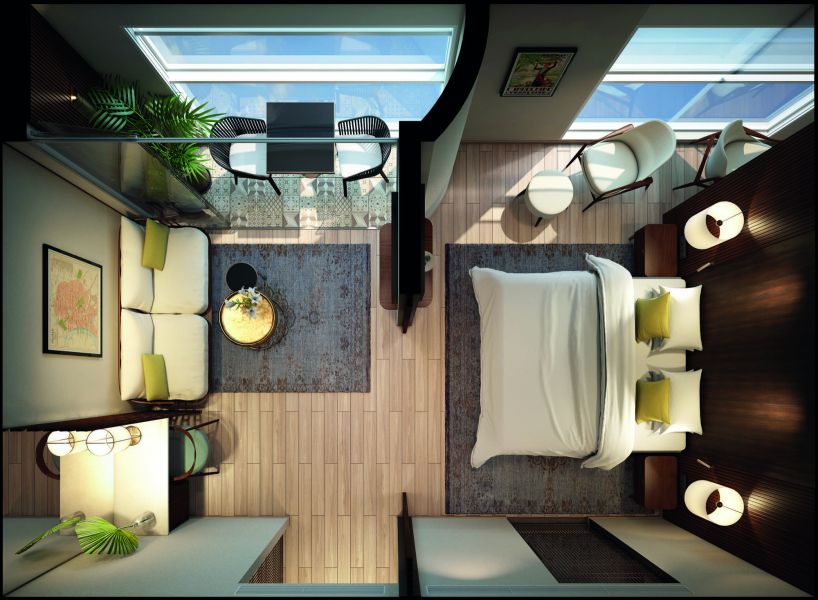
Beautifully appointed with a private balcony, these luxurious suites reach 398ft² (37m²) and host a separate bedroom and lounge. Guests staying in these suites can enjoy the opulent surrounds of the en-suite bathroom, as well as breakfast, canapés and after-dinner treats.
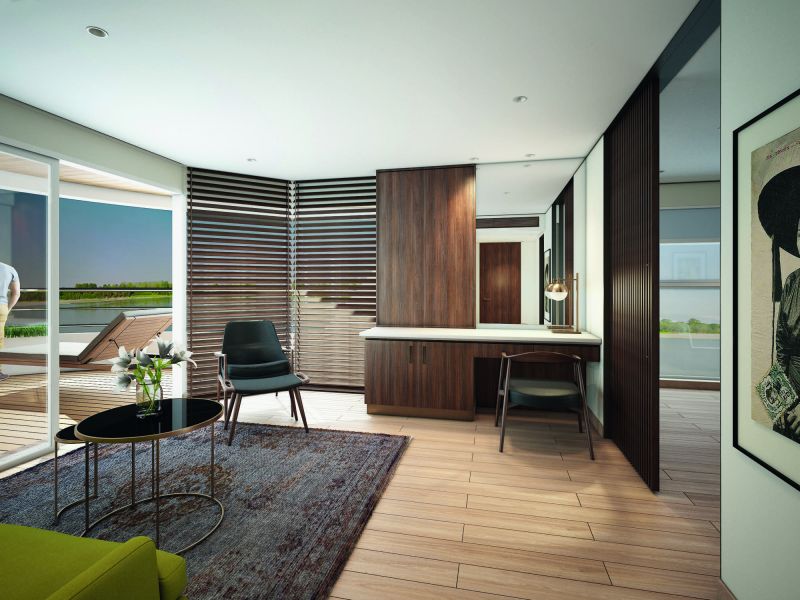
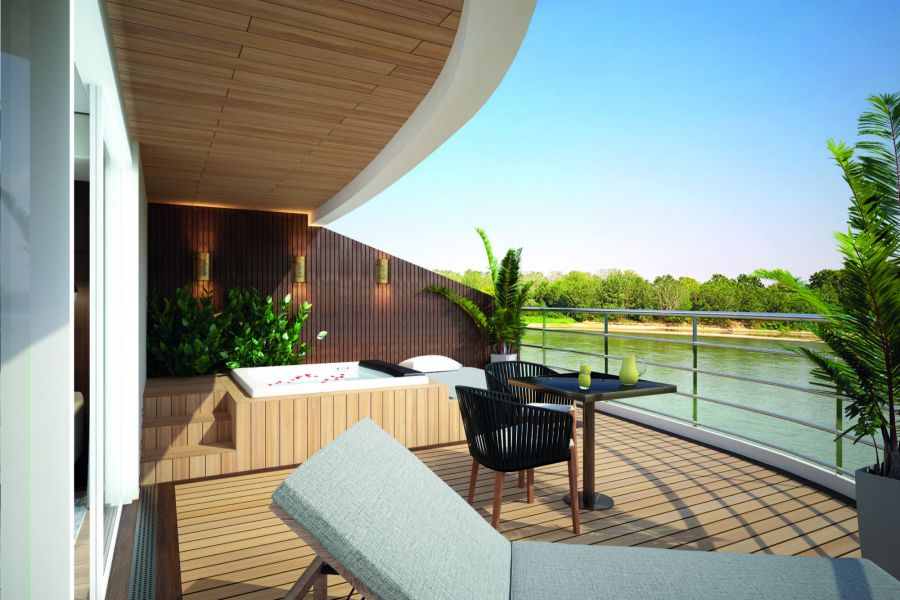
Reaching a colossal 452ft² (42m²), there are just two of these spectacular suites on-board Emerald Harmony, boasting a separate bedroom and lounge area. In addition you’ll enjoy a private 323ft² (30m²) terrace with Jacuzzi. You’ll also be entitled to four laundered items per day, pre-dinner canapés in your suite and an invite to dine at the Captain’s Table.
The images shown are for illustration purposes only and may not be an exact representation of what you find on the ship.
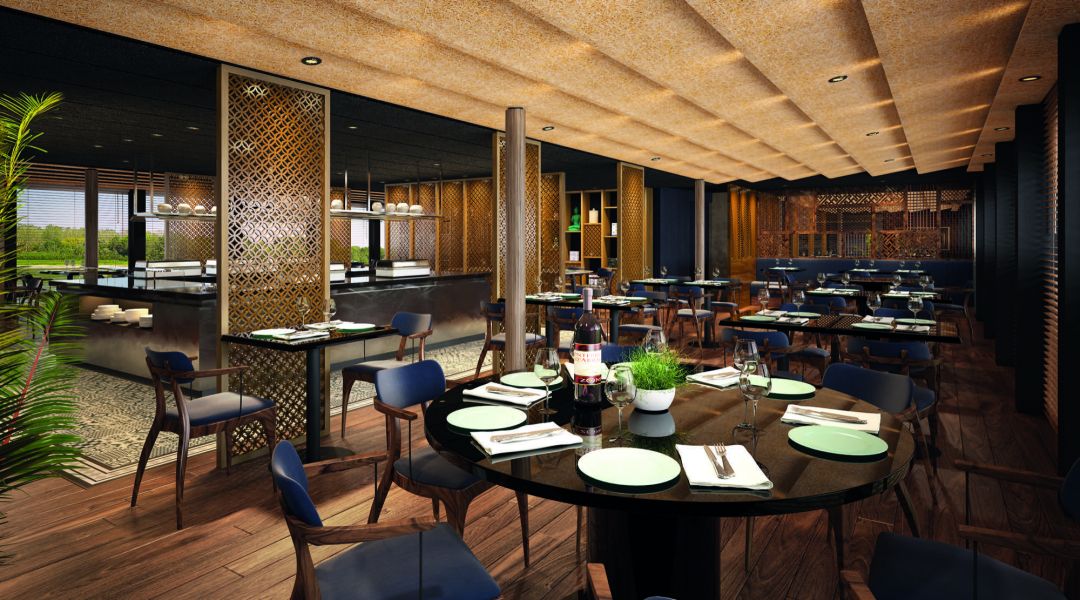
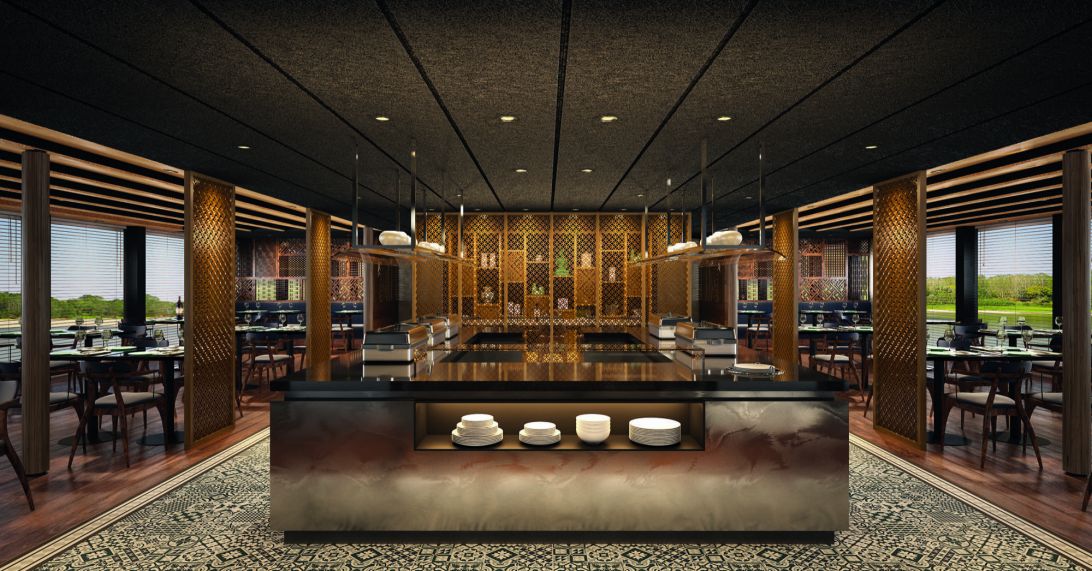
With open seating and elegant design, Reflections Restaurant sets the benchmark in on board dining across our luxury yacht and fleet of boutique Star-Ships. Here, savour delightful chef-prepared meals for breakfast, lunch and dinner, with dishes inspired by local flavours and a few favourites you may recognise from home.
The images shown are for illustration purposes only and may not be an exact representation of what you find on the ship.
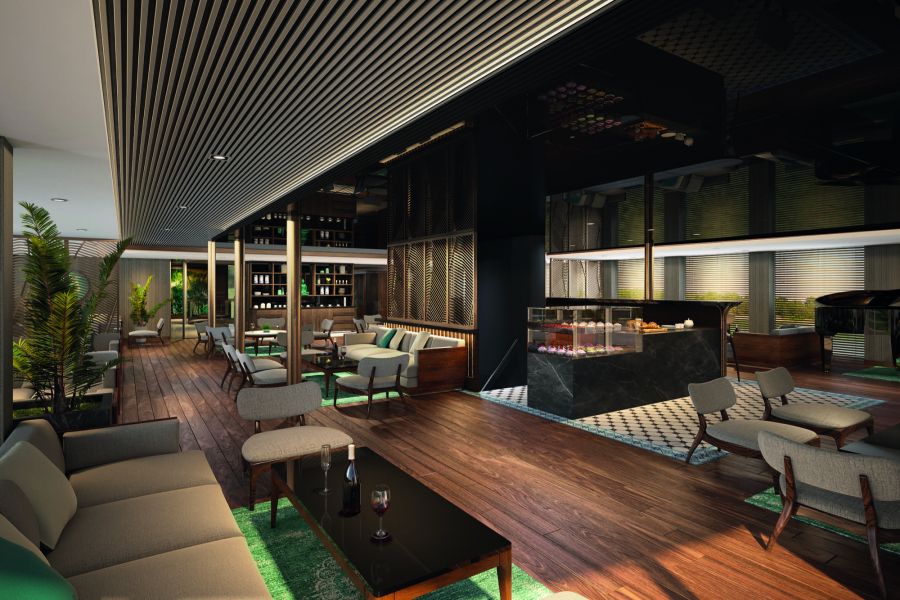
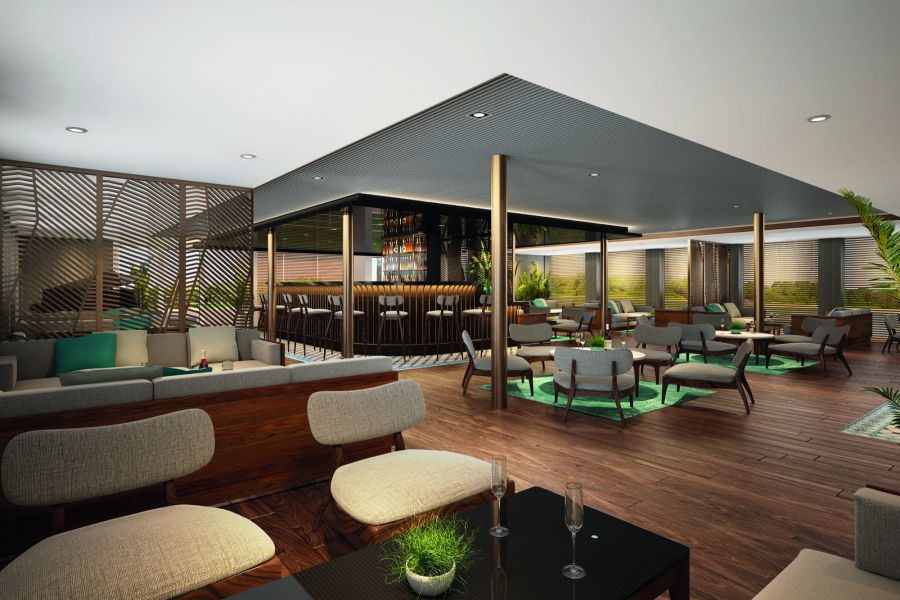
Enjoy a regional beer, glass of wine, cocktail or mocktail in the Asian-inspired surrounds of the Horizon Bar & Lounge. Dark wooden interior and indigenous plants create an authentic environment. And, of course, delicious teas and coffees are always available.
Our bar tenders are experts when it comes to mixing up delicious cocktails, and we’ve sourced the best local and international wines and beers, all complimentary with lunch and dinner. Also available are a delicious selection of mocktails, created using local flavours, like lemongrass and tamarind.
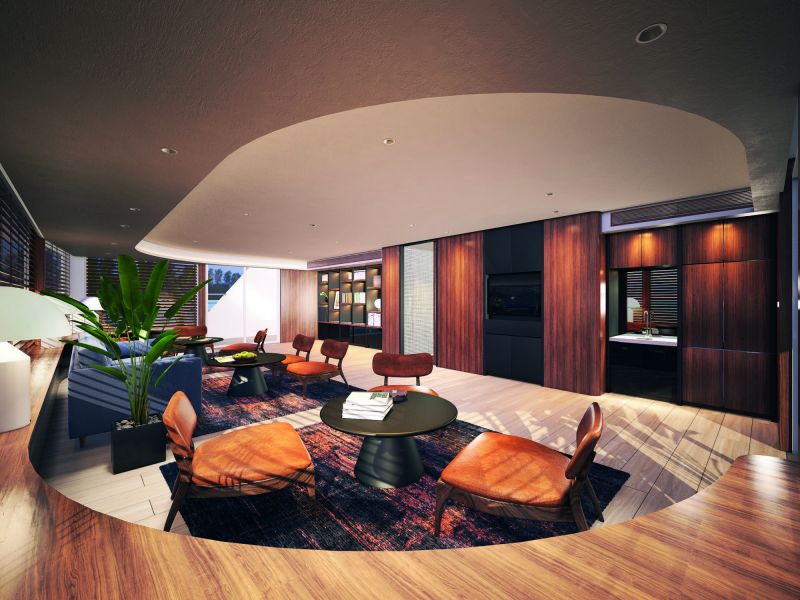
On our Emerald Harmony Star-Ship, we have introduced the Lotus Lounge, where dark wooden tones and muted colours relax you as you sail towards your next destination. Located at the front of the Vista Deck, nibbles and snacks will be available here throughout the day, as well as teas and coffees. Watch the endless horizons unfold as you sip your favourite drink and nibble something delicious.
The images shown are for illustration purposes only and may not be an exact representation of what you find on the ship.
The images shown are for illustration purposes only and may not be an exact representation of what you find on the ship.


Our Fusion packages are all ABTA & ATOL protected ensuring that your booking is safe with us
| Return flights including luggage allowance | |||
| Overseas Transfers | |||
| 25 nights cruising on the Asia | |||
| Return airport transfers | |||
| Wine, beer & soft drinks with lunch & dinner | |||
| Gratuities Included | |||
| One complimentary shore excursion in every port | |||
| Bikes for passenger use | |||
| Free Wi-Fi included | |||
| Port Taxes and Fees | |||
 | ABTA and ATOL Protection* | ||
Date 30th Oct 2026 |
Nts 25 |
Prices from £15,645pp |
Date 30th Oct 2026 |
Nts 25 |
Prices from £15,645pp |
| Oceanview | Balcony | Suite | |
| (All prices are £GBP per person) | |||
| Fri 9th Apr 202709 Apr 27 | from 15,430 | ||
Fusion Holidays when selling travel arrangements is a trading name of Co-op Travel Services Limited, registration 08903986. Fusion Cruises is an Accredited Body Member of Co-op Travel Services Limited ATOL 12904.
Book with Confidence. We are a Member of ABTA which means you have the benefit of ABTA’s assistance and Code of Conduct.
Some of the flights and flight-inclusive holidays on this website are financially protected by the ATOL scheme but ATOL protection does not apply to all holiday and travel services offered on this website. This website will provide you with information on the protection that applies in the case of each holiday and travel service offered before you make your booking. If you do not receive an ATOL Certificate then the booking will not be ATOL protected. If you do receive an ATOL Certificate but all parts of your trip are not listed on it, those parts will not be ATOL protected. Please see our booking conditions for information, or for more information about financial protection and the ATOL Certificate go to: www.caa.co.uk