This site uses cookies as defined in our Cookie Policy, by continuing to use this site you agree to their use.
Continue
| Arrive | Depart | ||||||
| 3rd03 | AprApr | 202828 | Monte-Carlo, Monaco, embark on the Scenic Sapphire | ||||
On one of the best stretches of the Mediterranean, this classic luxury destination is one of the most sought-after addresses in the world. With all the high-rise towers you have to look hard to find the Belle Époque grace of yesteryear. But if you head to the town's great 1864 landmark Hôtel de Paris—still a veritable crossroads of the buffed and befurred Euro-gentry—or enjoy a grand bouffe at its famous Louis XV restaurant, or attend the opera, or visit the ballrooms of the casino, you may still be able to conjure up Monaco's elegant past. Prince Albert II, a political science graduate from Amherst College, traces his ancestry to Otto Canella, who was born in 1070. The Grimaldi dynasty began with Otto's great-great-great-grandson, Francesco Grimaldi, also known as Frank the Rogue. Expelled from Genoa, Frank and his cronies disguised themselves as monks and in 1297 seized the fortified medieval town known today as Le Rocher (the Rock). Except for a short break under Napoléon, the Grimaldis have been here ever since, which makes them the oldest reigning family in Europe. In the 1850s a Grimaldi named Charles III made a decision that turned the Rock into a giant blue chip. Needing revenue but not wanting to impose additional taxes on his subjects, he contracted with a company to open a gambling facility. The first spin of the roulette wheel was on December 14, 1856. There was no easy way to reach Monaco then—no carriage roads or railroads—so no one came. Between March 15 and March 20, 1857, one person entered the casino—and won two francs. In 1868, however, the railroad reached Monaco, and it was filled with Englishmen who came to escape the London fog. The effects were immediate. Profits were so great that Charles eventually abolished all direct taxes. Almost overnight, a threadbare principality became an elegant watering hole for European society. Dukes (and their mistresses) and duchesses (and their gigolos) danced and dined their way through a world of spinning roulette wheels and bubbling champagne—preening themselves for nights at the opera, where such artists as Vaslav Nijinsky, Sarah Bernhardt, and Enrico Caruso came to perform. Along with the tax system, its sensational position on a broad, steep peninsula that bulges into the Mediterranean—its harbor sparkling with luxury cruisers, its posh mansions angling awnings toward the nearly perpetual sun—continues to draw the rich and famous. One of the latest French celebrities to declare himself "Monégasque," thus giving up his French passport, is superchef Alain Ducasse, who said that he made the choice out of affection for Monaco rather than tax reasons. Pleasure boats vie with luxury cruisers in their brash beauty and Titanic scale, and teams of handsome young men—themselves dyed blond and tanned to match—scour and polish every gleaming surface. As you might expect, all this glitz doesn't come cheap. Eating is expensive, and even the most modest hotels cost more here than in nearby Nice or Menton. As for taxis, they don't even have meters so you are completely at the driver's mercy (with prices skyrocketing during events such as the Grand Prix). For the frugal, Monaco is the ultimate day-trip, although parking is as coveted as a room with a view. At the very least you can afford a coffee at Starbucks. The harbor district, known as La Condamine, connects the new quarter, officially known as Monte Carlo with Monaco-Ville (or Le Rocher), a medieval town on the Rock, topped by the palace, the cathedral, and the Oceanography Museum. Have no fear that you'll need to climb countless steps to get to Monaco-Ville, as there are plenty of elevators and escalators climbing the steep cliffs. But shuttling between the lovely casino grounds of Monte Carlo and Old Monaco, separated by a vast port, is a daunting proposition for ordinary mortals without wings, so hop on the No. 1 bus from Saint Roman, or No. 2 from the Jardin Exotique - Both stop at Place du Casino and come up to Monaco Ville. Welcome to France and the city of Nice, the Capital of the Côte d'Azur. Upon arrival at the airport, transfer to Monte Carlo and check in to your five-star hotel for a three-night stay. | |||||||
| 4th04 | AprApr | 202828 | Monte-Carlo, Monaco | ||||
On one of the best stretches of the Mediterranean, this classic luxury destination is one of the most sought-after addresses in the world. With all the high-rise towers you have to look hard to find the Belle Époque grace of yesteryear. But if you head to the town's great 1864 landmark Hôtel de Paris—still a veritable crossroads of the buffed and befurred Euro-gentry—or enjoy a grand bouffe at its famous Louis XV restaurant, or attend the opera, or visit the ballrooms of the casino, you may still be able to conjure up Monaco's elegant past. Prince Albert II, a political science graduate from Amherst College, traces his ancestry to Otto Canella, who was born in 1070. The Grimaldi dynasty began with Otto's great-great-great-grandson, Francesco Grimaldi, also known as Frank the Rogue. Expelled from Genoa, Frank and his cronies disguised themselves as monks and in 1297 seized the fortified medieval town known today as Le Rocher (the Rock). Except for a short break under Napoléon, the Grimaldis have been here ever since, which makes them the oldest reigning family in Europe. In the 1850s a Grimaldi named Charles III made a decision that turned the Rock into a giant blue chip. Needing revenue but not wanting to impose additional taxes on his subjects, he contracted with a company to open a gambling facility. The first spin of the roulette wheel was on December 14, 1856. There was no easy way to reach Monaco then—no carriage roads or railroads—so no one came. Between March 15 and March 20, 1857, one person entered the casino—and won two francs. In 1868, however, the railroad reached Monaco, and it was filled with Englishmen who came to escape the London fog. The effects were immediate. Profits were so great that Charles eventually abolished all direct taxes. Almost overnight, a threadbare principality became an elegant watering hole for European society. Dukes (and their mistresses) and duchesses (and their gigolos) danced and dined their way through a world of spinning roulette wheels and bubbling champagne—preening themselves for nights at the opera, where such artists as Vaslav Nijinsky, Sarah Bernhardt, and Enrico Caruso came to perform. Along with the tax system, its sensational position on a broad, steep peninsula that bulges into the Mediterranean—its harbor sparkling with luxury cruisers, its posh mansions angling awnings toward the nearly perpetual sun—continues to draw the rich and famous. One of the latest French celebrities to declare himself "Monégasque," thus giving up his French passport, is superchef Alain Ducasse, who said that he made the choice out of affection for Monaco rather than tax reasons. Pleasure boats vie with luxury cruisers in their brash beauty and Titanic scale, and teams of handsome young men—themselves dyed blond and tanned to match—scour and polish every gleaming surface. As you might expect, all this glitz doesn't come cheap. Eating is expensive, and even the most modest hotels cost more here than in nearby Nice or Menton. As for taxis, they don't even have meters so you are completely at the driver's mercy (with prices skyrocketing during events such as the Grand Prix). For the frugal, Monaco is the ultimate day-trip, although parking is as coveted as a room with a view. At the very least you can afford a coffee at Starbucks. The harbor district, known as La Condamine, connects the new quarter, officially known as Monte Carlo with Monaco-Ville (or Le Rocher), a medieval town on the Rock, topped by the palace, the cathedral, and the Oceanography Museum. Have no fear that you'll need to climb countless steps to get to Monaco-Ville, as there are plenty of elevators and escalators climbing the steep cliffs. But shuttling between the lovely casino grounds of Monte Carlo and Old Monaco, separated by a vast port, is a daunting proposition for ordinary mortals without wings, so hop on the No. 1 bus from Saint Roman, or No. 2 from the Jardin Exotique - Both stop at Place du Casino and come up to Monaco Ville. The most famous of Monaco’s four districts, Monte Carlo exudes effortless glamour, with elegant boulevards, designer boutiques and sunny squares framed by grand Belle Époque architecture. On a guided walking tour this morning, take in sparkling sea views, the famed turns of the F1 racing track and the iconic Monte Carlo Casino. Pause to admire supercars and yachts that line the harbour as you hear stories of the principality’s royal heritage and cinematic allure. | |||||||
| 5th05 | AprApr | 202828 | Monte-Carlo, Monaco | ||||
On one of the best stretches of the Mediterranean, this classic luxury destination is one of the most sought-after addresses in the world. With all the high-rise towers you have to look hard to find the Belle Époque grace of yesteryear. But if you head to the town's great 1864 landmark Hôtel de Paris—still a veritable crossroads of the buffed and befurred Euro-gentry—or enjoy a grand bouffe at its famous Louis XV restaurant, or attend the opera, or visit the ballrooms of the casino, you may still be able to conjure up Monaco's elegant past. Prince Albert II, a political science graduate from Amherst College, traces his ancestry to Otto Canella, who was born in 1070. The Grimaldi dynasty began with Otto's great-great-great-grandson, Francesco Grimaldi, also known as Frank the Rogue. Expelled from Genoa, Frank and his cronies disguised themselves as monks and in 1297 seized the fortified medieval town known today as Le Rocher (the Rock). Except for a short break under Napoléon, the Grimaldis have been here ever since, which makes them the oldest reigning family in Europe. In the 1850s a Grimaldi named Charles III made a decision that turned the Rock into a giant blue chip. Needing revenue but not wanting to impose additional taxes on his subjects, he contracted with a company to open a gambling facility. The first spin of the roulette wheel was on December 14, 1856. There was no easy way to reach Monaco then—no carriage roads or railroads—so no one came. Between March 15 and March 20, 1857, one person entered the casino—and won two francs. In 1868, however, the railroad reached Monaco, and it was filled with Englishmen who came to escape the London fog. The effects were immediate. Profits were so great that Charles eventually abolished all direct taxes. Almost overnight, a threadbare principality became an elegant watering hole for European society. Dukes (and their mistresses) and duchesses (and their gigolos) danced and dined their way through a world of spinning roulette wheels and bubbling champagne—preening themselves for nights at the opera, where such artists as Vaslav Nijinsky, Sarah Bernhardt, and Enrico Caruso came to perform. Along with the tax system, its sensational position on a broad, steep peninsula that bulges into the Mediterranean—its harbor sparkling with luxury cruisers, its posh mansions angling awnings toward the nearly perpetual sun—continues to draw the rich and famous. One of the latest French celebrities to declare himself "Monégasque," thus giving up his French passport, is superchef Alain Ducasse, who said that he made the choice out of affection for Monaco rather than tax reasons. Pleasure boats vie with luxury cruisers in their brash beauty and Titanic scale, and teams of handsome young men—themselves dyed blond and tanned to match—scour and polish every gleaming surface. As you might expect, all this glitz doesn't come cheap. Eating is expensive, and even the most modest hotels cost more here than in nearby Nice or Menton. As for taxis, they don't even have meters so you are completely at the driver's mercy (with prices skyrocketing during events such as the Grand Prix). For the frugal, Monaco is the ultimate day-trip, although parking is as coveted as a room with a view. At the very least you can afford a coffee at Starbucks. The harbor district, known as La Condamine, connects the new quarter, officially known as Monte Carlo with Monaco-Ville (or Le Rocher), a medieval town on the Rock, topped by the palace, the cathedral, and the Oceanography Museum. Have no fear that you'll need to climb countless steps to get to Monaco-Ville, as there are plenty of elevators and escalators climbing the steep cliffs. But shuttling between the lovely casino grounds of Monte Carlo and Old Monaco, separated by a vast port, is a daunting proposition for ordinary mortals without wings, so hop on the No. 1 bus from Saint Roman, or No. 2 from the Jardin Exotique - Both stop at Place du Casino and come up to Monaco Ville. After a delicious breakfast in your hotel, set out to discover more of the sparkling Côte d’Azur. Scenic Freechoice: | |||||||
| 6th06 | AprApr | 202828 | Monte-Carlo, Monaco | ||||
On one of the best stretches of the Mediterranean, this classic luxury destination is one of the most sought-after addresses in the world. With all the high-rise towers you have to look hard to find the Belle Époque grace of yesteryear. But if you head to the town's great 1864 landmark Hôtel de Paris—still a veritable crossroads of the buffed and befurred Euro-gentry—or enjoy a grand bouffe at its famous Louis XV restaurant, or attend the opera, or visit the ballrooms of the casino, you may still be able to conjure up Monaco's elegant past. Prince Albert II, a political science graduate from Amherst College, traces his ancestry to Otto Canella, who was born in 1070. The Grimaldi dynasty began with Otto's great-great-great-grandson, Francesco Grimaldi, also known as Frank the Rogue. Expelled from Genoa, Frank and his cronies disguised themselves as monks and in 1297 seized the fortified medieval town known today as Le Rocher (the Rock). Except for a short break under Napoléon, the Grimaldis have been here ever since, which makes them the oldest reigning family in Europe. In the 1850s a Grimaldi named Charles III made a decision that turned the Rock into a giant blue chip. Needing revenue but not wanting to impose additional taxes on his subjects, he contracted with a company to open a gambling facility. The first spin of the roulette wheel was on December 14, 1856. There was no easy way to reach Monaco then—no carriage roads or railroads—so no one came. Between March 15 and March 20, 1857, one person entered the casino—and won two francs. In 1868, however, the railroad reached Monaco, and it was filled with Englishmen who came to escape the London fog. The effects were immediate. Profits were so great that Charles eventually abolished all direct taxes. Almost overnight, a threadbare principality became an elegant watering hole for European society. Dukes (and their mistresses) and duchesses (and their gigolos) danced and dined their way through a world of spinning roulette wheels and bubbling champagne—preening themselves for nights at the opera, where such artists as Vaslav Nijinsky, Sarah Bernhardt, and Enrico Caruso came to perform. Along with the tax system, its sensational position on a broad, steep peninsula that bulges into the Mediterranean—its harbor sparkling with luxury cruisers, its posh mansions angling awnings toward the nearly perpetual sun—continues to draw the rich and famous. One of the latest French celebrities to declare himself "Monégasque," thus giving up his French passport, is superchef Alain Ducasse, who said that he made the choice out of affection for Monaco rather than tax reasons. Pleasure boats vie with luxury cruisers in their brash beauty and Titanic scale, and teams of handsome young men—themselves dyed blond and tanned to match—scour and polish every gleaming surface. As you might expect, all this glitz doesn't come cheap. Eating is expensive, and even the most modest hotels cost more here than in nearby Nice or Menton. As for taxis, they don't even have meters so you are completely at the driver's mercy (with prices skyrocketing during events such as the Grand Prix). For the frugal, Monaco is the ultimate day-trip, although parking is as coveted as a room with a view. At the very least you can afford a coffee at Starbucks. The harbor district, known as La Condamine, connects the new quarter, officially known as Monte Carlo with Monaco-Ville (or Le Rocher), a medieval town on the Rock, topped by the palace, the cathedral, and the Oceanography Museum. Have no fear that you'll need to climb countless steps to get to Monaco-Ville, as there are plenty of elevators and escalators climbing the steep cliffs. But shuttling between the lovely casino grounds of Monte Carlo and Old Monaco, separated by a vast port, is a daunting proposition for ordinary mortals without wings, so hop on the No. 1 bus from Saint Roman, or No. 2 from the Jardin Exotique - Both stop at Place du Casino and come up to Monaco Ville. Your extension concludes this morning. After breakfast, transfer to Tarascon with a stop in Nice along the way for a short orientation tour. Then board your luxurious Scenic Space-Ship to begin your immersive French river cruise. | |||||||
| 6th06 | AprApr | 202828 | Tarascon, France | ||||
| 7th07 | AprApr | 202828 | Arles, France | ||||
Arles, France, is a historic city in Provence renowned for its Roman heritage and artistic legacy. The ancient amphitheater and the Roman Theater are standout landmarks. Arles also boasts charming streets and vibrant markets, reflecting its rich cultural life. Known for its connection to Vincent van Gogh, the city features scenes immortalized in his paintings. The blend of historical architecture, vibrant local culture, and picturesque landscapes makes Arles a captivating destination for history buffs and art enthusiasts alike. Wake up in Arles in the Provence region and close to the Mediterranean coast. Founded around 56BC by Julius Caesar, the city has a rich Roman heritage and is thought to have the largest number of Roman ruins outside the Eternal City itself. The remnants of ancient monuments, theatres, baths and administrative buildings are strewn along the river’s left bank. It was also the home of Vincent van Gogh in 1888 and he drew inspiration from the landscape for many of his paintings and drawings. Scenic Freechoice: Relax on board this afternoon as we cruise to Avignon. You could take a seat on the Sun Deck and watch the picturesque landscapes as you enjoy a glass of local wine. | |||||||
| 7th07 | AprApr | 202828 | Avignon, France | ||||
Avignon, France, is a historic city in Provence famed for its stunning medieval architecture. Dominated by the impressive Palais des Papes, a grand papal palace, and the iconic Pont Saint-Bénézet bridge, Avignon offers a rich cultural heritage. Its charming streets, vibrant markets, and annual theater festival, the Festival d'Avignon, add to its allure. Surrounded by picturesque vineyards and the Rhône River, Avignon blends history with a lively contemporary atmosphere, making it a must-visit for history enthusiasts and culture seekers. | |||||||
| 8th08 | AprApr | 202828 | Avignon, France | ||||
Avignon, France, is a historic city in Provence famed for its stunning medieval architecture. Dominated by the impressive Palais des Papes, a grand papal palace, and the iconic Pont Saint-Bénézet bridge, Avignon offers a rich cultural heritage. Its charming streets, vibrant markets, and annual theater festival, the Festival d'Avignon, add to its allure. Surrounded by picturesque vineyards and the Rhône River, Avignon blends history with a lively contemporary atmosphere, making it a must-visit for history enthusiasts and culture seekers. Wake in the ancient city of Avignon. Known as the ‘City of the Popes’, Avignon is rich in history and astounding medieval architecture. At the same time, it also has a youthful energy and a buzzing arts scene. Encompassed by fortified walls, the former papal capital is home to the World Heritage-listed Palais des Papes (Pope’s Palace), one of the largest surviving Gothic palaces in Europe, and the remaining four arches of the famous Pont d’Avignon bridge, which was once the only way to cross the Rhône between Lyon and the Mediterranean Sea. Scenic Freechoice: This afternoon is at your leisure to further explore Avignon at your own pace. If you’re feeling energetic, walk up Le Rocher des Doms. Set 30 metres above the river, it offers excellent views over the city as well as a pretty English-style garden with shady trees, fountains and ponds. Scenic Enrich Your Space-Ship remains in Avignon overnight. | |||||||
| 9th09 | AprApr | 202828 | Avignon, France | ||||
Avignon, France, is a historic city in Provence famed for its stunning medieval architecture. Dominated by the impressive Palais des Papes, a grand papal palace, and the iconic Pont Saint-Bénézet bridge, Avignon offers a rich cultural heritage. Its charming streets, vibrant markets, and annual theater festival, the Festival d'Avignon, add to its allure. Surrounded by picturesque vineyards and the Rhône River, Avignon blends history with a lively contemporary atmosphere, making it a must-visit for history enthusiasts and culture seekers. Explore more of the charming city of Avignon today with your choice of Scenic Freechoice experiences that feel uniquely French. Scenic Freechoice: Cruise to Viviers this afternoon. | |||||||
| 9th09 | AprApr | 202828 | Viviers, France | ||||
Viviers, France, is a charming medieval town in the Rhône-Alpes region, renowned for its well-preserved historical architecture. Nestled on the banks of the Rhône River, it features narrow, winding streets, ancient stone houses, and the impressive Saint-Vincent Cathedral. The town's Roman and medieval heritage is evident in its old ramparts and historic buildings. Viviers' tranquil atmosphere and picturesque surroundings offer a glimpse into the past, making it a delightful destination for history lovers and those seeking a serene escape. | |||||||
| 10th10 | AprApr | 202828 | Viviers, France | ||||
Viviers, France, is a charming medieval town in the Rhône-Alpes region, renowned for its well-preserved historical architecture. Nestled on the banks of the Rhône River, it features narrow, winding streets, ancient stone houses, and the impressive Saint-Vincent Cathedral. The town's Roman and medieval heritage is evident in its old ramparts and historic buildings. Viviers' tranquil atmosphere and picturesque surroundings offer a glimpse into the past, making it a delightful destination for history lovers and those seeking a serene escape. This morning you wake up in Viviers, often described as an open-air museum thanks to its rich medieval heritage and architecture. The town was founded in the fifth century, and as you walk down the narrow, zig-zagging lanes, you will feel as though little has changed in the past 1,600 years. At its peak in the Middle Ages, Viviers was home to 30,000 people, today less than 4,000 people live here, happily secluded in their own world. Scenic Freechoice: This afternoon, we cruise towards Tournon. | |||||||
| 10th10 | AprApr | 202828 | Tournon-sur-Rhône, France | ||||
| 11th11 | AprApr | 202828 | Tournon-sur-Rhône, France | ||||
Explore Tournon today. This hillside village is known for its terraced vineyards, enchanting castle dating back to the 10th century and quaint cobblestoned streets. Scenic Freechoice: Relax this afternoon on board or explore Tournon on your own. | |||||||
| 12th12 | AprApr | 202828 | Lyon, France | ||||
Lyon, the capital city in France’s Auvergne-Rhône-Alpes region, sits at the junction of the Rhône and Saône rivers. Its center reflects 2,000 years of history from the Roman Amphithéâtre des Trois Gaules, medieval and Renaissance architecture in Vieux (Old) Lyon, to the modern Confluence district on Presqu'île peninsula. Traboules, covered passageways between buildings, connect Vieux Lyon and La Croix-Rousse hill. Greet the day in Lyon. You may like to arrange for your butler to deliver a coffee to your suite and enjoy it in your private Scenic Sun Lounge before venturing out for the day. Sitting at the confluence of the Rhône and Saône rivers, Lyon was founded by the Romans in 43BC. Since the mid-1500s it has been a financial and industrial powerhouse and today is recognised as France’s culinary capital. The city is home to more than 4,000 restaurants, including 20 that hold Michelin stars, and eating well is a way of life. Scenic Freechoice: Scenic Enrich | |||||||
| 13th13 | AprApr | 202828 | Lyon, France | ||||
Lyon, the capital city in France’s Auvergne-Rhône-Alpes region, sits at the junction of the Rhône and Saône rivers. Its center reflects 2,000 years of history from the Roman Amphithéâtre des Trois Gaules, medieval and Renaissance architecture in Vieux (Old) Lyon, to the modern Confluence district on Presqu'île peninsula. Traboules, covered passageways between buildings, connect Vieux Lyon and La Croix-Rousse hill. Cruising upstream on the Saône this morning, enjoy the vistas from your Scenic Space-Ship as you arrive in Macon, gateway to exploring the south Burgundy region. Scenic Freechoice: Tonight, sit down to an exclusive dinner on board prepared by Michelin-starred Chef Didier Goiffon. This intimate dining experience in Crystal Dining allows you to experience authentic flavours in exquisite regional dishes that showcase the best of French gastronomy. | |||||||
| 13th13 | AprApr | 202828 | Mâcon, France | ||||
| 14th14 | AprApr | 202828 | Chalon-sur-Saône, France | ||||
This morning, wake up in Chalon-sur-Saône, a charming Burgundy town of waterfront promenades, historic facades and gently stirring café terraces along the banks. Scenic Freechoice: Enjoy a picturesque afternoon cruising along the Saône River to Tournus. | |||||||
| 14th14 | AprApr | 202828 | Tournus, France | ||||
| 15th15 | AprApr | 202828 | Tournus, France | ||||
Wake in the historic town of Tournus for a day of exploration with your choice of Scenic Freechoice to suit your pace and taste. Scenic Freechoice: Relax this afternoon as you cruise the river Saône back to Lyon. | |||||||
| 15th15 | AprApr | 202828 | Lyon, France | ||||
Lyon, the capital city in France’s Auvergne-Rhône-Alpes region, sits at the junction of the Rhône and Saône rivers. Its center reflects 2,000 years of history from the Roman Amphithéâtre des Trois Gaules, medieval and Renaissance architecture in Vieux (Old) Lyon, to the modern Confluence district on Presqu'île peninsula. Traboules, covered passageways between buildings, connect Vieux Lyon and La Croix-Rousse hill. | |||||||
| 16th16 | AprApr | 202828 | Lyon, France, disembark the Scenic Sapphire | ||||
Lyon, the capital city in France’s Auvergne-Rhône-Alpes region, sits at the junction of the Rhône and Saône rivers. Its center reflects 2,000 years of history from the Roman Amphithéâtre des Trois Gaules, medieval and Renaissance architecture in Vieux (Old) Lyon, to the modern Confluence district on Presqu'île peninsula. Traboules, covered passageways between buildings, connect Vieux Lyon and La Croix-Rousse hill. Your journey concludes this morning. Farewell your fellow guests and Scenic crew, taking with you delicious memories of this gourmet journey. This itinerary is a guide only and may be amended for operational reasons such as high and low water. Please refer to our terms and conditions. Please note: Preview itinerary subject to change. | |||||||
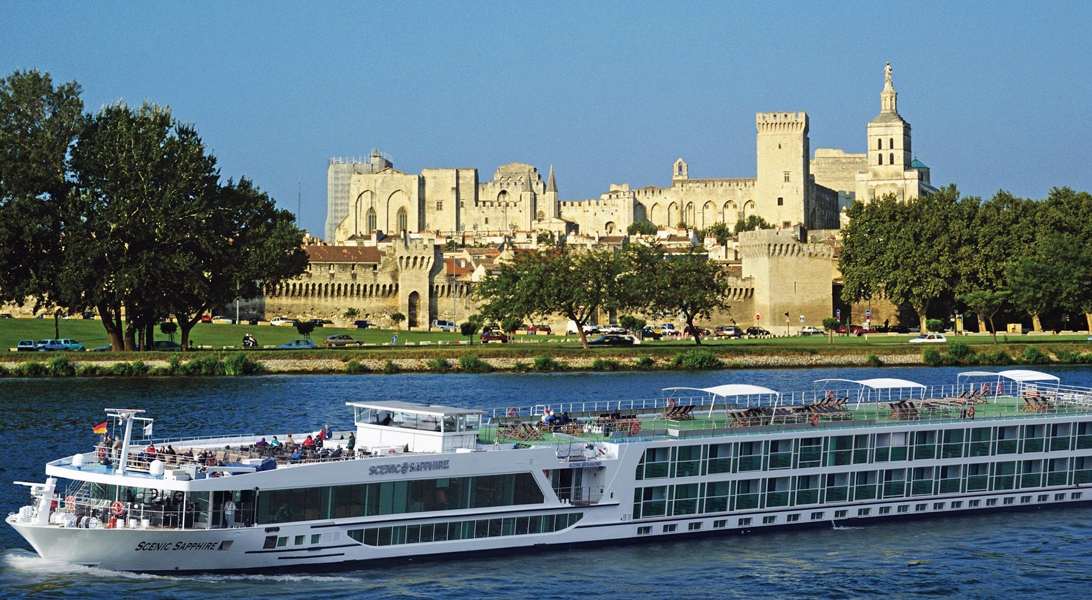

The images shown are for illustration purposes only and may not be an exact representation of what you find on the ship.
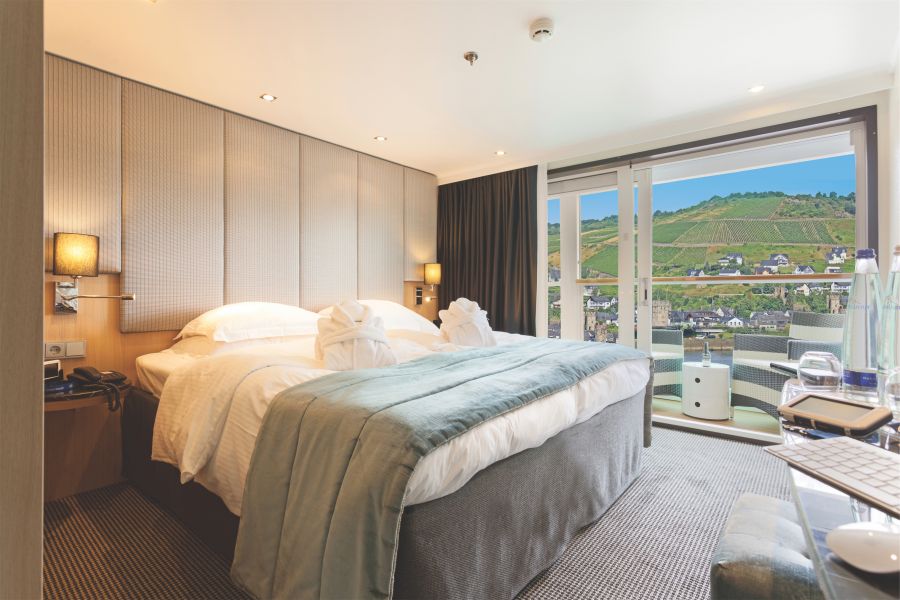
Located on the Sapphire and Diamond Decks these stylishly decorated suites feature a full-length outdoor balcony with the exclusive Scenic Sun Lounge and offer private bathrooms with a luxurious vanity basin and shower.
Room Highlights
Amenities & Features
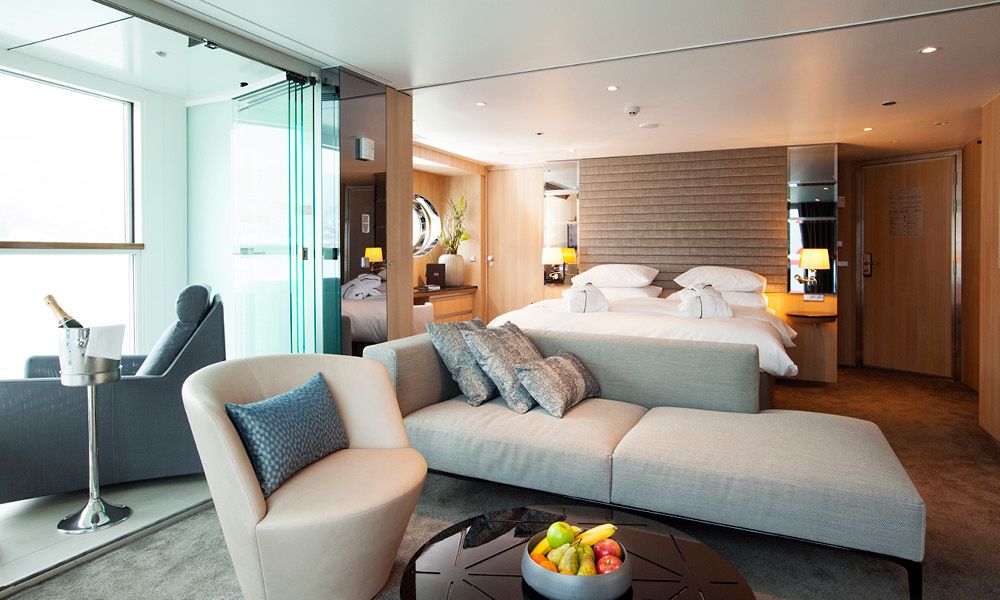
These Suites located on the Diamond Deck are the ultimate in luxury with more space, impeccable service, thoughtful touches, an outdoor balcony, lounge area and an oversized bathroom.
Suite Highlights
Amenities & Features
The images shown are for illustration purposes only and may not be an exact representation of what you find on the ship.
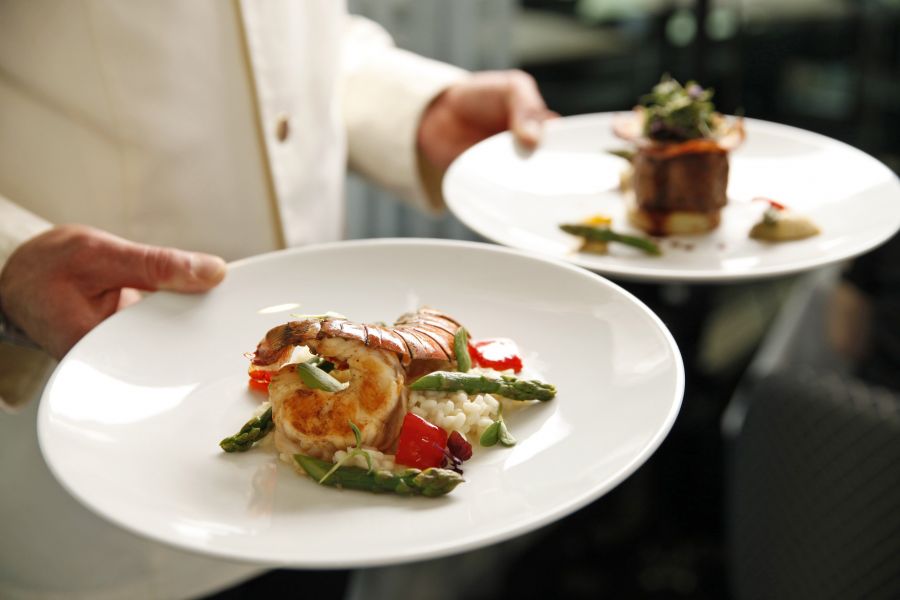
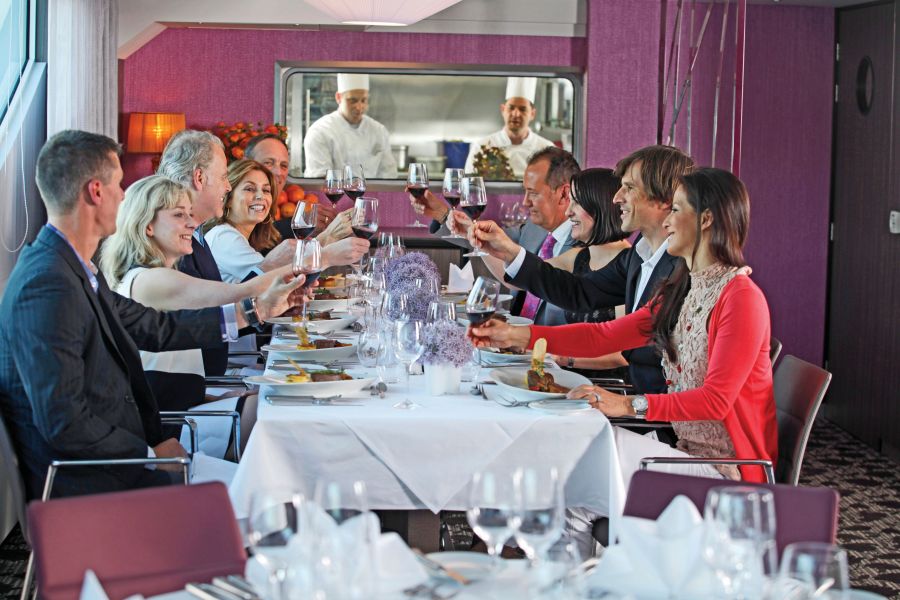
Featuring a six-course degustation, the exclusive Table La Rive and Table d’Or on our European river cruises offers an intimate dining experience for only 10 guests per evening. Guests staying on the Diamond Deck for 10 nights or longer, as well as Royal and Junior Suite guests staying for up to nine nights, will be invited by our Executive Chef.
The images shown are for illustration purposes only and may not be an exact representation of what you find on the ship.
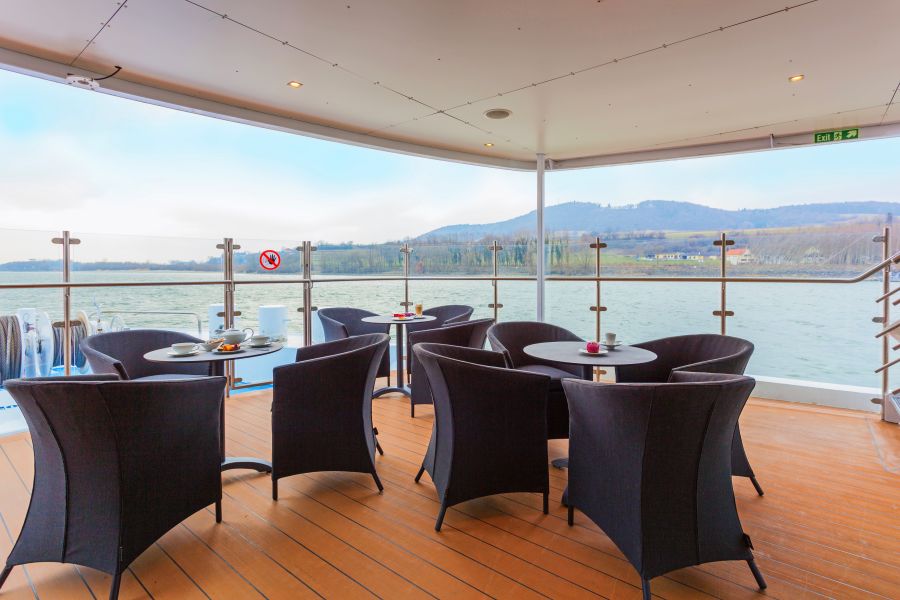
Make the most of every ray of sunshine with our purpose-built Sun Deck. Complete with deck chairs and a games area, this is a place to kick back and enjoy the view as your Space-Ship travels to its next destination.
The images shown are for illustration purposes only and may not be an exact representation of what you find on the ship.
The images shown are for illustration purposes only and may not be an exact representation of what you find on the ship.

Our Fusion packages are all ABTA & ATOL protected ensuring that your booking is safe with us
| Return flights including luggage allowance | |||
| Overseas Transfers | |||
| 13 nights cruising on the Moselle | |||
| Return airport transfers | |||
| All alcoholic & non alcoholic beverages included | |||
| Gratuities Included | |||
| Choice of shore excursions In each port | |||
| Exclusive special events | |||
| GPS Guides for independent trips ashore | |||
| Speciality restaurants included | |||
| Bikes for passenger use | |||
| Butler Service | |||
| In-room Mini Bar | |||
| Room Service | |||
| Free Wi-Fi Included | |||
| Port Taxes and Fees | |||
 | ABTA and ATOL Protection* | ||
Date 3rd Apr 2028 |
Nts 13 |
Prices from £6,784pp |
Date 3rd Apr 2028 |
Nts 13 |
Prices from £6,784pp |
| Oceanview | Balcony | Suite | |
| (All prices are £GBP per person) | |||
| Sun 7th May 202807 May 28 | from 7,117 | ||
| Wed 23rd Aug 202823 Aug 28 | from 7,454 | ||
| Tue 12th Sep 202812 Sep 28 | from 7,454 | ||
Fusion Holidays when selling travel arrangements is a trading name of Co-op Travel Services Limited, registration 08903986. Fusion Cruises is an Accredited Body Member of Co-op Travel Services Limited ATOL 12904.
Book with Confidence. We are a Member of ABTA which means you have the benefit of ABTA’s assistance and Code of Conduct.
Some of the flights and flight-inclusive holidays on this website are financially protected by the ATOL scheme but ATOL protection does not apply to all holiday and travel services offered on this website. This website will provide you with information on the protection that applies in the case of each holiday and travel service offered before you make your booking. If you do not receive an ATOL Certificate then the booking will not be ATOL protected. If you do receive an ATOL Certificate but all parts of your trip are not listed on it, those parts will not be ATOL protected. Please see our booking conditions for information, or for more information about financial protection and the ATOL Certificate go to: www.caa.co.uk