This site uses cookies as defined in our Cookie Policy, by continuing to use this site you agree to their use.
Continue
| Arrive | Depart | ||||||
| 30th30 | MarMar | 202828 | Ho Chi Minh City, Vietnam, embark on the Scenic Spirit | ||||
Romantically referred to by the French as the Pearl of the Orient, Ho Chi Minh City today is a super-charged city of sensory overload. Motorbikes zoom day and night along the wide boulevards, through the narrow back alleys and past vendors pushing handcarts hawking goods of all descriptions. Still called Saigon by most residents, this is Vietnam's largest city and the engine driving the country's current economic resurgence, but despite its frenetic pace, it's a friendlier place than Hanoi and locals will tell you the food—simple, tasty, and incorporating many fresh herbs—is infinitely better than in the capital.This is a city full of surprises. The madness of the city's traffic—witness the oddball things that are transported on the back of motorcycles—is countered by tranquil pagodas, peaceful parks, quirky coffee shops, and whole neighborhoods hidden down tiny alleyways, although some of these quiet spots can be difficult to track down. Life in Ho Chi Minh City is lived in public: on the back of motorcycles, on the sidewalks, and in the parks. Even when its residents are at home, they're still on display. With many living rooms opening onto the street, grandmothers napping, babies being rocked, and food being prepared, are all in full view of passersby.Icons of the past endure in the midst of the city’s headlong rush into capitalism. The Hotel Continental, immortalized in Graham Greene's The Quiet American, continues to stand on the corner of old Indochina's most famous thoroughfare, the rue Catinat, known to American G.I.s during the Vietnam War as Tu Do (Freedom) Street and renamed Dong Khoi (Uprising) Street by the Communists. The city still has its ornate opera house and its old French city hall, the Hôtel de Ville. The broad colonial boulevards leading to the Saigon River and the gracious stucco villas are other remnants of the French colonial presence. Grisly reminders of the more recent past can be seen at the city's war-related museums. Residents, however, prefer to look forward rather than back and are often perplexed by tourists' fascination with a war that ended 40 years ago.The Chinese influence on the country is still very much in evidence in the Cholon district, the city's Chinatown, but the modern office towers and international hotels that mark the skyline symbolize Vietnam's fixation on the future. Welcome to vibrant Vietnam, a world of colour, culture and extraordinary food. Today is yours to settle in at your leisure, adjusting to the rhythms of this compelling city before your journey begins in earnest. | |||||||
| 31st31 | MarMar | 202828 | Ho Chi Minh City, Vietnam | ||||
Romantically referred to by the French as the Pearl of the Orient, Ho Chi Minh City today is a super-charged city of sensory overload. Motorbikes zoom day and night along the wide boulevards, through the narrow back alleys and past vendors pushing handcarts hawking goods of all descriptions. Still called Saigon by most residents, this is Vietnam's largest city and the engine driving the country's current economic resurgence, but despite its frenetic pace, it's a friendlier place than Hanoi and locals will tell you the food—simple, tasty, and incorporating many fresh herbs—is infinitely better than in the capital.This is a city full of surprises. The madness of the city's traffic—witness the oddball things that are transported on the back of motorcycles—is countered by tranquil pagodas, peaceful parks, quirky coffee shops, and whole neighborhoods hidden down tiny alleyways, although some of these quiet spots can be difficult to track down. Life in Ho Chi Minh City is lived in public: on the back of motorcycles, on the sidewalks, and in the parks. Even when its residents are at home, they're still on display. With many living rooms opening onto the street, grandmothers napping, babies being rocked, and food being prepared, are all in full view of passersby.Icons of the past endure in the midst of the city’s headlong rush into capitalism. The Hotel Continental, immortalized in Graham Greene's The Quiet American, continues to stand on the corner of old Indochina's most famous thoroughfare, the rue Catinat, known to American G.I.s during the Vietnam War as Tu Do (Freedom) Street and renamed Dong Khoi (Uprising) Street by the Communists. The city still has its ornate opera house and its old French city hall, the Hôtel de Ville. The broad colonial boulevards leading to the Saigon River and the gracious stucco villas are other remnants of the French colonial presence. Grisly reminders of the more recent past can be seen at the city's war-related museums. Residents, however, prefer to look forward rather than back and are often perplexed by tourists' fascination with a war that ended 40 years ago.The Chinese influence on the country is still very much in evidence in the Cholon district, the city's Chinatown, but the modern office towers and international hotels that mark the skyline symbolize Vietnam's fixation on the future. The morning is spent at the Cu Chi Tunnels, where more than 250 kilometres of underground passages dug by hand during the war reveal themselves with staggering ingenuity. Return to the city for a Pho lunch, with the afternoon at leisure. Scenic Freechoice Dining: | |||||||
| 1st01 | AprApr | 202828 | Ho Chi Minh City, Vietnam | ||||
Romantically referred to by the French as the Pearl of the Orient, Ho Chi Minh City today is a super-charged city of sensory overload. Motorbikes zoom day and night along the wide boulevards, through the narrow back alleys and past vendors pushing handcarts hawking goods of all descriptions. Still called Saigon by most residents, this is Vietnam's largest city and the engine driving the country's current economic resurgence, but despite its frenetic pace, it's a friendlier place than Hanoi and locals will tell you the food—simple, tasty, and incorporating many fresh herbs—is infinitely better than in the capital.This is a city full of surprises. The madness of the city's traffic—witness the oddball things that are transported on the back of motorcycles—is countered by tranquil pagodas, peaceful parks, quirky coffee shops, and whole neighborhoods hidden down tiny alleyways, although some of these quiet spots can be difficult to track down. Life in Ho Chi Minh City is lived in public: on the back of motorcycles, on the sidewalks, and in the parks. Even when its residents are at home, they're still on display. With many living rooms opening onto the street, grandmothers napping, babies being rocked, and food being prepared, are all in full view of passersby.Icons of the past endure in the midst of the city’s headlong rush into capitalism. The Hotel Continental, immortalized in Graham Greene's The Quiet American, continues to stand on the corner of old Indochina's most famous thoroughfare, the rue Catinat, known to American G.I.s during the Vietnam War as Tu Do (Freedom) Street and renamed Dong Khoi (Uprising) Street by the Communists. The city still has its ornate opera house and its old French city hall, the Hôtel de Ville. The broad colonial boulevards leading to the Saigon River and the gracious stucco villas are other remnants of the French colonial presence. Grisly reminders of the more recent past can be seen at the city's war-related museums. Residents, however, prefer to look forward rather than back and are often perplexed by tourists' fascination with a war that ended 40 years ago.The Chinese influence on the country is still very much in evidence in the Cholon district, the city's Chinatown, but the modern office towers and international hotels that mark the skyline symbolize Vietnam's fixation on the future. After breakfast, visit the War Museum and the Reunification Palace, whose gates were famously breached by tanks in April 1975. | |||||||
| 2nd02 | AprApr | 202828 | Chợ Gạo, Vietnam | ||||
The day opens with a champagne breakfast as the Scenic Spirit transits the Cho Gao Canal, one of the Mekong Delta’s great arterial waterways, with upwards of 1,800 vessels navigating it every day. Scenic Freechoice: | |||||||
| 3rd03 | AprApr | 202828 | Sa Déc, Vietnam | ||||
A sampan into Sa Dec’s lively wet market reveals two hours of local trade — live fish, frogs, produce and the grand home of Mr Huynh Thuy Le, whose love affair with a young French woman inspired Marguerite Duras’ celebrated novel L’Amant. | |||||||
| 4th04 | AprApr | 202828 | Tân Châu, Vietnam | ||||
Start the morning with a yoga class, the gym or the sauna before heading ashore for Scenic Freechoice around Tan Chau. Scenic Freechoice: After lunch on board, the Scenic Spirit clears the Vietnamese-Cambodian border and sails onward overnight, Vietnam slipping quietly behind. | |||||||
| 5th05 | AprApr | 202828 | Phnom Penh, Cambodia | ||||
Phnom Penh, Cambodia’s busy capital, sits at the junction of the Mekong and Tonlé Sap rivers. It was a hub for both the Khmer Empire and French colonialists. On its walkable riverfront, lined with parks, restaurants and bars, are the ornate Royal Palace, Silver Pagoda and the National Museum, displaying artifacts from around the country. At the city’s heart is the massive, art deco Central Market. The Cambodian capital comes into view as the Scenic Spirit approaches in the early morning. Scenic Freechoice: Return to the Scenic Spirit for lunch, with the afternoon at leisure. This evening, a city lights tour leads to an exclusive Scenic Sundowners experience at a local rum distillery, with a private tasting. | |||||||
| 6th06 | AprApr | 202828 | Phnom Penh, Cambodia | ||||
Phnom Penh, Cambodia’s busy capital, sits at the junction of the Mekong and Tonlé Sap rivers. It was a hub for both the Khmer Empire and French colonialists. On its walkable riverfront, lined with parks, restaurants and bars, are the ornate Royal Palace, Silver Pagoda and the National Museum, displaying artifacts from around the country. At the city’s heart is the massive, art deco Central Market. A morning drive to Oudong, Cambodia’s ancient capital, to experience the rhythms of a working monastery — resident monks, peaceful courtyards and, if timing allows, a traditional festival. Back in Phnom Penh, the Royal Palace and Silver Pagoda command the afternoon, before a cultural performance by the Cambodian Student and Children’s Organisation on board and a Sundowner cocktail reception on the Sun Deck as the Scenic Spirit sets sail toward Silk Island. | |||||||
| 7th07 | AprApr | 202828 | Silk island, Cambodia | ||||
A tuk tuk ride to the silk weaving farm on Oknha Tey reveals every stage of a craft that has defined this community for generations. After lunch, the ship calls at Angkor Ban, a small riverside settlement of century-old wooden houses that somehow survived the Khmer Rouge intact. On board as the ship sails toward Kampong Cham, guests are invited to learn the many ways of wearing a krama, the traditional Cambodian scarf. | |||||||
| 8th08 | AprApr | 202828 | Wat Hanchey, Cambodia | ||||
Step ashore at Wat Hanchey, an ancient hilltop pagoda offering some of the finest elevated river views of the entire journey. Scenic Enrich Scenic Freechoice: | |||||||
| 9th09 | AprApr | 202828 | Kampong Cham, Cambodia | ||||
After disembarkation this morning your journey moves to Siem Reap via Kampong Thom and the ancient Angkorian bridge at Kampong Kdei, with a stop at a traditional stone cutters’ village along the way. Check in to the Raffles Grand Hotel d’Angkor for three nights, a legendary colonial address with French-inspired architecture and service that feels entirely of another era. | |||||||
| 10th10 | AprApr | 202828 | Siem Reap, Cambodia | ||||
The second day of your Siem Reap exploration starts with a delicious champagne buffet breakfast at the hotel. Scenic Freechoice: The afternoon belongs to Angkor Wat itself, best seen as the afternoon light plays across its galleries and towers. After the day of adventure, tonight is free to shop away at the night markets of Siem Reap or venture to Pub Street, both in walking distance or a short tuk tuk ride from your hotel. | |||||||
| 11th11 | AprApr | 202828 | Siem Reap, Cambodia | ||||
Scenic Enrich The morning continues through the jungle-enveloped Ta Prohm and the many-faced Bayon at Angkor Thom. Scenic Enrich | |||||||
| 12th12 | AprApr | 202828 | Siem Reap, Cambodia | ||||
A flight to Laos and arrival into Luang Prabang, the spiritual capital of the country and a UNESCO World Heritage-listed city where the Nam Khan and Mekong Rivers meet beneath forested mountains. Three nights at the Avani+ Luang Prabang, directly across from the celebrated night markets. Saffron-robed monks, temple-lined laneways and riverside cafés create a pace that most guests find immediately and unexpectedly welcome. | |||||||
| 13th13 | AprApr | 202828 | Luang Prabang, Laos | ||||
Visit Wat Xieng Thong, founded in 1560 and one of the most important temples in Laos, along with Wat Mai and the former Royal Palace, now the National Museum. This afternoon, a boat cruise along the Mekong calls at a rice wine village before arriving at the sacred Pak Ou Caves, where thousands of gold Buddha statues are enshrined within the limestone cliffs. Back in town, a lesson in Pétanque with the locals rounds out the afternoon. The night market is close, and the evening is yours. | |||||||
| 14th14 | AprApr | 202828 | Luang Prabang, Laos | ||||
Well before dawn, the streets fill with the silent movement of monks collecting their daily alms — one of the most meditative and culturally significant moments of the entire journey. Scenic Freechoice: The afternoon is free before your farewell dinner where the last 25 days of discovery are pieced back together over the table. | |||||||
| 15th15 | AprApr | 202828 | Bangkok, Thailand, disembark the Scenic Spirit | ||||
Bangkok, also known as the City of Angels and Venice of the East thrills with energy. There's such a vast array of sightseeing, shopping, and eating possibilities that you'll have little time to rest. When you do find a moment, pamper yourself with spa treatments, skyline-view bars, luxurious hotels, and excellent restaurants. The city is a mesmerizing blend of old and new, East and West, and dizzying contradictions. Temples and red-light districts, languid canals and permanent gridlock, streetside vendors and chic upscale eateries, all make their home together, all at the same time. Bangkok rarely fails to make an impression, and yes, you might need to go spend a few days on the beach to recover from it all. Although Bangkok is not known for jaw-dropping tourist attractions, it does have an endless supply of worthwhile pilgrimages. The Grand Palace, Wat Phra Kaew, and the Emerald Buddha are tops on every visitor's itinerary, and lesser-known temples, such as Wat Benjamabophit, the golden stupa of Wat Sakhet, and Wat Suthat, are all worthy of a stop. Besides temples, there are plenty of other interesting niches and touring possibilities to fit just about every interest. Take in a venom extraction and python feeding show at the Queen Saowapha Snake Farm, or go to the nearby Jim Thompson House to learn all about the famed Thai silk industry. If architecture is your forte, there is the Suan Pakkard Palace with its antique teak house collection, and the even more astounding Vimanmek Palace, which contains the world's largest golden teak building. Bangkok's Chinatown merits at least a day on every travel itinerary—be sure to check out the sprawling labyrinthine Flower and Thieves markets. Thai food is unrivaled for spice, taste, and variation. From multicourse meals to small street vendors, the one constant here is fresh and delicious at every level. You can have superlative roast duck or wonton noodles on a street corner for lunch and then be dining on world-class chef creations in the Oriental or Shangri-La hotels for supper. It doesn't have to be all spicy Thai either, as Bangkok is home to excellent French, Italian, and other world cuisines, and you need a few years just to make a dent in all the options that are available. The Old City is a major destination for travelers, as it's home to opulent temples like Wat Po and Wat Phra Kaew. Across the river is Thonburi, a mostly residential neighborhood, where you can find Wat Arun. At the northern tip of the Old City is Banglamphu, one of Bangkok's older residential neighborhoods. It's best known now for Khao San Road, a backpacker hangout, though the neighborhood has much more to offer, especially when it comes to street food. North of Banglamphu is Dusit, the royal district since the days of Rama V. East of the Old City is Chinatown, a labyrinth of streets with restaurants, shops, and warehouses. Farther down the Chao Phraya River is bustling Silom Road, one of the city's major commercial districts. Patpong, the city's most famous of several red-light districts, is also here. Bang Rak is home to some of the city's leading hotels: the Mandarin Oriental, the Peninsula, the Royal Orchid Sheraton, and the Shangri-La. To the north of Rama IV Road is Bangkok's largest green area, Lumphini Park. Continue north and you reach Sukhumvit Road, once a residential area. More recently, Thong Lor, farther east along Sukhumvit, has become the "in" neighborhood for those want to see and be seen. The Nana and Asok areas of Sukhumvit are now home to the even busier red-light entertainment districts (Nana and Soi Cowboy) than Patpong. A final morning in the hotel before check-out. Then farewell to Laos with a flight to Bangkok where the journey concludes on arrival. Please book your flight to depart out of Bangkok after 07:00 PM. Rivers and waterways are subject to variations in water levels. While every effort is made to adhere to the planned itinerary, changes in river conditions, local government regulations or local festivities may require journey modifications. These will be made based on the advice of local authorities or for safety reasons. Hotels are indicative and subject to change. Please note: Preview itinerary subject to change. | |||||||
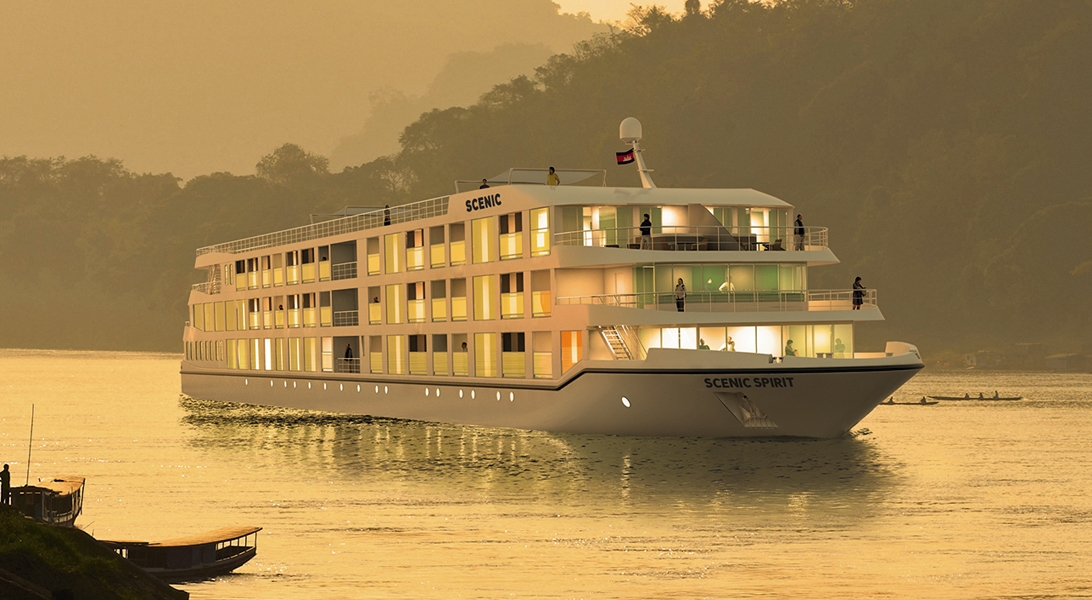
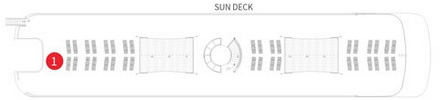

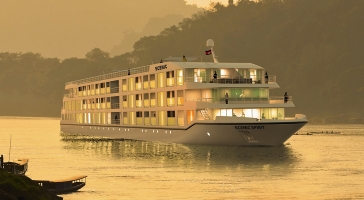
The images shown are for illustration purposes only and may not be an exact representation of what you find on the ship.
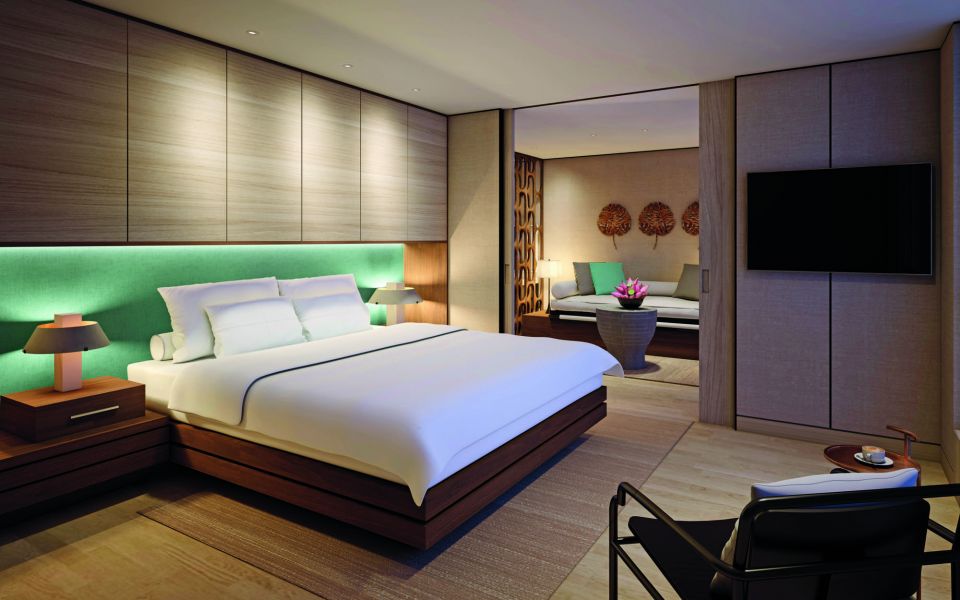
The most spacious lead-in suites available on the Mekong River, these beautiful suites offer you a separate bedroom and lounge area to relax in. Enjoy dining, reading and taking in the passing views from your Scenic Sun Lounge, and a butler service to ensure every detail is taken care of.
Suite Highlights
Amenities & Features
Exclusively for guests staying on the Diamond Deck:
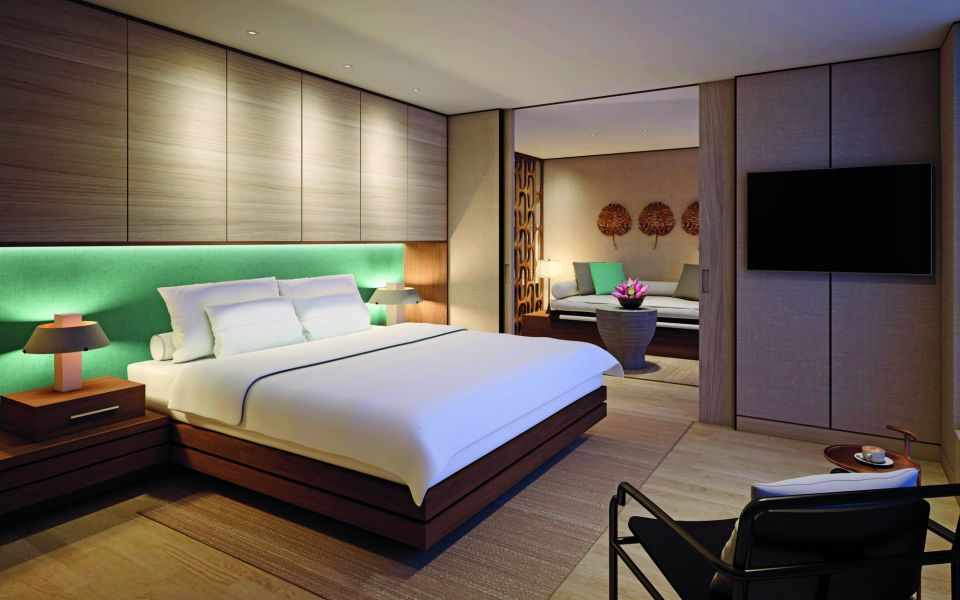
With luxury furnishings and a stylish lounge area to unwind in, your Grand Deluxe Suite will be your home away from home. Enjoy the captivating Mekong views from your Scenic Sun Lounge and the range of exclusive inclusions, from delicious pre-dinner canapes to hotel privileges when on your combined land journey.
Suite Highlights
Amenities & Features
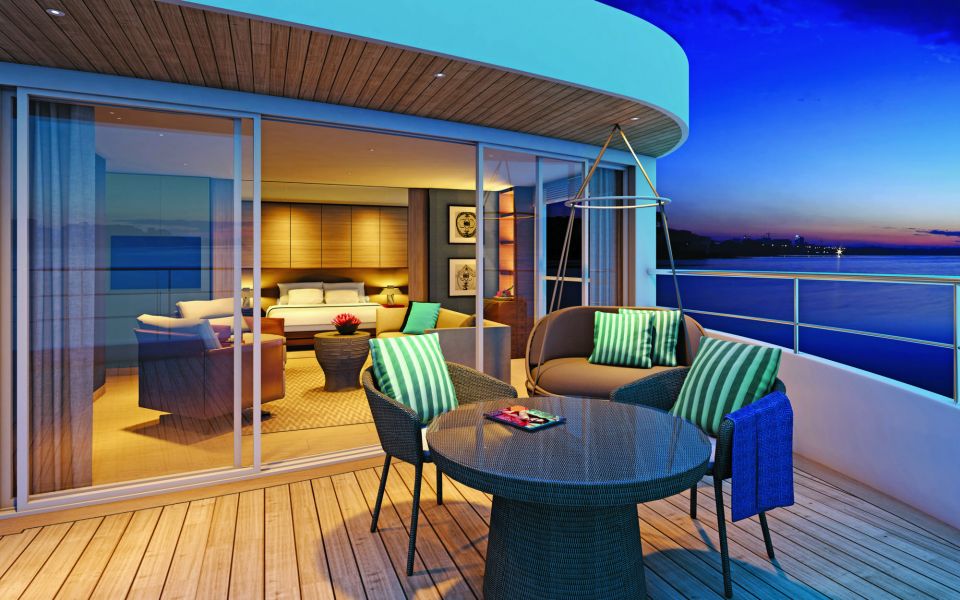
These indulgent, spacious suites redefine industry standards and feature a private terrace, where you can unwind in your outdoor Jacuzzi and take in 180° views. Enjoy a range of exclusive inclusions while staying in your Royal Panorama Suite, from private transfers to in-suite breakfast, and hotel privileges when on your combined land journey.
Suite Highlights
Amenities & Features
The images shown are for illustration purposes only and may not be an exact representation of what you find on the ship.
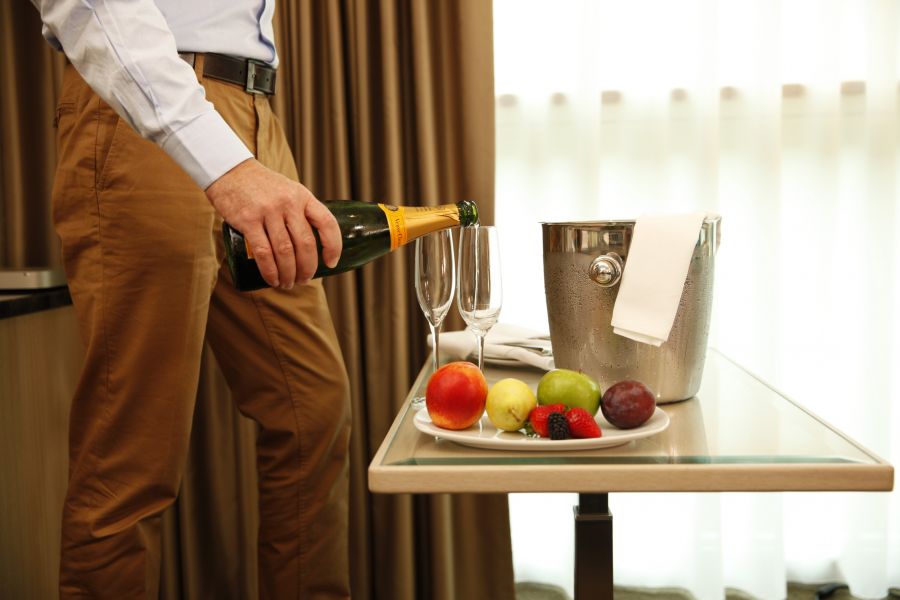
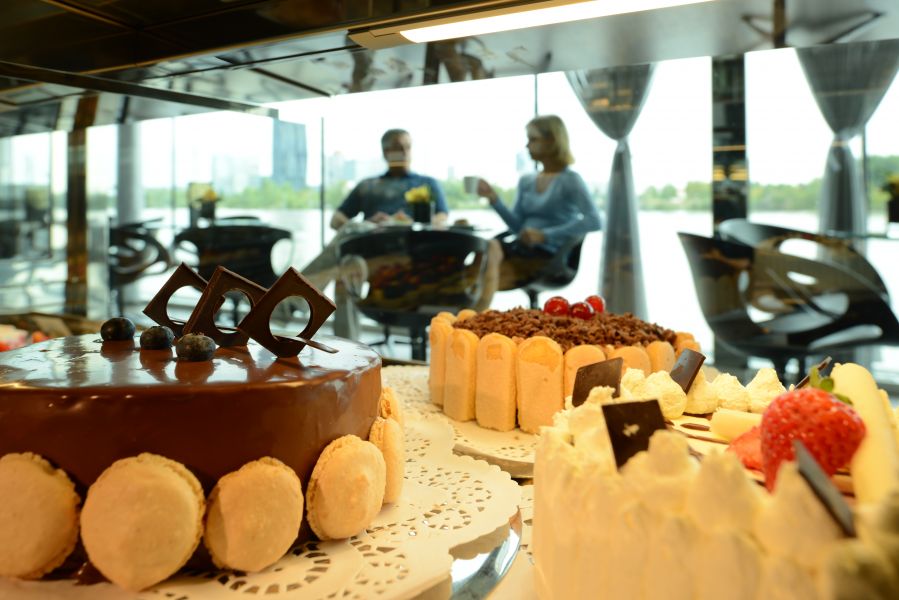
Offering a casual dining experience, you can enjoy all-day grazing options, light snacks and tasty treats to suit your schedule. The River Café is available on all Europe and South East Asia river cruises.
The images shown are for illustration purposes only and may not be an exact representation of what you find on the ship.
The images shown are for illustration purposes only and may not be an exact representation of what you find on the ship.
The images shown are for illustration purposes only and may not be an exact representation of what you find on the ship.

Our Fusion packages are all ABTA & ATOL protected ensuring that your booking is safe with us
| Return flights including luggage allowance | |||
| Overseas Transfers | |||
| 16 nights cruising on the Mekong | |||
| Return airport transfers | |||
| All alcoholic & non alcoholic beverages included | |||
| Gratuities Included | |||
| Choice of shore excursions In each port | |||
| Exclusive special events | |||
| GPS Guides for independent trips ashore | |||
| Speciality restaurants included | |||
| Bikes for passenger use | |||
| Butler Service | |||
| In-room Mini Bar | |||
| Room Service | |||
| Free Wi-Fi Included | |||
| Port Taxes and Fees | |||
 | ABTA and ATOL Protection* | ||
Date 30th Mar 2028 |
Nts 16 |
Please Call for Availability |
Date 30th Mar 2028 |
Nts 16 |
Please Call for Availability |
| Suite | |
| (All prices are £GBP per person) | |
| Sun 27th Feb 202827 Feb 28 | Please call for availability |
Fusion Holidays when selling travel arrangements is a trading name of Co-op Travel Services Limited, registration 08903986. Fusion Cruises is an Accredited Body Member of Co-op Travel Services Limited ATOL 12904.
Book with Confidence. We are a Member of ABTA which means you have the benefit of ABTA’s assistance and Code of Conduct.
Some of the flights and flight-inclusive holidays on this website are financially protected by the ATOL scheme but ATOL protection does not apply to all holiday and travel services offered on this website. This website will provide you with information on the protection that applies in the case of each holiday and travel service offered before you make your booking. If you do not receive an ATOL Certificate then the booking will not be ATOL protected. If you do receive an ATOL Certificate but all parts of your trip are not listed on it, those parts will not be ATOL protected. Please see our booking conditions for information, or for more information about financial protection and the ATOL Certificate go to: www.caa.co.uk