| | | | | Arrive | Depart |
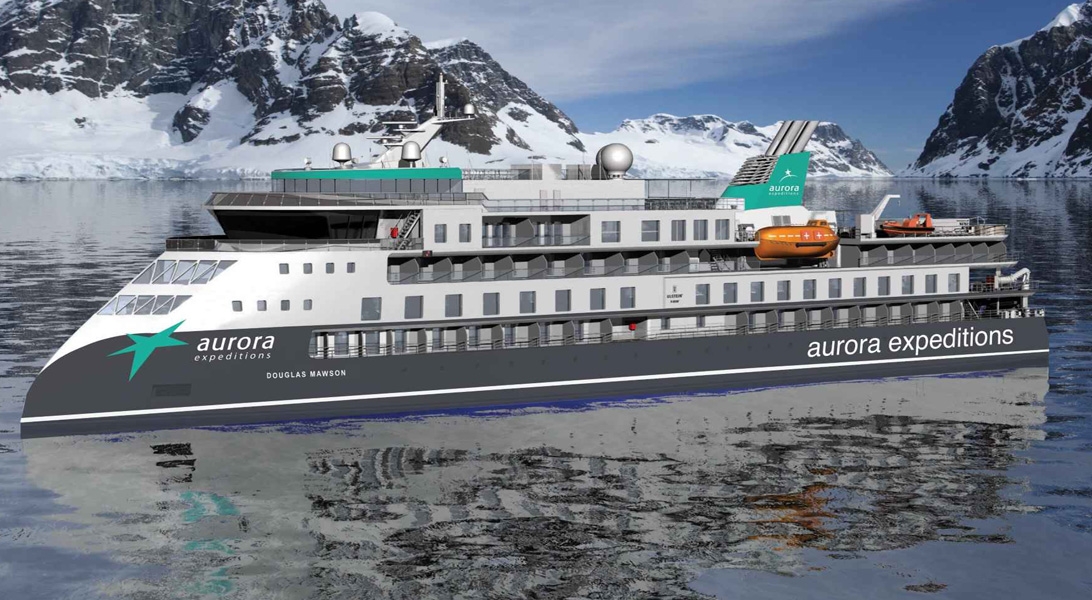
| 13th13 | SepSep | 202828 | Reykjavík, Iceland, embark on the Douglas Mawson | | |
Sprawling Reykjavík, the nation's nerve center and government seat, is home to half the island's population. On a bay overlooked by proud Mt. Esja (pronounced eh-shyuh), with its ever-changing hues, Reykjavík presents a colorful sight, its concrete houses painted in light colors and topped by vibrant red, blue, and green roofs. In contrast to the almost treeless countryside, Reykjavík has many tall, native birches, rowans, and willows, as well as imported aspen, pines, and spruces.Reykjavík's name comes from the Icelandic words for smoke, reykur, and bay, vík. In AD 874, Norseman Ingólfur Arnarson saw Iceland rising out of the misty sea and came ashore at a bay eerily shrouded with plumes of steam from nearby hot springs. Today most of the houses in Reykjavík are heated by near-boiling water from the hot springs. Natural heating avoids air pollution; there's no smoke around. You may notice, however, that the hot water brings a slight sulfur smell to the bathroom.Prices are easily on a par with other major European cities. A practical option is to purchase a Reykjavík City Card at the Tourist Information Center or at the Reykjavík Youth Hostel. This card permits unlimited bus usage and admission to any of the city's seven pools, the Family Park and Zoo, and city museums. The cards are valid for one (ISK 3,300), two (ISK 4,400), or three days (ISK 4,900), and they pay for themselves after three or four uses a day. Even lacking the City Card, paying admission (ISK 500, or ISK 250 for seniors and people with disabilities) to one of the city art museums (Hafnarhús, Kjarvalsstaðir, or Ásmundarsafn) gets you free same-day admission to the other two. Having made your way to Reykjavik, you will be met by a representative of Aurora Expeditions and transferred to our group hotel. Upon arrival at your included hotel, please visit the Aurora Expeditions desk where you can collect your luggage cabin tags speak with our ground operations team, who may have information to share with you about pre-embarkation or to provide you with information about where to dine, withdraw cash or purchase last minute items from a local pharmacy or supermarket. The remainder of your time is at leisure. All meals today are at your own expense. Accommodation: Reykjavik Hotel (to be advised) |
| 14th14 | SepSep | 202828 | Reykjavík, Iceland | | |
Sprawling Reykjavík, the nation's nerve center and government seat, is home to half the island's population. On a bay overlooked by proud Mt. Esja (pronounced eh-shyuh), with its ever-changing hues, Reykjavík presents a colorful sight, its concrete houses painted in light colors and topped by vibrant red, blue, and green roofs. In contrast to the almost treeless countryside, Reykjavík has many tall, native birches, rowans, and willows, as well as imported aspen, pines, and spruces.Reykjavík's name comes from the Icelandic words for smoke, reykur, and bay, vík. In AD 874, Norseman Ingólfur Arnarson saw Iceland rising out of the misty sea and came ashore at a bay eerily shrouded with plumes of steam from nearby hot springs. Today most of the houses in Reykjavík are heated by near-boiling water from the hot springs. Natural heating avoids air pollution; there's no smoke around. You may notice, however, that the hot water brings a slight sulfur smell to the bathroom.Prices are easily on a par with other major European cities. A practical option is to purchase a Reykjavík City Card at the Tourist Information Center or at the Reykjavík Youth Hostel. This card permits unlimited bus usage and admission to any of the city's seven pools, the Family Park and Zoo, and city museums. The cards are valid for one (ISK 3,300), two (ISK 4,400), or three days (ISK 4,900), and they pay for themselves after three or four uses a day. Even lacking the City Card, paying admission (ISK 500, or ISK 250 for seniors and people with disabilities) to one of the city art museums (Hafnarhús, Kjarvalsstaðir, or Ásmundarsafn) gets you free same-day admission to the other two. After a leisurely breakfast, check-out and bring your luggage to our Embarkation Suite. Please place any items required today in your hand luggage as your main bag will be transferred to the ship. Access to our Embarkation Suite includes luggage storage, Aurora Expeditions staff for voyage and city information and cabin check-in, WIFI, tea, coffee and light refreshments. Alternatively, explore Reykjavik at your leisure before returning to our Embarkation Suite at the designated times for the group transfer to Douglas Mawson. After boarding, there’s time to settle into your cabin before our important safety briefings before we ‘throw the lines’ to begin our Iceland and Greenland adventure. This evening, meet your expedition team and crew at the Welcome Dinner. |
| 15th15 | SepSep | 202828 | Dynjandi Waterfalls, Iceland | | |
Iceland is well-known for its spectacular waterfalls. The iconic Dynjandi waterfall, located in the Westfjords region, is regarded as one of Iceland’s most impressive and majestic waterfalls. At the top, the cascading water is roughly 100 feet wide and tumbles down about 330 feet into the fjord. Its name Dynjandi means, “the thundering one” and its vast size, enormous sound, and sheer force is overwhelming. It has also been nicknamed, ‘The Bridal Veil’ because of the way the water sprays and spreads over the rocks. Today we enter the Westfjords, one of Iceland’s most remote and sparsely populated regions. Ancient glaciers have carved a dramatic world of deep fjords, broad valleys and sheer-sided table mountains that fall towards the North Atlantic. Waterfalls thread down the mountainsides, small farms sit beneath immense cliffs and the winding coastline reveals new perspectives at every turn. As we navigate these sheltered waterways, the Expedition Team will interpret the geology, wildlife and human stories of a landscape that feels wonderfully removed from modern life. Conditions permitting, we travel ashore by Zodiac to visit Dynjandi, the jewel of the Westfjords. This magnificent waterfall tumbles approximately 100 metres (328 feet) down a broad, tiered mountainside, widening like a bridal veil as it descends. A walking trail follows a succession of smaller cascades towards the main falls, offering ever-changing views across Arnarfjörður and the surrounding peaks. Whether you choose to walk towards the base or admire the panorama from below, the scale, sound and setting of Dynjandi make it one of Iceland’s most memorable natural landmarks. |
| 16th16 | SepSep | 202828 | At Sea | | |
| 17th17 | SepSep | 202828 | At Sea | | |
| 18th18 | SepSep | 202828 | At Sea | | |
| 19th19 | SepSep | 202828 | At Sea | | |
| 20th20 | SepSep | 202828 | At Sea | | |
| 21st21 | SepSep | 202828 | At Sea | | |
| 22nd22 | SepSep | 202828 | At Sea | | |
| 23rd23 | SepSep | 202828 | Reykjavík, Iceland, disembark the Douglas Mawson | | |
Sprawling Reykjavík, the nation's nerve center and government seat, is home to half the island's population. On a bay overlooked by proud Mt. Esja (pronounced eh-shyuh), with its ever-changing hues, Reykjavík presents a colorful sight, its concrete houses painted in light colors and topped by vibrant red, blue, and green roofs. In contrast to the almost treeless countryside, Reykjavík has many tall, native birches, rowans, and willows, as well as imported aspen, pines, and spruces.Reykjavík's name comes from the Icelandic words for smoke, reykur, and bay, vík. In AD 874, Norseman Ingólfur Arnarson saw Iceland rising out of the misty sea and came ashore at a bay eerily shrouded with plumes of steam from nearby hot springs. Today most of the houses in Reykjavík are heated by near-boiling water from the hot springs. Natural heating avoids air pollution; there's no smoke around. You may notice, however, that the hot water brings a slight sulfur smell to the bathroom.Prices are easily on a par with other major European cities. A practical option is to purchase a Reykjavík City Card at the Tourist Information Center or at the Reykjavík Youth Hostel. This card permits unlimited bus usage and admission to any of the city's seven pools, the Family Park and Zoo, and city museums. The cards are valid for one (ISK 3,300), two (ISK 4,400), or three days (ISK 4,900), and they pay for themselves after three or four uses a day. Even lacking the City Card, paying admission (ISK 500, or ISK 250 for seniors and people with disabilities) to one of the city art museums (Hafnarhús, Kjarvalsstaðir, or Ásmundarsafn) gets you free same-day admission to the other two. During the early morning, we cruise into Reykjavik and disembark at approximately 8.00 am. Farewell your Expedition Team and fellow passengers as we all continue our onward journeys. Transfer to Keflavik airport. Note: At the conclusion of the voyage, we recommend booking flights departing after 12.00 pm on the day of disembarkation in case there are delays. |