This site uses cookies as defined in our Cookie Policy, by continuing to use this site you agree to their use.
Continue

Welcome to Aurora Expeditions’ Coasting the Atlantic
From the sultry canals of Amsterdam to the sunlit streets of Lisbon, this voyage follows a coastline that for centuries has farewelled emigrants, explorers, and pilgrims on journeys of ambition, faith, and exchange. Sailing in their wake, we’ll visit a world that once launched ships from ‘the edge of the known world’ to the ends of the earth, welcomed travellers in search of meaning, and traded everything from spices to silk to secrets. Along the way, you’ll wander medieval lanes, climb the steps of religious icons, taste ... the legacy of centuries-old commerce, and feel the powerful draw of the sea as you sail Europe’s most storied shoreline on your own Atlantic Journey.
| Arrive | Depart | ||||||
| 21st21 | SepSep | 202727 | Amsterdam, Netherlands, embark on the Douglas Mawson | ||||
Amsterdam combines the unrivaled beauty of the 17th-century Golden Age city center with plenty of museums and art of the highest order, not to mention a remarkably laid-back atmosphere. It all comes together to make this one of the world's most appealing and offbeat metropolises in the world. Built on a latticework of concentric canals like an aquatic rainbow, Amsterdam is known as the City of Canals—but it's no Venice, content to live on moonlight serenades and former glory. Quite the contrary: on nearly every street here you'll find old and new side by side—quiet corners where time seems to be holding its breath next to streets like neon-lit Kalverstraat, and Red Light ladies strutting by the city's oldest church. Indeed, Amsterdam has as many lovely facets as a 40-carat diamond polished by one of the city's gem cutters. It's certainly a metropolis, but a rather small and very accessible one. Locals tend to refer to it as a big village, albeit one that happens to pack the cultural wallop of a major world destination. There are scores of concerts every day, numerous museums, summertime festivals, and, of course, a legendary year-round party scene. It's pretty much impossible to resist Amsterdam's charms. With 7,000 registered monuments, most of which began as the residences and warehouses of humble merchants, set on 160 man-made canals, and traversed by 1,500 or so bridges, Amsterdam has the largest historical inner city in Europe. Its famous circle of waterways, the grachtengordel, was a 17th-century urban expansion plan for the rich and is a lasting testament to the city’s Golden Age. This town is endearing because of its kinder, gentler nature—but a reputation for championing sex, drugs, and rock ’n’ roll does not alone account for Amsterdam's being one of the most popular destinations in Europe: consider that within a single square mile the city harbors some of the greatest achievements in Western art, from Rembrandt to Van Gogh. Not to mention that this is one of Europe's great walking cities, with so many of its treasures in the untouted details: tiny alleyways barely visible on the map, hidden garden courtyards, shop windows, floating houseboats, hidden hofjes(courtyards with almshouses), sudden vistas of church spires, and gabled roofs that look like so many unframed paintings. And don’t forget that the joy lies in details: elaborate gables and witty gable stones denoting the trade of a previous owner. Keep in mind that those XXX symbols you see all over town are not a mark of the city's triple-X reputation. They're part of Amsterdam's official coat of arms—three St. Andrew's crosses, believed to represent the three dangers that have traditionally plagued the city: flood, fire, and pestilence. The coat's motto ("Valiant, determined, compassionate") was introduced in 1947 by Queen Wilhelmina in remembrance of the 1941 February Strike in Amsterdam—the first time in Europe that non-Jewish people protested against the persecution of Jews by the Nazi regime. Welcome to Amsterdam. On arrival at Schiphol airport make your way to the Arrivals Hall to meet our representative, followed by a transfer to our group hotel. At the hotel, visit our hospitality desk in the lobby to meet our team, who will provide you with useful information regarding pre-embarkation procedures and your time in Amsterdam. You will also receive cabin tags for your luggage. Please clearly label the tags with your name and your cabin number on the ship. This evening offers time to relax in preparation for our day exploring tomorrow. Accommodation: Amsterdam Hotel (or similar) | |||||||
| 22nd22 | SepSep | 202727 | Amsterdam, Netherlands | ||||
Amsterdam combines the unrivaled beauty of the 17th-century Golden Age city center with plenty of museums and art of the highest order, not to mention a remarkably laid-back atmosphere. It all comes together to make this one of the world's most appealing and offbeat metropolises in the world. Built on a latticework of concentric canals like an aquatic rainbow, Amsterdam is known as the City of Canals—but it's no Venice, content to live on moonlight serenades and former glory. Quite the contrary: on nearly every street here you'll find old and new side by side—quiet corners where time seems to be holding its breath next to streets like neon-lit Kalverstraat, and Red Light ladies strutting by the city's oldest church. Indeed, Amsterdam has as many lovely facets as a 40-carat diamond polished by one of the city's gem cutters. It's certainly a metropolis, but a rather small and very accessible one. Locals tend to refer to it as a big village, albeit one that happens to pack the cultural wallop of a major world destination. There are scores of concerts every day, numerous museums, summertime festivals, and, of course, a legendary year-round party scene. It's pretty much impossible to resist Amsterdam's charms. With 7,000 registered monuments, most of which began as the residences and warehouses of humble merchants, set on 160 man-made canals, and traversed by 1,500 or so bridges, Amsterdam has the largest historical inner city in Europe. Its famous circle of waterways, the grachtengordel, was a 17th-century urban expansion plan for the rich and is a lasting testament to the city’s Golden Age. This town is endearing because of its kinder, gentler nature—but a reputation for championing sex, drugs, and rock ’n’ roll does not alone account for Amsterdam's being one of the most popular destinations in Europe: consider that within a single square mile the city harbors some of the greatest achievements in Western art, from Rembrandt to Van Gogh. Not to mention that this is one of Europe's great walking cities, with so many of its treasures in the untouted details: tiny alleyways barely visible on the map, hidden garden courtyards, shop windows, floating houseboats, hidden hofjes(courtyards with almshouses), sudden vistas of church spires, and gabled roofs that look like so many unframed paintings. And don’t forget that the joy lies in details: elaborate gables and witty gable stones denoting the trade of a previous owner. Keep in mind that those XXX symbols you see all over town are not a mark of the city's triple-X reputation. They're part of Amsterdam's official coat of arms—three St. Andrew's crosses, believed to represent the three dangers that have traditionally plagued the city: flood, fire, and pestilence. The coat's motto ("Valiant, determined, compassionate") was introduced in 1947 by Queen Wilhelmina in remembrance of the 1941 February Strike in Amsterdam—the first time in Europe that non-Jewish people protested against the persecution of Jews by the Nazi regime. Tolerant. Intelligent. Inclusive. There are many terms to describe Amsterdam, the city built around canals that began as a humble trading centre and grew into a global powerhouse. Founded in the late 12th century, Amsterdam quickly established itself as a pivotal hub for commerce, sending explorers and traders to the far corners of the New World. This spirit of adventure and openness to different cultures has shaped the city’s character, making it a melting pot of diversity and innovation. Today, Amsterdam offers travellers a unique mix of picturesque canals, world-class museums, and a progressive, welcoming atmosphere. Whether you are strolling through its historical neighbourhoods, exploring its world-class art scene, or simply enjoying a Heineken by a canal, Amsterdam promises to put a smile on your face. Our ‘Your Choice’ experiences today, offer a chance to view the many faces of Amsterdam and its rural surrounds, with time this afternoon to explore the city at your own pace. Perhaps visit one of Amsterdam’s renowned galleries such as the Rijk’s Museum or van Gogh Museum, learn more about the city’s favourite son at Rembrandt’s house or uncover the poignant history of Amsterdam during World War II through the diaries of Anne Frank at the Anne Frank House. This evening, we gather to celebrate our journey ahead at a Welcome Reception. Personalise your exploration with our included ‘Your Choice’ experiences. Option 1 – Morning experience: The Canals of Amsterdam Join a canal cruise in Amsterdam and dive into the heart of this captivating city. The canals, laid out in the 17th century during the Dutch Golden Age, are more than just scenic waterways, they are a living historical map. Lined with former merchant houses, each building reveals a chapter of Amsterdam’s past, showcasing the wealth and grandeur of its trading history. The city’s canals come alive with vibrant colour as many bridges are adorned with flowers and residents place flower boxes on their homes, adding a touch of seasonal charm. The canals are impeccably clean, reflecting the city’s dedication to preserving their beauty and liveability. As you glide along, you’ll experience how these historical waterways continue to shape Amsterdam’s vibrant daily life, from houseboats and floating cafes to the occasional swimmer. Option 2 – Morning experience: Hollands best brew The Heineken Experience, set in Heineken’s oldest brewery in central Amsterdam, offers an insight into one of the world’s most iconic beer brands. Founded in 1864 by Gerard Adriaan Heineken, the company grew from a local brewery into a global phenomenon, now selling over 35 million hectolitres of Heineken beer annually across 190 countries. This self-guided experience, explored in the brands original brewery, showcases Heineken’s remarkable journey; from its pioneering brewing techniques and the invention of Heineken’s signature A-Yeast and its bold marketing and sponsorships. Visitors explore the brewing process, learn how the brand became the first European beer imported to the U.S. after Prohibition, and discover why Heineken remains a symbol of Dutch pride. It’s not just a museum, it’s a celebration of innovation, heritage, and global reach, something the Dutch are all too good at. Option 3 – Morning experience: A slice of rural life – Dutch style This morning offers a glimpse into the traditional trades of the Netherlands, beginning with a visit to a local farm for a demonstration of Dutch cheese-making and clog craftsmanship. Wooden clogs, once worn to keep feet dry during frequent flooding of Dutch farmland by the North Sea, are still made here using time-honoured techniques. You’ll see how these iconic shoes are shaped by hand, alongside a cheese-making demonstration, which reveals the secrets behind the Netherlands’ world-famous dairy products. A few miles further we see the land collide with the ominous North Sea at the lively fishing village of Volendam, known for its colourful houses, traditional costumes, and seafood snacks. Stroll the waterfront, browse local shops, or simply enjoy the relaxed pace of village life. Volendam is a great place to sample local flavours: try freshly fried kibbeling or pickled herring from seafood stalls, and don’t miss the tiny Dutch pancakes, served hot and sweet from cheerful street vendors. This excursion ties together the story of Dutch resilience and tradition, offering a rich and flavourful experience of life along the North Sea. Accommodation: Amsterdam Hotel (or similar) Meals: Breakfast, Welcome social (includes drinks and snacks) | |||||||
| 23rd23 | SepSep | 202727 | IJmuiden, Netherlands | ||||
North Holland’s ‘Gate to the North Sea’, IJmuiden has four harbours: the Vissershaven, Haringhaven, IJmondhaven and the Seaport Marina - the latter used by pleasure craft. It is the largest Dutch fishing port, but is a relatively young town: it grew up in the 1870s when the North Sea Canal was opened. During World War II, the German Navy demolished much of the town and built huge fortified concrete bunkers for their torpedo boats and submarines. After 1945, the town was rebuilt by the architect Willem Marinus Dudok. He designed IJmuiden’s most impressive building, the Stadhuis van Velsen, which houses local government offices. For cruise passengers IJmuiden is the gateway to Amsterdam, the Dutch capital and one of Europe’s truly great cities, where elegant canals are lined by old brick gabled houses, and superb art galleries and museums are home to some of the world’s best-known paintings. Please note that complimentary shuttle buses operate from the port to the centre of IJmuiden, not to Amsterdam. Enjoy time this morning to sleep in, do some last-minute shopping, or stroll the canals at your own pace, before meeting your guide for a real Dutch treat. As you approach Zaanse Schans, it’s hard to believe you are still in 21st-century Amsterdam. The iconic windmills, their sails turning slowly, provide a historical backdrop against lush meadows. Inside, the creak of wood and the whir of machinery reveal the mills’ vital role in Dutch industrial innovation. Dating back to the 17th century, these mills were essential for sawing wood and grinding oil, flour, spices and pigments. Today, you can still enter a mill and learn from a host how these age-old processes worked. Strolling through Zaanse Schans, you will hear the distinctive clatter of wooden clogs on cobblestones and witness the craftsmanship behind Dutch cheeses and Delft Blue pottery. Artisans at the Weavers’ House and Tiemstra’s Coopery continue these traditional crafts. Each building and craft evoke nostalgia, connecting you to centuries of history. Though it is a living community, visiting Zaanse Schans feels like stepping into a bygone era. An introductory tour will showcase Zaanse Schans famous windmills before time to explore this unique site independently. We drive to the coast and the port of IJmuiden, to board the Douglas Mawson. This evening, we enjoy a ‘Welcome aboard’ dinner, where we meet our Aurora Expeditions team and crew. | |||||||
| 24th24 | SepSep | 202727 | Oostende (Ostend), Belgium | ||||
This morning, we arrive in the Belgian seaside city of Oostende for an insight into one of northern Europe’s kingdoms. A land of two peoples, Belgium is famous for its Flemish flair and Walloon warmth. Cyclists glide through cobbled towns like local royalty, and yes, pigeon racing is a national obsession, with prized birds fetching prices that rival sports cars. From medieval cities to chocolate shops, Belgium balances tradition with eccentricity. It’s small in size but big on character, where waffles are serious business and the weather is anyone’s guess. Its compact size affords us an afternoon to choose between two contrasting experiences or simply soak up some seaside atmosphere in Oostende itself, before we sail mid-evening to the Netherlands. Personalise your exploration with our included ‘Your Choice’ experiences. Option 1 – Morning experience: Beautiful Bruges Since their creation, the purpose-built canals of Bruges have connected the city centre to the sea, bringing wealth and prosperity. International merchants transformed Bruges into one of the largest Hanseatic cities. By the 15th century, the city flourished, with much of its medieval heritage remaining intact to this day. Walking its streets, it’s no surprise that UNESCO designated the entire city centre a World Heritage Site. Join a locally guided introductory walking tour to immerse yourself in Bruges’ Golden Century, exploring its medieval market square and surrounds. With time to wander, choose to indulge in some of Bruges’ famous Belgian chocolates, enjoy a cone of freshly fried fries with mayonnaise, or sip a handcrafted beer from one of the city’s bierkellers. This tour offers a light-hearted introduction to this historic market town, revealing the delights that make it one of Belgium’s most popular destinations. Option 2 – Morning experience: The Atlantic Wall – a World War II story Located near Ostend on Belgium’s coast, the Atlantikwall Raversyde is an open-air museum preserving remnants of Nazi Germany’s vast coastal defence system built during World War II. The Atlantic Wall stretched over 2,700 kilometres (1,677 miles) from Norway to the French Spanish border and included thousands of bunkers, gun emplacements, and fortifications. This massive project required around 15 million cubic meters of concrete and over half a million troops and labourers to construct. Many of these labourers were forcibly brought from occupied countries, including prisoners of war and concentration camp inmates, who worked under brutal conditions. At Raversyde, we explore well-preserved bunkers and trenches, gaining a vivid understanding of the harsh conditions soldiers faced. The site stands as a powerful reminder of the immense scale of the conflict, the human cost behind the defences, and Germany’s desperate efforts to control Western Europe’s coastline. | |||||||
| 25th25 | SepSep | 202727 | Honfleur, France | ||||
Honfleur, the most picturesque of the Côte Fleurie's seaside towns, is a time-burnished place with a surplus of half-timber houses and cobbled streets that are lined with a stunning selection of stylish boutiques. Much of its Renaissance architecture remains intact—especially around the 17th-century Vieux Bassin harbor, where the water is fronted on one side by two-story stone houses with low, sloping roofs and on the other by tall slate-topped houses with wooden facades. Maritime expeditions (including some of the first voyages to Canada) departed from here; later, Impressionists were inspired to capture it on canvas. But the town as a whole has become increasingly crowded since the Pont de Normandie opened in 1995. Providing a direct link with Upper Normandy, the world's sixth-largest cable-stayed bridge is supported by two concrete pylons taller than the Eiffel Tower and designed to resist winds of 257 kph (160 mph). We arrive at the mouth of the River Seine with tidal restrictions permitting us access to the picturesque town of Honfleur. Originally a bustling trading port Honfleur boasts charming streets and an iconic harbour. During the Hundred Years’ War, it briefly fell under English occupation and thrived as a crucial trade hub, particularly with North America and later French Canada, when local explorer Samuel de Champlain founded Quebec. Honfleur’s ship owners amassed fortunes, which remain evident today in the multi-storeyed terraced homes tightly packed around the harbour, as symbols of status and wealth. In the 19th century, Honfleur’s appeal transcended commerce, when artist Claude Monet followed his mentor, Eugène Boudin, to his hometown. He and his fellow Impressionists were captivated by the town’s ethereal light immortalising it on canvas. Today, the Vieux Bassin hosts yachts against a backdrop of centuries-old buildings, where quaint shops, vibrant galleries, and seafood restaurants beckon visitors to savour regional flavours in this picturesque coastal setting. Choose to explore Honfleur’s picturesque streets, discover the story of World War II’s Battle for Normandy, or explore the historic city of Rouen, before we sail the English Channel to the British enclave of Guernsey, late afternoon. Personalise your exploration with our included ‘Your Choice’ experiences. Option 1 – Morning experience: Strolling Honfleur Honfleur is a perfect town to explore on foot with our local guide. Fitting for a town whose name includes fleur, the French word for flower. Flower boxes brighten the streets, and the soft light that once inspired artists like Monet and Boudin still draws painters today, while our visit on a Saturday, affords us time to browse the weekly market at Place Sainte Catherine, with local cheeses, bread, flowers, and produce all on view, a classic French experience. A harbour town like no other in France, Honfleur is a picture-perfect piece of France. We join our local guide for a walk through the cobbled lanes and past timber-framed houses, where we’ll see why Honfleur became a centre of Impressionism. We take the time to admire the play of the water mirror and the changing reflections of the lights of the Seine Estuary and Honfleur’s picturesque Vieux Bassin as the impressionist artists did so many years ago. Option 2 – Morning experience: The Battle for Normandy – a D-Day experience A one-hour drive takes us to the Caen Memorial Museum. A critical site during the early weeks of the battle, this museum is considered one of the best D-Day museums in France. Offering an immersive exploration of the 6 June landings and their broader impact on the Battle of Normandy, the D-Day exhibit places this pivotal event within the context of the wider campaign, essential to the liberation of France and Europe. Through documents, artefacts, and personal accounts, visitors gain a comprehensive understanding of the invasion’s significance. The Battle of Caen, lasting from June to August 1944, became one of the most intense and prolonged engagements of the Normandy campaign. British and Canadian forces aimed to take the city swiftly, but strong German resistance led to weeks of fierce fighting. The city suffered heavy bombing and artillery strikes, resulting in widespread destruction and significant civilian casualties. Despite the challenges, Allied forces gradually encircled the city and overcame the German defences. The liberation of Caen on 20 July 1944 marked a major turning point, opening the way for the Allies to advance deeper into occupied France. Option 3 – Half day experience: St Joan of Arc’s Rouen Join a locally guided tour to Rouen, the historic capital of Normandy. Renowned for its stunning medieval architecture, the city’s crown jewel is the Rouen Cathedral, an awe-inspiring Gothic masterpiece that inspired many of Claude Monet’s paintings. As you wander through the charming old town, you will encounter half-timbered houses, cobblestone streets, and the impressive Gros-Horloge, an astronomical clock dating back to the 14th century, while a stroll along the River Seine reveals bustling markets and quaint cafes that offer a taste of local life. The city is famously tied to Joan of Arc, the national heroine of France who led French troops to several important victories during the Hundred Years’ War. Captured by the English, she was tried for heresy and burned at the stake in Rouen in 1431. Her legacy endures throughout the city. With its blend of historical significance and 21st-century culture, Rouen provides a fascinating glimpse into the past while remaining a lively, modern destination. | |||||||
| 26th26 | SepSep | 202727 | Guernsey, Guernsey | ||||
A mere 30 miles off the Normandy coast, the self-governing British Crown Dependency the Bailiwick of Guernsey, is one of the eight permanently inhabited strongholds of the Channel Islands. Despite being closer to France, Guernsey holds to its distinctive British character. When William the Conqueror, Duke of Normandy, became King of England in 1066, the Channel Islands, including Guernsey, became possessions of the English Crown. They have remained British Crown Dependencies ever since. Arriving at midday, our afternoon ‘Your Choice’ experiences offer an opportunity to see more of scenic Guernsey or learn its World War II story. Alternatively, why not wander the streets of St. Peters Port, with the ship berthed at the town’s centrally located port. Perhaps, browse the shops, cake shops and quaint pubs, or tour Castle Cornet or visit Victor Hugo’s 19th century home at your own pace before we sail early evening. Personalise your exploration with our included ‘Your Choice’ experiences. Option 1 – Morning experience: Scenic Guernsey and the sculptures of Sausmarez Manor Guernsey’s compact size makes it easy to take in many of its scenic highlights in one relaxed outing. Our afternoon involves a rich blend of history, charm, and natural beauty, with a scenic tour of the south of the island and a visit to Sausmarez Manor—a striking example of Colonial American architecture with roots in the 13th century. Our panoramic drive reveals Guernsey’s diverse landscapes—from timeless villages to dramatic coastal scenery. You’ll take in views of rocky shorelines, the crescent bays, and the “cup and saucer” Fort Grey, with a stop at Pleinmont Point offering vistas across to the French coast. You’ll also have time to explore the home the Seigneurs de Sausmarez; Sausmarez, Manor. The family’s dynasty included privateers, colonial governors, explorers, and artists, all of whom have left their mark on the house and its remarkable contents. The surrounding sculpture gardens feature over 150 contemporary works displayed along winding woodland paths making this visit a gardener's delight. Option 2 – Morning experience: Guernsey at War Guernsey and the other Channel Islands were the only British territories occupied by Axis forces during World War II. The occupation began on 30 June 1940 and lasted until 9 May 1945. The Germans transformed Guernsey into a heavily fortified stronghold with bunkers, gun emplacements, and tunnels. Life under Nazi rule was harsh. Rations were limited, and by late 1944, food, fuel, and medical supplies were critically low. Communication with the outside world was nearly impossible. Over 1,000 of the 24,000 islanders who remained were deported to German prisons and labour camps; only about 700 survived to return home. Our guided tour of Guernsey’s World War II sites offers a poignant insight into the island’s wartime experience, when we visit the La Valette Underground Military Museum, housed in original wartime tunnels built with forced labour. Intended as a U-Boat fuel store, they reveal both the scale of Nazi fortifications, and the suffering endured. | |||||||
| 27th27 | SepSep | 202727 | Saint-Malo, France | ||||
Thrust out into the sea and bound to the mainland only by tenuous man-made causeways, romantic St-Malo has built a reputation as a breeding ground for phenomenal sailors. Many were fishermen, but others—most notably Jacques Cartier, who claimed Canada for Francis I in 1534—were New World explorers. Still others were corsairs, "sea dogs" paid by the French crown to harass the Limeys across the Channel: legendary ones like Robert Surcouf and Duguay-Trouin helped make St-Malo rich through their pillaging, in the process earning it the nickname "the pirates' city." The St-Malo you see today isn’t quite the one they called home because a weeklong fire in 1944, kindled by retreating Nazis, wiped out nearly all of the old buildings. Restoration work was more painstaking than brilliant, but the narrow streets and granite houses of the Vieille Ville were satisfactorily recreated, enabling St-Malo to regain its role as a busy fishing port, seaside resort, and tourist destination. The ramparts that help define this city figuratively and literally are authentic, and the flames also spared houses along Rue de Pelicot in the Vieille Ville. Battalions of tourists invade this quaint part of town in summer, so arrive off-season if you want to avoid crowds. This morning, we arrive in one of France’s most distinctive regions; Brittany. Its residents often consider themselves Bretons first and French second, a reflection of the region’s deep Celtic roots. That heritage is still visible today, from the language and traditions to the music and cuisine. Douglas Mawson’s boutique size allows us to dock at the charming city of Saint-Malo. Saint-Malo offers a range of captivating experiences for us to enjoy. This walled city, with its medieval architecture, cobblestoned streets, and shops stacked with delicious Breton treats, is a true ‘pirate town’. This era of privateering earned Saint-Malo the nickname ‘City of Corsairs’ and contributed significantly to its prosperity and dubious reputation. Today, Saint-Malo celebrates this heritage through its museums, festivals, and preserved historic sites, offering visitors a glimpse into its adventurous past as a renowned ‘pirate city’. Personalise your exploration with our included ‘Your Choice’ experiences. Option 1 – Morning experience: The Pirate Town of Saint-Malo The captivating story of Saint-Malo unfolds this morning as our local guide leads an introductory walking tour through its historic walled centre, before offering us free time to explore Saint-Malo independently. Once a pirate stronghold and later the last town standing in World War II, Saint-Malo stands proudly behind its stone ramparts, steeped in rich maritime history. From the 16th to 19th centuries, it was renowned not for piracy, but for privateering. The town served as a base for corsairs, state-sanctioned privateers authorised by the French crown to capture enemy ships during wartime. Unlike pirates, corsairs operated under official letters of marque and shared their plunder with the French monarchy. These daring seafarers brought wealth and prestige to Saint-Malo, shaping its identity and legacy. Their exploits, especially against English ships, were central to French naval success. As we stroll the narrow streets, our guide recounts tales of legendary figures like Jacques Cartier, Duguay-Trouin, Surcouf, and even the romantic writer Chateaubriand. Their stories, filled with bravery, intrigue, and ambition, breathe life into the storied past of this eclectic coastal town. Option 2 – Morning experience: Discovering Dinan: Riverside Calm or Medieval Charm A 30- minute drive finds us at Dinan with the choice between two equally enchanting experiences, each steeped in history and atmosphere. Linger riverside, where life moves at a gentle pace. The River Rance flows quietly past stone quays and moored boats, with cafés and restaurants offering perfect spots to sit and watch the water traffic drift by. It’s an ideal place to unwind, take in the scenery, and enjoy a slower rhythm of Breton life. Alternatively, choose to join your local guide and head up into the heart of Dinan, where steep cobbled streets lead to a town rich in medieval character. Half-timbered houses lean into narrow lanes, and artisan shops and craft studios invite you to browse everything from handmade pottery to local textiles. The town’s ramparts and towers offer panoramic views, while its lively squares and historic buildings tell stories of centuries past. Whether you choose the peaceful riverside or the bustling medieval centre, Dinan promises a memorable encounter with Brittany’s heritage and charm. Option 3 – Half-day experience: Mont Saint-Michel Normandy’s most recognisable silhouette, UNESCO World Heritage-listed Le Mont Saint-Michel has captured the imaginations of pilgrims, artists and travellers for centuries. Founded as a monastery in the 8th century, Le Mont-Saint-Michel became a significant pilgrimage destination during the Middle Ages. Its abbey, perched atop the island’s rocky peak, is a masterpiece of medieval architecture, blending Romanesque and Gothic styles. The narrow, winding streets of the village below the abbey are lined with shops, restaurants, and houses dating back centuries. Visitors can explore the abbey’s intricate chapels, cloisters and panoramic viewpoints, which offer sweeping vistas of the bay. According to Christian tradition, Saint Michael is known for his role in the final judgment, where he is often portrayed as weighing souls and leading the righteous to heaven, while casting out evil. Statues of Saint Michael are often placed in elevated positions, such as atop spires or high points in churches and cathedrals, symbolising his role as a heavenly figure overseeing and protecting the faithful below. Le Mont-Saint-Michel itself embodies this symbolism, rising dramatically from the flats as a single standout site. Its unique blend of natural beauty and architectural marvels continues to captivate travellers, making it one of France’s most iconic and enthralling destinations. Join your local guide for an introduction to the Mont Saint-Michel village, with the option to challenge yourself by exploring its more demanding sections at your discretion or simply enjoying the site at your own pace. | |||||||
| 28th28 | SepSep | 202727 | At Sea | ||||
| 29th29 | SepSep | 202727 | Lorient, France | ||||
Lorient is a modern port city with a rich maritime history and a lively cultural scene. Founded in the 17th century as the base of the French East India Company, Lorient quickly became a global trading hub, dealing in textiles, porcelain, and exotic spices. Its strategic location later made it a key naval base, though it was heavily damaged during World War II. Today, Lorient has reinvented itself as a centre for sailing, festivals, and Breton pride, with much of the city having been rebuilt with a modern vibe. Personalise your exploration with our included ‘Your Choice’ experiences. Option 1 – Morning experience: Gaugin’s Pont-Aven A 30-minute drive takes us to the flower-filled village of Pont-Aven. This quaint town, with a rich artistic legacy, is inseparable from the name Paul Gauguin. Gauguin, along with his followers, established an art school here in the late 19th century. As you stroll through the village, you will recognise scenes immortalised in their paintings, giving you a tangible connection to their artistic vision. But Pont-Aven isn’t just about art; it is also renowned for its traditional delicacies, the famed Galettes de Pont-Aven. These buttery biscuits, crafted since the 17th century, have become a staple of France’s culinary heritage, which makes it only right that you savour a galette or two. When in France... Option 2 – Morning experience: King Louis 14th – the money behind the man Step inside the stone walls of Port Louis’s 17th-century citadel and you’re not just entering a museum; you’re stepping into the story of France’s maritime past. At its core lies the legacy of the French East India Company, once headquartered in the fort. You’ll hear stories of spices from India, silk from China, and porcelain from Southeast Asia, and how they helped enrich France’s coffers. Louis XIV, a major investor in the company, used the profits to fund his ambitious vision for France, financing military campaigns, expanding colonial holdings, and building architectural masterpieces like Versailles. The citadel’s Marine Museum brings this era to life with shipwreck treasures and gripping tales of sailors, merchants, and pirates. From deep-sea diving suits to cannons recovered from sunken frigates, every artifact whispers of a time when Port Louis was France’s gateway to the East. | |||||||
| 30th30 | SepSep | 202727 | La Rochelle, France | ||||
La Rochelle may be small compared to its neighbours, but it’s big on charm. This Atlantic gem has been a seafarer’s stronghold, a Huguenot haven, and a pirate’s playground. Its iconic medieval towers still guard the old port, where salty breezes mingle with the scent of fresh oysters and pine from nearby Île de Ré. Wander through arcaded streets once trodden by merchants and rebels alike or just sit back with a glass of chilled white wine and watch the boats bob in the marina. With its blend of maritime grit and French elegance, La Rochelle offers a range of morning ‘Your Choice’ experiences to enjoy before we sail mid-afternoon to Spain. Personalise your exploration with our included ‘Your Choice’ experiences. Option 1 – Morning experience: La Rochelle Discover the charming town of La Rochelle on this guided tour, where medieval fortifications and Renaissance heritage come to life. Begin with a scenic drive along the waterfront, taking in Le Mail Gardens and the Old Port's historic towers, built in the 14th century to protect the harbour by night. Stroll through the Old Quarter to see the Great Clock Tower and cobbled streets lined with medieval arcades that tell tales of 16th-century artisans. Admire Renaissance half-timbered houses, while enjoying free time to wander the narrow streets. Option 2 – Morning experience: Cognac and Chocolate Experience the ‘Accord Gourmand’ tour at a local winery, where the iconic brandy – cognac – and chocolate come together in a truly unique pairing. This exclusive experience delves into the history of cognac, a spirit that began its production in the 17th century in the region surrounding Cognac, France. The area’s ideal climate and soil conditions made it perfect for growing the grapes needed for cognac, and over time, its unique craftsmanship and quality transformed it into a globally renowned spirit. During your visit, you’ll explore the traditional methods of cognac production, from distillation to ageing, and then enjoy a curated tasting session where each cognac is paired with a carefully selected organic chocolate. This combination enhances the rich flavours of both the cognac and the chocolate, offering an experience that celebrates the region’s favourite spirit. | |||||||
| 1st01 | OctOct | 202727 | Pasajes, Spain | ||||
Few cultures are more fascinating than that of the Basque people, whose identity flows from the rugged heights of the western Pyrenees to the sparkling coast at San Sebastián, where we spend our day. With their own language, Euskara, distinct traditions, flavoursome foods and a strong focus on family and community, the Basques have long nurtured a sense of independence. Today, we explore what fuels their desire to go it alone, and how their unique heritage continues to shape daily life. San Sebastián, blends Belle Époque elegance with Basque pride today on our ‘Your Choice’ experiences, with a shuttle from our berth at the port of Pasajes, 10 miles from town to the centre of San Sebastián available this afternoon. Option 1 – Morning experience: San Sebastián - a glimpse of the Basque country Discover San Sebastian on a panoramic tour, beginning with a scenic drive along La Concha Bay, passing elegant Belle Époque mansions that reflect the city’s glamorous past. Head up to Monte Igueldo for sweeping views of the coastline, then spend time in the Old Town for a visit to the San Telmo Museum, housed in a 16th-century Dominican convent. Inside, we explore exhibits on Basque history, art, and traditions, including ancient artifacts, traditional costumes, and works by renowned Basque artists like Oteiza and Chillida. The museum’s blend of historic architecture and modern design offers a compelling look at Basque identity and society which is one of the most unique in Europe. Choose to return to the ship for lunch or linger longer in San Sebastián and catch our shuttle back to the ship. Option 2 – Half Day experience: San Sebastián - Tapas time Welcome to the vibrant city of San Sebastián, renowned for its delectable treats. Enjoy a brief introduction from your guide, before exploring the city at your own pace, and meeting your guide for a unique lunch. That’s right – it’s tapas time! Tapas, or pintxos as they are known in San Sebastián, offer more than just a meal; they provide a culinary journey that captures the essence of Basque culture. The secret to eating pintxos like a local is to master the txikiteo, a Basque-style food crawl. We split into groups and join a local guide to embark on a txikiteo adventure through the city’s colonnaded plaza and streets, where each bar offers its own specialties. Pair these with a glass of local txakoli wine or a refreshing cider to enhance the experience. Enjoy every bite and make the most of this delightful lunch stop in one of Spain’s most gastronomically celebrated cities. | |||||||
| 2nd02 | OctOct | 202727 | At Sea | ||||
| 3rd03 | OctOct | 202727 | La Coruña, Spain | ||||
La Coruña, the largest city in Spain's Galicia region, is among the country's busiest ports. The remote Galicia area is tucked into the northwest corner of the Iberian Peninsula, surprising visitors with its green and misty countryside that is so much unlike other parts of Spain. The name "Galicia" is Celtic in origin, for it was the Celts who occupied the region around the 6th-century BC and erected fortifications. La Coruña was already considered an important port under the Romans. They were followed by an invasion of Suevians, Visigoths and, much later in 730, the Moors. It was after Galicia was incorporated into the Kingdom of Asturias that the epic saga of the Pilgrimage to Santiago (St. James) began. From the 15th century, overseas trade developed rapidly; in 1720, La Coruña was granted the privilege of trading with America - a right previously only held by Cadiz and Seville. This was the great era when adventurous men voyaged to the colonies and returned with vast riches. Today, the city's significant expansion is evident in three distinct quarters: the town centre located along the isthmus; the business and commercial centre with wide avenues and shopping streets; and the "Ensanche" to the south, occupied by warehouses and factories. Many of the buildings in the old section feature the characteristic glazed façades that have earned La Coruña the name "City of Crystal." Plaza Maria Pita, the beautiful main square, is named after the local heroine who saved the town in 1589 when she seized the English standard from the beacon and gave the alarm, warning her fellow townsmen of the English attack. Spain’s ‘secret garden’ is the verdant region of Galicia. This less-visited section of the country is a true gem, beloved by Spanish travellers. Locals still speak Galician, and the blonde, blue-eyed inhabitants proudly hold on to their Celtic heritage. Bring your umbrella, as it may rain, but it’s well worth it. This region is a lush, green enclave amid Spain’s typical dry and arid landscape. The coastal city of A Coruña is steeped in maritime heritage, celebrated through its iconic Tower of Hercules, the only working Roman lighthouse and a UNESCO World Heritage Site. As one of Spain’s major port cities, A Coruña has been a hub of maritime trade and exploration since ancient times, with various naval battles played out off its shores. Its strategic location on the Atlantic coast has made it a pivotal point for voyages across the seas, including journeys to the Americas during the Age of Exploration, when A Coruña served as a departure point for explorers such as Pedro Menéndez de Avilés, who founded St Augustine, thought to be the oldest continuously inhabited European-established settlement in the continental United States. Today, A Coruña seamlessly blends its rich maritime heritage with its role as a dynamic modern city. The picturesque waterfront beckons both locals and visitors to stroll its streets, savour local wines at welcoming bars, indulge in fresh Atlantic seafood, and immerse themselves in the many cultural festivals on its annual calendar. Personalise your exploration with our included ‘Your Choice’ experiences. Option 1 – Morning experience: A panoramic tour of A Coruña Our visit to A Coruña begins with a panoramic tour showcasing the city’s striking blend of maritime heritage and elegant architecture. As we drive along the scenic coastline, you’ll see the iconic Tower of Hercules, the oldest functioning Roman lighthouse in the world, and enjoy views of sweeping bays, beaches, and bustling port areas. We continue past grand 19th-century buildings, leafy plazas, and the city’s famous glass-fronted balconies, known as galerías, which reflect its connection to the sea. Following the panoramic tour, we stop in the historic old town where you’ll have free time to explore at your leisure. Browse local boutiques, pick up traditional Galician crafts, or simply relax at a café and soak in the lively atmosphere of this charming area. Option 2 – Morning experience: Medieval Betanzos Join us for a scenic drive of Peninsula das Marinas to Betanzos, a town steeped in medieval heritage and known locally as the City of Knights. Our local guide will lead you through narrow streets lined with cruceiros, noble palaces, and historic churches. Among them is the Church of San Francisco, founded in the 14th century by Fernán Pérez de Andrade, a powerful Galician knight and patron of the town. Known as o Boo (“the Good”), Andrade was a fierce warrior and loyal supporter of Henry II of Castile. His Gothic-style sarcophagus, supported by a sculpted boar, remains one of Galicia’s most striking funerary monuments. You’ll have time to stroll the charming streets at your leisure and soak in the atmosphere of this historic town, before returning to the ship for lunch. Option 3 – Half day experience: A Coruña - Tapas time Discover the vibrant world of Galician tapas like a local on a locally guided walking tour through A Coruña. Tapas, Spain’s beloved small plates, are more than just a meal; they’re a way of life, bringing people together over shared flavours and conversation. As you stroll from the pier toward the Atlantic beachfront, you’ll pass elegant buildings with the city’s signature glass-enclosed balconies before diving into a tasting of savoury regional specialties, along with the irresistible tequeño, a La Coruñan favourite filled with melted cheese, and a glass of Albariño or Ribeiro, crisp white wines that reflect Galicia’s rich culinary heritage. This experience offers a delicious window into the social and cultural heart of A Coruña, where every dish tells a story. | |||||||
| 4th04 | OctOct | 202727 | Vigo, Spain | ||||
Dating from Roman times, the Galician city of Vigo has a fine natural harbour and is renowned as the biggest fishing port in the world. It is also full of history - it was in this fjord-like quay that the English and Dutch defeated the French and Spanish fleets in 1702. Today, the attractive marinas stand in contrast to the industrialised areas of the city, while further exploration will reveal the characteristic 17th-century architecture and attractive countryside beyond. The charming Old Town is a delight, with its labyrinth of winding narrow streets and shaded squares. Nearby is the Cathedral city of Tui, and further to the north is the pilgrimage centre of Santiago de Compostela, which can be reached by car in approximately 1¼ hours. This morning, we arrive at Portugal’s ‘second city’; Porto. This fascinating city entices visitors with its storied past, vibrant culture, and architectural splendour. It was in Porto that the Portuguese ‘Age of Discovery’ began when the indomitable Prince Henry the Navigator set sail to the western coast of Africa in the early 15th century. Porto has never looked back. The city lends its name to the fortified wine produced in nearby valleys, framing the Douro River with its picturesque streets, iconic iron bridges, and renowned wine cellars. We enjoy a panoramic tour of Porto’s most emblematic landmarks before visiting one of the city’s iconic port caves for a tour, and of course, a tasting. From here, enjoy some free time to explore the historic district of Ribeira. It is here, where Porto’s historical Rabelo boats, once vital for transporting port wine barrels, still grace the riverbanks, adding to the city’s authentic charm. Perhaps enjoy some traditional Portuguese fare, try some retail therapy, or sip a glass of Portuguese wine while soaking up the waterfront district’s vibrant atmosphere. This afternoon we drive south to the nation’s capital city, with a night to prepare ourselves for a day’s sightseeing tomorrow. Accommodation: Lisbon Hotel (or similar) Meals: Breakfast onboard | |||||||
| 5th05 | OctOct | 202727 | Leixões, Portugal | ||||
Ever since the Romans constructed a fort here and began using it as a trading post, Oporto has been a prosperous commercial centre. In the 15th and 16th centuries the city benefited from the wealth generated by Portugal’s maritime discoveries, and later, the establishment of a lucrative wine trade with Britain compensated for the loss of the spice trade. Today, Portugal’s second-largest city is a thriving, cosmopolitan place and is famous for its production of the fortified, sweet 'port' wine. Its historic centre is a UNESCO World Heritage Site and the city was also awarded the status of European Capital of Culture in 2001. A large sandbar prevents ships from sailing into Oporto itself, so for over a century they have used nearby Leixões instead, a man-made seaport constructed nine miles from the city. Leixões is one of Portugal's major sea ports and is also home to one of the country's oldest football clubs, winners of the Taça de Portugal cup in 1961. This morning, we arrive at Portugal’s ‘second city’; Porto. This fascinating city entices visitors with its storied past, vibrant culture, and architectural splendour. It was in Porto that the Portuguese ‘Age of Discovery’ began when the indomitable Prince Henry the Navigator set sail to the western coast of Africa in the early 15th century. Porto has never looked back. The city lends its name to the fortified wine produced in nearby valleys, framing the Douro River with its picturesque streets, iconic iron bridges, and renowned wine cellars. We enjoy a panoramic tour of Porto’s most emblematic landmarks before visiting one of the city’s iconic port caves for a tour, and of course, a tasting. From here, enjoy some free time to explore the historic district of Ribeira. It is here, where Porto’s historical Rabelo boats, once vital for transporting port wine barrels, still grace the riverbanks, adding to the city’s authentic charm. Perhaps enjoy some traditional Portuguese fare, try some retail therapy, or sip a glass of Portuguese wine while soaking up the waterfront district’s vibrant atmosphere. This afternoon we drive south to the nation’s capital city, with a night to prepare ourselves for a day’s sightseeing tomorrow. Accommodation: Lisbon Hotel (or similar) Meals: Breakfast onboard | |||||||
| 6th06 | OctOct | 202727 | Lisbon, Portugal | ||||
Set on seven hills on the banks of the River Tagus, Lisbon has been the capital of Portugal since the 13th century. It is a city famous for its majestic architecture, old wooden trams, Moorish features and more than twenty centuries of history. Following disastrous earthquakes in the 18th century, Lisbon was rebuilt by the Marques de Pombal who created an elegant city with wide boulevards and a great riverfront and square, Praça do Comércio. Today there are distinct modern and ancient sections, combining great shopping with culture and sightseeing in the Old Town, built on the city's terraced hillsides. The distance between the ship and your tour vehicle may vary. This distance is not included in the excursion grades. Lisbon sits on the river Tagus, gifting it access to the coast that made Portugal one of world’s most successful trading nations. Explorers including Vasco da Gama, Magellan and Bartholomeu Dias sailed on behalf of their monarch, discovering new lands and establishing new trade routes. The city prospered, with much of the proceeds from their colonies spent on opulent architecture. On the morning of All Saints Day 1755, Lisbon’s faithful were huddled in church when a 7.7 magnitude earthquake struck, followed by a series of tsunamis that devastated the city. Candles lit for the religious ceremonies began a firestorm. By the end of the day, more than 75 per cent of the population had perished. Current day Lisbon reflects this tragedy, with few buildings pre-dating the 18th century, but money spent to rebuild the city was spent doggedly, creating a city of wide boulevards, sensible facades and parklands, all backed by opulent baroque interiors and paved by unique black and white-tiled pavements. With a relatively small population, Lisbon is an easy city to navigate. Its hillside suburbs are accessed by trams and funiculars while its waterfront remains a busy harbour, ready to continue the trading prowess that made the city famous. Join one of our ‘Your Choice’ morning excursions, with your afternoon is free to explore the city further at your own pace, and an early evening Farewell Reception planned to celebrate our journey. Option 1 – Morning experience: Introducing Lisbon Join our local guide for an introductory tour of Lisbon. The city’s story unfolds as we visit the suburb of Belém, with its Monastery of Jerónimos to hear more of Vasco de Gamas’ adventures; the waterfront memorial of Monumento das descobertas, honouring Prince Henri the Navigator and his fellow explorers; and the Torre de Belém – the 16th century fortification which acted as the gateway to Lisbon for all seafarers. This insightful tour tells tales of exploration, colonisation and devastation wrapped together by the history of a city whose influence has shaped much of our modern-day world. Option 2 – Morning experience: Mercado da Ribeira Near the famed Cais do Sodre train station, the beautiful building of the Mercado da Ribeira sits topped with a Moorish-style dome. Lisbon’s populace has shopped for fresh fruit, vegetables, fish and meat here since 1882, with the market’s latest offerings including 30 ‘pop-ups’ offering petiscos (Portuguese tapas) and traditional products such as cheeses, cured hams, smoked sausages, fish conserves, wines and more. Our local guide introduces us to a variety of Portuguese specialties, while we will have the opportunity to taste the famous Pastéis de Nata – the Portuguese custard tart with a rich egg custard nestled in shatteringly crisp pastry that is a national specialty. We may also taste local cheeses, sausages and, of course, try some of Portugal’s internationally renowned wine. Accommodation: Lisbon Hotel (or similar) Meals: Breakfast, Farewell Reception (drinks and canapés) | |||||||
| 7th07 | OctOct | 202727 | Lisbon, Portugal, disembark the Douglas Mawson | ||||
Set on seven hills on the banks of the River Tagus, Lisbon has been the capital of Portugal since the 13th century. It is a city famous for its majestic architecture, old wooden trams, Moorish features and more than twenty centuries of history. Following disastrous earthquakes in the 18th century, Lisbon was rebuilt by the Marques de Pombal who created an elegant city with wide boulevards and a great riverfront and square, Praça do Comércio. Today there are distinct modern and ancient sections, combining great shopping with culture and sightseeing in the Old Town, built on the city's terraced hillsides. The distance between the ship and your tour vehicle may vary. This distance is not included in the excursion grades. After breakfast, check-out of your hotel and transfer to the airport for your onward flight. Meals: Breakfast | |||||||
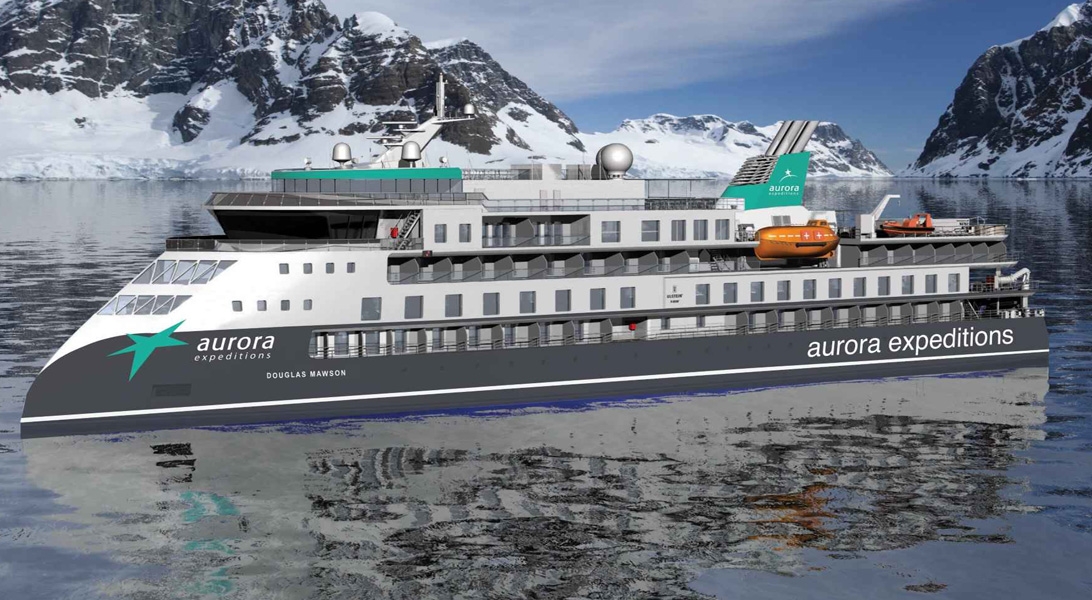
The images shown are for illustration purposes only and may not be an exact representation of what you find on the ship.
The images shown are for illustration purposes only and may not be an exact representation of what you find on the ship.
The images shown are for illustration purposes only and may not be an exact representation of what you find on the ship.
The images shown are for illustration purposes only and may not be an exact representation of what you find on the ship.
The images shown are for illustration purposes only and may not be an exact representation of what you find on the ship.


Our Fusion packages are all ABTA & ATOL protected ensuring that your booking is safe with us
| 16 nights aboard the Douglas Mawson | |||
| Fully-serviced accommodation in your chosen stateroom | |||
| An informative and entertaining lecture program by our team of experts | |||
| Complimentary 3-in-1 polar jacket and the use of gumboots | |||
| Entry fees to historic or tourist sites | |||
| Daily shore excursions, guided walks, Zodiac cruises and some activities | |||
| Daily breakfast, lunch and dinner including house wines, beers and soft drinks and afternoon tea and snacks | |||
| Complimentary use of fitness centre | |||
| Comprehensive pre-departure information kit and destination resource guide | |||
| Captain’s Welcome and Farewell Cocktail Reception including four-course dinner, house cocktails, house beer and wine, non-alcoholic beverages | |||
| Complimentary access to onboard medical doctor or clinic, if required | |||
| An experienced team of destination specialists and activity leaders | |||
| Pre-dinner cocktail hour including cold canapes and bar snacks | |||
| Photographic voyage log (post-voyage) | |||
| Port Taxes and Fees | |||
 | ABTA and ATOL Protection* | ||
Date 21st Sep 2027 |
Nts 16 |
Please Call for Availability |
Date 21st Sep 2027 |
Nts 16 |
Please Call for Availability |
Fusion Holidays when selling travel arrangements is a trading name of Co-op Travel Services Limited, registration 08903986. Fusion Cruises is an Accredited Body Member of Co-op Travel Services Limited ATOL 12904.
Book with Confidence. We are a Member of ABTA which means you have the benefit of ABTA’s assistance and Code of Conduct.
Some of the flights and flight-inclusive holidays on this website are financially protected by the ATOL scheme but ATOL protection does not apply to all holiday and travel services offered on this website. This website will provide you with information on the protection that applies in the case of each holiday and travel service offered before you make your booking. If you do not receive an ATOL Certificate then the booking will not be ATOL protected. If you do receive an ATOL Certificate but all parts of your trip are not listed on it, those parts will not be ATOL protected. Please see our booking conditions for information, or for more information about financial protection and the ATOL Certificate go to: www.caa.co.uk