This site uses cookies as defined in our Cookie Policy, by continuing to use this site you agree to their use.
Continue

Welcome to Aurora Expeditions’ Wild Greenland: An Active Arctic Expedition. Greenland is not simply the backdrop to this expedition—it is the terrain. Designed for travellers who want to move, climb and explore, this high-energy journey brings you into direct contact with West Greenland’s ice, mountains, tundra and remote coastal communities. We aim to step onto the Greenland Ice Sheet in crampons, hike part of the legendary Arctic Circle Trail, climb towards Lyngmark Glacier and explore Sisimiut by bike if local access allows. Between these headline adventures, Zodiac cruises, kayaki... ng, wildlife encounters and spontaneous landings keep the pace dynamic. This is true expedition travel, so flexibility is essential. Activities, routes and landings are subject to weather, ice, local conditions, permits and the judgement of the Expedition Team. Not every experience can be guaranteed—but that freedom to adapt is exactly what allows us to pursue the best adventure available each day. Dedicated Sea Kayaking Program Travellers who select the sea kayaking program will aim to paddle on every available expedition day. Specialist guides choose routes daily according to weather, ice and local conditions—from sheltered fjords and remote coastlines to iceberg-filled bays. Kayakers may occasionally follow a separate schedule or miss part of a shore activity. All launches remain subject to wind, sea state, visibility and the guides’ safety assessment.
| Arrive | Depart | ||||||
| 23rd23 | AugAug | 202828 | Reykjavík, Iceland, embark on the Sylvia Earle | ||||
Sprawling Reykjavík, the nation's nerve center and government seat, is home to half the island's population. On a bay overlooked by proud Mt. Esja (pronounced eh-shyuh), with its ever-changing hues, Reykjavík presents a colorful sight, its concrete houses painted in light colors and topped by vibrant red, blue, and green roofs. In contrast to the almost treeless countryside, Reykjavík has many tall, native birches, rowans, and willows, as well as imported aspen, pines, and spruces.Reykjavík's name comes from the Icelandic words for smoke, reykur, and bay, vík. In AD 874, Norseman Ingólfur Arnarson saw Iceland rising out of the misty sea and came ashore at a bay eerily shrouded with plumes of steam from nearby hot springs. Today most of the houses in Reykjavík are heated by near-boiling water from the hot springs. Natural heating avoids air pollution; there's no smoke around. You may notice, however, that the hot water brings a slight sulfur smell to the bathroom.Prices are easily on a par with other major European cities. A practical option is to purchase a Reykjavík City Card at the Tourist Information Center or at the Reykjavík Youth Hostel. This card permits unlimited bus usage and admission to any of the city's seven pools, the Family Park and Zoo, and city museums. The cards are valid for one (ISK 3,300), two (ISK 4,400), or three days (ISK 4,900), and they pay for themselves after three or four uses a day. Even lacking the City Card, paying admission (ISK 500, or ISK 250 for seniors and people with disabilities) to one of the city art museums (Hafnarhús, Kjarvalsstaðir, or Ásmundarsafn) gets you free same-day admission to the other two. On arrival in Reykjavík, you will be met by an Aurora Expeditions representative and transferred to the group hotel. Visit the Aurora Expeditions hospitality desk to collect your cabin luggage tags and speak with our ground operations team. They will share any important pre-embarkation information and can assist with local dining suggestions, cash withdrawals or last-minute purchases. The remainder of the day is yours to enjoy at leisure. All meals today are at your own expense. Accommodation: Reykjavík airport hotel (to be advised). | |||||||
| 24th24 | AugAug | 202828 | Kangerlussuaq Havn, Greenland | ||||
The name Kangerlussuaq means "Big Fjord" in the local Kalaallisut language. The settlement of about 500 people is located in western Greenland on flat land at the head of a fjord with the same name. Kangerlussuaq is the site of Greenland's largest commercial airport and most of the economy here is dependent on the air transportation hub and tourism. The rugged lands around the settlement support terrestrial Arctic fauna including muskoxen, caribou, and Gyrfalcons. Please ensure your main luggage is fitted with cabin tags clearly labelled with your name and cabin number. Keep valuables, travel documents, medication and anything needed during the day in your hand luggage. Your main bag will be delivered to your cabin ahead of your arrival onboard. After breakfast, transfer to the airport and board our charter flight to Kangerlussuaq, Greenland. Here, Sylvia Earle awaits at the head of a vast fjord. Once onboard, settle into your cabin before joining the mandatory safety briefings. This evening, meet your Expedition Team and crew over a welcome dinner as we prepare for the active days ahead. | |||||||
| 25th25 | AugAug | 202828 | Kangerlussuaq Havn, Greenland | ||||
The name Kangerlussuaq means "Big Fjord" in the local Kalaallisut language. The settlement of about 500 people is located in western Greenland on flat land at the head of a fjord with the same name. Kangerlussuaq is the site of Greenland's largest commercial airport and most of the economy here is dependent on the air transportation hub and tourism. The rugged lands around the settlement support terrestrial Arctic fauna including muskoxen, caribou, and Gyrfalcons. Kangerlussuaq sits at the end of a 190-kilometre (118-mile) fjord and provides rare road access to Greenland’s vast interior. Today, we aim to offer a choice of active experiences across a landscape shaped by ice, rock and tundra. Final options will depend on permits, weather, surface conditions and local operations. Greenland Ice Sheet Hike – Limited Places Journey towards Point 660, where the road ends at the edge of the ice. After a safety briefing and equipment fitting, step into crampons and follow an experienced guide onto the Greenland Ice Sheet. Move across an extraordinary frozen surface of ridges, channels and ancient blue ice while learning how this immense body of ice continues to shape Greenland and influence the planet. Previous crampon experience is not required, but good fitness, balance and mobility are essential. Point 660 and Russell Glacier Discover two of Kangerlussuaq’s defining ice landscapes. Stand at Point 660 for sweeping views across the ice sheet, then continue towards Russell Glacier, where a towering wall of compressed ice rises above the surrounding moraine. Short walks and viewpoints reveal the glacier’s immense scale and the raw terrain left behind by its movement. Tundra Wildlife Safari Head into the broad glacial valleys surrounding Kangerlussuaq in search of musk oxen, reindeer and Arctic birdlife. Explore by vehicle and on foot, scanning the open tundra with local guides who understand the animals, seasonal conditions and subtle signs of movement across this expansive landscape. Wildlife sightings are never guaranteed, but the search is all part of the adventure. Kayakers will aim to launch in Kangerlussuaq Fjord, following a route selected for the day’s conditions and operating separately from the inland excursions. | |||||||
| 26th26 | AugAug | 202828 | Sisimiut (Holsteinsborg), Greenland | ||||
Located just north of the Arctic Circle, Sisimiut is the northernmost town in Greenland where the port remains free of ice in the winter. Yet it is also the southernmost town where there is enough snow and ice to drive a dogsled in winter and spring. In Sisimiut, travelling by sled has been the primary means of winter transportation for centuries. In fact, the area has been inhabited for approximately 4,500 years. Modern Sisimiut is the largest business center in the north of Greenland, and is one of the fastest growing Greenlandic cities. Commercial fishing is the lead economy in the town‘s thriving industrial base. After sailing north across the Arctic Circle, we arrive in Sisimiut, Greenland’s second-largest city and an outdoor-adventure hub framed by mountains, sea and open tundra. Colourful houses climb the rocky slopes above the harbour, while the old blue church and its whalebone gate offer a glimpse into the city’s distinctive character. People have lived in this region for approximately 4,500 years. The Saqqaq, Dorset and Thule cultures each left traces across the landscape, and modern Sisimiut remains a vibrant centre of Greenlandic life, where traditional knowledge, fishing and hunting coexist with contemporary Arctic culture. Today is about choosing how far you want to go. Strong hikers may tackle a section of the legendary Arctic Circle Trail, which begins beyond Sisimiut and stretches through Greenland’s backcountry towards Kangerlussuaq. Another option includes climbing towards Nasaasaaq, the rugged mountain dominating the city, where steep terrain is rewarded with far-reaching views. If bikes and local permissions can be secured, we also hope to explore Sisimiut on two wheels, linking the harbour, neighbourhoods and surrounding trails. Shorter guided walks will reveal coastal viewpoints, colourful streets and cultural landmarks at a more relaxed pace. Final routes and activities remain subject to conditions, access and group safety. Meanwhile, kayaking-program participants may trace Sisimiut’s rocky coastline, sheltered bays or small islands beneath the city’s dramatic mountain backdrop. | |||||||
| 27th27 | AugAug | 202828 | Ilulissat (Jakobshavn), Greenland | ||||
Known as the birthplace of icebergs, the Ilulissat Icefjord produces nearly 20 million tons of ice each day. In fact, the word Ilulissat means “icebergs” in the Kalaallisut language. The town of Ilulissat is known for its long periods of calm and settled weather, but the climate tends to be cold due to its proximity to the fjord. Approximately 4,500 people live in Ilulissat, the third-largest town in Greenland after Nuuk and Sisimiut. Some people here estimate that there are nearly as many sled dogs as human beings living in the town that also boasts a local history museum located in the former home of Greenlandic folk hero and famed polar explorer Knud Rasmussen. Ilulissat means ‘icebergs’, and the name could not be more fitting. Nearby Sermeq Kujalleq—also known as Jakobshavn Glacier—moves with extraordinary speed, releasing immense volumes of ice into the UNESCO World Heritage-listed Ilulissat Icefjord and Disko Bay. The result is a constantly changing procession of icebergs, some rising like mountains above the sea. Set out on foot along the Icefjord trail network, crossing open rock and tundra towards viewpoints over the ice-filled fjord. Choose a route suited to your energy and experience, from a shorter walk to a more sustained hike revealing the landscape from different angles. The sound of shifting ice and the scale of the frozen panorama make this one of Greenland’s most powerful experiences. There may also be time to visit the architecturally striking Icefjord Centre and learn more about the glacier, its surrounding environment and thousands of years of human connection to this place. | |||||||
| 28th28 | AugAug | 202828 | Disko Bay, Greenland | ||||
Over the next three days, we leave the timetable behind. Ice, weather and opportunity will shape our exploration of Disko Bay and its surrounding fjords. We may Zodiac cruise among sculpted icebergs, scout a remote shore for an unplanned hike or visit a rarely reached community. The kayaking group may seek out a longer paddle in sheltered water, while everyone can keep watch for humpback and minke whales, seals and seabirds as the adventure unfolds. Volcanic Disko Island rises dramatically from the bay, its black-sand beaches, broad valleys and dark mountains contrasting with the granite landscapes found elsewhere in Greenland. We plan to use Qeqertarsuaq as a launch point for some of the voyage’s biggest adventures, while retaining the freedom to adapt to local conditions. The headline challenge is the hike towards Lyngmark Glacier. Beginning near sea level, the route climbs steadily through tundra and mountain terrain, gaining around 800 metres (2,625 feet) towards the ice above Qeqertarsuaq. It is a demanding day requiring strong fitness, sure footing and stamina, but the reward is an immense panorama across Disko Bay, scattered islands and drifting icebergs. Snow, trail and glacier conditions will determine how far the group can safely progress. For a more moderate challenge, the Kuannit trail follows the coast through tundra and volcanic terrain to basalt columns, freshwater springs and open views across the bay, with continued opportunities to watch for whales and seabirds. Beyond these planned highlights, conditions may open the door to additional hikes, Zodiac cruises, kayaking or a community visit. Routes, landings and activities remain subject to weather, ice, permits and the Expedition Team’s assessment—but with three days in the region, we have time to pursue the strongest opportunities across Disko Island and its surrounds. Throughout our time in the region, kayakers will aim to explore Disko Island’s volcanic coastline and sheltered, iceberg-filled bays whenever conditions allow. | |||||||
| 29th29 | AugAug | 202828 | Disko Bay, Greenland | ||||
| 30th30 | AugAug | 202828 | Disko Bay, Greenland | ||||
| 31st31 | AugAug | 202828 | Reykjavík, Iceland, disembark the Sylvia Earle | ||||
Sprawling Reykjavík, the nation's nerve center and government seat, is home to half the island's population. On a bay overlooked by proud Mt. Esja (pronounced eh-shyuh), with its ever-changing hues, Reykjavík presents a colorful sight, its concrete houses painted in light colors and topped by vibrant red, blue, and green roofs. In contrast to the almost treeless countryside, Reykjavík has many tall, native birches, rowans, and willows, as well as imported aspen, pines, and spruces.Reykjavík's name comes from the Icelandic words for smoke, reykur, and bay, vík. In AD 874, Norseman Ingólfur Arnarson saw Iceland rising out of the misty sea and came ashore at a bay eerily shrouded with plumes of steam from nearby hot springs. Today most of the houses in Reykjavík are heated by near-boiling water from the hot springs. Natural heating avoids air pollution; there's no smoke around. You may notice, however, that the hot water brings a slight sulfur smell to the bathroom.Prices are easily on a par with other major European cities. A practical option is to purchase a Reykjavík City Card at the Tourist Information Center or at the Reykjavík Youth Hostel. This card permits unlimited bus usage and admission to any of the city's seven pools, the Family Park and Zoo, and city museums. The cards are valid for one (ISK 3,300), two (ISK 4,400), or three days (ISK 4,900), and they pay for themselves after three or four uses a day. Even lacking the City Card, paying admission (ISK 500, or ISK 250 for seniors and people with disabilities) to one of the city art museums (Hafnarhús, Kjarvalsstaðir, or Ásmundarsafn) gets you free same-day admission to the other two. | |||||||
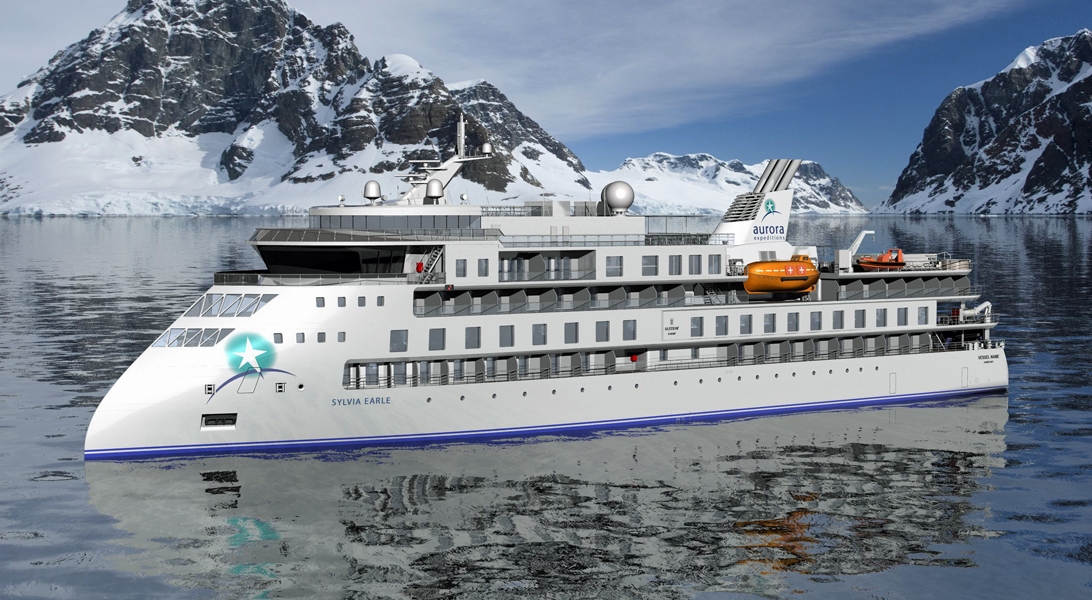
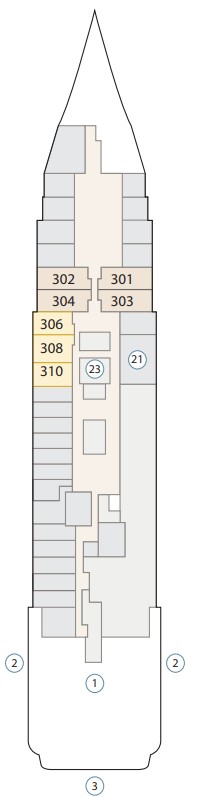

The images shown are for illustration purposes only and may not be an exact representation of what you find on the ship.
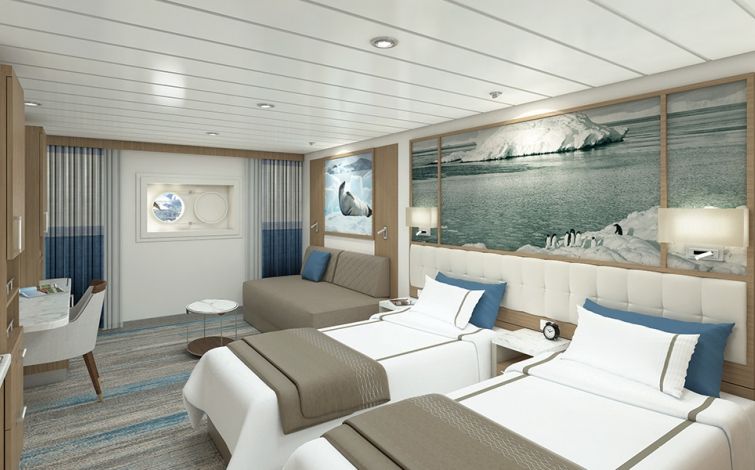
| Grade Code | From | To | |
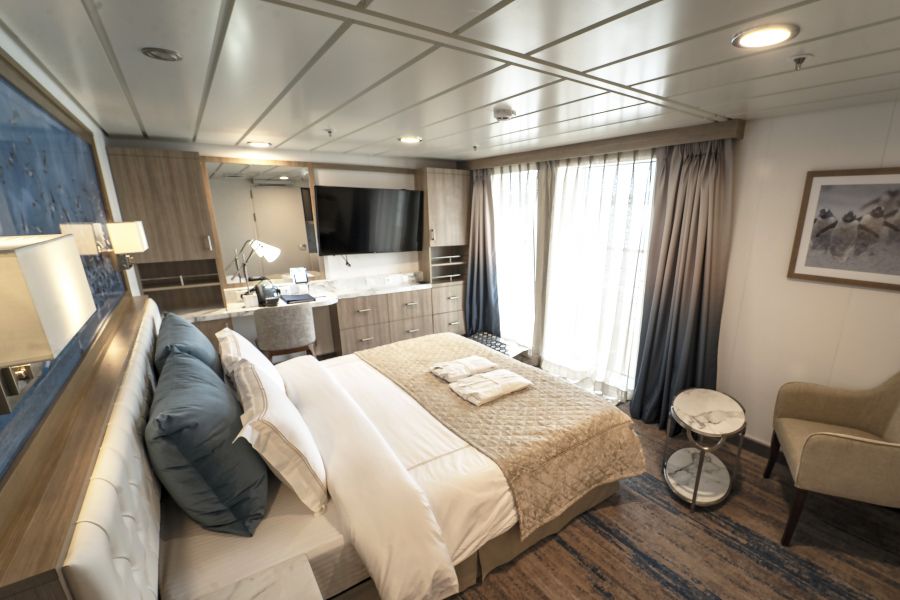
| SASS | Aurora Stateroom Superior | £9,818 | £13,091 |
Located on Deck 7, these comfortable Staterooms feature french balconies, floor to ceiling windows, en-suite bathrooms and a comfortable desk area.
Cabin Inclusion
Amenities
| Grade Code | From | To | |
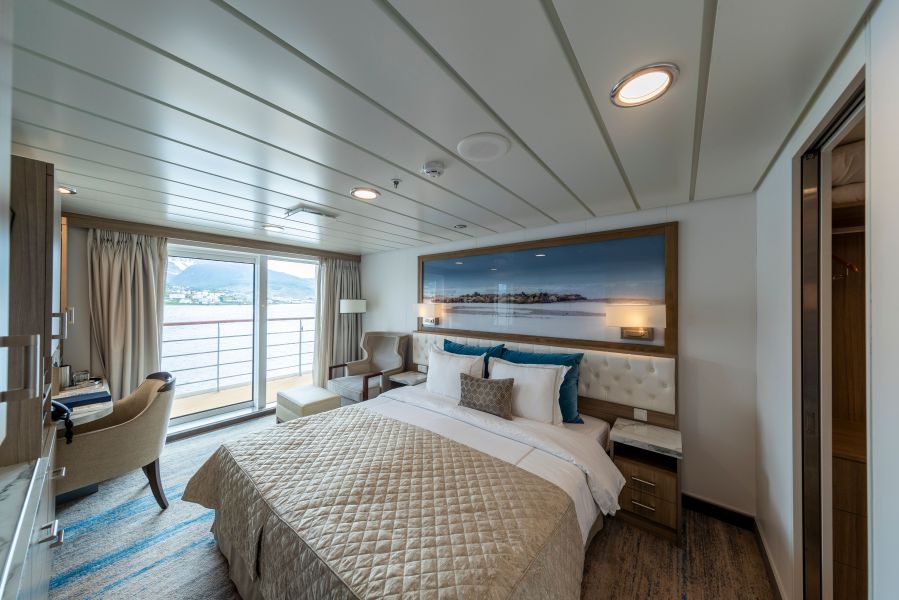
| SBSS | Balcony Stateroom Superior | £12,418 | £16,557 |
With a bit more room to stretch the legs, the Balcony Stateroom Superior cabins are perfect for polar adventurers who travel with plenty of gear. Located on Deck 4 and 6, the Staterooms feature floor to ceiling windows, en-suite bathrooms and a comfortable desk area.
Some of these rooms are equipped with wheelchair accessible bathrooms.
Cabin Inclusion
Some of these rooms are equipped with wheelchair accessible bathrooms.
Amenities
| Grade Code | From | To | |
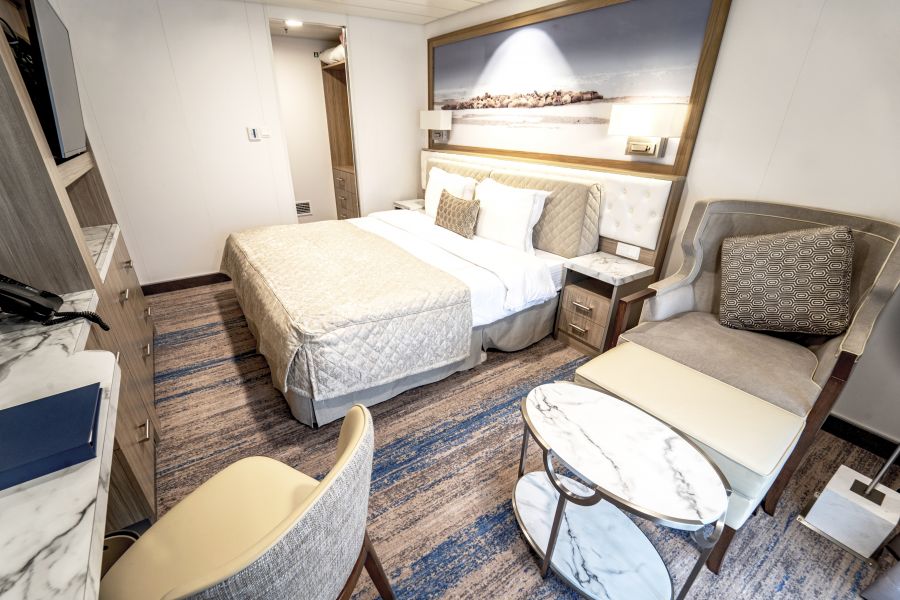
| CSS | Captain's Suite | £16,923 | £22,564 |
The largest of all our rooms, the singular Captain's Suite will take you to the polar regions in ultimate style and comfort. Complete with large lounge area, balcony, walk-in wardrobe and en-suite, you'll need to get in early to secure this suite.
Inclusion
Amenities
| Grade Code | From | To | |
| JSS | Junior Suite | £14,844 | £19,792 |
The four Junior Suites take in some impressive scenery from their vantage points on Deck 7. When you aren't enjoying a landing, you can relax in the suites' separate lounge area, or just watch the world float by from the private balcony.
Cabin Inclusion
*Valid on 1-hour massage or facial treatment only. Further details provided on board.
Amenities
^Mini bar is stocked only once.
The images shown are for illustration purposes only and may not be an exact representation of what you find on the ship.
The images shown are for illustration purposes only and may not be an exact representation of what you find on the ship.
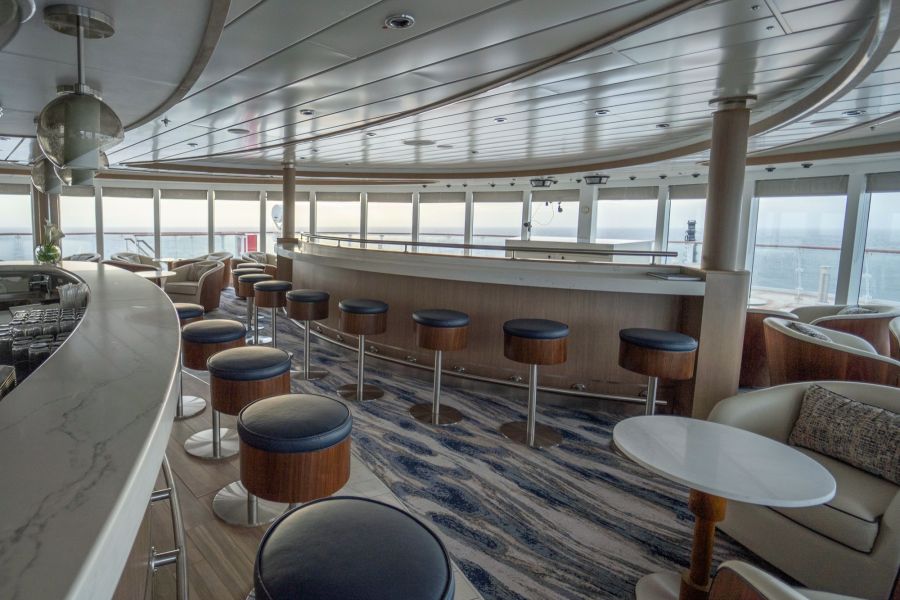
Let's face it – you don't want windowless rooms when travelling around some of the most beautiful locations around the world. This is why the Sylvia Earle is designed with plenty of dedicated observation spaces – ideal for keen bird spotters, wildlife watchers and those wanting to watch the scenery go past.
From the indoor 180-degree lounge and outdoor 360-degree open deck, both on deck 8, to the 270-degree open sundeck on level 7, there are plenty of observation points to share around the ship!
The images shown are for illustration purposes only and may not be an exact representation of what you find on the ship.
The images shown are for illustration purposes only and may not be an exact representation of what you find on the ship.


Our Fusion packages are all ABTA & ATOL protected ensuring that your booking is safe with us
| 8 nights aboard the Sylvia Earle | |||
| Fully-serviced accommodation in your chosen stateroom | |||
| An informative and entertaining lecture program by our team of experts | |||
| Complimentary 3-in-1 polar jacket and the use of gumboots | |||
| Entry fees to historic or tourist sites | |||
| Daily shore excursions, guided walks, Zodiac cruises and some activities | |||
| Daily breakfast, lunch and dinner including house wines, beers and soft drinks and afternoon tea and snacks | |||
| Complimentary use of fitness centre | |||
| Comprehensive pre-departure information kit and destination resource guide | |||
| Captain’s Welcome and Farewell Cocktail Reception including four-course dinner, house cocktails, house beer and wine, non-alcoholic beverages | |||
| Complimentary access to onboard medical doctor or clinic, if required | |||
| An experienced team of destination specialists and activity leaders | |||
| Pre-dinner cocktail hour including cold canapes and bar snacks | |||
| Photographic voyage log (post-voyage) | |||
| Port Taxes and Fees | |||
 | ABTA and ATOL Protection* | ||
Date 23rd Aug 2028 |
Nts 8 |
Oceanview £9,818pp |
Balcony £10,049pp |
Suite £14,844pp |
Date 23rd Aug 2028 |
Nts 8 |
Oceanview £9,818pp |
Balcony £10,049pp |
Suite £14,844pp |
| Oceanview staterooms from | £9,818pp | ||
| SASS | Aurora Stateroom Superior | £9,818pp | |
| Balcony staterooms from | £10,049pp | ||
| BSCS | Balcony Stateroom C (Forward / Aft) | £10,049pp | |
| BSBS | Balcony Stateroom B (Off Midship) | £10,569pp | |
| BSAS | Balcony Stateroom A (Midship) | £11,378pp | |
| SBSS | Balcony Stateroom Superior | £12,418pp | |
| Suite staterooms from | £14,844pp | ||
| JSS | Junior Suite | £14,844pp | |
| CSS | Captain's Suite | £16,923pp | |
Fusion Holidays when selling travel arrangements is a trading name of Co-op Travel Services Limited, registration 08903986. Fusion Cruises is an Accredited Body Member of Co-op Travel Services Limited ATOL 12904.
Book with Confidence. We are a Member of ABTA which means you have the benefit of ABTA’s assistance and Code of Conduct.
Some of the flights and flight-inclusive holidays on this website are financially protected by the ATOL scheme but ATOL protection does not apply to all holiday and travel services offered on this website. This website will provide you with information on the protection that applies in the case of each holiday and travel service offered before you make your booking. If you do not receive an ATOL Certificate then the booking will not be ATOL protected. If you do receive an ATOL Certificate but all parts of your trip are not listed on it, those parts will not be ATOL protected. Please see our booking conditions for information, or for more information about financial protection and the ATOL Certificate go to: www.caa.co.uk