This site uses cookies as defined in our Cookie Policy, by continuing to use this site you agree to their use.
Continue

| Arrive | Depart | ||||||
| 25th25 | FebFeb | 202828 | Singapore, Singapore, embark on the Queen Elizabeth | ||||
The main island of Singapore is shaped like a flattened diamond, 42 km (26 miles) east to west and 23 km (14 miles) north to south. Near the northern peak is the causeway leading to West Malaysia—Kuala Lumpur is less than four hours away by car. It is at the southern foot where you will find most of the city-state’s action, with its gleaming office towers, working docks, and futuristic "supertrees," which are solar-powered and serve as vertical gardens. Offshore are Sentosa and over 60 smaller islands, most uninhabited, that serve as bases for oil refining or as playgrounds and beach escapes from the city. To the east is Changi International Airport, connected to the city by metro, bus, and a tree-lined parkway. Of the island's total land area, more than half is built up, with the balance made up of parkland, farmland, plantations, swamp areas, and rain forest. Well-paved roads connect all parts of the island, and Singapore city has an excellent, and constantly expanding, public transportation system. The heart of Singapore's history and its modern wealth are in and around the Central Business District. The area includes the skyscrapers in the Central Business District, the 19th-century Raffles Hotel, the convention centers of Marina Square, on up to the top of Ft. Canning. Although most of old Singapore has been knocked down to make way for the modern city, most colonial landmarks have been preserved in the CBD, including early-19th-century buildings designed by the Irish architect George Coleman. | |||||||
| 26th26 | FebFeb | 202828 | At Sea | ||||
| 27th27 | FebFeb | 202828 | At Sea | ||||
| 28th28 | FebFeb | 202828 | At Sea | ||||
| 29th29 | FebFeb | 202828 | Hong Kong, Hong Kong | ||||
The Hong Kong Island skyline, with its ever-growing number of skyscrapers, speaks to ambition and money. Paris, London, even New York were centuries in the making, while Hong Kong's towers, bright lights, and glitzy shopping emporia weren't yet part of the urban scene when many of the young investment bankers who fuel one of the world's leading financial centers were born. Commerce is concentrated in the glittering high-rises of Central, tucked between Victoria Harbor and forested peaks on Hong Kong Island's north shore. While it's easy to think all the bright lights are the sum of today's Hong Kong, you need only walk or board a tram for the short jaunt west into Western to discover a side of Hong Kong that is more traditionally Chinese but no less high-energy. You'll discover the real Hong Kong to the east of Central, too, in Wan Chai, Causeway Bay, and beyond. Amid the residential towers are restaurants, shopping malls, bars, convention centers, a nice smattering of museums, and—depending on fate and the horse you wager on—one of Hong Kong's luckiest or unluckiest spots, the Happy Valley Racecourse. Kowloon sprawls across a generous swath of the Chinese mainland across Victoria Harbour from Central. Tsim Sha Tsui, at the tip of Kowloon peninsula, is packed with glitzy shops, first-rate museums, and eye-popping views of the skyline across the water. Just to the north are the teeming market streets of Mong Kok and in the dense residential neighborhoods beyond, two of Hong Kong's most enchanting spiritual sights, Wong Tai Sin Temple and Chi Lin Nunnery. As you navigate this huge metropolis (easy to do on the excellent transportation network), keep in mind that streets are usually numbered odd on one side, even on the other. There's no baseline for street numbers and no block-based numbering system, but street signs indicate building numbers for any given block. | |||||||
| 1st01 | MarMar | 202828 | Hong Kong, Hong Kong | Evening | |||
The Hong Kong Island skyline, with its ever-growing number of skyscrapers, speaks to ambition and money. Paris, London, even New York were centuries in the making, while Hong Kong's towers, bright lights, and glitzy shopping emporia weren't yet part of the urban scene when many of the young investment bankers who fuel one of the world's leading financial centers were born. Commerce is concentrated in the glittering high-rises of Central, tucked between Victoria Harbor and forested peaks on Hong Kong Island's north shore. While it's easy to think all the bright lights are the sum of today's Hong Kong, you need only walk or board a tram for the short jaunt west into Western to discover a side of Hong Kong that is more traditionally Chinese but no less high-energy. You'll discover the real Hong Kong to the east of Central, too, in Wan Chai, Causeway Bay, and beyond. Amid the residential towers are restaurants, shopping malls, bars, convention centers, a nice smattering of museums, and—depending on fate and the horse you wager on—one of Hong Kong's luckiest or unluckiest spots, the Happy Valley Racecourse. Kowloon sprawls across a generous swath of the Chinese mainland across Victoria Harbour from Central. Tsim Sha Tsui, at the tip of Kowloon peninsula, is packed with glitzy shops, first-rate museums, and eye-popping views of the skyline across the water. Just to the north are the teeming market streets of Mong Kok and in the dense residential neighborhoods beyond, two of Hong Kong's most enchanting spiritual sights, Wong Tai Sin Temple and Chi Lin Nunnery. As you navigate this huge metropolis (easy to do on the excellent transportation network), keep in mind that streets are usually numbered odd on one side, even on the other. There's no baseline for street numbers and no block-based numbering system, but street signs indicate building numbers for any given block. | |||||||
| 2nd02 | MarMar | 202828 | At Sea | ||||
| 3rd03 | MarMar | 202828 | At Sea | ||||
| 4th04 | MarMar | 202828 | Busan, South Korea | Early Morning | Evening | ||
White-sand city beaches and hot-spring resorts may not be everyone's first image of Korea, but these are what Koreans flock to Busan for all year. And there are plenty of opportunities for rest, relaxation, retail therapy, and even a touch of glamour every October with the Busan International Film Festival. Busan's beaches are the big summertime draw but there is plenty to be seen year round. Quintessential experiences include taking some rest and relaxation at a local spa and exploring the Beomeosa temple complex. | |||||||
| 5th05 | MarMar | 202828 | Nagasaki, Japan | Early Morning | Evening | ||
Nagasaki city has developed into one of the most important port cities in Japan. During Japan’s period of isolation in the 17th century, Nagasaki played a prominent role in foreign trade relation and only a very few ports were open to restricted numbers of foreign traders. Even though Holland was a major country who conducted trading during this period, Dutch people were only allowed to stay in Dejima Island and were not allowed to have contact with the Japanese people. Today, you will still find the strong influence of Dutch and Chinese culture in the city which is very different from all other cities in Japan. In the more recent history, Nagasaki became the second city after Hiroshima to be destroyed by an atomic bomb towards the end of World War II. From the visit to Atomic bomb museum and peace memorial park, people could understand how chaotic the situation was and the agony that the people in the days have experienced from the damage inflicted by the atomic bomb. It continues to appeal to the world with their wish for world peace. | |||||||
| 6th06 | MarMar | 202828 | Kagoshima, Japan | Early Morning | Evening | ||
Kagoshima city is the capital of Kagoshima prefecture and also Kyushu’s southernmost major city. This city is often compared to its Italian sister city Naples, due to its’s similarities such as mild climate and active volcano, Sakurajima. Sakurajima is one of the most renowned active volcanos not only in Japan but also in the whole entire world. This smoking Sakurajima is centred in Kinko Bay and is one of the main symbols of this prefecture. We cannot talk about Sakurajima without the history of continuous eruption. Sakurajima used to be an isolated island; however, the land has banded together with Osumi peninsula from the eruption in 1914. You may have a chance to see the smoke coming from the top of Sakurajima depending on the weather condition. Not only does the scenery of Sakurajima represent the beauty of Kagoshima City but Senganen garden is also symbolic to elegance in the Kagoshima region. This Japanese garden was constructed by a feudal lord, Mitsuhisa Shimazu, as a guest house of the Kagoshima castle which attracts many visitors for its splendid view. | |||||||
| 7th07 | MarMar | 202828 | At Sea | ||||
| 8th08 | MarMar | 202828 | Yokohama, Japan | Early Morning | |||
In 1853, a fleet of four American warships under Commodore Matthew Perry sailed into the bay of Tokyo (then Edo) and presented the reluctant Japanese with the demands of the U.S. government for the opening of diplomatic and commercial relations. The following year Perry returned and first set foot on Japanese soil at Yokohama—then a small fishing village on the mudflats of Tokyo bay. Two years later New York businessman Townsend Harris became America's first diplomatic representative to Japan. In 1858 he was finally able to negotiate a commercial treaty between the two countries; part of the deal designated four locations—one of them Yokohama—as treaty ports. In 1859 the shogunate created a special settlement in Yokohama for the growing community of merchants, traders, missionaries, and other assorted adventurers drawn to this exotic new land of opportunity. The foreigners (predominantly Chinese and British, plus a few French, Americans, and Dutch) were confined here to a guarded compound about 5 square km (2 square miles)—placed, in effect, in isolation—but not for long. Within a few short years the shogunal government collapsed, and Japan began to modernize. Western ideas were welcomed, as were Western goods, and the little treaty port became Japan's principal gateway to the outside world. In 1872 Japan's first railway was built, linking Yokohama and Tokyo. In 1889 Yokohama became a city; by then the population had grown to some 120,000. As the city prospered, so did the international community and by the early 1900s Yokohama was the busiest and most modern center of international trade in all of East Asia. Then Yokohama came tumbling down. On September 1, 1923, the Great Kanto Earthquake devastated the city. The ensuing fires destroyed some 60,000 homes and took more than 40,000 lives. During the six years it took to rebuild the city, many foreign businesses took up quarters elsewhere, primarily in Kobe and Osaka, and did not return. Over the next 20 years Yokohama continued to grow as an industrial center—until May 29, 1945, when in a span of four hours, some 500 American B-29 bombers leveled nearly half the city and left more than half a million people homeless. When the war ended, what remained became—in effect—the center of the Allied occupation. General Douglas MacArthur set up headquarters here, briefly, before moving to Tokyo; the entire port facility and about a quarter of the city remained in the hands of the U.S. military throughout the 1950s. By the 1970s Yokohama was once more rising from the debris; in 1978 it surpassed Osaka as the nation's second-largest city, and the population is now inching up to the 3.5 million mark. Boosted by Japan's postwar economic miracle, Yokohama has extended its urban sprawl north to Tokyo and south to Kamakura—in the process creating a whole new subcenter around the Shinkansen Station at Shin-Yokohama. The development of air travel and the competition from other ports have changed the city's role in Japan's economy. The great liners that once docked at Yokohama's piers are now but a memory, kept alive by a museum ship and the occasional visit of a luxury vessel on a Pacific cruise. Modern Large as Yokohama is, the central area is very negotiable. As with any other port city, much of what it has to offer centers on the waterfront—in this case, on the west side of Tokyo Bay. The downtown area is called Kannai (literally, "within the checkpoint"); this is where the international community was originally confined by the shogunate. Though the center of interest has expanded to include the waterfront and Ishikawa-cho, to the south, Kannai remains the heart of town. Think of that heart as two adjacent areas. One is the old district of Kannai, bounded by Basha-michi on the northwest and Nippon-odori on the southeast, the Keihin Tohoku Line tracks on the southwest, and the waterfront on the northeast. This area contains the business offices of modern Yokohama. The other area extends southeast from Nippon-odori to the Moto-machi shopping street and the International Cemetery, bordered by Yamashita Koen and the waterfront to the northeast; in the center is Chinatown, with Ishikawa-cho Station to the southwest. This is the most interesting part of town for tourists. Whether you're coming from Tokyo, Nagoya, or Kamakura, make Ishikawa-cho Station your starting point. Take the South Exit from the station and head in the direction of the waterfront. | |||||||
| 9th09 | MarMar | 202828 | Yokohama, Japan, disembark the Queen Elizabeth | ||||
In 1853, a fleet of four American warships under Commodore Matthew Perry sailed into the bay of Tokyo (then Edo) and presented the reluctant Japanese with the demands of the U.S. government for the opening of diplomatic and commercial relations. The following year Perry returned and first set foot on Japanese soil at Yokohama—then a small fishing village on the mudflats of Tokyo bay. Two years later New York businessman Townsend Harris became America's first diplomatic representative to Japan. In 1858 he was finally able to negotiate a commercial treaty between the two countries; part of the deal designated four locations—one of them Yokohama—as treaty ports. In 1859 the shogunate created a special settlement in Yokohama for the growing community of merchants, traders, missionaries, and other assorted adventurers drawn to this exotic new land of opportunity. The foreigners (predominantly Chinese and British, plus a few French, Americans, and Dutch) were confined here to a guarded compound about 5 square km (2 square miles)—placed, in effect, in isolation—but not for long. Within a few short years the shogunal government collapsed, and Japan began to modernize. Western ideas were welcomed, as were Western goods, and the little treaty port became Japan's principal gateway to the outside world. In 1872 Japan's first railway was built, linking Yokohama and Tokyo. In 1889 Yokohama became a city; by then the population had grown to some 120,000. As the city prospered, so did the international community and by the early 1900s Yokohama was the busiest and most modern center of international trade in all of East Asia. Then Yokohama came tumbling down. On September 1, 1923, the Great Kanto Earthquake devastated the city. The ensuing fires destroyed some 60,000 homes and took more than 40,000 lives. During the six years it took to rebuild the city, many foreign businesses took up quarters elsewhere, primarily in Kobe and Osaka, and did not return. Over the next 20 years Yokohama continued to grow as an industrial center—until May 29, 1945, when in a span of four hours, some 500 American B-29 bombers leveled nearly half the city and left more than half a million people homeless. When the war ended, what remained became—in effect—the center of the Allied occupation. General Douglas MacArthur set up headquarters here, briefly, before moving to Tokyo; the entire port facility and about a quarter of the city remained in the hands of the U.S. military throughout the 1950s. By the 1970s Yokohama was once more rising from the debris; in 1978 it surpassed Osaka as the nation's second-largest city, and the population is now inching up to the 3.5 million mark. Boosted by Japan's postwar economic miracle, Yokohama has extended its urban sprawl north to Tokyo and south to Kamakura—in the process creating a whole new subcenter around the Shinkansen Station at Shin-Yokohama. The development of air travel and the competition from other ports have changed the city's role in Japan's economy. The great liners that once docked at Yokohama's piers are now but a memory, kept alive by a museum ship and the occasional visit of a luxury vessel on a Pacific cruise. Modern Large as Yokohama is, the central area is very negotiable. As with any other port city, much of what it has to offer centers on the waterfront—in this case, on the west side of Tokyo Bay. The downtown area is called Kannai (literally, "within the checkpoint"); this is where the international community was originally confined by the shogunate. Though the center of interest has expanded to include the waterfront and Ishikawa-cho, to the south, Kannai remains the heart of town. Think of that heart as two adjacent areas. One is the old district of Kannai, bounded by Basha-michi on the northwest and Nippon-odori on the southeast, the Keihin Tohoku Line tracks on the southwest, and the waterfront on the northeast. This area contains the business offices of modern Yokohama. The other area extends southeast from Nippon-odori to the Moto-machi shopping street and the International Cemetery, bordered by Yamashita Koen and the waterfront to the northeast; in the center is Chinatown, with Ishikawa-cho Station to the southwest. This is the most interesting part of town for tourists. Whether you're coming from Tokyo, Nagoya, or Kamakura, make Ishikawa-cho Station your starting point. Take the South Exit from the station and head in the direction of the waterfront. | |||||||
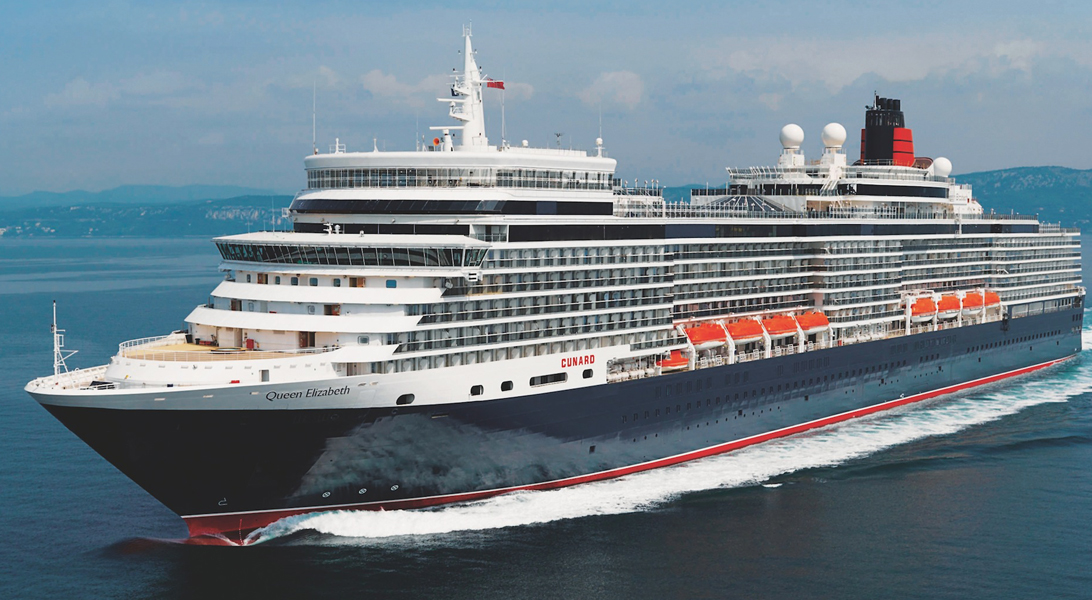


The images shown are for illustration purposes only and may not be an exact representation of what you find on the ship.
The images shown are for illustration purposes only and may not be an exact representation of what you find on the ship.
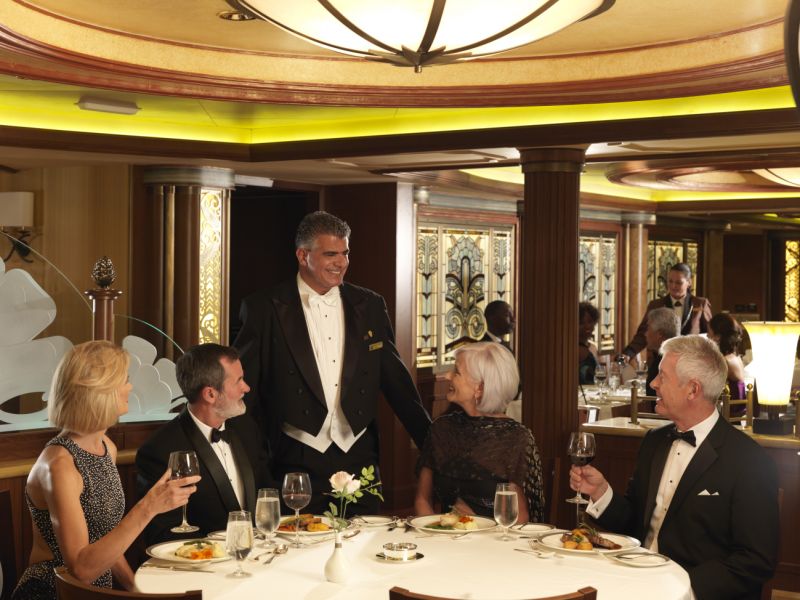
Imaginative cooking and flawless service create a dining experience fit for royalty.
For the exclusive use of guests in our Princess Grill Suites, this exquisite restaurant offers à la carte dining at an elevated level.
With a dining room to rival the world’s most luxurious hotels and a menu that showcases classical flavour pairings, creatively reimagined, the Princess Grill restaurant is among the most prestigious of our on board dining experiences. Discreet but attentive service and a raft of personal touches make every meal special.
You’ll find a comprehensive selection of continental and cooked dishes ready to rouse you each morning, whilst lunchtimes introduce a delicious four course menu alongside lighter options.
Evenings are a particularly grand affair, with the theatre of tableside serving inspiring a greater sense of occasion. Your table for dinner is reserved throughout your voyage, with no need to book; simply take your seat whenever you wish, between 6.30pm and 9.00pm.
Dining at the Princess Grill restaurant is included in your fare if you’re staying in one of our Princess Grill Suites. Relaxed dress is welcomed at breakfast and lunch, and smart attire (jacket optional) after 6.00pm, except on Gala Evenings when we invite you to dress in black tie.
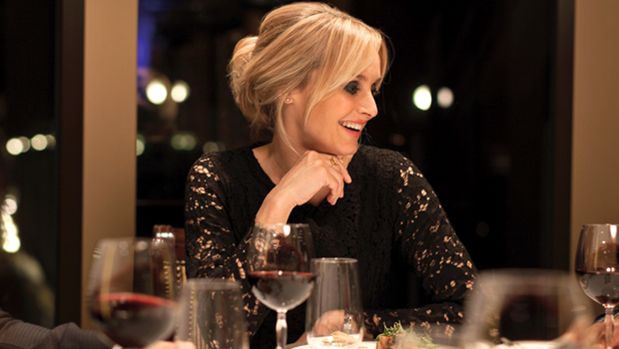
The pinnacle of fine dining at sea, exclusively for guests staying in our Queens Grill Suites.
Drawing inspiration from the world’s finest kitchens, the Queens Grill restaurant offers a true taste of fine dining on board, elevated by a front of house team for whom nothing is too much trouble.
Open for breakfast, lunch and dinner daily, with a Grills Afternoon Tea served separately in the Grills Lounge, a visit to the Queens Grill always feels like a special occasion.
You’ll be dining among your fellow Queens Grill guests, with a table reserved for your exclusive use throughout your voyage. There’s no need to book. Simply arrive whenever you’re ready and your table will be waiting. You may even choose to take your meal in your suite, should you wish.
Each day introduces a coveted line-up of à la carte dishes, complemented by an ‘always-available’ menu of appetisers, entrees, and desserts, executed with exemplary flair and finesse.
Alternatively, opt for one of our chef’s speciality sharing dishes (orderable in advance at breakfast or lunchtimes). From beef wellington to rack of lamb, the choice is truly indulgent. Each dish (along with select offerings on our menu) is finished and presented to you table-side, only heightening the sense of theatre that’s a signature of Queens Grill dining.
Dining at the Queens Grill restaurant is exclusive to Queens Grill guests and included within your Cunard fare. The restaurant operates relaxed dress by day and smart attire (jacket optional) for dinner service after 6.00pm, except on Gala Evenings when we invite you to dress in black tie.
The images shown are for illustration purposes only and may not be an exact representation of what you find on the ship.
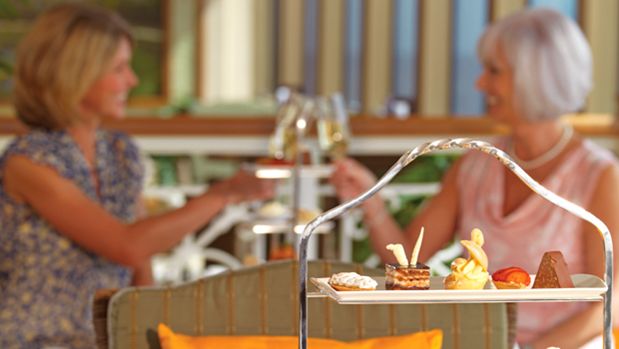
Escape to the Garden Lounge and find yourself in something of an oasis. Reminiscent of Mediterranean olive groves and the conservatories of Kew Gardens, the Garden Lounge is a beautiful and serene place to spend an hour or two. With comfortable wicker furniture, plenty of greenery, and views out to sea, you’ll easily find a spot in which to enjoy a drink or two.
You could choose a beer or a refreshing cocktail, or perhaps a tea or coffee is in order. Open throughout the day and into the evening, the Garden Lounge offers a place to get lost in a book, play some card games, or take in some live music courtesy of resident musicians.
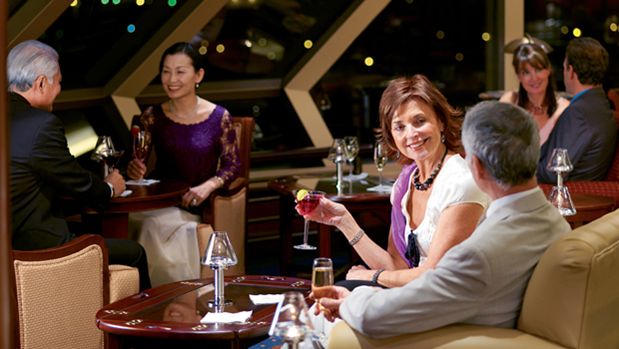
For those seeking a more intimate evening of entertainment, look no further than the Commodore Club. Perched high above the sea with panoramic views of the ocean, this elegant lounge offers the perfect setting to unwind and relax in style.
Sip on a handcrafted cocktail expertly prepared by skilled mixologists as you enjoy live piano music or engage in lively conversation with fellow guests. With plush seating and a warm ambience, the Commodore Club is the ideal spot to sip, savour, and soak in the breathtaking views.
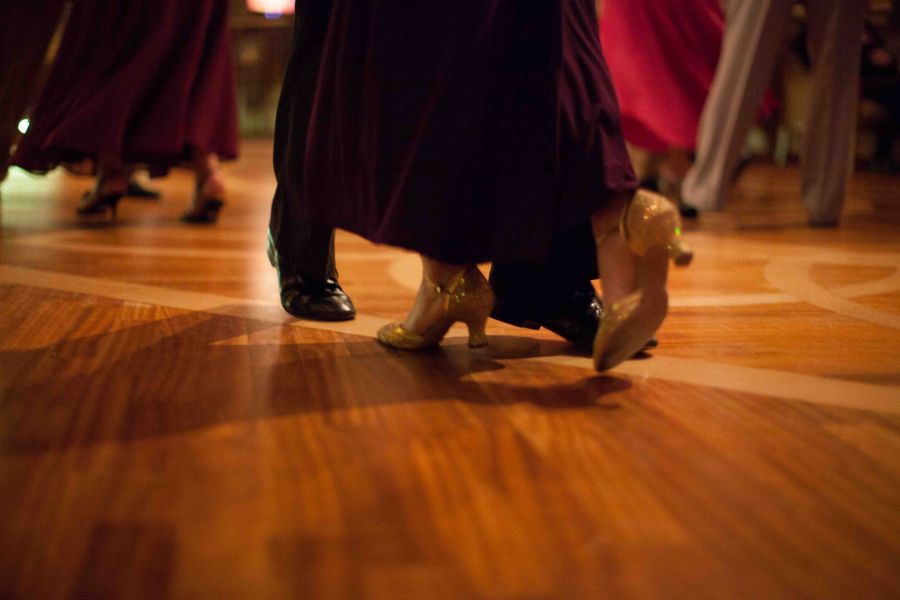
Many consider the Queens Room to be the heart of any Cunard ship, where live music and dancing reign supreme. With its gleaming dance floor and stylish feel, this iconic venue is the perfect setting for an evening of romance and revelry.
Whether you're a seasoned dancer or a novice, the Queens Room offers a variety of dance sessions to suit every taste. From the sultry rhythms of the tango to the graceful steps of the waltz, there's no shortage of opportunities to take to the floor and dance either at a daytime workshop or in the evening, beneath the glow of the glittering chandeliers.
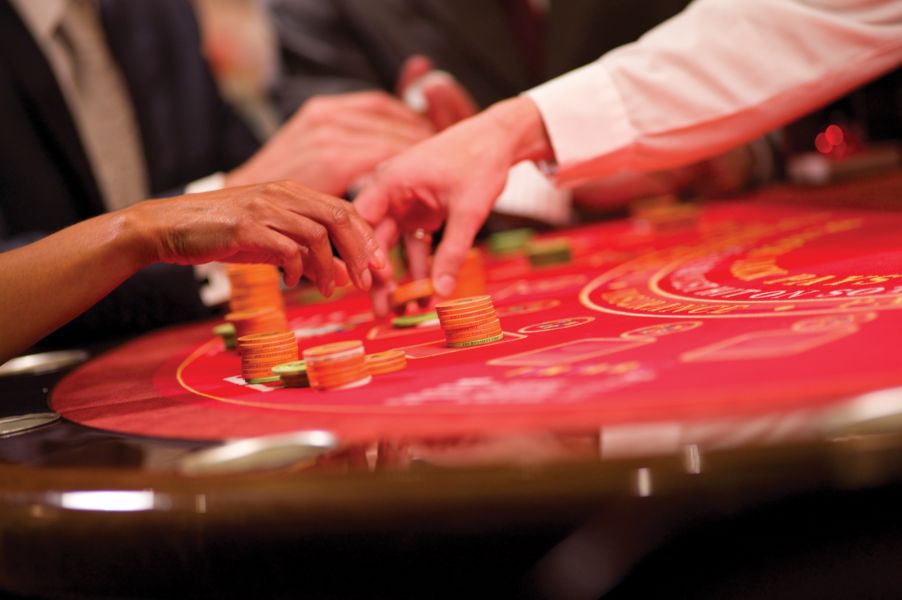
The goings on at the Casino always provide a vibrant evening full of fun and excitement. Whether you feel like a little flutter yourself, or you’d simply like to order a drink or two and watch the peaks and dips of others’ luck, a night spent at the Casino is filled with sparkle.
Games here include Blackjack, Poker, Roulette, and slot machines. If you’re not sure how to play, why not pop along to one of the workshops to find out how? Expert croupiers can teach you their know-how, so you can place your own bets later on.
The images shown are for illustration purposes only and may not be an exact representation of what you find on the ship.

Teenagers 13 to 17 will have a great time with the sports, discos and games we run around the ship.
Teens in your party will have a whale of a time in this dedicated club for 13 to 17 year-olds. They can enjoy deck sports, discos, gaming consoles, quizzes and much more - ensuring an action-packed holiday. They'll also appreciate the special Teen Zone area where they can challenge each other to the latest video games as well as the table tennis tournaments and team games we organise. Note that the exact age groupings will depend on the number of children travelling on any particular voyage.
Access to The Teen Zone is included in your fare.
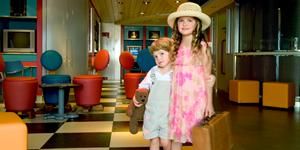
Enjoy your holiday even more, knowing that your little ones have a safe place to sleep each evening.
There's a great sense of freedom to be had when you can enjoy drinks, dinner or a show knowing that your little ones are sleeping soundly. Available on a first come first served basis, our free of charge Night Nursery equips you with a pager so we can contact you if need be or, if you let us know your plans, we'll come and find you. For that extra peace of mind professional childminders are on hand. Suitable for children aged 6 to 23 months and open from 6pm to 11pm.
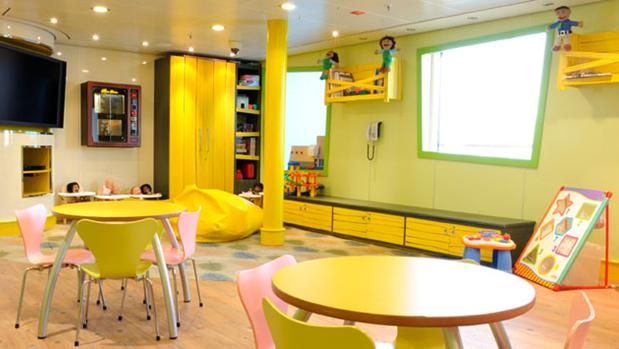
Children aged 2 to 7 will love the activities and themed days in this supervised haven.
The Play Zone is a fully supervised play area which younger members of your family will just love. They're sure to have a fun-filled holiday with the structured activities provided by our fully trained Youth Team - including themed days, arts and crafts, games, books, puzzles, toys and computer games. There's even a sheltered outdoor play area with a range of play equipment such as cars and tricycles. Infants from 6 months to 23 months are welcome to join in the fun, with parental supervision.
Access to The Play Zone is included in your fare.
The images shown are for illustration purposes only and may not be an exact representation of what you find on the ship.


Our Fusion packages are all ABTA & ATOL protected ensuring that your booking is safe with us
| 13 nights aboard the Queen Elizabeth | |||
| Choose FREE on-board spend, coach transfers or car parking (Cunard Fares only) | |||
| Complimentary daily afternoon tea | |||
| Evening entertainment & Broadway style shows | |||
| Upgrade to the Grills Experience | |||
| Tea, coffee, fruit juice is available 24 hours | |||
| 24-hour room service | |||
| Port Taxes and Fees | |||
 | ABTA and ATOL Protection* | ||
Date 25th Feb 2028 |
Nts 13 |
Please Call for Availability |
Date 25th Feb 2028 |
Nts 13 |
Please Call for Availability |
| Interior staterooms |  | ||
| LC | Single Inside | | |
| GA | Deluxe Inside | | |
| GB | Deluxe Inside | | |
| GC | Deluxe Inside | | |
| IA | Standard Inside | | |
| ID | Standard Inside | | |
| IE | Standard Inside | | |
| IF | Standard Inside | | |
| Oceanview staterooms | | ||
| KC | Single Oceanview | | |
| EB | Oceanview | | |
| EC | Oceanview | | |
| EF | Oceanview | | |
| FB | Oceanview | | |
| FC | Oceanview | | |
| Balcony staterooms | | ||
| A1 | Club Balcony | | |
| A2 | Club Balcony | | |
| BA | Balcony | | |
| BB | Balcony | | |
| BC | Balcony | | |
| BD | Balcony | | |
| BE | Balcony | | |
| BF | Balcony | | |
| CA | Balcony | | |
| CB | Balcony | | |
| Suite staterooms | | ||
| P1 | Princess Suite | | |
| P2 | Princess Suite | | |
| Q1 | Grand Suite | | |
| Q2 | Master Suite | | |
| Q3 | Penthouse | | |
| Q4 | Penthouse | | |
| Q5 | Queens Suite | | |
| Q6 | Queens Suite | | |
Early Saver Fare Benefits
Dining time preference ~ Low Deposit ~ T&C’s apply.
| Interior staterooms | | ||
| LC | Single Inside | | |
| LC | Single Inside | | |
| GA | Deluxe Inside | | |
| GA | Deluxe Inside | | |
| GB | Deluxe Inside | | |
| GB | Deluxe Inside | | |
| GC | Deluxe Inside | | |
| GC | Deluxe Inside | | |
| IA | Standard Inside | | |
| IA | Standard Inside | | |
| ID | Standard Inside | | |
| ID | Standard Inside | | |
| IE | Standard Inside | | |
| IE | Standard Inside | | |
| IF | Standard Inside | | |
| IF | Standard Inside | | |
| Oceanview staterooms | | ||
| KC | Single Oceanview | | |
| KC | Single Oceanview | | |
| EB | Oceanview | | |
| EB | Oceanview | | |
| EC | Oceanview | | |
| EC | Oceanview | | |
| EF | Oceanview | | |
| EF | Oceanview | | |
| FB | Oceanview | | |
| FB | Oceanview | | |
| FC | Oceanview | | |
| FC | Oceanview | | |
| Balcony staterooms | | ||
| BA | Balcony | | |
| BA | Balcony | | |
| BB | Balcony | | |
| BB | Balcony | | |
| BC | Balcony | | |
| BC | Balcony | | |
| BD | Balcony | | |
| BD | Balcony | | |
| BE | Balcony | | |
| BE | Balcony | | |
| BF | Balcony | | |
| BF | Balcony | | |
| CA | Balcony | | |
| CA | Balcony | | |
| CB | Balcony | | |
| CB | Balcony | | |
Cunard Fare Benefits
Choice of stateroom ~ First priority dining ~ First priority upgrades ~ Choice of on-board spending money*, car parking* or return coach travel* ~ Low Deposit ~ Flexibility to change your booking ~ Complimentary shuttle buses in port (where available). T&C’s apply
*Not available on cruises less than 5 nights
| Interior staterooms | | ||
| LC | Single Inside | | |
| LC | Single Inside | | |
| GA | Deluxe Inside | | |
| GA | Deluxe Inside | | |
| GB | Deluxe Inside | | |
| GB | Deluxe Inside | | |
| GC | Deluxe Inside | | |
| GC | Deluxe Inside | | |
| IA | Standard Inside | | |
| IA | Standard Inside | | |
| ID | Standard Inside | | |
| ID | Standard Inside | | |
| IE | Standard Inside | | |
| IE | Standard Inside | | |
| IF | Standard Inside | | |
| IF | Standard Inside | | |
| Oceanview staterooms | | ||
| KC | Single Oceanview | | |
| KC | Single Oceanview | | |
| EB | Oceanview | | |
| EB | Oceanview | | |
| EC | Oceanview | | |
| EC | Oceanview | | |
| EF | Oceanview | | |
| EF | Oceanview | | |
| FB | Oceanview | | |
| FB | Oceanview | | |
| FC | Oceanview | | |
| FC | Oceanview | | |
| Balcony staterooms | | ||
| A1 | Club Balcony | | |
| A1 | Club Balcony | | |
| A2 | Club Balcony | | |
| A2 | Club Balcony | | |
| BA | Balcony | | |
| BA | Balcony | | |
| BB | Balcony | | |
| BB | Balcony | | |
| BC | Balcony | | |
| BC | Balcony | | |
| BD | Balcony | | |
| BD | Balcony | | |
| BE | Balcony | | |
| BE | Balcony | | |
| BF | Balcony | | |
| BF | Balcony | | |
| CA | Balcony | | |
| CA | Balcony | | |
| CB | Balcony | | |
| CB | Balcony | | |
| Suite staterooms | | ||
| P1 | Princess Suite | | |
| P1 | Princess Suite | | |
| P2 | Princess Suite | | |
| P2 | Princess Suite | | |
| Q1 | Grand Suite | | |
| Q1 | Grand Suite | | |
| Q2 | Master Suite | | |
| Q2 | Master Suite | | |
| Q3 | Penthouse | | |
| Q3 | Penthouse | | |
| Q4 | Penthouse | | |
| Q4 | Penthouse | | |
| Q5 | Queens Suite | | |
| Q5 | Queens Suite | | |
| Q6 | Queens Suite | | |
| Q6 | Queens Suite | | |
Fusion Holidays when selling travel arrangements is a trading name of Co-op Travel Services Limited, registration 08903986. Fusion Cruises is an Accredited Body Member of Co-op Travel Services Limited ATOL 12904.
Book with Confidence. We are a Member of ABTA which means you have the benefit of ABTA’s assistance and Code of Conduct.
Some of the flights and flight-inclusive holidays on this website are financially protected by the ATOL scheme but ATOL protection does not apply to all holiday and travel services offered on this website. This website will provide you with information on the protection that applies in the case of each holiday and travel service offered before you make your booking. If you do not receive an ATOL Certificate then the booking will not be ATOL protected. If you do receive an ATOL Certificate but all parts of your trip are not listed on it, those parts will not be ATOL protected. Please see our booking conditions for information, or for more information about financial protection and the ATOL Certificate go to: www.caa.co.uk