| | | | | Arrive | Depart |
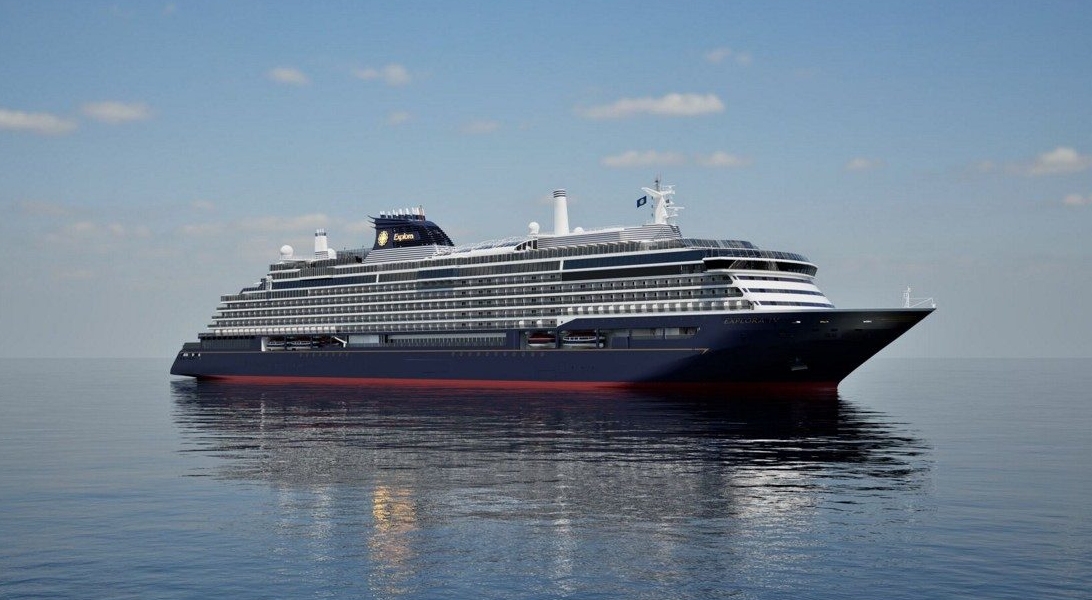
| 7th07 | OctOct | 202828 | Southampton, England, embark on the EXPLORA IV | | 18:00 |
Lying near the head of Southampton Water, a peninsula between the estuaries of the Rivers Test and Itchen, Southampton is Britain’s largest cruise port. It has been one of England’s major ports since the Middle Ages, when it exported wool and hides from the hinterland and imported wine from Bordeaux. The city suffered heavy damage during World War Two and as a result the centre has been extensively rebuilt, but there are still some interesting medieval buildings including the Bargate, one of the finest city gatehouses in England. Sail into this vibrant quay with enough shops and entertainment to form its own village. Modern and lively, this coastal town bustles with waterfront restaurants, heritage charm, bars, cinemas and offers great access to other spots in the South of England. Sit back and drift through heavenly countryside to ancient Stonehenge, see if the Queen’s at home in Windsor, learn secrets from the Bombay Sapphire gin distillery or slip up to London for some rich British culture. Then enjoy a cup of tea as you reflect on formal traditions, perfect your cockney accent and recall England’s green and pleasant lands. |
| 8th08 | OctOct | 202828 | At Sea | | |
| 9th09 | OctOct | 202828 | Pauillac, France | 10:00 | |
Pauillac, France, is a scenic village in the Bordeaux wine region, renowned for its prestigious vineyards and charming riverfront. Located on the Gironde estuary, it is famed for its high-quality red wines, including those from renowned châteaux like Lafite Rothschild and Mouton Rothschild. The village features historic buildings, vibrant markets, and stunning views of the estuary. Pauillac’s blend of rich winemaking heritage and picturesque landscapes makes it a delightful destination for wine enthusiasts and travellers seeking a taste of Bordeaux’s elegance. |
| 10th10 | OctOct | 202828 | Pauillac, France | | 17:30 |
Pauillac, France, is a scenic village in the Bordeaux wine region, renowned for its prestigious vineyards and charming riverfront. Located on the Gironde estuary, it is famed for its high-quality red wines, including those from renowned châteaux like Lafite Rothschild and Mouton Rothschild. The village features historic buildings, vibrant markets, and stunning views of the estuary. Pauillac’s blend of rich winemaking heritage and picturesque landscapes makes it a delightful destination for wine enthusiasts and travellers seeking a taste of Bordeaux’s elegance. |
| 11th11 | OctOct | 202828 | Gijón, Spain | 09:30 | 19:00 |
The Campo Valdés baths, dating back to the 1st century AD, and other reminders of Gijón's time as an ancient Roman port remain visible downtown. Gijón was almost destroyed in a 14th-century struggle over the Castilian throne, but by the 19th century it was a thriving port and industrial city. The modern-day city is part fishing port, part summer resort, and part university town, packed with cafés, restaurants, and sidrerías. |
| 12th12 | OctOct | 202828 | La Coruña, Spain | 08:00 | 18:00 |
La Coruña, the largest city in Spain's Galicia region, is among the country's busiest ports. The remote Galicia area is tucked into the northwest corner of the Iberian Peninsula, surprising visitors with its green and misty countryside that is so much unlike other parts of Spain. The name "Galicia" is Celtic in origin, for it was the Celts who occupied the region around the 6th-century BC and erected fortifications. La Coruña was already considered an important port under the Romans. They were followed by an invasion of Suevians, Visigoths and, much later in 730, the Moors. It was after Galicia was incorporated into the Kingdom of Asturias that the epic saga of the Pilgrimage to Santiago (St. James) began. From the 15th century, overseas trade developed rapidly; in 1720, La Coruña was granted the privilege of trading with America - a right previously only held by Cadiz and Seville. This was the great era when adventurous men voyaged to the colonies and returned with vast riches. Today, the city's significant expansion is evident in three distinct quarters: the town centre located along the isthmus; the business and commercial centre with wide avenues and shopping streets; and the "Ensanche" to the south, occupied by warehouses and factories. Many of the buildings in the old section feature the characteristic glazed façades that have earned La Coruña the name "City of Crystal." Plaza Maria Pita, the beautiful main square, is named after the local heroine who saved the town in 1589 when she seized the English standard from the beacon and gave the alarm, warning her fellow townsmen of the English attack. |
| 13th13 | OctOct | 202828 | Leixões, Portugal | 08:00 | 18:00 |
Ever since the Romans constructed a fort here and began using it as a trading post, Oporto has been a prosperous commercial centre. In the 15th and 16th centuries the city benefited from the wealth generated by Portugal’s maritime discoveries, and later, the establishment of a lucrative wine trade with Britain compensated for the loss of the spice trade. Today, Portugal’s second-largest city is a thriving, cosmopolitan place and is famous for its production of the fortified, sweet 'port' wine. Its historic centre is a UNESCO World Heritage Site and the city was also awarded the status of European Capital of Culture in 2001. A large sandbar prevents ships from sailing into Oporto itself, so for over a century they have used nearby Leixões instead, a man-made seaport constructed nine miles from the city. Leixões is one of Portugal's major sea ports and is also home to one of the country's oldest football clubs, winners of the Taça de Portugal cup in 1961. The Portuguese know their port. Quinta do Infantado was the first estate to bottle fortified wine. Between the churches, arts, restaurants, music and neoclassical structures, there’s so much more to taste. Explore historic wonders, rolling hillsides, terracotta rooftops, granite buildings and even more wineries. With bars and restaurants on every piazza corner, you’ll have plenty of opportunity to try the rich pasteis de nata. Savour this port in the light coastal breeze and share stories by the shimmering ocean. |
| 14th14 | OctOct | 202828 | Lisbon, Portugal, disembark the EXPLORA IV | 08:00 | |
Set on seven hills on the banks of the River Tagus, Lisbon has been the capital of Portugal since the 13th century. It is a city famous for its majestic architecture, old wooden trams, Moorish features and more than twenty centuries of history. Following disastrous earthquakes in the 18th century, Lisbon was rebuilt by the Marques de Pombal who created an elegant city with wide boulevards and a great riverfront and square, Praça do Comércio. Today there are distinct modern and ancient sections, combining great shopping with culture and sightseeing in the Old Town, built on the city's terraced hillsides. The distance between the ship and your tour vehicle may vary. This distance is not included in the excursion grades. Enjoy the rich buzz of Lisbon. Dip into the city’s strong architectural, cultural and historical connections. Wander charming-cobbled streets, colourful buildings, the river Sado and endless nature. Pilgrimage to Fatima, tour hilly villages, learn Portuguese cooking techniques and listen to the Lisbon blues. Slip to charming Cascais for quieter energy and golden beaches. And as you bathe in the captivating light, enjoy plates of petiscos which - like fado - you’ll soon discover is vibrant, warm and most appealing. |