This site uses cookies as defined in our Cookie Policy, by continuing to use this site you agree to their use.
Continue

Greenland cruise | Discovering Greenland – From Reykjavík to Nuuk
| Arrive | Depart | ||||||
| 2nd02 | JunJun | 202626 | Reykjavík, Iceland, embark on the MS Fridtjof Nansen | 20:00 | |||
Sprawling Reykjavík, the nation's nerve center and government seat, is home to half the island's population. On a bay overlooked by proud Mt. Esja (pronounced eh-shyuh), with its ever-changing hues, Reykjavík presents a colorful sight, its concrete houses painted in light colors and topped by vibrant red, blue, and green roofs. In contrast to the almost treeless countryside, Reykjavík has many tall, native birches, rowans, and willows, as well as imported aspen, pines, and spruces.Reykjavík's name comes from the Icelandic words for smoke, reykur, and bay, vík. In AD 874, Norseman Ingólfur Arnarson saw Iceland rising out of the misty sea and came ashore at a bay eerily shrouded with plumes of steam from nearby hot springs. Today most of the houses in Reykjavík are heated by near-boiling water from the hot springs. Natural heating avoids air pollution; there's no smoke around. You may notice, however, that the hot water brings a slight sulfur smell to the bathroom.Prices are easily on a par with other major European cities. A practical option is to purchase a Reykjavík City Card at the Tourist Information Center or at the Reykjavík Youth Hostel. This card permits unlimited bus usage and admission to any of the city's seven pools, the Family Park and Zoo, and city museums. The cards are valid for one (ISK 3,300), two (ISK 4,400), or three days (ISK 4,900), and they pay for themselves after three or four uses a day. Even lacking the City Card, paying admission (ISK 500, or ISK 250 for seniors and people with disabilities) to one of the city art museums (Hafnarhús, Kjarvalsstaðir, or Ásmundarsafn) gets you free same-day admission to the other two. Explore the world’s northernmost capital Your adventure begins in Reykjavík. A laid-back city of art, culture and history, delightful Reykjavík is well worth spending some time getting to know. Take a stroll along Laugavegur with its boutiques and outdoor shops, gaze in awe at the striking Hallgrímskirkja Church, and drop in on the fascinating Reykjavík Art Museum. If you have the time, we recommend booking a Pre-Program with us and discovering some of Iceland’s natural highlights before your cruise begins. | |||||||
| 3rd03 | JunJun | 202626 | At Sea | ||||
| 4th04 | JunJun | 202626 | At Sea | ||||
| 5th05 | JunJun | 202626 | Prince Christian Sound, Greenland | 09:00 | 20:00 | ||
The transit through the Sound is one of this voyage’s highlights. Connecting the Labrador Sea with the Irminger Seat, Prince Christian Sound or “Prins Christian Sund” in Danish is named after Prince (later King) Christian VII (1749-1808). 100 km (60 miles ), long and at times just 500 m (1500 ft) wide, this majestic and spectacular fiord throws you back into a Viking era – flanked by soaring snow-topped mountains, rock-strewn cliffs and rolling hills, it is as if time has stood still and one easily forgets that this is the 21st century. As you marvel at the sheer size of the mountains that surround you, with the Arctic waters lapping deceptively at the hull, revel in the silence enveloping you. Icebergs float serenely by, carrying with them the ages of time. Be sure to wear warm clothing as this is one spectacle that you do not want to miss. Get straight into adventure mode Over the next four days we’ll be going full-on expedition style as we explore the maze of fjords, channels and islands in this spectacular and wild region. Local weather and ice conditions will determine where and when we land, but the Captain and Expedition Team are used to these conditions and know the best places to go. On our landings, excursions, and activities we’ll aim to visit Norse ruins, sail into majestic fjords where beautifully sculpted icebergs glisten in the sun, and go on community visits to picturesque towns. You might land at the colorful and tranquil settlement of Qaqortoq with its beautiful lake, drop by Erik the Red’s farm at Brattahlíð, and simply gaze in wonder at the spectacular mountainous landscapes of the scenic southern fjords. As you’ll discover, southern Greenland’s rugged mountain ranges tower above scattered green meadows and fjords. It’s a landscape sculpted by ice and weather over billions of years. The Norsemen settled here over a thousand years ago, but the harsh living conditions eventually saw them leave after only four centuries. Now, in this vast and mostly unpopulated wilderness, you’ll enjoy a sense of tranquility not often found in the modern world, so just relax, enjoy the nature, and learn all about what makes this region so special. | |||||||
| 6th06 | JunJun | 202626 | Qaqortoq (Julianehaab), Greenland | 08:00 | 20:00 | ||
The largest town in southern Greenland, Qaqortoq has been inhabited since prehistoric times. Upon arrival in this charming southern Greenland enclave, it's easy to see why. Qaqortoq rises quite steeply over the fjord system around the city, offering breath-taking panoramic vistas of the surrounding mountains, deep, blue sea, Lake Tasersuag, icebergs in the bay, and pastoral backcountry. Although the earliest signs of ancient civilization in Qaqortoq date back 4,300 years, Qaqortoq is known to have been inhabited by Norse and Inuit settlers in the 10th and 12th centuries, and the present-day town was founded in 1774. In the years since, Qaqortoq has evolved into a seaport and trading hub for fish and shrimp processing, tanning, fur production, and ship maintenance and repair. | |||||||
| 7th07 | JunJun | 202626 | Qassiarsuk, Greenland | 08:00 | 22:00 | ||
Qassiarsuk is the newer, Greenlandic name for this small village. Brattahlid is the older, Norse name. Here we tour the foundation remains of the manor house of Erik the Red, who found Greenland after being banished from Iceland and Norway for murder. We will also visit the site of the first Christian church ever built in North America (physiographically speaking), see a recently unearthed Norse graveyard that contains remains of 144 Norse colonists, and have a chance to admire Hans Lynge’s remarkable bronze sculpture of Erik the Red. | |||||||
| 8th08 | JunJun | 202626 | Narsaq, Greenland | 08:00 | 17:00 | ||
| 9th09 | JunJun | 202626 | Ivigtut, Greenland | 08:00 | 20:00 | ||
Fjords, glaciers, and ghostly mining towns The stretch of coast between the fjord systems of southern Greenland and Nuuk is as wild as can be. Long distances separate the few scattered settlements. And although the climate is still mild by Arctic standards the topography is rough, segmented by high mountain ranges half covered by ice and cut through by deep turquoise fjords. With very few inside passages, traveling here has been a challenge since ancient times. And it still is. Mother Nature is in charge here, meaning it’s the perfect adventure playground for modern explorers. On our way north, and always adapted to the local conditions, we’ll get to know the landscapes of the so-called Mellembygden – the Middle Settlement of the Norse settlers. We’ll also look for the ghostly mining town of Ivittuut, where the historically important mineral cryolite was mined, but where today the only inhabitants are shy musk oxen. And we’ll sail into great fjords carved out over millennia by massive glaciers cascading down from the icecap. Wildlife thrives in this isolated region. Join our Expedition Team on their wildlife watches either on board or on land, and keep your camera and binoculars ready for seabirds, nesting colonies, and whales feeding at sea. If we’re lucky, we may even see one of the few musk ox herds living on the west Greenland coast. | |||||||
| 10th10 | JunJun | 202626 | Kvanefjord, Greenland | 08:00 | 20:00 | ||
| 11th11 | JunJun | 202626 | Qeqertarsuaq (Godhavn), Greenland | 08:00 | 18:00 | ||
| 12th12 | JunJun | 202626 | Kapisillit, Greenland | 12:00 | 22:00 | ||
Kapisillit is a settlement in the Sermersooq municipality in southwestern Greenland. In 2020, the settlement had 52 inhabitants. Kapisillit means the salmon in the Greenlandic language. The name refers to the belief that the only spawning-ground for salmon in Greenland is a river near the settlement. Be on the lookout for wildlife and history Get ready to explore a grand fjord system. Locally known as the Nuup Kangerlua, the fjords around Nuuk fan out in a somehow parallel network of interconnected waterways. They’re topped by the Kangiussap Nunaa peninsula and the ice cap, most notably in the so-called Nuuk Isfjord. These are the lands of the ancient Norse Western Settlement, the northernmost area they managed to colonize in the Middle Ages. It was probably in Nuup Kangerlua where the descendants of the Vikings met the Thule people for the first time. The fjords are dotted here and there by old Norse ruins and small Inuit settlements. Some are abandoned, like picturesque Qornoq, while others are thriving, such as Kapisillit and its 88 inhabitants. Relative proximity to Nuuk somehow disguises the fact that communities along Nuup Kangerlua were until very recently as isolated as any other in Greenland. Weather and ice permitting, during the next two days we will explore the fjord system and enjoy the ever-changing mountain landscapes. We’ll also try to reach the icy headwaters of Nuup Kangerlua and visit one of the villages, while always looking for nature-landing, expedition-boat–cruising and wildlife-watching opportunities. | |||||||
| 13th13 | JunJun | 202626 | Narsap Sermia Glacier, Greenland | 08:00 | 22:00 | ||
| 14th14 | JunJun | 202626 | Nuuk (Godthaab), Greenland | 06:00 | |||
Nuuk, meaning “the cape”, was Greenland’s first town (1728). Started as a fort and later mission and trading post some 240 kilometers south of the Arctic Circle, it is the current capital. Almost 30% of Greenland’s population lives in the town. Not only does Nuuk have great natural beauty in its vicinity, but there are Inuit ruins, Hans Egede’s home, the parliament, and the Church of our Saviour as well. The Greenlandic National Museum has an outstanding collection of Greenlandic traditional dresses, as well as the famous Qilakitsoq mummies. The Katuaq Cultural Center’s building was inspired by the undulating Northern Lights and can house 10% of Nuuk’s inhabitants. Get acquainted with a small capital in a grand setting We say a fond farewell to the ship, crew and Expedition Team as we end our voyage of discovery in Nuuk. The lively and compact capital is positively bustling compared to other places you will have visited – but at less than 20,000 residents, it’s hardly a metropolis. Visit the national museum to get an insight into life here 500 years ago and see the fascinating Qilakitsoq mummies. Otherwise, there are plentiful shopping opportunities – by Greenland standards – and a mix of cafes and restaurants to drop in on. If you have time before flying back home, Nuuk offers a fascinating window onto modern Greenland. From here, you'll catch a flight back to Reykjavík, taking with you a wealth of fantastic memories that will no doubt stay with you forever. | |||||||
| 15th15 | JunJun | 202626 | Reykjavík, Iceland, disembark the MS Fridtjof Nansen | ||||
Sprawling Reykjavík, the nation's nerve center and government seat, is home to half the island's population. On a bay overlooked by proud Mt. Esja (pronounced eh-shyuh), with its ever-changing hues, Reykjavík presents a colorful sight, its concrete houses painted in light colors and topped by vibrant red, blue, and green roofs. In contrast to the almost treeless countryside, Reykjavík has many tall, native birches, rowans, and willows, as well as imported aspen, pines, and spruces.Reykjavík's name comes from the Icelandic words for smoke, reykur, and bay, vík. In AD 874, Norseman Ingólfur Arnarson saw Iceland rising out of the misty sea and came ashore at a bay eerily shrouded with plumes of steam from nearby hot springs. Today most of the houses in Reykjavík are heated by near-boiling water from the hot springs. Natural heating avoids air pollution; there's no smoke around. You may notice, however, that the hot water brings a slight sulfur smell to the bathroom.Prices are easily on a par with other major European cities. A practical option is to purchase a Reykjavík City Card at the Tourist Information Center or at the Reykjavík Youth Hostel. This card permits unlimited bus usage and admission to any of the city's seven pools, the Family Park and Zoo, and city museums. The cards are valid for one (ISK 3,300), two (ISK 4,400), or three days (ISK 4,900), and they pay for themselves after three or four uses a day. Even lacking the City Card, paying admission (ISK 500, or ISK 250 for seniors and people with disabilities) to one of the city art museums (Hafnarhús, Kjarvalsstaðir, or Ásmundarsafn) gets you free same-day admission to the other two. See more of Reykjavík Today you’ll wake up in Reykjavík, where your adventure concludes. However, this means you have another chance to explore Iceland's stylish capital, if time allows. If you want to discover more, you can join our optional Post-Program before heading home. Or simply extend your stay and enjoy Reykjavík and its surrounding geothermal attractions. | |||||||
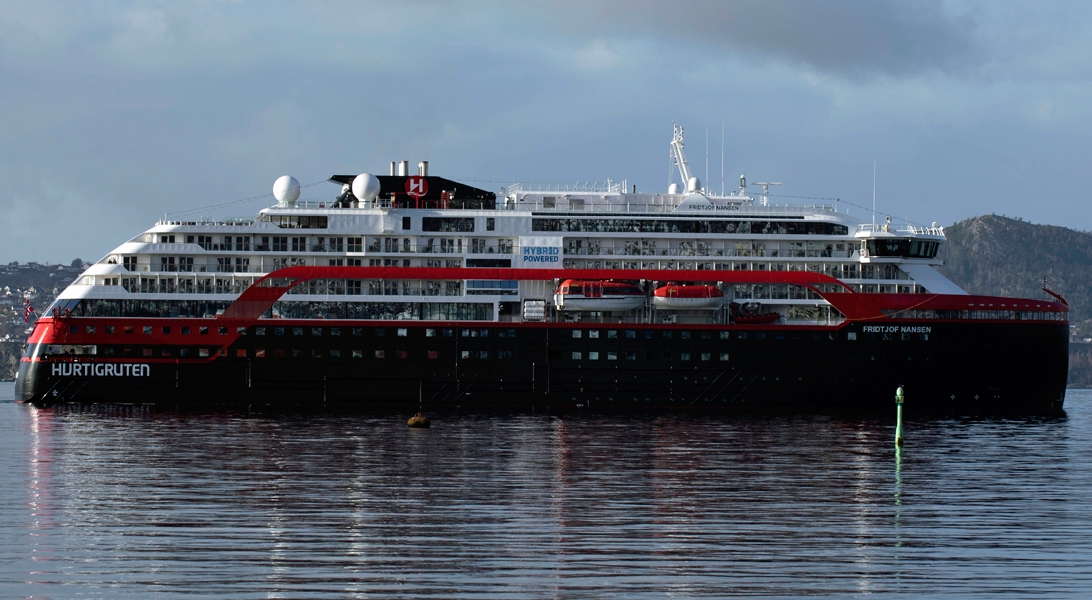
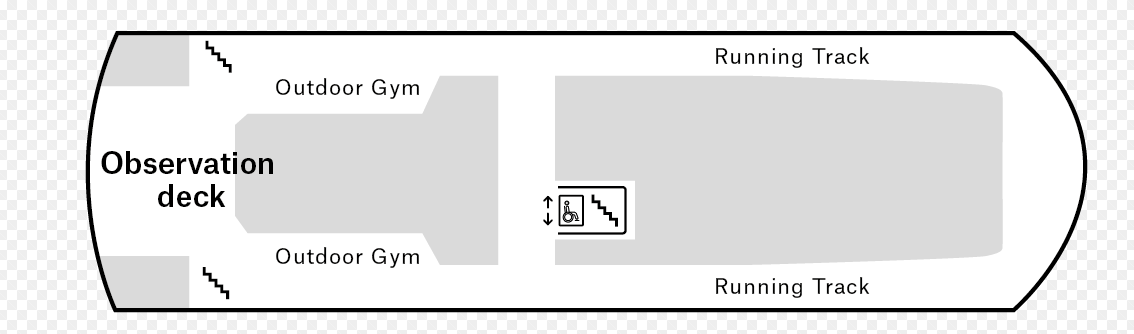

The images shown are for illustration purposes only and may not be an exact representation of what you find on the ship.
The images shown are for illustration purposes only and may not be an exact representation of what you find on the ship.
The images shown are for illustration purposes only and may not be an exact representation of what you find on the ship.
The images shown are for illustration purposes only and may not be an exact representation of what you find on the ship.
The images shown are for illustration purposes only and may not be an exact representation of what you find on the ship.

Our Fusion packages are all ABTA & ATOL protected ensuring that your booking is safe with us
| 13 nights aboard the MS Fridtjof Nansen | |||
| Full-board dining included | |||
| Wine, beer & soft drinks included with lunch & dinner | |||
| Complimentary tea and coffee | |||
| Range of included excursions | |||
| No gratuities | |||
| Complimentary Wi-Fi on board | |||
| Engaging onboard activities and lectures | |||
| Port Taxes and Fees | |||
 | ABTA and ATOL Protection* | ||
Date 2nd Jun 2026 |
Nts 13 |
Oceanview £7,011pp |
Balcony £8,159pp |
Suite £9,548pp |
Date 2nd Jun 2026 |
Nts 13 |
Oceanview £7,011pp |
Balcony £8,159pp |
Suite £9,548pp |
| Oceanview staterooms from | £7,011pp | ||
| RR | Polar Outside Cabin | £7,011pp | |
| TT | Arctic Superior | £7,675pp | |
| TY | Wheelchair-accessible Arctic Superior | £7,675pp | |
| Balcony staterooms from | £8,159pp | ||
| XT | Arctic Superior Outside Cabin with Balcony | £8,581pp | |
| XTD | Arctic Superior Outside Cabin with Balcony | £8,581pp | |
| XY | Arctic Superior Wheelchair-Accessible Outside Cabin with Balcony | £8,581pp | |
| XTJ | Arctic Superior w/ Balcony | £8,159pp | |
| Suite staterooms from | £9,548pp | ||
| MA | XL Suite with Balcony | £16,856pp | |
| MB | XL Suite | £12,447pp | |
| MC | Corner Suite with Balcony | £13,293pp | |
| ME | Suite with Balcony | £9,850pp | |
| MF | Corner Suite | £9,548pp | |
Fusion Cruises when selling travel arrangements is a trading name of Co-op Travel Services Ltd. Fusion Cruises is an Accredited Body Member of Co-operative Travel Consortium. (ABTA:P6652, ATOL:12904).
Book with Confidence. We are a Member of ABTA which means you have the benefit of ABTA’s assistance and Code of Conduct.
Some of the flights and flight-inclusive holidays on this website are financially protected by the ATOL scheme but ATOL protection does not apply to all holiday and travel services offered on this website. This website will provide you with information on the protection that applies in the case of each holiday and travel service offered before you make your booking. If you do not receive an ATOL Certificate then the booking will not be ATOL protected. If you do receive an ATOL Certificate but all parts of your trip are not listed on it, those parts will not be ATOL protected. Please see our booking conditions for information, or for more information about financial protection and the ATOL Certificate go to: www.caa.co.uk