This site uses cookies as defined in our Cookie Policy, by continuing to use this site you agree to their use.
Continue

Iceland cruise | Expedition to Iceland - Hamburg to Reykjavík via North Atlantic Islands
| Arrive | Depart | ||||||
| 7th07 | MayMay | 202626 | Hamburg, Germany, embark on the MS Fridtjof Nansen | 18:00 | |||
Hamburg is Germany’s second-largest city with a history dating back to Charlemagne. A major port, this vibrant city is home to art and culture, extensive shopping facilities, Baroque buildings and waterfront vistas. With its well-known fish market, art galleries and Museums together with several beautiful parks including a botanical garden, this is a city with something for everyone. British visitors who remember the Swinging Sixties may like to visit the streets around Grosse Freiheit, where an unknown pop group called The Beatles gave their first public performances in various local clubs before achieving worldwide fame. Your adventure to Iceland begins Your expedition cruise sets sail from Hamburg—a city full of history, art and culture. There's plenty to see and do here, so take some time to explore before boarding your expedition ship. You'll discover many of the city's attractions in the old town, or Altstadt, including St. Nikolai Memorial and the historic street of Deichstraße. Be sure to check out the interesting history of two UNESCO World Heritage Sites: Chilehaus and the world’s largest warehouse complex. Once aboard, you'll collect your complimentary expedition jacket, meet your Expedition Team, explore the onboard comforts of your ship and settle into your cabin as we set sail. | |||||||
| 8th08 | MayMay | 202626 | At Sea | ||||
| 9th09 | MayMay | 202626 | Lysefjord, Norway | 07:00 | 15:00 | ||
Today, we’ll sail down Lysefjord, which is 25 miles long. Enjoy a day of remarkable landscapes from the observation decks, taking in the sublime scenery of the long and narrow fjord among striking vertical cliffs. From the fjord we can take a peek from below at the world-famous Pulpit Rock (Preikestolen) and look out for the equally renowned Kjæragbolten, a giant boulder that seems precariously wedged into a mountain crevasse. If you're feeling adventurous, join our Expedition Team for small expedition boat cruising or kayaking and see the immense fjord from a new perspective. | |||||||
| 10th10 | MayMay | 202626 | Lerwick, Shetland Islands, Scotland | 10:30 | 16:30 | ||
Founded by Dutch fishermen in the 17th century, Lerwick today is a busy town and administrative center. Handsome stone buildings—known as lodberries—line the harbor; they provided loading bays for goods, some of them illegal. The town's twisting flagstone lanes and harbor once heaved with activity, and Lerwick is still an active port today. This is also where most visitors to Shetland dock, spilling out of cruise ships, allowing passengers to walk around the town. Discover the deep Norse roots of Scotland's Shetland Islands We cruise northwest to the Shetland Islands. Lerwick, the capital, is a friendly, Victorian-influenced fishing town set in beautiful scenery. Navigate the narrow lanes on foot to discover little shops selling local whiskies, woollen sweaters and fudge. By the old waterfront, you’ll find the Shetland Museum, showcasing Pictish carvings and Shetland lace shawls. Nearby you can see Fort Charlotte and the regal-looking town hall. Keep your binoculars handy to scan for grey and common seals along Lerwick's beaches, as well as local birdlife such as red-throated divers, redshanks and curlews. | |||||||
| 11th11 | MayMay | 202626 | Thorshavn, Faroe Islands | 11:30 | 17:30 | ||
More than 600 miles (nearly 1,000 kilometres) from Denmark’s west coast lie the Faroes, a triangle of eighteen windswept islands, seventeen of which are inhabited. Only 48,500 people plus some 70,000 sheep roam these remote lands. Much of the islands’ heritage reflects a medieval past, beginning with the arrival of farmers from western Norway who settled here in the 9th century. Evidence of this Scandinavian heritage is preserved through centuries of isolation; ancient structures can still be seen in villages clustered around old churches. Sheer cliffs and waterfalls carve Streymoy, the largest of the islands, where Torshavn is one of the world’s smallest capitals with about 12,400 inhabitants, plus another 5,000 living in the suburbs of Argir and Hoyvik. Visitors find interesting museums, churches, monuments and all the amenities of a modern town and thriving harbour here. The world’s oldest, still active parliament was founded in the Viking age. Today, it houses the main offices of the local government. Many of the attractions are found outside of Torshavn in the rugged beauty of Streymoy. There are fields with grazing ponies and sheep, tiny hamlets where residents live in half-timbered houses topped by green grass roofs, and dramatic rock formations. Birds by the thousands populate the craggy seaside cliffs, which make an ideal stopover for migratory gannets, guillemots and puffins. The Faroes' climate is generally wet and windy. Because of the Gulf Stream, the temperature is a good deal more moderate than the latitude might imply; it also helps to keep Faroe harbours ice-free year-round. A visit to Streymoy in the Faroe Islands Tórshavn is located on Streymoy, the largest of the Faroe Islands. Founded by Norsemen in the 10th century, Tórshavn (Thor’s Harbor) is one of Northern Europe’s oldest capitals. Wander through the cobblestone alleyways and delight in the colorful, turf-roofed houses found here. In the local museums, you can learn about the city’s origins and the flora, fauna and geology of the Faroe Islands. About half a mile outside of town, the Svartafoss waterfall tumbles over mossy rocks. And as you walk along the seafront, look out for eider ducks and the distinctive Faroese starling with its beige-tipped wings. | |||||||
| 12th12 | MayMay | 202626 | Seydisfjørdur, Iceland | 17:00 | 23:00 | ||
Seyðisfjörður, a beautiful 19th-century Norwegian village on the east coast of Iceland, is regarded by many as one of Iceland's most picturesque towns, not only due to its impressive environment, but also because nowhere in Iceland has a community of old wooden buildings been preserved so well as here. Poet Matthías Johannessen called Seyðisfjörður a 'pearl enclosed in a shell'. The community owes its origins to foreign merchants, mainly Danes, who started trading in the fjord in the mid-19th century. But the crucial factor in the evolution of the village was the establishment of the Icelandic herring fishery by Norwegians in 1870-1900. The Norwegians built up a number of herring-fishing facilities, and in a matter of years the little community grew into a boom town. Today, about 800 people live in Seyðisfjörður. The local economy has long been based on the fisheries, while light industry also flourishes. Tourism is playing a growing role, as the picturesque town in its spectacular surroundings attracts more and more visitors. The car/passenger ferry Norrøna, which plies between continental Europe and Iceland every summer, docks at Seyðisfjörður every Thursday. Seyðisfjörður has been a cosmopolitan community from its foundation, and the ferry service has contributed to ensuring that it remains so. Waterfalls and wildlife in special Seyðisfjörður At the end of a deep fjord with picturesque mountains and waterfalls lies the quirky village of Seyðisfjörður. Colorful wooden houses line the streets, while the aptly-named Rainbow Road offers a vibrant photo opportunity. Walk to an unusual sound sculpture, Tvisongur, or take a longer hike in the hills above the town. Or you can choose to join a visit to Skalanes, a private nature reserve home to reindeer, Arctic fox and mink. Here, scan the skies for Black-tailed Godwits, Golden-Plovers and Gyrfalcons, Europe’s largest falcon. | |||||||
| 13th13 | MayMay | 202626 | Grímsey Island, Iceland | 13:00 | 21:00 | ||
Cross the Arctic Circle and see Atlantic puffins A remote, windswept island of breathtaking beauty, Grímsey is rich in wildlife and steeped in myth and legend. Weather permitting, we'll land to visit the Atlantic Puffin colonies. As Grímsey is the only part of Iceland crossed by the Arctic Circle, you’ll also have the chance to step across the imaginary line of latitude, hopping between the Arctic and back! By 2050, Grímsey will lie outside the Arctic as the Arctic Circle creeps northwards at a rate of about 48 ft a year. | |||||||
| 14th14 | MayMay | 202626 | Akureyri, Iceland | 06:00 | 18:00 | ||
Akureyri, called the Capital of the North is the second largest urban area in Iceland, and a lively one at that. Hemmed by the 60-km (37-mile) long Eyjafjörður, Akureyri is sheltered from the ocean winds and embraced by mountains on three sides. Late 19th-century wooden houses impart a sense of history, and the twin spires of a modern Lutheran church rising on a green hill near the waterfront, provide a focal point. To the south of Akureyri is the pyramid-shape rhyolite mountain Súlur. Beyond it is Kerling, the highest peak in Eyjafjörður District. See dramatic moonscapes and waterfalls Gaze at snow-capped peaks as we sail Eyjafjörður, Iceland's longest fjord. It's one of the best places in Europe to spot humpback whales, white-beaked dolphins and harbor porpoises. Look out for orcas, blue and fin whales as well. “The Capital of North Iceland,” Akureyri, sits at the base of the fjord. Enjoy the peaceful oasis of the botanical gardens in addition to a selection of top-notch eateries and museums. Farther afield you can visit iconic Goðafoss waterfall, where turquoise waters pound against black rocks. You can also seek out eider and harlequin ducks at Lake Mývatn, one of Iceland's more active volcanic areas. | |||||||
| 15th15 | MayMay | 202626 | At Sea | ||||
| 16th16 | MayMay | 202626 | Vigur Island, Iceland | 08:00 | 18:00 | ||
Vigur Island is a little more than a mile (1.6 km) in length and about 450 yards (412 m) wide. This green oasis punctuates the waters of the Ísafjarðardjúp fjord east of the town of Isafjordur. The island is home to a single farming family and has some meticulously preserved historical landmarks including Iceland’s only windmill, built in 1840 and used until 1917 for grinding imported wheat from Denmark; and a 200-year-old rowing boat, which is still in use to ferry sheep to the mainland. Summer is the best time to see large numbers of Atlantic Puffins, Arctic Terns and Black Guillemots. One of the export articles from this small island was eider down and one can see where the eider ducks nest and how the down is collected and cleaned. A stunning beach, waterfalls and superb birdwatching In Patreksfjörður you’ll learn all about the fishing traditions in Europe's westernmost village. From here, it’s convenient to travel to some of the stunning landscapes and diverse wildlife that make this remote corner of Iceland truly unique. Explore the surrounding area on a hike through the fjords, or visit Rauðasandur beach and see seals. You can also join a tour to Dynjandi waterfalls—six falls combined that together make the largest and most spectacular in the Westfjords. Birdwatchers shouldn’t miss a visit to Látrabjarg, where puffins, northern gannets, guillemots and razorbills cling to Europe’s largest bird cliff. ching | |||||||
| 17th17 | MayMay | 202626 | Grundarfjørdur, Iceland | 07:00 | 17:00 | ||
Gateway to spectacular Snæfellsnes It’s as though time has stood still at Stykkishólmur, the small fishing town in Breiðafjörður bay, where colorful houses stand out in contrast to distant mountains. Nearby, you’ll find Snæfellsnes Peninsula National Park, with the striking, ice-capped Snæfellsjökull volcano at the peninsula’s western tip. It’s nicknamed “Little Iceland” for its array of volcanic landscapes. At the national park you can visit Djúpalónssandur's black sand beach and the Lóndrangar basalt cliffs. You can also ride a snowcat to the top of the Snæfellsjökull glacier, or take a guided coastal hike with a glacial cave tour. | |||||||
| 18th18 | MayMay | 202626 | Heimaey Island, Iceland | 10:00 | 19:00 | ||
It’s hard to imagine, as you stroll Heimaey’s idyllic streets of white wooden houses, that this island was literally torn apart by a spectacular volcanic eruption, just over 40 years ago. The fact that you can visit incredible Heimaey at all is something of a miracle – because the oozing lava of the Eldfell volcano threatened to seal the harbour off completely. Fortunately, its advance was halted by gallons of seawater, pumped onto it by the plucky islanders, who saved their fishing industry in the process. Iceland's famous for its scenery, and the huge castles of volcanic rock that rise out of the sea's waves here are some of the country's most dramatic. Discover the town that defied a volcano Heimaey is the only inhabited island in the Westman Islands, which are found off the south coast of Iceland.It has a fascinating history and still bears the scars of the powerful volcanic eruption that nearly destroyed the island. Visit Eldheimar, a museum that features an excavated home frozen in time, and learn more about the eruption and its aftermath. You could also take a hike to see puffins at Stórhöfði, where around eight million of them nest every summer. Don’t pass up the chance to climb Mount Eldfell to the volcano’s summit, where you’ll have incredible views of the town below. | |||||||
| 19th19 | MayMay | 202626 | Reykjavík, Iceland, disembark the MS Fridtjof Nansen | 06:00 | |||
Sprawling Reykjavík, the nation's nerve center and government seat, is home to half the island's population. On a bay overlooked by proud Mt. Esja (pronounced eh-shyuh), with its ever-changing hues, Reykjavík presents a colorful sight, its concrete houses painted in light colors and topped by vibrant red, blue, and green roofs. In contrast to the almost treeless countryside, Reykjavík has many tall, native birches, rowans, and willows, as well as imported aspen, pines, and spruces.Reykjavík's name comes from the Icelandic words for smoke, reykur, and bay, vík. In AD 874, Norseman Ingólfur Arnarson saw Iceland rising out of the misty sea and came ashore at a bay eerily shrouded with plumes of steam from nearby hot springs. Today most of the houses in Reykjavík are heated by near-boiling water from the hot springs. Natural heating avoids air pollution; there's no smoke around. You may notice, however, that the hot water brings a slight sulfur smell to the bathroom.Prices are easily on a par with other major European cities. A practical option is to purchase a Reykjavík City Card at the Tourist Information Center or at the Reykjavík Youth Hostel. This card permits unlimited bus usage and admission to any of the city's seven pools, the Family Park and Zoo, and city museums. The cards are valid for one (ISK 3,300), two (ISK 4,400), or three days (ISK 4,900), and they pay for themselves after three or four uses a day. Even lacking the City Card, paying admission (ISK 500, or ISK 250 for seniors and people with disabilities) to one of the city art museums (Hafnarhús, Kjarvalsstaðir, or Ásmundarsafn) gets you free same-day admission to the other two. Enjoy Reykjavík at your leisure As your Iceland expedition cruise reaches its conclusion, you still have one last terrific destination to explore: Iceland's art-, culture- and history-packed capital, Reykjavík. Stroll along the city’s main street Laugavegur with its boutiques and galleries, admire the striking Hallgrímskirkja church and peruse Reykjavík Art Museum. You can even seek out a heittur pottur, or geothermal pool – literally a 'hot pot' – an important part of Icelandic culture. | |||||||
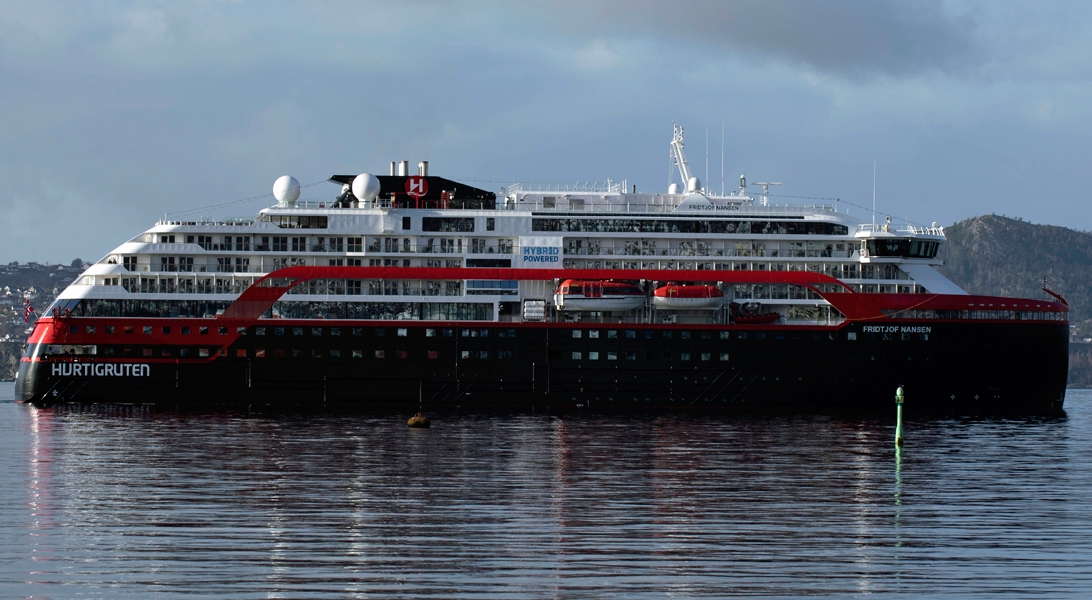
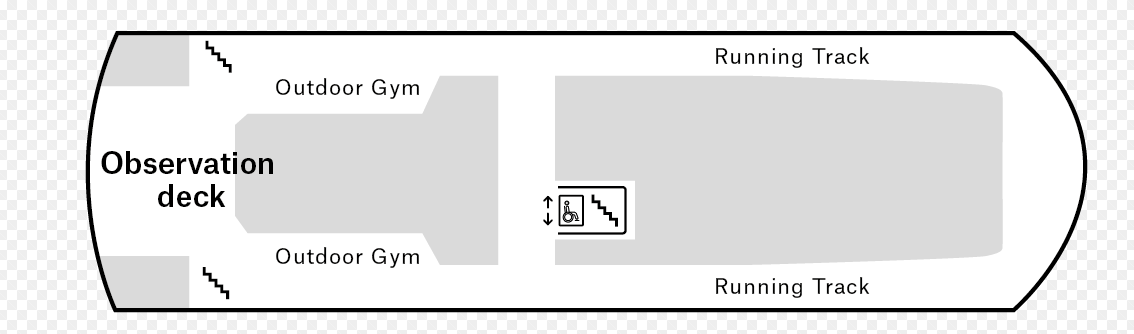

The images shown are for illustration purposes only and may not be an exact representation of what you find on the ship.
The images shown are for illustration purposes only and may not be an exact representation of what you find on the ship.
The images shown are for illustration purposes only and may not be an exact representation of what you find on the ship.
The images shown are for illustration purposes only and may not be an exact representation of what you find on the ship.
The images shown are for illustration purposes only and may not be an exact representation of what you find on the ship.

Our Fusion packages are all ABTA & ATOL protected ensuring that your booking is safe with us
| 12 nights aboard the MS Fridtjof Nansen | |||
| Full-board dining included | |||
| Wine, beer & soft drinks included with lunch & dinner | |||
| Complimentary tea and coffee | |||
| Range of included excursions | |||
| No gratuities | |||
| Complimentary Wi-Fi on board | |||
| Engaging onboard activities and lectures | |||
| Port Taxes and Fees | |||
 | ABTA and ATOL Protection* | ||
Date 7th May 2026 |
Nts 12 |
Please Call for Availability |
Date 7th May 2026 |
Nts 12 |
Please Call for Availability |
Fusion Cruises when selling travel arrangements is a trading name of Co-op Travel Services Ltd. Fusion Cruises is an Accredited Body Member of Co-operative Travel Consortium. (ABTA:P6652, ATOL:12904).
Book with Confidence. We are a Member of ABTA which means you have the benefit of ABTA’s assistance and Code of Conduct.
Some of the flights and flight-inclusive holidays on this website are financially protected by the ATOL scheme but ATOL protection does not apply to all holiday and travel services offered on this website. This website will provide you with information on the protection that applies in the case of each holiday and travel service offered before you make your booking. If you do not receive an ATOL Certificate then the booking will not be ATOL protected. If you do receive an ATOL Certificate but all parts of your trip are not listed on it, those parts will not be ATOL protected. Please see our booking conditions for information, or for more information about financial protection and the ATOL Certificate go to: www.caa.co.uk