This site uses cookies as defined in our Cookie Policy, by continuing to use this site you agree to their use.
Continue

| Arrive | Depart | ||||||
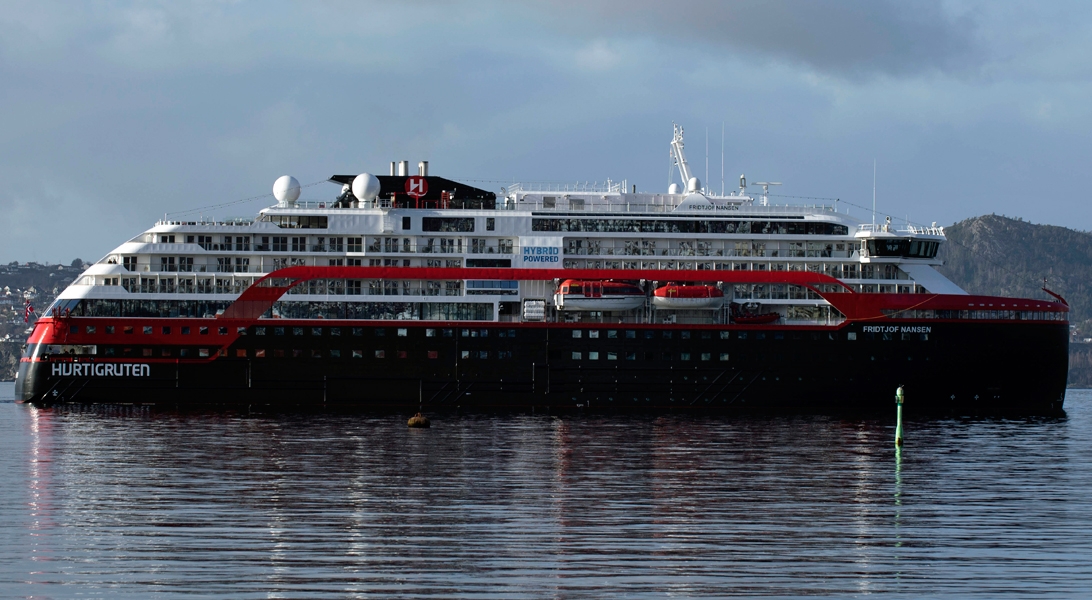
| 12th12 | OctOct | 202727 | Valparaiso, Chile, embark on the MS Fridtjof Nansen | 20:00 | |||
Valparaíso's dramatic topography—45 cerros, or hills, overlooking the ocean—requires the use of winding pathways and wooden ascensores (funiculars) to get up many of the grades. The slopes are covered by candy-color houses—there are almost no apartments in the city—most of which have exteriors of corrugated metal peeled from shipping containers decades ago. Valparaíso has served as Santiago's port for centuries. Before the Panama Canal opened, Valparaíso was the busiest port in South America. Harsh realities—changing trade routes, industrial decline—have diminished its importance, but it remains Chile's principal port. Most shops, banks, restaurants, bars, and other businesses cluster along the handful of streets called El Plan (the flat area) that are closest to the shoreline. Porteños (which means "the residents of the port") live in the surrounding hills in an undulating array of colorful abodes. At the top of any of the dozens of stairways, the paseos (promenades) have spectacular views; many are named after prominent Yugoslavian, Basque, and German immigrants. Neighborhoods are named for the hills they cover. With the jumble of power lines overhead and the hundreds of buses that slow down—but never completely stop—to pick up agile riders, it's hard to forget you're in a city. Still, walking is the best way to experience Valparaíso. Be careful where you step, though—locals aren't very conscientious about curbing their dogs. Begin your adventure in this vibrant hilltop city Your expedition ship awaits you in Valparaíso, the 'Jewel of the Pacific'. Built on steep hillsides overlooking the ocean, it's well worth spending time in this UNESCO-listed city. Filled with attractions, the city is an exhilarating maze of winding alleyways, colourful houses, and mercados packed with local produce. Why not take it all in on a funicular ride up to Cerro Alegre and Concepción. If you’d like to explore more of Valparaíso, you can join one of our optional Pre-Programmes. After picking up your expedition jacket and meeting your Expedition Team, find your cabin and explore the ship, before enjoying the first of many delicious meals on board as we set sail. | |||||||
| 13th13 | OctOct | 202727 | At Sea | ||||
| 14th14 | OctOct | 202727 | Niebla, Chile | 10:00 | 17:00 | ||
Niebla is a small village on the banks of the Rio Valdivia where Chile's Corral Bay meets the Pacific Ocean. Today Niebla is a beach resort, but in 1671 it was a defensive fortress built by the order of the Viceroy of Peru to prevent attacks against the town of Valdivia by pirates and corsairs. Niebla is well-known for its lively markets, the remains of the colonial fortress declared a National Monument in 1950 and restored in 1992, and a museum dedicated to its history. Nearby is the charming river port city of Valdivia, where cultural influences from the native Mapuche, Spanish settlers, and German immigrants have blended. Explore Spanish fortresses and lively markets We go ashore at the pretty seaside town of Niebla, set on a picturesque peninsula with views of Corral Bay on one side and the Valdivia River on the other. Take a stroll on the wide sandy beach and, if the Feria Costumbrista market is on, you may want to sample some traditional snacks, such as empanadas, anticuchos and churros. Aside from the town itself, the ruins of the old Spanish fort and its associated museum are well worth a visit. Learn more about the region's history here, then wander around the lighthouse. You'll enjoy beautiful views across the river and bay. | |||||||
| 15th15 | OctOct | 202727 | Castro, Chile | 12:00 | 18:00 | ||
Bright, wooden huts teeter on stilts over Castro's estuary waterfront, inviting you into a patchwork of colour that’s sure to brighten any day. These traditional palafitos give the warmest of welcomes, as you prepare to experience Chile at its most vibrant. Castro has faced something of a tumultuous past, having been hit by a by a succession of earthquakes and fires - the most recent a devastating earthquake in 1960. But this city is incredibly resilient, and today the capital of Chiloe Island makes for a fantastic base for exploring the archipelago that surrounds it. Stilt houses and historic churches Set amidst the lush greenery of Chiloé Island, Castro is Chile’s third oldest city. It’s also home to two UNESCO World Heritage Sites – Iglesia San Francisco and Iglesia de Nuestra Señora de Gracia de Nercón. The former is one of the oldest colonial era buildings in the country and has survived 15 major earthquakes. Keep your camera ready for views of the city’s colourful palafitos – stilt houses along the waterfront. For an insight into local history and culture, head to the Museo Regional de Castro and the Modern Art Museum. | |||||||
| 16th16 | OctOct | 202727 | At Sea | ||||
| 17th17 | OctOct | 202727 | Caleta Tortel, Chile | 09:00 | 19:00 | ||
Tortel is a commune located in Southern Patagonia, a spectacular wilderness region of rugged mountains, glaciers, rivers and forests of infinite beauty. The uneven geography of Tortel shapes a unique landscape, characterized by an archipelagic area with numerous islands and channels. Tortel is known as the “footbridge city” for the unique beauty of its wooden walkways that connect the piers and houses of this quaint place through bridges and stairs, built from cypress wood, that run for four and a half miles around the cove and that respect the rich vegetation that grows under them. Even though it is the sixth largest commune in Chile, it has the lowest population of all with roughly 531 people. The history of the town dates back to 1520 when it was inhabited by nomadic Kawesqar, now extinct. Its definitive foundation was in 1955, after numerous attempts to populate the area. In 2001, it was declared by the Chilean government as a Picturesque Zone of National Heritage. Receive a warm welcome in Caleta Tortel We continue off the well-trodden path to visit isolated Caleta Tortel. Lying at the mouth of Río Baker, Chile's largest river, this charming village is home to around 500 inhabitants. Instead of streets, a maze of boardwalks connects the close-knit community, spreading over the water and around the mountain base. If conditions permit, you'll be able to investigate the milky blue waters here by kayak. While exploring the village, you'll come across locals selling handicrafts and you may even be treated to a performance by folk dancers. | |||||||
| 18th18 | OctOct | 202727 | Alberto de Agostini National Park, Chile | ||||
Alberto de Agostini National Park was created in 1965 and takes its name from an Italian explorer, photographer, writer and missionary of the Salesians of Don Bosco order that lived and explored Patagonia as a missionary around 1930. De Agostini was known for his discoveries, photographs and maps of the region. The park is located in the Region of Magallanes and Chilean Antarctica, the southernmost, largest, and second least populated region of Chile. The park covers 5,637 square miles and touches Magallanes, Tierra del Fuego and Antarctica provinces. It is the third largest protected area of the country. The park was declared a World Biosphere Reserve by UNESCO in 2005 and protects many species of animals and sea birds. Its rich fauna includes species like the Andean fox, the South American grey fox (also known as the Patagonian fox), the southern elephant seal, the leopard seal, the Chilean dolphin (also known as the black dolphin or tonina), and the humpback whale. Wild Patagonia: Fjords, Culture and Glaciers We continue our adventure deep into the Chilean fjords with fantastic opportunities for scenic cruising aboard the ship and in our small expedition boats too. Adventure awaits in this wild and stunning landscape! As we sail through the maze of the Patagonian waterways, depending on tidal conditions, we hope to visit Puerto Edén, an enchanting village only accessible by sea. The 250-strong community here are some of the last remaining members of the Indigenous Kawésqar people, offering a fascinating insight into Patagonian culture. Continuing further south, we will cruise the majestic fjords, taking in the incredible scenery along the way. Enjoy the fresh sea air as we glide past untouched isles, glaciers and green mountains, looking out for marine wildlife who often swim alongside the ship. Our exploration continues within Alberto de Agostini National Park, all the way up to glaciers such as Garibaldi or Pia. Here, the Andes tumble into the Pacific and great glaciers calve ice into the beautiful fjords. If conditions allow, we'll reach the glacier at the head of the fjord for some of the most breathtaking glacial scenery. | |||||||
| 19th19 | OctOct | 202727 | PIO X Glacier, Chile | 08:00 | 18:00 | ||
| 20th20 | OctOct | 202727 | El Brujo Glacier, Chile | 08:00 | 18:00 | ||
| 21st21 | OctOct | 202727 | Puerto Edén, Chile | 08:00 | 13:00 | ||
Discover a remote community surrounded by wilderness. After days exploring glaciers, fjords, and remote waterways, we arrive at Puerto Edén, one of the most isolated settlements in Chilean Patagonia. Accessible only by sea or air, this small community sits amid a vast landscape of islands, mountains, and channels shaped by wind, water, and ice. A visit here offers a rare opportunity to experience daily life in a region where nature continues to dictate the rhythm of living. Walking through the village, we'll gain insight into the challenges and traditions of life in this remote corner of Patagonia and learn about the cultural heritage of the Kawésqar people, the original inhabitants of these waterways. The contrast between Puerto Edén and the wilderness that surrounds it is striking. As we continue our expedition through the fjords, the visit provides valuable perspective on the enduring relationship between people and one of the most remarkable natural environments on Earth. | |||||||
| 22nd22 | OctOct | 202727 | At Sea | ||||
| 23rd23 | OctOct | 202727 | Puerto Montt, Chile | 08:00 | 18:00 | ||
For most of its history, windy Puerto Montt was the end of the line for just about everyone traveling in the Lake District. Now the Carretera Austral carries on southward, but for all intents and purposes Puerto Montt remains the region's last significant outpost, a provincial city that is the hub of local fishing, textile, and tourist activity.Today the city center is full of malls, condos, and office towers—it's the fastest-growing city in Chile—but away from downtown, Puerto Montt consists mainly of low clapboard houses perched above its bay, the Seno de Reloncaví. If it's a sunny day, head east to Playa Pelluco or one of the city's other beaches. If you're more interested in exploring the countryside, drive along the shore for a good view of the surrounding hills. Explore the surrounding areas of southern Chile's gateway city Today, we explore Puerto Montt and the surrounding Lake District, a region where snowcapped volcanoes rise above forests, lakes, and fertile farmland. Shaped by both fire and ice, these landscapes offer a fascinating contrast to the remote fjords and channels of Patagonia. Choose from a range of excursions that reveal different sides of the region. You may visit volcanic landscapes, walk through temperate rainforest, admire the turquoise waters of Petrohué Falls, or take in views across Lake Llanquihue towards the distinctive cone of Osorno Volcano. The area is also home to communities whose lives remain closely linked to the sea and surrounding countryside. Whether exploring nature or discovering local traditions, today offers valuable insight into the landscapes and people that define southern Chile. | |||||||
| 24th24 | OctOct | 202727 | At Sea | ||||
| 25th25 | OctOct | 202727 | At Sea | ||||
| 26th26 | OctOct | 202727 | Valparaiso, Chile, disembark the MS Fridtjof Nansen | 08:00 | |||
Valparaíso's dramatic topography—45 cerros, or hills, overlooking the ocean—requires the use of winding pathways and wooden ascensores (funiculars) to get up many of the grades. The slopes are covered by candy-color houses—there are almost no apartments in the city—most of which have exteriors of corrugated metal peeled from shipping containers decades ago. Valparaíso has served as Santiago's port for centuries. Before the Panama Canal opened, Valparaíso was the busiest port in South America. Harsh realities—changing trade routes, industrial decline—have diminished its importance, but it remains Chile's principal port. Most shops, banks, restaurants, bars, and other businesses cluster along the handful of streets called El Plan (the flat area) that are closest to the shoreline. Porteños (which means "the residents of the port") live in the surrounding hills in an undulating array of colorful abodes. At the top of any of the dozens of stairways, the paseos (promenades) have spectacular views; many are named after prominent Yugoslavian, Basque, and German immigrants. Neighborhoods are named for the hills they cover. With the jumble of power lines overhead and the hundreds of buses that slow down—but never completely stop—to pick up agile riders, it's hard to forget you're in a city. Still, walking is the best way to experience Valparaíso. Be careful where you step, though—locals aren't very conscientious about curbing their dogs. End your voyage in colourful Valparaíso Your South American expedition cruise ends in Valparaíso, the 'Jewel of the Pacific'. Built on steep hillsides overlooking the ocean, it's well worth spending time in this UNESCO-listed city before you fly home. Filled with attractions, the city is an intriguing mix of winding alleyways, colourful houses, and mercados packed with local produce. | |||||||
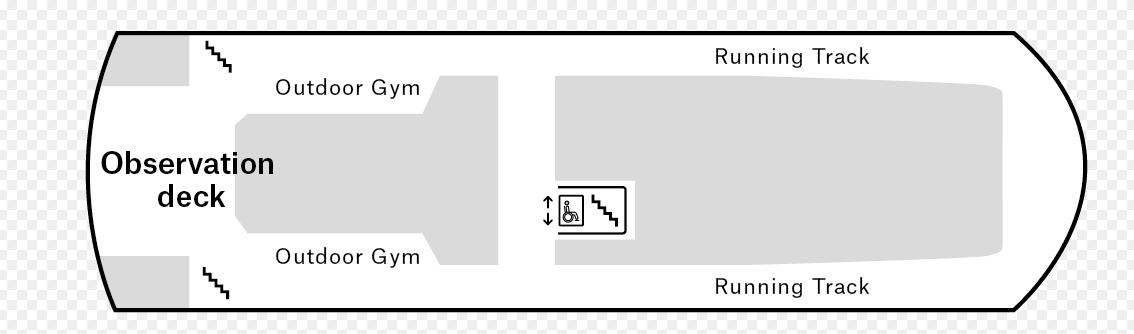

The images shown are for illustration purposes only and may not be an exact representation of what you find on the ship.
The images shown are for illustration purposes only and may not be an exact representation of what you find on the ship.
The images shown are for illustration purposes only and may not be an exact representation of what you find on the ship.
The images shown are for illustration purposes only and may not be an exact representation of what you find on the ship.
The images shown are for illustration purposes only and may not be an exact representation of what you find on the ship.

Our Fusion packages are all ABTA & ATOL protected ensuring that your booking is safe with us
| 14 nights aboard the MS Fridtjof Nansen | |||
| Full-board dining included | |||
| Wine, beer & soft drinks included with lunch & dinner | |||
| Complimentary tea and coffee | |||
| Range of included excursions | |||
| No gratuities | |||
| Complimentary Wi-Fi on board | |||
| Engaging onboard activities and lectures | |||
| Port Taxes and Fees | |||
 | ABTA and ATOL Protection* | ||
Date 12th Oct 2027 |
Nts 14 |
Oceanview £4,192pp |
Balcony £4,988pp |
Suite £5,952pp |
Date 12th Oct 2027 |
Nts 14 |
Oceanview £4,192pp |
Balcony £4,988pp |
Suite £5,952pp |
| Oceanview staterooms from | £4,192pp | ||
| RR | Polar Outside Cabin | £4,192pp | |
| TT | Large Arctic Superior Cabin | £4,653pp | |
| TY | Arctic Superior Cabin (wheelchair-accessible) | £4,653pp | |
| USPO | Unspecified Polar Outside |  | |
| USP | Unspecified Polar Outside | | |
| USPY | Unspecified Arctic Superior (without balcony, accessible) | | |
| Balcony staterooms from | £4,988pp | ||
| XT | Arctic Superior Cabin with Balcony (quad) | £5,282pp | |
| XTD | Arctic Superior Cabin with Balcony | £5,282pp | |
| XY | Arctic Superior with Balcony (wheelchair-accessible) | £5,282pp | |
| XTJ | Arctic Superior with Balcony | £4,988pp | |
| USPX | Unspecified Arctic Superior | | |
| USXY | Unspecified Arctic Superior (accessible) | | |
| Suite staterooms from | £5,952pp | ||
| MA | XL Corner Suite with Private Balcony | £11,024pp | |
| MB | XL Corner Suite | £7,964pp | |
| MC | Expedition Suite | £8,551pp | |
| MD | Large Suite with Balcony | £7,000pp | |
| ME | Suite with Balcony | £6,162pp | |
| MF | Corner Suite | £5,952pp | |
| USPS | Unspecified Expedition Suite | | |
| USSY | Unspecified Expedition Suite (accessible) | | |
Fusion Holidays when selling travel arrangements is a trading name of Co-op Travel Services Limited, registration 08903986. Fusion Cruises is an Accredited Body Member of Co-op Travel Services Limited ATOL 12904.
Book with Confidence. We are a Member of ABTA which means you have the benefit of ABTA’s assistance and Code of Conduct.
Some of the flights and flight-inclusive holidays on this website are financially protected by the ATOL scheme but ATOL protection does not apply to all holiday and travel services offered on this website. This website will provide you with information on the protection that applies in the case of each holiday and travel service offered before you make your booking. If you do not receive an ATOL Certificate then the booking will not be ATOL protected. If you do receive an ATOL Certificate but all parts of your trip are not listed on it, those parts will not be ATOL protected. Please see our booking conditions for information, or for more information about financial protection and the ATOL Certificate go to: www.caa.co.uk