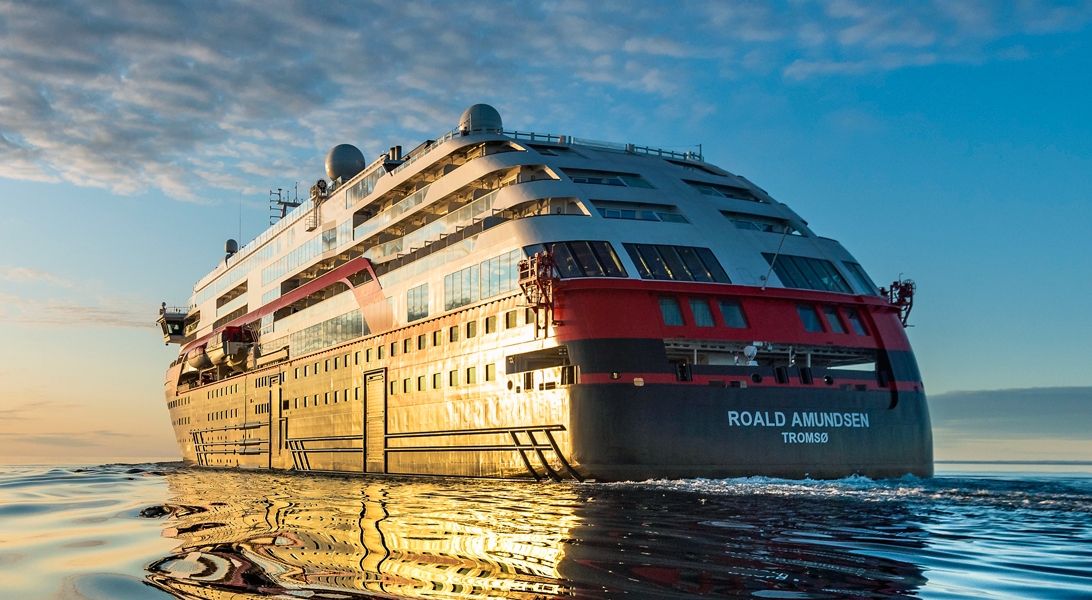
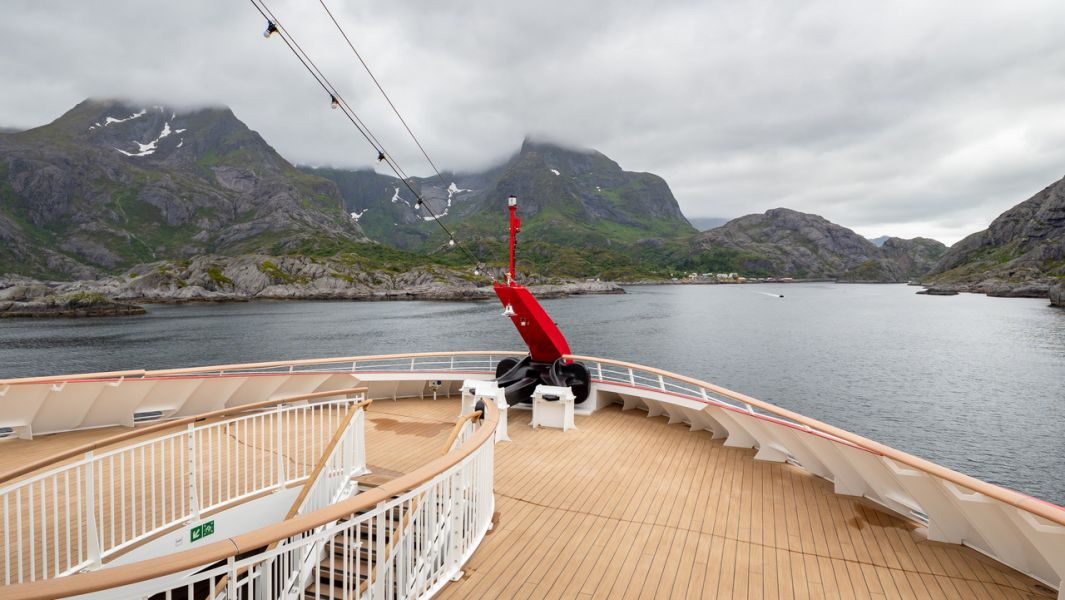
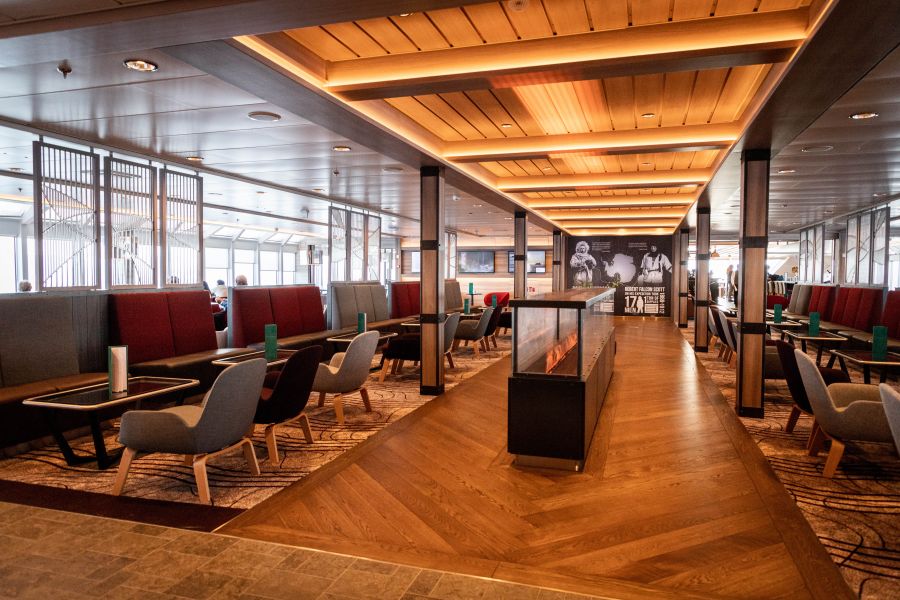
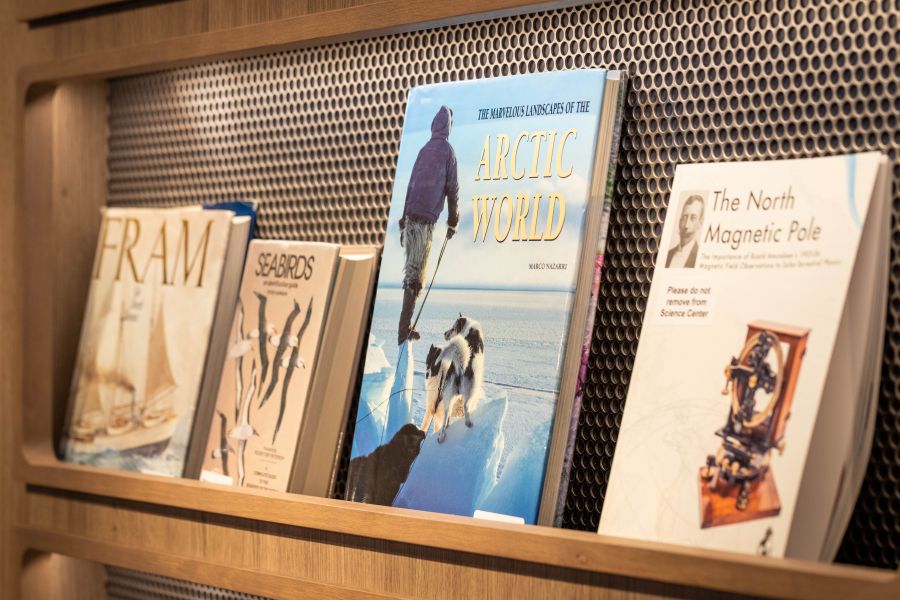
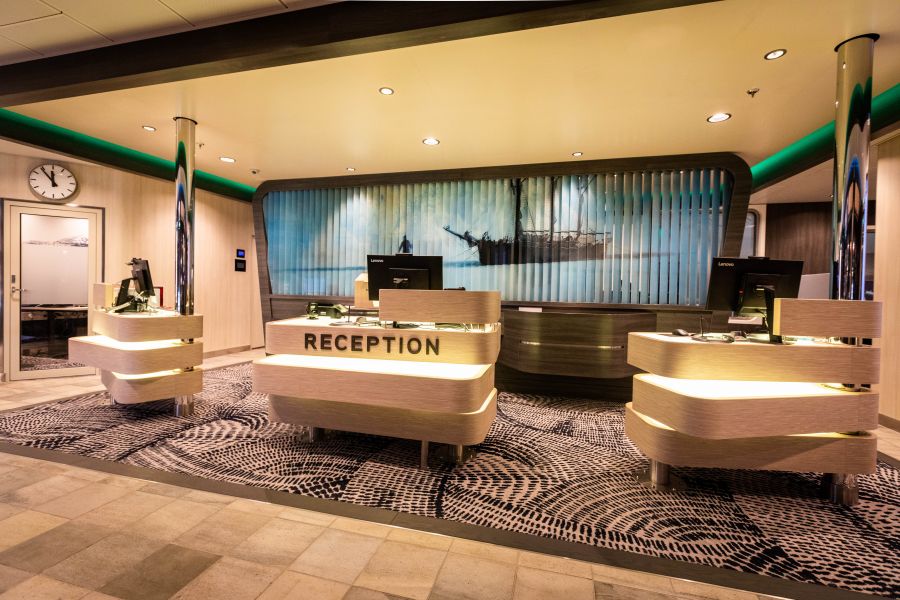
This town is not on the Nicoya Peninsula, but rather on Costa Rica's mainland. It is best known as a cruise-ship port and launching pad for ferries heading southeast to the coast of the Nicoya Peninsula and for cruises sailing out on the Gulf of Nicoya. Puntarenas is also a major fishing port with a lively fish market. The town’s reputation suffers from the unimpressive parts you see from your car as you roll through town on the way to the ferry dock. But the town has a lot of character off the main drag, thanks to its illustrious past as an affluent port town and principal vacation spot for San José's wealthy, who arrived by train in the last century. Once the port was moved and roads opened to other beaches, Puntarenas's economy crashed, but it's making a comeback. Sitting on a narrow spit of sand—punta de arenas literally means "point of sand"—that protrudes into the Gulf of Nicoya, the town boasts a beautifully groomed, wide Blue Flag beach with views of the Nicoya Peninsula and spectacular sunsets, along with a public swimming pool, the San Lucas Beach Club, and a marine-life museum. Ticos arrive by bus and car to enjoy the beach and stroll the Paseo de los Turistas, a beachfront promenade lined with tree-shaded concrete benches and seafood restaurants. Crowds of locals, called porteños, cruise by on bicycles, the town’s most popular form of transport. Your Pacific voyage ends in Costa Rica Puntarenas is a historic port city on Costa Rica's Gulf of Nicoya, and the starting point of your crossing. Before departure, wander the waterfront, grab a coffee, and visit the art gallery at the Casa de la Cultura. This is a city that's been welcoming travellers for generations, and today it sends you off on a 17-day journey up the Pacific coast. Once aboard MS Roald Amundsen, settle into your cabin and meet the Expedition Team. They'll be your guides for the voyage ahead. |
A protected Pacific coastline in Oaxaca Huatulco sits on one of Mexico's most ecologically intact stretches of Pacific coast. Sheltered bays, coral reefs, and dry tropical forest create a landscape rich in life, from reef fish and turtles to endemic birdlife found nowhere else. The region also carries centuries of Zapotec and Mixtec indigenous heritage, woven into the culture and daily life of the communities here. Whether you're drawn to the water, the forest, or the stories this place holds, Huatulco rewards those who wander with an open mind. |
The magical aquarium of the world Welcome to La Paz, a coastal city that sits on the Sea of Cortez. Oceanographer and naval officer Jacques Cousteau declared this region the “aquarium of the world” – and today you’ll have the chance to see why. This is a place where desert meets ocean, creating landscapes and ecosystems unlike anywhere else. Explore the rugged coastline, discover how local communities have thrived in this arid environment, and take plenty of peaceful moments to appreciate the vast, shimmering waters that stretch out around you. |
Vancouver is a delicious juxtaposition of urban sophistication and on-your-doorstep wilderness adventure. The mountains and seascape make the city an outdoor playground for hiking, skiing, kayaking, cycling, and sailing—and so much more—while the cuisine and arts scenes are equally diverse, reflecting the makeup of Vancouver's ethnic (predominantly Asian) mosaic. Vancouver is consistently ranked as one of the world's most livable cities, and it's easy for visitors to see why. It's beautiful, it's outdoorsy, and there's a laidback West Coast vibe. On the one hand, there's easy access to a variety of outdoor activities, a fabulous variety of beaches, and amazing parks. At the same time, the city has a multicultural vitality and cosmopolitan flair. The attraction is as much in the range of food choices—the fresh seafood and local produce are some of North America's best—as it is in the museums, shopping, and nightlife.Vancouver's landscaping also adds to the city's walking appeal. In spring, flowerbeds spill over with tulips and daffodils while sea breezes scatter scented cherry blossoms throughout Downtown; in summer office workers take to the beaches, parks, and urban courtyards for picnic lunches and laptop meetings. More than 8 million visitors each year come to Vancouver, Canada's third-largest metropolitan area. Because of its peninsula location, traffic flow is a contentious issue. Thankfully, Vancouver is wonderfully walkable, especially in the downtown core. The North Shore is a scoot across the harbor, and the rapid-transit system to Richmond and the airport means that staying in the more affordable ’burbs doesn't have to be synonymous with sacrificing convenience. The mild climate, exquisite natural scenery, and relaxed outdoor lifestyle keep attracting residents, and the number of visitors is increasing for the same reasons. People often get their first glimpse of Vancouver when catching an Alaskan cruise, and many return at some point to spend more time here. Your Pacific crossing ends in British Columbia Your voyage ends in Vancouver, British Columbia. Head to Granville Island for the public market, where stalls are stacked with local produce, baked goods, and seafood. Hire a bike and ride the seawall, or take the gondola up Grouse Mountain for a panoramic view of the city, ocean, and coastal peaks you've been sailing past. After 17 days and thousands of nautical miles, it's a fitting place to step back onto land. You also have the option to continue the adventure by joining an expedition cruise in Alaska. |