This site uses cookies as defined in our Cookie Policy, by continuing to use this site you agree to their use.
Continue

| Arrive | Depart | ||||||
| 29th29 | JanJan | 202828 | San Juan (Puerto Rico), Puerto Rico, embark on the Scarlet Lady | 18:00 | |||
If you associate Puerto Rico's capital with the colonial streets of Old San Juan, then you know only part of the picture. San Juan is a major metropolis, radiating out from the bay on the Atlantic Ocean that was discovered by Juan Ponce de León. More than a third of the island's nearly 4 million citizens proudly call themselves sanjuaneros. The city may be rooted in the past, but it has its eye on the future. Locals go about their business surrounded by colonial architecture and towering modern structures.By 1508 the explorer Juan Ponce de León had established a colony in an area now known as Caparra, southeast of present-day San Juan. He later moved the settlement north to a more hospitable peninsular location. In 1521, after he became the first colonial governor, Ponce de León switched the name of the island—which was then called San Juan Bautista in honor of St. John the Baptist—with that of the settlement of Puerto Rico ("rich port").Defended by the imposing Castillo San Felipe del Morro (El Morro) and Castillo San Cristóbal, Puerto Rico's administrative and population center remained firmly in Spain's hands until 1898, when it came under U.S. control after the Spanish-American War. Centuries of Spanish rule left an indelible imprint on the city, particularly in the walled area now known as Old San Juan. The area is filled with cobblestone streets and brightly painted, colonial-era structures, and its fortifications have been designated a UNESCO World Heritage Site.Old San Juan is a monument to the past, but most of the rest of the city is planted firmly in the 21st century and draws migrants island-wide and from farther afield to jobs in its businesses and industries. The city captivates residents and visitors alike with its vibrant lifestyle as well as its balmy beaches, pulsing nightclubs, globe-spanning restaurants, and world-class museums. Once you set foot in this city, you may never want to leave. From the bioluminescent bay of Fajardo to the vibrant art scene in Santurce, every part of the island of Puerto Rico glows. Punctuated by El Yunque rain forest and crisp, white beaches like Condado and Isla Verde, San Juan is perfectly located to easily access all its geographical diversity. | |||||||
| 30th30 | JanJan | 202828 | Philipsburg, Sint Maarten (Dutch part) | 09:00 | 18:00 | ||
The capital of Dutch St. Maarten stretches about a mile (1½ km) along an isthmus between Great Bay and the Salt Pond and has five parallel streets. Most of the village's dozens of shops and restaurants are on Front Street, narrow and cobblestone, closest to Great Bay. It's generally congested when cruise ships are in port, because of its many duty-free shops and several casinos. Little lanes called steegjes connect Front Street with Back Street, which has fewer shops and considerably less congestion. Along the beach is a ½-mile-long (1-km-long) boardwalk with restaurants and several Wi-Fi hot spots.Wathey Square (pronounced watty) is in the heart of the village. Directly across from the square are the town hall and the courthouse, in a striking white building with cupola. The structure was built in 1793 and has served as the commander's home, a fire station, a jail, and a post office. The streets surrounding the square are lined with hotels, duty-free shops, restaurants, and cafés. The Captain Hodge Pier, just off the square, is a good spot to view Great Bay and the beach that stretches alongside. This vibrant, eclectic city is the ideal place for beach bums, shopaholics, foodies, and outdoor adventure enthusiasts alike. | |||||||
| 31st31 | JanJan | 202828 | At Sea | ||||
| 1st01 | FebFeb | 202828 | Bridgetown, Barbados | 08:00 | 18:00 | ||
Located beside the island’s only natural harbour, the capital of Barbados combines modern and colonial architecture with glorious palm tree-lined beaches and a number of historical attractions. Experience the relaxed culture of the city renowned for its British-style parliament buildings and vibrant beach life, and seek out the Anglican church and the 19th-century Barbados Garrison. The distance between the ship and your tour vehicle may vary. This distance is not included in the excursion grades. Located on the southwest coast of Barbados is the picturesque port town of Bridgetown. With bountiful beaches everywhere you look here it’s almost impossible not to breathe a sigh of relief as soon as your toes touch the warm white sand – though this quaint beachside town has a lot more to offer than initially meets the eye. | |||||||
| 2nd02 | FebFeb | 202828 | Fort-de-France, Martinique | 08:00 | 17:00 | ||
The largest of the Windward Islands, Martinique is 4,261 mi (6,817 km) from Paris, but its spirit and language are decidedly French, with more than a soupçon of West Indian spice. Tangible, edible evidence of the fact is the island's cuisine, a superb blend of French and creole. Martinique is lushly landscaped with tropical flowers. Trees bend under the weight of fruits such as mangoes, papayas, lemons, limes, and bright-red West Indian cherries. Acres of banana plantations, pineapple fields, and waving sugarcane stretch to the horizon. The towering mountains and verdant rain forest in the north lure hikers, while underwater sights and sunken treasures attract snorkelers and scuba divers. Martinique is also wonderful if your idea of exercise is turning over every 10 minutes to get an even tan and your taste in adventure runs to duty-free shopping. A popular cruise-ship excursion goes to St-Pierre, which was buried by ash when Mont Pelée erupted in 1902. Nestled in the heart of the West Indies, Fort-de-France, on the beautiful French island of Martinique is the epitome of city living without sacrificing the surrounding natural beauty and peacefulness of Martinique. Your day here can look like anything. | |||||||
| 3rd03 | FebFeb | 202828 | Basse-Terre, Guadeloupe | 08:00 | 18:00 | ||
| 4th04 | FebFeb | 202828 | Charlotte Amalie, U.S. Virgin Islands | 08:00 | 18:00 | ||
| 5th05 | FebFeb | 202828 | San Juan (Puerto Rico), Puerto Rico, disembark the Scarlet Lady | 06:30 | |||
If you associate Puerto Rico's capital with the colonial streets of Old San Juan, then you know only part of the picture. San Juan is a major metropolis, radiating out from the bay on the Atlantic Ocean that was discovered by Juan Ponce de León. More than a third of the island's nearly 4 million citizens proudly call themselves sanjuaneros. The city may be rooted in the past, but it has its eye on the future. Locals go about their business surrounded by colonial architecture and towering modern structures.By 1508 the explorer Juan Ponce de León had established a colony in an area now known as Caparra, southeast of present-day San Juan. He later moved the settlement north to a more hospitable peninsular location. In 1521, after he became the first colonial governor, Ponce de León switched the name of the island—which was then called San Juan Bautista in honor of St. John the Baptist—with that of the settlement of Puerto Rico ("rich port").Defended by the imposing Castillo San Felipe del Morro (El Morro) and Castillo San Cristóbal, Puerto Rico's administrative and population center remained firmly in Spain's hands until 1898, when it came under U.S. control after the Spanish-American War. Centuries of Spanish rule left an indelible imprint on the city, particularly in the walled area now known as Old San Juan. The area is filled with cobblestone streets and brightly painted, colonial-era structures, and its fortifications have been designated a UNESCO World Heritage Site.Old San Juan is a monument to the past, but most of the rest of the city is planted firmly in the 21st century and draws migrants island-wide and from farther afield to jobs in its businesses and industries. The city captivates residents and visitors alike with its vibrant lifestyle as well as its balmy beaches, pulsing nightclubs, globe-spanning restaurants, and world-class museums. Once you set foot in this city, you may never want to leave. From the bioluminescent bay of Fajardo to the vibrant art scene in Santurce, every part of the island of Puerto Rico glows. Punctuated by El Yunque rain forest and crisp, white beaches like Condado and Isla Verde, San Juan is perfectly located to easily access all its geographical diversity. | |||||||
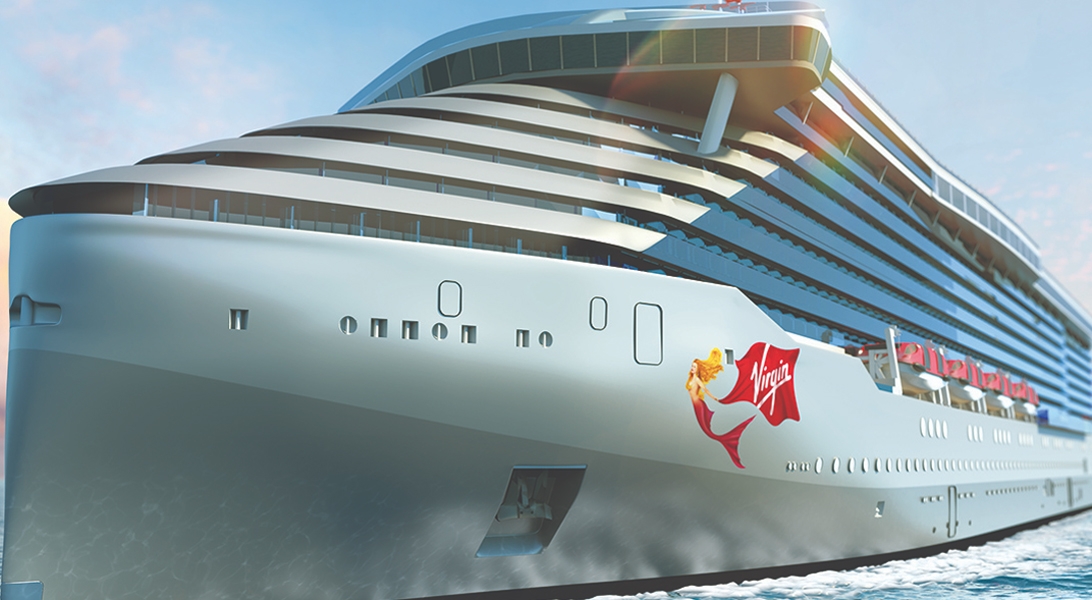
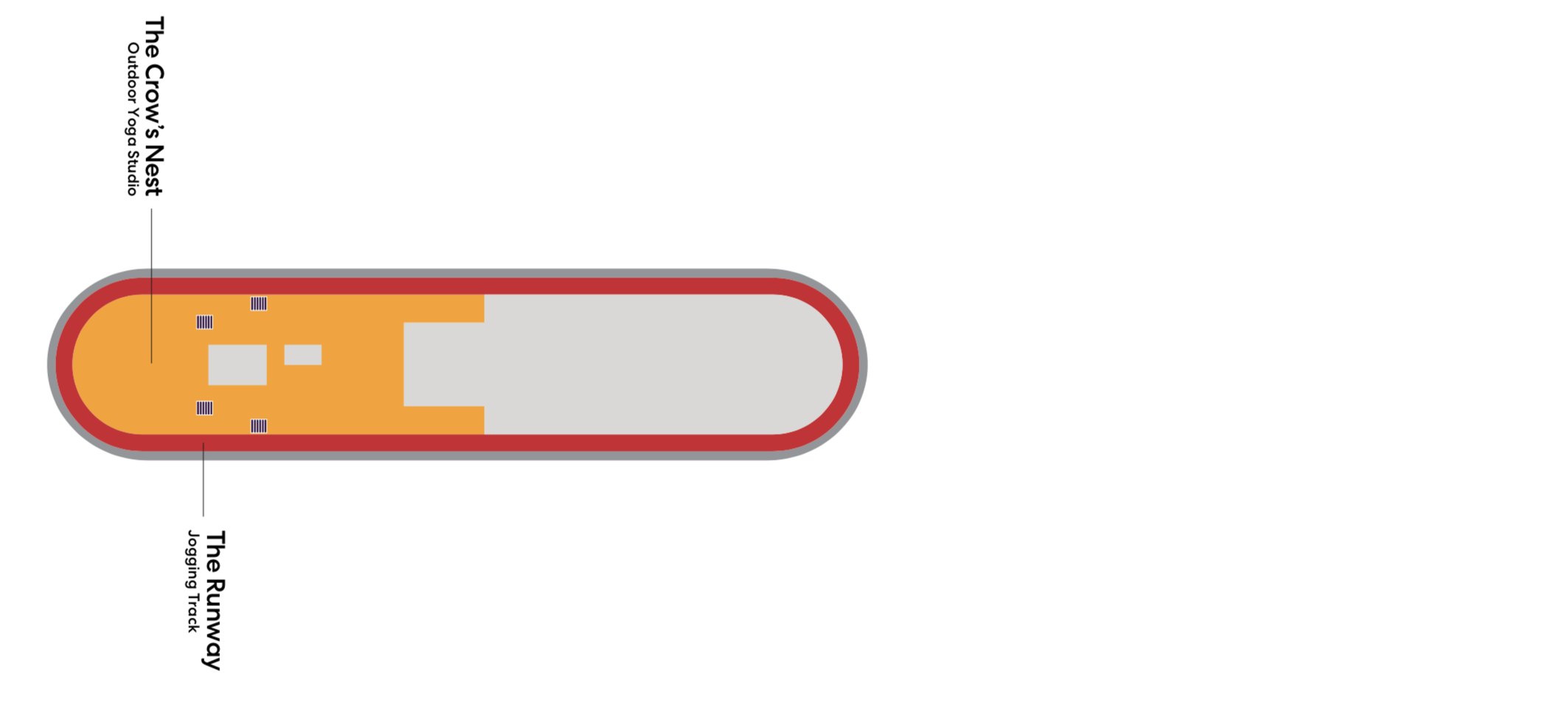

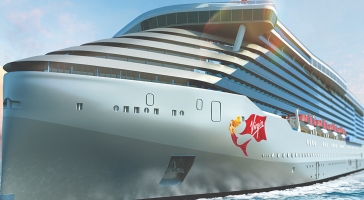
The images shown are for illustration purposes only and may not be an exact representation of what you find on the ship.
The images shown are for illustration purposes only and may not be an exact representation of what you find on the ship.
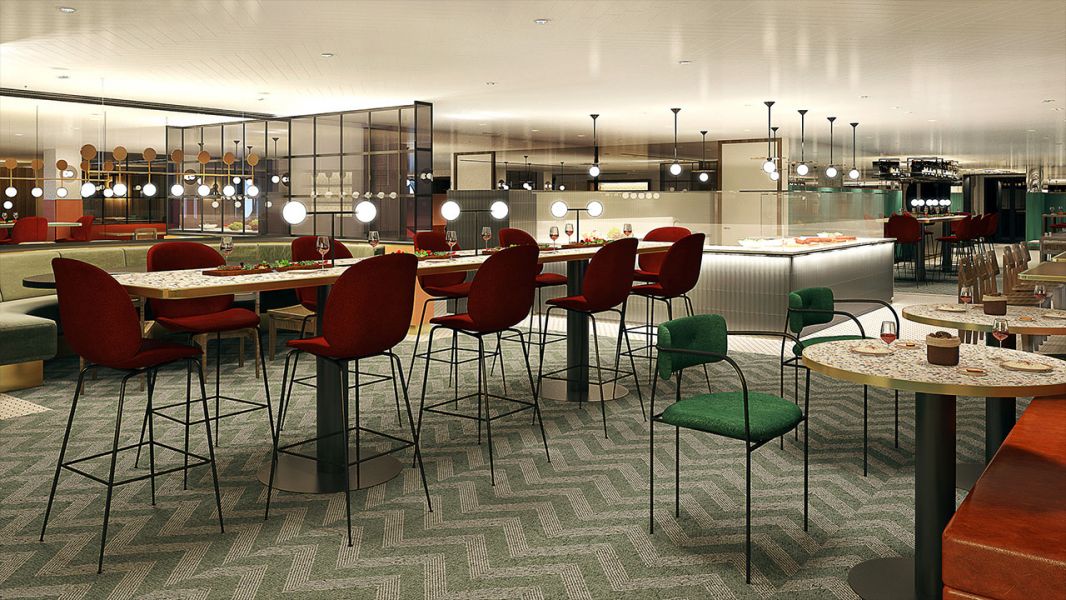
From shared antipasti to fresh pasta, in a culinary experience as rich in culture as it is in flavor. Try the grilled meats, taste the seafood, then get some homemade gelato from the Affogato cart. Top it off with a traditional Italian aperitivo to help get your night started... or a digestivo to make it complete.
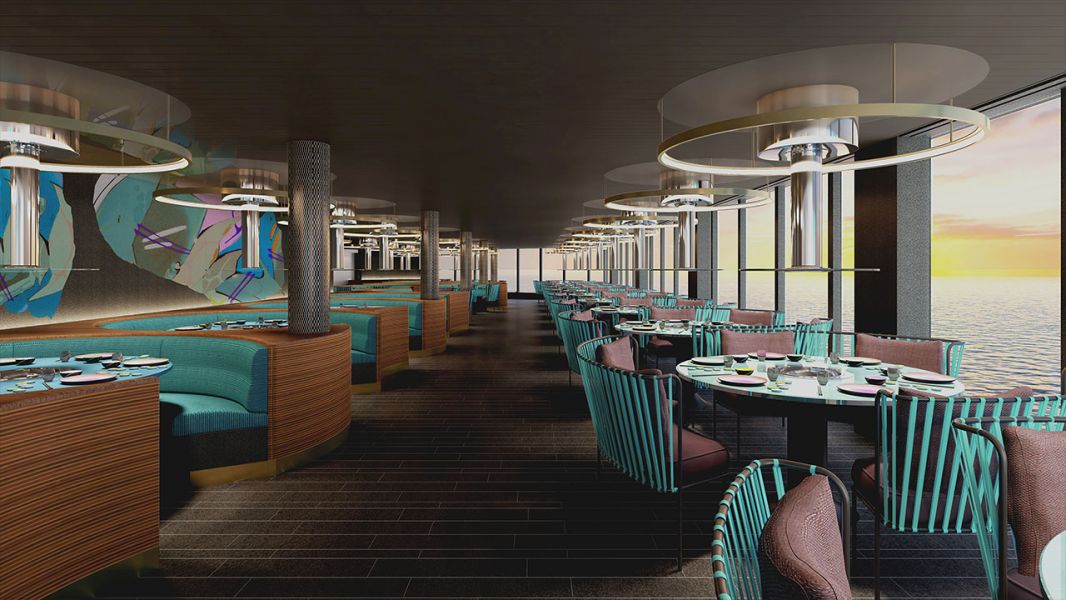
If you're into hands-on meat grilling and soju drinking, our Korean BBQ is *the* perfect spot to do all that. Every meal at Gunbae begins with a Korean drinking game that includes a complimentary shot of soju. And since we all have that one friend who insists on being the meat master, this is the time to roast the master while the master roasts the meat. GUNBAE!
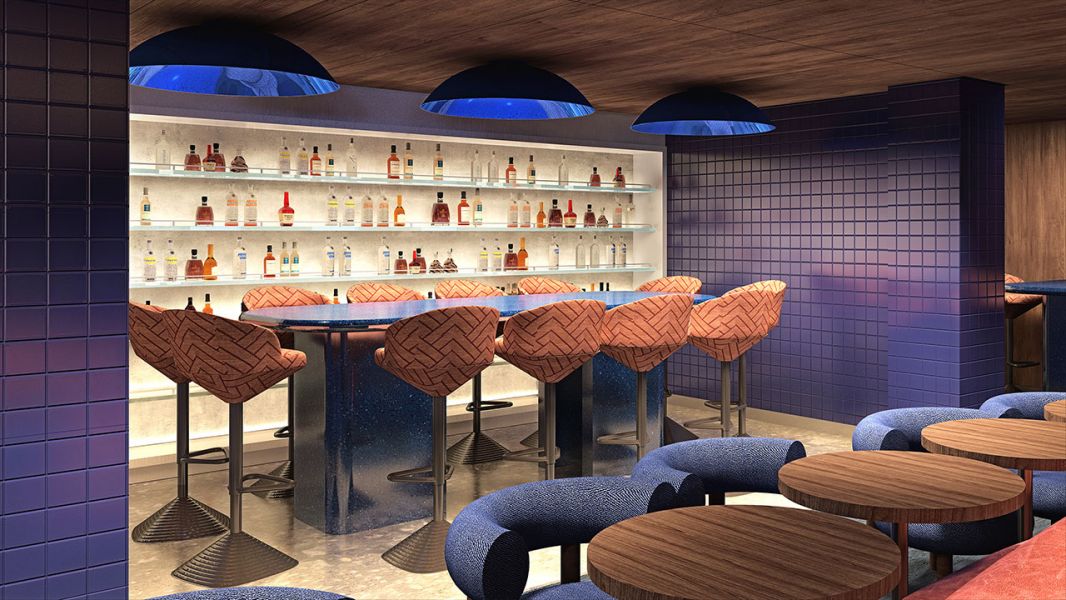
Inspired by Mexico’s red-hot culture and sexy food scene, the experience at Pink Agave goes far beyond the usual taco. Shareable, social, and spicy — it transports you to the vibrant streets of Mexico City on an immersive odyssey of local cuisine. With the largest selection of tequila and mezcal at sea, and DJ beats to amp up the energy, we won’t judge if you order one of everything… and end up dancing on tables by the end of the night.
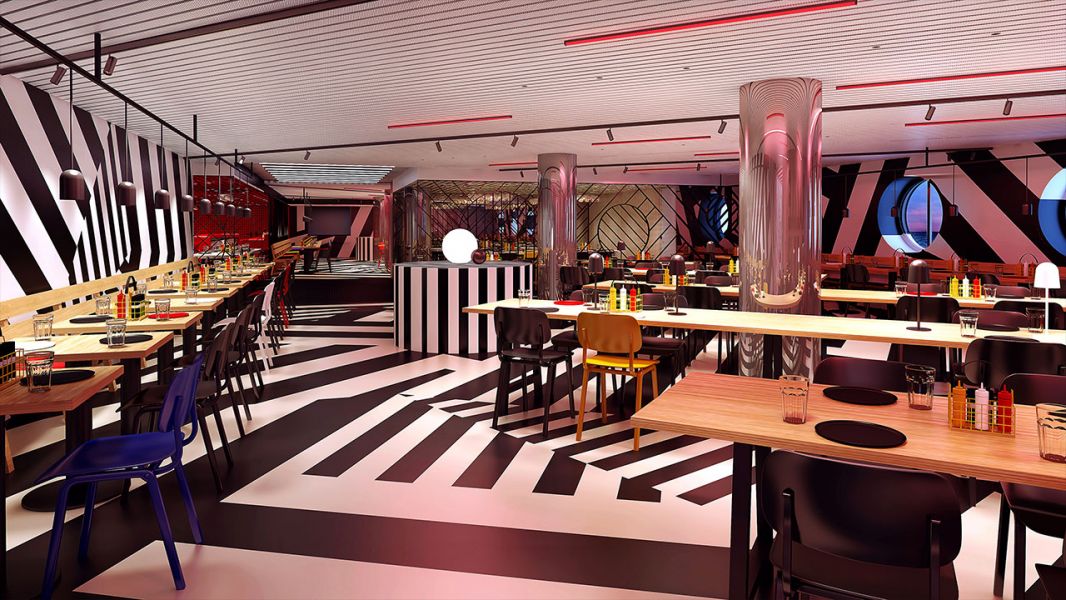
The go-to option for cool and casual dining on board.
Boasting a bold interior and a daring new dinner menu, this happening spot offers our creative twist on some classic American comfort go-to’s. Razzle Dazzle strikes a culinary sweet spot between balance and decadence, with a menu that skews partly toward veggie-conscious dishes, and partly toward meats, sweets, and gluttonous treats.
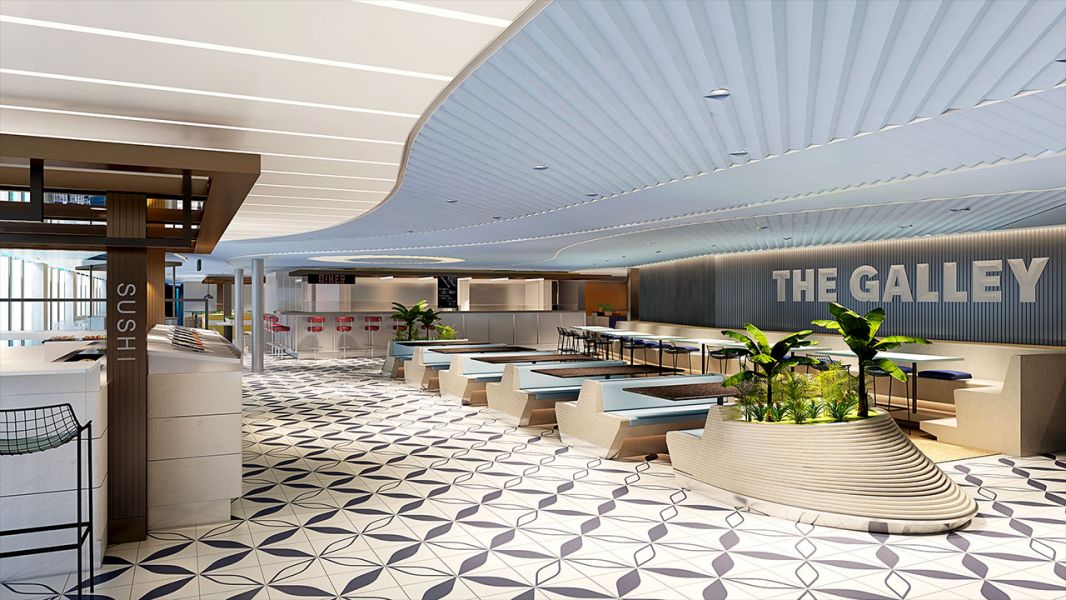
Modelled after popular food halls where you can taste a variety of options - The Galley, designed by Softroom - is your go-to for a quick bite, meal or pick-me-up throughout the day. Featuring a mix of more than eight shops and food-truck style carts, each spot will have a unique concept with signature dishes that change to suit the time of day. The Galley (takes a deep breath before reading an impressively long list) boasts a dedicated bakery and pastry shop, a panini shop, a burger grill, a taco shack, a sushi bar with bento boxes, a noodle bar, a soup and salad stand, and a 24-hour American diner. And exhale.
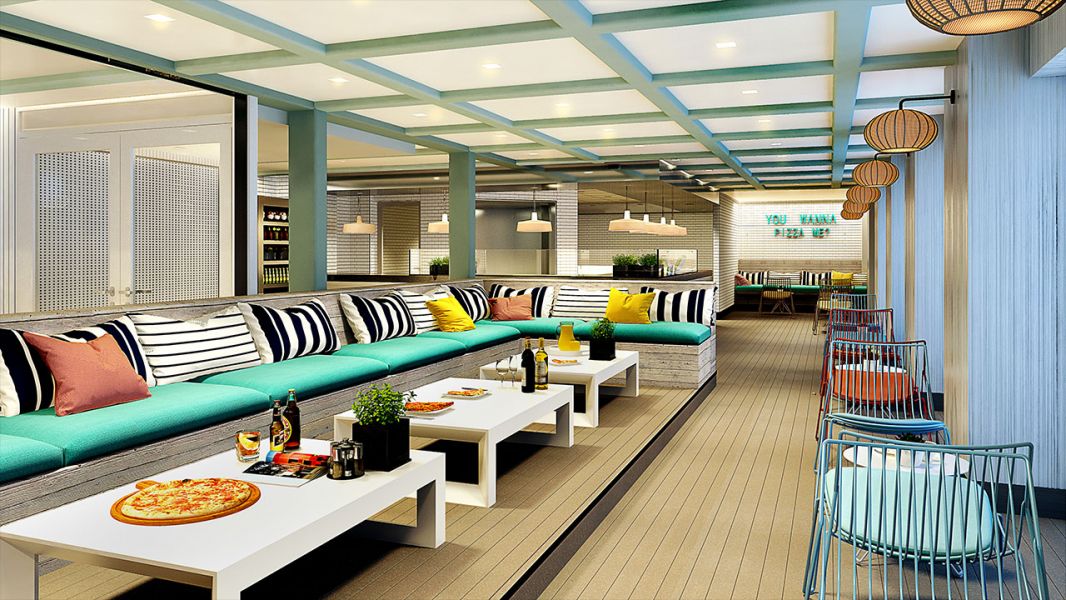
Here you have complete control over your pie — from the dough to the cheese, a little cracked pepper, a little ricotta, and any other topping you want… Or you can just choose from the class menu and lounge on the hammocks outside.
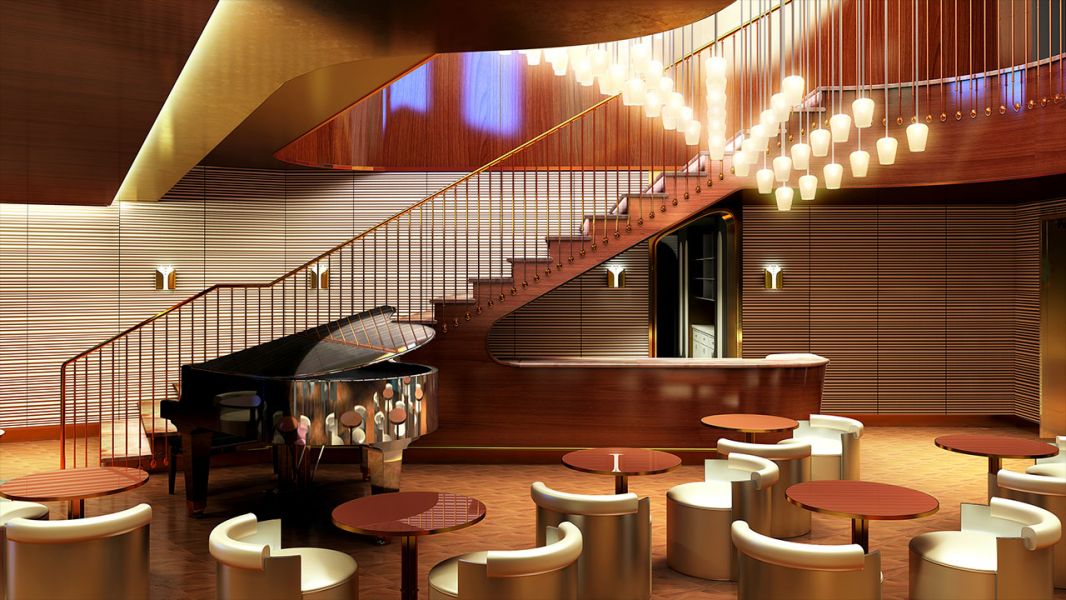
The Wake brings a modern twist to the classic chophouses of the mid-20th century. Once you've made your way down the grand staircase, you'll enter a world that harks back to the old steakhouse, three-martini-lunch days of Madison Avenue ad men. But, thankfully, with gender equality now and, you know, no cigar smoke.
The images shown are for illustration purposes only and may not be an exact representation of what you find on the ship.
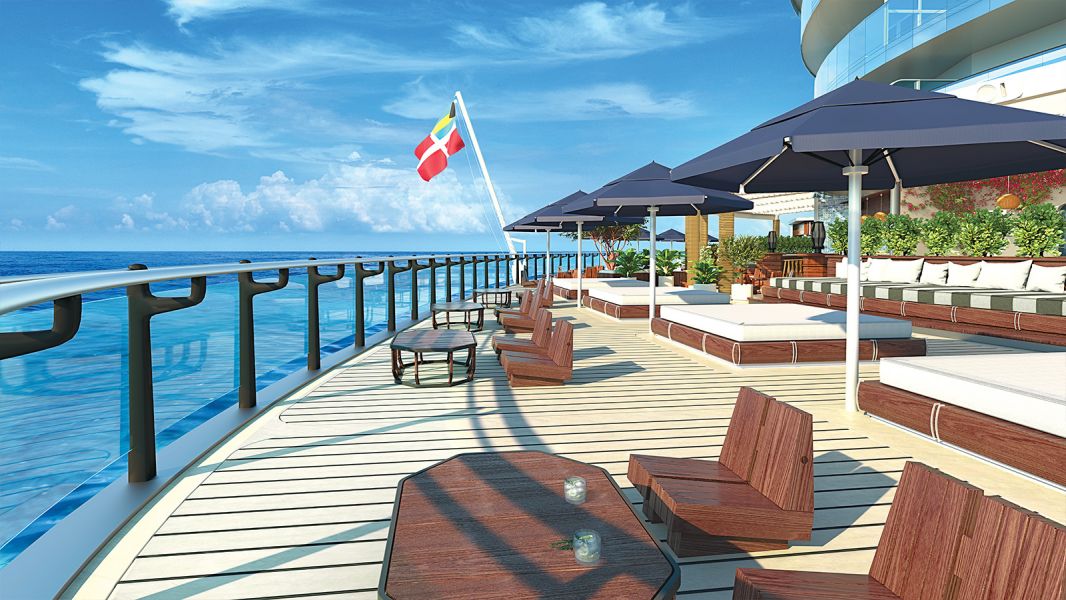
Blurring the boundaries between indoor and outdoor lounging, The Dock is the ultimate space for unwinding. Offering an alfresco-chic lounge-side service, its menu is focused on light and refreshing drinks and enticing bites to share. Drink in the Mediterranean flair with craft cocktails made with orange blossom, rose water, or pomegranate — they pair perfectly with the sweeping ocean views, fiery sunsets, and starry nights you’ll see from one of The Dock’s daybeds.
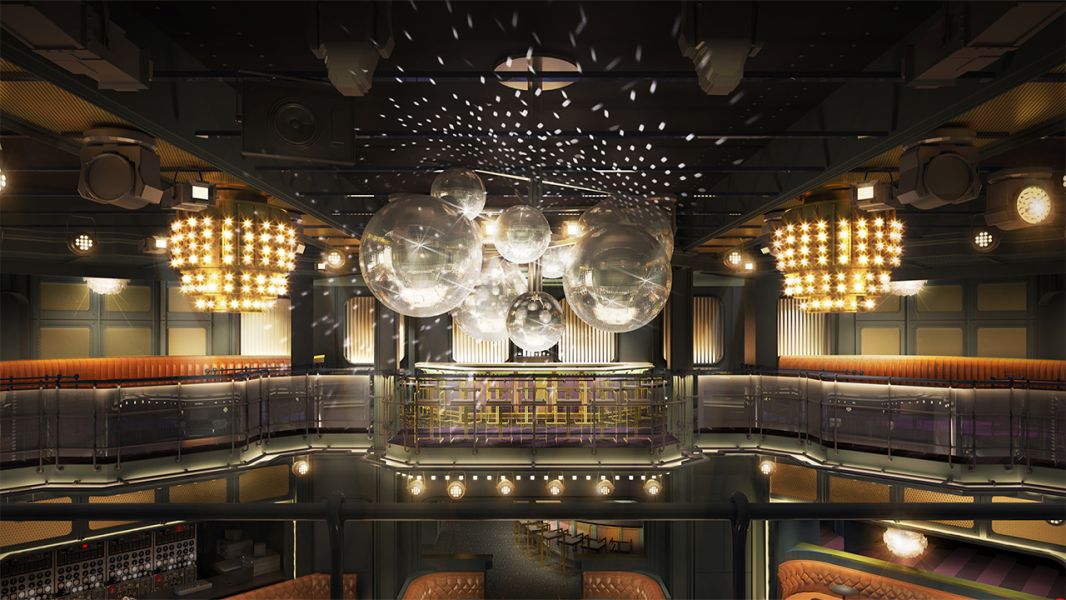
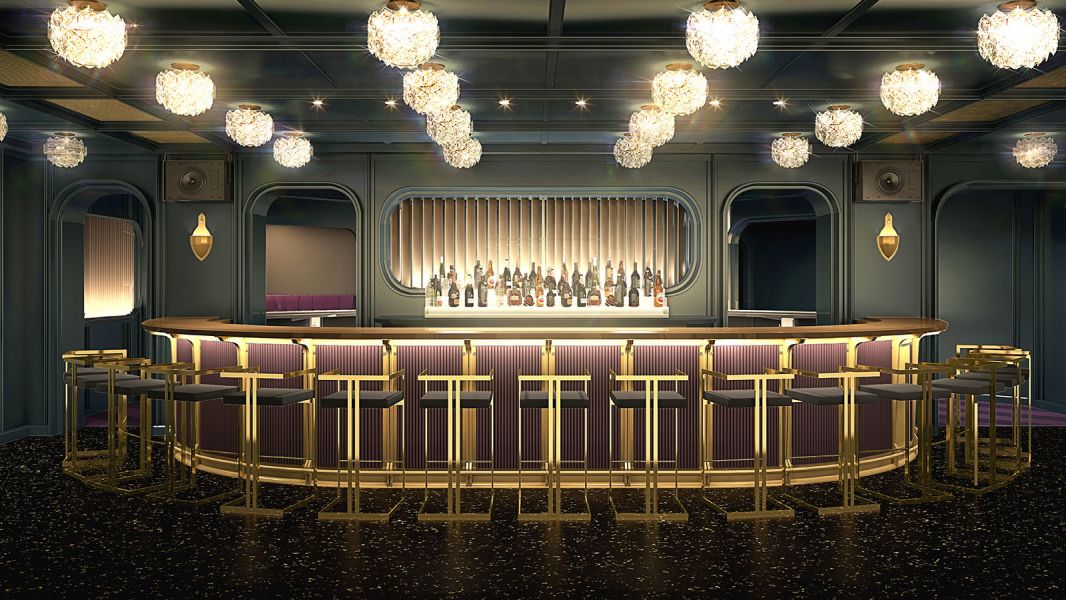
This kick ass, two story, two bar space, named after Richard's first recording studio, is inspired by the coolest clubs on land layered with a moody and sexy 70’s punk vibe. The Manor will host a ground-breaking, immersive dining entertainment experience, to kick the night off before it transitions into a mind-blowing, goodbye-early-morning-workout nightclub.
The images shown are for illustration purposes only and may not be an exact representation of what you find on the ship.
The images shown are for illustration purposes only and may not be an exact representation of what you find on the ship.


Our Fusion packages are all ABTA & ATOL protected ensuring that your booking is safe with us
| 7 nights aboard the Scarlet Lady | |||
| Exclusively Adults Only | |||
| Eat in any of the 20 eateries On-Board. It's all included | |||
| Gratuities Included in the Price | |||
| Choice of Original Music Gigs and Events | |||
| Unlimited Wi-Fi | |||
| All Fitness Classes Included | |||
| Free Tea, Coffee, Water and Sodas | |||
| Free 24 Hour Room Service | |||
| Port Taxes and Fees | |||
 | ABTA and ATOL Protection* | ||
Date 29th Jan 2028 |
Nts 7 |
Interior £578pp |
Oceanview £684pp |
Balcony £948pp |
Suite £2,913pp |
Date 29th Jan 2028 |
Nts 7 |
Interior £578pp |
Oceanview £684pp |
Balcony £948pp |
Suite £2,913pp |
| Interior staterooms from | £578pp | ||
| IZ | The Insider (Guarantee Cabin) | £578pp | |
| IN | The Insider | £713pp | |
| I1 | Solo Insider | £914pp | |
| Oceanview staterooms from | £684pp | ||
| VZ | The Sea View (Guarantee Cabin) | £684pp | |
| VW | The Sea View | £964pp | |
| V1 | Solo Sea View | £1,166pp | |
| Balcony staterooms from | £948pp | ||
| TZ | The Sea Terrace (Guarantee Cabin) | £948pp | |
| TL | Limited View Sea Terrace | £964pp | |
| TR | The Sea Terrace | £1,115pp | |
| TC | Central Sea Terrace | £1,166pp | |
| TX | XL Sea Terrace | £1,317pp | |
| Suite staterooms from | £2,913pp | ||
| SAP | Sweet Aft Suite - Pretty Big Terrace | £3,072pp | |
| SAE | Sweet Aft Suite - Even Bigger Terrace | £3,125pp | |
| SAB | Sweet Aft Suite - Biggest Terrace | £3,178pp | |
| SS | Seriously Suite | £2,913pp | |
| SCP | Cheeky Corner Suite - Pretty Big Terrace | £3,284pp | |
| SCE | Cheeky Corner Suite - Even Bigger Terrace | £3,337pp | |
| SCB | Cheeky Corner Suite - Biggest Terrace | £3,390pp | |
| SB | Brilliant Suite | £3,019pp | |
| SG | Gorgeous Suite | £4,185pp | |
| SP | Posh Suite | £4,820pp | |
| SF | Fab Suite | £5,376pp | |
| SM | Massive Suite | £7,072pp | |
| Interior | Oceanview | Balcony | Suite | |
| (All prices are £GBP per person) | ||||
| Sat 26th Feb 202826 Feb 28 | 631 | 737 | 1,002 | 2,914 |
| Sat 25th Mar 202825 Mar 28 | 684 | 790 | 948 | 2,913 |
Fusion Holidays when selling travel arrangements is a trading name of Co-op Travel Services Limited, registration 08903986. Fusion Cruises is an Accredited Body Member of Co-op Travel Services Limited ATOL 12904.
Book with Confidence. We are a Member of ABTA which means you have the benefit of ABTA’s assistance and Code of Conduct.
Some of the flights and flight-inclusive holidays on this website are financially protected by the ATOL scheme but ATOL protection does not apply to all holiday and travel services offered on this website. This website will provide you with information on the protection that applies in the case of each holiday and travel service offered before you make your booking. If you do not receive an ATOL Certificate then the booking will not be ATOL protected. If you do receive an ATOL Certificate but all parts of your trip are not listed on it, those parts will not be ATOL protected. Please see our booking conditions for information, or for more information about financial protection and the ATOL Certificate go to: www.caa.co.uk