This site uses cookies as defined in our Cookie Policy, by continuing to use this site you agree to their use.
Continue

Welcome to AE Expeditions' The Tide of Time Explore the dynamic coastlines of Croatia, Montenegro, Albania and Greece, where centuries of history unfold amid stunning landscapes and vibrant cultures. From the enduring legacies of Ancient Greece and Rome to the diverse influences of the Byzantine, Ottoman and Venetian empires, these lands abound with tales of conquests, alliances and cultural exchanges that resonate today. Approaching by sea, we marvel at Dubrovnik’s imposing city walls and savour the charm of Kotor’s fjord-fed waterfront. We discover Albania’s hidden gems, long h... idden by travel restrictions, and sail to the picturesque ‘holiday island’ of Corfu, before navigating the engineering marvel of the Corinth Canal and exploring the mystical Oracle of Delphi. Our journey ends in Athens, where myth and modernity seamlessly blend amid ancient ruins, and a bustling city life embodies ‘everything Mediterranean’. This voyage promises an exploration of one of Europe’s most diverse regions, revealing enduring legacies that make this corner of the Mediterranean a must-see destination.
| Arrive | Depart | ||||||
| 2nd02 | SepSep | 202727 | Zagreb, Croatia, embark on the Douglas Mawson | ||||
| Welcome to Croatia. On arrival at Zagreb airport, make your way to the arrivals hall to meet our representative, followed by a transfer to our group hotel. At the hotel, visit our hospitality desk in the lobby, to meet our team, who will provide you with useful information regarding pre-embarkation procedures and about your time in Zagreb. You will also receive cabin tags for your luggage. Please clearly label the tags with your name and your cabin number on the ship. Your day is at leisure to explore independently, enjoy the hotel facilities or simply relax after your flight. This evening, we invite you to join us in celebration to start our journey, where you will meet your host and fellow passengers at a Welcome Reception. Accommodation: Zagreb Hotel (or similar) Meals: Welcome Reception (drinks and canapes) Note: to not miss out on our Welcome Reception, please ensure your flight to arrive in Lisbon no later than 2:00pm. | |||||||
| 3rd03 | SepSep | 202727 | Zagreb, Croatia | ||||
| Experience a ‘Your Choice’ adventure before boarding the Douglas Mawson. If you prefer a morning excursion, you’ll have ample time to explore Dubrovnik until mid-afternoon. We’ll arrange a convenient transfer from our hotel to the port, making your embarkation smooth and effortless. Once aboard, you’ll have time to settle into your cabin before our essential safety briefings. Later in the evening, join us for a Welcome drink with the crew and the Aurora Expeditions team, followed by dinner as we set sail across the Adriatic. This stunning walled city boasts a history spanning over a millennium. Founded in the 7th century, Dubrovnik thrived as the Republic of Ragusa, a prominent maritime power. Its strategic location encouraged trade across the Mediterranean, with the associated wealth shaping its unique blend of architecture and culture. Throughout its history, Dubrovnik faced periods of prosperity and challenges, including conflicts with rival states and invasions. The city’s formidable defensive walls, begun in the 9th century and expanded in the 14th and 15th centuries, symbolise its strategic significance. In modern times, Dubrovnik gained global recognition as a filming location for motion pictures such as “Game of Thrones,” where its ancient walls and historic streets provided the backdrop for King’s Landing. Today, Dubrovnik’s well-preserved medieval architecture, including churches, monasteries, and palaces, continues to attract visitors seeking to explore its rich heritage and cinematic allure along the scenic Adriatic coast. Personalise your exploration with our included ‘Your Choice’ experiences. Option 1 – Morning experience: Locally Guided Walking Tour of Dubrovnik and its City Walls Experience the essence of Dubrovnik with a locally guided walking tour that includes a stroll along its iconic city walls. Beginning at Pile Gate, built in 1537 and adorned with a statue of St Blaise, patron saint of Dubrovnik, the tour takes you through the bustling Stradun, past historical buildings, shops and cafes. Discover landmarks like Onofrio’s Fountain, the Franciscan Monastery, boasting Europe’s oldest pharmacy, and the majestic Rector’s Palace. The highlight awaits as you ascend the ancient city walls, started in the 9th century and fortified through the 15th century against Turkish attacks. Stretching almost two kilometres in length and rising 25 metres high, these walls offer panoramic views of the Adriatic Sea and the terracotta rooftops below. Explore forts and towers, each steeped in history, while glimpsing into hidden gardens and courtyards along the residential fringes. From the northern Minčeta Tower to Fort Bokar at the southwestern corner, and ending at Fort St John by the Old Harbour, the walls provide insights into Dubrovnik’s resilience, contrasting with remnants of shelling damage from the 1990s conflict. A walking tour of Dubrovnik’s Old Town and city walls promises an unforgettable journey through time. Option 2 – Morning experience: Walking Dubrovnik and St Vicenzo Dominican Monastery Herbal Gardens Embark on a guided walking tour through Dubrovnik’s Old Town, starting at the historical Pile Gate, built in 1537 and featuring a statue of St Blaise, Dubrovnik’s patron saint. Wander down the bustling Stradun, passing by historical buildings, shops and cafes. Explore landmarks such as Onofrio’s Fountain, the Franciscan Monastery boasting Europe’s oldest pharmacy, and the grand Rector’s Palace. After delving into Dubrovnik’s vibrant history, journey to the lush valley of Zupa Dubrovacka, to discover the St Vicenzo Dominican Monastery. Here, among olive trees and aromatic herbs, experience centuries-old traditions of essential oil and honey production dating back to the 17th century. Learn about the meticulous olive oil production process and the art of beekeeping through informative presentations displaying Croatian traditions. Indulge in tastings of homemade cheeses, pancetta and cured meats, accompanied by smashed olives and savoury delights. Option 3 - Full-day experience: Oysters, Olives and the Ancient Walled City of Ston Our day is filled with local treasures as we scour the landscape for tastes of the sea, visit the hills, and see a wall to rival all. The ancient city of Ston, on the Pelješac Peninsula, boasts Europe’s longest ancient walls, built by the Republic of Dubrovnik in the 14th and 15th centuries. Extending over five kilometres, these fortifications offer sweeping views of the town and its famed salt pans. Walking atop these historical ramparts is a journey through history, revealing Ston’s role as a vital salt-producing centre and maritime stronghold. In nearby Orašac, the Lujak family’s olive oil mill stands as a testament to Dubrovnik’s agricultural heritage. Built 260 years ago, it features thick stone walls housing millstones, a press, ancient oil containers, and more. Acquired by the Dubelj family in 1995 and opened to visitors in 2003, the mill continues to produce golden olive oil, preserving rural traditions for future generations. Further south, in Mali Ston Bay, oyster farming dates to Roman times, with the area renowned for Ostrea edulis oysters. Join an authentic oyster-tasting tour, enjoying freshly harvested oysters for a true taste of the Adriatic Sea. | |||||||
| 4th04 | SepSep | 202727 | Sibenik, Croatia | ||||
Šibenik's main monument, its Gothic-Renaissance cathedral, built of pale-gray Dalmatian stone and designated a UNESCO World Heritage Site, stands on a raised piazza close to the seafront promenade. From here a network of narrow, cobbled streets leads through the medieval quarter of tightly packed, terra-cotta–roof houses, and up to the ruins of a 16th-century hilltop fortress. The city has never been a real tourist destination. Before the Croatian war for independence, it was a relatively prosperous industrial center, but when the factories closed, Šibenik sank into an economic depression. However, the cathedral more than warrants a look, and it makes a decent base for visiting the waterfalls of Krka National Park. Nestled along Croatia’s Adriatic coast, Šibenik is a historic gem known for its medieval charm, winding stone alleys, and impressive coastal views. Founded by Croats, it boasts a rich heritage and is home to the UNESCO-listed St. James Cathedral. Its striking architecture and dramatic fortresses also caught the eye of filmmakers—Šibenik appeared as the city of Braavos in Game of Thrones, with the cathedral and St. John’s Fortress featured prominently in several scenes. This morning, choose from a range of ‘Your Choice’ experiences, including visits to natural wonders and UNESCO World Heritage sites. In the afternoon, explore the historic charm of Šibenik. With Douglas Mawson berthed at the centrally located port, the old town and its captivating streets are just a short stroll away. Personalise your exploration with our included ‘Your Choice’ experiences. Option 1 – Morning experience: The Stella Croatica Ethno Village Join us on a cultural journey through Stella Croatica Ethno Village — a place where Dalmatian tradition, nature, and heritage come together. Once a site of hard yet simple living, the village has transitioned into a peaceful retreat where you can connect with nature – Croatian style. Stroll through orchards and centuries-old olive groves, breathe in the scents of native herbs in the Aroma Park, and visit a Mediterranean garden carved into rock, where olive, fig, and pomegranate trees grow surrounded by healing plants. It’s the perfect place to pause and enjoy the peace and quiet. Explore the village’s living museum, where stone houses are authentically restored and furnished to reflect traditional Croatian village life. You’ll step back in time and discover how people lived, worked, and connected with the land, while uncovering the story of olive oil, and other Croatian staples and treats. This visit offers a glimpse of life in a rural village and is a true Dalmatian delight. Option 2 - Morning experience: A UNESCO Feast – Trogir A one hour drive takes us to the waterfront town of Trogir, a UNESCO World Heritage Site since 1997. Squeezed between the mainland and the larger island of Čiovo, Trogir is a veritable open-air museum. Our locally guided introductory tour follows passageways lined with medieval buildings, Renaissance-era palaces, stone houses, churches and towers. Each alleyway is lined by eclectic craft shops, restaurants and bars, making a stroll through Trogir a highlight of any visit to Croatia. There is time to explore independently, before we return to Šibenik, having filled our morning with UNESCO World Heritage Sites. Option 3 - Morning experience: Krka National Park- a Water Wonderland This morning, nature enthusiasts are in for a treat as we head inland to explore one of Croatia’s natural treasures on foot — arguably the best way to take in its breathtaking landscapes. Spanning 109 km², Krka National Park is home to over 1,000 plant species and more than 200 bird species. Its 17 travertine waterfalls flow along the Krka River, which descends 238 metres (780 feet) from its source in the Dinaric Mountains. Extensive wooden walkways lead us through lush greenery and past waterfalls that gush over moss-covered stones in powerful torrents, offering dramatic and unforgettable views. We’ll visit the park’s most iconic and impressive waterfall, Skradinski Buk. Stretching 400 metres (1312 feet) wide and nearly 46 metres (150 feet) high, its thunderous roar can be heard before it comes into sight. Well-placed vantage points provide sweeping views of spectacular cascades throughout the park, which is a dream setting for photographers. | |||||||
| 5th05 | SepSep | 202727 | Korčula, Croatia | ||||
Off the coast of Croatia in the southern Adriatic Sea lie some thousand islands and the largest of them, Korçula, is considered the most beautiful. With an average of 3,000 hours of sunshine per annum, which guarantees a wide assortment of Mediterranean vegetation, it is not difficult to understand why seasoned travelers compare Korçula to a latter-day Eden. Separated from the mainland by a channel of only one mile, Korçula's main town, named the same as the island, ranks among the best preserved medieval towns in the Mediterranean. It is the island's main tourist, economic and cultural center. Thanks to its strategic location along the sea trade routes, Korçula has always attracted travelers and settlers. Korcula was founded by Greek colonists, who were followed by Illyrians, Romans and finally the Croats. The Korçula Statute of 1214 is one of the oldest legal documents to have been adopted in this part of Europe. The same century saw the birth of the famous world traveler, Marco Polo. The house said to be his birthplace can be seen in town. Korçulans have always been known as keen seafarers, excellent shipbuilders, stonemasons and artists. From their many voyages, sailors brought back new ideas, which eventually mixed with local customs. To this day, Korçula has maintained the tradition of performing knightly games such as the chivalrous Moreska dance, which has been in existence for more than 400 years. Visitors to Korçula enjoy its stunning location, natural beauty and medieval ambiance. And if that's not enough, the town offers numerous attractions that are within walking distance from the pier, including the City Museum and the Bishop's Treasury. We anchor off the island of Korčula this morning, and tender to shore. Our ‘Your Choice’ experiences fill your morning, with your afternoon free to relax onboard, or return to town for a self-exploration. We sail south late afternoon with our eyes set on the emerging travel destination of Kotor. At 46 kilometres long and just over 7 kilometres wide, Korčula is one of Croatia’s smaller islands, yet its population of 15,000 makes it the country’s second most populous. Often referred to as ‘Little Dubrovnik’ for its medieval squares, churches and palaces, Korčula is steeped in Venetian architectural influence, a legacy of the stonemasons who flocked here during the Venetian era. The island is covered in dense woods and lush Mediterranean shrub, its coastline hiding many pristine bays and coves, whose numerous small villages produce olive oils, liquors, and some of the best white wines in Croatia; notably Grk and Pošip, which can only be enjoyed locally. Korčula’s most notable claim to fame is as the birthplace of the indomitable explorer Marco Polo, with his legacy celebrated through place names and a dedicated museum. Cultural traditions thrive here, especially the Moreska sword dance, a captivating 16th-century performance, and Klapa, a popular form of cappella singing. With its blend of Adriatic charm and cultural heritage, Korčula offers a unique glimpse into the heart of Dalmatian life, making it a top destination for travellers to Croatia. Personalise your exploration with our included ‘Your Choice’ experiences. Option 1 – Morning experience: Walk Old Korčula Town Join our walking tour of Korčula’s medieval walled Old Town this morning, led by a local guide. Starting directly from the pier, just 50 metres from one of its gates, we enter the meticulously laid out Old Town, designed in a fishbone pattern, with 26 cobblestone streets that naturally harness cooling winds. Our walk includes a visit to the Cathedral of St Mark, showcasing the exquisite craftsmanship of Korčula’s renowned stonemasons, whose work adorns buildings worldwide. Explore the Bishop’s Palace to uncover its hidden treasures, including sketches and drawings attributed to Leonardo da Vinci, Michelangelo, Raphael, Tiepolo, and others. We will also visit the charming Church of All Saints, home to a remarkable collection of Byzantine icons. Korčula is celebrated as the birthplace of Marco Polo, and you can glimpse the exterior of his alleged birth house during our tour. Afterwards, return to the ship for lunch, with views of the island and the Croatian coastline, or stay on the island for a further stroll, climb the Revelin Tower for a bird’s-eye view, or relax at one of the many waterfront cafes. Option 2 – Morning experience: Rural Korčula and Boutique Wine Tasting Start your tour with a scenic drive through Korčula’s beautiful Mediterranean landscape. Korčula Island is famous for its white wines, making this tour perfect for wine lovers seeking an authentic local experience. After a short drive, you will reach Tasovac Winery, an award-winning, family-owned estate offering a traditional coastal atmosphere and a tasting of their exquisite wines. Our scenic drive passes through small villages and vineyards, until we arrive at Toreta Winery, located in the heart of Korčula Island. Korčula is renowned for its indigenous grapes, Grk and Pošip. The village of Lumbarda is famous for its Grk wines, while the island’s interior villages are known for their Pošip wines, often compared to sauvignon blanc and chardonnay. Toreta Winery, a small boutique estate, is celebrated for its exceptional wines, liqueurs and olive oil. Here, you can also see old agricultural tools used for generations. After tasting, we return to Korčula town. Option 3 – Morning experience: A Taste of Korčula Our morning starts with a short walking tour of Korčula town. We enter the meticulously laid out Old Town, designed in a fishbone pattern, with 26 cobblestone streets that naturally harness cooling winds. We uncover the town’s hidden treasures among its laneways and alleys, churches and bell tower, waterfront walls and eclectic shopfronts. Our journey continues as we leave town and head up the road to one of Korčula’s latest treasures. Located a mere two kilometres from Korčula town, OPG Komparak greets visitors with a 300-year-old row of cypress pines shadowing a private entrance. This small distillery began production in the winter of 2020 amid a honey deficit. Beekeeper Vlaho Komparak, inspired by the abundance of bitter oranges in Korčula gardens, created Trut gin. Honey is added before distillation to unify the aroma, and each bottle is dipped in beeswax. The first flavour, ‘Signature’ , won silver at the Berlin International Spirits Awards, and since then, this sweet gin has become a Korčula success story. We enjoy the Honey & Gin Experience at this organic farm, featuring an active beehive, gin distillery and olive oil production. We combine a tour of the farm with a tasting of honey, olive oil, marmalade, and the award-winning Trut gin. | |||||||
| 6th06 | SepSep | 202727 | Dubrovnik, Croatia | ||||
Nothing can prepare you for your first sight of Dubrovnik. Lying 216 km (135 miles) southeast of Split and commanding a jaw-dropping coastal location, it is one of the world's most beautiful fortified cities. Its massive stone ramparts and fortress towers curve around a tiny harbor, enclosing graduated ridges of sun-bleached orange-tiled roofs, copper domes, and elegant bell towers. Your imagination will run wild picturing what it looked like seven centuries ago when the walls were built, without any suburbs or highways around it, just this magnificent stone city rising out of the sea.In the 7th century AD, residents of the Roman city Epidaurum (now Cavtat) fled the Avars and Slavs of the north and founded a new settlement on a small rocky island, which they named Laus, and later Ragusa. On the mainland hillside opposite the island, the Slav settlement called Dubrovnik grew up. In the 12th century the narrow channel separating the two settlements was filled in (now the main street through the Old Town, called Stradun), and Ragusa and Dubrovnik became one. The city was surrounded by defensive walls during the 13th century, and these were reinforced with towers and bastions in the late 15th century.From 1358 to 1808 the city thrived as a powerful and remarkably sophisticated independent republic, reaching its golden age during the 16th century. In 1667 many of its splendid Gothic and Renaissance buildings were destroyed by an earthquake. The defensive walls survived the disaster, and the city was rebuilt in baroque style.Dubrovnik lost its independence to Napoléon in 1808, and in 1815 passed to Austria-Hungary. During the 20th century, as part of Yugoslavia, the city became a popular tourist destination, and in 1979 it was listed as a UNESCO World Heritage Site. During the war for independence, it came under heavy siege. Thanks to careful restoration, few traces of damage remain; however, there are maps inside the Pile and Ploče Gates illustrating the points around the city where damage was done. It’s only when you experience Dubrovnik yourself that you can understand what a treasure the world nearly lost Early morning we enter the fjord system leading us to the bayside city of Kotor. Montenegro’s Bay of Kotor boasts stunning steep cliffs descending to a narrow inlet of the Adriatic Sea. Unlike true fjords shaped by glaciers, this bay is a ria—formed when rising sea levels submerged an ancient river valley. Characterised by its branching outline and large estuary, a ria like the Bay of Kotor offers exceptional natural harbor conditions. The bay’s unique bay-within-a- bay configuration, featuring the 300-meter-wide Verige Strait, adds to its striking beauty. Our tenders transfer us ashore from our point at anchor in the Fjord to Kotor, where we find a selection of experiences. The boutique Balkan country of Montenegro, famed for its rugged mountains and stunning Adriatic coastline, is home to one of the region’s most enchanting destinations: Kotor. This historical town is packed with medieval charm. Surrounded by towering limestone cliffs and clear waters, the bay itself is a UNESCO World Heritage Site. The people of Kotor and Montenegro are known for their warm hospitality and deep connection to their land and traditions. Montenegrins take considerable pride in their history and cultural heritage, which is reflected in their vibrant festivals, local cuisine, and traditional music. The city’s history, coupled with the stunning landscapes of the fjord and the genuine warmth of its people, makes Kotor a highlight of any voyage. Personalise your exploration with our included ‘Your Choice’ experiences. Option 1 – Morning experience: Walk Kotor with Cable Car to Lovćen Mountain Our morning begins with a guided walking tour through the charming streets of Kotor’s Old Town, where we pass endless medieval architecture and delve into 2,500 years of history. We visit the iconic St. Tryphon Cathedral, a masterpiece that dates to the 12th century, and hear tales of the city’s past. After soaking in Kotor’s enchanting atmosphere, we drive to the base of the cable-car station and embark on a 10-minute scenic cable-car ride, which offers the stunning views of Boka Bay. Ascending the summit of Lovćen Mountain, be prepared to be captivated by sweeping views of Kotor, the Bay of Kotor, and the surrounding landscapes. Option 2 – Morning experience: Walk Kotor and Hike Along the Ancient City Walls Join a tour that is ideal for those who love hiking and history, while enjoying stunning views. Discover Kotor’s medieval Old Town on our locally guided walking tour. Nestled along a stunning natural fjord, Kotor features well- preserved walls and landmarks that have earned UNESCO World Heritage status, including the iconic Cathedral of St Tryphon, consecrated in 1166. We will also explore the fascinating collection of maritime memorabilia at the Maritime Museum. After the tour, hike with our guide along the ancient city walls, built by the Venetians from 1420 to the mid-18th century. As you ascend, you will encounter impressive ruins and breathtaking views of the Old Town below. Reach St John’s Fortress, the highest point, where you can savour vistas over Kotor and Boka Bay. Take a moment to relax, capture photos, and then descend along the remnants of the historical walls. (Please note: This is a steep walk and includes 1350 stairs which are often uneven) Option 3 – Morning experience: Speedboat Tour of Kotor Fjord, Visiting Waterfront Villages Experience the beauty of Boka Bay on a scenic speedboat cruise. Begin your journey at Our Lady of the Rocks (Gospa od Skrpjela), a stunning Baroque church situated on a manmade islet in the Bay of Kotor. Here, you will find an original church built in 1452, adorned with 68 magnificent paintings by Tripo Kokolja and various works by Italian artists. Our cruise continues to Perast, a charming Baroque village known for its rich maritime heritage. Stroll its cobblestone streets, where historical stone houses reflect the town’s prosperous past. The centrepiece is the grand Cathedral of St Nicholas, a striking 18th-century structure that dominates the skyline. You can also visit the Church of St George, perched on a nearby island. From there, continue your adventure with a cruise to the impressive Submarine Tunnels constructed by the Yugoslav Army, cleverly camouflaged with fake rocks to remain hidden from view. Your journey then takes you to Prcanj, a picturesque seaside town celebrated for its 17th- and 18th-century stone villas, remnants of its prosperous history as an administrative centre of the Venetian Republic. Finally, visit the Church of St Nicholas and the Franciscan Monastery at the foot of Mount Vrmac, where you can explore the lovely courtyard and learn about the Franciscans and the town’s notable explorer, Ivan Visin, the first Croat to circumnavigate the globe. Option 4 – Full day experience: The Villages of Cetinje and Njeguši We travel the same route as the renowned Irish playwright George Bernard Shaw when he visited Montenegro, excitedly noting: ‘The road to Cetinje via Kotor is one of the most beautiful in the world.’ Visit the charming village of Njeguši, famous for its smoked ham and local cheese, which are essential to Montenegrin cuisine. Here, we can savour these delicacies alongside honey and wine – an authentic taste of the region. Njeguši is also known for its scenic views and historical significance, as it is the birthplace of the Petrović dynasty, which ruled Montenegro for centuries. Continuing along the beaches of Budva, you will arrive in Cetinje, once the centre of Montenegrin power and now a museum town. Nestled at the foot of Mount Lovćen, Cetinje is rich in cultural heritage. You visit the Museum of King Nikola, who ruled Montenegro from 1860 to 1918 and was instrumental in modernising the country and promoting its independence. After exploring Cetinje, we return to Kotor and tender to the ship. | |||||||
| 7th07 | SepSep | 202727 | Kotor, Montenegro | ||||
Backed by imposing mountains, tiny Kotor lies hidden from the open sea, tucked into the deepest channel of the Bokor Kotorska (Kotor Bay), which is Europe's most southerly fjord. To many, this town is more charming than its sister UNESCO World Heritage Site, Dubrovnik, retaining more authenticity, but with fewer tourists and spared the war damage and subsequent rebuilding which has given Dubrovnik something of a Disney feel.Kotor's medieval Stari Grad (Old Town) is enclosed within well-preserved defensive walls built between the 9th and 18th centuries and is presided over by a proud hilltop fortress. Within the walls, a labyrinth of winding cobbled streets leads through a series of splendid paved piazzas, rimmed by centuries-old stone buildings. The squares are now haunted by strains from buskers but although many now house trendy cafés and chic boutiques, directions are still given medieval-style by reference to the town’s landmark churches.In the Middle Ages, as Serbia's chief port, Kotor was an important economic and cultural center with its own highly regarded schools of stonemasonry and iconography. From 1391 to 1420 it was an independent city-republic and later, it spent periods under Venetian, Austrian, and French rule, though it was undoubtedly the Venetians who left the strongest impression on the city's architecture. Since the breakup of Yugoslavia, some 70% of the stone buildings in the romantic Old Town have been snapped up by foreigners, mostly Brits and Russians. Porto Montenegro, a new marina designed to accommodate some of the world’s largest super yachts, opened in nearby Tivat in 2011, and along the bay are other charming seaside villages, all with better views of the bay than the vista from Kotor itself where the waterside is congested with cruise ships and yachts. Try sleepy Muo or the settlement of Prčanj in one direction around the bay, or Perast and the Roman mosaics of Risan in the other direction. Early morning we enter the fjord system leading us to the bayside city of Kotor, where we tender ashore to enjoy our ‘Your Choice’ experiences. Afterwards, you can return to the ship for lunch or stay in town to explore more at your own pace, with an early evening departure for Albania. Montenegro’s Bay of Kotor boasts stunning steep cliffs descending to a narrow inlet of the Adriatic Sea. Unlike true fjords shaped by glaciers, this bay is a ria, formed when rising sea levels submerged an ancient river valley. Characterised by its branching outline and large estuary, a ria like the Bay of Kotor offers exceptional natural harbour conditions. The bay’s unique bay-within-a-bay configuration, featuring the 300-metre-wide (984 feet) Verige Strait, adds to its striking beauty. The tiny Balkan country of Montenegro, famed for its rugged mountains and stunning Adriatic coastline, is home to one of the region’s most enchanting destinations: Kotor. This historical town is packed with medieval charm. Surrounded by towering limestone cliffs and clear waters, the bay itself is a UNESCO World Heritage Site. The people of Kotor and Montenegro are known for their warm hospitality and deep connection to their land and traditions. Montenegrins take considerable pride in their history and cultural heritage, which is reflected in their vibrant festivals, local cuisine, and traditional music. The city’s history, coupled with the stunning landscapes of the fjord and the genuine warmth of its people, makes Kotor a highlight of any voyage. Personalise your exploration with our included ‘Your Choice’ experiences. Option 1 – Morning experience: Vistas of Kotor Our morning begins with a guided walking tour through the charming streets of Kotor’s Old Town, where we pass endless medieval architecture and delve into 2,500 years of history. We visit the iconic St. Tryphon Cathedral, a masterpiece that dates to the 12th century, and hear tales of the city’s past. After soaking in Kotor’s enchanting atmosphere, we drive to the base of the cable-car station and embark on a 10-minute scenic cable-car ride, which offers the stunning views of Boka Bay. Ascending the summit of Lovćen Mountain, be prepared to be captivated by sweeping views of Kotor, the Bay of Kotor, and the surrounding landscapes. Option 2 – Morning experience: A Taste of Kotor Experience Kotor with an added touch of local flair on a locally guided wine and food tour. This journey immerses you in Montenegro’s culinary traditions, beginning with home-cooked local specialties made with passion and dedication. Delve into the town’s history on a walking tour before exploring the bustling marketplace, the heart of Kotor, where we sample locally cured smoked ham, cheese, and olives. Upon arriving at one of the city's cobblestoned squares we sample olive oil, homemade spreads, and freshly baked bread. Savour local favourites like black risotto and mussels in “buzara” sauce, all of which connect you to the rich culinary heritage of the coastal Balkan region. To complete our morning, choose to enjoy a Montenegrin wine, beer, or grappa, for a taste of Kotor’s delicious local flair. Option 3 – Morning experience: Boka Bays’ Waterfront Wonders Experience the beauty of Boka Bay on a scenic speedboat cruise, when we visit waterfront villages, church studded islands and some rather unique tunnels. Begin your journey at Our Lady of the Rocks, a solo Baroque church sitting on a artificial islet in the Bay of Kotor. Here, you will find an original church built in 1452, adorned with 68 magnificent paintings by Tripo Kokolja. Our cruise continues to Perast, a charming baroque village known for its rich maritime heritage. Stroll its cobblestone streets, where historical stone houses reflect the town’s prosperous past. The centrepiece is the grand Cathedral of St. Nicholas, a striking 18th-century structure that dominates its famous skyline. From Perast, our speedboat takes us to the intriguing Submarine Tunnels constructed by the Yugoslav Army, cleverly camouflaged with fake rocks to remain hidden from view, before we journey to Prčanj, a picturesque seaside town celebrated for its 17th- and 18th-century stone villas, remnants of its prosperous history as an administrative centre of the Venetian Republic. Finally, we visit the Church of St. Nicholas and the Franciscan Monastery at the foot of Mount Vrmac, where we learn about the Franciscan monks and the town’s notable explorer, Ivan Visin, the first Croat to circumnavigate the globe. | |||||||
| 8th08 | SepSep | 202727 | Durrës, Albania | ||||
| Sailing south, we leave Montenegro and enter the former communist nation of Albania. Located in the south of the Balkan Peninsula, it boasts a rich history and a burgeoning modern persona. From ancient Illyrian settlements to Roman and Ottoman rule, Albania’s past is reflected in its historical sites, which are among the most notable in Europe. After decades of communist rule, Albania embraced democracy in the early 1990s but faced challenges with political instability and corruption. Today, the nation is undergoing a transformation, embracing democracy and economic reforms after years of isolation. Efforts to strengthen institutions and align with European Union standards are ongoing, offering travellers the opportunity to visit this fascinating country without the crowds. With a stunning coastline along the Adriatic and Ionian Seas, rugged mountains, and UNESCO World Heritage Sites, Albania sits at the crossroads of tourism. Visiting it now allows us to experience its unspoiled beauty and genuine hospitality before it gains wider touristic recognition. Sitting with pride on Albania’s northern coast, Durrës stands as a testament to its millennia-old history. Originally founded as Epidamnos by the Ancient Greeks in 627 BCE, Durrës boasts a rich mix of Greek, Roman, Byzantine, and Ottoman influences. Its imposing Roman amphitheatre, dating back to the 2nd century AD, is among the largest in the Balkans and can hold up to 20,000 spectators. Another highlight is the iconic Venetian Tower, built in the 15th century, which punctuates its skyline and reflects its diverse architectural heritage. Durrës was also a vital hub during the Byzantine period, serving as a key defensive and commercial centre. The city’s walls, some of which still stand today, were strengthened under Byzantine Emperor Anastasius I, who was born in Durrës. Today, Durrës thrives as a bustling port city. It is Albania’s primary seaport, handling over 90 per cent of the country’s maritime trade. With sandy beaches, lively promenades and a bustling market scene, Durrës offers residents and visitors alike a blend of ancient charm and modern convenience. Our ‘Your Choice’ experiences offer a chance to immerse ourselves in the ancient, medieval or recent past of this fascinating nation. Personalise your exploration with our included ‘Your Choice’ experiences. Option 1 – Morning experience: Tirana’s Paranoid Past Albania’s capital city has emerged anew from nearly 50 years of communist rule, revealing a vibrant metamorphosis marked by resilience. It is astonishing to imagine that Tirana’s colourful buildings, bustling cafes and green parklands were once forbidden under a tyrannical regime. This morning, our locally guided tour centres around this remarkable transformation, focusing particularly on the city’s Cold War past. Choose to enjoy free time to explore Tirana further at your own pace or visit an unusual piece of Albania’s past - Bunk’Art 2. This re-imagined communist-era nuclear bunker embodies the city’s cultural revival and remembrance of its solemn past. Unveiled to the public in 2015, this 1000 m² underground space was secretly built beneath the Ministry of Internal Affairs from 1981–1986. Known as ‘Objekti Shtylla’ (Object Pole), it was part of Enver Hoxha’s extensive bunker project, symbolising his regime’s isolationist policies. During his 41-year presidency, Hoxha oversaw the construction of over 700,000 bunkers throughout Albania as a defence strategy against perceived threats. Option 2 – Full day experience: Kruja Castle and Bazaar Our day takes us to Kruja, around 45 minutes inland from Durrës. This captivating city perched atop a hill with sweeping views 600 metres (1,969 feet) above sea level, gifts us an insight into the traditional Albanian lifestyle. A highlight is time spent in the vibrant atmosphere of the city’s bustling bazaar – a single street adorned with craft and artisan shops, cafes and quaint antique stores. Choose to tour linger in the market or join your guide for a tour of Kruja Castle. Kruja Castle was the citadel of national hero Gjergj Kastriot (Skanderbeg), renowned for his successful resistance against Ottoman invaders during the 15th century. Skanderbeg himself claimed that he had received a vision of St. George handing him a flaming sword to ‘destroy the enemy’. We wrap up our experience with a traditional lunch, savouring Albanian fare before heading back to Durrës | |||||||
| 9th09 | SepSep | 202727 | Sarandë, Albania | ||||
Sarandë is a city in southern Albania on the coast of the Ionian Sea. Sarandë can be reached easily from the Greek island of Corfu by ferry. An early Christian monastery dedicated to 40 saints (Santi Quaranta) gave Sarandë its name. The city center of Sarandë has been scarred by communist architecture but since the fall of communism many small shops and bars have sprung up which give it a Mediterranean feel. This southernmost harbour of Albania was once the ancient port of Onchesmos. Today, Sarandë’s main attractions are its sunny climate and the nearby ruins of Butrint. Please Note: For your convenience, shore excursions offered for this port of call are available to reserve in advance at www.silversea.com, unless otherwise noted in the description. The deadline to reserve these tours is August 19, after which they will be available for purchase on board, unless otherwise noted in the description. Pier Information The ship is scheduled to anchor at Main Pier. The town center is 875 yards from the pier. Taxis are generally available at the pier. Shopping Typical souvenirs include t-shirts, postcards, wood carvings and dolls in national costume. Cuisine Albanian cuisine has been strongly influenced by Turkey. Grilled meats like shisqubap (shish kebab), romstek (minced meat patties) and gofte (meat balls) are served all across the Balkans. Some local dishes include comlek (meat and onion stew), fërges (a rich beef stew), rosto me salcë kosi (roast beef with sour cream) and tavë kosi (mutton with yoghurt. Lake Shkodra carp and Lake Ohrid trout are the most common fish dishes. Try the ice cream (akullore), which is popular everywhere. Other Sites Blue Eye Spring The iridescent blue water gushes from the depths of the earth and feeds the Bistrica River. Catacombs Recently discovered catacombs of the church of the Forty Saints can also be explored. Private arrangements for independent sightseeing may be requested through the Tour Office on board. Our second Albanian port offers us an opportunity to view one of Albania’s World Heritage-listed sites or spend time in one of the hilltop villages scattered in the city’s hinterland. Once an ancient Greek and Roman port known as Onchesmos, Sarandë has witnessed centuries of civilisations, evident in its archaeological sites like the ancient city of Butrint, a UNESCO World Heritage Site. Butrint’s history spans Greek, Roman, Byzantine and Venetian periods, making it a treasure trove of historical artefacts and architecture. During World War II, Sarandë was occupied by Italian and German forces, and the remnants of military bunkers from the communist era still dot the landscape, offering a glimpse into the more recent past. Today, Sarandë is a bustling holiday destination, renowned for its popular beaches. The city’s transformation in recent years reflects Albania’s progress, with modern amenities and a growing tourism industry. Sarandë’s population, predominantly Muslim with a significant Christian minority, coexist harmoniously, contributing to the city’s welcoming atmosphere and cultural diversity. Personalise your exploration with our included ‘Your Choice’ experiences. Option 1 – Morning experience: The UNESCO Site of Butrint Set in a marshy landscape between Lake Butrint and the sea, this UNESCO World Heritage Site is an archaeologist’s favourite. Once a flourishing ancient Greek and, later, Roman city, Butrint has a rich history dating back to the 8th century BC. Initially settled by the Greeks, it later became a Roman colony in the 1st century BC and thrived, attracting various civilisations, including the Byzantines, Venetians and Ottomans, each leaving their mark on the city’s architecture and culture. Key areas of the excavation include the Roman Forum, the sprawling Triconch Palace, a late-antiquity baptistery, a Roman villa, and a late-antiquity church on the shore of Lake Butrint at Diaporit. A highlight of our visit is the ancient theatre, which dates to the 3rd century BC. Originally built by the Greeks and later expanded by the Romans, the theatre could seat up to 2,500 spectators and was a central part of Butrint’s cultural and social life. Standing among its well-preserved structure, it is easy to imagine the city’s inhabitants enjoying a performance. A visit to Butrint offers the opportunity to explore a lesser-visited site with less rush and more understanding of Albania’s past. This immersive experience allows us to appreciate the layers of history and the diverse cultures that have shaped this remarkable location. Option 2 - Full-day option: Gjirokastër, the ‘City of Stone’ Gjirokastër sits in the Drino River valley between the Gjerë mountains and the Lunxhëri hills, around a 1.5-hour drive inland from Sarandë. This UNESCO World Heritage Site is renowned for its well-preserved Ottoman architecture and historical significance. Visiting Gjirokastër offers a glimpse into Albania’s cultural past, as we begin our journey at Gjirokastër Castle, perched high above the town. After exploring the castle’s museum and hearing about its time as a fortress and prison, wander through the old town bazaar, with its charming cobblestone streets lined with traditional Ottoman-era houses and shops selling local crafts. Enjoy lunch at a traditional restaurant, savouring authentic Albanian fare such as byrek, the Balkans’ popular filo pies, and tave kosi, Albania’s national dish of lamb and rice. This visit provides a perfect blend of historical exploration and cultural immersion, making for an unforgettable experience in the ‘City of Stone’. | |||||||
| 10th10 | SepSep | 202727 | Corfu, Greece | ||||
Corfu town today is a vivid tapestry of cultures—a sophisticated weave, where charm, history, and natural beauty blend. Located about midway along the island's east coast, this spectacularly lively capital is the cultural heart of Corfu and has a remarkable historic center that UNESCO designated as a World Heritage Site in 2007. All ships and planes dock or land near Corfu town, which occupies a small peninsula jutting into the Ionian Sea.Whether arriving by ferry from mainland Greece or Italy, from another island, or directly by plane, catch your breath by first relaxing with a coffee or a gelato in Corfu town's shaded Liston Arcade, then stroll the narrow lanes of its pedestrians-only quarter. For an overview of the immediate area, and a quick tour of Mon Repos palace, hop on the little tourist train that runs from May to September. Corfu town has a different feel at night, so book a table at one of its famed tavernas to savor the island's unique cuisine.The best way to get around Corfu town is on foot. The town is small enough so that you can easily walk to every sight. There are local buses, but they do not thread their way into the streets (many now car-free) of the historic center. If you are arriving by ferry or plane, it's best to take a taxi to your hotel. Expect to pay about €10 from the airport or ferry terminal to a hotel in Corfu town. If there are no taxis waiting, you can call for one. We spend the morning on the Greek island of Corfu before sailing in the early afternoon to the mainland of Greece. Located in the Ionian Sea, the island of Corfu is a captivating fusion of past dynasties, including the Venetians and the British, with notable ties to Queen Elizabeth II consort, Prince Philip, who was born on Corfu. Its rich history is evident in its diverse architectural styles, Byzantine churches, Venetian fortresses, and British colonial buildings. Corfu’s Old Town stands as a testament to its cultural heritage, enclosed by Venetian fortifications. Wandering through its narrow-cobbled streets reveals elegant mansions, Byzantine churches and charming squares. Venetian influences adorn the architecture, with arched colonnades, grand palaces, and picturesque bell towers. A leisurely stroll along the iconic Liston Promenade, lined with cafes and boutiques, offers views of the surrounding sea and distant mountains. Every street seems to lead to a quintessential British icon: a cricket pitch. Beyond the Old Town, Corfu unveils stunning beaches, verdant hillsides, and picturesque villages nestled in the countryside. Personalise your exploration with our included ‘Your Choice’ experiences. Option 1 – Morning experience: Achilleion Palace Departing from the port of Corfu, we will head to the picturesque village of Gastouri to visit the romantic Achilleion Palace. Built for the famed Empress Sissi of Austria, renowned for her beauty and tragic death, the palace was inspired by her love for Greek mythology. Surrounded by classical Greek statues, the palace is a monument to platonic romanticism and escapism, aptly named after Achilles. You will have time to explore the manicured gardens, with its exotic imported plants from around the empire and the dramatic statue of the Dying Achilles, while enjoying extensive views of the Ionian Sea. Option 2 – Morning experience: Walking tour of UNESCO World Heritage Site, Old Corfu Town Explore Corfu’s Old Town on a locally guided introductory walking tour. The Old Town is an icon of the island, full of markets and shops. Wander its narrow cobblestone streets lined with Venetian-style buildings, revealing centuries of history. Discover iconic landmarks like the Liston Promenade and the grand Old Fortress, with expansive views of the Ionian Sea. Immerse yourself in the charm of Spianada Square, Greece’s largest square, surrounded by elegant cafes and historic architecture. Encounter Byzantine churches adorned with frescoes, vibrant markets brimming with local crafts, and hidden tavernas offering authentic Greek cuisine. Let the stories of past rulers, Venetian rule, and British influence unfold as you delve into the rich history of this UNESCO World Heritage Site, before enjoying free time to wander the popular shops stacked full of souvenirs, leather goods and Greek specialities. | |||||||
| 11th11 | SepSep | 202727 | Itea, Greece | ||||
| 12th12 | SepSep | 202727 | Náfplion, Greece | ||||
Oraia (beautiful) is the word Greeks use to describe Nafplion. The town's old section, on a peninsula jutting into the gulf of Argos, mixes Greek, Venetian, and Turkish architecture; narrow streets, often just broad flights of stone stairs, climb the slopes beneath the walls of Acronafplia. Tree-shaded plazas surround neoclassic buildings. The Palamidi fortress—an elegant display of Venetian might from the early 1700s—guards the town. Nafplion deserves at least a leisurely day of your undivided attention, and you may want to spend several days or a week here and use the city as the base from which to explore the many surrounding ancient sights. Sitting on the northeast coast of the Peloponnese peninsula, this historical town overlooks the Argolic Gulf, framed by surrounding mountains. Serving as the first capital of independent Greece, between 1833 and 1834, Nafplion boasts a wealth of historical landmarks that bear witness to its illustrious past. Serving as the gateway to major UNESCO World Heritage Sites Epidaurus and Mycenae, Nafplion offers visitors a memorable day out. Personalise your exploration with our included ‘Your Choice’ experiences. Option 1 – Morning experience: Nafplion Walking Tour with Ouzo Factory Tour and Tasting Our locally guided walking tour begins as soon as we disembark at the old port, where we begin our exploration of the old town, with its narrow cobblestone streets, Venetian mansions, and neoclassical buildings, invites visitors to step back in time and immerse themselves in centuries of Greek history and culture. No visit to the Peloponnese is complete without a taste of Greece’s most popular brew. Karonis Distilleries, a family-run business in Nafplion, has been crafting ouzo, tsipouro, and masticha for 145 years. Ouzo, a beloved Greek spirit, is an integral part of Greek culture and social life. It is often enjoyed at gatherings and celebrations, symbolising Greek hospitality and tradition. Visitors can also sample the Karonis’s distinguished cherry liqueur, made from Arcadian cherries. Both drinks, shared with friends and family, highlight the rich flavours and heritage of Greece, making a visit to Karonis Distilleries a delightful and educational experience. Option 2 – Morning experience: UNESCO World Heritage Site of Mycenae This morning, we journey through time and explore the remains of the ancient city of Mycenae, which was a major centre of Greek civilisation from 1600 BC to 1100 BC and one of the most important cities of Ancient Greece. Our local expert guides us through time, bringing daily life in this ancient city alive among its relics and ruins. This sprawling UNESCO World Heritage Site brings the Bronze Age city of Mycenae to life, as our curiosity travels beyond archaeology, fuelling our fascination for the heroic age of Greek mythology. Renowned for its impressive fortifications, monolithic architecture, and rich archaeological finds, Mycenae has played a crucial role in shaping ancient Greek history and mythology. Ruled by legendary figures such as King Agamemnon, who according to myth led the Greeks in the Trojan War and was later murdered upon his return to Mycenae, the city’s story is central to Homer’s epic poems, the ‘Iliad’ and the ‘Odyssey’. Archaeological excavations at Mycenae have unearthed a wealth of artefacts, including intricately decorated pottery, gold jewellery, and the famous ‘Mask of Agamemnon’, a gold funeral mask discovered in a royal tomb. These discoveries provide insights into the wealth, artistry, and sophistication of the Mycenaean civilisation. The site’s significance extends beyond archaeology, as it continues to inspire artists, writers and scholars, fuelling fascination with the heroic age of Greek mythology and the legacy of ancient civilisation. Option 3 – Morning experience: UNESCO World Heritage Site of the Sanctuary of Asklēpiós and Epidaurus This morning, we tour one of Greece’s most revered sites: the world-famous Ancient Theatre of Epidaurus. Epidaurus was a significant centre of healing in the ancient world and remains a powerful symbol of humanity’s quest for health and self-preservation. The staff of Asklēpiós, entwined by a snake, is still recognised today as a symbol of the medical profession. Legend names Epidaurus as the birthplace of Apollo’s son, Asklēpiós—the god of medicine. Pilgrims seeking cures journeyed here, especially to the temple of Asklēpiós, now a UNESCO World Heritage Site. Treatments blended religious rites with practical medicine, from herbal remedies to therapeutic snake licks. The complex included a hospital, guest house, mineral springs, and gymnasium. The remarkably well-preserved Ancient Theatre of Epidaurus from the 4th-century, could seat around 14,000 spectators. Dramatic performances were part of healing rituals, as the Greeks believed in the therapeutic power of the arts. Today, Epidaurus remains influential in medicine and culture, hosting performances during the annual festival and inspiring modern holistic healing. Our final evening onboard is spent as a fond farewell to Douglas Mawson, her crew and Aurora Expeditions team as we sail the Aegean to Greece’s capital, Athens. | |||||||
| 13th13 | SepSep | 202727 | Athens, Greece | ||||
| Enjoy a leisurely day in Athens. Revisit your favourite sites, relax by the hotel’s pool, or discover hidden treasures on your own exploration. Athens’ extensive metro network makes it easy to navigate the city, while the warm Greek hospitality ensures you are never far from helpful advice on how to make the most of your visit. This evening, we celebrate the end of our journey in true Greek style, with a Farewell event. Accommodation: Athens Hotel Meals: Breakfast, Farewell Event canapés | |||||||
| 14th14 | SepSep | 202727 | Athens, Greece | ||||
| After breakfast, check-out of your hotel and transfer to the airport for your onward flight. Meals: Breakfast | |||||||
| 15th15 | SepSep | 202727 | Athens, Greece, disembark the Douglas Mawson | ||||
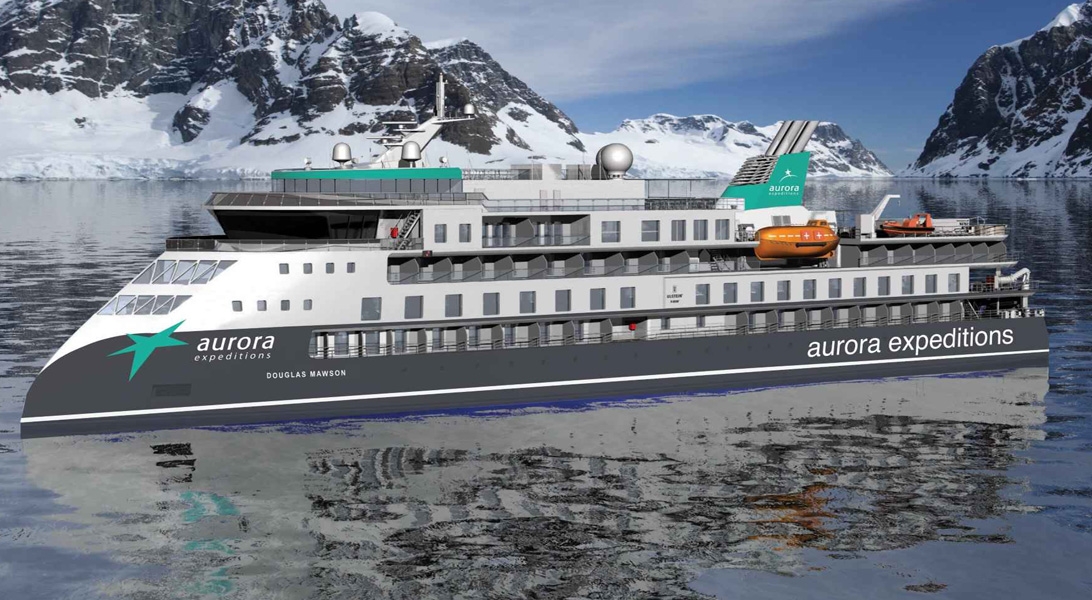
The images shown are for illustration purposes only and may not be an exact representation of what you find on the ship.
The images shown are for illustration purposes only and may not be an exact representation of what you find on the ship.
The images shown are for illustration purposes only and may not be an exact representation of what you find on the ship.
The images shown are for illustration purposes only and may not be an exact representation of what you find on the ship.
The images shown are for illustration purposes only and may not be an exact representation of what you find on the ship.


Our Fusion packages are all ABTA & ATOL protected ensuring that your booking is safe with us
| 13 nights aboard the Douglas Mawson | |||
| Fully-serviced accommodation in your chosen stateroom | |||
| An informative and entertaining lecture program by our team of experts | |||
| Complimentary 3-in-1 polar jacket and the use of gumboots | |||
| Entry fees to historic or tourist sites | |||
| Daily shore excursions, guided walks, Zodiac cruises and some activities | |||
| Daily breakfast, lunch and dinner including house wines, beers and soft drinks and afternoon tea and snacks | |||
| Complimentary use of fitness centre | |||
| Comprehensive pre-departure information kit and destination resource guide | |||
| Captain’s Welcome and Farewell Cocktail Reception including four-course dinner, house cocktails, house beer and wine, non-alcoholic beverages | |||
| Complimentary access to onboard medical doctor or clinic, if required | |||
| An experienced team of destination specialists and activity leaders | |||
| Pre-dinner cocktail hour including cold canapes and bar snacks | |||
| Photographic voyage log (post-voyage) | |||
| Port Taxes and Fees | |||
 | ABTA and ATOL Protection* | ||
Date 2nd Sep 2027 |
Nts 13 |
Please Call for Availability |
Date 2nd Sep 2027 |
Nts 13 |
Please Call for Availability |
Fusion Holidays when selling travel arrangements is a trading name of Co-op Travel Services Limited, registration 08903986. Fusion Cruises is an Accredited Body Member of Co-op Travel Services Limited ATOL 12904.
Book with Confidence. We are a Member of ABTA which means you have the benefit of ABTA’s assistance and Code of Conduct.
Some of the flights and flight-inclusive holidays on this website are financially protected by the ATOL scheme but ATOL protection does not apply to all holiday and travel services offered on this website. This website will provide you with information on the protection that applies in the case of each holiday and travel service offered before you make your booking. If you do not receive an ATOL Certificate then the booking will not be ATOL protected. If you do receive an ATOL Certificate but all parts of your trip are not listed on it, those parts will not be ATOL protected. Please see our booking conditions for information, or for more information about financial protection and the ATOL Certificate go to: www.caa.co.uk