This site uses cookies as defined in our Cookie Policy, by continuing to use this site you agree to their use.
Continue

Welcome to Aurora Expeditions’ The Godfather
For Italy aficionados, no trip to their favourite country is complete without visiting its southern shores, spending time on the cherished island of Sicily and dropping into the Mediterranean gem of Malta. Contested for centuries by Europe’s legendary empires, the Amalfi Coast, Sicily and Malta are a modern-day traveller’s dream. The coastline is dotted with a colourful array of sun-drenched resorts, picturesque clifftop villages, and impressive ancient cities. Combined with the quintessential Mediterranean lifestyle, delicious foo... d and wine, and the region’s intriguing political history, this segment of Europe overflows with tales of family feuds, hidden secrets and dangerous liaisons, making its shores a fascinating find. This journey inspires stories spanning from indulgent emperors to slave uprisings and from buried cities to resort towns brimming with wanton excess. Their stories tell epic tales on this voyage of 'Godfather proportions’.
| Arrive | Depart | ||||||
| 10th10 | MayMay | 202727 | Rome, Italy, embark on the Douglas Mawson | ||||
Rome, Italy, the Eternal City, is a stunning blend of ancient history and vibrant modern life. Iconic landmarks like the Colosseum, Vatican City, and the Pantheon showcase its glorious past. Cobblestone streets lead to charming piazzas, bustling markets, and world-renowned museums. Rome's culinary scene delights with traditional Italian cuisine and lively cafes. The city's rich culture, impressive architecture, and warm, welcoming atmosphere make it an unforgettable destination for travellers. Welcome to Rome. On arrival at Rome airport, make your way to the Arrivals Hall, to meet our representative, followed by a transfer to our group hotel. At the hotel, visit our hospitality desk in the lobby to meet our team who will provide you with useful information regarding pre-embarkation procedures and about your time in Rome. You will also receive cabin tags for your luggage. Please clearly label the tags with your name and your cabin number on the ship. This evening enjoy dinner at one of the local trattorias (own expense), with time to relax in preparation for our day tomorrow. Accommodation: Starhotels Metropole Rome (or similar) | |||||||
| 11th11 | MayMay | 202727 | Rome, Italy | ||||
Rome, Italy, the Eternal City, is a stunning blend of ancient history and vibrant modern life. Iconic landmarks like the Colosseum, Vatican City, and the Pantheon showcase its glorious past. Cobblestone streets lead to charming piazzas, bustling markets, and world-renowned museums. Rome's culinary scene delights with traditional Italian cuisine and lively cafes. The city's rich culture, impressive architecture, and warm, welcoming atmosphere make it an unforgettable destination for travellers. An intriguing tale of historical drama and legendary myths make Rome every trivia buff’s dream. Scandalous and sanguine, Roman lifestyle swung from democratic to autocratic, slavery to liberation, paganism to Christianity. The Roman empire’s public relations machine flaunted its sovereignty with triumphant arches and fluted columns, monolithic mausoleums, statue-ridden stairways and masterfully engineered temples. Enhanced by the wealth of the Catholic Church, the city added to its opulence and grandeur with baroque fountains, obelisk-centred piazzas and Christendom’s domed cathedrals. The story of ancient Rome’s insurmountable empire, its dramatic demise and the rise of the powerful Catholic Church is one of Europe’s most compelling stories. A tour of Rome is a highlight of any visit to Italy, especially for those of us whose homeland is anything other than ancient. Imperial relics rekindle the era when Rome’s population of one million surpassed any other city worldwide. Our local guides merge the city’s past and present through their stories on every street corner, along every alley and in every piazza. Choose a shorter, comprehensive tour to see a slice of Roman life, or lace up your walking shoes and experience Rome from street level on a locally guided walking tour. In the afternoon, enjoy some time for independent exploration, or join us for a visit to the Vatican, before we gather this evening for a Welcome Reception. Personalise your exploration with our included ‘Your Choice’ experiences Option 1 - Morning experience: Highlights of Rome Rome reveals its tale as we tour its major sights on this morning experience. We encounter the Colosseum and Roman Forum, viewing them from a nearby terrace at the Capitoline Museum, while our guide inspires us with stories of Rome’s past. Gifted to the people of Rome as a museum to house the generous number of sculptures and statues left scattered throughout the city, the Capitoline Museum was the brainchild of Pope Sixtus IV. We have free time in the museum to browse its collection at our own pace while we piece together the city’s past through its numerous artworks, before our journey continues with a drive towards the Trevi Fountain. Surrounded by a pedestrian zone, a visit to the world’s most famous fountain offers not only a timeless photo opportunity but also the chance to ensure your return to Rome, just don’t forget to toss in a coin! Afterwards, we return to our vehicle and head back to the hotel for a leisurely afternoon or continue exploring the wonders of the Eternal City at your own pace or join us to visit the Vatican. Note: some sights on this tour may be viewed only from the vehicle, depending on the local conditions on the day. If you wish you continue onto the Afternoon experience: St Peters Basilica excursion, there will be a short break at the hotel prior to transferring to the Vatican by coach. Option 2 – Half day experience: Roaming Rome Lace up your walking shoes, slip on a hat and splash on sunscreen to join this comprehensive locally guided tour. Established in an era when few Romans owned transportation, the centre of historical Rome is ideal for walking. With every square foot offering a fascinating fact, we are spoiled for choice by the wealth of sites we experience. Architectural highlights include ancient landmarks such as the Colosseum, the Roman Forum, Trajan’s Column, and the grand Vittorio Emanuele II Monument. Our locally guided walk brings us to the artistic masterpieces of the Trevi Fountain and the Pantheon with our journey concluding at one of Rome’s most enchanting gathering places: Piazza Navona. Each site tells its own story, as our expert guides bring the past to life with tales of emperors, gladiators, plebeians, Renaissance artists, popes, and legionaries who once called Rome home. Note: some sights on this tour may be viewed only from the vehicle, depending on local conditions on the day. The visit to the Pantheon is subject to group ticket, time slotted availability. Note: If you wish you continue onto the Afternoon experience: St Peters Basilica, you will continue from this excursion to the Vatican by coach. Option 1 - Afternoon experience: St Peters Basilica We drive to the Vatican City for a guided visit to one of Christianity’s most iconic landmarks: St. Peter’s Basilica. Once the site of Emperor Nero’s brutal spectacles, the Vatican Hill was transformed into sacred ground by Constantine, Rome’s first Christian emperor, who declared it 'the hill of the martyrs.' Today, this sovereign city-state — granted independence from Italy in 1929 — houses the heart of the Catholic Church. Towering above it all is St. Peter’s Basilica, the largest church in Christendom and a breathtaking example of Renaissance architecture. Designed in part by Michelangelo, who at age 72 created the majestic dome, the basilica rises above what is believed to be the tomb of St. Peter, the first apostle and first Pope. Admire Michelangelo’s moving Pietà, Bernini’s grand baldachin, and the sheer scale and spiritual gravitas of this revered site. Note: visitation times for St. Peters can be amended at short notice by Vatican authorities and entrance cannot always be guaranteed. Accommodation: Starhotels Metropole Rome (or similar) Meals: Breakfast, Dinner | |||||||
| 12th12 | MayMay | 202727 | Orvieto, Italy | ||||
This morning we drive two hours north to the one of Umbria's hilltop gems: Orvieto. Perched dramatically atop a volcanic plateau, Orvieto is one of central Italy's most captivating hill towns, famed for its magnificent Gothic cathedral and enchanting medieval streets. Following an introductory guided walk, enjoy free time to explore at your own pace. Browse the artisan shops, admire the town's architectural treasures, or simply settle into a café or trattoria for lunch and sample the flavours of Umbria. Whether wandering its flower-filled lanes, discovering hidden corners rich in history, or taking in views across the surrounding countryside, Orvieto offers an irresistible blend of beauty, history and authentic Italian charm. Our afternoon drive takes us to the port of Livorno, where late afternoon, we board Douglas Mawson and sail south. This evening, following an important safety briefing, we gather for a ‘Welcome Aboard Dinner’, an opportunity to meet our Aurora Expeditions team and crew, and to toast the adventures ahead. | |||||||
| 12th12 | MayMay | 202727 | Livorno, Italy | ||||
Livorno is a gritty city with a long and interesting history. In the early Middle Ages it alternately belonged to Pisa and Genoa. In 1421 Florence, seeking access to the sea, bought it. Cosimo I (1519–74) started construction of the harbor in 1571, putting Livorno on the map. After Ferdinando I de' Medici (1549–1609) proclaimed Livorno a free city, it became a haven for people suffering from religious persecution; Roman Catholics from England and Jews and Moors from Spain and Portugal, among others, settled here. The Quattro Mori (Four Moors), also known as the Monument to Ferdinando I, commemorates this. (The statue of Ferdinando I dates from 1595, the bronze Moors by Pietro Tacca from the 1620s.)In the following centuries, and particularly in the 18th, Livorno boomed as a port. In the 19th century the town drew a host of famous Britons passing through on their grand tours. Its prominence continued up to World War II, when it was heavily bombed. Much of the town's architecture, therefore, postdates the war, and it's somewhat difficult to imagine what it might have looked like before. Livorno has recovered from the war, however, as it's become a huge point of departure for container ships, as well as the only spot in Tuscany for cruise ships to dock for the day.Most of Livorno's artistic treasures date from the 17th century and aren't all that interesting unless you dote on obscure baroque artists. Livorno's most famous native artist, Amedeo Modigliani (1884–1920), was of much more recent vintage. Sadly, there's no notable work by him in his hometown.There may not be much in the way of art, but it's still worth strolling around the city. The Mercato Nuovo, which has been around since 1894, sells all sorts of fruits, vegetables, grains, meat, and fish. Outdoor markets nearby are also chock-full of local color. The presence of Camp Darby, an American military base just outside town, accounts for the availability of many American products.If you have time, Livorno is worth a stop for lunch or dinner at the very least. | |||||||
| 13th13 | MayMay | 202727 | Gaeta, Italy | ||||
There’s time this morning to relax into the rhythm of life onboard before we arrive at Gaeta around midday. Jutting into the Gulf of Gaeta, the town of the same name has a rich history featuring everyone from the Romans to Saracens, emperors to pirates and popes to kings. This authentic medieval town, dominated by its fortress castle and framed by a protected marina, is easily explored independently. Choose to join our experience to reflect on the bravery of those who fought at Monte Cassino, before we set sail south to the Bay of Naples in the early evening. For those seeking a more leisurely visit the ship docks right in the heart of Gaeta, offering effortless access to this vibrant coastal town. With its charming waterfront, historic streets, and laid-back atmosphere, Gaeta invites you to explore at your own pace, whether that means enjoying a seaside stroll, sampling local cuisine, or simply soaking up the Mediterranean sun. Those choosing to join our experience this afternoon, will pause to honour the soldiers and innocent residents who were deeply affected by the tragedy at Monte Cassino an hour inland from the coast. Amidst fields of white crosses, each one a poignant reminder of a life lost, the Monte Cassino region and its historic Benedictine monastery now attract visitors seeking to pay their respects. Each year, thousands come to remember those who made the ultimate sacrifice while pushing north towards Rome in June 1944. Perched high on its rugged hilltop, the monastery—filled with priceless artworks—was tragically misidentified as an ammunition depot by the Allied forces. The area, fortified with cannons, minefields, and machine gun nests, saw fierce combat, resulting in the loss of entire divisions as they bravely attempted to scale its slopes. Reduced to ruins in one of the most controversial actions of World War II, the rebuilt monastery now stands as a moving tribute to the 70,000 troops who gave their lives at Monte Cassino, striving to break through the Gustav Line and open the road to Rome.
| |||||||
| 14th14 | MayMay | 202727 | Naples, Italy | ||||
Naples, in the Campania region, is Italy's third largest city. Its claim to fame is the spectacular location along one of the world's most splendid bays, backed by the perfect cone of Mount Vesuvius. In addition to its beautiful setting, Naples' surprises with other outstanding attractions such as the Royal Palace, San Carlos Opera House, the impressive National Archaeological Museum and the Castel Nuovo, dating from the 13th-century. The city's central area is best explored on foot. Chaotic traffic conditions make driving around the city a very frustrating experience. Naples provides a convenient starting point for trips to such favored destinations as Pompeii, Herculaneum and Mount Vesuvius. The Isle of Capri can be reached via a 45-minute hydrofoil service. The region of Campania was home to Greeks settlers some 300 years before Rome was founded. Pompeii, too, was a Greek town before being conquered by the Romans during the 5th century BC. It was under the Romans that Pompeii flourished and grew prosperous. When Mount Vesuvius erupted in 79 AD, the population of 20,000 was wiped out, but dozens of buildings were preserved under layers of cinder more than 20 feet deep. The most important finds from Pompeii are displayed in Naples' National Archaeological Museum. A visit here will no doubt enhance a visit to ancient Pompeii. Shrouded by the shadow of a brooding Mount Vesuvius, Naple’s ‘underworld’ reputation has mellowed in recent years providing the perfect culmination of our explorations. Survivors of successive imperial invasions, outbreaks of plagues and infamous natural disasters Neapolitans are well-known for their dramatic personalities. A dedication to family and their ancestral roots makes them natural storytellers, with a passion to share their stoic city and its intrinsic tales with all they encounter. Our ‘Your Choice’ experiences today offer a deeper, more interactive connection with Naples. Whether you choose to uncover the city's rich history both above and underground or take in its stunning panoramas, each option reveals a unique side of this captivating city. This afternoon, enjoy free time to continue exploring at your own pace, or simply relax and soak up the atmosphere over a treat at one of Naples’ numerous street food stalls or bars. Personalise your exploration with our included ‘Your Choice’ experience Option 1 - Morning experience: The Bay of Naples and Vesuvius Winery Few cities are as defined by their relationship with the sea as Naples, and to truly appreciate its setting, it helps to view the city from a different perspective. Leaving the waterfront behind, we'll view the Bay of Naples, and if it's a clear day, Capri and the Sorrentine Peninsula, revealing the dramatic geography that has shaped the city's history, from its bustling harbour and waterfront districts to the ever-present silhouette of Mount Vesuvius. We then continue to a winery nestled on the fertile slopes of Mount Vesuvius. For centuries, generations of Neapolitan families have cultivated these volcanic soils, working a landscape both enriched and threatened by the mountain that dominates it. Combining traditional techniques rooted in Roman times with modern winemaking practices, local vintners continue to produce distinctive wines that reflect the unique character of this volcanic terroir. During our visit, we'll learn about this enduring relationship between the volcano, the vines and the people who have tended them, before enjoying a tasting of regional wines. Option 2 - Morning experience: Naples; Yesterday - Today Your locally guided walking tour begins in the heart of the historical centre of Naples; a UNESCO World Heritage site where the lively thoroughfare known as Spaccanapoli traces the path of ancient Roman roads laid out over 2,000 years ago. This narrow street aptly nicknamed the “Naple's splitter,” appears to divide the city in two and is lined with antique stalls, bookshops, and local grocers, offering a glimpse into everyday Neapolitan life. Underneath the Church of San Lorenzo, we see traces of the former city, as we descend underground and explore this archaeological complex, which has both Greek and Roman roots. We learn the role of the Greek Agora and the subsequent Roman Forum, in civic and commercial life during antiquity, before skipping to the 20th century as we return to street level. | |||||||
| 15th15 | MayMay | 202727 | Salerno, Italy | ||||
Salerno is an Italian city located on the Gulf of Salerno. Famous for being home to the first medical university, Salerno is a great destination for anyone looking for gorgeous sea views filled with sunshine and Italian food. The seaside resort of Salerno acts as a gateway to one of Europe’s most famous coastlines: the Amalfi Coast. A magnet to both ancient and modern visitors its interspersed villages appear to almost grow from the rockface on which they are built. The dramatic cliffs and natural harbours of the Amalfi Coast have hosted holiday homes of the rich and revered throughout time. Our excursions offer a hint of the coast’s abundant past and present as we view the excavations of luxurious villas, theatres and bathhouses at Pompeii, or search the beachfront villages of the Amalfi for tantalising tales at the heart of Amalfi life. Personalise your exploration with our included ‘Your Choice’ experiences. Option 1 – Morning experience: Pompeii Known to the Neapolitans simply as ‘him’, Mount Vesuvius towers over the surrounding fertile plains at 4,200 metres (13,779 feet). He has been quiet of late, but it was a different story in 79 BCE, when lava and ash vomited forth engulfing the city of Pompeii. Albeit a tragedy, the excavation of these extensive sites reveals treasure for travellers. Physical evidence of the city’s final dramatic moments, preserved forever amongst the volcanic ash, speak louder than words. Each tells a tale of intrigue, returned to life by the ruins and remains, of these Roman cities. Our guided tour of Pompeii’s buried city is amongst one of the most intriguing in world history. Choose to join a locally guided tour of the ruins, explore independently at your own pace or browse the basics. Returning to the ship for lunch, there is time to explore Salerno, before we sail south to Sicily. Option 2 – Morning experience: Sail the Amalfi Coast Sail from Salerno and discover the Amalfi Coast in true local style, aboard a local ferry that sails past dramatic cliffs, sparkling turquoise waters, and hillside villages that tumble toward the Tyrrhenian Sea. It’s like cruising through a living postcard, with a splash of glamour and a twist of lemon! As we cruise along this iconic coastline, keep an eye out for sleek super-yachts and the endless terraces of lemon groves clinging to the cliffs. These golden fruits are more than just scenic, they’re the soul of the region, flavouring everything from desserts to the famous Limoncello, Italy’s beloved citrus liqueur. Stop at Amalfi, the waterfront town that lends its name to the coast. Here, you’ll have time to wander through winding alleys and soak up the lively atmosphere of its piazzas. It’s the perfect spot for a refreshing lemon sorbet or a bit of boutique browsing. Whether you're snapping photos, sipping something citrusy, or simply soaking in the sun, this coastal adventure is a feast for the senses and a highlight of any visit to southern Italy. | |||||||
| 16th16 | MayMay | 202727 | Taormina, Italy | ||||
The medieval cliff-hanging town of Taormina is overrun with tourists, yet its natural beauty is still hard to dispute. The view of the sea and Mt. Etna from its jagged cactus-covered cliffs is as close to perfection as a panorama can get—especially on clear days, when the snowcapped volcano's white puffs of smoke rise against the blue sky. Writers have extolled Taormina's beauty almost since it was founded in the 6th century BC by Greeks from nearby Naxos; Goethe and D. H. Lawrence were among its well-known enthusiasts. The town's boutique-lined main streets get old pretty quickly, but the many hiking paths that wind through the beautiful hills surrounding Taormina promise a timeless alternative. A trip up to stunning Castelmola (whether on foot or by car) should also be on your itinerary. We follow the coastline to the ‘boot’ of Italy, arriving around midday at the gateway to the island of Sicily: Messina. The city of Messina guards the mouth of the straits of the same name – a mere 20-minute ferry crossing from the Italian mainland. The recipient of more than its fair share of disasters, Messina has faced many invasions. However, it is the city’s notorious bad luck - two major earthquakes and a tsunami, that destroyed the entire town. Famous as the finish line for Monty and Eisenhower on their wager as to who would reach Messina first, this stoic city acts today as our gateway to Europe’s highest active volcano and its surrounding coastal gems. Our experiences today offer two distinct ways to discover Sicily's enchanting cliffside town of Taormina. Take a seat in Taormina's ancient Greco-Roman Theatre, where sweeping views stretch across the coastline to mighty Mount Etna, stroll the town's elegant streets lined with boutiques, cafés and historic palazzi, or experience a more active approach along the aptly named Saracens' Path, a scenic route that has connected the neighbouring villages with the hilltop town for centuries. Whichever option you choose, you'll discover why Taormina has captivated travellers, artists and writers for generations Personalise your exploration with our included ‘Your Choice’ experiences. Option 1 ‒ Morning experience: Taormina Topped by an ancient Greco-Roman theatre, with spectacular views of Mt Etna, the hilltop enclave of Taormina is at the top of the list when it comes to visiting Sicily. Once a holiday resort for Greeks and Romans, it attracted numerous foes, however today it fights a different form of invasion with the town performing solidly on the Hollywood A-lister bucket list. Its luxurious hotels, restaurants and tile-terraced piazzas appear on the front page of Vogue, and with views across the Mediterranean, no wonder it is a ‘must see’ for all travellers to Italy. Option 2 - Full day experience: The Saracen walk and Taormina We hike the 3 km (1.9 mile) Path of the Saracens as a trazzera – or ‘dirt road’ in Sicilian dialect. An ancient route used by the Saracens to sack Taormina, the rugged path connects the towns of Castelmola and Taormina. Its story is one of myths, legends and curiosities which our guide weaves into our walk. At the paths end, the hilltop enclave of Taormina offers dramatic historical sites combined with panoramic views and five-star wonders. It is no wonder that this cliffside town, supported by sea-forming coves and sandy beaches at its base, performed solidly on the Grand Tour itinerary, and in recent years Hollywood ‘discovering’ the town with its ‘dolce vita’ lifestyle. On arrival we’ll tour Taormina’s Greco-Roman theatre to hear more about the history of the southern coast of Sicily (lunch own expense). | |||||||
| 17th17 | MayMay | 202727 | Palermo, Italy | ||||
Once the intellectual capital of southern Europe, Palermo has always been at the crossroads of civilization. Favorably situated on a crescent-shaped bay at the foot of Monte Pellegrino, it has attracted almost every culture touching the Mediterranean world. To Palermo's credit, it has absorbed these diverse cultures into a unique personality that is at once Arab and Christian, Byzantine and Roman, Norman and Italian. The city's heritage encompasses all of Sicily's varied ages, but its distinctive aspect is its Arab-Norman identity, an improbable marriage that, mixed in with Byzantine and Jewish elements, created some resplendent works of art. No less noteworthy than the architecture is Palermo's chaotic vitality, on display at some of Italy's most vibrant outdoor markets, public squares, street bazaars, and food vendors, and above all in its grand climax of Italy's most spectacular passeggiata (the leisurely social stroll along the principal thoroughfare). Once infamous as the centre of the Sicilian Mafia, Sicily’s capital, Palermo, now proudly claims to be ‘a clean city,' offering travellers the chance to enjoy its ancient sites, colourful markets, and vibrant Sicilian lifestyle once more. Steeped in history, culture and Mediterranean charm, Palermo was founded by the Phoenicians as early as the 8th century BCE. Its strategic location at the crossroads of civilisations has seen it influenced by Greek, Roman, Arab, Norman and Spanish cultures, making it a fascinating city to explore. Its diverse cultural heritage is reflected in its architecture, from ancient ruins and Norman palaces to baroque churches and Arab-Norman art, while the city’s famous street markets, such as the bustling Ballarò Market offer a glimpse into Sicily’s famous culinary traditions. This morning’s ‘Your Choice’ activities offer a variety of ways to discover the city’s story, leaving your afternoon free to explore at your own pace. To make things easy, our complimentary shuttle will run throughout the afternoon, ensuring a smooth and comfortable ride into town and back. Personalise your exploration with our included ‘Your Choice’ experiences. Option 1 ‒ Morning experience: The ‘Real’ Godfathers of Palermo Exploring the Mafia in Palermo involves delving into a topic far more nuanced than the stereotypes presented in mainstream cinema and TV. Known locally as Cosa Nostra, the Mafia is a profound social and economic phenomenon that has significantly shaped Sicily’s history over the past two centuries. From its roots in the aristocracy to its transformation into a political and entrepreneurial powerhouse in the 20th century, Cosa Nostra’s impact is immense. Key events include the sack of Palermo, the violent confrontations of the 1970s and 80s, and the subsequent state crackdown, marked by the assassinations of many institutional figures. The ’pizzo’ phenomenon, where businesses are extorted for protection money, underscores the Mafia’s all-pervasive reach. Yet, Palermo’s collective response has led to a remarkable resurgence in the city's confidence. This guided tour offers a unique perspective on Palermo, revealing sites and events tied to Cosa Nostra’s history. Each stop provides insight into the city’s fight against organised crime, while your local guide shares personal stories, offering a genuine understanding of Palermo’s true essence. Option 2 - Morning experience: Mysterious Palermo Morbid. Bizarre. Memorable. There are many words that can be used to describe the Catacombs of Palermo, but for many visitors there is only one: unmissable. Built in the late 16th century to house the honoured dead of Palermo, the Capuchin Catacombs evolved over the centuries into one of the world's most extraordinary burial sites. Thousands of mummified bodies line the walls, preserved in remarkable detail and dressed in the fashions of their day, offering a fascinating glimpse into Sicilian society, traditions, and attitudes towards death. Leaving the silence of the Catacombs behind, your exploration continues on foot through the historic heart of Palermo, where power, faith and ambition shaped the city's identity for centuries. Passing the Norman Palace, Palermo Cathedral, Quattro Canti and Piazza Pretoria, you'll discover the many cultures and rulers that have left their mark on Sicily's vibrant capital. Your local guide then leads you to the magnificent Oratory of Santa Cita, one of Palermo's artistic treasures. Here, the theme of remembrance takes on a different form. Rather than preserving the dead, the city's powerful confraternities sought immortality through patronage, commissioning lavish religious spaces that displayed both devotion and status. The breathtaking stucco masterpieces of Giacomo Serpotta reveal how Palermo's 17th- and 18th-century elite competed to leave a lasting legacy. The tour concludes at Vucciria, a popular market where Sicilian’s celebrate Palermo's street food. Enjoy lunch streetside or join our shuttle back to the ship. | |||||||
| 18th18 | MayMay | 202727 | Porto Empedocle, Italy | ||||
Sailing around the western tip of Sicily, we arrive at Porto Empedocle around midday and enjoy lunch onboard. Our ‘Your Choice’ experiences offer a choice of two engaging options this afternoon. Choose to join a guided tour of the Valley of the Temples, where you will explore the rich history and fascinating lifestyles of Sicily’s ancient residents. Alternatively, head inland to a family-owned winery to discover the centuries-old significance of wine production on the island and enjoy a tasting of local wines. Personalise your exploration with our included ‘Your Choice’ experiences. Option 1 ‒ Afternoon experience: Agrigento – The Valley of the Temples A highlight of any visit to Sicily, Agrigento, or the Valley of the Temples as it is known, is an archaeological gem. The site brings to life the stories of the people who lived, loved and died here, dating as far back as the 6th century BCE. “One of the wealthiest colonies in Greece”, the city thrived around 2,500 years ago, with an economy based on produce from the rich surrounding land and the trade routes from Greece. Its impressive ruins attract travellers from around the world. Option 2 ‒ Afternoon experience: Sicilian Wine Tasting For those who would prefer a relaxing afternoon, this winery visit is ideal. The southern Sicilian countryside is scattered with wineries owned and operated by families. Inland from Port Empedocle, surrounded by lush olive and almond groves with wheat fields stretching around them, each winery benefits from Sicily’s unique soil, which is enriched by volcanic ash and Mediterranean minerals. Wine has long been a cornerstone of Sicily’s economy, dating back to ancient times when the island was a major wine producer for the Roman Empire. During your visit, you will tour the winery and learn about traditional winemaking methods that have evolved over centuries. Following the tour, enjoy a tasting session featuring wines paired with local snacks that highlight regional flavours. This experience offers a genuine taste of Sicily’s vinous heritage and provides insight into the island’s deep-rooted winemaking culture, all while soaking in the natural beauty of the region. | |||||||
| 19th19 | MayMay | 202727 | Siracuse, Sicily, Italy | ||||
Siracusa, known to English speakers as Syracuse, is a wonder to behold. One of the great ancient capitals of Western civilization, the city was founded in 734 BC by Greek colonists from Corinth and soon grew to rival, and even surpass, Athens in splendor and power. It became the largest, wealthiest city-state in the West and a bulwark of Greek civilization. Although Siracusa lived under tyranny, rulers such as Dionysius filled their courts with Greeks of the highest cultural stature—among them the playwrights Aeschylus and Euripides, and the philosopher Plato. The Athenians, who didn't welcome Siracusa's rise, set out to conquer Sicily, but the natives outsmarted them in what was one of the greatest military campaigns in ancient history (413 BC). The city continued to prosper until it was conquered two centuries later by the Romans.Present-day Siracusa still has some of the finest examples of Baroque art and architecture; dramatic Greek and Roman ruins; and a Duomo that's the stuff of legend—a microcosm of the city's entire history in one building. The modern city also has a wonderful, lively, Baroque old town worthy of extensive exploration, as well as pleasant piazzas, outdoor cafés and bars, and a wide assortment of excellent seafood. There are essentially two areas to explore in Siracusa: the Parco Archeologico (Archaeological Zone), on the mainland; and the island of Ortygia, the ancient city first inhabited by the Greeks, which juts out into the Ionian Sea and is connected to the mainland by two small bridges. Ortygia is becoming increasingly popular with tourists, and is starting to lose its old-fashioned charm in favor of modern boutiques.Siracusa's old nucleus of Ortygia, a compact area, is a pleasure to amble around without getting unduly tired. In contrast, mainland Siracusa is a grid of wider avenues. At the northern end of Corso Gelone, above Viale Paolo Orsi, the orderly grid gives way to the ancient quarter of Neapolis, where the sprawling Parco Archeologico is accessible from Viale Teracati (an extension of Corso Gelone). East of Viale Teracati, about a 10-minute walk from the Parco Archeologico, the district of Tyche holds the archaeological museum and the church and catacombs of San Giovanni, both off Viale Teocrito (drive or take a taxi or city bus from Ortygia). Coming from the train station, it's a 15-minute trudge to Ortygia along Via Francesco Crispi and Corso Umberto. If you're not up for that, take one of the free electric buses leaving every 10 minutes from the bus station around the corner. Syracuse’s delightful jumble of Greek, Roman, medieval and baroque layers make every street corner and every ancient site a story unto itself. Greek ruins rise from citrus orchards; baroque churches stand stoic and medieval streets lead down to the sea. They meet, a plethora of stories waiting to be heard. Our ‘Your Choice’ experiences offer a fascinating morning, leaving your afternoon free to stroll the short distance from the port to the island of Ortigia. The small Baroque Island of Ortigia, the historic heart of Syracuse, has been inhabited for over 3,000 years and is celebrated for its Greek heritage. As a UNESCO landmark, Ortigia features stunning church facades, vibrant outdoor restaurants, and elegant piazzas. Its popular shops are the perfect place to browse for souvenirs, local delicacies and fresh seafood treats. Surrounded by sea, it offers a pleasant afternoon visit, blending historical charm with a coastal vibe. Personalise your exploration with our included ‘Your Choice’ experiences. Option 1 - Morning experience: Syracuse and the Parco Archeologico della Neapolis Once a rival to Athens, Syracuse is home to one of Sicily’s greatest archaeological sites – the UNESCO World Heritage Site of Parco Archeologico della Neapolis. Our local guides tell tales of past realms as we view the 16,000 capacity Greek Theatre, and the 2nd-century Anfiteatro Romano, originally used for gladiatorial combats and horse races, before standing at the foot of the monolithic Altar to Hieron II where up to 400 oxen would be sacrificed in one ritual. Beside the theatre, and just as fascinating, we find the limestone quarries that supplied stone for the ancient city. Honeycombed with catacombs below, and citrus trees above, it is also where the 7,000 survivors of the 5th-century war between Syracuse and Athens were imprisoned. Join your local guide for an in-depth tour or stroll the site at your own pace. Option 2 ‒ Morning experience: The Baroque Town of Noto An example of architectural elegance, Noto is one of Sicily's most picturesque towns. Completely destroyed by the 1693 earthquake, it was rebuilt on a new site under the scrutiny of Guiseppe Lanza, the Duke of Camastra, whose passion for all things baroque is evident at every turn. Framed by baroque palazzi and grand churches, Noto’s main square became a symbol of the Risorgimento, the 19th-century movement for Italian unification. Eighty-five years later, during World War II, British forces arrived in Sicily as part of Operation Husky and liberated Noto. The town was among the first in Italy to be freed, with locals welcoming the Allies with what was described as “unbridled enthusiasm. Today, Noto’s charming main street is lined with artisan ceramic studios, gelato shops, and open-air cafés. Join your local guide or wander at your own pace for a morning filled with colour, flavour, and delightful discoveries. | |||||||
| 20th20 | MayMay | 202727 | Valletta, Malta | ||||
Malta's capital, the minicity of Valletta, has ornate palaces and museums protected by massive fortifications of honey-color limestone. Houses along the narrow streets have overhanging wooden balconies for people-watching from indoors. Generations ago they gave housebound women a window on the world of the street. The main entrance to town is through the City Gate (where all bus routes end), which leads onto Triq Repubblika (Republic Street), the spine of the grid-pattern city and the main shopping street. Triq Mercante (Merchant Street) parallels Repubblika to the east and is also good for strolling. From these two streets, cross streets descend toward the water; some are stepped. Valletta's compactness makes it ideal to explore on foot. City Gate and the upper part of Valletta are experiencing vast redevelopment that includes a new Parliament Building and open-air performance venue. The complex, completed mid-2013, has numerous pedestrian detours in place along with building noise and dust. Before setting out along Republic Street, stop at the tourist information office on Merchant Street for maps and brochures. As a matter of Mediterranean real estate, Malta has location, location, location. For fun in the sun and an island lifestyle that may be ideal, but when it comes to defence from invasion it is not. A convivial, family orientated people, the Maltese have fought hard to defend their country against everyone from the Greeks to Napoleon. Their bravery in World War II during the second siege of Malta moved King George VI to award the nation the George Cross which appears on the Maltese flag and coat of arms. Our day is spent in Maltas’ celebrated capital, Valletta, which remains a historical city with streets of fascinating sites telling more than their fair share of stories. We join a local guide this morning for a browse through Valletta’s essential sights. We spend time at the Barrakka Gardens to gain a perspective of the city’s harbour from a naval point of view before exploring the Grand Masters Palace and Armoury, where we uncover an impressive collection gathered by The Knights Hospitaller of St John, while the multimedia show, Malta Experience, places thousands of years of Malta into perspective. Your afternoon is free to explore further, relax over a coffee and pastry, or try some retail therapy, before we transfer to the hotel for an evening at leisure. Accommodation: Corinthia Hotel (or similar) Meals: Breakfast onboard | |||||||
| 21st21 | MayMay | 202727 | Valletta, Malta | ||||
Malta's capital, the minicity of Valletta, has ornate palaces and museums protected by massive fortifications of honey-color limestone. Houses along the narrow streets have overhanging wooden balconies for people-watching from indoors. Generations ago they gave housebound women a window on the world of the street. The main entrance to town is through the City Gate (where all bus routes end), which leads onto Triq Repubblika (Republic Street), the spine of the grid-pattern city and the main shopping street. Triq Mercante (Merchant Street) parallels Repubblika to the east and is also good for strolling. From these two streets, cross streets descend toward the water; some are stepped. Valletta's compactness makes it ideal to explore on foot. City Gate and the upper part of Valletta are experiencing vast redevelopment that includes a new Parliament Building and open-air performance venue. The complex, completed mid-2013, has numerous pedestrian detours in place along with building noise and dust. Before setting out along Republic Street, stop at the tourist information office on Merchant Street for maps and brochures. A second day in Valletta gives us the chance to experience more of Malta, with options to either delve deeper into its long history of invasion and resistance, or venture into the island’s rural heartland. Both experiences reveal the resilient and welcoming spirit for which the Maltese are known. This afternoon is free to return to a favourite site, visit a museum, or relax poolside at our hotel. This evening, we come together for a special Farewell reception. Here, we honour the courage of the Maltese people with a moving account from a local expert, sharing wartime stories of endurance and resistance against overwhelming odds. Option 1 - Morning experience: Malta at war Malta’s bravery during World War II is our focus this morning as we visit the National War Museum at Fort St. Elmo. We’ll explore the island’s critical role during World War II, from enduring relentless bombings to supporting the Allied invasion of Sicily. Key highlights include the George Cross, awarded by King Geroge VI to the entire population of Malta in 1942 for their extraordinary courage, and President Roosevelt’s Jeep, used during Operation Husky. You can choose to join our local guide for a deeper delve into this chapter of history, or explore the museum’s other fascinating sections, covering everything from the Knights of St. John to the Cold War, at your own pace. Option 2 - Morning experience: Malta’s rural interior This morning, we visit Mdina, Malta’s former capital and one of the island’s most atmospheric historic sites. Known as the “Silent City,” Mdina is a hilltop settlement with roots dating back over 3,000 years. The city’s mix of medieval and baroque architecture, quiet streets, and commanding views make it a 'must see’. A short introduction from our local guide will outline the city’s history, from its time as a Roman municipium to its later role as a stronghold for Malta’s nobility. After an introduction from our local guide, you’ll have free time to explore at your leisure, perhaps visit St. Paul’s Cathedral, walk the bastions, or enjoy a coffee in one of the small piazzas. We’ll then continue to a nearby boutique winery, located in the countryside just outside Mdina. With most Maltese wineries being small, family-owned estates, our visit offers an insight into country’s rural lifestyle. We’ll tour the vineyard and cellar, learn about their production methods, and enjoy a guided tasting of several wines, accompanied. It's a relaxed and informal setting, offering a chance to experience another side of Maltese life. Note: Winery visit is subject to opening times Accommodation: Corinthia Hotel (or similar) Meals: Breakfast, Dinner | |||||||
| 22nd22 | MayMay | 202727 | Valletta, Malta, disembark the Douglas Mawson | ||||
Malta's capital, the minicity of Valletta, has ornate palaces and museums protected by massive fortifications of honey-color limestone. Houses along the narrow streets have overhanging wooden balconies for people-watching from indoors. Generations ago they gave housebound women a window on the world of the street. The main entrance to town is through the City Gate (where all bus routes end), which leads onto Triq Repubblika (Republic Street), the spine of the grid-pattern city and the main shopping street. Triq Mercante (Merchant Street) parallels Repubblika to the east and is also good for strolling. From these two streets, cross streets descend toward the water; some are stepped. Valletta's compactness makes it ideal to explore on foot. City Gate and the upper part of Valletta are experiencing vast redevelopment that includes a new Parliament Building and open-air performance venue. The complex, completed mid-2013, has numerous pedestrian detours in place along with building noise and dust. Before setting out along Republic Street, stop at the tourist information office on Merchant Street for maps and brochures. After breakfast, check-out of your hotel and farewell your fellow travellers as you transfer to the airport for your onward flight. Meals: Breakfast | |||||||
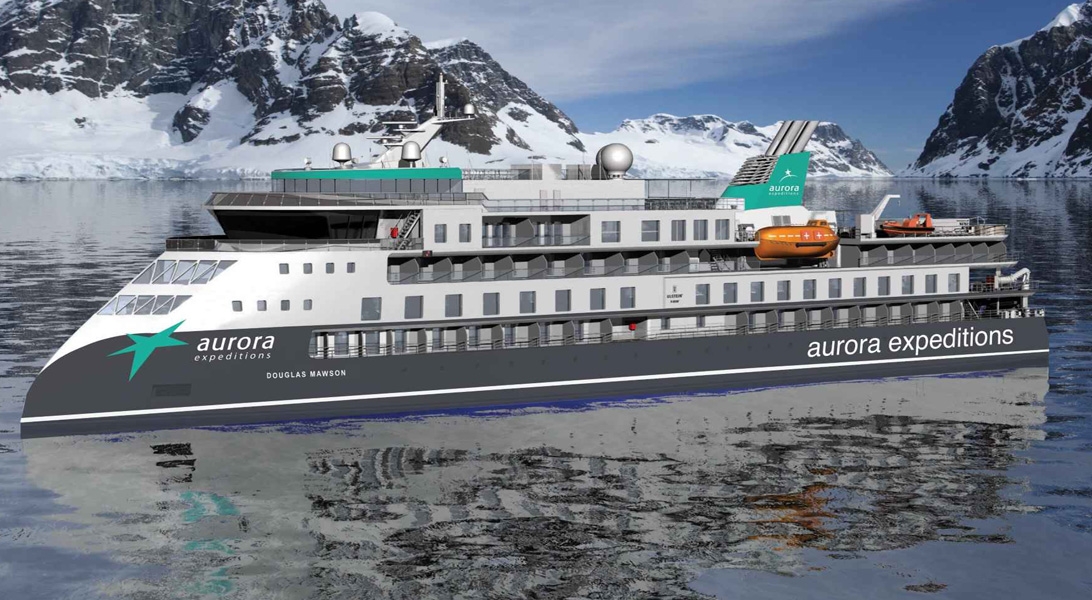
The images shown are for illustration purposes only and may not be an exact representation of what you find on the ship.
The images shown are for illustration purposes only and may not be an exact representation of what you find on the ship.
The images shown are for illustration purposes only and may not be an exact representation of what you find on the ship.
The images shown are for illustration purposes only and may not be an exact representation of what you find on the ship.
The images shown are for illustration purposes only and may not be an exact representation of what you find on the ship.


Our Fusion packages are all ABTA & ATOL protected ensuring that your booking is safe with us
| 12 nights aboard the Douglas Mawson | |||
| Fully-serviced accommodation in your chosen stateroom | |||
| An informative and entertaining lecture program by our team of experts | |||
| Complimentary 3-in-1 polar jacket and the use of gumboots | |||
| Entry fees to historic or tourist sites | |||
| Daily shore excursions, guided walks, Zodiac cruises and some activities | |||
| Daily breakfast, lunch and dinner including house wines, beers and soft drinks and afternoon tea and snacks | |||
| Complimentary use of fitness centre | |||
| Comprehensive pre-departure information kit and destination resource guide | |||
| Captain’s Welcome and Farewell Cocktail Reception including four-course dinner, house cocktails, house beer and wine, non-alcoholic beverages | |||
| Complimentary access to onboard medical doctor or clinic, if required | |||
| An experienced team of destination specialists and activity leaders | |||
| Pre-dinner cocktail hour including cold canapes and bar snacks | |||
| Photographic voyage log (post-voyage) | |||
| Port Taxes and Fees | |||
 | ABTA and ATOL Protection* | ||
Date 10th May 2027 |
Nts 12 |
Oceanview £5,548pp |
Balcony £6,348pp |
Suite £8,898pp |
Date 10th May 2027 |
Nts 12 |
Oceanview £5,548pp |
Balcony £6,348pp |
Suite £8,898pp |
| Oceanview staterooms from | £5,548pp | ||
| AS2D | Aurora Stateroom Twin Share | £5,548pp | |
| SASD | Aurora Stateroom Superior | £5,898pp | |
| Balcony staterooms from | £6,348pp | ||
| BSAD | Balcony Stateroom Category A | £6,848pp | |
| BSBD | Balcony Stateroom Category B | £6,348pp | |
| BSCD | Balcony Stateroom Category C |  | |
| SBSD | Balcony Stateroom Superior | £7,448pp | |
| Suite staterooms from | £8,898pp | ||
| JSD | Junior Suite | £8,898pp | |
| CSD | Captain Suite | £10,148pp | |
Fusion Holidays when selling travel arrangements is a trading name of Co-op Travel Services Limited, registration 08903986. Fusion Cruises is an Accredited Body Member of Co-op Travel Services Limited ATOL 12904.
Book with Confidence. We are a Member of ABTA which means you have the benefit of ABTA’s assistance and Code of Conduct.
Some of the flights and flight-inclusive holidays on this website are financially protected by the ATOL scheme but ATOL protection does not apply to all holiday and travel services offered on this website. This website will provide you with information on the protection that applies in the case of each holiday and travel service offered before you make your booking. If you do not receive an ATOL Certificate then the booking will not be ATOL protected. If you do receive an ATOL Certificate but all parts of your trip are not listed on it, those parts will not be ATOL protected. Please see our booking conditions for information, or for more information about financial protection and the ATOL Certificate go to: www.caa.co.uk