This site uses cookies as defined in our Cookie Policy, by continuing to use this site you agree to their use.
Continue

Welcome to Aurora Expeditions’ Sailing the ‘Med’: A Mediterranean Feast
Sailing in the wake of historical trade routes, we cross a sea brimming with traditional fare. In eras where olive oil was liquid gold and wine favoured over water; the goods traded on these shores established rituals and lifestyles. From the coastal kitchens of Malta and Sicily we sail the seas to the island treasure troves of Sardinia, Corsica, Menorca and Mallorca, before finding the Spanish coast at Valencia and following the Iberian Peninsula to Morocco and onto Portugal. Along the way, we journey to ce... ntury-old farmhouses, traditional fishing villages, world-class wineries and woodfired kitchens as we immerse ourselves in the culture, traditions and cuisines of the communities who ensure their homeland remains a treasure waiting to be tasted.
| Arrive | Depart | ||||||
| 19th19 | MayMay | 202727 | Valletta, Malta, embark on the Douglas Mawson | ||||
Malta's capital, the minicity of Valletta, has ornate palaces and museums protected by massive fortifications of honey-color limestone. Houses along the narrow streets have overhanging wooden balconies for people-watching from indoors. Generations ago they gave housebound women a window on the world of the street. The main entrance to town is through the City Gate (where all bus routes end), which leads onto Triq Repubblika (Republic Street), the spine of the grid-pattern city and the main shopping street. Triq Mercante (Merchant Street) parallels Repubblika to the east and is also good for strolling. From these two streets, cross streets descend toward the water; some are stepped. Valletta's compactness makes it ideal to explore on foot. City Gate and the upper part of Valletta are experiencing vast redevelopment that includes a new Parliament Building and open-air performance venue. The complex, completed mid-2013, has numerous pedestrian detours in place along with building noise and dust. Before setting out along Republic Street, stop at the tourist information office on Merchant Street for maps and brochures. Welcome to Malta. On arrival at Valletta Airport make your way to the Arrivals Hall to meet our representative, followed by a transfer to our group hotel. At the hotel, visit our hospitality desk in the lobby to meet our team who will provide you with useful information regarding pre-embarkation procedures and about your time in Valletta. You will also receive cabin tags for your luggage. Please clearly label the tags with your name and your cabin number on the ship. Join us tonight for a Welcome Reception to begin our journey. Accommodation: Corinthia Hotel (or similar) Meals: Breakfast, Welcome Reception (drinks and canapés) Note: To attend our Welcome Reception, please ensure your flight lands in Malta prior to 2:00pm. | |||||||
| 20th20 | MayMay | 202727 | Valletta, Malta | ||||
Malta's capital, the minicity of Valletta, has ornate palaces and museums protected by massive fortifications of honey-color limestone. Houses along the narrow streets have overhanging wooden balconies for people-watching from indoors. Generations ago they gave housebound women a window on the world of the street. The main entrance to town is through the City Gate (where all bus routes end), which leads onto Triq Repubblika (Republic Street), the spine of the grid-pattern city and the main shopping street. Triq Mercante (Merchant Street) parallels Repubblika to the east and is also good for strolling. From these two streets, cross streets descend toward the water; some are stepped. Valletta's compactness makes it ideal to explore on foot. City Gate and the upper part of Valletta are experiencing vast redevelopment that includes a new Parliament Building and open-air performance venue. The complex, completed mid-2013, has numerous pedestrian detours in place along with building noise and dust. Before setting out along Republic Street, stop at the tourist information office on Merchant Street for maps and brochures. Sitting in the centre of the Mediterranean, Malta boasts unbeatable location, location, location. It's sunny charm and island lifestyle have made it a modern-day summer holiday destination, but historically, its strategic position has made it a target for invaders. The Maltese people, known for their convivial and family-oriented nature, have a long history of defending their homeland, from ancient Greek sieges to Napoleon’s forces. Their remarkable bravery during World War II, particularly during the Second Siege of Malta, earned the nation the George Cross from King George VI. This honour is proudly displayed on the Maltese flag and coat of arms, symbolising their enduring spirit and resilience. Our morning is spent in Maltas’ celebrated capital, Valletta, which remains a historical city with streets of fascinating sites telling more than their fair share of stories. Our local guide tells tales of the past and present at the Barrakka Gardens where we gain a perspective of the city’s harbour from a naval point of view before exploring the Grand Masters Palace and Armoury, where we uncover an impressive collection gathered by The Knights of St John, while the multimedia show, Malta Experience, places thousands of years of Malta into perspective. Your afternoon is free to stroll the streets of Valletta at your own pace, before boarding the Douglas Mawson. This evening, we gather for a ‘Welcome Dinner’ where we meet our Aurora Expeditions team and crew. | |||||||
| 20th20 | MayMay | 202727 | Valletta, Malta | ||||
Malta's capital, the minicity of Valletta, has ornate palaces and museums protected by massive fortifications of honey-color limestone. Houses along the narrow streets have overhanging wooden balconies for people-watching from indoors. Generations ago they gave housebound women a window on the world of the street. The main entrance to town is through the City Gate (where all bus routes end), which leads onto Triq Repubblika (Republic Street), the spine of the grid-pattern city and the main shopping street. Triq Mercante (Merchant Street) parallels Repubblika to the east and is also good for strolling. From these two streets, cross streets descend toward the water; some are stepped. Valletta's compactness makes it ideal to explore on foot. City Gate and the upper part of Valletta are experiencing vast redevelopment that includes a new Parliament Building and open-air performance venue. The complex, completed mid-2013, has numerous pedestrian detours in place along with building noise and dust. Before setting out along Republic Street, stop at the tourist information office on Merchant Street for maps and brochures. | |||||||
| 21st21 | MayMay | 202727 | Porto Empedocle, Italy | ||||
Sailing towards the southern shoreline of Sicily, we arrive at Porto Empedocles. Our ‘Your Choice’ experiences offer a choice of two engaging options this morning. Choose to join a guided tour of the Valley of the Temples, where you will explore the rich history and fascinating lifestyles of Sicily’s ancient residents. Alternatively, head inland to a family-owned winery to discover the centuries-old significance of wine production on the island and enjoy a tasting of local wines. Personalise your exploration with our included ‘Your Choice’ experiences. Option 1 - Morning experience: Agrigento – The Valley of the Temples A highlight of any visit to Sicily, Agrigento, or the Valley of the Temples as it is known, is an archaeological gem. The site brings to life the stories of the people who lived, loved and died here, dating as far back as the 6th century BCE. “One of the wealthiest colonies in Greece”, the city thrived around 2,500 years ago, with an economy based on produce from the rich surrounding land and the trade routes from Greece. Its impressive ruins attract travellers from around the world. Option 2 - Morning experience: Sicilian Wine Tasting For those who would prefer a relaxing afternoon, this winery visit is ideal. The southern Sicilian countryside is scattered with wineries owned and operated by families. Inland from Port Empedocles, surrounded by lush olive and almond groves with wheat fields stretching around them, each winery benefits from Sicily’s unique soil, which is enriched by volcanic ash and Mediterranean minerals. Wine has long been a cornerstone of Sicily’s economy, dating back to ancient times when the island was a major wine producer for the Roman Empire. During your visit, you will tour the winery and learn about traditional winemaking methods that have evolved over centuries. Following the tour, enjoy a tasting session featuring wines paired with local snacks that highlight regional flavours. This experience offers a genuine taste of Sicily’s vinous heritage and provides insight into the island’s deep-rooted winemaking culture, all while soaking in the natural beauty of the region. | |||||||
| 22nd22 | MayMay | 202727 | Trapani, Sicily, Italy | ||||
Trapani, the most important town on Sicily’s west coast, lies below the headland of Mount Erice and offers stunning views of the Egadi Islands on a clear day. Trapani’s Old District occupies a scimitarshaped promontory between the open sea on the north and the salt marshes to the south. The ancient industry of extracting salt from the marshes has recently been revived, and it is documented in the Museo delle Saline. In addition to the salt marshes,Trapani’s other interesting environs include the beautiful little hill town of Erice, the promontory of Capo San Vito stretching north beyond the splendid headland of Monte Cofano, the lovely island of Motya and the town of Marsala. Trips farther afield will take you to the magnificent site of Segesta or the Egadi Islands, reached by boat or hydrofoil from Trapani Port. We sail south to Sicily to discover the land that gave the world The Godfather, Italian cinema and true Italian food. Considered by many mainland Italians to be ‘the poorer cousin’, Sicilian life encompasses a wealth worth more than any bank account - one of dedication to family, faith and food. Governed over centuries by an enviable list of European powerhouses, Sicily established a stoic personality early. Its determined, steadfast people are Sicilian first, and Italian second. Proud and passionate, they speak of their island's history as if it happened only yesterday. The ancient port town of Trapani acts as a gateway to two exceptional experiences. The choice, as always, is yours. Personalise your exploration with our included ‘Your Choice’ experiences Option 1 - Morning experience: The Medieval Gem of Erice The fortified settlement of Erice is one of Sicily’s gems. Despite dating back to the time of the Phoenicians, it was the Romans who made Erice a place of pilgrimage, as they believed the hilltop to be the home of the Goddess Venus. Enclosed by city walls, Erice has the appeal of a medieval town. With our guide we step into the past as we stroll the narrow alleyways of its town centre, browse its traditional shop fronts and explore its streets. Our afternoon is free to explore the old town of Trapani, which is surrounded by its 16th century walls, or enjoy some relaxation shipside. Option 2 - Morning experience: A Taste of Marsala Discover the rich history of Marsala, Sicily’s iconic fortified wine, on a visit to Cantine Florio. Marsala gained international fame in the 18th century when English merchants began importing the wine to Britain, sparking its global reputation. Founded in 1833 by Vincenzo Florio, a visionary Sicilian entrepreneur, Cantine Florio set a new standard for quality, quickly becoming a leader in Marsala production. During our guided tour, explore the historic cellars where centuries of craftsmanship are preserved in vast oak barrels and atmospheric stone halls. Learn about the Florio family’s legacy and their role in shaping Italian industry and culture. After the tour, enjoy a guided tasting of Cantine Florio’s finest Marsala wines, each reflecting the depth and elegance of this unique tradition. This experience offers a perfect blend of history, heritage, and flavour in one of Sicily’s most storied wine estates. | |||||||
| 23rd23 | MayMay | 202727 | At Sea | ||||
| 24th24 | MayMay | 202727 | Olbia, Italy | ||||
Amid the resorts of Sardinia's northeastern coast, Olbia, a town of about 60,000, is a lively little seaport and port of call for mainland ferries at the head of a long, wide bay.San SimplicioOlbia's little Catholic basilica, a short walk behind the main Corso Umberto and past the train station, is worth searching out if you have any spare time in Olbia. The simple granite structure dates from the 11th century, part of the great Pisan church-building program, using pillars and columns recycled from Roman buildings. The basilica has a bare, somewhat somber interior, its three naves separated by a series of arches. Following Sardinia’s eastern seaboard, we reach the coastal city of Olbia in time to enjoy your favourite ‘Your Choice’ experience, before an afternoon free in Olbia. Perched on Sardinia’s northeastern coast, Olbia has been a crucial Mediterranean trading port linking the island to mainland Italy for centuries. Today, it serves as the vibrant gateway to the well-named Costa Smeralda, a stretch of dazzling beaches, hidden coves and exclusive marinas. From bustling harbour to stylish seaside playground, Olbia bridges Sardinia’s rich trading past with its glamorous present, welcoming visitors to explore one of the Mediterranean’s most coveted coastlines. Personalise your exploration with our included ‘Your Choice’ experiences. Option 1 – Morning experience: A Taste for Sardinia’s Wines Enjoy a hosted vineyard tour that blends tradition with sustainability. Explore an Olbian vineyard under the Sardinian sun and learn about their integrated farming methods that eschew herbicides in favor of low-impact treatments. During your visit, you will enjoy a guided tour of the winery and an introduction to the Vermentino grape, a cornerstone of Sardinian winemaking famed for its crisp, aromatic wines. Enjoy a tasting of these renowned wines alongside a variety of Sardinian snacks. Savour the Vermentino’s bright acidity, citrus notes, and subtle minerality, which are perfectly complemented by the traditional Sardinian bread. This tour offers an immersive dive into Sardinian wine culture, enriched by the island’s distinctive climate and soil. Note: Excurison times are subject to opening times Option 2 – Half day experience: The Maddalena Archipelago We join a 30-minute road transfer to the coastal town of Palau, where we exchange the comfort of our ship for the coves and bays of northern Sardinia, boarding mid-sized boats to explore the Maddalena Archipelago, a protected cluster of islands known for its clear turquoise seas, and sculpted granite landscapes. Scattered across these waters, the islands are a haven of coves and bays. Cruising between them, we pause to swim and snorkel straight from the boat in some of the Mediterranean’s clearest waters, where the visibility often reveals colourful fish darting between the rocks below. If we are fortunate, we may even encounter local pods of bottlenose dolphins, occasionally seen gliding through these waters. With time to relax, take in the scenery, and simply enjoy the moment, this is a day shaped by Sardinia’s natural beauty, best experienced from the sea. | |||||||
| 25th25 | MayMay | 202727 | Bonifacio, Corsica, France | ||||
Located in the South of Corsica, Bonifacio is one of the island’s most beautiful destinations. From its breathtaking views and sandy white islands to its historic citadel, the city is a must visit for anyone travelling to the island. Although his parents sent him to military college on the mainland before he turned ten, Napoleon Bonaparte famously declared that to know Corsica ‘is to be born there.’ A land of vertical granite cliffs and craggy bays, Corsica is a slice of France with a twist. Passed between the powers of Pisa, Genoa and France, even its language is a combination of Italian, spoken in a Tuscan dialect, and Latin. Corsica’s strategic location has it firmly within the realms of trade, and few of its towns were as commercially important as Bonifacio, located at its southern tip. Our ‘Your Choice’ experiences offer a relaxing or active approach to Bonifacio with your afternoon free to explore solo. A complimentary shuttle will be available for those who wish to return to, or linger in, Bonifacio’s citadel old town and soak up a little more of its unmistakable Corsican charm. Personalise your exploration with our included ‘Your Choice’ experiences Option 1 - Morning experience: Bonifacio Thanks to its stunning natural setting, the ancient fortress town of Bonifacio has attracted travellers for centuries. Protected by vast chalk walls, the town stretches along a narrow promontory, supported by orange-hued limestone cliffs that have been hollowed out by centuries of pounding waves. We join our guide for a tour of the tangled medieval alleyways of the Bosco quarter in search of traditional wares. We spend time at the 14th century St. Francis convent, where we find an ancient cemetery dedicated to mariners, and St. Dominique, a church built in 1270 by the Kings Templar. Our tour takes us through tiny, narrow streets flanked by traditional houses. This ancient trading port’s facades and streets tell fascinating tales of pirates and sieges, among them the 12th century St. Marie Majeure Church, which sits above an underground cistern that was a source of water during times of siege. We visit a house that hosted Emperors Napoleon Bonaparte and Charles V on the aptly named Two Emperors Road, and we visit the Chapel of St. Roch, built on the spot where the last victim of the plague, died in 1528, a plague that decimated the island. This experience returns to the ship around midday. Should you wish to linger longer in this hilltop wonder, or enjoy lunch onboard before returning to explore further, a town to ship shuttle will operate this afternoon. Option 2 - Morning experience: Bonifacio’s Cliffside Stradavecia Path Rising high above the sea, all but sculptured limestone cliffs of Bonifacio are among the most dramatic in the Mediterranean, and there is no better way to experience them than on foot. Following a 5-6 kilometres one-way section of the Stradavecia Path, we trace the old route linking the harbour to the heights above, revealing the town from a constantly shifting perspective. The path winds through low Mediterranean vegetation and along the cliff edge, with sweeping views over the marina and out across the Strait towards Sardinia. As we ascend towards La Madonetta lighthouse, Bonifacio unfolds below; its harbour, citadel, and sheer cliffs coming into full view, offering a striking sense of place shaped by both landscape and history. Your afternoon is free to relax onboard or explore Bonifacio's citadel or old town, where views open unexpectedly across the Strait of Bonifacio, with Sardinia visible on the horizon. As you wander past ancient churches, weathered façades, and quiet squares, you’ll gain a sense of daily life in Corsica’s most picturesque town. Alternatively, return to the marina and enjoy the waterfront atmosphere before the ship sails in the early evening. | |||||||
| 26th26 | MayMay | 202727 | At Sea | ||||
| 27th27 | MayMay | 202727 | Mahón, Menorca, Spain | ||||
The capital of Menorca since 1721, Mahon has a impressive natural deep water harbour, which is one of the largest in the world. This, coupled with its strategic location, has made it a stronghold for many nations throughout history. Mahon has an abundance of historical buildings, the oldest being the Arch of Saint Roc which is all that remains of the wall that once encircled the whole town. The island was occupied by the British during the 18th century and Lord Nelson is thought to have stayed there. Indeed, San Antoni Mansion, located on the north side of the harbour, houses a collection of Nelson memorabilia. The legacy of colonial rule can be seen in the muted Georgian style of some of the buildings, but Mahon still boasts attractive examples of neo-Classical, Baroque and Romanesque architecture. With narrow streets to explore, pleasant shaded squares and welcoming pavement cafés, there is something for everyone to enjoy. Please be aware that most shops in town close for a siesta between 1330 and 1730. The heart of this easternmost Balearic Island beats to its own drum – albeit a mellow one. Over 210 kilometres (130 miles) of sandy beaches, fjord-style calas and crescent shaped coves, protect a rural inland crisscrossed by some 64,373 kilometres (40,000 miles) of stone walls and farms. Unlike the neighbouring island of Mallorca, nightlife is non-existent in Menorca. Instead, you will find handicraft industries such as costume jewellery, leatherwork, dairy farming and Menorcan horse centres popular among locals and tourists. After a century of British rule, Menorca was handed to Spain in 1802, yet the British influence remains. Not only is this evident in some of Menorca’s architecture but in its drinking culture too, as the island is believed to be the first place to produce gin in the Mediterranean. Aurora’s ‘Your Choice’ experiences showcase the island’s capital and the coastal wonder of Ciutadella. Personalise your exploration with our included ‘Your Choice’ experiences. Option 1 - Morning experience: Mahón and its Traditional Gin Begin with a brief introductory tour of Mahón with a local guide before heading to one of Menorca's renowned Gin Distilleries. On Menorca, gin isn’t just a drink — it’s part of the island’s cultural identity. Introduced during the 18th-century British occupation, gin-making has remained a proud tradition for over 300 years, supported by the island’s abundant wild juniper. At the distillery, we’ll see how this iconic spirit is still crafted using age-old methods. known as Gin Xoriguer, the Mahón brewed, version of the “conventional” Gin. Typically, tasted with lemonade in a cocktail known as “pomade” it is a staple for any local celebration. We’ll learn about the island’s gin production before tasting a sample or two. Option 2 - Morning experience: The City of Ciutadella This excursion offers an authentic glimpse into the rural lifestyle of Menorca, with a visit to the historic market town of Ciutadella. Once the island’s capital, Ciutadella is known for its elegant architecture, narrow stone streets, and deep-rooted traditions. We’ll take a brief guided walk through the old town, where Gothic churches, baroque palaces, and centuries-old plazas speak to its rich past. You'll learn about the city's connection to the lively festivities of Sant Joan, a beloved local celebration filled with music, horses, and centuries of ritual. After our walk, enjoy free time to explore at your own pace, perhaps browse local shops, sample Menorcan pastries at a café, or simply soak in the atmosphere of this proud and picturesque town before continuing your journey into Menorca’s quieter countryside. | |||||||
| 28th28 | MayMay | 202727 | Palma de Mallorca, Spain | ||||
If you look north of the cathedral (La Seu, or the seat of the bishopric, to Mallorcans) on a map of the city of Palma, you can see around the Plaça Santa Eulàlia a jumble of tiny streets that made up the earliest settlement. Farther out, a ring of wide boulevards traces the fortifications built by the Moors to defend the larger city that emerged by the 12th century. The zigzags mark the bastions that jutted out at regular intervals. By the end of the 19th century, most of the walls had been demolished; the only place where you can still see the massive defenses is at Ses Voltes, along the seafront west of the cathedral.A torrent (streambed) used to run through the middle of the old city, dry for most of the year but often a raging flood in the rainy season. In the 17th century it was diverted to the east, along the moat that ran outside the city walls. Two of Palma's main arteries, La Rambla and the Passeig d'es Born, now follow the stream's natural course. The traditional evening paseo (promenade) takes place on the Born.If you come to Palma by car, park in the garage beneath the Parc de la Mar (the ramp is just off the highway from the airport, as you reach the cathedral) and stroll along the park. Beside it run the huge bastions guarding the Almudaina Palace; the cathedral, golden and massive, rises beyond. Where you exit the garage, there's a ceramic mural by the late Catalan artist and Mallorca resident Joan Miró, facing the cathedral across the pool that runs the length of the park.If you begin early enough, a walk along the ramparts at Ses Voltes from the mirador beside the cathedral is spectacular. The first rays of the sun turn the upper pinnacles of La Seu bright gold and then begin to work their way down the sandstone walls. From the Parc de la Mar, follow Avinguda Antoni Maura past the steps to the palace. Just below the Plaça de la Reina, where the Passeig d'es Born begins, turn left on Carrer de la Boteria into the Plaça de la Llotja (if the Llotja itself is open, don't miss a chance to visit—it's the Mediterranean's finest Gothic-style civic building). From there stroll through the Plaça Drassana to the Museu d'Es Baluard, at the end of Carrer Sant Pere. Retrace your steps to Avinguda Antoni Maura. Walk up the Passeig d'es Born to Plaça Joan Carles I, then right on Avenida de La Unió. An autonomous region of Spain, the economy of the Balearic Islands has ebbed and flowed in line with the waters to which they owe their fame. Recent years have brought an influx of tourists on flight inclusive packages and Europeans seeking an ‘expat’ lifestyle on a budget. But there is more to these islands than a suntan and a smile. Their history paints a portrait of brave islanders defending their lands from far more sizeable empires. The Carthaginians, Romans, Byzantines, Arabs, British and Spanish have all left their mark, gifting this eclectic archipelago a story waiting to be told. We spend the morning on a ‘Your Choice’ experience, with a complimentary town to ship-shuttle for those wishing to linger in Palma longer, before sailing west to the Spanish coast mid-afternoon. Personalise your exploration with our included ‘Your Choice’ experiences Option 1 – Morning experience: The Moors of Mallorca Explore Palma’s majestic Moorish royal precinct on foot with a locally guided tour. Begin at the Palacio Real de la Almudaina, a stunning blend of Moorish, Gothic, and Renaissance architecture. Originally a Moorish fortress, it became the residence of Catholic Monarchs like Ferdinand and Isabella. Today, it serves as a royal residence when the Spanish royal family visits. Next, head next door to the magnificent Cathedral of La Seu, an iconic Gothic masterpiece overlooking the sea. Enhanced by Antoni Gaudí, it stands as a symbol of Mallorcan pride. Return to the ship for lunch or linger longer in Palma’s vibrant capital. Option 2 - Morning experience: The Best of Oils Olive oil, a cornerstone of Spanish cuisine, is produced with exceptional quality on the island of Mallorca. Revered as "liquid gold" by early traders, Mallorca's organic olive oil has recently become a hallmark of the island. This morning, we delve into the rich history and modern importance of this essential ingredient, exploring its impact on Mallorcan traditions, lifestyle, and economy. At a local olive oil farm, our host will guide us through the production process, sharing the fascinating story of this prized fruit. We’ll gain insights into every aspect of olive oil before savouring its exquisite flavours firsthand. | |||||||
| 29th29 | MayMay | 202727 | Valencia, Spain | ||||
Valencia, Spain's third-largest municipality, is a proud city with a thriving nightlife and restaurant scene, quality museums, and spectacular contemporary architecture, juxtaposed with a thoroughly charming historic quarter, making it a popular destination year in year out. During the Civil War, it was the last seat of the Republican Loyalist government (1935–36), holding out against Franco’s National forces until the country fell to 40 years of dictatorship. Today it represents the essence of contemporary Spain—daring design and architecture along with experimental cuisine—but remains deeply conservative and proud of its traditions. Though it faces the Mediterranean, Valencia's history and geography have been defined most significantly by the River Turia and the fertile huerta that surrounds it.The city has been fiercely contested ever since it was founded by the Greeks. El Cid captured Valencia from the Moors in 1094 and won his strangest victory here in 1099: he died in the battle, but his corpse was strapped into his saddle and so frightened the besieging Moors that it caused their complete defeat. In 1102 his widow, Jimena, was forced to return the city to Moorish rule; Jaume I finally drove them out in 1238. Modern Valencia was best known for its frequent disastrous floods until the River Turia was diverted to the south in the late 1950s. Since then the city has been on a steady course of urban beautification. The lovely bridges that once spanned the Turia look equally graceful spanning a wandering municipal park, and the spectacularly futuristic Ciutat de les Arts i les Ciències (City of Arts and Sciences), most of it designed by Valencia-born architect Santiago Calatrava, has at last created an exciting architectural link between this river town and the Mediterranean. If you're in Valencia, an excursion to Albufera Nature Park is a worthwhile day trip. Valencia's Islamic legacy extends beyond its architectural wonders. It remains entrenched in the soul of the city and its inhabitants. It is reflected in how Valencians live; in the jargon they use and in place names scattered throughout the region. The city's story is one of conquest upon conquest. The home of the mythical El Cid Valencia was a Moorish town, having capitulated without bloodshed, but with the arrival of the Christian armies its story changed, and it was heavily involved in La Reconquista. Our ‘Your Choice’ experiences each immerse us in the culture and flavours of this historic region, with your afternoon free to explore the city further at your own pace. Personalise your exploration with our included ‘Your Choice’ experiences Option 1 – Morning experience: The Story of Valencia Join our walking tour of central Valencia to explore the city’s heart. This tour highlights the city’s eclectic history, with an emphasis on the 500 years of Islamic rule, and La Reconquista – which ended it all. We visit the one of the city’s central piazza’s where we gain an insight into the political and social life of Valencia, before passing through Portal de Valldigna, an entrance to the former Moorish quarter, where we step back in time. It was here that Islamic textiles forged the foundation of a prosperous trade, which became the cornerstone of the Christian city in the 15th century. We visit La Lonja de la Seda de Valencia (The Silk Exchange), which boasts UNESCO World Heritage status. Built between 1482 and 1533, this group of buildings was originally used for trading in silk. They are a masterpiece of late-Gothic architecture, illustrating the power and wealth of Valencia’s Christian merchants whose wealth funded the city’s most famous landmark – the Valencia Cathedral. Filled with treasures, the cathedral houses a chalice believed to be the Holy Grail. Option 2 - Morning experience: A Morning at the Mercado Central Join your local guide on a visit to the vibrant heart of Valencia at the Mercado Central, one of Europe’s largest and most beautiful fresh food markets. Celebrating its 100th anniversary, this Modernist masterpiece opened in 1928 and still serves its original purpose—offering top-quality meat, fish, fruit, and vegetables to locals and visitors alike. Beneath its stunning wrought-iron and stained-glass roof, over 950 stalls bustle with life and flavour. Expect classic Spanish fare like jamón ibérico, Manchego cheese, olives, chorizo, and fresh seafood. The market stands on a site where traders have gathered for over 1,000 years, dating back to Muslim rule. Its architecture rivals Valencia’s finest, including La Lonja, and its cultural significance is immense. A recent push to pedestrianise the surrounding area is making it even more accessible. Whether you're shopping, tasting, or simply admiring, Mercado Central offers a feast for the senses and a deep connection to Valencia’s rich culinary heritage. | |||||||
| 30th30 | MayMay | 202727 | At Sea | ||||
| 31st31 | MayMay | 202727 | Málaga, Spain | ||||
As you sail into Malaga you will notice what an idyllic setting the city enjoys on the famous Costa del Sol. To the east of this provincial capital, the coast along the region of La Axarqua is scattered with villages, farmland and sleepy fishing hamlets - the epitome of traditional rural Spain. To the west stretches a continuous city where the razzmatazz and bustle creates a colourful contrast that is easily recognisable as the Costa del Sol. Surrounding the region, the Penibéetica Mountains provide an attractive backdrop overlooking the lower terraced slopes which yield olives and almonds. This spectacular mountain chain shelters the province from cold northerly winds, giving it a reputation as a therapeutic and exotic place in which to escape from cold northern climes. Malaga is also the gateway to many of Andalusia's enchanting historic villages, towns and cities. Although very much a modern-day city, the apartment blocks and ‘expat’ clubs of Málaga and the Costa del Sol hide an undercurrent of ancient traditions. Long before beach bars and resorts, this coastline was part of Al-Andalus, ruled by the Moors for nearly eight centuries. Their legacy runs deep, visible in the arches of the Alcazaba, the layout of the old town, and the way the city seemingly harbours something older beneath its surface, steady and enduring. Our ‘Your Choice’ experiences today range from an introduction to Málaga's historic landmarks and vibrant Atarazanas Market, to a more active exploration of the city, including a walk from the ship to Málaga's crowning glory, the Gibralfaro Castle. Personalise your exploration with our included ‘Your Choice’ experiences Option 1 – Morning experience: Málaga and the Atarazanas Market Beginning at Málaga's waterfront, this introductory walk reveals the story of a city shaped by trade, faith and the sea. Following broad promenades and atmospheric streets through the historic centre, you'll discover how successive cultures left their mark on one of the Mediterranean's great port cities. A visit to the magnificent Cathedral, affectionately known as La Manquita or "the one-armed lady", brings to life Málaga's transformation from an Islamic trading port to a flourishing Christian city. Continuing through elegant squares and bustling thoroughfares, the tour ends at the vibrant Atarazanas Market, housed within a striking iron-and-glass hall that incorporates a surviving Moorish gateway from the city's past. Beneath its colourful stained-glass window, stalls overflow with fresh seafood, fruits, spices and local delicacies. Linger longer to browse and sample the flavours of Andalucía or return to the ship for lunch, with your afternoon free to enjoy the city at your own pace. Option 2 – Morning experience: Gibralfaro Castle trail Perched high above Málaga, the mighty Gibralfaro Castle has watched over the city and its harbour for more than six centuries. A short drive brings us to this commanding fortress, where we’ll explore its courtyards, towers and impressive battlements. Built in the 14th century to strengthen the city's defences and protect the Alcazaba below, Gibralfaro played a pivotal role during the siege of Málaga in 1487, when Christian forces battled to wrest the city from Moorish rule. From its ramparts, enjoy sweeping views across the old town, cathedral, port and Mediterranean beyond. We join our local guide for a downhill walk of approximately 3 km (1.9 miles), leading us into the heart of Málaga. Descending the slopes of Mount Gibralfaro, we trace the story of a city shaped by successive civilisations, from its Islamic heritage to its emergence as a prosperous Mediterranean trading port. Our tour pauses at Plaza del Obispo for views of Málaga Cathedral before continuing to Plaza de la Constitución, the traditional heart of the city, where cafés spill onto the square. Choose to remain in the city or return to the ship with your guide. | |||||||
| 1st01 | JunJun | 202727 | Tangier, Morocco | ||||
Tangier can trace its origins back to the Phoenicians and ancient Greeks. It was named after Tinge, the mother of Hercules’ son, and its beginnings are embedded in mythology. It was subsequently a Roman province, and after Vandal and Byzantine influences, was occupied by the Arabs with Spain, Portugal, France and England also playing a part in the city’s history. With such a diverse past it is perhaps not surprising that Tangier is such an individual city. Overlooking the Straits of Gibraltar, the city lies on a bay between two promontories. With its old Kasbah, panoramic views, elegant buildings, squares and places of interest, there is much to discover in both the new and old parts of the city. After a night sailing the Spanish coast, we cross the straits of Gibraltar and cruise into Moroccan waters at a city located at the crossroads of Africa and Europe — Tangier. Unique among Moroccan cities, Tangier has a chequered past, offering one of Europe’s most tantalising stories. Designated an ‘International Zone’ in the early 20th century, Tangier harboured no taxes, no banking restrictions, no drug, censorship or morality laws. Attracting a mix of expat residents, it played house to everyone from eccentric British nobility to American authors, Franco’s civil army to Nazi spies, while it awaited its inclusion in the post-war nation of Morocco. Stories of illicit affairs, underworld deals, and espionage abound in this city, which remains as colourful as its history suggests. Our ‘Your Choice’ experiences highlight Morocco’s vibrant artisan revival, with guided visits to the medina in Tangier, or a chance to enjoy the culinary heritage of Tangier. For a more relaxed alternative, or for those wishing to ‘return to town’ a complimentary shuttle will take you from the ship to the centre of Tangier, where you can discover a gentler side of the city. Enjoy time at your leisure to sip mint tea in a local café, browse traditional craft shops, or take in the atmosphere at your own pace, before we sail north to Spain, in the early evening. Personalise your exploration with our included ‘Your Choice’ experiences Option 1 - Morning experience: Tangier Kasbah District and American Legation Museum We begin our journey at Tangier’s fabled Kasbah. Largely unchanged since Roman times, the Kasbah was the traditional residence of the Sultan and his harem and is now one of the most fashionable residential areas of Tangier. During a guided stroll, we discover the Grand Socco. This café-filled plaza serves as the gateway to Tangier´s medina and was once the haunt of Paul Bowles, William Burroughs and their Beatnik friends who gathered here to discuss life and literature while mingling among alleged spies and expats during the notorious time of international rule. Our next stop is at the American Legation. The first American public property outside the United States, the American Legation is now a museum that traces the history of the relationship between the US and Morocco. As one of the first countries to recognise America's independence, Morocco permitted the new United States government to establish a legation in Tangier in 1821. It is the only historical monument to have remained in American possession since the birth of the American nation. Among several displays here is a letter from George Washington to the Sultan Moulay Abdellah. Option 2 - Morning experience: A Taste of Tangier This ‘foodie’ tour of Tangier allows you to dive into the city’s culinary heritage. Tangier’s cuisine reflects a fascinating blend of Moorish and Spanish influences, with each bite telling a story of its past. From the Moorish tradition of intricate spice blends to Spanish elements like rich, savoury stews, and delicious colonial French deserts, the food here is a testament to the city’s eclectic past. Stroll through the historic M'sallah and the old town district, where narrow alleyways and traditional architecture set the stage. Taste local delights like caliente, stuffed dates, and bissara, each crafted with time-honoured techniques. As you visit bustling markets and interact with market sellers, your guide will reveal how these diverse cultural influences have shaped Tangier’s unique identity, while we snack like a true local. | |||||||
| 2nd02 | JunJun | 202727 | Cádiz, Spain | ||||
Believed to be the oldest town on the Iberian Peninsula, the Andalusian port of Cádiz enjoys a stunning location at the edge of a six-mile promontory. The town itself, with 3,000 years of history, is characterised by pretty white houses with balconies often adorned with colourful flowers. As you wander around be sure to take a stroll through the sizeable Plaza de Espãna, with its large monument dedicated to the first Spanish constitution, which was signed here in 1812. Cádiz has two pleasant seafront promenades which boast fine views of the Atlantic Ocean, and has a lovely park, the Parque Genoves, located close to the sea with an open-air theatre and attractive palm garden. Also notable is the neo-Classical cathedral, capped by a golden dome. Returning to Spain we reach the proud city of Cádiz, which sits at the mouth of the Guadalquivir River. As the gateway to the Mediterranean, it is touted as the oldest continuously inhabited settlement in Europe, with its dominant families claiming ancestry dating back to Roman times, when the city was called Ceret, and the wine produced was Vinum Ceretensis. From Phoenicians to Iberians, Romans to Moors, Cádiz had its fair share of invaders. It is no wonder its skyline is dotted with 120 watchtowers, including the 150-foot-tall Torre Tavira, used for spotting sails as they appeared on the horizon – often the first sign of the return of long-lost explorers. A Spanish naval base even today, it was off the coast of Cádiz at Cape Trafalgar where the British won the battle of the same name over Napoleon’s fleet, with the loss of Horatio Nelson. It was from Cádiz where Christopher Columbus set sail to discover the ‘new world’. And it was in Cádiz harbour where Sir Francis Drake sacked and burned so many ships that he delayed Spain’s attempt at invading England’s by at least a year and changed the course of world history. Personalise your exploration with our included ‘Your Choice’ experiences Option 1 – Midday experience: Historic Cádiz on the Tapas trail Join us at Cádiz's vibrant central market, a cornerstone of local life since the nineteenth century and one of Spain's oldest covered markets. Amid stalls laden with Atlantic seafood, seasonal produce, and regional specialities, we gain an introduction to the ingredients and traditions that define the city's cuisine before a tapas tour through the historic heart of Cádiz, where every bite tells a story shaped by sea, trade, and tradition. We weave through the whitewashed lanes of the Casco Antiguo, past sun-dappled plazas, baroque churches, and grand 18th-century merchant houses—reminders of Cádiz’s Golden Age, when riches from the Americas poured into its bustling port. Today, the city trades in flavours rather than silver, especially those of the sea. As we hop from tavern to tavern with our local guide, we enjoy delicacies that have fed Cádiz for millennia. Option 2 – Full-day experience: Andalusia’s Heart; Seville One and a half hours north of Cádiz lies Andalusia’s famed city of Seville. Our local guide tells a tale of Seville supported by a host of history’s famed conquerors, while Moorish influences join forces with tokens of Gothic, Renaissance, and baroque style added by later Christian kings, all with harmonious charm. Take in the sights that shape Seville’s unique character on an introductory driving tour, before exploring the city further on foot. Drive through the lively neighborhood of Triana, famous for flamenco, colorful houses, historic churches, and traditional pottery workshops, and see parts of the city built for the Universal Expositions of 1929 and 1992, including the striking Alamillo Bridge by Santiago Calatrava and the beautiful Plaza de España, where a short stroll lets you admire its grand pavilions and lush surroundings, before time at your leisure in Seville’s historic heart, where you can view its ‘walkable’ sites at your own pace (lunch own expense). | |||||||
| 3rd03 | JunJun | 202727 | Portimão, Portugal | ||||
Portimão is a major fishing port, and significant investment has been poured into transforming it into an attractive cruise port as well. The city itself is spacious and has several good shopping streets—though sadly many of the more traditional retailers have closed in the wake of the global economic crisis. There is also a lovely riverside area that just begs to be strolled (lots of the coastal cruises depart from here). Don’t leave without stopping for an alfresco lunch at the Doca da Sardinha ("sardine dock") between the old bridge and the railway bridge. You can sit at one of many inexpensive establishments, eating charcoal-grilled sardines (a local specialty) accompanied by chewy fresh bread, simple salads, and local wine. Set on the estuary of the Rio Arade, Portimão was a flourishing fishing village until only 30 years ago. Greeks, Phoenicians and Carthaginians all plied their trade but in the 11th century the Moors arrived, and Burj Munt as it became known, never looked back. A gateway to the fortified town of Silves and neighbour to a coast of classic, caved beaches, Portimão fishes for a different catch these days, with its marina home to a flotilla of gently bobbing yachts, and riverfront promenade host to casual cafes and bars. Our ‘Your Choice’ experiences today offer two distinct ways to explore the region. Choose a visit to the nearby hilltop town of Silves, accompanied by a winery visit and tasting. Alternatively, challenge yourself and take in sweeping coastal views along a portion of the Caminho dos Promontórios, for a magical morning on the Algarve, before sailing for Lisbon mid-afternoon. Personalise your exploration with our included ‘Your Choice’ experiences. Option 1 - Morning experience: Silves and Portuguese wine tasting Once the capital of the Algarve’s Moorish kingdom, Silves hosts us this morning with an introductory locally guided tour, and time to explore at our own pace. Silves is famous for its 11th century red sandstone Castelo de Silves, whose square turrets and impenetrable ramparts loom over the town from an immense orange grove. This impressive castle once formed part of the wall that encircled the city and was an important defence as the residence of the Moorish kings of the Al-Garb. From Silves, we take a short drive to the Quinta dos Vales estate for a Portuguese wine tasting experience. Surrounded by peaceful countryside, we’ll sample a variety of regional wines, which may include a crisp rosé, a viognier with light tropical notes, or a smooth red blend of cabernet sauvignon and trincadeira — all accompanied by local delicacies, offering a delicious glimpse into the flavours of the Algarve. Option 2 - Morning experience: Walking the Caminho dos Promontórios, Ferragudo to Praia dos Caneiros For those seeking to stretch their legs further along the Algarve's spectacular coastline, this moderately challenging 4km (2.5 mile) trail begins in the charming fishing village of Ferragudo and follows one of the most scenic sections of the famed Caminho dos Promontórios. Setting out along clifftop paths, we'll enjoy sweeping views of the Atlantic, hidden coves, golden beaches and the sculpted rock formations that have been shaped by wind, waves and time. Along the way, we'll discover traces of the region's maritime past, including coastal watchpoints once used to guard against pirate raids, while taking in some of the Algarve's most breathtaking seascapes. Our walk concludes at the beautiful Praia dos Caneiros, where golden sands meet crystal-clear waters beneath dramatic cliffs. Here, there will be time to relax, enjoy a refreshing swim, or simply soak up the scenery before returning to the ship. | |||||||
| 4th04 | JunJun | 202727 | Lisbon, Portugal | ||||
Set on seven hills on the banks of the River Tagus, Lisbon has been the capital of Portugal since the 13th century. It is a city famous for its majestic architecture, old wooden trams, Moorish features and more than twenty centuries of history. Following disastrous earthquakes in the 18th century, Lisbon was rebuilt by the Marques de Pombal who created an elegant city with wide boulevards and a great riverfront and square, Praça do Comércio. Today there are distinct modern and ancient sections, combining great shopping with culture and sightseeing in the Old Town, built on the city's terraced hillsides. The distance between the ship and your tour vehicle may vary. This distance is not included in the excursion grades. Lisbon, set along the broad waters of the River Tagus, became the launch point for Portugal’s Golden Age of Exploration. From this historic harbour, famed navigators like Vasco da Gama and Magellan sailed to chart new worlds, opening vital trade routes and bringing immense wealth to their homeland. That prosperity left its mark on the city through grand baroque buildings, ornate churches, and tiled pavements. But Lisbon’s story is also one of resilience. In 1755 a powerful earthquake, followed by tsunamis and fire, destroyed most of the city. What rose from the ruins is the Lisbon we see today, with graceful boulevards, elegant facades, and a vibrant waterfront that still echoes its maritime past. We bid the Douglas Mawson farewell. Our locally guided tour visits Belém, where the city's seafaring legacy is on full display. We’ll view the Monastery of Jerónimos, the striking Monument to the Discoveries, which honours Prince Henry the Navigator and his explorers, and the iconic Torre de Belém, a fortress that once guarded the entrance to the city for returning ships. Enjoy some free time in Lisbon’s charming city centre, perfect for wandering cobbled streets, travelling on one of its quirky trams, sampling local flavours, or simply soaking in the riverside views, before we transfer to our hotel for a final night in Portugal. Accommodation: Altis hotel Lisbon (or similar) Meals: Breakfast onboard | |||||||
| 5th05 | JunJun | 202727 | Lisbon, Portugal, disembark the Douglas Mawson | ||||
Set on seven hills on the banks of the River Tagus, Lisbon has been the capital of Portugal since the 13th century. It is a city famous for its majestic architecture, old wooden trams, Moorish features and more than twenty centuries of history. Following disastrous earthquakes in the 18th century, Lisbon was rebuilt by the Marques de Pombal who created an elegant city with wide boulevards and a great riverfront and square, Praça do Comércio. Today there are distinct modern and ancient sections, combining great shopping with culture and sightseeing in the Old Town, built on the city's terraced hillsides. The distance between the ship and your tour vehicle may vary. This distance is not included in the excursion grades. After breakfast, check-out of your hotel and transfer to the airport for your onward flight. Meals: Breakfast | |||||||
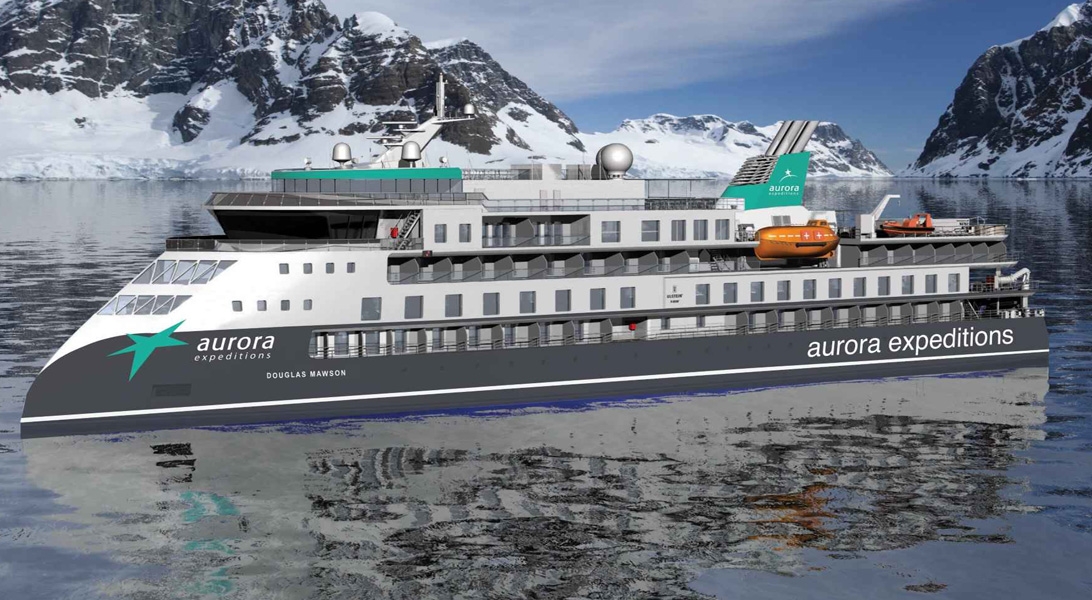
The images shown are for illustration purposes only and may not be an exact representation of what you find on the ship.
The images shown are for illustration purposes only and may not be an exact representation of what you find on the ship.
The images shown are for illustration purposes only and may not be an exact representation of what you find on the ship.
The images shown are for illustration purposes only and may not be an exact representation of what you find on the ship.
The images shown are for illustration purposes only and may not be an exact representation of what you find on the ship.


Our Fusion packages are all ABTA & ATOL protected ensuring that your booking is safe with us
| 17 nights aboard the Douglas Mawson | |||
| Fully-serviced accommodation in your chosen stateroom | |||
| An informative and entertaining lecture program by our team of experts | |||
| Complimentary 3-in-1 polar jacket and the use of gumboots | |||
| Entry fees to historic or tourist sites | |||
| Daily shore excursions, guided walks, Zodiac cruises and some activities | |||
| Daily breakfast, lunch and dinner including house wines, beers and soft drinks and afternoon tea and snacks | |||
| Complimentary use of fitness centre | |||
| Comprehensive pre-departure information kit and destination resource guide | |||
| Captain’s Welcome and Farewell Cocktail Reception including four-course dinner, house cocktails, house beer and wine, non-alcoholic beverages | |||
| Complimentary access to onboard medical doctor or clinic, if required | |||
| An experienced team of destination specialists and activity leaders | |||
| Pre-dinner cocktail hour including cold canapes and bar snacks | |||
| Photographic voyage log (post-voyage) | |||
| Port Taxes and Fees | |||
 | ABTA and ATOL Protection* | ||
Date 19th May 2027 |
Nts 17 |
Oceanview £7,798pp |
Balcony £8,398pp |
Suite £11,748pp |
Date 19th May 2027 |
Nts 17 |
Oceanview £7,798pp |
Balcony £8,398pp |
Suite £11,748pp |
| Oceanview staterooms from | £7,798pp | ||
| AS2D | Aurora Stateroom Twin Share |  | |
| SASD | Aurora Stateroom Superior | £7,798pp | |
| Balcony staterooms from | £8,398pp | ||
| BSAD | Balcony Stateroom Category A | £9,048pp | |
| BSBD | Balcony Stateroom Category B | £8,398pp | |
| BSCD | Balcony Stateroom Category C | | |
| SBSD | Balcony Stateroom Superior | £9,848pp | |
| Suite staterooms from | £11,748pp | ||
| JSD | Junior Suite | £11,748pp | |
| CSD | Captain Suite | | |
Fusion Holidays when selling travel arrangements is a trading name of Co-op Travel Services Limited, registration 08903986. Fusion Cruises is an Accredited Body Member of Co-op Travel Services Limited ATOL 12904.
Book with Confidence. We are a Member of ABTA which means you have the benefit of ABTA’s assistance and Code of Conduct.
Some of the flights and flight-inclusive holidays on this website are financially protected by the ATOL scheme but ATOL protection does not apply to all holiday and travel services offered on this website. This website will provide you with information on the protection that applies in the case of each holiday and travel service offered before you make your booking. If you do not receive an ATOL Certificate then the booking will not be ATOL protected. If you do receive an ATOL Certificate but all parts of your trip are not listed on it, those parts will not be ATOL protected. Please see our booking conditions for information, or for more information about financial protection and the ATOL Certificate go to: www.caa.co.uk