This site uses cookies as defined in our Cookie Policy, by continuing to use this site you agree to their use.
Continue

Welcome to Aurora Expeditions’ The Crown and the Crescent Moon
Shaped by centuries of conquest and coexistence the Canary Islands, Morocco, and Spain tell a fascinating tale.
At the heart of their story lies the dramatic struggle between the Moorish Empire and Iberian Christians, whose battle for religious and territorial dominance forged the soul of two nations. Their legacy lives on in the architecture, music, and traditions that echo throughout these lands, with each destination revealing a new chapter of royal intrigue, imperial ambition, and the vibrant cultures that refu... se to fade. From the volcanic beauty of the Canaries to the maze-like medinas of Morocco and the sun-drenched citadels of Spain, this voyage is a sensory feast.
| Arrive | Depart | ||||||
| 20th20 | AprApr | 202727 | Las Palmas de Gran Canaria, Spain, embark on the Douglas Mawson | ||||
Perhaps the prettiest of the Canary Islands, Gran Canaria is an almost circular isle with the peak of Pozo de Las Nieves, its highest point, at the centre. With a wealth of natural beauty and all the exciting attractions of city life in the capital, the island offers the best of both worlds. You will no doubt wish to see the sights of the capital’s old quarter, which dates back to the 15th century and encompassses the Vegueta and Triana districts, and wherever you go you can enjoy the glorious subtropical climate, perfect for growing exotic palms and fruits. Welcome to Las Palmas, the sun-drenched heart of Gran Canaria, where colonial charm meets golden shores and Atlantic breezes. On arrival at Gran Canaria Airport, make your way to the arrivals hall to meet our representative, followed by a transfer to our group hotel. At the hotel, visit our hospitality desk in the lobby to meet our team who will provide you with useful information regarding pre-embarkation procedures and about your time in Las Palmas. You will also receive cabin tags for your luggage. Please clearly label the tags with your name and your cabin number on the ship. Join us this evening for a Welcome Reception* to celebrate the start of your journey. Accommodation: Las Palmas Hotel (or similar) Meals: Welcome Reception - (including drinks and canapes) Note: to attend our Welcome Reception, please ensure your flight arrives in Las Palmas no later than 2:00pm | |||||||
| 21st21 | AprApr | 202727 | Las Palmas de Gran Canaria, Spain | ||||
Perhaps the prettiest of the Canary Islands, Gran Canaria is an almost circular isle with the peak of Pozo de Las Nieves, its highest point, at the centre. With a wealth of natural beauty and all the exciting attractions of city life in the capital, the island offers the best of both worlds. You will no doubt wish to see the sights of the capital’s old quarter, which dates back to the 15th century and encompassses the Vegueta and Triana districts, and wherever you go you can enjoy the glorious subtropical climate, perfect for growing exotic palms and fruits. Known as the ‘miniature continent’, Gran Canaria is celebrated for its striking contrasts. The island offers a variety of landscapes, from beaches framed by dunes to peaks covered in Canary Island pine forests, whose greenery stands out against the dark volcanic earth. Las Palmas, the capital, combines historical architecture with modern attractions, featuring bustling markets and urban beaches. There’s time to explore Las Palmas this morning before we set off on a scenic drive that reveals more of Gran Canaria. As we leave Las Palmas, we’ll see a blend of heritage and everyday island life, while passing its famous banana plantations giving us a glimpse into the island’s most popular crop. We spend time in Arucas, where volcanic stone buildings and leafy plazas invite you to slow down. You’ll have free time to explore at your own pace. Browse local shops, sip coffee, or simply take in the relaxed atmosphere. One unmissable sight is the Church of San Juan Bautista, its towering spire carved from dark volcanic stone, casting a dramatic silhouette over the town. It’s a striking landmark in a place that blends history, charm, and everyday island life. Our route blends the character of the modern Canary Islands with the enduring charm of its past, before circling back to Las Palmas, where we board Douglas Mawson. This evening, you’ll join your fellow travellers for an onboard Welcome Dinner, where your host will introduce you to the voyage ahead and raise a toast to the adventures to come. | |||||||
| 22nd22 | AprApr | 202727 | Arrecife, Lanzarote, Spain | ||||
A volcanic island designated a UNESCO Biosphere Reserve, Lanzarote’s dramatic landscapes were shaped by an explosive past. Today, its pretty beaches and virtual absence of rain together with duty-free shopping make the island an extremely desirable destination. The main port and capital, Arrecife, is a pleasant town with a modern seafront and colourful gardens. Outside the capital there is plenty to explore, from the dazzling white salt flats of Janubio and the rugged terrain of Fire Mountain to the eerie caves of Los Verdes and an array of unspoilt fishing villages scattered around the coast. The island is home to a great selection of restaurants and local specialities including garbanzos compuestos – a chickpea stew; papas arrugadas – potatoes with carrots, peas, ham and green pepper; and of course, plenty of fresh seafood. Please note that those planning to participate in one of the shore excursions from this port may need to take an early lunch on board ship to suit the excursion schedules. While the Canary Islands are famed for their resorts and sun-soaked beaches, they offer much more than typical package holidays. The eight volcanic islands that make up the archipelago, are under Spanish jurisdiction but historically linked to Africa, and have a complex history that includes the early slave trade. Today, the islands stand as a testament to resilience and cultural diversity, blending influences from Spanish settlers and indigenous Guanches. We explore Lanzarote, the northernmost Canary Island, known as ‘Volcano Island,’ for its dramatic volcanic terrain. Lanzarote’s volcanic landscape includes expansive lava fields and uniquely shaped rocks set against a backdrop of black and red soil that vividly contrasts with traditional whitewashed houses. Our ‘Your Choice’ morning experiences offer a chance to discover this diverse landscape, from dramatic mountains and golden beaches to unique palm groves and dunes, highlighting the island’s exceptional natural beauty, followed by a chance to explore Arrecife independently. This afternoon, enjoy a complimentary shuttle service between the port and town*, with the Douglas Mawson sailing late afternoon towards Africa. (*dependent on pier allocation) Personalise your exploration with our included ‘Your Choice’ experiences. Option 1 ‒ Morning experience: A Day at the Beach – Puerto del Carmen Hop on our shuttle for a 15-minute transfer to the vibrant Puerto del Carmen. Once a small fishing village, Puerto del Carmen is now Lanzarote’s top beach resort. At the heart of it all is Playa Grande, a 2-mile stretch of dark sand lining the boulevard-style, Avenida de las Playas. The beach is perfect for a relaxing day in the Canary Islands. Soak up the sun, swim in the clear, tranquil sea or try snorkelling at Playa Chica beach, located between the main beach and the harbour. For your convenience, beach chairs, umbrellas and sports equipment are available for hire. While this is not a guided tour, a local host on the shuttle will be available to answer any questions about the area. Option 2 – Morning experience: Haría, the Valley of 1,000 Palm Trees Embark on a panoramic tour beginning at the Mirador de Haría, where sweeping views reveal Lanzarote’s dramatic northern landscapes of rugged cliffs, rolling hills, and the lush green contrast of the valley below. From here, descend into the quaint town of Haría, home to around 1,000 residents and known for its whitewashed houses, wooden balconies, and traditional Canarian charm. Nestled in the Valley of 1,000 Palms, Haría feels like an oasis in the island’s otherwise arid terrain. Life here moves at a gentle pace. Locals gather in shaded plazas, tend small gardens, and keep age-old traditions alive. The town’s peaceful rhythm and natural beauty have long attracted artists and writers, including César Manrique, whose former home now serves as a museum. For residents, Haría offers a quiet refuge — surrounded by nature, steeped in culture, and far from the bustle of Lanzarote’s tourist hubs. Option 3 ‒ Morning experience: Timanfaya National Park Our panoramic tour of Timanfaya National Park offers a truly otherworldly experience. The park’s stark lava fields and striking craters, shaped by 18th- and 19th-century eruptions, create a dramatic and surreal landscape. At the Timanfaya Visitor's Centre, our guides perform geothermal demonstrations, showcasing the intense heat from beneath the Earth’s surface by igniting brushwood and triggering geysers. The park’s vibrant colours and unique formations offer a fascinating glimpse into Lanzarote’s volcanic history. With its almost extraterrestrial scenery, Timanfaya National Park vividly highlights Lanzarote’s exceptional natural beauty and geological significance. Note: Timanfaya National Park is an active volcanic region. Visitors should be aware of its potential risks. Entry is at your discretion. | |||||||
| 23rd23 | AprApr | 202727 | At Sea | ||||
| 24th24 | AprApr | 202727 | Agadir, Morocco | ||||
Shaped by the Atlas Mountains on one side, Agadir is framed on the other by a magnificent crescent-shaped beach. While little is known of the city’s origins, the Portuguese created a fortress here at the end of the 15th century, naming it Santa Cruz de Ghir. Freed from Portugal’s occupation by the Saadians in 1540, Agadir grew into a colourful and prosperous port and became newsworthy in 1911 when a German gunboat, the Panther, sailed into the bay as a protest against the division of North Africa between the Spanish and French. Morocco gained independence from the French in 1956, an event which was closely followed in Agadir by the tragic earthquake of 1960. The city, which has been rebuilt to represent the ‘new nation’, is blessed by fine sandy beaches overlooked by luxurious hotels and a great selection of cafés and restaurants. Please note that vendors in the souks can be very persistent and eager to make a sale. This morning marks a change of pace as we bid farewell to the Douglas Mawson and journey inland on a three-hour drive to the vibrant city of Marrakech. Located at the foothills of the Atlas Mountains, Marrakech is an eclectic mix of centuries-old architectural styles. The fabled ochre city was founded over 1,000 years ago during the Almoravid dynasty and still beats an age-old rhythm. Famed for its outstanding artisanship, the city has boomed as one of Africa’s key hubs for contemporary art, architecture and design. We arrive in time to enjoy lunch at a popular local restaurant, before visiting one of its architectural wonders. Built in the late 19th century for Grand Vizier Si Moussa, the Bahia Palace was designed to showcase the finest craftsmanship of the time. Its name, meaning “brilliance,” is reflected in the intricate zellij mosaics, carved cedar ceilings, and graceful arches that line its courtyards. Light filters through stained glass windows, casting patterns across tiled floors, while orange trees and fountains lend a sense of calm to the open spaces, making it an ideal introduction to Marrakech. Check-in to our hotel and enjoy some free time in the afternoon, before we gather for some Moroccan fare this evening. Accommodation: Marrakech Hotel Meals: Breakfast (onboard), Lunch, Dinner | |||||||
| 24th24 | AprApr | 202727 | Agadir, Morocco | ||||
Shaped by the Atlas Mountains on one side, Agadir is framed on the other by a magnificent crescent-shaped beach. While little is known of the city’s origins, the Portuguese created a fortress here at the end of the 15th century, naming it Santa Cruz de Ghir. Freed from Portugal’s occupation by the Saadians in 1540, Agadir grew into a colourful and prosperous port and became newsworthy in 1911 when a German gunboat, the Panther, sailed into the bay as a protest against the division of North Africa between the Spanish and French. Morocco gained independence from the French in 1956, an event which was closely followed in Agadir by the tragic earthquake of 1960. The city, which has been rebuilt to represent the ‘new nation’, is blessed by fine sandy beaches overlooked by luxurious hotels and a great selection of cafés and restaurants. Please note that vendors in the souks can be very persistent and eager to make a sale. | |||||||
| 25th25 | AprApr | 202727 | Casablanca, Morocco | ||||
The original settlement formed on the site of Casablanca by the Berbers became the kingdom of Anfa, and during the 15th century harboured pirates who raided the Portuguese coast. In retaliation for the attacks, the Portuguese destroyed Anfa and founded the town they called Casa Branca (white house). They remained here until an earthquake in 1755 and the town was subsequently rebuilt by Mohammed ben Abdallah, whose legacy of mosques and houses can still be seen in the old Medina. Casablanca acquired its present-day name when the Spanish obtained special port privileges in 1781. The French landed here in 1907, later establishing a protectorate and modelling the town on the port of Marseilles. Today Casablanca is Morocco’s largest city, its most significant port and the centre of commerce and industry. The city is a vibrant fusion of European, African and Arabian influences and its French colonial architecture and art deco buildings seamlessly blend in with the busy, colourful markets. Please note that vendors in the souks can be very persistent and eager to make a sale. After breakfast, join your local guides for your chosen ‘Your Choice’ experience exploring the city’s main attractions, followed by a lunch inspired by the vibrant flavours of Marrakech. Afterwards, we transfer by road to Casablanca, where to reboard Douglas Mawson and set sail north to Tangier. Personalise your exploration with our included ‘Your Choice’ experiences Option 1 - Morning experience: Introducing Marrakech This morning, your local guide will lead you on a brief walking tour of Marrakech’s famous medina. Amongst its maze of alleyways, you will find artisan shops brimming with pottery and hand-crafted leather goods, quirky trinkets, and traditional Moroccan souvenirs. The medina is a feast for the senses: fragrant spices fill the air, vibrant stalls spill over with colour, and the rhythm of daily life unfolds in every corner. Even a simple stroll becomes a memorable experience. Designed for those wanting a taste of Marrakech’s medina, this limited walking tour offers an insight into its eclectic character with time to browse its craft and artisan shops. Option 2 - Morning experience: Meet me in the Medina This extensive walking tour explores Marrakech’s medina further while we visit its sites. Sounds and senses include an exterior viewing of the Almohad wonders of the Koutoubia Mosque, and a visit to the geometric zellij (mosaics) and intricate cedarwood of the former Koranic school Ben Youssef Medersa. We delve deeper into the medina, walking through its maze of laneways and covered markets bursting with energy with a possible stop by the Spice Square (time permitting) where everything from herbs, spices, snakeskins and chameleons have been sold for centuries. Option 3 - Morning experience: Yves Saint Laurent and the Majorelle Gardens At the Berber Museum, the story of North Africa’s oldest civilisation – the Berber, offers an insight into the roots of the Moorish Empire. The private collection of Yves Saint Laurent and his companion, Pierre Berge, this museum is the centrepiece of the Majorelle Gardens. Saint Laurent, on whom Morocco had a profound influence, bought a house nine days after arriving in Marrakech and held residences here until his passing. According to Saint Laurent, it was in Morocco that he discovered the colourful palettes that featured in his creative work. Enjoy a moment to view the memorial in the rose garden, marking the spot where the ashes of Saint Laurent were scattered, before visiting the nearby Yves Saint Laurent Museum dedicated to the work of the master couturier, featuring a rich display of haute couture garments, accessories and sketches. | |||||||
| 26th26 | AprApr | 202727 | Tangier, Morocco | ||||
Tangier can trace its origins back to the Phoenicians and ancient Greeks. It was named after Tinge, the mother of Hercules’ son, and its beginnings are embedded in mythology. It was subsequently a Roman province, and after Vandal and Byzantine influences, was occupied by the Arabs with Spain, Portugal, France and England also playing a part in the city’s history. With such a diverse past it is perhaps not surprising that Tangier is such an individual city. Overlooking the Straits of Gibraltar, the city lies on a bay between two promontories. With its old Kasbah, panoramic views, elegant buildings, squares and places of interest, there is much to discover in both the new and old parts of the city. After a night sailing the Moroccan coast, we arrive at midday at a city located at the crossroads of Africa and Europe — Tangier. Unique among Moroccan cities, Tangier has a chequered past, offering one of Europe’s most tantalising stories. Designated an ‘International Zone’ in the early 20th century, Tangier harboured no taxes, no banking restrictions, no drug, censorship or morality laws. Attracting a mix of expat residents, it played house to everyone from eccentric British nobility to American authors, Franco’s civil army to Nazi spies, while it awaited its inclusion in the post-war nation of Morocco. Stories of illicit affairs, underworld deals, and espionage abound in this city, which remains as colourful as its history suggests. Our ‘Your Choice’ experiences highlight Morocco’s vibrant artisan revival, with guided visits to the medina in Tangier, or a chance to enjoy the culinary heritage of Tangier. For a more relaxed alternative, or for those wishing to ‘return to town’ a complimentary shuttle will take you from the ship to the centre of Tangier, where you can discover a gentler side of the city. Enjoy time at your leisure to sip mint tea in a local café, browse traditional craft shops, or take in the atmosphere at your own pace, before we sail north to Spain, in the early evening. Personalise your exploration with our included ‘Your Choice’ experiences Option 1 - Afternoon experience: Tangier Kasbah District and American Legation Museum We begin our journey at Tangier’s fabled Kasbah. Largely unchanged since Roman times, the Kasbah was the traditional residence of the Sultan and his harem and is now one of the most fashionable residential areas of Tangier. During a guided stroll, we discover the Grand Socco. This café-filled plaza serves as the gateway to Tangier´s medina and was once the haunt of Paul Bowles, William Burroughs and their Beatnik friends who gathered here to discuss life and literature while mingling among alleged spies and expats during the notorious time of international rule. Our next stop is at the American Legation. The first American public property outside the United States, the American Legation is now a museum that traces the history of the relationship between the US and Morocco. As one of the first countries to recognise America's independence, Morocco permitted the new United States government to establish a legation in Tangier in 1821. It is the only historical monument to have remained in American possession since the birth of the American nation. Among several displays here is a letter from George Washington to the Sultan Moulay Abdellah. Option 2 - Afternoon experience: A Taste of Tangier This ‘foodie’ tour of Tangier allows you to dive into the city’s culinary heritage. Tangier’s cuisine reflects a fascinating blend of Moorish and Spanish influences, with each bite telling a story of its past. From the Moorish tradition of intricate spice blends to Spanish elements like rich, savoury stews, and delicious colonial French deserts, the food here is a testament to the city’s eclectic past. Stroll through the historic M'sallah and the old town district, where narrow alleyways and traditional architecture set the stage. Taste local delights like caliente, stuffed dates, and bissara, each crafted with time-honoured techniques. As you visit bustling markets and interact with market sellers, your guide will reveal how these diverse cultural influences have shaped Tangier’s unique identity, while we snack like a true local. | |||||||
| 27th27 | AprApr | 202727 | Cádiz, Spain | ||||
Believed to be the oldest town on the Iberian Peninsula, the Andalusian port of Cádiz enjoys a stunning location at the edge of a six-mile promontory. The town itself, with 3,000 years of history, is characterised by pretty white houses with balconies often adorned with colourful flowers. As you wander around be sure to take a stroll through the sizeable Plaza de Espãna, with its large monument dedicated to the first Spanish constitution, which was signed here in 1812. Cádiz has two pleasant seafront promenades which boast fine views of the Atlantic Ocean, and has a lovely park, the Parque Genoves, located close to the sea with an open-air theatre and attractive palm garden. Also notable is the neo-Classical cathedral, capped by a golden dome. The proud city of Cádiz sits at the mouth of the Guadalquivir River. As the gateway to the Mediterranean, it is touted as the oldest continuously inhabited settlement in Europe, with its dominant families claiming ancestry dating back to Roman times, when the city was called Ceret, and the wine produced was Vinum Ceretensis. From Phoenicians to Iberians, Romans to Moors, Cádiz had its fair share of invaders. It is no wonder its skyline is dotted with 120 watchtowers, including the 150-foot-tall Torre Tavira, used for spotting sails as they appeared on the horizon – often the first sign of the return of long-lost explorers. A Spanish naval base even today, it was off the coast of Cádiz at Cape Trafalgar where the British won the battle of the same name over Napoleon’s fleet, with the loss of Horatio Nelson. It was from Cádiz where Christopher Columbus set sail to discover the ‘new world’. And it was in Cádiz harbour where Sir Francis Drake sacked and burned so many ships that he delayed Spain’s attempt at invading England’s by at least a year and changed the course of world history. Personalise your exploration with our included ‘Your Choice’ experiences Option 1 – Morning experience: The Story of Sherry It is the fortified wine, known worldwide as sherry, which has dictated the fate of Jerez. Introduced by the Phoenicians in 1100 BCE, this popular wine has brought both wealth and strife, with the greatest haul of sherry wine made in 1587 when Sir Francis Drake attacked the nearby port of Cádiz and carried off 3,000 kegs. The city’s bodegas and local wineries remain the world’s largest producers of sherry which although considered by some as a wine which has seen better days, is as popular in Spain today as it was in centuries past. In fact, in Europe, 'sherry’ has protected designation of origin status, and under Spanish law, all wine labelled as ‘sherry’ must legally come from the Sherry Triangle, an area in the province of Cádiz. A short walk of the historic centre introduces us to Jerez, where we spend time with a wine expert, who introduces us to the region's unique wines during a wine tasting. Option 2 – Midday experience: Historic Cadiz on the Tapas trail Join us on a tapas tour through the historic heart of Cádiz, where every bite tells a story shaped by sea, trade, and tradition. We weave through the whitewashed lanes of the Casco Antiguo, past sun-dappled plazas, baroque churches, and grand 18th-century merchant houses—reminders of Cádiz’s Golden Age, when riches from the Americas poured into its bustling port. Today, the city trades in flavours rather than silver, especially those of the sea. As we hop from tavern to tavern with our local guide, we enjoy delicacies that have fed Cádiz for millennia. Option 3 – Full-day experience: Andalusia’s Heart; Seville One and a half hours north of Cádiz lies Andalusia’s famed city of Seville. Our local guide tells a tale of Seville supported by a host of history’s famed conquerors, while Moorish influences join forces with tokens of Gothic, Renaissance, and baroque style added by later Christian kings, all with harmonious charm. Take in the sights that shape Seville’s unique character on an introductory driving tour, before exploring the city further on foot. Drive through the lively neighborhood of Triana, famous for flamenco, colorful houses, historic churches, and traditional pottery workshops, and see parts of the city built for the Universal Expositions of 1929 and 1992, including the striking Alamillo Bridge by Santiago Calatrava and the beautiful Plaza de España, where a short stroll lets you admire its grand pavilions and lush surroundings, before time at your leisure in Seville’s historic heart, where you can view its ‘walkable’ sites at your own pace. | |||||||
| 28th28 | AprApr | 202727 | Málaga, Spain | ||||
As you sail into Malaga you will notice what an idyllic setting the city enjoys on the famous Costa del Sol. To the east of this provincial capital, the coast along the region of La Axarqua is scattered with villages, farmland and sleepy fishing hamlets - the epitome of traditional rural Spain. To the west stretches a continuous city where the razzmatazz and bustle creates a colourful contrast that is easily recognisable as the Costa del Sol. Surrounding the region, the Penibéetica Mountains provide an attractive backdrop overlooking the lower terraced slopes which yield olives and almonds. This spectacular mountain chain shelters the province from cold northerly winds, giving it a reputation as a therapeutic and exotic place in which to escape from cold northern climes. Malaga is also the gateway to many of Andalusia's enchanting historic villages, towns and cities. Although very much a modern-day city, the apartment blocks and ‘expat’ clubs of Málaga and the Costa del Sol hide an undercurrent of ancient traditions. Long before beach bars and resorts, this coastline was part of Al-Andalus, ruled by the Moors for nearly eight centuries. Their legacy runs deep, visible in the arches of the Alcazaba, the layout of the old town, and the way the city seemingly harbours something older beneath its surface, steady and enduring. Our ‘Your Choice’ experiences today range from an introduction to Málaga’s magical sites, to a visit to the Moorish enclave of Ronda. A complimentary shuttle service* will operate between the ship and the city centre throughout the day allowing you to explore Malaga at leisure or return to the town after lunch on board. (*dependent on pier allocation.) Personalise your exploration with our included ‘Your Choice’ experiences Option 1 – Morning experience: Magical Málaga Discover the layered history and charm of Málaga on this scenic driving tour, complete with photo stops and minimal walking. Founded nearly 3,000 years ago by the Phoenicians, the city reflects a rich tapestry of Roman roads, Moorish fortresses and Christian cathedrals. Drive along elegant, tree-lined boulevards and admire the grand neo-Baroque Town Hall, one of many architectural highlights. Pause to take in views of the Castillo de Gibralfaro, a 10th-century Moorish fortress that played a pivotal role in the 1487 Reconquista and remains a powerful symbol of the city. Continue past the majestic Catedral de Málaga, affectionately nicknamed La Manquita, “the one-armed lady”— for its famously unfinished second bell tower. Choose to hop off the coach in town and explore independently or return to the ship for lunch with a free afternoon to enjoy Málaga. Option 2 – Half Day experience: The Moorish Enclave of Ronda Venture an hour inland to Andalusia’s favourite ‘whitewashed town’ – Ronda. This famed city excites visitors with a fascinating story of early guerilla warfare and its part in the eventual demise of the Moorish Empire. Straddling the El Tajo gorge, Ronda was once an Islamic stronghold. Here, we visit La Mina de Agua, the former gateway to the city and located at the bottom of the gorge. As Ronda was an Islamic city, all those who entered were obliged to wash and pray beforehand. In 1485, Ronda was besieged by Christian armies, which cut off the city’s water supply, and within 10 days, Ronda fell. In less than a decade, the Spanish decreed that all Muslims must leave the peninsula or convert to Christianity. | |||||||
| 29th29 | AprApr | 202727 | Granada, Spain | ||||
The port of Motril offers us access to the ultimate Moorish city of Granada and the southern slopes of the Sierra Nevada; the Alpujarra’s. We immerse ourselves in the past, with a choice to spend time with the descendants of those who have lived here for generations or to walk among the greatest architectural achievements of the Moorish Empire and Christian monarchal periods. Personalise your exploration with our included ‘Your Choice’ experiences. Option 1 – Half-day experience - Getting to know Granada Once a flourishing Moorish stronghold, Granada later became the final chapter in the Christian Reconquista, a turning point that reshaped Spain’s destiny. This morning, we explore the heart of Granada with our local guide, along with a visit to the Capilla Real within the elaborate Granada Cathedral complex. A striking Renaissance landmark the Capilla Real holds the tombs of Queen Isabella and King Ferdinand, the Catholic Monarchs who united Spain and launched its age of global exploration. After your visit, explore Granada’s vibrant streets at your own pace, browsing local shops, or relaxing in one of its charming squares, where the city’s Moorish heritage is still felt in its architecture, atmosphere, and rhythm. Your time in Granada concludes with lunch overlooking the Alhambra, its towers rising above the city like a silent witness to centuries of history. This iconic fortress palace offers a stunning backdrop as enjoy lunch, before returning to the ship mid-afternoon. Option 2 – Full-day experience: Moorish Granada More than any former Moorish stronghold, Granada affords visitors an insight into the sophisticated society assembled by the Moors, and the determination of the Christian monarchy to establish their dominance by forcing them out of the Iberian Peninsula. Scattered throughout the city are monuments to the days when each empire ruled the peninsula, the wealth and power they wielded and the expansion of their influence worldwide. Crested by the famed Alhambra, the city revels in the wake of its past. Unable to recreate Allah’s physical features due to their religious beliefs, the scholars and craftsmen of the Moorish Empire worked verses and poems of praise from the Qur’an into their art, architecture and gardens, the best examples of which are the wonders that are the Alhambra and the geometric gardens of the Generalife. Without the filigree masonry work of Alhambra, Spain would not be Spain. Exquisite handcrafted wooden calligraphy fills the arches, ceilings and corners of this former palace while intricately patterned ceramic tiles hint at religious fervour. Capped off by clever engineering disguised in the form of water features and fountains, Alhambra is a story unto itself. Even its 15th-century addition represents the conquest and reconquest of La Reconquista, with Charles V, who was considered at the time to be the most powerful man in the world, building his palace directly on top of the original ramparts. Option 3 – Full-day experience: The Alpujarra Strewn with almond trees and whitewashed towns, the Alpujarra is the food basket of Andalusia. Cuisine is high on the list here with speciality pastries and cakes made from recipes dating back to the time of the Moors, and techniques used to cure meat coming straight from early Christian cookbooks. During the early days of the Arab invasion, the Alpujarra was a nucleus of Christian resistance, but it was the Muslim domination of Al-Andalus that allowed the Alpujarra to thrive. When the region fell to the Catholic monarchs, all Muslims were forced to be baptised or emigrate; those who chose the first option were known as Moriscos. Languages were suppressed and customs lost. In recent times, the people of the Alpujarra have supported a resurgence of former traditions. Villages, such as Pampaneira and Trevélez, are returning to their roots. We visit an Andalusian village to learn about the past and present before enjoying lunch at a typical Alquería de Morayma – a small farm and farmhouse – to meet some of the Moriscos’ descendants and hear their story. | |||||||
| 29th29 | AprApr | 202727 | Motril, Spain | ||||
Motril is located in the Spanish region of Andalucia on the Costa Tropical. It is the biggest town on the Costa with a thriving commercial, fishing and leisure port. An hour and a half's drive east of Malaga and within easy reach of the magnificent Sierra Nevada mountain range, Motril makes an ideal base for exploring the many delights of the Andalucian coastline and its hinterland. Halfway between the resorts of Malaga to the west and Almeria to the east, nestling in the foothills of the Sierra Lujar mountains, Motril is at the heart of one of the most fertile and productive agricultural areas of Spain. The Costa Tropical takes its name from its sub-tropical climate which enables the cultivation of exotic fruits and crops such as sugar cane, oranges, lemons, apples, avocadoes, mangoes and bananas. One of the sights of Motril is the 17th-century church of Nuestra Señora de la Cabeza, dedicated to the town's patron saint. | |||||||
| 30th30 | AprApr | 202727 | At Sea | ||||
| 1st01 | MayMay | 202727 | Valencia, Spain | ||||
Valencia, Spain's third-largest municipality, is a proud city with a thriving nightlife and restaurant scene, quality museums, and spectacular contemporary architecture, juxtaposed with a thoroughly charming historic quarter, making it a popular destination year in year out. During the Civil War, it was the last seat of the Republican Loyalist government (1935–36), holding out against Franco’s National forces until the country fell to 40 years of dictatorship. Today it represents the essence of contemporary Spain—daring design and architecture along with experimental cuisine—but remains deeply conservative and proud of its traditions. Though it faces the Mediterranean, Valencia's history and geography have been defined most significantly by the River Turia and the fertile huerta that surrounds it.The city has been fiercely contested ever since it was founded by the Greeks. El Cid captured Valencia from the Moors in 1094 and won his strangest victory here in 1099: he died in the battle, but his corpse was strapped into his saddle and so frightened the besieging Moors that it caused their complete defeat. In 1102 his widow, Jimena, was forced to return the city to Moorish rule; Jaume I finally drove them out in 1238. Modern Valencia was best known for its frequent disastrous floods until the River Turia was diverted to the south in the late 1950s. Since then the city has been on a steady course of urban beautification. The lovely bridges that once spanned the Turia look equally graceful spanning a wandering municipal park, and the spectacularly futuristic Ciutat de les Arts i les Ciències (City of Arts and Sciences), most of it designed by Valencia-born architect Santiago Calatrava, has at last created an exciting architectural link between this river town and the Mediterranean. If you're in Valencia, an excursion to Albufera Nature Park is a worthwhile day trip. Early morning, we reach the sun-drenched city of Valencia. Valencia’s Islamic legacy extends beyond its architectural wonders. It remains entrenched in the soul of the city and its inhabitants. It is reflected in how Valencians live; in the jargon they use and in place names scattered throughout the region. The city’s story is one of conquest upon conquest. The home of the mythical El Cid, Valencia was a Moorish town having capitulated without bloodshed, but with the arrival of the Christian armies, its story changed, and it was heavily involved in La Reconqui Renowned for its abundant sunshine, delicious oranges, and Spain's iconic dish, paella, Valencia offers a broad range of adventures. Our ‘Your Choice’ morning experiences return us to the Douglas Mawson, where we enjoy lunch on board the ship, while our half-day experience permits us to explore Spain’s scientific wonders. Personalise your exploration with our included ‘Your Choice’ experiences. Option 1 – Morning experience: Panoramic Valencia and Spain's favourite collectables Experience the heart of Spanish artistry and heritage on this fascinating journey through Valencia and the nearby town of Tavernes Blanques, birthplace of the world-renowned Lladró porcelain. A short, scenic drive takes you to the Lladró workshop, where the legacy of three visionary brothers lives on. In Spain, Lladró isn't just a brand—it’s a cultural treasure, adored for its elegance, craftsmanship, and emotional depth. Discover how each delicate piece is brought to life, from concept to kiln, and enjoy time to admire or shop their intricate creations. Returning to Valencia we enjoy a panoramic drive through Valencia’s historic centre, passing landmarks such as the grand Plaza del Ayuntamiento, Mercado Central, and the impressive Torres de Serranos, once part of the city's ancient walls. The tour ends with a photo stop at the spectacular City of Arts and Sciences, Santiago Calatrava’s futuristic architectural complex that showcases Valencia’s bold modern side. Option 2 – Morning experience: The Story of Valencia Join our walking tour of central Valencia to explore the city’s heart. This tour highlights the city’s eclectic history, with an emphasis on the 500 years of Islamic rule, and La Reconquista – which ended it all. We visit the one of the city’s central piazza’s where we gain an insight into the political and social life of Valencia, before passing through Portal de Valldigna, an entrance to the former Moorish quarter, where we step back in time. It was here that Islamic textiles forged the foundation of a prosperous trade, which became the cornerstone of the Christian city in the 15th century. We visit La Lonja de la Seda de Valencia (The Silk Exchange), which boasts UNESCO World Heritage status. Built between 1482 and 1533, this group of buildings was originally used for trading in silk. They are a masterpiece of late-Gothic architecture, illustrating the power and wealth of Valencia’s Christian merchants whose wealth funded the city’s most famous landmark – the Valencia Cathedral. Filled with treasures, the cathedral houses a chalice believed to be the Holy Grail. Option 3 – Half-day experience: Valencia's scientific wonder Dominating Valencia’s skyline for over 25 years, Ciudad de las Artes y las Ciencias (The city of Arts and Sciences), is a spectacular two-kilometre-long complex celebrating science, nature, and creativity. Divided into distinct experience zones, the Ciudad de las Artes y las Ciencias is a must-visit for any scientifically curious traveller. To enhance your visit and enable you to explore at your own pace, you’ll receive a ticket for a screening of Postcards from Other Worlds at the Hemisfèric. This stunning 30-minute concave screen planetarium show takes you on a journey through the Solar System, showcasing real images captured by space probes. From the lava fields of Io to the icy plains of Europa, you’ll explore breathtaking alien landscapes with immersive visuals and narration available in multiple languages. A must for anyone curious about space and science. You’ll also receive entry to the City of Arts and Sciences’ renowned Science Museum, a vibrant, hands-on space where science comes to life. Dive into interactive exhibits on physics, space, biology, and technology. Whether you're curious about the cosmos or how the human body works, this museum brings science alive with people travelling from throughout Europe to experience its wonderous world. (Note: general entrance included.) | |||||||
| 2nd02 | MayMay | 202727 | Palma de Mallorca, Spain | ||||
If you look north of the cathedral (La Seu, or the seat of the bishopric, to Mallorcans) on a map of the city of Palma, you can see around the Plaça Santa Eulàlia a jumble of tiny streets that made up the earliest settlement. Farther out, a ring of wide boulevards traces the fortifications built by the Moors to defend the larger city that emerged by the 12th century. The zigzags mark the bastions that jutted out at regular intervals. By the end of the 19th century, most of the walls had been demolished; the only place where you can still see the massive defenses is at Ses Voltes, along the seafront west of the cathedral.A torrent (streambed) used to run through the middle of the old city, dry for most of the year but often a raging flood in the rainy season. In the 17th century it was diverted to the east, along the moat that ran outside the city walls. Two of Palma's main arteries, La Rambla and the Passeig d'es Born, now follow the stream's natural course. The traditional evening paseo (promenade) takes place on the Born.If you come to Palma by car, park in the garage beneath the Parc de la Mar (the ramp is just off the highway from the airport, as you reach the cathedral) and stroll along the park. Beside it run the huge bastions guarding the Almudaina Palace; the cathedral, golden and massive, rises beyond. Where you exit the garage, there's a ceramic mural by the late Catalan artist and Mallorca resident Joan Miró, facing the cathedral across the pool that runs the length of the park.If you begin early enough, a walk along the ramparts at Ses Voltes from the mirador beside the cathedral is spectacular. The first rays of the sun turn the upper pinnacles of La Seu bright gold and then begin to work their way down the sandstone walls. From the Parc de la Mar, follow Avinguda Antoni Maura past the steps to the palace. Just below the Plaça de la Reina, where the Passeig d'es Born begins, turn left on Carrer de la Boteria into the Plaça de la Llotja (if the Llotja itself is open, don't miss a chance to visit—it's the Mediterranean's finest Gothic-style civic building). From there stroll through the Plaça Drassana to the Museu d'Es Baluard, at the end of Carrer Sant Pere. Retrace your steps to Avinguda Antoni Maura. Walk up the Passeig d'es Born to Plaça Joan Carles I, then right on Avenida de La Unió. An autonomous region of Spain, the Balearic Islands have seen in recent years an influx of tourists, and Europeans seeking an ‘expat’ lifestyle on a budget. But there is more to these islands than a suntan and a smile. Their history paints a portrait of brave islanders defending their lands from the threat of sizeable empires. The Carthaginians, Romans, Byzantines, Arabs, British and Spanish have all left their mark, gifting this eclectic archipelago a story waiting to be told. Palma’s unique blend of cosmopolitan flair and Spanish island charm creates the perfect backdrop for a relaxed stroll. Sample locally produced wine at a cosy wine bar, browse the bustling port filled with fishing boats and yachts, take a refreshing swim at a nearby beach, or hunt for souvenirs. Spend the morning on a ‘Your Choice’ experience or explore the city at your own pace with a complimentary town to ship-shuttle available. We sail west to the Spanish coast mid-afternoon. Personalise your exploration with our included ‘Your Choice’ experiences. Option 1 – Morning experience: Panoramic Palma Discover the highlights of Palma de Mallorca on this locally guided tour. Begin your journey by ascending to Castell de Bellver, a unique 14th-century circular fortress perched high on a hilltop, offering breathtaking panoramic views of the city and bay. From there, continue along the scenic coastal road to Cala Major, where you’ll pause for a photo stop near Marivent Palace, the summer residence of the Spanish royal family. Next, head into the heart of Palma for a short, guided stroll through the city’s charming historic centre. Afterward, enjoy some free time to explore at your own pace before returning to the ship for lunch, or choose to linger longer and soak in the vibrant atmosphere of the capital. Option 2 – Morning experience: The Moors of Mallorca Explore Palma’s majestic Moorish royal precinct on foot with a locally guided tour. Begin with an exterior viewing of the Palacio Real de la Almudaina, a stunning blend of Moorish, Gothic, and Renaissance architecture. Originally a Moorish fortress, it became the residence of Catholic Monarchs like Ferdinand and Isabella. Today, it serves as a royal residence when the Spanish royal family visits. Next, head next door to the magnificent Cathedral of La Seu, an iconic Gothic masterpiece overlooking the sea. Enhanced by Antoni Gaudí, it stands as a symbol of Mallorcan pride. After the guided introduction, enjoy free time to explore the cathedral* and the surrounding area. Return to the ship for lunch or linger longer in Palma’s vibrant capital, and board our shuttle to return to the ship. (*this site may have limited viewing due to Sunday Mass) Option 3 - Morning experience: Mallorca’s Liquid Gold Olive oil, a cornerstone of Spanish cuisine, is produced with exceptional quality on the island of Mallorca. Revered as "liquid gold" by early traders, Mallorca's organic olive oil has recently become a hallmark of the island. This morning, we delve into the rich history and modern importance of this essential ingredient, exploring its impact on Mallorcan traditions, lifestyle, and economy. At a local olive oil farm, our host will guide us through the production process, sharing the fascinating story of this prized fruit. We’ll gain insights into every aspect of olive oil before savouring its exquisite flavours firsthand. | |||||||
| 3rd03 | MayMay | 202727 | Barcelona, Spain | ||||
The infinite variety of street life, the nooks and crannies of the medieval Barri Gòtic, the ceramic tile and stained glass of Art Nouveau facades, the art and music, the throb of street life, the food (ah, the food!)—one way or another, Barcelona will find a way to get your full attention. The capital of Catalonia is a banquet for the senses, with its beguiling mix of ancient and modern architecture, tempting cafés and markets, and sun-drenched Mediterranean beaches. A stroll along La Rambla and through waterfront Barceloneta, as well as a tour of Gaudí's majestic Sagrada Famíliaand his other unique creations, are part of a visit to Spain's second-largest city. Modern art museums and chic shops call for attention, too. Barcelona's vibe stays lively well into the night, when you can linger over regional wine and cuisine at buzzing tapas bars. Socially, culturally and industrially, Barcelona shines as a beacon of difference in Spain. Proudly Catalonian first and Spanish second, its people are free-spirited, liberal thinkers with a passion for their freedom. In the last 30 years, Barcelonans have sculpted their city into one of Europe’s most venerated travel destinations. Its boulevard-style main street, Las Ramblas, is the name on every traveller’s lips, and Barcelona’s vibrant is as sought after as it was during the Spanish Empire’s monarchal peak. A palatial stronghold of the 15th century power couple, Queen Isabella and King Ferdinand, Barcelona greeted a jubilant Christopher Columbus upon his return to Spain and the rest as they say, is history. The city has never looked back. Our locally guided panorama tour celebrates the artists and authors who have long revered Barcelona as a living masterpiece. Renowned for its vibrant arts scene, the city wears its creativity proudly, with works scattered across plazas and woven into its very architecture. Miró, Picasso, Vidal, and Montaner all called Barcelona home, but it’s the visionary Antoni Gaudí who continues to draw art lovers from around the world. Among the highlights is a viewing of La Sagrada Família, Gaudí’s breathtaking fusion of imagination and faith, where we’ll hear tales of the cathedral’s rich history, intricate symbolism, and the story behind its ongoing construction. We'll also take in sweeping views and cultural landmarks at Barcelona’s hilltop lookout of Montjuïc and pass through iconic areas such as Plaza de España and the elegant Gran Via. Before arriving at the hotel, there’s time to stroll Barcelona’s charming streets, whether you choose to browse local boutiques, linger at a café, or simply soak in the atmosphere of this captivating city. Late afternoon, we transfer to the hotel where we enjoy a farewell drink this evening at our Farewell Reception. Accommodation: Hilton Diagonal Mar Barcelona (or similar) Meals: Breakfast, Farewell Reception (drinks and canapes) | |||||||
| 4th04 | MayMay | 202727 | Barcelona, Spain | ||||
The infinite variety of street life, the nooks and crannies of the medieval Barri Gòtic, the ceramic tile and stained glass of Art Nouveau facades, the art and music, the throb of street life, the food (ah, the food!)—one way or another, Barcelona will find a way to get your full attention. The capital of Catalonia is a banquet for the senses, with its beguiling mix of ancient and modern architecture, tempting cafés and markets, and sun-drenched Mediterranean beaches. A stroll along La Rambla and through waterfront Barceloneta, as well as a tour of Gaudí's majestic Sagrada Famíliaand his other unique creations, are part of a visit to Spain's second-largest city. Modern art museums and chic shops call for attention, too. Barcelona's vibe stays lively well into the night, when you can linger over regional wine and cuisine at buzzing tapas bars. After breakfast, check-out and transfer to the airport for your onward flight. Meals: Breakfast | |||||||
| 5th05 | MayMay | 202727 | Barcelona, Spain | ||||
The infinite variety of street life, the nooks and crannies of the medieval Barri Gòtic, the ceramic tile and stained glass of Art Nouveau facades, the art and music, the throb of street life, the food (ah, the food!)—one way or another, Barcelona will find a way to get your full attention. The capital of Catalonia is a banquet for the senses, with its beguiling mix of ancient and modern architecture, tempting cafés and markets, and sun-drenched Mediterranean beaches. A stroll along La Rambla and through waterfront Barceloneta, as well as a tour of Gaudí's majestic Sagrada Famíliaand his other unique creations, are part of a visit to Spain's second-largest city. Modern art museums and chic shops call for attention, too. Barcelona's vibe stays lively well into the night, when you can linger over regional wine and cuisine at buzzing tapas bars. | |||||||
| 6th06 | MayMay | 202727 | Barcelona, Spain | ||||
The infinite variety of street life, the nooks and crannies of the medieval Barri Gòtic, the ceramic tile and stained glass of Art Nouveau facades, the art and music, the throb of street life, the food (ah, the food!)—one way or another, Barcelona will find a way to get your full attention. The capital of Catalonia is a banquet for the senses, with its beguiling mix of ancient and modern architecture, tempting cafés and markets, and sun-drenched Mediterranean beaches. A stroll along La Rambla and through waterfront Barceloneta, as well as a tour of Gaudí's majestic Sagrada Famíliaand his other unique creations, are part of a visit to Spain's second-largest city. Modern art museums and chic shops call for attention, too. Barcelona's vibe stays lively well into the night, when you can linger over regional wine and cuisine at buzzing tapas bars. | |||||||
| 7th07 | MayMay | 202727 | Barcelona, Spain, disembark the Douglas Mawson | ||||
The infinite variety of street life, the nooks and crannies of the medieval Barri Gòtic, the ceramic tile and stained glass of Art Nouveau facades, the art and music, the throb of street life, the food (ah, the food!)—one way or another, Barcelona will find a way to get your full attention. The capital of Catalonia is a banquet for the senses, with its beguiling mix of ancient and modern architecture, tempting cafés and markets, and sun-drenched Mediterranean beaches. A stroll along La Rambla and through waterfront Barceloneta, as well as a tour of Gaudí's majestic Sagrada Famíliaand his other unique creations, are part of a visit to Spain's second-largest city. Modern art museums and chic shops call for attention, too. Barcelona's vibe stays lively well into the night, when you can linger over regional wine and cuisine at buzzing tapas bars. | |||||||
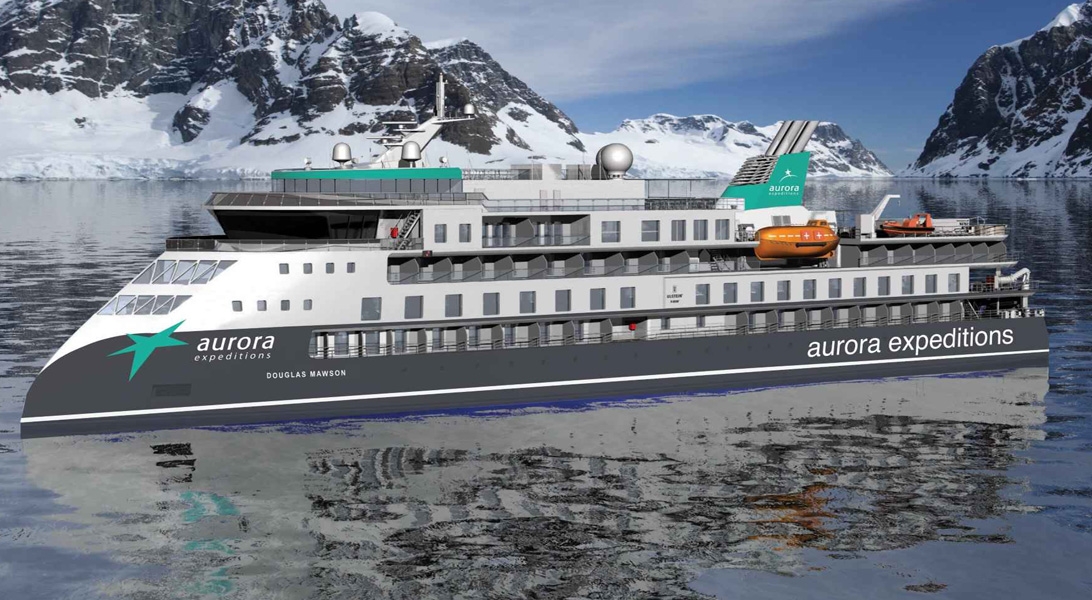
The images shown are for illustration purposes only and may not be an exact representation of what you find on the ship.
The images shown are for illustration purposes only and may not be an exact representation of what you find on the ship.
The images shown are for illustration purposes only and may not be an exact representation of what you find on the ship.
The images shown are for illustration purposes only and may not be an exact representation of what you find on the ship.
The images shown are for illustration purposes only and may not be an exact representation of what you find on the ship.


Our Fusion packages are all ABTA & ATOL protected ensuring that your booking is safe with us
| 17 nights aboard the Douglas Mawson | |||
| Fully-serviced accommodation in your chosen stateroom | |||
| An informative and entertaining lecture program by our team of experts | |||
| Complimentary 3-in-1 polar jacket and the use of gumboots | |||
| Entry fees to historic or tourist sites | |||
| Daily shore excursions, guided walks, Zodiac cruises and some activities | |||
| Daily breakfast, lunch and dinner including house wines, beers and soft drinks and afternoon tea and snacks | |||
| Complimentary use of fitness centre | |||
| Comprehensive pre-departure information kit and destination resource guide | |||
| Captain’s Welcome and Farewell Cocktail Reception including four-course dinner, house cocktails, house beer and wine, non-alcoholic beverages | |||
| Complimentary access to onboard medical doctor or clinic, if required | |||
| An experienced team of destination specialists and activity leaders | |||
| Pre-dinner cocktail hour including cold canapes and bar snacks | |||
| Photographic voyage log (post-voyage) | |||
| Port Taxes and Fees | |||
 | ABTA and ATOL Protection* | ||
Date 20th Apr 2027 |
Nts 17 |
Oceanview £10,156pp |
Balcony £10,956pp |
Suite £16,156pp |
Date 20th Apr 2027 |
Nts 17 |
Oceanview £10,156pp |
Balcony £10,956pp |
Suite £16,156pp |
| Oceanview staterooms from | £10,156pp | ||
| AS2D | Aurora Stateroom Twin Share | £10,156pp | |
| SASD | Aurora Stateroom Superior | £10,716pp | |
| Balcony staterooms from | £10,956pp | ||
| BSAD | Balcony Stateroom Category A | £12,476pp | |
| BSBD | Balcony Stateroom Category B | £11,596pp | |
| BSCD | Balcony Stateroom Category C | £10,956pp | |
| SBSD | Balcony Stateroom Superior | £13,596pp | |
| Suite staterooms from | £16,156pp | ||
| JSD | Junior Suite | £16,156pp | |
| CSD | Captain Suite | £18,476pp | |
Fusion Cruises when selling travel arrangements is a trading name of Co-op Travel Services Ltd. Fusion Cruises is an Accredited Body Member of Co-operative Travel Consortium. (ABTA:P6652, ATOL:12904).
Book with Confidence. We are a Member of ABTA which means you have the benefit of ABTA’s assistance and Code of Conduct.
Some of the flights and flight-inclusive holidays on this website are financially protected by the ATOL scheme but ATOL protection does not apply to all holiday and travel services offered on this website. This website will provide you with information on the protection that applies in the case of each holiday and travel service offered before you make your booking. If you do not receive an ATOL Certificate then the booking will not be ATOL protected. If you do receive an ATOL Certificate but all parts of your trip are not listed on it, those parts will not be ATOL protected. Please see our booking conditions for information, or for more information about financial protection and the ATOL Certificate go to: www.caa.co.uk