This site uses cookies as defined in our Cookie Policy, by continuing to use this site you agree to their use.
Continue

Welcome to Aurora Expeditions’ The Sands of Time
This thought-provoking voyage explores the intertwined histories of the Canary Islands, Morocco, Spain and Portugal. From the Moorish conquest of Iberia to the Reconquista, and the ‘Age of Exploration’ to the tragic legacy of the slave trade, these regions have forged alliances and rivalries that influenced the world. This journey invites reflection on the human stories behind historical events, as we hear tales of the battles, trade routes and monarchical intrigue, which shaped the region’s collective heritage. From the isl... ands of the Canaries to the medinas of Morocco, the whitewashed villages of Andalusia to the lively laneways of Seville to the sun-kissed coast of the Algarve, we discover the enduring legacies born from centuries of resilience and the abundant cultural richness of these remarkable nations.
| Arrive | Depart | ||||||
| 24th24 | AprApr | 202626 | Santa Cruz de Tenerife, Spain, embark on the Douglas Mawson | ||||
The largest of the Canary Islands, Tenerife is a beautiful and scenic island which enjoys year-round sunshine and is dominated by Mount Teide. The mountain range runs through the centre of the island, with fertile valleys on the northern side. In the central part of the range is the gigantic natural crater of the Cañadas del Teide, about 14 miles in diameter. Santa Cruz, the island’s pretty capital, was originally a small fishing village but has now grown into a modern city, and also contains 16th-century civic buildings and ornate private mansions. Near the pier is the Santa Cruz Palmetum, a Botanical Garden covering an area of 29 acres, specialising in palms. Welcome to The Canary Islands. On arrival at Tenerife South Airport (TFS) make your way to the Arrivals Hall to meet our representative, followed by a transfer to our group hotel. At the hotel, visit our hospitality desk in the lobby to meet our team who will provide you with useful information regarding pre-embarkation procedures and about your time in Tenerife. You will also receive cabin tags for your luggage. Please clearly label the tags with your name and your cabin number on the ship. Join us this evening for a Welcome Event with a Canary Island twist! Accommodation: Iberostar Heritage Grand Mencey (or similar) Meals: Welcome Event canapés | |||||||
| 25th25 | AprApr | 202626 | Santa Cruz de Tenerife, Spain | ||||
The largest of the Canary Islands, Tenerife is a beautiful and scenic island which enjoys year-round sunshine and is dominated by Mount Teide. The mountain range runs through the centre of the island, with fertile valleys on the northern side. In the central part of the range is the gigantic natural crater of the Cañadas del Teide, about 14 miles in diameter. Santa Cruz, the island’s pretty capital, was originally a small fishing village but has now grown into a modern city, and also contains 16th-century civic buildings and ornate private mansions. Near the pier is the Santa Cruz Palmetum, a Botanical Garden covering an area of 29 acres, specialising in palms. While the Canary Islands are famed for their resorts and sun-soaked beaches, they offer much more than typical package holidays. These eight volcanic islands, under Spanish jurisdiction but historically linked to Africa, have a complex history that includes the early slave trade. Today, the islands stand as a testament to resilience and cultural diversity, blending influences from Spanish settlers and indigenous Guanches. The Canaries are also among the world’s most biodiverse places. Here, imposing volcanoes and enigmatic lava fields coexist with lush forests. Stark, rolling landscapes alternate with deep ravines teeming with flora, and fertile valleys end in abrupt cliffs. The islands boast a thousand colours and a blue sea, home to species unique to the Canaries. Our day is spent on a scenic tour of Tenerife’s north-eastern region, exploring spectacular mountains, historical villages, and savouring local culinary delights. Departing from Santa Cruz, we journey to the pristine Anaga Mountains, known for their rich biodiversity and lush vegetation. The region’s unique microclimates and high humidity support ancient laurel forests and flora unique to Tenerife. Our drive takes us to the remote village of Taganana, one of Tenerife’s oldest. Here, you will enjoy a traditional meal at a local restaurant, highlighting the region’s flavours. Our final stop is San Cristóbal de La Laguna, a UNESCO World Heritage Site and Tenerife’s historic gem. The capital of the Canary Islands until 1723, this charming city is famed for its well-preserved colonial architecture and 16th-century grid layout. Stroll through its narrow streets, admire the historic buildings and immerse yourself in the city’s rich heritage. Mid-afternoon we return to Santa Cruz de Tenerife where Douglas Mawson awaits. For those who prefer a relaxing day in Santa Cruz de Tenerife, check-out is at 11.00am. A transfer from the hotel to the port will be provided mid-afternoon. After boarding, we set sail to continue our exploration of the Canary Islands. This evening, enjoy a Captain’s Welcome Dinner where you will have the chance to meet our Aurora Expeditions team and crew. Meals: Breakfast, Lunch, Dinner onboard | |||||||
| 26th26 | AprApr | 202626 | Las Palmas de Gran Canaria, Spain | ||||
Perhaps the prettiest of the Canary Islands, Gran Canaria is an almost circular isle with the peak of Pozo de Las Nieves, its highest point, at the centre. With a wealth of natural beauty and all the exciting attractions of city life in the capital, the island offers the best of both worlds. You will no doubt wish to see the sights of the capital’s old quarter, which dates back to the 15th century and encompassses the Vegueta and Triana districts, and wherever you go you can enjoy the glorious subtropical climate, perfect for growing exotic palms and fruits. Known as the ‘miniature continent’, Gran Canaria is celebrated for its striking contrasts. The island offers a variety of landscapes, from beaches framed by dunes to peaks covered in Canary Island pine forests, whose greenery stands out against the dark volcanic earth. Las Palmas, the capital, combines historical architecture with modern attractions, featuring bustling markets and urban beaches. Our ‘Your Choice’ experiences offer you the opportunity to hit the beach, try local wines and explore villages among the island’s prettiest towns, with time this afternoon to explore Las Palmas independently. Personalise your exploration with our included ‘Your Choice’ experiences. Option 1 ‒ Morning experience: Gran Canaria’s Little Venice and Puerto Rico Beach A scenic one-hour drive brings us to Puerto de Mogán, a charming fishing village often referred to as the ‘Little Venice of Gran Canaria’. This picturesque town features a network of canals connecting the marina to the fishing harbour. Its colourful streets, adorned with blue-and-yellow-trimmed cottages with wrought iron balconies, flow into vibrant flower-filled lanes, making it one of the island’s prettiest destinations. Next, we head to the popular beach of Puerto Rico, renowned for its almost year-round sunshine. The beach boasts crystal-clear waters, kept calm by the protection of the marina and a series of breakwaters, creating an ideal saltwater lake for a quiet and relaxing swim. You’ll have time to swim, shop, or simply stroll along the beach before we return to Las Palmas, with time to explore our host city. Option 2 ‒ Morning experience: Arucas and Agaete Valley Winery Visit Discover the allure of Berrazales Winery and the charming town of Arucas. At Berrazales Winery, immerse yourself in the artisanal winemaking traditions of the Lugo-Jorge family. Their cultivation of Listán Negro vines in the Agaete Valley is a tribute to the region’s agricultural heritage. Positioned in a natural hollow near sea level, the vineyards are protected from the salty sea breeze, resulting in the production of Garn Canaria’s renowned local wines. A member of the Lugo-Jorge family will guide you through the winery, sharing insights into their craft, before hosting your tasting session, savouring wines that embody the valley’s unique aromas and flavours. Following your winery experience, explore Arucas, known for its cobblestone streets and gracefully ageing houses, before returning to the ship. Option 3 ‒ Morning experience: Maspalomas Beach and Dune Experience We head south to marvel at the breathtaking sand dunes of Maspalomas. Shaped over millennia by volcanic activity, wind erosion and the island’s unique climate, these dunes stretch for approximately 16 kilometres (10 miles) along the coast, forming a dramatic landscape of shifting sands and expansive beaches. As a protected natural area, the dunes are free from vehicles, preserving their delicate ecosystem and allowing you to fully immerse yourself in this extraordinary natural wonder. Maspalomas itself boasts a mile-long beach of fine golden sand, with beach bars and hotels scattered along its length. You’ll have time this morning to swim, relax on the beach or stroll along the golden sands before we return to Las Palmas. Enjoy the afternoon exploring the city at your leisure before we set sail for Arrecife later in the day. | |||||||
| 27th27 | AprApr | 202626 | Arrecife, Lanzarote, Spain | ||||
A volcanic island designated a UNESCO Biosphere Reserve, Lanzarote’s dramatic landscapes were shaped by an explosive past. Today, its pretty beaches and virtual absence of rain together with duty-free shopping make the island an extremely desirable destination. The main port and capital, Arrecife, is a pleasant town with a modern seafront and colourful gardens. Outside the capital there is plenty to explore, from the dazzling white salt flats of Janubio and the rugged terrain of Fire Mountain to the eerie caves of Los Verdes and an array of unspoilt fishing villages scattered around the coast. The island is home to a great selection of restaurants and local specialities including garbanzos compuestos – a chickpea stew; papas arrugadas – potatoes with carrots, peas, ham and green pepper; and of course, plenty of fresh seafood. Please note that those planning to participate in one of the shore excursions from this port may need to take an early lunch on board ship to suit the excursion schedules. Today, we explore Lanzarote, the northernmost Canary Island, known as ‘Volcano Island’ for its dramatic volcanic terrain. Lanzarote’s volcanic landscape includes expansive lava fields and uniquely shaped rocks, set against a backdrop of black and red soil that vividly contrasts with traditional whitewashed houses. Our ‘Your Choice’ experiences offer a chance to discover this diverse landscape, from dramatic mountains and golden beaches to lush palm groves, highlighting the island’s exceptional natural beauty, before a free afternoon to enjoy Arrecife. Personalise your exploration with our included ‘Your Choice’ experiences. Option 1 ‒ Morning experience: Timanfaya National Park Timanfaya National Park on Lanzarote offers a truly otherworldly experience. The park’s stark lava fields and striking craters, shaped by 18th- and 19th-century eruptions, create a dramatic and surreal landscape. Here, guides perform geothermal demonstrations, showcasing the intense heat from beneath the Earth’s surface by igniting brushwood and triggering geysers. The park’s vibrant colours and unique formations offer a fascinating glimpse into Lanzarote’s volcanic history. With its almost extraterrestrial scenery, Timanfaya National Park vividly highlights Lanzarote’s exceptional natural beauty and geological significance. Option 2 ‒ Morning experience: A Day at the Beach – Puerto del Carmen Hop on our shuttle bus for a quick 15-minute transfer to the vibrant Puerto del Carmen. Once a small fishing village, Puerto del Carmen is now Lanzarote’s top beach resort. At the heart of it all is Playa Grande, a nearly 3.2 kilometre (2-mile) stretch of dark sand lining the boulevard-style, Avenida de las Playas. This beach is perfect for a relaxing day in the Canary Islands. Soak up the sun, swim in the calm sea or try snorkelling at Playa Chica beach, located between the main beach and the harbour. For your convenience, beach chairs, umbrellas and sports equipment are available for hire. While this is not a guided tour, a local host on the shuttle will be available to answer any questions about the area. Option 3 – Morning experience: Haria, the Valley of 1,000 Palm Trees and Le Geria Wine Tasting This morning we’ll stop in La Geria, Lanzarote’s renowned wine region. Here, you’ll participate in a wine tasting of local varieties such as malvasia and Listán Negro. The volcanic soil and circular stone walls in La Geria protect the vines from wind and conserve moisture, making it an ideal environment for these distinctive wines. Embark on a captivating tour starting with a visit to the Mirador de Haría, where you will enjoy panoramic views of Lanzarote’s northern landscapes. From here, we explore the quaint town of Haría, home to around 1,000 residents, and known for its traditional Canarian architecture. Haría is surrounded by the Valley of 1,000 Palms. This lush area contrasts sharply with Lanzarote’s typically arid terrain, resembling an oasis with its striking landscape of palm trees. This popular experience combines seascapes, cultural exploration, and an insightful taste of Lanzarote’s winemaking heritage. | |||||||
| 28th28 | AprApr | 202626 | At Sea | ||||
| 29th29 | AprApr | 202626 | Agadir, Morocco | ||||
Shaped by the Atlas Mountains on one side, Agadir is framed on the other by a magnificent crescent-shaped beach. While little is known of the city’s origins, the Portuguese created a fortress here at the end of the 15th century, naming it Santa Cruz de Ghir. Freed from Portugal’s occupation by the Saadians in 1540, Agadir grew into a colourful and prosperous port and became newsworthy in 1911 when a German gunboat, the Panther, sailed into the bay as a protest against the division of North Africa between the Spanish and French. Morocco gained independence from the French in 1956, an event which was closely followed in Agadir by the tragic earthquake of 1960. The city, which has been rebuilt to represent the ‘new nation’, is blessed by fine sandy beaches overlooked by luxurious hotels and a great selection of cafés and restaurants. Please note that vendors in the souks can be very persistent and eager to make a sale. After breakfast on board, we disembark the Douglas Mawson at the seaside town of Agadir and begin our morning journey to Marrakech, where we meet our born-and-bred Moroccan guides whose passion for their homeland is infectious. Located at the foothills of the Atlas Mountains, Marrakech is an eclectic mix of centuries-old architectural styles. The fabled Ochre city was founded over 1,000 years ago during the Almoravid dynasty and still beats to an age-old rhythm. Famed for its outstanding artisanship, the city has boomed as one of Africa’s key hubs for contemporary art, architecture, and design. Upon arrival, we savour a taste of Morocco with lunch at a popular restaurant before joining our local guides for ‘Your Choice’ of two immersive experiences showcasing Marrakech’s legendary medina. Choose our Introductory Medina tour; perfect for those who prefer a more relaxed pace and less time on their feet or opt for our ‘Meet You in the Medina’ experience which offers a deeper exploration into the heart of Marrakech. Dinner, this evening, features a mezze of popular Moroccan fare, providing a delightful culinary experience before we overnight at our Marrakech Hotel. Personalise your exploration with our included ‘Your Choice’ experiences Option 1 - Afternoon experience: Introducing Marrakech This afternoon, your local guide will lead you on an introductory walking tour of Marrakech’s famous medina. Amongst its maze of alleyways, you will find artisan shops brimming with pottery and hand-crafted leather goods, quirky trinkets, and traditional Moroccan souvenirs. The medina is a feast for the senses: fragrant spices fill the air, vibrant stalls spill over with colour, and the rhythm of daily life unfolds in every corner. Even a simple stroll becomes a memorable experience. Designed for those wanting a taste of Marrakech’s medina, this walking tour offers an insight into its eclectic character with time to browse its craft and artisan shops. Option 2 – Afternoon experience: Meet me in the Medina This extensive walking tour explores Marrakech’s medina, where its sounds and senses highlight the city’s historic attractions, including an exterior viewing of the Almohad wonders of the Koutoubia Mosque, the geometric zellij (mosaics) and intricate cedarwood of the former Koranic school Ben Youssef Medersa and one of Marrakech’s oldest surviving buildings – the mausoleum of Almoravid Koubba. We discover the historical medina, walk through a maze of laneways and covered markets bursting with energy, and stop by the Spice Square (time permitting) where everything from herbs, spices, snakeskins and chameleons have been sold for centuries. Accommodation: Marrakech Hotel Meals: Breakfast onboard, Lunch, Dinner | |||||||
| 29th29 | AprApr | 202626 | Marrakech, Morocco | ||||
| 30th30 | AprApr | 202626 | Marrakech, Morocco | ||||
Waking to our first adhan, an Islamic call to prayer, the Muezzin's emotive call conjures visions of magic carpets and spice-scented medinas. Today we leave the old Imperial city of Marrakech and continue our journey to the Atlantic Ocean, where we find the modern-day mecca of Casablanca. Morocco’s largest coastal city, Casablanca’s fame hit new heights when Hollywood set the ultimate romantic motion picture amongst the city's wartime streets. Where else would one dine in Casablanca other than Rick’s mythical saloon – Rick's Café. This rundown 1930s riad has been transformed into an iconic Casablanca landmark. The restaurant’s current manager Issam, who also doubles as the Café’s resident piano player, will share with us the story of how the legendary ‘gin joint’ of cinematic fame was brought to life by Bill Willis, a renowned Marrakech-based American designer who first discovered the delights of Morocco with Talitha and John Paul Getty Junior. As we farewell Rick and Ilsa, we step into modern-day Casablanca at the monumental Hassan II Mosque. The largest mosque in Africa, with a 60-storey high minaret, it is the tallest religious structure in the world. This architectural masterpiece is the most ambitious structure ever built in Morocco, taking 35,000 workers seven years to complete. We savour the atmosphere of this venerated place, and learn about the mosque's key architectural features, which beautifully blends modernism with traditional Islamic, Moorish and Moroccan elements. Late - afternoon we reboard the Douglas Mawson and sail north to Tangier. Meals: Breakfast, Lunch, Dinner onboard | |||||||
| 30th30 | AprApr | 202626 | Casablanca, Morocco | ||||
The original settlement formed on the site of Casablanca by the Berbers became the kingdom of Anfa, and during the 15th century harboured pirates who raided the Portuguese coast. In retaliation for the attacks, the Portuguese destroyed Anfa and founded the town they called Casa Branca (white house). They remained here until an earthquake in 1755 and the town was subsequently rebuilt by Mohammed ben Abdallah, whose legacy of mosques and houses can still be seen in the old Medina. Casablanca acquired its present-day name when the Spanish obtained special port privileges in 1781. The French landed here in 1907, later establishing a protectorate and modelling the town on the port of Marseilles. Today Casablanca is Morocco’s largest city, its most significant port and the centre of commerce and industry. The city is a vibrant fusion of European, African and Arabian influences and its French colonial architecture and art deco buildings seamlessly blend in with the busy, colourful markets. Please note that vendors in the souks can be very persistent and eager to make a sale. | |||||||
| 1st01 | MayMay | 202626 | Tangier, Morocco | ||||
Tangier can trace its origins back to the Phoenicians and ancient Greeks. It was named after Tinge, the mother of Hercules’ son, and its beginnings are embedded in mythology. It was subsequently a Roman province, and after Vandal and Byzantine influences, was occupied by the Arabs with Spain, Portugal, France and England also playing a part in the city’s history. With such a diverse past it is perhaps not surprising that Tangier is such an individual city. Overlooking the Straits of Gibraltar, the city lies on a bay between two promontories. With its old Kasbah, panoramic views, elegant buildings, squares and places of interest, there is much to discover in both the new and old parts of the city. We arrive this morning at a city located at the crossroads of Africa and Europe: Tangier. Spend the day in Tangier or head east to the emerging artisan enclave of Tétouan. Unique amongst Moroccan cities, Tangier has a chequered past, affording us one of Europe’s most egocentric stories. Designated an ‘International Zone’ in the early 20th century, Tangier harboured no drug laws, no taxes, no banking restrictions, no censorship laws and no morality laws. Attracting a worldly mix of expat residents, it played house to everyone from eccentric British nobility to American authors, Franco’s civil war army to Nazi spies, while it awaited its inclusion in the post-war nation of Morocco. Stories of illicit affairs, underworld deals, and espionage abound in this city which remains as colourful as its history suggests. Enjoy a Moroccan ‘Your Choice’ experience, or, for those wishing to discover a gentler side of Tangier a complimentary shuttle will take you from the ship to the centre of Tangier, where you can discover the city at your own pace. Enjoy time at your leisure to sip mint tea in a local café, browse traditional craft shops, or take in the atmosphere at your own pace. Join us this evening for a Twilight in Tangier, where we’ll dine on shore Moroccan style, serenaded by traditional Moroccan music and dance, before we return to the ship for an overnight in port. Personalise your exploration with our included ‘Your Choice’ experiences Option 1 - Morning experience: Tangier Kasbah District and American Legation Museum We begin our journey at Tangier’s fabled Kasbah. Largely unchanged since Roman times, the Kasbah was the traditional residence of the Sultan and his harem and is now one of the most fashionable residential areas of Tangier. During a guided stroll we discover the Grand Socco. This café filled plaza serves as the gateway to Tangier´s medina and was once the haunt of Paul Bowles, William Burroughs and their Beatnik friends who gathered here to discuss life and literature while mingling among double agents and expats during the notorious time of international rule. Our next stop is at the American Legation. The first American public property outside the United States, the American Legation is now a museum that traces the history of the two countries relationship. As one of the first countries to recognize America's independence, Morocco permitted the new United States government to establish a legation in Tangier in 1821. It is the only historical monument to have remained in American possession since the birth of the American nation. Amongst several displays here is a letter from George Washington to the Sultan - Moulay Abdellah. Option 2 - Full day experience: The Artisan Enclave of Tétouan Little more than an hour’s drive east of Tangier lies the coastal enclave of Tétouan. This authentic whitewashed town sits at the foot of the Rif Mountains. Once the capital of the Spanish protectorate of Morocco Tétouan blends Arabic and Spanish culture and architecture. Our morning is spent exploring the UNESCO World Heritage listed medina and a visit the Dar Oddi Museum, offering insight into the city’s history, traditional architecture, and refined artistic legacy. We walk the meandering lanes of the souk, discover the Jewish and Spanish quarters and . Tétouan’s numerous artisan schools have produced some of Morocco’s best painters over the past half century. They proudly encourage traditional art forms which may otherwise be lost to the modern world. Lunch is taken at a local Riad before we return to the ship. (Note: The Bab Akla School of Traditional Arts and Crafts is closed for an event this day and is replaced by Dar Oddi Museum) Evening Event: Twilight in Tangier Join us this evening for a genuine taste of Moroccan hospitality at the popular El Korsan Restaurant, where we’ll enjoy sumptuous traditional Moroccan dishes accompanied by the gentle rhythm of local music, followed by an entertaining display of traditional Moroccan dance. Relaxed and engaging, this evening offers an intimate glimpse into Morocco’s flavours and cultural traditions, all set within a venue known for its classic, opulent Moroccan décor. | |||||||
| 2nd02 | MayMay | 202626 | Tangier, Morocco | ||||
Tangier can trace its origins back to the Phoenicians and ancient Greeks. It was named after Tinge, the mother of Hercules’ son, and its beginnings are embedded in mythology. It was subsequently a Roman province, and after Vandal and Byzantine influences, was occupied by the Arabs with Spain, Portugal, France and England also playing a part in the city’s history. With such a diverse past it is perhaps not surprising that Tangier is such an individual city. Overlooking the Straits of Gibraltar, the city lies on a bay between two promontories. With its old Kasbah, panoramic views, elegant buildings, squares and places of interest, there is much to discover in both the new and old parts of the city. Our second day in Tangier affords us time to explore the tip of Morocco further. Choose to enjoy a taste of Tangier on a locally guided tour of Tangier’s ‘foodie scene’, try your hand at cooking a Moroccan feast at a chef-led class, or follow the coastline to the walled town of Asilah, famed for its artistic murals and colourful market. We farewell Morocco mid-afternoon sailing north to Seville. Personalise your exploration with our included ‘Your Choice’ experiences Option 1 – Morning experience: A Taste of Tangier This ‘foodie’ tour of Tangier allows you to dive into the city’s culinary journey. Tangier’s cuisine reflects a fascinating blend of Moorish and Spanish influences, with each bite telling a story of its past. From the Moorish tradition of intricate spice blends to Spanish touches like rich, savory stews, and delicious colonial French deserts, the food here is a testament to the city’s eclectic past. Stroll through the historic M'sallah and the old town district, where narrow alleyways and traditional architecture set the stage. Taste local delights like caliente, stuffed dates, and bissara, each crafted with time-honoured techniques. As you visit bustling markets and interact with artisans, your guide will reveal how these diverse cultural influences have shaped Tangier’s unique identity, while we snack like a true local.
Option 2: Half day experience: The Art of Moroccan Cooking The famed cuisine of Morocco is placed directly in our hands as we step into an immersive, hands‑on cooking experience. Guided by local chefs, we learn the secrets of traditional Moroccan gastronomy, gaining insight into the aromas, textures, and techniques that define this culinary tradition. Your experience begins with an introduction to the spices and methods that underpin Morocco’s most iconic flavours, revealing how balance, patience, and craftsmanship come together in the Moroccan kitchen, before we move into a practical session where expert chefs show us how to bring these principles to life. We then gather to savour the results of our work, taking time to appreciate not only the flavours we’ve created but also the cultural heritage that inspires them. Option 3 – Full Day experience: An Asilah Experience Known for its colourful towns and story‑filled medinas, Morocco shines brightest in the artistic coastal haven of Asilah. This white‑and‑blue gem is celebrated for the vibrant murals that artists refresh each year, transforming the medina into an ever‑changing open‑air gallery where contemporary creativity meets coastal calm. Asilah’s character is equally shaped by its long, layered history influenced by Phoenician, Portuguese, and Moroccan cultures. The imposing 15th‑century Portuguese seawalls still encircle the old town, offering sweeping Atlantic views and standing as striking reminders of centuries past. Wandering through its winding lanes, you’ll see modern artworks set against ancient stonework, creating a vivid combination of tradition and innovation. After exploring the medina, you’ll have time to browse small galleries, shop for spices, enjoy mint tea in a local café, or climb the ramparts for panoramic ocean vistas. A traditional Moroccan lunch completes the experience before we return to Tangier and continue our journey to Spain. | |||||||
| 3rd03 | MayMay | 202626 | Seville, Spain | ||||
Whether you pronounce it Seville or Sevilla, this gorgeous Spanish town is most certainly the stuff of dreams. Over 2,200 years old, Seville has a mutli-layered personality; home to Flamenco, high temperatures and three UNESCO-World Heritage Sites, there is a noble ancestry to the southern Spanish town. Not forgetting that it is the birthplace of painter Diego Velazquez, the resting place of Christopher Columbus, the inspiration for Bizet’s Carmen and a location for Game of Thrones filming, Seville is truly more than just a sum of its parts. This city is a full on experience, a beguiling labyrinth of centuries old streets, tiny tapas restaurants serving possibly the best dishes you’ll taste south of Madrid and a paradise of Mudejar architecture and tranquil palm trees and fountain-filled gardens. In the early hours of the morning, we navigate the waters of the Guadalquivir River arriving at Spain’s most famous southern city, Seville, mid-morning*. The Guadalquivir has been a central part of Seville’s history and a launchpad for significant voyages. From its banks, explorers like Ferdinand Magellan embarked on their landmark journeys, including Magellan’s famous 1519 expedition to circumnavigate the globe. The river was also crucial for trade, linking Seville with distant lands and shaping global commerce. In the 8th century, the Moors—a diverse brotherhood of Arabs, Berbers, and North Africans—arrived on the Iberian Peninsula and, like a child leaving home, remained away from their homelands for nearly 700 years. They brought with them a spirit of tolerance, coexisting peacefully with Christian and Jewish communities while ruling over the land through small kingdoms characterized by castle-topped villages and fortified cities. Their remarkable contributions in mathematics, astronomy, and Moorish architecture left a lasting mark on Europe. The southern region of Andalusia was their crowning achievement, with Seville standing out as its jewel. On our excursion, we'll navigate the narrow Guadalquivir River to reach Seville, immersing ourselves in its vibrant atmosphere both day and night. Much of the city's allure comes from its Moorish legacy, with the unique Mudejar style—blending Moorish and Christian architecture—visible throughout its streets, squares, and majestic buildings, showcasing its rich history. We moor at the city port, which is within walking distance of the city centre. Join one of our locally guided walking tours this afternoon, combine time spent in the city independently with an unforgettable Flamenco show, or immerse yourself in one of Seville’s most iconic traditions – a tapas lunch. We sail mid-evening, returning to the river and following its path to the coast, where it meets the sea at Cadiz. (*Note: as Seville is a piloted port, our arrival time may be amended by the local authorities; therefore, excursion times are subject to change.) Personalise your exploration with our included ‘Your Choice’ experiences. Option 1 - Afternoon experience: Introducing Seville Take in the sights that shape Seville’s unique character on this introductory coach tour. Pass by Spain’s most impressive medieval traffic control tower, the 13th-century Gold Tower, which once managed river traffic and protected the city’s busy port. Drive through the lively neighborhood of Triana, famous for flamenco, colourful houses, historic churches, and traditional pottery workshops, and see parts of the city built for the Universal Expositions of 1929 and 1992, including the striking Alamillo Bridge by Santiago Calatrava and the beautiful Plaza de España, where a short stroll reveals its grand pavilions and lush surroundings. Choose to remain in Seville’s historic heart, where you can visit its Alcázar, Cathedral and other ‘walkable’ sites at your own pace or return to the ship. Option 2 - Afternoon experience: Walking the Heart of Seville Our local guide tells a tale of Seville on this extensive walking tour, with stories of history’s famed conquerors, stories of the ‘New World,’ and a clash of cultures as compelling as the buildings we visit. This walking tour of Seville’s UNESCO World Heritage sites begins with the Alcázar. Built in the 14th century in Mudejar style, the Alcázar is the oldest royal residence in Europe still in use. Islam and Christianity vied for power here, with Christianity asserting dominance by constructing Europe’s third-largest cathedral directly over a 12th-century mosque. The largest Gothic structure in the world, the cathedral houses many notable figures. In 1899, 400 years after his death, the renowned explorer Christopher Columbus was finally laid to rest in Seville Cathedral, where our guide introduces us to this magnificent structure with time to pull up a pew. We’ll also explore areas of Seville developed for the Universal Expositions of 1929 and 1992, including the magnificent Plaza de España, a semi-circular square framed by ornate pavilions built for the earlier Expo, before returning to the ship. Option 3 – Lunch experience: Tapas Hopping Seville Experience the true spirit of Seville as you enjoy a delightful lunch of tapas. Feel like a local as you savour acorn-fed Iberian ham, freshly grilled tapas, and other local specialties. This culinary adventure offers a delicious glimpse into Seville’s vibrant food culture and traditions, rounding off your exploration with authentic local flavour. Option 4 - Afternoon experience: The Art of Flamenco The artform of flamenco combines song, guitar and dance as it weaves its story, rousing an emotional reaction from its audience. Originally performed by the Roma peoples of Andalusia, flamenco creates a state of mind that is difficult to ignore. Its musical style, where the lyrics often express loneliness and heartbreak, can be compared to the US blues scene with the intensity of the performance stirring deep sentiment. Late this afternoon, we immerse ourselves in tales of the past, told by Seville’s master storytellers in the form of music and dance as we embrace the fervour of flamenco. | |||||||
| 4th04 | MayMay | 202626 | Cádiz, Spain | ||||
Believed to be the oldest town on the Iberian Peninsula, the Andalusian port of Cádiz enjoys a stunning location at the edge of a six-mile promontory. The town itself, with 3,000 years of history, is characterised by pretty white houses with balconies often adorned with colourful flowers. As you wander around be sure to take a stroll through the sizeable Plaza de Espãna, with its large monument dedicated to the first Spanish constitution, which was signed here in 1812. Cádiz has two pleasant seafront promenades which boast fine views of the Atlantic Ocean, and has a lovely park, the Parque Genoves, located close to the sea with an open-air theatre and attractive palm garden. Also notable is the neo-Classical cathedral, capped by a golden dome. The proud city of Cádiz sits at the mouth of the Guadalquivir River. As the gateway to the Mediterranean, Cádiz is touted as the oldest continuously inhabited settlement in Europe, with its dominant families claiming ancestry dating back to Roman times, when the city was called Ceret, and the wine, Vinum Ceretensis. Moorish rule over the port, which was renamed Jazīrat Qādis, lasted for 500 years, with the capture of Cádiz by Alfonso X of Castile. Its renewed prosperity dated from the discovery of America in 1492, when it became the headquarters of the Spanish treasure fleets, and the port to nearby Jerez, which produced liquid gold. Personalise your exploration with our included ‘Your Choice’ experiences. Option 1 – Morning experience: Jerez – Spain’s Sherry Obsession Head west to the coastal town of Jerez to discover a rich mix of Islamic and Christian monuments surrounding the Alcázar, as we journey through the region’s history and learn how each ruling empire left a lasting impression on the city’s culture. It is the fortified wine, known worldwide as sherry, which has dictated the fate of Jerez. Introduced by the Phoenicians in 1100 BCE, this popular wine has brought both wealth and strife. Jerez’s bodegas and local rural wineries remain the world’s largest producers of sherry, which although considered by some as a wine that has seen better days, is as popular in Spain today as it was in centuries past. After a short walk of the historic centre of Jerez, we spend time with a wine expert who will teach us how to differentiate good wine from bad wine, while sampling a few good wines for ourselves. Option 2 – Morning experience: Vejer de la Frontera Our morning is spent in the hilltop town of Vejer de la Frontera, a historic stronghold that once marked the border between Muslim territories and encroaching Catholic lands. Renowned as one of the most authentic of the Pueblos Blancos, Vejer’s whitewashed buildings are designed to reflect the sun and ward off the intense summer heat. As we stroll through its narrow, winding streets, we will be inspired by the ancient Moorish Castle, the majestic Church of the Divine Saviour, and the vibrant Plaza España, all while uncovering tales of Moorish conquerors, Castilian kings, and feudal uprisings. With views to the coast, Vejer offers a glimpse into the rich history that defines the hilltop towns of Andalusia and their connection to the surrounding lowlands, linking inland Spain to the coastline. (Note: This excursion originally visited Arcos de la Frontera, but due to difficult access from new coach drop-off points, it now visits it’s more accessible sister town; Vejer de la Frontera.) Option 3 – Morning experience: The Royal Andalusian School of Equestrian Art Foundation A short drive from Cádiz brings us to the Royal Andalusian School of Equestrian Art, a prestigious institution with royal patronage known for its dedication to preserving Andalusia’s equestrian traditions. Andalusian horses, celebrated for their striking grey coats and graceful movements, have a rich history, once prominent in Spanish parades, and as models for baroque horses in classic paintings. On this locally guided tour, you’ll meet the majestic Andalusian horses and view carriages once used by nobility for parades and ceremonies, plus the stables, tack room and Palacio del Recreo. You'll meet the horses during their training session in the riding arena, where you'll see the close connection between their trainer and these highly intelligent horses. This unforgettable experience reveals the school’s prestige and the horses’ vital role in Andalusian festivals and cultural pride. (Note: With the release of the 2026 schedule, this excursion no longer includes Cómo Bailan los Caballos Andaluces. Instead, it features a guided tour and training session, as outlined above.) | |||||||
| 5th05 | MayMay | 202626 | Portimão, Portugal | ||||
Portimão is a major fishing port, and significant investment has been poured into transforming it into an attractive cruise port as well. The city itself is spacious and has several good shopping streets—though sadly many of the more traditional retailers have closed in the wake of the global economic crisis. There is also a lovely riverside area that just begs to be strolled (lots of the coastal cruises depart from here). Don’t leave without stopping for an alfresco lunch at the Doca da Sardinha ("sardine dock") between the old bridge and the railway bridge. You can sit at one of many inexpensive establishments, eating charcoal-grilled sardines (a local specialty) accompanied by chewy fresh bread, simple salads, and local wine. Set on the estuary of the Rio Arade, Portimão was a flourishing fishing village until only 30 years ago. Greeks, Phoenicians and Carthaginians all plied their trade but in the 11th century the Moors arrived, and Burj Munt as it became known, never looked back. A gateway to the fortified town of Silves and neighbour to a coast of classic, caved beaches, Portimão fishes for a different catch these days, with its marina home to a flotilla of gently bobbing yachts, and riverfront promenade host to casual cafes and bars. Personalise your exploration with our included ‘Your Choice’ experiences. Option 1 - Morning experience: Silves Castle and Portuguese Doce Fino delights Once the capital of the Algarve’s Moorish kingdom, Silves hosts us this morning with a locally guided tour and confectionery focused workshop. We tour the 11th century red sandstone Castelo de Silves, whose square turrets and impenetrable ramparts loom over the town from an immense orange grove. This impressive castle once formed part of the wall that encircled the city and was an important defence as the residence of the Moorish kings of the Al-Garb. Steeped in history, the castle has a 60-meter-deep well and a set of vaulted cisterns that still supplies the town with water. Occupying much of the arable land surrounding the city, the Almond tree has been a regional symbol for centuries. Its fruit is one of the main ingredients in the beloved Portuguese confectionery, marzipan, sculpted into shapes known locally as Doce Fino. This millennial art form plays a significant role in the culinary culture of Portugal. We visit a confectionery studio to explore how everyday life and festive traditions have shaped the evolution of Doce Fino, while observing the delicate artistry of a master confectioner at work and taste some of their treats. (Note: A display of the art of Doce Fino will be visited instead of a workshop, in accordance with the confectioners' 2026 guidelines.) Option 2 - Morning experience: Silves Castle and Portuguese Pottery Workshop The former Algarve capital of Silves hosts us this morning with a locally guided tour and pottery workshop. Showcasing a unique blend of heritage, culture and imagination, emphasised by will and passion, Portuguese ceramics are famous worldwide. We enjoy time with a local ceramicist, who welcomes us to their studio. They share the art of modelling clay pieces into works of art and demonstrate how to make various pieces by using the potter’s wheel and hand-working clay. Returning to town, we tour the 11th-century red sandstone Castelo de Silves, whose square turrets and impenetrable ramparts loom over the town from an immense orange grove. This impressive castle once formed part of the wall that encircled the city and was an important defence as the residence of the Moorish kings of the Al-Garb. Steeped in history, the castle has a 60-metre-deep (197 feet deep) well and a set of vaulted cisterns that still supplies the town with water. We return to the ship for lunch, with plenty of time this afternoon to self-explore Portimão. Option 3 - Morning experience: The Royal Fruit of the Algarve More than a fruit, colour, or place name, the orange has long been revered in Europe for its rich cultural heritage. Once treasured by European royalty, oranges were celebrated for their rarity and splendour, even becoming emblems of nobility through the illustrious House of Orange. Over time, this golden fruit came to symbolise vitality, prosperity, and the warmth of the southern sun—qualities that still define the Algarve today. The Algarve’s oranges are an iconic testament to its enduring agricultural traditions. On this guided visit to a citrus fruit producer, you’ll discover why the citrus fruits of Silves are considered among the best in the world. Explore a rural estate surrounded by nature, where several varieties of oranges and citrus flourish. Stroll through the orchard, learn about the plants and their growth with your local guide and end the journey with a refreshing tasting of natural orange juice; an authentic taste of the Algarve’s golden treasure. Option 4 - Full day experience: Caminho dos Promontórios Clifftop Walk with a Winery Picnic Lunch The municipality of Lagos’s coastline is characterised by the jagged and laced appearance of a continuous line of cliffs. Their abrupt nature mesmerises those who watch the ocean from their viewpoint. The Caminho dos Promontórios, or ‘Path of the Headlands’ Walk follows the coastline for approximately 6 kilometres (4 miles), between Praia do Molhe, near the mouth of the Arade River, and Praia do Paraíso, near the village of Carvoeiro. From the Ponta do Altar headland to the east, a succession of small headlands alternate with recessed beaches and coves resulting from ancient landslides, making this region of the Algarve unique. We follow the clifftop path to learn the geology, lithology and geomorphology, marine ecosystems and coastal vegetation that makes this coastline so scenic. Having worked up a thirst, we drive inland to a traditional Algarve winery. The demarcated region of the Algarve produces red, white, rosé and liqueur wines. The white and red wines are characterised by their ripe, fruity aromas and warm, velvety taste. We enjoy a handcrafted picnic lunch among the vines with a variety of local products to taste, along with wines from the producer, of course. | |||||||
| 6th06 | MayMay | 202626 | Lisbon, Portugal | ||||
Set on seven hills on the banks of the River Tagus, Lisbon has been the capital of Portugal since the 13th century. It is a city famous for its majestic architecture, old wooden trams, Moorish features and more than twenty centuries of history. Following disastrous earthquakes in the 18th century, Lisbon was rebuilt by the Marques de Pombal who created an elegant city with wide boulevards and a great riverfront and square, Praça do Comércio. Today there are distinct modern and ancient sections, combining great shopping with culture and sightseeing in the Old Town, built on the city's terraced hillsides. The distance between the ship and your tour vehicle may vary. This distance is not included in the excursion grades. Lisbon sits on the river Tagus, gifting it access to the coast that made Portugal one of world’s most successful trading nations. Explorers including Vasco da Gama, Magellan and Bartholomeu Dias sailed on behalf of their monarch, discovering new lands and establishing new trade routes. The city prospered, with much of the proceeds from their colonies spent on opulent architecture. On the morning of All Saints Day 1755, Lisbon’s faithful were huddled in church when a 7.7 magnitude earthquake struck, followed by a series of tsunamis that devastated the city. Candles lit for the religious ceremonies began a firestorm. By the end of the day, more than 75 per cent of the population had perished. Current day Lisbon reflects this tragedy, with few buildings pre-dating the 18th century, but money spent to rebuild the city was spent doggedly, creating a city of wide boulevards, sensible facades and parklands, all backed by opulent baroque interiors and paved by unique black and white-tiled pavements. With a relatively small population, Lisbon is an easy city to navigate. Its hillside suburbs are accessed by trams and funiculars while its waterfront remains a busy harbour, ready to continue the trading prowess that made the city famous. We disembark Douglas Mawson and take a locally guided tour of Lisbon. The city’s story unfolds as we visit the suburb of Belem, with its Monastery of Jerónimos to hear more of Vasco de Gamas’ adventures; the waterfront memorial of Monumento das Descobrimentos, honouring Prince Henri the Navigator and his fellow explorers; and the Torre de Belém - the 16th century fortification which acted as the gateway to Lisbon for all seafarers. This insightful tour tells tales of exploration, colonisation and devastation wrapped together by the history of a city whose influence has shaped much of our modern-day world. Near the famed Cais do Sodre train station, the beautiful building of the Mercado da Ribeira sits topped with a Moorish-style dome. To end our tour, we visit this famous market and its popular ‘Time Out’ food complex. Lisbon’s populace has shopped for fresh fruit, vegetables, fish and meat here since 1882, with the market’s latest offerings including 30 ‘pop-ups’ offering petiscos (Portuguese tapas) and traditional products such as cheeses, cured hams, smoked sausages, fish conserves, wines and more. Our local guide introduces us to a variety of Portuguese specialties, such as Pastéis de Nata – the Portuguese custard tart with a rich egg custard nestled in shatteringly crisp pastry that is a national specialty. Take time to explore and enjoy lunch (own expense), before transferring to our hotel mid-afternoon. This evening, we gather to celebrate our journey at a traditional Portuguese Farewell Event. Accommodation: Altis Grand Hotel (or similar) Meals: Breakfast, Farewell Event canapés | |||||||
| 7th07 | MayMay | 202626 | Lisbon, Portugal, disembark the Douglas Mawson | ||||
Set on seven hills on the banks of the River Tagus, Lisbon has been the capital of Portugal since the 13th century. It is a city famous for its majestic architecture, old wooden trams, Moorish features and more than twenty centuries of history. Following disastrous earthquakes in the 18th century, Lisbon was rebuilt by the Marques de Pombal who created an elegant city with wide boulevards and a great riverfront and square, Praça do Comércio. Today there are distinct modern and ancient sections, combining great shopping with culture and sightseeing in the Old Town, built on the city's terraced hillsides. The distance between the ship and your tour vehicle may vary. This distance is not included in the excursion grades. After breakfast, check-out of your hotel and transfer to the airport for your onward flight. Meals: Breakfast | |||||||
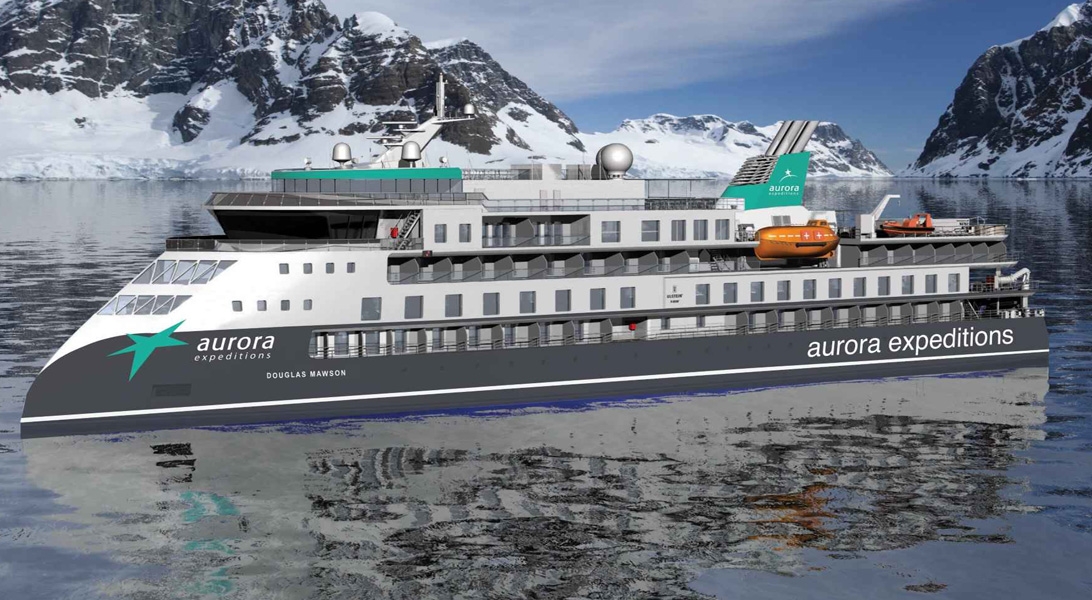
The images shown are for illustration purposes only and may not be an exact representation of what you find on the ship.
The images shown are for illustration purposes only and may not be an exact representation of what you find on the ship.
The images shown are for illustration purposes only and may not be an exact representation of what you find on the ship.
The images shown are for illustration purposes only and may not be an exact representation of what you find on the ship.
The images shown are for illustration purposes only and may not be an exact representation of what you find on the ship.


Our Fusion packages are all ABTA & ATOL protected ensuring that your booking is safe with us
| 13 nights aboard the Douglas Mawson | |||
| Fully-serviced accommodation in your chosen stateroom | |||
| An informative and entertaining lecture program by our team of experts | |||
| Complimentary 3-in-1 polar jacket and the use of gumboots | |||
| Entry fees to historic or tourist sites | |||
| Daily shore excursions, guided walks, Zodiac cruises and some activities | |||
| Daily breakfast, lunch and dinner including house wines, beers and soft drinks and afternoon tea and snacks | |||
| Complimentary use of fitness centre | |||
| Comprehensive pre-departure information kit and destination resource guide | |||
| Captain’s Welcome and Farewell Cocktail Reception including four-course dinner, house cocktails, house beer and wine, non-alcoholic beverages | |||
| Complimentary access to onboard medical doctor or clinic, if required | |||
| An experienced team of destination specialists and activity leaders | |||
| Pre-dinner cocktail hour including cold canapes and bar snacks | |||
| Photographic voyage log (post-voyage) | |||
| Port Taxes and Fees | |||
 | ABTA and ATOL Protection* | ||
Date 24th Apr 2026 |
Nts 13 |
Oceanview £5,298pp |
Balcony £7,098pp |
Suite £8,898pp |
Date 24th Apr 2026 |
Nts 13 |
Oceanview £5,298pp |
Balcony £7,098pp |
Suite £8,898pp |
| Oceanview staterooms from | £5,298pp | ||
| AS2D | Aurora Stateroom Twin Share | £5,298pp | |
| SASD | Aurora Stateroom Superior | £5,598pp | |
| Balcony staterooms from | £7,098pp | ||
| BSAD | Balcony Stateroom Category A |  | |
| BSBD | Balcony Stateroom Category B | | |
| BSCD | Balcony Stateroom Category C | | |
| SBSD | Balcony Stateroom Superior | £7,098pp | |
| Suite staterooms from | £8,898pp | ||
| JSD | Junior Suite | £8,898pp | |
| CSD | Captain Suite | | |
Fusion Cruises when selling travel arrangements is a trading name of Co-op Travel Services Ltd. Fusion Cruises is an Accredited Body Member of Co-operative Travel Consortium. (ABTA:P6652, ATOL:12904).
Book with Confidence. We are a Member of ABTA which means you have the benefit of ABTA’s assistance and Code of Conduct.
Some of the flights and flight-inclusive holidays on this website are financially protected by the ATOL scheme but ATOL protection does not apply to all holiday and travel services offered on this website. This website will provide you with information on the protection that applies in the case of each holiday and travel service offered before you make your booking. If you do not receive an ATOL Certificate then the booking will not be ATOL protected. If you do receive an ATOL Certificate but all parts of your trip are not listed on it, those parts will not be ATOL protected. Please see our booking conditions for information, or for more information about financial protection and the ATOL Certificate go to: www.caa.co.uk