This site uses cookies as defined in our Cookie Policy, by continuing to use this site you agree to their use.
Continue

| Arrive | Depart | ||||||
| 6th06 | AugAug | 202828 | Tokyo, Japan, embark on the Azamara Pursuit | ||||
Lights, sushi, manga! Sprawling, frenetic, and endlessly fascinating, Japan’s capital is a city of contrasts. Shrines and gardens are pockets of calm between famously crowded streets and soaring office buildings. Mom-and-pop noodle houses share street space with Western-style chain restaurants and exquisite fine dining. Shopping yields lovely folk arts as well as the newest electronics. And nightlife kicks off with karaoke or sake and continues with techno clubs and more. Whether you seek the traditional or the cutting edge, Tokyo will provide it. As the largest metropolitan area in the world, Tokyo is an exciting city where a seemingly unlimited choice of shops, restaurants and museums sit in contrast with an array of temples, shrines and gardens. | |||||||
| 7th07 | AugAug | 202828 | Tokyo, Japan | 17:00 | |||
Lights, sushi, manga! Sprawling, frenetic, and endlessly fascinating, Japan’s capital is a city of contrasts. Shrines and gardens are pockets of calm between famously crowded streets and soaring office buildings. Mom-and-pop noodle houses share street space with Western-style chain restaurants and exquisite fine dining. Shopping yields lovely folk arts as well as the newest electronics. And nightlife kicks off with karaoke or sake and continues with techno clubs and more. Whether you seek the traditional or the cutting edge, Tokyo will provide it. As the largest metropolitan area in the world, Tokyo is an exciting city where a seemingly unlimited choice of shops, restaurants and museums sit in contrast with an array of temples, shrines and gardens. | |||||||
| 8th08 | AugAug | 202828 | Sendai, Japan | 13:00 | 20:00 | ||
| 9th09 | AugAug | 202828 | Miyako, Iwate, Japan | 08:00 | 13:30 | ||
Miyako, located in Japan's Iwate Prefecture, is renowned for the dramatic cliffs and scenic coastline of Jodogahama Beach, offering stunning views and crystal-clear waters ideal for boat tours or swimming. The port is also a gateway to Rikuchu Kaigan National Park, where visitors can hike and admire the rugged beauty of Japan's northern coast. | |||||||
| 10th10 | AugAug | 202828 | Hakodate, Japan | 09:00 | 17:00 | ||
Facing out on two bays, Hakodate is a 19th-century port town, with clapboard buildings on sloping streets, a dockside tourist zone, streetcars, and fresh fish on every menu. In the downtown historic quarter, a mountain rises 1,100 feet above the city on the southern point of the narrow peninsula. Russians, Americans, Chinese, and Europeans have all left their mark; this was one of the first three Japanese ports the Meiji government opened up to international trade in 1859. The main sights around the foot of Mt. Hakodate can be done in a day, but the city is best appreciated with an overnight stay for the illumination in the historic area, the night views from either the mountain or the fort tower, and the fish market at dawn. City transport is easy to navigate and English information is readily available. Evening departure trains from Tokyo arrive here at dawn—perfect for fish-market breakfasts. Indulge your love of urban convenience and your desire for natural beauty in this city. From tastes to satisfy your cravings to hot springs and history, every spot and every season has something to offer. | |||||||
| 11th11 | AugAug | 202828 | Otaru, Japan | 09:00 | 22:00 | ||
Otaru is a small harbor city west of Sapporo. Famous for its many hills and a nearby ski resort, the town has been an important trade and herring fishing center. A wide canal that led from the port to the old town’s warehouses has been maintained for touristic purposes and the old stone or brick-built warehouses have been beautifully converted to restaurants and boutiques Otaru is a city located in Hokkaido, facing the Sea of Japan. Otaru is known for its picturesque canal district, historic architecture, and vibrant atmosphere. | |||||||
| 12th12 | AugAug | 202828 | At Sea | ||||
| 13th13 | AugAug | 202828 | Toyama, Japan | 08:00 | 18:00 | ||
Where tradition meets modernity along the enchanting coast. Explore historic castles, savor sushi-grade seafood, and embrace nature's serenity in the shadow of the Japanese Alps. A cultural tapestry awaits in this coastal gem. | |||||||
| 14th14 | AugAug | 202828 | Tsuruga, Japan | 09:00 | 18:00 | ||
| 15th15 | AugAug | 202828 | Sakaiminato, Japan | 08:00 | 17:00 | ||
Sakaiminato is a small city almost totally surrounded by water: the Sea of Japan to the east, the Sakai Channel to the north and Lake Nakaumi to the west. Across the lake the towns of Matsue and Yasugi offer interesting experiences. Matsue is known as the “Town of Water” next to scenic Lake Shinji and Lake Nakaumi. It has one of the very few wooden castles that still remain in Japan. Touring the castle and boat rides on the Horikawa River and the castle’s moat are popular. Yasugi has the Adachi Museum of Art, a private museum that houses one of the finest collections of contemporary Japanese paintings, but also has a 165,000 square metres garden –with plants and rocks collected by the museum’s founder. Six different gardens show different scenarios depending on the season. These gardens have been selected as “Japan’s best garden” for several years. A seafood paradise best known for its crab, hon-maguro, and prized Bluefin tuna, Sakaiminato is a small port town nestled into a surreal landscape of mountains vistas and ocean views. | |||||||
| 16th16 | AugAug | 202828 | Busan, South Korea | 09:00 | 22:00 | ||
White-sand city beaches and hot-spring resorts may not be everyone's first image of Korea, but these are what Koreans flock to Busan for all year. And there are plenty of opportunities for rest, relaxation, retail therapy, and even a touch of glamour every October with the Busan International Film Festival. Busan's beaches are the big summertime draw but there is plenty to be seen year round. Quintessential experiences include taking some rest and relaxation at a local spa and exploring the Beomeosa temple complex. The dynamic city of Busan is not only the fifth largest port in the world, but it’s also filled with temples, pagodas, superb beaches, hot springs and mountains ideal for hiking and spectacular views. | |||||||
| 17th17 | AugAug | 202828 | Kitakyushu, Japan | 08:00 | 20:00 | ||
Narrowly avoiding destruction during WWII, Kitakyushu is all about embracing its past while looking forward to the future. | |||||||
| 18th18 | AugAug | 202828 | Hiroshima, Japan | 08:00 | 17:00 | ||
History buffs will want to write home Hiroshima. Despite being devastated in 1945, this Japanese city is known to all for its commitment peace – its ruin on the 6th August 1945 led to the end of the war and today, the Peace Memorial (a UNESCO World Heritage Site) , is a constant reminder of the destruction that war brings. A walk in the leafy boulevards of Peace Memorial Park brings quiet contemplation. The Flames of Peace – set in the park’s central feature pond – burn brightly and will continue to do so until all the nuclear bombs I the world have been destroyed. There are many other inspiring messages of hope around the city too; the Children’s’ Peace Monument just north of the park is a homage to little Sadako Sasaki, who was just two in 1945. When she developed leukemia in 1956, she believed that if she folded 1,000 paper cranes – a symbol of longevity and happiness in Japan – she would recover. Sadly she died before she finished her task but her classmates finished the rest. It is impossible to ignore the events of 1945 in Hiroshima, but this is far from a depressing place. The great efforts that have been made in rebuilding of the city over the years have given Hiroshima a vibrant, eclectic edge, with the downtown shopping area and street food stalls being well worth a visit. The proximity to Miyajima and its iconic, impressive, Torii gate should not be overlooked either. If you are lucky enough to visit during the unpredictable and short-lived Sakura (cherry blossom) season, then the extraordinary sight of the delicate pink blossom floating across the water to the red gate, means you can consider yourself one of the luckiest people on the planet. With the Peace Memorial Park, Hiroshima honors its tragic past as the first-ever target of an atomic bomb, but it has since become a vibrant city, filled with shops, restaurants and the beauty of Miyajima. | |||||||
| 19th19 | AugAug | 202828 | Kobe, Japan | 08:30 | |||
Located on the calm waters of the Inland Sea, Kobe has served as an important port town for hundreds of years. It was one of the first harbours to accept foreign traders in 1868 when Japan was just emerging from its centuries of isolation. What followed was a surge of Western trade and exports. Today, Kobe is quite multicultural, with expatriates from 98 different nations in residence, providing a cultural diversity most easily visible in restaurants serving every kind of cuisine, including the now world famous Kobe beef. The Great Hanshin Earthquake of 1995 set back Kobe’s development, but not for long. Kobe emerged more vibrant than before - with additional attractions, hotels and urban redevelopment, and only a few remnants of the extensive damage. It is a cosmopolitan place with lively shopping arcades, interesting museums, great restaurants, and a port that is still at the heart of things. Kobe is well known for its nightlife, in an intimate quarter of neon lights, cosy bars and sophisticated nightclubs. It also serves as the gateway to the ancient Japanese capitals of Kyoto and Nara. Famous for the beef that bears its name, the port city of Kobe is also a short bullet train ride from Kyoto, the ancient capital renowned for countless temples, shrines and castles of shoguns and emperors. | |||||||
| 20th20 | AugAug | 202828 | Kobe, Japan | ||||
Located on the calm waters of the Inland Sea, Kobe has served as an important port town for hundreds of years. It was one of the first harbours to accept foreign traders in 1868 when Japan was just emerging from its centuries of isolation. What followed was a surge of Western trade and exports. Today, Kobe is quite multicultural, with expatriates from 98 different nations in residence, providing a cultural diversity most easily visible in restaurants serving every kind of cuisine, including the now world famous Kobe beef. The Great Hanshin Earthquake of 1995 set back Kobe’s development, but not for long. Kobe emerged more vibrant than before - with additional attractions, hotels and urban redevelopment, and only a few remnants of the extensive damage. It is a cosmopolitan place with lively shopping arcades, interesting museums, great restaurants, and a port that is still at the heart of things. Kobe is well known for its nightlife, in an intimate quarter of neon lights, cosy bars and sophisticated nightclubs. It also serves as the gateway to the ancient Japanese capitals of Kyoto and Nara. Famous for the beef that bears its name, the port city of Kobe is also a short bullet train ride from Kyoto, the ancient capital renowned for countless temples, shrines and castles of shoguns and emperors. | |||||||
| 21st21 | AugAug | 202828 | Kobe, Japan | 20:00 | |||
Located on the calm waters of the Inland Sea, Kobe has served as an important port town for hundreds of years. It was one of the first harbours to accept foreign traders in 1868 when Japan was just emerging from its centuries of isolation. What followed was a surge of Western trade and exports. Today, Kobe is quite multicultural, with expatriates from 98 different nations in residence, providing a cultural diversity most easily visible in restaurants serving every kind of cuisine, including the now world famous Kobe beef. The Great Hanshin Earthquake of 1995 set back Kobe’s development, but not for long. Kobe emerged more vibrant than before - with additional attractions, hotels and urban redevelopment, and only a few remnants of the extensive damage. It is a cosmopolitan place with lively shopping arcades, interesting museums, great restaurants, and a port that is still at the heart of things. Kobe is well known for its nightlife, in an intimate quarter of neon lights, cosy bars and sophisticated nightclubs. It also serves as the gateway to the ancient Japanese capitals of Kyoto and Nara. Famous for the beef that bears its name, the port city of Kobe is also a short bullet train ride from Kyoto, the ancient capital renowned for countless temples, shrines and castles of shoguns and emperors. | |||||||
| 22nd22 | AugAug | 202828 | At Sea | ||||
| 23rd23 | AugAug | 202828 | Kagoshima, Japan | 08:00 | 20:00 | ||
Kagoshima city is the capital of Kagoshima prefecture and also Kyushu’s southernmost major city. This city is often compared to its Italian sister city Naples, due to its’s similarities such as mild climate and active volcano, Sakurajima. Sakurajima is one of the most renowned active volcanos not only in Japan but also in the whole entire world. This smoking Sakurajima is centred in Kinko Bay and is one of the main symbols of this prefecture. We cannot talk about Sakurajima without the history of continuous eruption. Sakurajima used to be an isolated island; however, the land has banded together with Osumi peninsula from the eruption in 1914. You may have a chance to see the smoke coming from the top of Sakurajima depending on the weather condition. Not only does the scenery of Sakurajima represent the beauty of Kagoshima City but Senganen garden is also symbolic to elegance in the Kagoshima region. This Japanese garden was constructed by a feudal lord, Mitsuhisa Shimazu, as a guest house of the Kagoshima castle which attracts many visitors for its splendid view. With its many geothermal springs, Kagoshima has long been a popular destination, while Chiran and its street of meticulously preserved Samurai houses and manicured gardens offers a rare taste of old Japan. | |||||||
| 24th24 | AugAug | 202828 | Nagasaki, Japan | 09:00 | 20:00 | ||
Nagasaki city has developed into one of the most important port cities in Japan. During Japan’s period of isolation in the 17th century, Nagasaki played a prominent role in foreign trade relation and only a very few ports were open to restricted numbers of foreign traders. Even though Holland was a major country who conducted trading during this period, Dutch people were only allowed to stay in Dejima Island and were not allowed to have contact with the Japanese people. Today, you will still find the strong influence of Dutch and Chinese culture in the city which is very different from all other cities in Japan. In the more recent history, Nagasaki became the second city after Hiroshima to be destroyed by an atomic bomb towards the end of World War II. From the visit to Atomic bomb museum and peace memorial park, people could understand how chaotic the situation was and the agony that the people in the days have experienced from the damage inflicted by the atomic bomb. It continues to appeal to the world with their wish for world peace. Essential for any visit to Nagasaki are the peace monuments, located on the site where the second atom bomb exploded in 1945, followed by a visit to a Buddhist temple or the Oura Roman Catholic Church. | |||||||
| 25th25 | AugAug | 202828 | Yeosu, South Korea | 09:00 | 20:00 | ||
| 26th26 | AugAug | 202828 | Busan, South Korea | 08:00 | 17:00 | ||
White-sand city beaches and hot-spring resorts may not be everyone's first image of Korea, but these are what Koreans flock to Busan for all year. And there are plenty of opportunities for rest, relaxation, retail therapy, and even a touch of glamour every October with the Busan International Film Festival. Busan's beaches are the big summertime draw but there is plenty to be seen year round. Quintessential experiences include taking some rest and relaxation at a local spa and exploring the Beomeosa temple complex. The dynamic city of Busan is not only the fifth largest port in the world, but it’s also filled with temples, pagodas, superb beaches, hot springs and mountains ideal for hiking and spectacular views. | |||||||
| 27th27 | AugAug | 202828 | Sokcho, South Korea | 09:00 | 20:00 | ||
Vibrant urban activity is juxtaposed with dramatic mountain ridges and beautiful beaches in Sokcho, South Korea. Many tourists come to this city of approximately 90,000 residents to visit Seoraksan National Park, home of the highest mountain in Gangwon-doProvince and the third highest mountain in South Korea. The city and mountain range attracts national and internationally visitors year-round, but particularly in autumn, when the foliage is at its height (and considered the most beautiful in Korea). Visitors to Sokcho can also visit hot springs, beaches, or view one of the several well-preserved Buddha statues located in temples throughout the city. | |||||||
| 28th28 | AugAug | 202828 | At Sea | ||||
| 29th29 | AugAug | 202828 | Niigata, Japan | 08:00 | 22:00 | ||
Niigata city is the capital of Niigata prefecture and faces the Japan Sea on the island of Honshu, the largest of the four islands that comprise Japan. With a population of 810,000, Niigata is the largest Honshu city along the Japan Sea coast. The city is located at 300 km northwest of Tokyo and the bullet train would take you there in only two hours. Niigata offers four distinct seasons throughout the year, and people may find the winter season to be the best time to visit as many people would come for winter sports such as skiing or snowboarding. However, you will find the place abundantly beautiful throughout the year as well. Niigata is famous for growing rice as well as fresh seafood. If you try white rice without any seasonings, you would be able to taste the difference and appreciate its flavour. Thanks to the quality of the rice, they produce great Sake in the area. If you have time, why don’t you extend your journey to one of the famous Sake Brewery? On the coast of the Sea of Japan, Niigata seamlessly blends old and new. Discover its ancient traditions, vibrant city life, and famed rice and sake. | |||||||
| 30th30 | AugAug | 202828 | Akita, Japan | 07:30 | 20:00 | ||
Bring your appetite to Akita. With its prime location adjacent to the Sea of Japan, seafood lovers will be in heaven. The region is famous for its rice production and the high quality sake brewed from it. Once you’re full, take advantage of the city’s outdoor offerings by visiting the Shirakami -Sanchi Mountains, a UNESCO World Heritage Site, or relax at the Nyuto Hot Springs. | |||||||
| 31st31 | AugAug | 202828 | At Sea | ||||
| 1st01 | SepSep | 202828 | Oarai, Japan | 08:00 | 17:00 | ||
| 2nd02 | SepSep | 202828 | Tokyo, Japan | 08:00 | |||
Lights, sushi, manga! Sprawling, frenetic, and endlessly fascinating, Japan’s capital is a city of contrasts. Shrines and gardens are pockets of calm between famously crowded streets and soaring office buildings. Mom-and-pop noodle houses share street space with Western-style chain restaurants and exquisite fine dining. Shopping yields lovely folk arts as well as the newest electronics. And nightlife kicks off with karaoke or sake and continues with techno clubs and more. Whether you seek the traditional or the cutting edge, Tokyo will provide it. As the largest metropolitan area in the world, Tokyo is an exciting city where a seemingly unlimited choice of shops, restaurants and museums sit in contrast with an array of temples, shrines and gardens. | |||||||
| 3rd03 | SepSep | 202828 | Tokyo, Japan, disembark the Azamara Pursuit | ||||
Lights, sushi, manga! Sprawling, frenetic, and endlessly fascinating, Japan’s capital is a city of contrasts. Shrines and gardens are pockets of calm between famously crowded streets and soaring office buildings. Mom-and-pop noodle houses share street space with Western-style chain restaurants and exquisite fine dining. Shopping yields lovely folk arts as well as the newest electronics. And nightlife kicks off with karaoke or sake and continues with techno clubs and more. Whether you seek the traditional or the cutting edge, Tokyo will provide it. As the largest metropolitan area in the world, Tokyo is an exciting city where a seemingly unlimited choice of shops, restaurants and museums sit in contrast with an array of temples, shrines and gardens. | |||||||
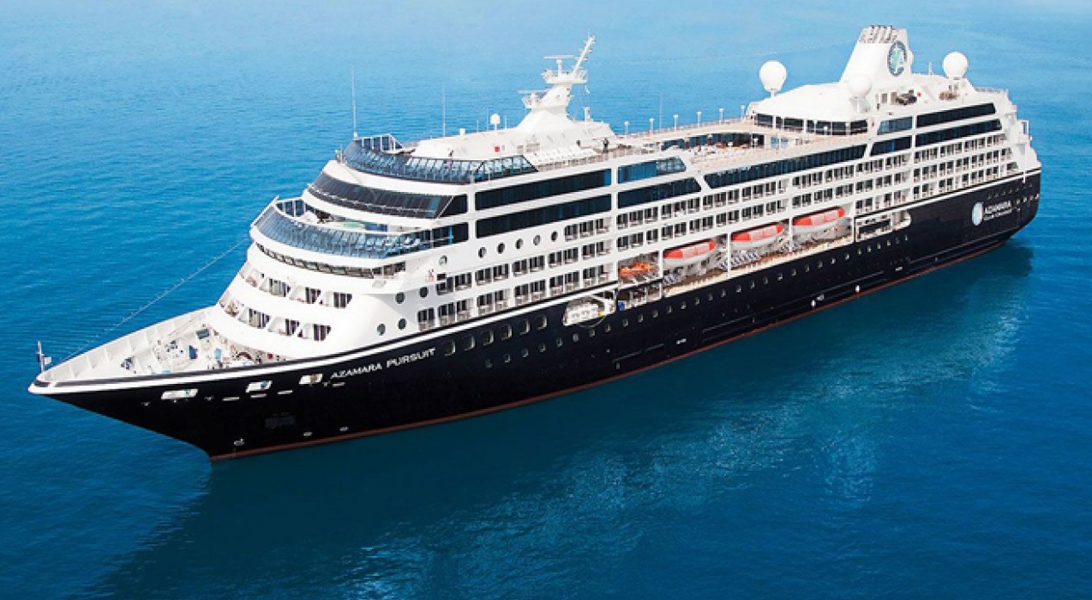
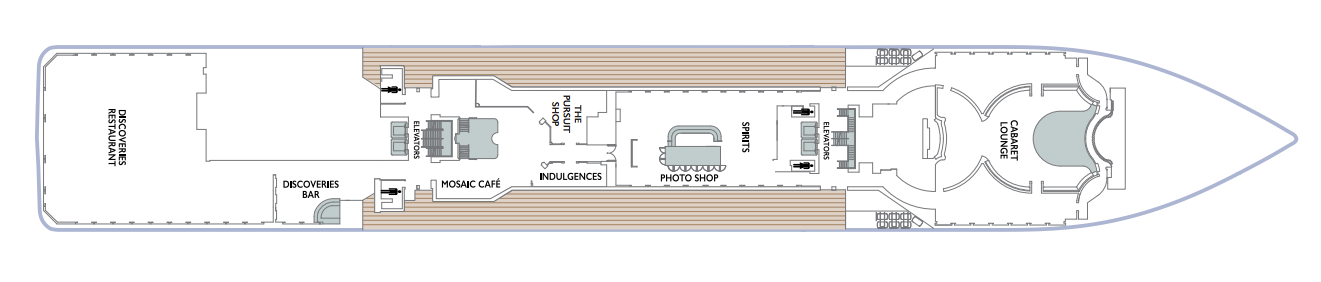

The images shown are for illustration purposes only and may not be an exact representation of what you find on the ship.
The images shown are for illustration purposes only and may not be an exact representation of what you find on the ship.
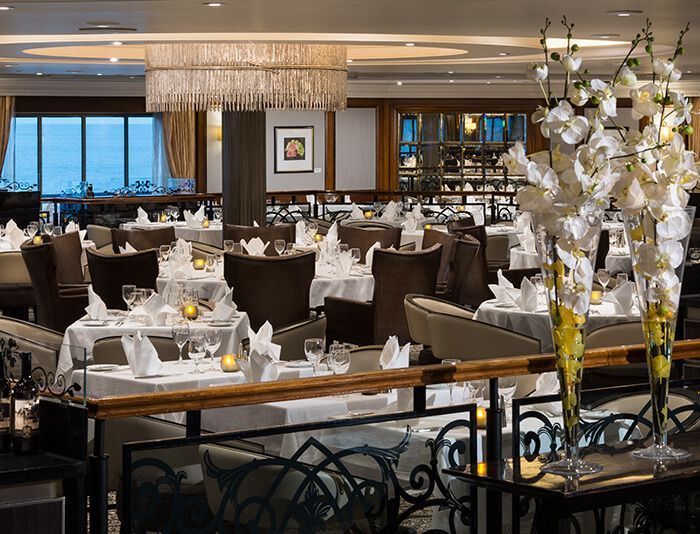
Discover the world through dishes and flavors from the places we visit. Of course, you’ll also enjoy a wide variety of nightly selections such as filet mignon with black truffle sauce. Choose being seated at a table for two or as part of a larger group of fellow guests.
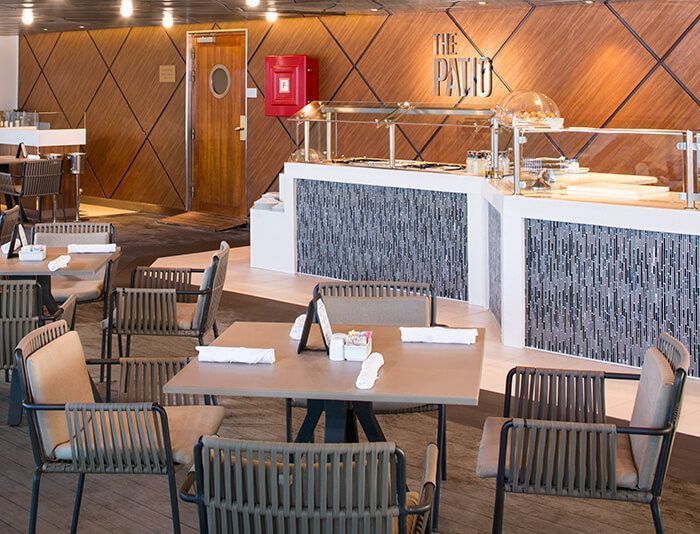
Casual “pool grill” by day. A sit-down al fresco dining experience by night. Taste your way around the world with exclusive personalized dishes using local flavors of the places we visit. Plus a self-serve frozen yogurt station—Swirl & Top. With a variety of flavors and your choice of toppings, it’s the perfect way to cool off.
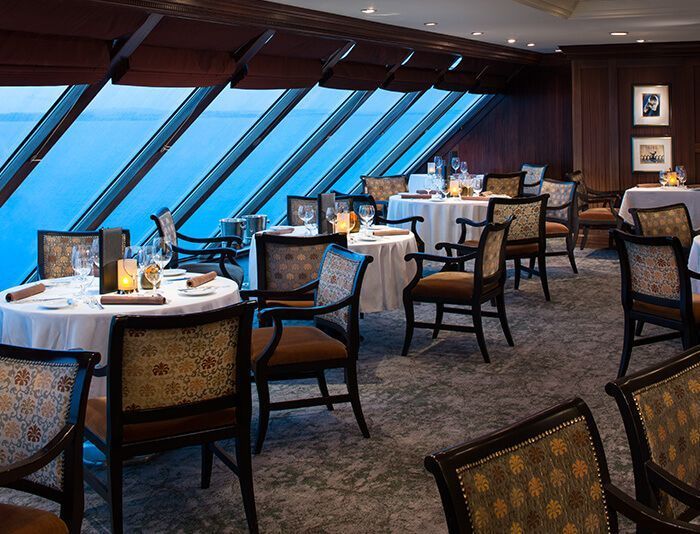
Our daily themed dinner often takes its inspiration from the region we’re visiting—Indian, Mexican, Spanish, Italian. We also create an extra live station made from local ingredients purchased in port: Greek salad made with local feta (Greece), pasta prepared with local mushrooms (Italy), fresh Mussels served with garlic bread (Netherlands).
The images shown are for illustration purposes only and may not be an exact representation of what you find on the ship.
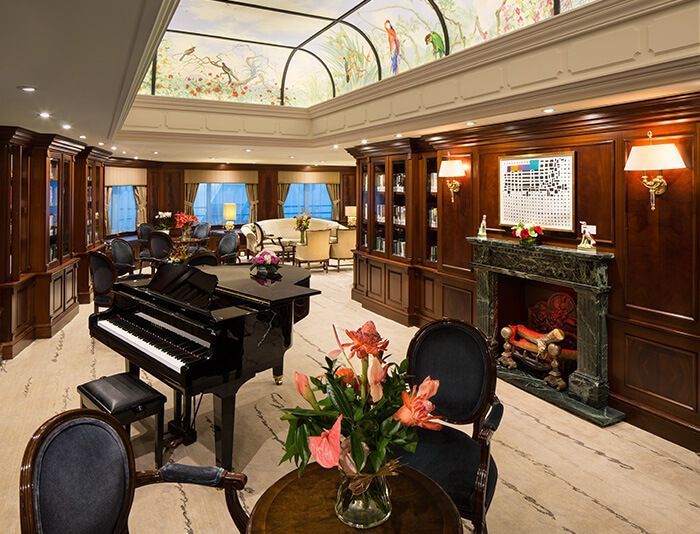
This library is one of the quiet jewels of Azamara, a peaceful and beautifully appointed space for reading or relaxing after dinner. Browse the collection and feel free to borrow the library books. Or simply relax in the tranquil atmosphere.
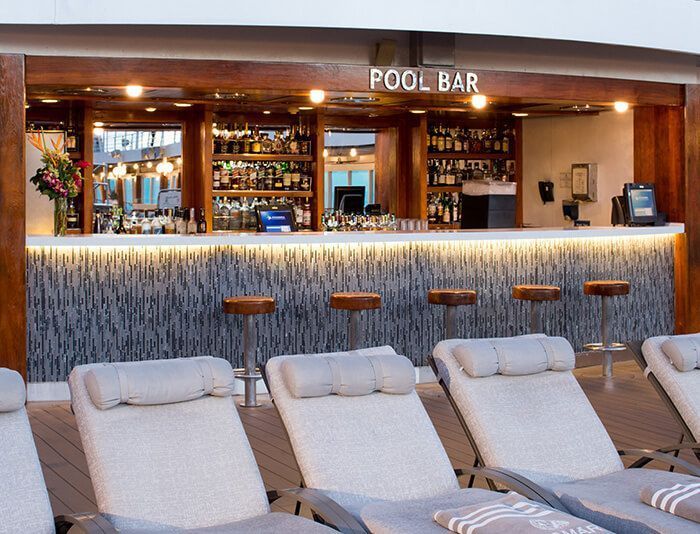
Our Pool Bar serves refreshments while enjoying the Pool during the day, and cocktails of your choice in the evening.
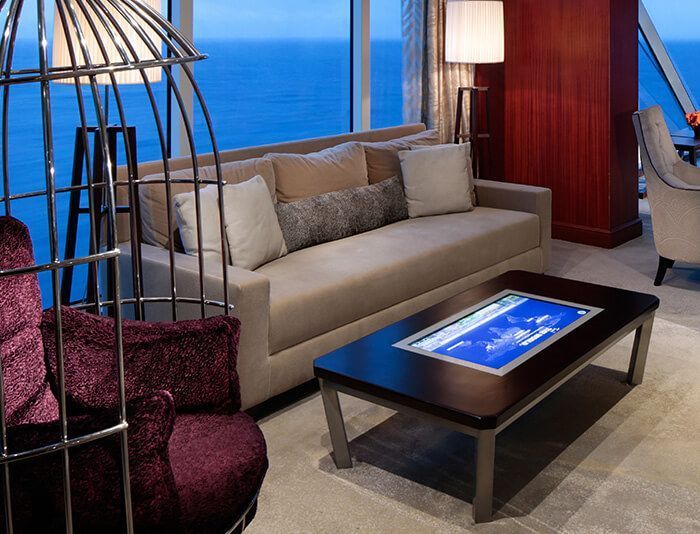
The idea of the Living Room is just that. To “live in” and to enjoy time with friends and fellow guests! Much of the room is furnished as a living room, with clusters of large comfortable chairs and sofas....
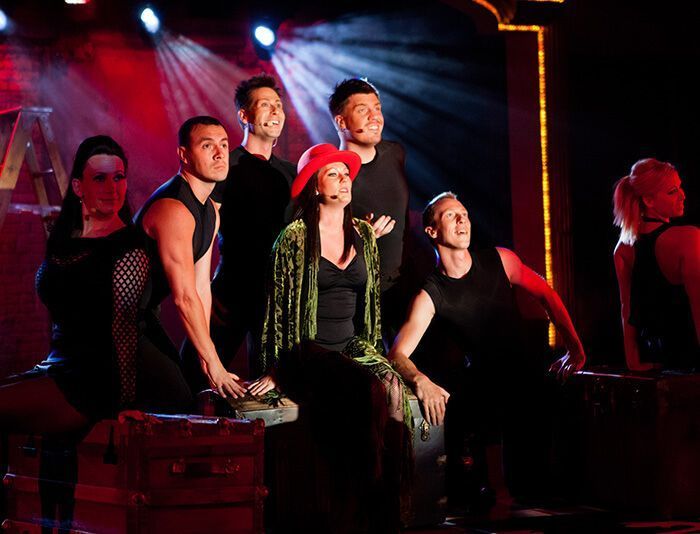
Enjoy live performances of professional full-stage musical revues, classical soloists, bands and other entertainment in a cabaret nightclub with a full bar and cozy tables.
The images shown are for illustration purposes only and may not be an exact representation of what you find on the ship.
The images shown are for illustration purposes only and may not be an exact representation of what you find on the ship.


Our Fusion packages are all ABTA & ATOL protected ensuring that your booking is safe with us
| 28 nights aboard the Azamara Pursuit | |||
| AzAmazing Evenings event on voyages over 7 nights | |||
| Pre-Paid Gratuities | |||
| Select standard spirits, international beers & wines | |||
| Free bottled water, soft drinks, specialty coffees & teas | |||
| Concierge services for personal guidance & reservations | |||
| Free self-service laundry | |||
| Shuttle service to & from port where available | |||
| English Butler Service for suite Guests | |||
| Port Taxes and Fees | |||
 | ABTA and ATOL Protection* | ||
Date 6th Aug 2028 |
Nts 28 |
Interior £7,079pp |
Oceanview £7,829pp |
Balcony £10,049pp |
Suite £14,849pp |
Date 6th Aug 2028 |
Nts 28 |
Interior £7,079pp |
Oceanview £7,829pp |
Balcony £10,049pp |
Suite £14,849pp |
| Interior staterooms from | £7,079pp | ||
| 9 | Club Interior Stateroom (Deck 8, Mid/Fwd) | £7,699pp | |
| 10 | Club Interior Stateroom (Deck 7, Mid) | £7,479pp | |
| 11 | Club Interior Stateroom (Deck 6,7, Fwd) | £7,289pp | |
| 12 | Club Interior Stateroom (Deck 4, Mid) | £7,079pp | |
| Oceanview staterooms from | £7,829pp | ||
| 4 | Club Oceanview Stateroom (Deck 6, Fwd) | £8,509pp | |
| 5 | Club Oceanview Stateroom (Deck 4, Mid) | £8,279pp | |
| 6 | Club Oceanview Stateroom (Deck 4, Fwd) | £8,049pp | |
| 8 | Club Oceanview Stateroom (Deck 6, Obstructed) | £7,829pp | |
| Balcony staterooms from | £10,049pp | ||
| V1 | Club Veranda Stateroom (Deck 4) | £10,619pp | |
| V2 | Club Veranda Stateroom (Deck 7) | £10,329pp | |
| V3 | Club Veranda Stateroom (Deck 6) | £10,049pp | |
| P1 | Club Veranda Plus Stateroom (Decks 6,7,8, Aft/Fwd) | £12,669pp | |
| P2 | Club Veranda Plus Stateroom (Deck 8, Mid) | £12,309pp | |
| P3 | Club Veranda Plus Stateroom (Deck 8, Fwd) | £11,959pp | |
| Suite staterooms from | £14,849pp | ||
| N1 | Club Continent Suite (Deck 8, Mid) | £15,279pp | |
| N2 | Club Continent Suite (Deck 8, Aft) | £14,849pp | |
| SP | Club Spa Suite | £20,719pp | |
| CO | Club Ocean Suite | £23,149pp | |
| CW | Club World Owner's Suite | £25,869pp | |
Fusion Holidays when selling travel arrangements is a trading name of Co-op Travel Services Limited, registration 08903986. Fusion Cruises is an Accredited Body Member of Co-op Travel Services Limited ATOL 12904.
Book with Confidence. We are a Member of ABTA which means you have the benefit of ABTA’s assistance and Code of Conduct.
Some of the flights and flight-inclusive holidays on this website are financially protected by the ATOL scheme but ATOL protection does not apply to all holiday and travel services offered on this website. This website will provide you with information on the protection that applies in the case of each holiday and travel service offered before you make your booking. If you do not receive an ATOL Certificate then the booking will not be ATOL protected. If you do receive an ATOL Certificate but all parts of your trip are not listed on it, those parts will not be ATOL protected. Please see our booking conditions for information, or for more information about financial protection and the ATOL Certificate go to: www.caa.co.uk