This site uses cookies as defined in our Cookie Policy, by continuing to use this site you agree to their use.
Continue

Alaska and British Columbia – Inside Passage, Bears and Aleutian Islands (Northbound) 2026/27
| Arrive | Depart | ||||||
| 25th25 | JulJul | 202626 | Vancouver, British Columbia, Canada, embark on the MS Roald Amundsen | 17:00 | |||
Vancouver is a delicious juxtaposition of urban sophistication and on-your-doorstep wilderness adventure. The mountains and seascape make the city an outdoor playground for hiking, skiing, kayaking, cycling, and sailing—and so much more—while the cuisine and arts scenes are equally diverse, reflecting the makeup of Vancouver's ethnic (predominantly Asian) mosaic. Vancouver is consistently ranked as one of the world's most livable cities, and it's easy for visitors to see why. It's beautiful, it's outdoorsy, and there's a laidback West Coast vibe. On the one hand, there's easy access to a variety of outdoor activities, a fabulous variety of beaches, and amazing parks. At the same time, the city has a multicultural vitality and cosmopolitan flair. The attraction is as much in the range of food choices—the fresh seafood and local produce are some of North America's best—as it is in the museums, shopping, and nightlife.Vancouver's landscaping also adds to the city's walking appeal. In spring, flowerbeds spill over with tulips and daffodils while sea breezes scatter scented cherry blossoms throughout Downtown; in summer office workers take to the beaches, parks, and urban courtyards for picnic lunches and laptop meetings. More than 8 million visitors each year come to Vancouver, Canada's third-largest metropolitan area. Because of its peninsula location, traffic flow is a contentious issue. Thankfully, Vancouver is wonderfully walkable, especially in the downtown core. The North Shore is a scoot across the harbor, and the rapid-transit system to Richmond and the airport means that staying in the more affordable ’burbs doesn't have to be synonymous with sacrificing convenience. The mild climate, exquisite natural scenery, and relaxed outdoor lifestyle keep attracting residents, and the number of visitors is increasing for the same reasons. People often get their first glimpse of Vancouver when catching an Alaskan cruise, and many return at some point to spend more time here. Arrive in Vancouver Your expedition cruise starts with an overnight stay in Vancouver, a bustling and beautiful seaport city set against steep mountains. Vancouver's various neighbourhoods buzz with world-class farm-to-table cuisine. Don’t miss Gastown, Vancouver’s Victorian quarter. Here you'll find the 553-foot Vancouver Lookout, which offers a perfect 360-degree panoramic view over the city. | |||||||
| 26th26 | JulJul | 202626 | At Sea | ||||
| 27th27 | JulJul | 202626 | Misty Fjords National Monument, Alaska, United States | 14:00 | 20:00 | ||
Rudyerd Bay is one of the highlights of the Misty Fiords, 40 miles east of Ketchikan, along the Inside Passage. This fjord cuts through steep-sided mountainous terrain and extends far into the mainland. The scenery is stunning, with dramatic thousand-foot waterfalls plunging down rainforest covered cliffs to the water below. Enjoy sublime scenery as we sail the Inside Passage The Inside Passage coastal route takes us through the great North American Pacific Fjordland, a protected stretch of water over 930 miles long. Unlike other cruises which pass through at night, you’ll be able to view the sublime scenery in all its glory during the day. Our smaller expedition ship allows us to reach areas that larger vessels can’t, meaning you’ll get to explore lesser-travelled channels with breathtaking scenery. Keep your cameras and binoculars at the ready to catch sight of whales, including humpback, fin, minke and perhaps even orcas. | |||||||
| 28th28 | JulJul | 202626 | Wrangell, Alaska, United States | 09:00 | 18:00 | ||
A small, unassuming timber and fishing community, Wrangel sits on the northern tip of Wrangel Island, near the mouth of the fast-flowing Stikine River—North America's largest undammed river. The Stikine plays a large role in the life of many Wrangel residents, including those who grew up homesteading on the islands that pepper the area. Trips on the river with local guides are highly recommended as they provide, basically, an insider's guide to the Stikine and a very Alaskan way of life. Like much of Southeast, Wrangel has suffered in recent years from a declining resource-based economy. But locals are working to build tourism in the town. Bearfest, which started in 2010, celebrates Wrangel's proximity to Anan Creek, where you can get a close-up view of both brown and black bears. Wrangel has flown three different national flags in its time. Russia established Redoubt St. Dionysius here in 1834. Five years later Great Britain's Hudson's Bay Company leased the southern Alaska coastline, renaming the settlement Ft. Stikine. It was rechristened Wrangel when the Americans took over in 1867; the name came from Baron Ferdinand Petrovich von Wrangel, governor of the Russian-American Company. The rough-around-the-edges town is off the track of the larger cruise ships, so it does not get the same seasonal traffic that Ketchikan and Juneau do. Hence, it is nearly devoid of the souvenir shops that dominate so many other nearby downtown areas. But the gift shops and art galleries that are here do sell locally created work, and the town is very welcoming to visitors; independent travelers would do well to add a stop in Wrangel during their Southeast wanderings. Revel in a wilderness where wildlife thrives Part of the Tongass National Forest, Misty Fjords is a pristine wilderness of evergreens, waterfalls and snowcapped peaks. The revered naturalist writer John Muir described the area as one of the most beautiful places he’d ever seen. Weather permitting, you'll join the Expedition Team to tour Misty Fjords in our small expedition boats or take kayaks out. Misty Fjords is rich in wildlife. You’ll scan for mountain goats, black and brown bears and moose as you explore. The waters are home to Pacific salmon, otters, Steller sea lions, harbour seals, orcas and Dall’s porpoises. Skywards, you might spot herons and Bald Eagles. | |||||||
| 29th29 | JulJul | 202626 | Sitka, Alaska, United States | 08:00 | 18:00 | ||
It's hard not to like Sitka, with its eclectic blend of Alaska Native, Russian, and American history and its dramatic and beautiful open-ocean setting. This is one of the best Inside Passage towns to explore on foot, with St. Michael's Cathedral, Sheldon Jackson Museum, Castle Hill, Sitka National Historical Park, and the Alaska Raptor Center topping the must-see list.Sitka was home to the Kiksádi clan of the Tlingit people for centuries prior to the 18th-century arrival of the Russians under the direction of territorial governor Alexander Baranof, who believed the region was ideal for the fur trade. The governor also coveted the Sitka site for its beauty, mild climate, and economic potential; in the island's massive timber forests he saw raw materials for shipbuilding. Its location offered trading routes as far west as Asia and as far south as California and Hawaii. In 1799 Baranof built St. Michael Archangel—a wooden fort and trading post 6 miles north of the present town.Strong disagreements arose shortly after the settlement. The Tlingits attacked the settlers and burned their buildings in 1802. Baranof, however, was away in Kodiak at the time. He returned in 1804 with a formidable force—including shipboard cannons—and attacked the Tlingits at their fort near Indian River, site of the present-day 105-acre Sitka National Historical Park, forcing many of them north to Chichagof Island.By 1821 the Tlingits had reached an accord with the Russians, who were happy to benefit from the tribe's hunting skills. Under Baranof and succeeding managers, the Russian-American Company and the town prospered, becoming known as the Paris of the Pacific. The community built a major shipbuilding and repair facility, sawmills, and forges, and even initiated an ice industry, shipping blocks of ice from nearby Swan Lake to the booming San Francisco market. The settlement that was the site of the 1802 conflict is now called Old Sitka. It is a state park and listed as a National Historic Landmark.The town declined after its 1867 transfer from Russia to the United States, but it became prosperous again during World War II, when it served as a base for the U.S. effort to drive the Japanese from the Aleutian Islands. Today its most important industries are fishing, government, and tourism. Visit one of Alaska’s oldest harbour towns We continue cruising the Alaskan islands towards Wrangell. Only a mile out of town, Petroglyph Beach is where you'll see ancient rock carvings among the sand. Visit the local museum to learn more about Wrangell's fascinating past. Now part of the United States, it was once governed by Britain, Russia and the Łingít people. Cross to Shakes Island, where the Chief Shakes Tribal House and totem poles tell the story of the Indigenous Łingít people. Hikers will enjoy the nature trails, surrounded by alluring scenery at the mouth of Stikine River, and the foot of Mount Dewey at the edge of the rainforest. | |||||||
| 30th30 | JulJul | 202626 | Saint George Island, Alaska, United States | 07:00 | 15:00 | ||
Take in Sitka’s views and mix of cultures Surrounded by Tongass National Forest, Sitka is only accessible by sea or air. Get out on deck for stunning views of the Sisters Mountains and Mount Edgecumbe volcano. Inhabited by the Łingít people for 10,000 years, the town was settled by Russian explorers around the turn of the 19th century before being sold to the United States after Russia lost the Crimean War. Today, Sitka has roots in all three cultures. A visit to the Russian Orthodox cathedral and Russian Bishop's House is recommended. Admire ornate Haida and Łingít totem poles at Sitka National Historical Park and enjoy a walking trail through the forest to the ocean. | |||||||
| 31st31 | JulJul | 202626 | At Sea | 08:00 | 15:00 | ||
| 1st01 | AugAug | 202626 | At Sea | ||||
| 2nd02 | AugAug | 202626 | Uyak Bay, Kodiak Island, Alaska, United States | 10:00 | 19:00 | ||
A day of relaxation and birdwatching at sea Your cruise continues across the Gulf of Alaska. It's the ideal time to enjoy onboard facilities such as the infinity pool, hot tubs, and sauna. Go for a run, hit the gym, or enjoy a massage in the spa. In the Science Centre, the Expedition Team invite you to join lectures about subjects such as Alaska’s wildlife, geology, glaciology, history and culture. Relax in the Explorer Lounge & Bar and share a drink with your fellow guests, or just sit back and enjoy the view. See if you can spot all three species of North Pacific albatross. The Laysan and Black-footed Albatross are often sighted, but the Short-tailed Albatross is harder to spot. | |||||||
| 3rd03 | AugAug | 202626 | Geographic Harbor, Alaska, United States | 08:00 | 18:00 | ||
Geographic Harbour is the heart of the Katmai National Park and Preserve. The distinctive rocky cliffs are characterised by white marks that are the remains of ash deposits that accumulated following a volcanic eruption. Explore the Geographic Haber and its tall cliffs in more detail as you board a Zodiac® inflatable with a National Geographic Expert. Explore the home of the Alutiiq people Kodiak Island got its nickname the ‘Emerald Isle’, due to its Spruce forests and grasslands, and it's the second-largest island in the US. The island’s most famous inhabitants are Kodiak brown bears. Around 3,500 of them live in the Kodiak National Wildlife Refuge, which covers two-thirds of the island. We’ll search for these powerful creatures in their natural habitat, marvelling at their size and grace from the safety of our small expedition boat. This perspective offers a rare glimpse into the lives of these bears against the backdrop of Alaska’s breathtakingly rugged landscape. | |||||||
| 4th04 | AugAug | 202626 | Kujulik Bay, Alaska, United States | 12:00 | 18:00 | ||
Spot brown bears in Katmai National Park Your adventure continues in the four million–acre Katmai National Park, which has over a dozen active volcanoes. Katmai is also home to more than 2,000 protected brown bears – the largest concentration in the world. Accompanied by an experienced bear guard, we'll be safely scouting for them from the deck or in our small expedition boats. They might be foraging for berries, digging for clams or catching fish in the stream. Depending on conditions, we might visit either Geographic Harbor, Kinak Bay or Kukak Bay. | |||||||
| 5th05 | AugAug | 202626 | Unga Island, Alaska, United States | 08:00 | 16:00 | ||
The Aleutian island of Unga holds an ancient petrified wood forest and a more recent ghost town that was the site of a small gold rush in the late 1800s and early 1900s. The village was eventually abandoned in the 1960’s and now has a somewhat somber appearance. Many of the houses have collapsed and are overgrown with brilliant fuchsia fireweed wildflowers. From a distance the church looks intact, but up closer it is apparent that the roof is standing on the ground, and the walls have completely collapsed. Great Horned Owls nest near the church and in the bay kittiwakes, Double Crested and Pelagic Cormorants, Common Murres and Tufted Puffins can be seen. Explore rugged scenery in an untamed wilderness The Alaska Peninsula is an untamed wilderness and a haven for wildlife. The region is characterised by its raw coastal landscapes, towering mountains and secluded bays. Join your Expedition Team for close exploration of hidden bays and inlets along the shoreline, offering the opportunity to scout for bears, Bald Eagles, and marine species like sea otters and humpback whales. Learn about the geological evolution of the region, appreciating how natural forces have sculpted the unique topography around you. | |||||||
| 6th06 | AugAug | 202626 | Dutch Harbor, Alaska, United States | 11:00 | 19:00 | ||
The crumpled peaks, and tranquil scenery, of Dutch Harbor belies its history as one of the few places on American soil to have been directly attacked by the Japanese - who bombed the significant US military base here during the Second World War. Located on a string of islands, which loops down into the Pacific from Alaska, a visit to this Aleutian Island destination offers comprehensive military history, and extraordinary ocean scenery. Hike the volcanic, gloriously green landscapes, and look out for wonderful wildlife, like bald eagles, as they survey the surroundings. You can also watch on in awe, as incredible marine mammals crash through the waves just offshore.Dutch Harbor, gives you the chance to sample some of the rich local fishing heritage. Why not book yourself onto a voyage aboard a working fishing boat, to see for yourself how richly filled the waters of the Bering Sea are, as the hard-working fishermen pull bountiful supplies of cod and pollock from the water? The fish plucked from the Bering Sea are shipped to dining tables across America, and you’ll quickly see why Dutch Harbor is one of the US's most important fishing locations Experience a deserted Alaskan town Wild and deserted, Unga Village is an abandoned yet picturesque settlement on the southern end of Unga Island. It was settled by Unangax̂ in 1833 but was abandoned in 1969 as subsistence fishing proved insufficient to support living here. Today, the few wooden buildings that remain are the only evidence that people once lived here. A carpet of pink lousewort, fireweed and other wildflowers surrounds the abandoned shacks as nature has gradually taken over. Experience the eerie beauty of this place during a nature landing with our small expedition boats. | |||||||
| 7th07 | AugAug | 202626 | At Sea | ||||
| 8th08 | AugAug | 202626 | Saint Paul Island, Alaska, United States | 08:00 | 16:00 | ||
The city of Saint Paul is located on a narrow peninsula on the southern tip of St. Paul Island, the largest of five islands in the Pribilofs. These islands are located in the middle of the Bering Sea between the United States and Russia. St Paul’s lies 240 miles north of the Aleutian Islands, 300 miles west of the Alaska mainland, and 750 air miles west of Anchorage. The city of St. Paul is the only residential area on the island. The first non-natives to ‘discover’ St. Paul were Russian fur-traders in the late 1780’s, led by the navigator, Gavriil Pribylov. Today, this small city has one school (K-12), one post office, one bar, one small general store, and one church, a Russian Orthodox Church that is registered National Historic building. In summer, this island is teaming with wildlife, including about 500,000 northern fur seals and millions of seabirds, including tufted puffins Relax and reflect as we cruise along the coast Part of being on an expedition cruise is taking time to connect with the sights and sounds of the world around you. A day at sea lets you do just that. Sit back and take in the panoramic views from our Explorer Lounge & Bar, from the infinity pool or from the outdoor hot tubs. Keep scanning the shores, seas and skies for puffins, auklets, and murrelets, especially closer to the coast. If you’re lucky, you might glimpse the Red-legged Kittiwake, only found in this part of the world. You'll learn more about the region's geography, climate and birdlife from the Expedition Team in the Science Centre. | |||||||
| 9th09 | AugAug | 202626 | St. Matthew Island, Alaska, United States | 10:00 | 17:00 | ||
St. Matthew Island is an extremely remote island in the middle of the Bering Sea, more than 200 miles from the nearest Alaska village. Even by Alaskan standards it is a lonely place. At the most southerly point of the 32 mile long island, at Cape Upright, the black sand and gravel beaches give way to massive sea cliffs that exceed heights of over 1000 ft. These are home to countless nesting murres, kittiwakes, cormorants and other sea birds. In fact, reports of the island’s wildlife by the Harriman Expedition in 1899 convinced Teddy Roosevelt to include St. Matthew in a group of islands designated as America’s first wildlife refuges in 1909. Today, biologists from the Alaska Maritime National Wildlife Refuge, try to visit St. Matthew every five years to monitor changes. The most famous story of this island is the case of the disappearing reindeer. In 1944, twenty-nine reindeer were brought to the island as alternative food supply for WWII troops. By 1963 there were over 6,000 animals. But only 3 years later, after a couple extremely harsh winters, numbers had shrunk to 42, and by the early 1980’s the total population was gone. Look out for wildlife on the largest Pribilof Island The windswept island of St Paul is home to the largest Unangan community in the US, numbering around 480. You can visit the historical remains of barabaras here – traditional dwellings built half-underground to protect against the sea winds. St Paul is also designated an Important Bird Area, and around 300 species of migrating birds use it as a resting point. Scan for Horned and Tufted Puffins, the Pribilof Sandpiper and the rare Red-legged Kittiwake. On the shore, you may find northern fur seals waddling and playing – half the world's population of these charming animals live on these islands. | |||||||
| 10th10 | AugAug | 202626 | At Sea | ||||
| 11th11 | AugAug | 202626 | Nome, Alaska, United States | 06:00 | |||
Nome is located on the edge of the Bering Sea, on the southwest side of the Seward Peninsula. Unlike other towns which are named for explorers, heroes or politicians, Nome was named as a result of a 50 year-old spelling error. In the 1850's an officer on a British ship off the coast of Alaska noted on a manuscript map that a nearby prominent point was not identified. He wrote "? Name" next to the point. When the map was recopied, another draftsman thought that the “?” was a C and that the “a” in "Name" was an o, and thus a map-maker in the British Admiralty christened "Cape Nome." The area has an amazing history dating back 10,000 years of Inupiaq Eskimo use for subsistence living. Modern history started in 1898 when "Three Lucky Swedes”, Jafet Lindberg, Erik Lindblom and John Brynteson, discovered gold in Anvil Creek…the rush was on! In 1899 the population of Nome swelled from a handful to 28,000. Today the population is just over 3,500. Much of Nome's gold rush architecture remains. Watch for wildlife and relax at sea As we cruise the Bering Sea, you'll have Russia to the west and the United States to the east. Natural wonders abound here, so keep an eye out for humpback whales, and seabirds wheeling through the skies. This is your last full sea day, so relax and enjoy your time on board. The Expedition Team will recap the highlights of your Alaskan adventure, and you can continue your journey of discovery in the Science Centre. | |||||||
| 12th12 | AugAug | 202626 | Nome, Alaska, United States | ||||
Nome is located on the edge of the Bering Sea, on the southwest side of the Seward Peninsula. Unlike other towns which are named for explorers, heroes or politicians, Nome was named as a result of a 50 year-old spelling error. In the 1850's an officer on a British ship off the coast of Alaska noted on a manuscript map that a nearby prominent point was not identified. He wrote "? Name" next to the point. When the map was recopied, another draftsman thought that the “?” was a C and that the “a” in "Name" was an o, and thus a map-maker in the British Admiralty christened "Cape Nome." The area has an amazing history dating back 10,000 years of Inupiaq Eskimo use for subsistence living. Modern history started in 1898 when "Three Lucky Swedes”, Jafet Lindberg, Erik Lindblom and John Brynteson, discovered gold in Anvil Creek…the rush was on! In 1899 the population of Nome swelled from a handful to 28,000. Today the population is just over 3,500. Much of Nome's gold rush architecture remains. Learn about Nome’s golden past Prospectors first came to Nome in 1898, and people still hunt for gold here today. You'll see evidence of the Gold Rush all around, including abandoned dredges, turn-of-the-century steam engines and old railroad tracks, lending the town a unique atmosphere. Nome was the end point of three of Roald Amundsen's great polar expeditions, including an attempt by air to reach the North Pole in 1926. Naturally, Nome is a fitting place to bid farewell to our own MS Roald Amundsen, before flying back to Seattle, where you’ll enjoy an overnight stay. | |||||||
| 13th13 | AugAug | 202626 | Seattle, Washington, United States, disembark the MS Roald Amundsen | ||||
Seattle is a scenic seaport city in western Washington, situated on an isthmus between Puget Sound to the west and Lake Washington to the east. It is the largest city in Washington. Five pioneer families from Illinois first settled the area in 1851, and named the town after a friendly Suquamish Indian chief. It was incorporated as a city in 1869, and grew quickly after the Great Northern Railway arrived in 1893, especially during the Alaska Gold Rush of 1897. When the Panama Canal opened in 1914, Seattle became a major Pacific port of entry, and today it is the region's commercial and transportation hub and the centre of manufacturing, trade, and finance, with an estimated 684,451 residents as of 2015. End your adventure in the Emerald City Your Alaskan adventure comes to an end in Seattle. If you have time before your onward journey, why not head to the Seattle Aquarium to see sea otters and a giant Pacific octopus. Or for incredible views of Puget Sound and the surrounding mountains, take a stroll through the nine-acre Olympic Sculpture Park, admiring the work of renowned artists as you go. For a feast of the senses, visit the famous Pike Place Market. Operating for over a century, this lively farmer’s market boasts everything from buskers and bars to salmon-throwing fishmongers! If you have the time to go farther afield, we recommend booking a Post-Programme with us and discovering some of the region’s natural highlights. | |||||||
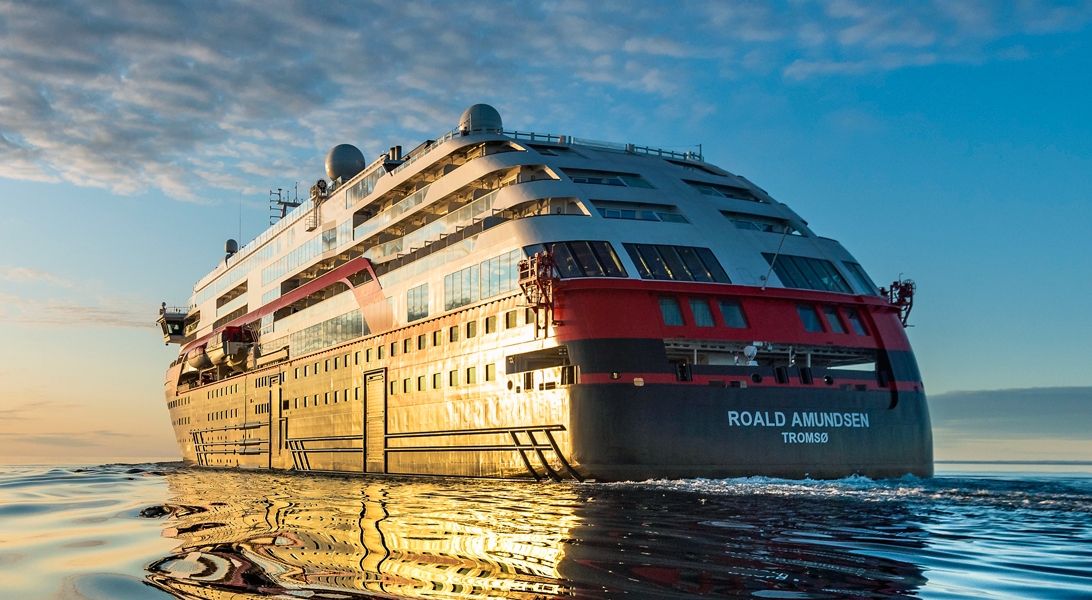

The images shown are for illustration purposes only and may not be an exact representation of what you find on the ship.
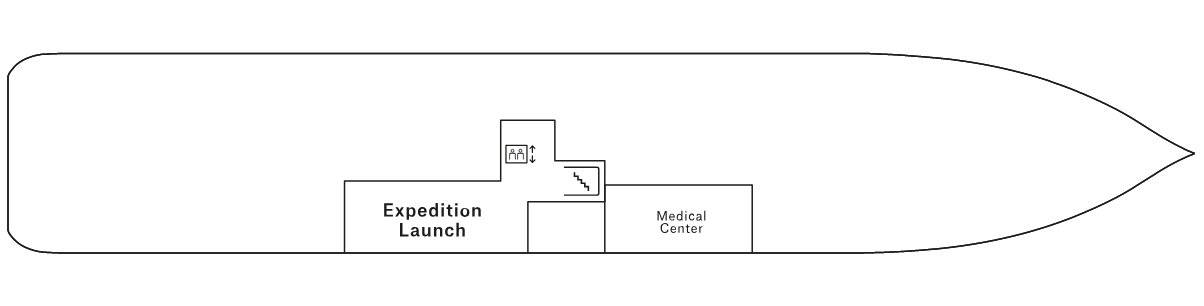
The images shown are for illustration purposes only and may not be an exact representation of what you find on the ship.
The images shown are for illustration purposes only and may not be an exact representation of what you find on the ship.
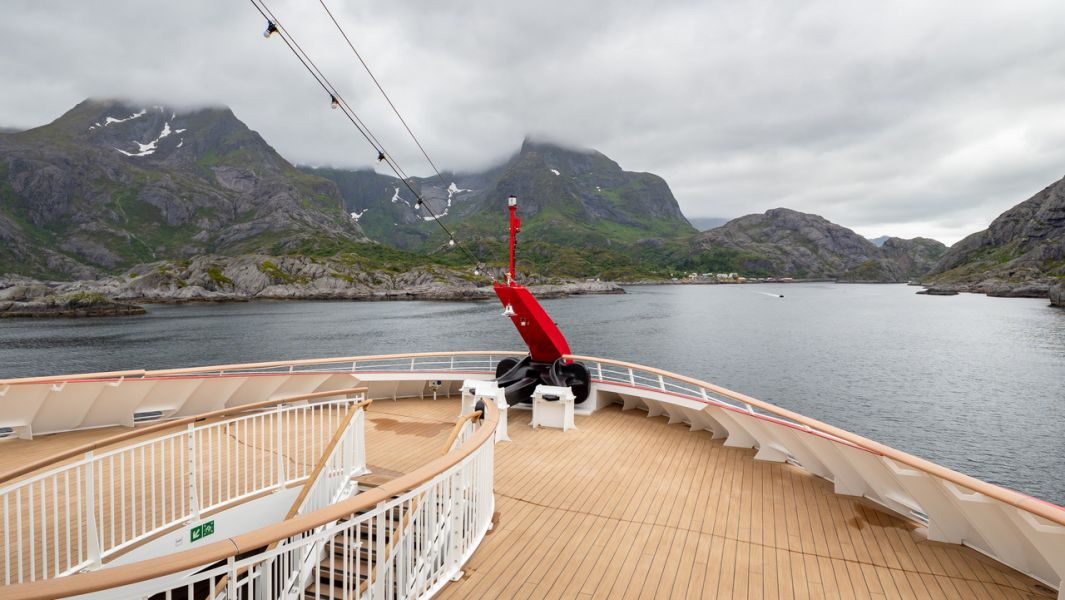
The ship has spacious outdoor areas. They are perfect vantage points to sit back, relax and watch the world go by. The observation deck is located on deck 11, where you will also find the outdoor gym and running track.
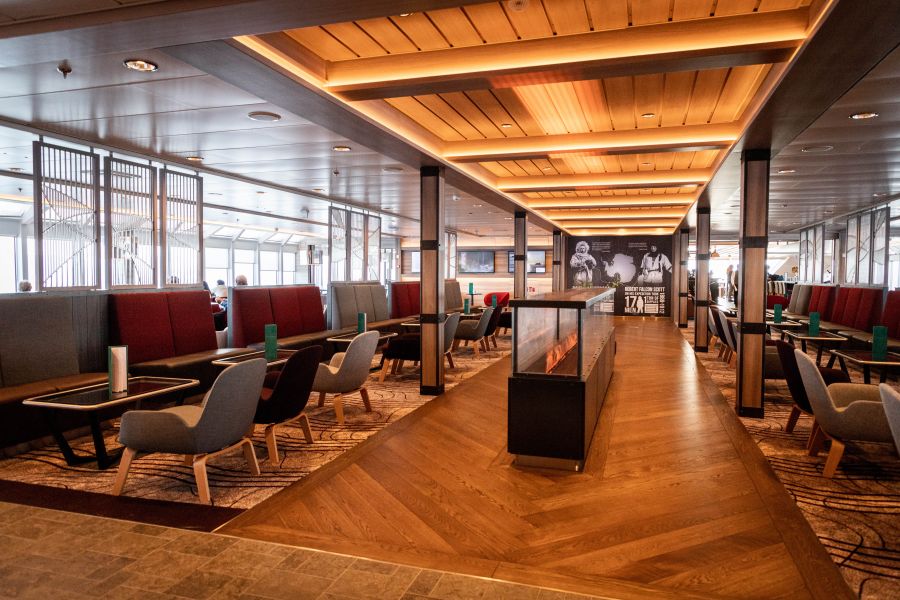
Relax and rejuvenate in the elegant Explorer lounge & bar. Sink into a comfortable armchair and gaze out at the magnificent views through the floor-to-ceiling windows.
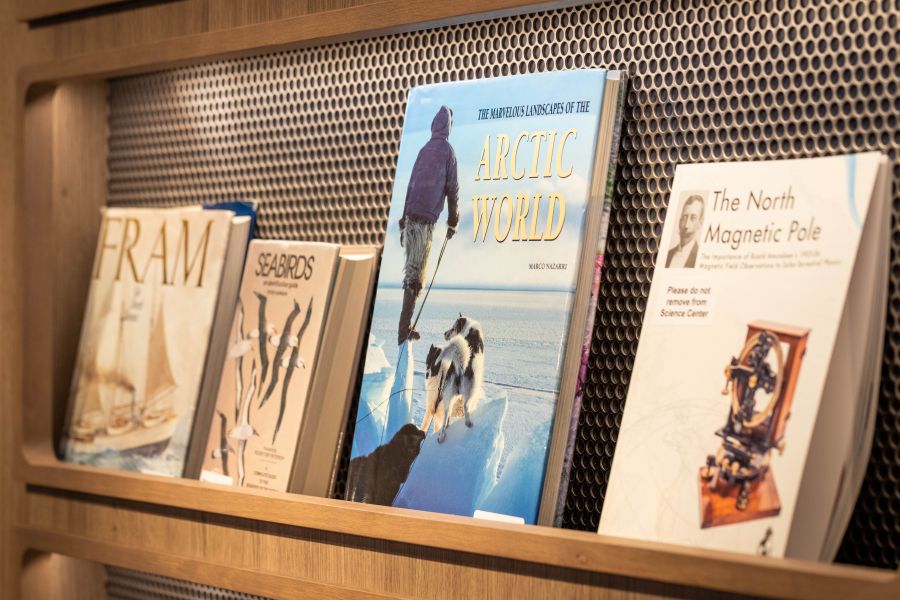
The ship has a small selection of books on different topics that is available to guests while on board. The library is located on deck 6.
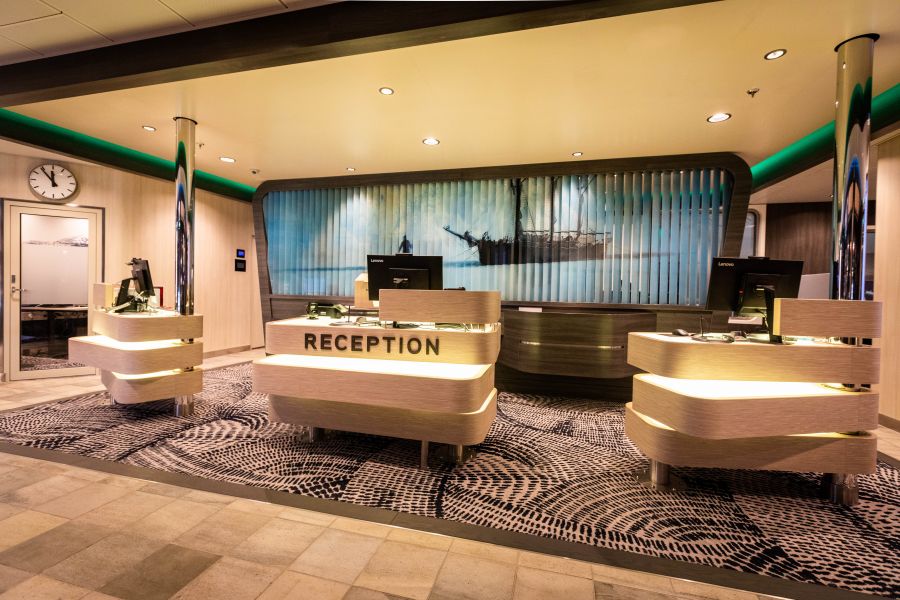
The reception is located on deck 6.
The images shown are for illustration purposes only and may not be an exact representation of what you find on the ship.
The images shown are for illustration purposes only and may not be an exact representation of what you find on the ship.

Our Fusion packages are all ABTA & ATOL protected ensuring that your booking is safe with us
| 19 nights aboard the MS Roald Amundsen | |||
| Full-board dining included | |||
| Wine, beer & soft drinks included with lunch & dinner | |||
| Complimentary tea and coffee | |||
| Range of included excursions | |||
| No gratuities | |||
| Complimentary Wi-Fi on board | |||
| Engaging onboard activities and lectures | |||
| Port Taxes and Fees | |||
 | ABTA and ATOL Protection* | ||
Date 25th Jul 2026 |
Nts 19 |
Oceanview £10,018pp |
Balcony £11,213pp |
Suite £14,925pp |
Date 25th Jul 2026 |
Nts 19 |
Oceanview £10,018pp |
Balcony £11,213pp |
Suite £14,925pp |
| Oceanview staterooms from | £10,018pp | ||
| TY | Wheelchair-accessible Arctic Superior | £10,018pp | |
| Balcony staterooms from | £11,213pp | ||
| XT | Arctic Superior Outside Cabin with Balcony | £11,810pp | |
| XTD | Arctic Superior Outside Cabin with Balcony | £11,810pp | |
| XY | Arctic Superior Wheelchair-Accessible Outside Cabin with Balcony | £11,810pp | |
| XTJ | Arctic Superior w/ Balcony | £11,213pp | |
| Suite staterooms from | £14,925pp | ||
| MA | XL Suite with Balcony | £25,761pp | |
| MB | XL Suite | £19,008pp | |
| MC | Corner Suite with Balcony | £20,186pp | |
| MD | Large Suite with Balcony | £16,731pp | |
| ME | Suite with Balcony | £14,925pp | |
| Oceanview | Balcony | Suite | |
| (All prices are £GBP per person) | |||
| Fri 24th Jul 202624 Jul 26 | Please call for availability | ||
Fusion Holidays when selling travel arrangements is a trading name of Co-op Travel Services Limited, registration 08903986. Fusion Cruises is an Accredited Body Member of Co-op Travel Services Limited ATOL 12904.
Book with Confidence. We are a Member of ABTA which means you have the benefit of ABTA’s assistance and Code of Conduct.
Some of the flights and flight-inclusive holidays on this website are financially protected by the ATOL scheme but ATOL protection does not apply to all holiday and travel services offered on this website. This website will provide you with information on the protection that applies in the case of each holiday and travel service offered before you make your booking. If you do not receive an ATOL Certificate then the booking will not be ATOL protected. If you do receive an ATOL Certificate but all parts of your trip are not listed on it, those parts will not be ATOL protected. Please see our booking conditions for information, or for more information about financial protection and the ATOL Certificate go to: www.caa.co.uk