This site uses cookies as defined in our Cookie Policy, by continuing to use this site you agree to their use.
Continue

| Arrive | Depart | ||||||
| 28th28 | OctOct | 202626 | Marseille, France, embark on the MSC Musica | 18:00 | |||
Since being designated a European Capital of Culture for 2013, with an estimated €660 million of funding in the bargain, Marseille has been in the throes of an extraordinary transformation, with no fewer than five major new arts centers, a beautifully refurbished port, revitalized neighborhoods, and a slew of new shops and restaurants. Once the underdog, this time-burnished city is now welcoming an influx of weekend tourists who have colonized entire neighborhoods and transformed them into elegant pieds-à-terre (or should we say, mer). The second-largest city in France, Marseille is one of Europe's most vibrant destinations. Feisty and fond of broad gestures, it is also as complicated and as cosmopolitan now as it was when a band of Phoenician Greeks first sailed into the harbor that is today's Vieux Port in 600 BC. Legend has it that on that same day a local chieftain's daughter, Gyptis, needed to choose a husband, and her wandering eyes settled on the Greeks' handsome commander Protis. Her dowry brought land near the mouth of the Rhône, where the Greeks founded Massalia, the most important Continental shipping port in antiquity. The port flourished for some 500 years as a typical Greek city, enjoying the full flush of classical culture, its gods, its democratic political system, its sports and theater, and its naval prowess. Caesar changed all that, besieging the city in 49 BC and seizing most of its colonies. In 1214 Marseille was seized again, this time by Charles d'Anjou, and was later annexed to France by Henri IV in 1481, but it was not until Louis XIV took the throne that the biggest transformations of the port began; he pulled down the city walls in 1666 and expanded the port to the Rive Neuve (New Riverbank). The city was devastated by plague in 1720, losing more than half its population. By the time of the Revolution, Marseille was on the rebound once again, with industries of soap manufacturing and oil processing flourishing, encouraging a wave of immigration from Provence and Italy. With the opening of the Suez Canal in 1869, Marseille became the greatest boomtown in 19th-century Europe. With a large influx of immigrants from areas as exotic as Tangiers, the city quickly acquired the multicultural population it maintains to this day. | |||||||
| 29th29 | OctOct | 202626 | Tarragona, Spain | 08:00 | 18:00 | ||
| 30th30 | OctOct | 202626 | At Sea | ||||
| 31st31 | OctOct | 202626 | Casablanca, Morocco | 08:00 | 23:00 | ||
The original settlement formed on the site of Casablanca by the Berbers became the kingdom of Anfa, and during the 15th century harboured pirates who raided the Portuguese coast. In retaliation for the attacks, the Portuguese destroyed Anfa and founded the town they called Casa Branca (white house). They remained here until an earthquake in 1755 and the town was subsequently rebuilt by Mohammed ben Abdallah, whose legacy of mosques and houses can still be seen in the old Medina. Casablanca acquired its present-day name when the Spanish obtained special port privileges in 1781. The French landed here in 1907, later establishing a protectorate and modelling the town on the port of Marseilles. Today Casablanca is Morocco’s largest city, its most significant port and the centre of commerce and industry. The city is a vibrant fusion of European, African and Arabian influences and its French colonial architecture and art deco buildings seamlessly blend in with the busy, colourful markets. Please note that vendors in the souks can be very persistent and eager to make a sale. | |||||||
| 1st01 | NovNov | 202626 | At Sea | ||||
| 2nd02 | NovNov | 202626 | Santa Cruz de Tenerife, Spain | 09:00 | 18:00 | ||
The largest of the Canary Islands, Tenerife is a beautiful and scenic island which enjoys year-round sunshine and is dominated by Mount Teide. The mountain range runs through the centre of the island, with fertile valleys on the northern side. In the central part of the range is the gigantic natural crater of the Cañadas del Teide, about 14 miles in diameter. Santa Cruz, the island’s pretty capital, was originally a small fishing village but has now grown into a modern city, and also contains 16th-century civic buildings and ornate private mansions. Near the pier is the Santa Cruz Palmetum, a Botanical Garden covering an area of 29 acres, specialising in palms. | |||||||
| 3rd03 | NovNov | 202626 | At Sea | ||||
| 4th04 | NovNov | 202626 | At Sea | ||||
| 5th05 | NovNov | 202626 | At Sea | ||||
| 6th06 | NovNov | 202626 | At Sea | ||||
| 7th07 | NovNov | 202626 | At Sea | ||||
| 8th08 | NovNov | 202626 | At Sea | ||||
| 9th09 | NovNov | 202626 | Salvador de Bahia, Brazil | 11:00 | 18:00 | ||
According to Salvador's adopted son Jorge Amado, "In Salvador, magic becomes part of the every-day." From the shimmering golden light of sunset over the Baía do Todos os Santos, to the rhythmic beats that race along the streets, Salvador, while no longer Brazil's capital, remains one of its most captivating cities. A large dose of its exoticism comes down to its African heritage—at least 70% of its 2,675,000 population is classified as Afro-Brazilian—and how it has blended into Brazil's different strands, from the native Indians to the Christian colonizers. Salvadorans may tell you that you can visit a different church every day of the year, which is almost true—the city has about 300. Churches whose interiors are covered with gold leaf were financed by the riches of the Portuguese colonial era, when slaves masked their traditional religious beliefs under a thin Catholic veneer. And partly thanks to modern-day acceptance of those beliefs, Salvador has become the fount of Candomblé, a religion based on personal dialogue with the orixás, a family of African deities closely linked to nature and the Catholic saints. The influence of Salvador's African heritage on Brazilian music has also turned the city into one of the musical capitals of Brazil, resulting in a myriad of venues to enjoy live music across the city, along with international acclaim for exponents like Gilberto Gil, Caetano Veloso, and Daniela Mercury. Salvador's economy today is focused on telecommunications and tourism. The still-prevalent African culture draws many tourists—this is the best place in Brazil to hear African music, learn or watch African dance, and see capoeira, a martial art developed by slaves. In the district of Pelourinho, many colorful 18th- and 19th-century houses remain, part of the reason why this is the center of the tourist trade. Salvador sprawls across a peninsula surrounded by the Baía de Todos os Santos on one side and the Atlantic Ocean on the other. The city has about 50 km (31 miles) of coastline. The original city, referred to as the Centro Histórica (Historical Center), is divided into the Cidade Alta (Upper City), also called Pelourinho, and Cidade Baixa (Lower City). The Cidade Baixa is a commercial area—known as Comércio—that runs along the port and is the site of Salvador's indoor market, Mercado Modelo. You can move between the upper and lower cities on foot, via the landmark Elevador Lacerda, behind the market, or on the Plano Inclinado, a funicular lift, which connects Rua Guindaste dos Padres on Comércio with the alley behind Cathedral Basílica. From the Cidade Histórica you can travel north along the bay to the hilltop Igreja de Nosso Senhor do Bonfim. You can also head south to the point, guarded by the Forte Santo Antônio da Barra, where the bay waters meet those of the Atlantic. This area on Salvador's southern tip is home to the trendy neighborhoods of Barra, Ondina, and Rio Vermelho, with many museums, theaters, shops, and restaurants. Beaches along the Atlantic coast and north of Forte Santo Antônio da Barra are among the city's cleanest. Many are illuminated at night and have bars and restaurants that stay open late. | |||||||
| 10th10 | NovNov | 202626 | At Sea | ||||
| 11th11 | NovNov | 202626 | Rio de Janeiro, Brazil, disembark the MSC Musica | 09:00 | |||
Welcome to the Cidade Maravilhosa, or the Marvelous City, as Rio is known in Brazil. Synonymous with the girl from Ipanema, the dramatic views from Christ the Redeemer atop Corcovado mountain, and fabulously flamboyant Carnival celebrations, Rio is a city of stunning architecture, abundant museums, and marvelous food. Rio is also home to 23 beaches, an almost continuous 73-km (45-mile) ribbon of sand.As you leave the airport and head to Rio's beautiful Zona Sul (the touristic South Zone), you'll drive for about 40 minutes on a highway from where you'll begin to get a sense of the dramatic contrast between beautiful landscape and devastating poverty. In this teeming metropolis of 12 million people (6.2 million of whom live in Rio proper), the very rich and the very poor live in uneasy proximity. You'll drive past seemingly endless cinder-block favela, but by the time you reach Copacabana's breezy, sunny Avenida Atlântica—flanked on one side by white beach and azure sea and on the other by condominiums and hotels—your heart will leap with expectation as you begin to recognize the postcard-famous sights. Now you're truly in Rio, where cariocas (Rio residents) and tourists live life to its fullest.Enthusiasm is contagious in Rio. Prepare to have your senses engaged and your inhibitions untied. Rio seduces with a host of images: the joyous bustle of vendors at Sunday's Feira Hippie (Hippie Fair); the tipsy babble at sidewalk cafés as patrons sip their last glass of icy beer under the stars; the blanket of lights beneath the Pão de Açúcar (Sugarloaf Mountain); the bikers, joggers, strollers, and power walkers who parade along the beach each morning. Borrow the carioca spirit for your stay; you may find yourself reluctant to give it back. | |||||||
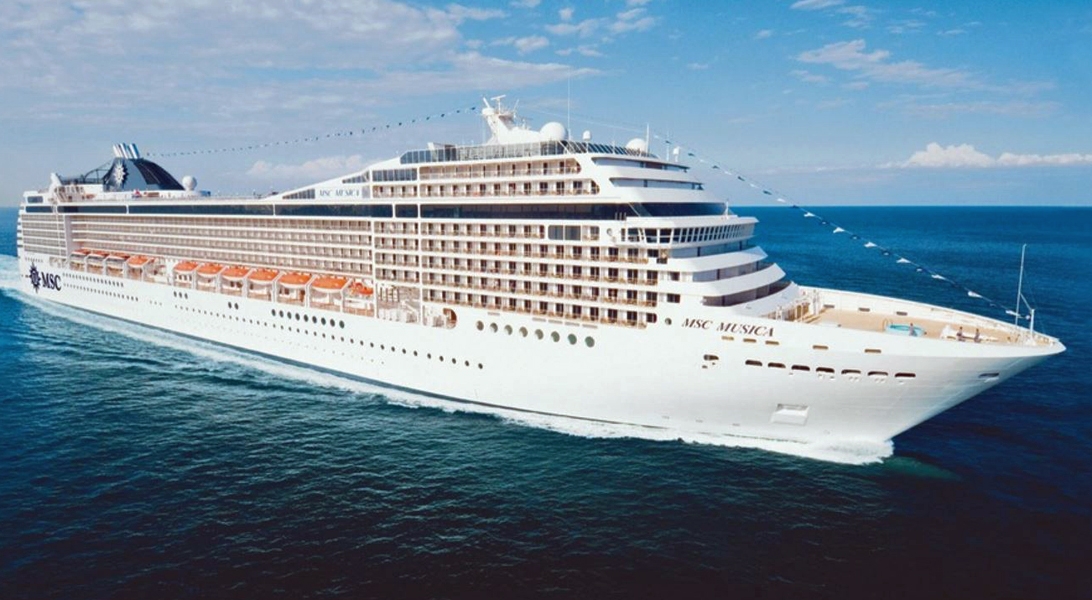


The images shown are for illustration purposes only and may not be an exact representation of what you find on the ship.
The images shown are for illustration purposes only and may not be an exact representation of what you find on the ship.
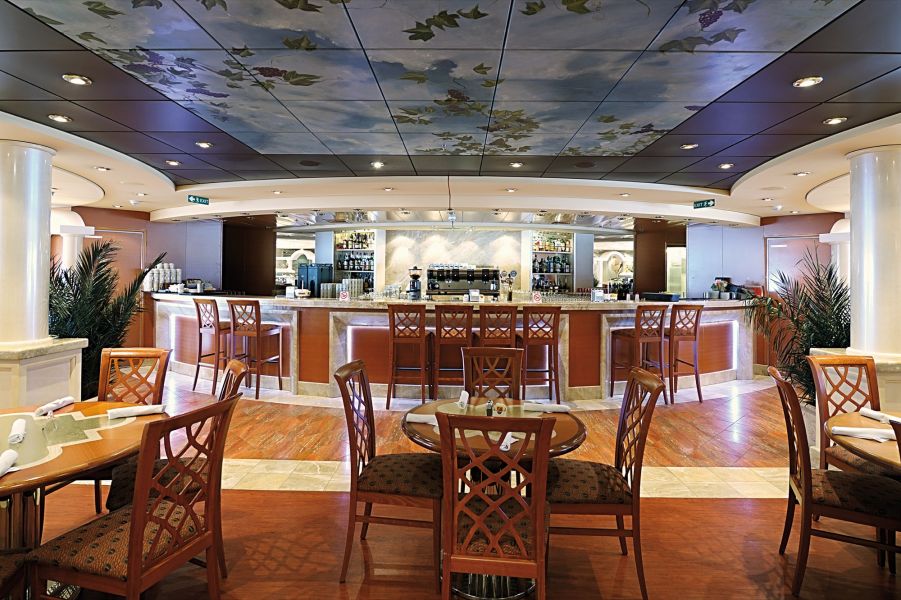
Situated on Deck Thirteen, passengers can enjoy breathtaking views and sumptuous Italian cuisine from this à la carte restaurant∘. The dedicated chefs strive to impress, as they aim to pamper guests' taste buds with contemporary Italian cuisine blended skilfully with international influences. The high level of service isn't confined to the plate though, as the Maitre d'Hotel and his team make every effort to make the dinner process as enjoyable as possible.
The images shown are for illustration purposes only and may not be an exact representation of what you find on the ship.
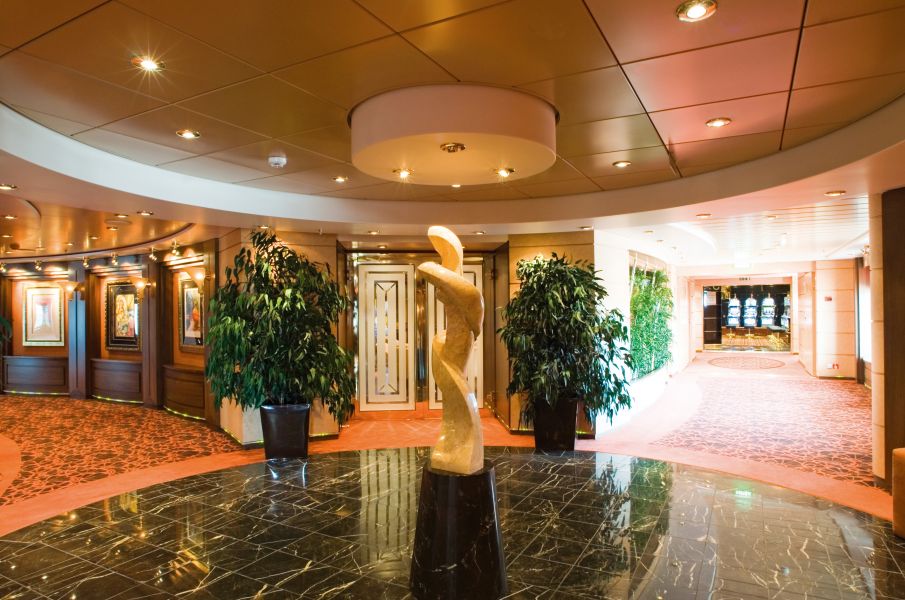
The Art Gallery can be found on deck 7 of the ship. Guests can view a range of artwork from fine prints, lithographs, water colours and oils which can be purchased during the ship's champagne art auctions.
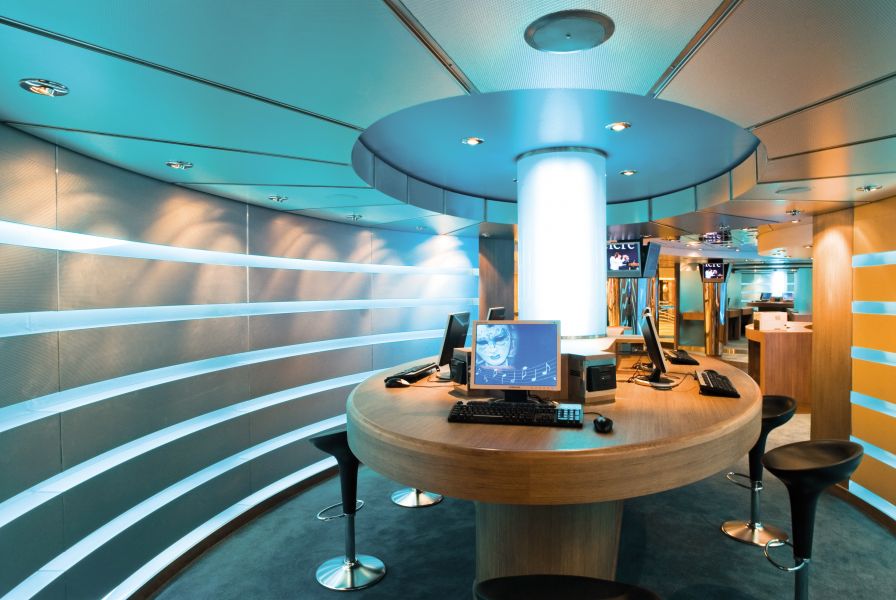
The Cyber Cafe located on deck 7 is the ship's computer room with 17 workstations and a printer (Charges apply).
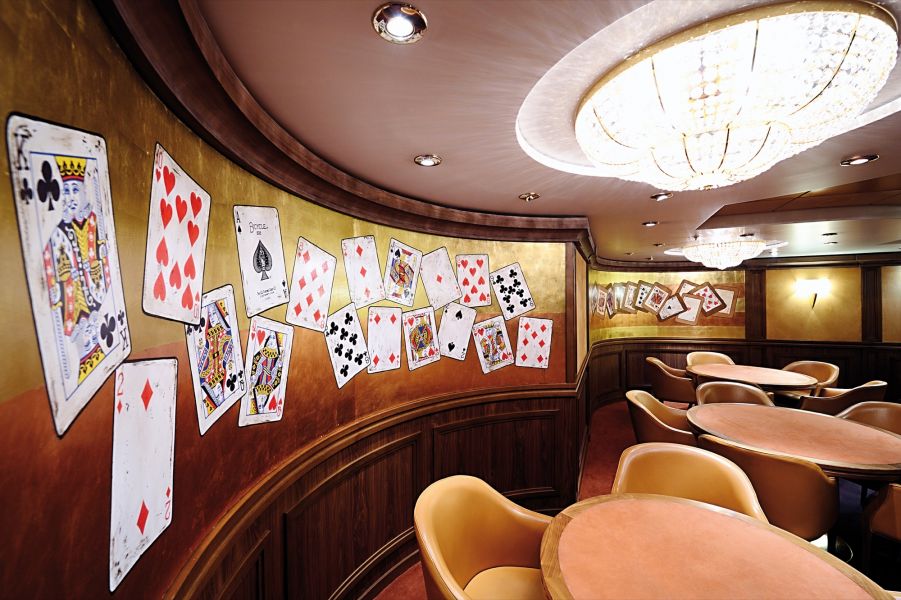
The ship's card room is located on deck 7 and seats 28 guests.
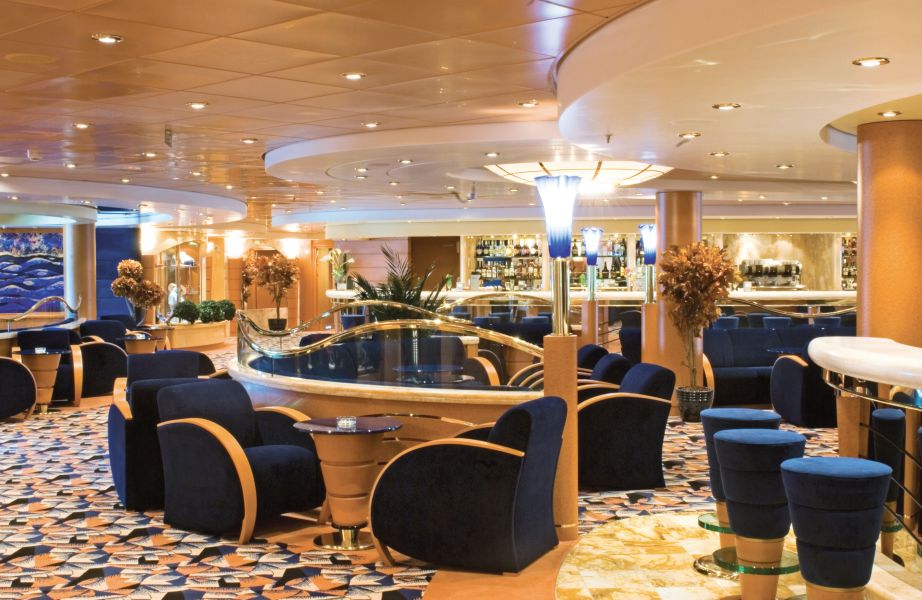
The Coffee Bar is an additional charge bar, situated on deck 6 seating 220 guests and with complimentary snacks ranging from pastries to cookies and potato chips served with all drinks purchased.
Coffee packages are available and drinks on offer range from chilled liquor based coffees such as Espresso Martini, American Style Coffee, Cappuccino and Hot Chocolate.
Entertainment on offer here ranges from live music to trivia quizzes, art and craft demonstrations and cookery demonstration
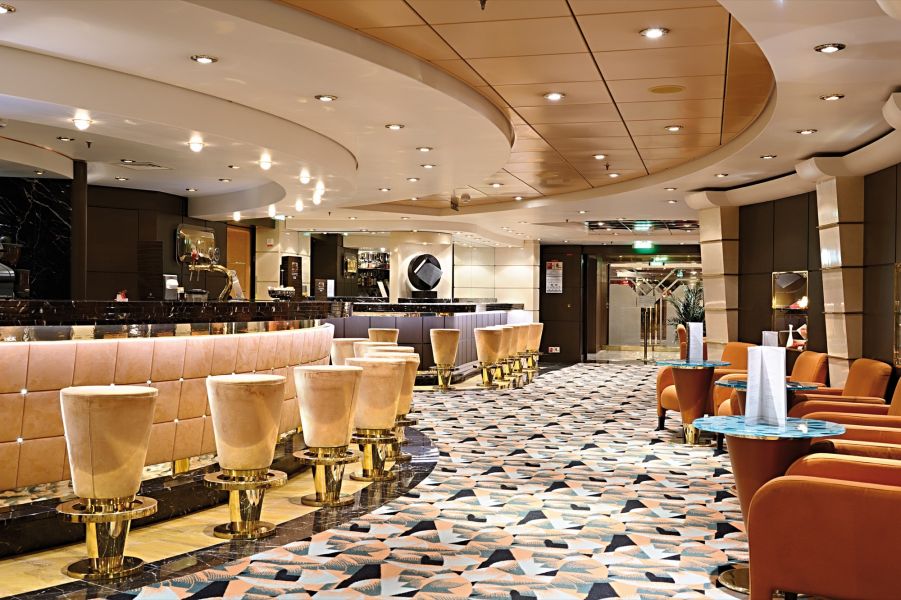
The Cocktail Bar is the ideal location for guests to enjoy a pre-dinner cocktail with live musical entertainment.
It is located on deck 6 with seating for up to 45 guests.
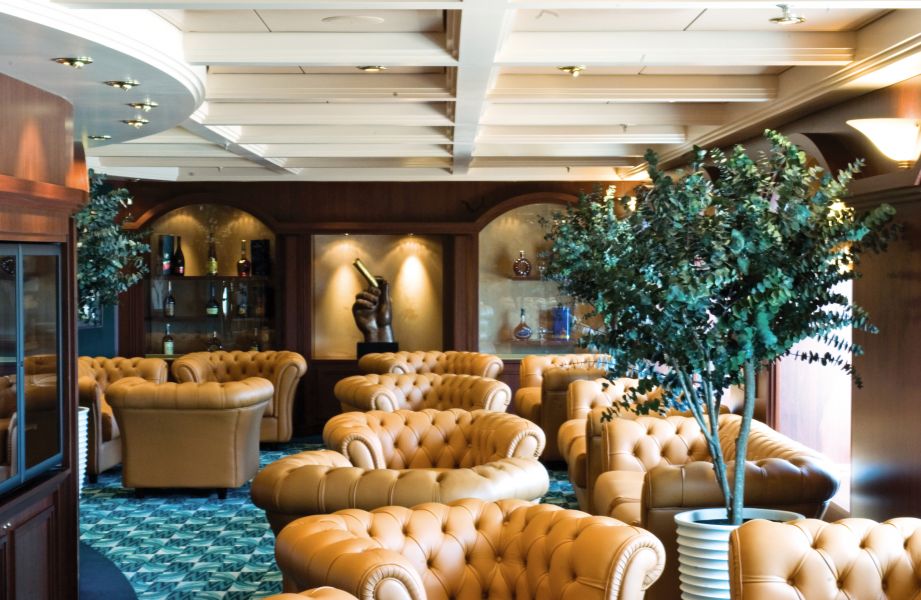
The ship's smoking room and whiskey bar is situated on deck 7 and seats 32 guests.
The Cigar Lounge offers elegant surroundings with leather settees and armchairs for guests to relax on and enjoy a cigar accompanied by a drink selected from the range of fine spirits on offer.
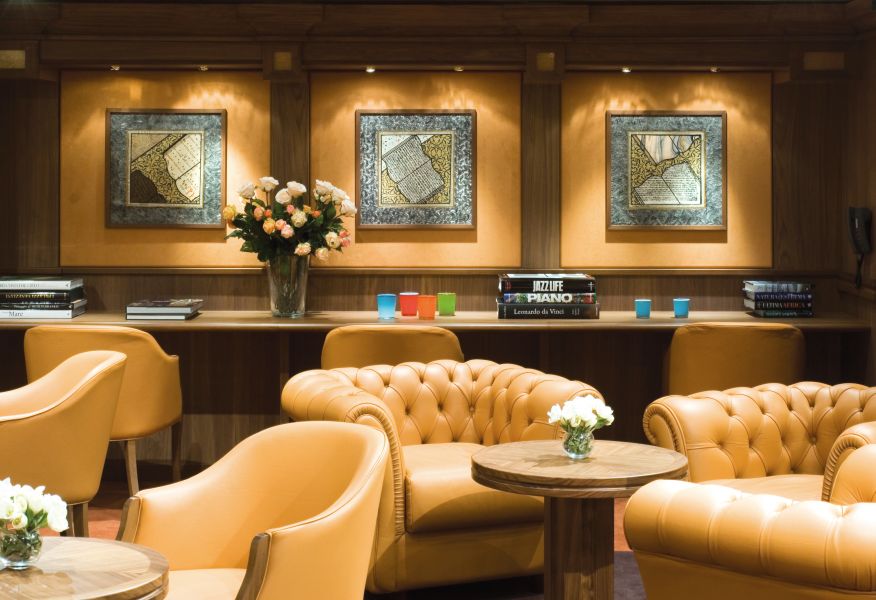
The ship's small library and reading room are located on deck 7, with seats for 15 guests. It has a small selection of books in a variety of languages for guests to borrow. It also contains a number of board games for guests' use.
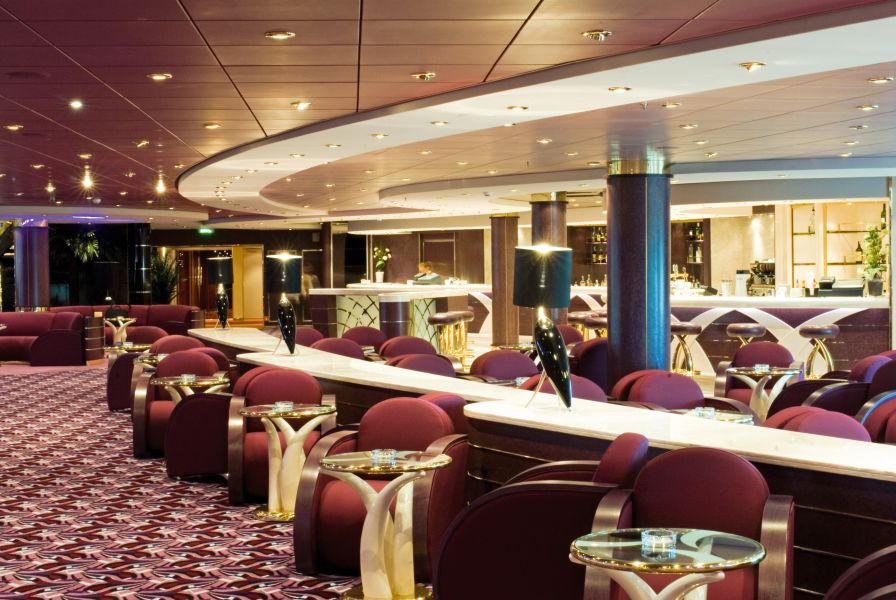
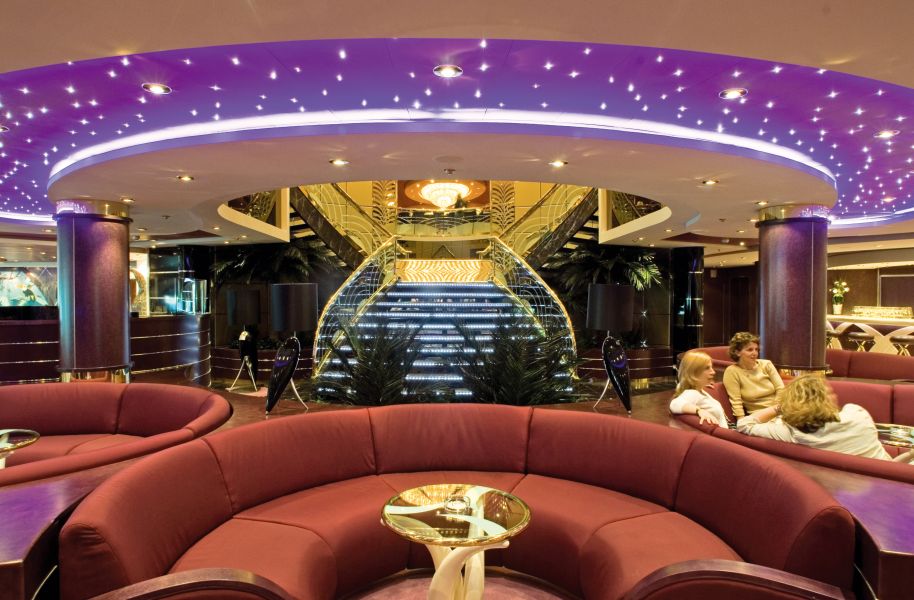
The Lounge and Wine Tasting Bar with tapas and live music and can be found on deck 7 of the ship with seating for 135 guests.
Each day special wine tastings are accompanied by different bites of food, such as fried polenta with cream cheese, bruschetta and other specialties as guests are guided through the wine selection by experienced sommeliers.
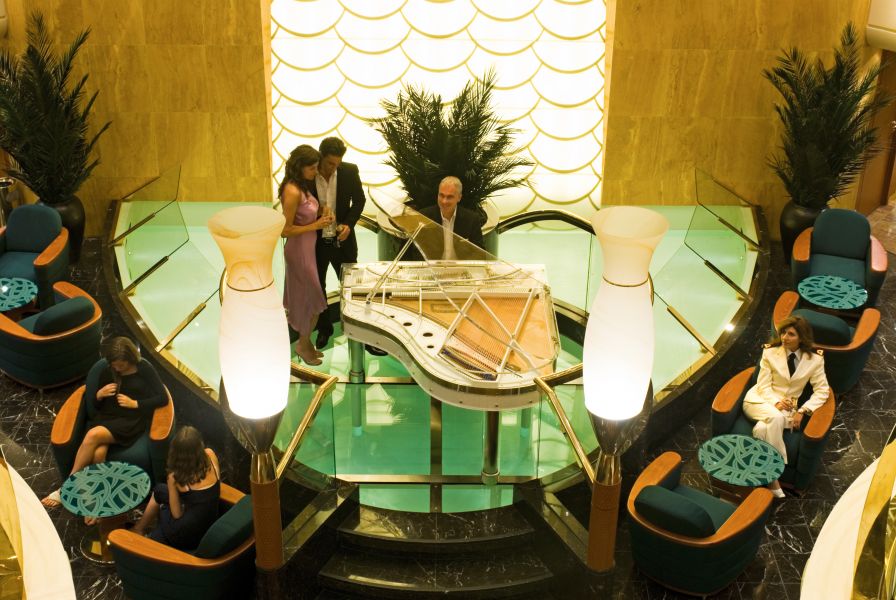
The 142 seat Piano Bar on deck 5 is the ship's reception bar, featuring live piano music and accompanying orchestra.
The images shown are for illustration purposes only and may not be an exact representation of what you find on the ship.
The images shown are for illustration purposes only and may not be an exact representation of what you find on the ship.


Our Fusion packages are all ABTA & ATOL protected ensuring that your booking is safe with us
| 14 nights aboard the MSC Musica | |||
| Drinks packages available. | |||
| Evening entertainment & Broadway style shows | |||
| Speciality Restaurants (charges may apply) | |||
| Award winning MSC Aurea Spa (charges apply) | |||
| Gratuities Included | |||
| Port Taxes and Fees | |||
 | ABTA and ATOL Protection* | ||
Date 28th Oct 2026 |
Nts 14 |
Please Call for Availability |
Date 28th Oct 2026 |
Nts 14 |
Please Call for Availability |
Fusion Holidays when selling travel arrangements is a trading name of Co-op Travel Services Limited, registration 08903986. Fusion Cruises is an Accredited Body Member of Co-op Travel Services Limited ATOL 12904.
Book with Confidence. We are a Member of ABTA which means you have the benefit of ABTA’s assistance and Code of Conduct.
Some of the flights and flight-inclusive holidays on this website are financially protected by the ATOL scheme but ATOL protection does not apply to all holiday and travel services offered on this website. This website will provide you with information on the protection that applies in the case of each holiday and travel service offered before you make your booking. If you do not receive an ATOL Certificate then the booking will not be ATOL protected. If you do receive an ATOL Certificate but all parts of your trip are not listed on it, those parts will not be ATOL protected. Please see our booking conditions for information, or for more information about financial protection and the ATOL Certificate go to: www.caa.co.uk