This site uses cookies as defined in our Cookie Policy, by continuing to use this site you agree to their use.
Continue

| Arrive | Depart | ||||||
| 4th04 | DecDec | 202828 | Piraeus, Greece, embark on the Oceania Allura | 07:00 | 17:00 | ||
It's no wonder that all roads lead to the fascinating and maddening metropolis of Athens. Lift your eyes 200 feet above the city to the Parthenon, its honey-color marble columns rising from a massive limestone base, and you behold architectural perfection that has not been surpassed in 2,500 years. But, today, this shrine of classical form dominates a 21st-century boomtown. To experience Athens—Athína in Greek—fully is to understand the essence of Greece: ancient monuments surviving in a sea of cement, startling beauty amid the squalor, tradition juxtaposed with modernity. Locals depend on humor and flexibility to deal with the chaos; you should do the same. The rewards are immense. Although Athens covers a huge area, the major landmarks of the ancient Greek, Roman, and Byzantine periods are close to the modern city center. You can easily walk from the Acropolis to many other key sites, taking time to browse in shops and relax in cafés and tavernas along the way. From many quarters of the city you can glimpse "the glory that was Greece" in the form of the Acropolis looming above the horizon, but only by actually climbing that rocky precipice can you feel the impact of the ancient settlement. The Acropolis and Filopappou, two craggy hills sitting side by side; the ancient Agora (marketplace); and Kerameikos, the first cemetery, form the core of ancient and Roman Athens. Along the Unification of Archaeological Sites promenade, you can follow stone-paved, tree-lined walkways from site to site, undisturbed by traffic. Cars have also been banned or reduced in other streets in the historical center. In the National Archaeological Museum, vast numbers of artifacts illustrate the many millennia of Greek civilization; smaller museums such as the Goulandris Museum of Cycladic Art Museum and the Byzantine and Christian Museum illuminate the history of particular regions or periods. Athens may seem like one huge city, but it is really a conglomeration of neighborhoods with distinctive characters. The Eastern influences that prevailed during the 400-year rule of the Ottoman Empire are still evident in Monastiraki, the bazaar area near the foot of the Acropolis. On the northern slope of the Acropolis, stroll through Plaka (if possible by moonlight), an area of tranquil streets lined with renovated mansions, to get the flavor of the 19th-century's gracious lifestyle. The narrow lanes of Anafiotika, a section of Plaka, thread past tiny churches and small, color-washed houses with wooden upper stories, recalling a Cycladic island village. In this maze of winding streets, vestiges of the older city are everywhere: crumbling stairways lined with festive tavernas; dank cellars filled with wine vats; occasionally a court or diminutive garden, enclosed within high walls and filled with magnolia trees and the flaming trumpet-shaped flowers of hibiscus bushes. Formerly run-down old quarters, such as Thission, Gazi and Psirri, popular nightlife areas filled with bars and mezedopoleia (similar to tapas bars), are now in the process of gentrification, although they still retain much of their original charm, as does the colorful produce and meat market on Athinas. The area around Syntagma Square, the tourist hub, and Omonia Square, the commercial heart of the city about 1 km (½ mi) northwest, is distinctly European, having been designed by the court architects of King Otho, a Bavarian, in the 19th century. The chic shops and bistros of ritzy Kolonaki nestle at the foot of Mt. Lycabettus, Athens's highest hill (909 feet). Each of Athens's outlying suburbs has a distinctive character: in the north is wealthy, tree-lined Kifissia, once a summer resort for aristocratic Athenians, and in the south and southeast lie Glyfada, Voula, and Vouliagmeni, with their sandy beaches, seaside bars, and lively summer nightlife. Just beyond the city's southern fringes is Piraeus, a bustling port city of waterside fish tavernas and Saronic Gulf views. | |||||||
| 5th05 | DecDec | 202828 | At Sea | ||||
| 6th06 | DecDec | 202828 | Dubrovnik, Croatia | 07:00 | 17:00 | ||
Nothing can prepare you for your first sight of Dubrovnik. Lying 216 km (135 miles) southeast of Split and commanding a jaw-dropping coastal location, it is one of the world's most beautiful fortified cities. Its massive stone ramparts and fortress towers curve around a tiny harbor, enclosing graduated ridges of sun-bleached orange-tiled roofs, copper domes, and elegant bell towers. Your imagination will run wild picturing what it looked like seven centuries ago when the walls were built, without any suburbs or highways around it, just this magnificent stone city rising out of the sea.In the 7th century AD, residents of the Roman city Epidaurum (now Cavtat) fled the Avars and Slavs of the north and founded a new settlement on a small rocky island, which they named Laus, and later Ragusa. On the mainland hillside opposite the island, the Slav settlement called Dubrovnik grew up. In the 12th century the narrow channel separating the two settlements was filled in (now the main street through the Old Town, called Stradun), and Ragusa and Dubrovnik became one. The city was surrounded by defensive walls during the 13th century, and these were reinforced with towers and bastions in the late 15th century.From 1358 to 1808 the city thrived as a powerful and remarkably sophisticated independent republic, reaching its golden age during the 16th century. In 1667 many of its splendid Gothic and Renaissance buildings were destroyed by an earthquake. The defensive walls survived the disaster, and the city was rebuilt in baroque style.Dubrovnik lost its independence to Napoléon in 1808, and in 1815 passed to Austria-Hungary. During the 20th century, as part of Yugoslavia, the city became a popular tourist destination, and in 1979 it was listed as a UNESCO World Heritage Site. During the war for independence, it came under heavy siege. Thanks to careful restoration, few traces of damage remain; however, there are maps inside the Pile and Ploče Gates illustrating the points around the city where damage was done. It’s only when you experience Dubrovnik yourself that you can understand what a treasure the world nearly lost | |||||||
| 7th07 | DecDec | 202828 | Split, Croatia | 07:00 | 16:00 | ||
Split's ancient core is so spectacular and unusual that a visit is more than worth your time. The heart of the city lies within the walls of Roman emperor Diocletian's retirement palace, which was built in the 3rd century AD. Diocletian, born in the nearby Roman settlement of Salona in AD 245, achieved a brilliant career as a soldier and became emperor at the age of 40. In 295 he ordered this vast palace to be built in his native Dalmatia, and when it was completed he stepped down from the throne and retired to his beloved homeland. Upon his death, he was laid to rest in an octagonal mausoleum, around which Split's magnificent cathedral was built.In 615, when Salona was sacked by barbarian tribes, those fortunate enough to escape found refuge within the stout palace walls and divided up the vast imperial apartments into more modest living quarters. Thus, the palace developed into an urban center, and by the 11th century the settlement had expanded beyond the ancient walls.Under the rule of Venice (1420–1797), Split—as a gateway to the Balkan interior—became one of the Adriatic's main trading ports, and the city's splendid Renaissance palaces bear witness to the affluence of those times. When the Habsburgs took control during the 19th century, an overland connection to Central Europe was established by the construction of the Split–Zagreb–Vienna railway line.After World War II, the Tito years saw a period of rapid urban expansion: industrialization accelerated and the suburbs extended to accommodate high-rise apartment blocks. Today the historic center of Split is included on UNESCO's list of World Heritage Sites. | |||||||
| 8th08 | DecDec | 202828 | Brindisi, Italy | 09:00 | 19:00 | ||
Life continues in Brindisi as if the 21st century hadn’t arrived. Visually, the landscape is as stunning as one would expect in southern Europe. Villages set on sunlit hilltops rise like islands above a rolling landscape of olive groves and vineyards. The coastline is a striking mixture of ruggedly beautiful cliffs and grottoes interspersed with a scattering of long, sandy beaches. Together with the wealth of historical artefacts and spectacular landscapes, Brindisi is one of Italy’s best kept secrets. Naturally, the cuisine is rich with its pickings from both land and sea and visitors can expect the best pasta, Caprese salad, local lemon loaf and spaghetti al vogole they have ever had! | |||||||
| 9th09 | DecDec | 202828 | At Sea | ||||
| 10th10 | DecDec | 202828 | Salerno, Italy | 07:00 | 17:00 | ||
Salerno is an Italian city located on the Gulf of Salerno. Famous for being home to the first medical university, Salerno is a great destination for anyone looking for gorgeous sea views filled with sunshine and Italian food. | |||||||
| 11th11 | DecDec | 202828 | Civitavecchia, Italy | 07:00 | |||
Italy's vibrant capital lives in the present, but no other city on earth evokes its past so powerfully. For over 2,500 years, emperors, popes, artists, and common citizens have left their mark here. Archaeological remains from ancient Rome, art-stuffed churches, and the treasures of Vatican City vie for your attention, but Rome is also a wonderful place to practice the Italian-perfected il dolce far niente, the sweet art of idleness. Your most memorable experiences may include sitting at a caffè in the Campo de' Fiori or strolling in a beguiling piazza. | |||||||
| 12th12 | DecDec | 202828 | Civitavecchia, Italy | 20:00 | |||
Italy's vibrant capital lives in the present, but no other city on earth evokes its past so powerfully. For over 2,500 years, emperors, popes, artists, and common citizens have left their mark here. Archaeological remains from ancient Rome, art-stuffed churches, and the treasures of Vatican City vie for your attention, but Rome is also a wonderful place to practice the Italian-perfected il dolce far niente, the sweet art of idleness. Your most memorable experiences may include sitting at a caffè in the Campo de' Fiori or strolling in a beguiling piazza. | |||||||
| 13th13 | DecDec | 202828 | Livorno, Italy | 07:00 | 19:00 | ||
Livorno is a gritty city with a long and interesting history. In the early Middle Ages it alternately belonged to Pisa and Genoa. In 1421 Florence, seeking access to the sea, bought it. Cosimo I (1519–74) started construction of the harbor in 1571, putting Livorno on the map. After Ferdinando I de' Medici (1549–1609) proclaimed Livorno a free city, it became a haven for people suffering from religious persecution; Roman Catholics from England and Jews and Moors from Spain and Portugal, among others, settled here. The Quattro Mori (Four Moors), also known as the Monument to Ferdinando I, commemorates this. (The statue of Ferdinando I dates from 1595, the bronze Moors by Pietro Tacca from the 1620s.)In the following centuries, and particularly in the 18th, Livorno boomed as a port. In the 19th century the town drew a host of famous Britons passing through on their grand tours. Its prominence continued up to World War II, when it was heavily bombed. Much of the town's architecture, therefore, postdates the war, and it's somewhat difficult to imagine what it might have looked like before. Livorno has recovered from the war, however, as it's become a huge point of departure for container ships, as well as the only spot in Tuscany for cruise ships to dock for the day.Most of Livorno's artistic treasures date from the 17th century and aren't all that interesting unless you dote on obscure baroque artists. Livorno's most famous native artist, Amedeo Modigliani (1884–1920), was of much more recent vintage. Sadly, there's no notable work by him in his hometown.There may not be much in the way of art, but it's still worth strolling around the city. The Mercato Nuovo, which has been around since 1894, sells all sorts of fruits, vegetables, grains, meat, and fish. Outdoor markets nearby are also chock-full of local color. The presence of Camp Darby, an American military base just outside town, accounts for the availability of many American products.If you have time, Livorno is worth a stop for lunch or dinner at the very least. | |||||||
| 14th14 | DecDec | 202828 | Toulon, France | 09:00 | 18:00 | ||
| 15th15 | DecDec | 202828 | Palamós, Spain | 08:00 | 18:00 | ||
One of the best ways to arrive in Catalonia is by sea, especially via the Costa Brava. This coastline, also known as the Rugged or Wild Coast, stretches from Blanes to the French border. Its name aptly refers to the steep cliff of ancient twisted rocks, which runs its entire length and is bounded inland by the Catalan mountain ranges. The intensity of the coast’s colour, the ruggedness of the rocks and the scent of the plants all combine to add to its attraction. The history of this region is long and varied. Traces can be found of the advanced culture of the Iberians, Greeks, Romans, Visigoths and Arabs. With Wilfred I and the independence of Catalan countries, the Catalan dynasty was born. Later, in 1479, Catalonia became a part of unified Spain following the marriage of Isabel, Queen of Castile, and Fernando, King of Aragon. The port of Palamos, some 36 miles northeast of Barcelona, has been in existence for nearly 700 years thanks to its location on one of the deepest natural bays in the western Mediterranean. The town itself is the southernmost of a series of resorts popular with sun worshippers. For the most part, Palamos has managed to retain some of the charm of a fishing village. The port also serves as a gateway to such inland locations as Girona, the capital of the province. Art lovers may want to visit Figueras, famous for its bizarre Teatre-Museu Dali, the foremost of a series of sites associated with the eccentric surrealist artist, Salvador Dali. If you choose to stay in Palamos, you can enjoy the pleasant atmosphere of the town or spend some time at a nearby beach. The town has a long seagoing tradition and busy harbour. The fish auction, prompted by the arrival of the fishing boats, is a spectacle worth seeing. The Fishing Museum illustrates the history and the life of the families who live off the sea. | |||||||
| 16th16 | DecDec | 202828 | Palma de Mallorca, Spain | 08:00 | 18:00 | ||
If you look north of the cathedral (La Seu, or the seat of the bishopric, to Mallorcans) on a map of the city of Palma, you can see around the Plaça Santa Eulàlia a jumble of tiny streets that made up the earliest settlement. Farther out, a ring of wide boulevards traces the fortifications built by the Moors to defend the larger city that emerged by the 12th century. The zigzags mark the bastions that jutted out at regular intervals. By the end of the 19th century, most of the walls had been demolished; the only place where you can still see the massive defenses is at Ses Voltes, along the seafront west of the cathedral.A torrent (streambed) used to run through the middle of the old city, dry for most of the year but often a raging flood in the rainy season. In the 17th century it was diverted to the east, along the moat that ran outside the city walls. Two of Palma's main arteries, La Rambla and the Passeig d'es Born, now follow the stream's natural course. The traditional evening paseo (promenade) takes place on the Born.If you come to Palma by car, park in the garage beneath the Parc de la Mar (the ramp is just off the highway from the airport, as you reach the cathedral) and stroll along the park. Beside it run the huge bastions guarding the Almudaina Palace; the cathedral, golden and massive, rises beyond. Where you exit the garage, there's a ceramic mural by the late Catalan artist and Mallorca resident Joan Miró, facing the cathedral across the pool that runs the length of the park.If you begin early enough, a walk along the ramparts at Ses Voltes from the mirador beside the cathedral is spectacular. The first rays of the sun turn the upper pinnacles of La Seu bright gold and then begin to work their way down the sandstone walls. From the Parc de la Mar, follow Avinguda Antoni Maura past the steps to the palace. Just below the Plaça de la Reina, where the Passeig d'es Born begins, turn left on Carrer de la Boteria into the Plaça de la Llotja (if the Llotja itself is open, don't miss a chance to visit—it's the Mediterranean's finest Gothic-style civic building). From there stroll through the Plaça Drassana to the Museu d'Es Baluard, at the end of Carrer Sant Pere. Retrace your steps to Avinguda Antoni Maura. Walk up the Passeig d'es Born to Plaça Joan Carles I, then right on Avenida de La Unió. | |||||||
| 17th17 | DecDec | 202828 | Valencia, Spain | 08:00 | 17:00 | ||
Valencia, Spain's third-largest municipality, is a proud city with a thriving nightlife and restaurant scene, quality museums, and spectacular contemporary architecture, juxtaposed with a thoroughly charming historic quarter, making it a popular destination year in year out. During the Civil War, it was the last seat of the Republican Loyalist government (1935–36), holding out against Franco’s National forces until the country fell to 40 years of dictatorship. Today it represents the essence of contemporary Spain—daring design and architecture along with experimental cuisine—but remains deeply conservative and proud of its traditions. Though it faces the Mediterranean, Valencia's history and geography have been defined most significantly by the River Turia and the fertile huerta that surrounds it.The city has been fiercely contested ever since it was founded by the Greeks. El Cid captured Valencia from the Moors in 1094 and won his strangest victory here in 1099: he died in the battle, but his corpse was strapped into his saddle and so frightened the besieging Moors that it caused their complete defeat. In 1102 his widow, Jimena, was forced to return the city to Moorish rule; Jaume I finally drove them out in 1238. Modern Valencia was best known for its frequent disastrous floods until the River Turia was diverted to the south in the late 1950s. Since then the city has been on a steady course of urban beautification. The lovely bridges that once spanned the Turia look equally graceful spanning a wandering municipal park, and the spectacularly futuristic Ciutat de les Arts i les Ciències (City of Arts and Sciences), most of it designed by Valencia-born architect Santiago Calatrava, has at last created an exciting architectural link between this river town and the Mediterranean. If you're in Valencia, an excursion to Albufera Nature Park is a worthwhile day trip. | |||||||
| 18th18 | DecDec | 202828 | Barcelona, Spain, disembark the Oceania Allura | 07:00 | |||
The infinite variety of street life, the nooks and crannies of the medieval Barri Gòtic, the ceramic tile and stained glass of Art Nouveau facades, the art and music, the throb of street life, the food (ah, the food!)—one way or another, Barcelona will find a way to get your full attention. The capital of Catalonia is a banquet for the senses, with its beguiling mix of ancient and modern architecture, tempting cafés and markets, and sun-drenched Mediterranean beaches. A stroll along La Rambla and through waterfront Barceloneta, as well as a tour of Gaudí's majestic Sagrada Famíliaand his other unique creations, are part of a visit to Spain's second-largest city. Modern art museums and chic shops call for attention, too. Barcelona's vibe stays lively well into the night, when you can linger over regional wine and cuisine at buzzing tapas bars. | |||||||
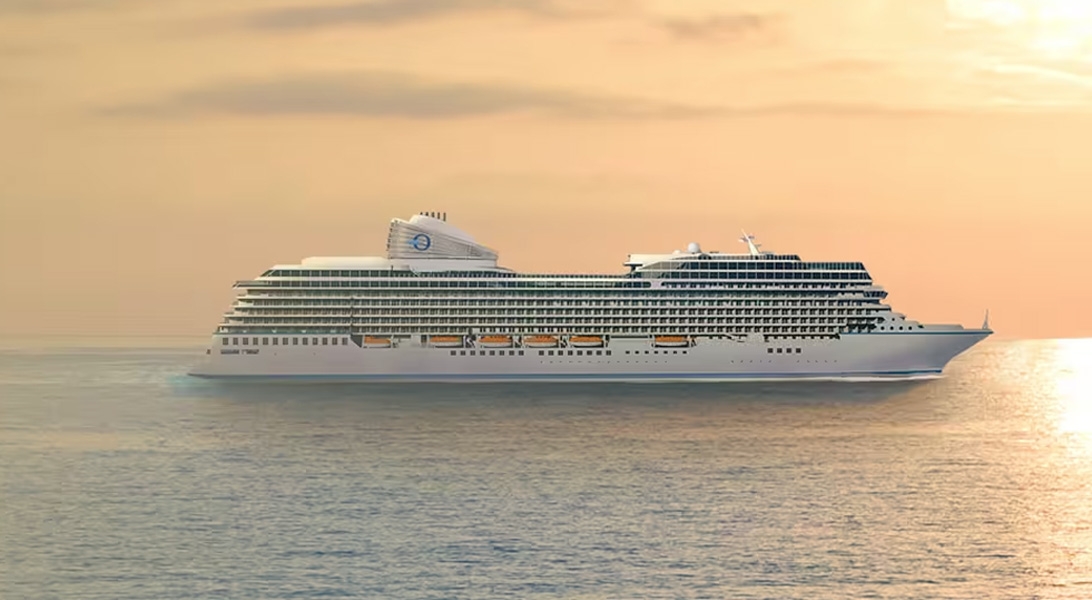
The images shown are for illustration purposes only and may not be an exact representation of what you find on the ship.
The images shown are for illustration purposes only and may not be an exact representation of what you find on the ship.
The images shown are for illustration purposes only and may not be an exact representation of what you find on the ship.
The images shown are for illustration purposes only and may not be an exact representation of what you find on the ship.
The images shown are for illustration purposes only and may not be an exact representation of what you find on the ship.


Our Fusion packages are all ABTA & ATOL protected ensuring that your booking is safe with us
| Return flights including luggage allowance | |||
| Overseas Transfers | |||
| 14 nights aboard the Oceania Allura | |||
| Free Speciality Restaurants | |||
| Butler Service In All Suites | |||
| Free Bottled Water, Soft Drinks, Speciality Teas & Coffees | |||
| Complimentary 24-hour room service | |||
| FREE and unlimited access to Canyon Ranch® private Spa Terrace | |||
| Elegant medium size ships | |||
| Drinks package available | |||
| Free Shuttle Buses In Selected Ports | |||
| Port Taxes and Fees | |||
 | ABTA and ATOL Protection* | ||
Fly/cruise package |
Date 4th Dec 2028 |
Nts 14 |
Balcony £3,689pp |
Suite £6,489pp |
Balcony £4,259pp |
Suite £7,059pp |
Balcony £4,259pp |
Suite £7,059pp |
Balcony £4,259pp |
Suite £7,059pp |
Balcony £4,259pp |
Suite £7,059pp |
Balcony £4,259pp |
Suite £7,059pp |
Balcony £4,259pp |
Suite £7,059pp |
Balcony £4,259pp |
Suite £7,059pp |
Balcony £4,259pp |
Suite £7,059pp |
Balcony £4,259pp |
Suite £7,059pp |
Date 4th Dec 2028 |
Nts 14 |
Balcony £3,689pp |
Suite £6,489pp |
Balcony £4,259pp |
Suite £7,059pp |
Balcony £4,259pp |
Suite £7,059pp |
Balcony £4,259pp |
Suite £7,059pp |
Balcony £4,259pp |
Suite £7,059pp |
Balcony £4,259pp |
Suite £7,059pp |
Balcony £4,259pp |
Suite £7,059pp |
Balcony £4,259pp |
Suite £7,059pp |
Balcony £4,259pp |
Suite £7,059pp |
Balcony £4,259pp |
Suite £7,059pp |
| Balcony staterooms from | £3,689pp | ||
| B5 | French Veranda Stateroom | £3,689pp | |
| B4 | Veranda Stateroom | £4,359pp | |
| B3 | Veranda Stateroom | £4,469pp | |
| B2 | Veranda Stateroom | £4,579pp | |
| B1 | Veranda Stateroom | £4,689pp | |
| A4 | Concierge Level Veranda Stateroom | £4,839pp | |
| A3 | Concierge Level Veranda Stateroom | £4,949pp | |
| A2 | Concierge Level Veranda Stateroom | £5,059pp | |
| A1 | Concierge Level Veranda Stateroom | £5,169pp | |
| Suite staterooms from | £6,489pp | ||
| PH3 | Penthouse Suite | £6,489pp | |
| PH2 | Penthouse Suite | £6,639pp | |
| PH1 | Penthouse Suite | £6,789pp | |
| VS | Vista Suite | £12,979pp | |
| OS | Owner's Suite | £17,189pp | |
| OC | Oceania Suite | £11,799pp | |
| Balcony staterooms from | £4,259pp | ||
| B5 | French Veranda Stateroom | £4,259pp | |
| B4 | Veranda Stateroom | £4,929pp | |
| B3 | Veranda Stateroom | £5,039pp | |
| B2 | Veranda Stateroom | £5,149pp | |
| B1 | Veranda Stateroom | £5,259pp | |
| A4 | Concierge Level Veranda Stateroom | £5,409pp | |
| A3 | Concierge Level Veranda Stateroom | £5,519pp | |
| A2 | Concierge Level Veranda Stateroom | £5,629pp | |
| A1 | Concierge Level Veranda Stateroom | £5,739pp | |
| Suite staterooms from | £7,059pp | ||
| PH3 | Penthouse Suite | £7,059pp | |
| PH2 | Penthouse Suite | £7,209pp | |
| PH1 | Penthouse Suite | £7,359pp | |
| VS | Vista Suite | £13,549pp | |
| OS | Owner's Suite | £17,759pp | |
| OC | Oceania Suite | £12,369pp | |
| Balcony staterooms from | £4,259pp | ||
| B5 | French Veranda Stateroom | £4,259pp | |
| B4 | Veranda Stateroom | £4,929pp | |
| B3 | Veranda Stateroom | £5,039pp | |
| B2 | Veranda Stateroom | £5,149pp | |
| B1 | Veranda Stateroom | £5,259pp | |
| A4 | Concierge Level Veranda Stateroom | £5,409pp | |
| A3 | Concierge Level Veranda Stateroom | £5,519pp | |
| A2 | Concierge Level Veranda Stateroom | £5,629pp | |
| A1 | Concierge Level Veranda Stateroom | £5,739pp | |
| Suite staterooms from | £7,059pp | ||
| PH3 | Penthouse Suite | £7,059pp | |
| PH2 | Penthouse Suite | £7,209pp | |
| PH1 | Penthouse Suite | £7,359pp | |
| VS | Vista Suite | £13,549pp | |
| OS | Owner's Suite | £17,759pp | |
| OC | Oceania Suite | £12,369pp | |
| Balcony staterooms from | £4,259pp | ||
| B5 | French Veranda Stateroom | £4,259pp | |
| B4 | Veranda Stateroom | £4,929pp | |
| B3 | Veranda Stateroom | £5,039pp | |
| B2 | Veranda Stateroom | £5,149pp | |
| B1 | Veranda Stateroom | £5,259pp | |
| A4 | Concierge Level Veranda Stateroom | £5,409pp | |
| A3 | Concierge Level Veranda Stateroom | £5,519pp | |
| A2 | Concierge Level Veranda Stateroom | £5,629pp | |
| A1 | Concierge Level Veranda Stateroom | £5,739pp | |
| Suite staterooms from | £7,059pp | ||
| PH3 | Penthouse Suite | £7,059pp | |
| PH2 | Penthouse Suite | £7,209pp | |
| PH1 | Penthouse Suite | £7,359pp | |
| VS | Vista Suite | £13,549pp | |
| OS | Owner's Suite | £17,759pp | |
| OC | Oceania Suite | £12,369pp | |
| Balcony staterooms from | £4,259pp | ||
| B5 | French Veranda Stateroom | £4,259pp | |
| B4 | Veranda Stateroom | £4,929pp | |
| B3 | Veranda Stateroom | £5,039pp | |
| B2 | Veranda Stateroom | £5,149pp | |
| B1 | Veranda Stateroom | £5,259pp | |
| A4 | Concierge Level Veranda Stateroom | £5,409pp | |
| A3 | Concierge Level Veranda Stateroom | £5,519pp | |
| A2 | Concierge Level Veranda Stateroom | £5,629pp | |
| A1 | Concierge Level Veranda Stateroom | £5,739pp | |
| Suite staterooms from | £7,059pp | ||
| PH3 | Penthouse Suite | £7,059pp | |
| PH2 | Penthouse Suite | £7,209pp | |
| PH1 | Penthouse Suite | £7,359pp | |
| VS | Vista Suite | £13,549pp | |
| OS | Owner's Suite | £17,759pp | |
| OC | Oceania Suite | £12,369pp | |
| Balcony staterooms from | £4,259pp | ||
| B5 | French Veranda Stateroom | £4,259pp | |
| B4 | Veranda Stateroom | £4,929pp | |
| B3 | Veranda Stateroom | £5,039pp | |
| B2 | Veranda Stateroom | £5,149pp | |
| B1 | Veranda Stateroom | £5,259pp | |
| A4 | Concierge Level Veranda Stateroom | £5,409pp | |
| A3 | Concierge Level Veranda Stateroom | £5,519pp | |
| A2 | Concierge Level Veranda Stateroom | £5,629pp | |
| A1 | Concierge Level Veranda Stateroom | £5,739pp | |
| Suite staterooms from | £7,059pp | ||
| PH3 | Penthouse Suite | £7,059pp | |
| PH2 | Penthouse Suite | £7,209pp | |
| PH1 | Penthouse Suite | £7,359pp | |
| VS | Vista Suite | £13,549pp | |
| OS | Owner's Suite | £17,759pp | |
| OC | Oceania Suite | £12,369pp | |
| Balcony staterooms from | £4,259pp | ||
| B5 | French Veranda Stateroom | £4,259pp | |
| B4 | Veranda Stateroom | £4,929pp | |
| B3 | Veranda Stateroom | £5,039pp | |
| B2 | Veranda Stateroom | £5,149pp | |
| B1 | Veranda Stateroom | £5,259pp | |
| A4 | Concierge Level Veranda Stateroom | £5,409pp | |
| A3 | Concierge Level Veranda Stateroom | £5,519pp | |
| A2 | Concierge Level Veranda Stateroom | £5,629pp | |
| A1 | Concierge Level Veranda Stateroom | £5,739pp | |
| Suite staterooms from | £7,059pp | ||
| PH3 | Penthouse Suite | £7,059pp | |
| PH2 | Penthouse Suite | £7,209pp | |
| PH1 | Penthouse Suite | £7,359pp | |
| VS | Vista Suite | £13,549pp | |
| OS | Owner's Suite | £17,759pp | |
| OC | Oceania Suite | £12,369pp | |
| Balcony staterooms from | £4,259pp | ||
| B5 | French Veranda Stateroom | £4,259pp | |
| B4 | Veranda Stateroom | £4,929pp | |
| B3 | Veranda Stateroom | £5,039pp | |
| B2 | Veranda Stateroom | £5,149pp | |
| B1 | Veranda Stateroom | £5,259pp | |
| A4 | Concierge Level Veranda Stateroom | £5,409pp | |
| A3 | Concierge Level Veranda Stateroom | £5,519pp | |
| A2 | Concierge Level Veranda Stateroom | £5,629pp | |
| A1 | Concierge Level Veranda Stateroom | £5,739pp | |
| Suite staterooms from | £7,059pp | ||
| PH3 | Penthouse Suite | £7,059pp | |
| PH2 | Penthouse Suite | £7,209pp | |
| PH1 | Penthouse Suite | £7,359pp | |
| VS | Vista Suite | £13,549pp | |
| OS | Owner's Suite | £17,759pp | |
| OC | Oceania Suite | £12,369pp | |
| Balcony staterooms from | £4,259pp | ||
| B5 | French Veranda Stateroom | £4,259pp | |
| B4 | Veranda Stateroom | £4,929pp | |
| B3 | Veranda Stateroom | £5,039pp | |
| B2 | Veranda Stateroom | £5,149pp | |
| B1 | Veranda Stateroom | £5,259pp | |
| A4 | Concierge Level Veranda Stateroom | £5,409pp | |
| A3 | Concierge Level Veranda Stateroom | £5,519pp | |
| A2 | Concierge Level Veranda Stateroom | £5,629pp | |
| A1 | Concierge Level Veranda Stateroom | £5,739pp | |
| Suite staterooms from | £7,059pp | ||
| PH3 | Penthouse Suite | £7,059pp | |
| PH2 | Penthouse Suite | £7,209pp | |
| PH1 | Penthouse Suite | £7,359pp | |
| VS | Vista Suite | £13,549pp | |
| OS | Owner's Suite | £17,759pp | |
| OC | Oceania Suite | £12,369pp | |
| Balcony staterooms from | £4,259pp | ||
| B5 | French Veranda Stateroom | £4,259pp | |
| B4 | Veranda Stateroom | £4,929pp | |
| B3 | Veranda Stateroom | £5,039pp | |
| B2 | Veranda Stateroom | £5,149pp | |
| B1 | Veranda Stateroom | £5,259pp | |
| A4 | Concierge Level Veranda Stateroom | £5,409pp | |
| A3 | Concierge Level Veranda Stateroom | £5,519pp | |
| A2 | Concierge Level Veranda Stateroom | £5,629pp | |
| A1 | Concierge Level Veranda Stateroom | £5,739pp | |
| Suite staterooms from | £7,059pp | ||
| PH3 | Penthouse Suite | £7,059pp | |
| PH2 | Penthouse Suite | £7,209pp | |
| PH1 | Penthouse Suite | £7,359pp | |
| VS | Vista Suite | £13,549pp | |
| OS | Owner's Suite | £17,759pp | |
| OC | Oceania Suite | £12,369pp | |
Fusion Holidays when selling travel arrangements is a trading name of Co-op Travel Services Limited, registration 08903986. Fusion Cruises is an Accredited Body Member of Co-op Travel Services Limited ATOL 12904.
Book with Confidence. We are a Member of ABTA which means you have the benefit of ABTA’s assistance and Code of Conduct.
Some of the flights and flight-inclusive holidays on this website are financially protected by the ATOL scheme but ATOL protection does not apply to all holiday and travel services offered on this website. This website will provide you with information on the protection that applies in the case of each holiday and travel service offered before you make your booking. If you do not receive an ATOL Certificate then the booking will not be ATOL protected. If you do receive an ATOL Certificate but all parts of your trip are not listed on it, those parts will not be ATOL protected. Please see our booking conditions for information, or for more information about financial protection and the ATOL Certificate go to: www.caa.co.uk