This site uses cookies as defined in our Cookie Policy, by continuing to use this site you agree to their use.
Continue

| Arrive | Depart | ||||||
| 14th14 | JunJun | 202828 | Civitavecchia, Italy, embark on the Seven Seas Grandeur | 07:00 | 16:00 | ||
Italy's vibrant capital lives in the present, but no other city on earth evokes its past so powerfully. For over 2,500 years, emperors, popes, artists, and common citizens have left their mark here. Archaeological remains from ancient Rome, art-stuffed churches, and the treasures of Vatican City vie for your attention, but Rome is also a wonderful place to practice the Italian-perfected il dolce far niente, the sweet art of idleness. Your most memorable experiences may include sitting at a caffè in the Campo de' Fiori or strolling in a beguiling piazza. | |||||||
| 15th15 | JunJun | 202828 | Amalfi, Italy | 07:00 | 17:00 | ||
At first glance, it's hard to imagine that this resort destination was one of the world's great naval powers, and a sturdy rival of Genoa and Pisa for control of the Mediterranean in the 11th and 12th centuries. Once the seat of the Amalfi Maritime Republic, the town is set in a verdant valley of the Lattari Mountains, with cream-colored and pastel-hued buildings tightly packing a gorge on the Bay of Salerno. The harbor, which once launched the greatest fleet in Italy, now bobs with ferries and blue-and-white fishing boats. The main street, lined with shops and pasticcerie, has replaced a raging mountain torrent, and terraced hills flaunt the green and gold of lemon groves. Bearing testimony to its great trade with Tunis, Tripoli, and Algiers, Amalfi remains honeycombed with Arab-Sicilian cloisters and covered passages. In a way Amalfi has become great again, showing off its medieval glory days with sea pageants, convents-turned-hotels, ancient paper mills, covered streets, and its glimmering cathedral. | |||||||
| 16th16 | JunJun | 202828 | Trapani, Sicily, Italy | 07:00 | 17:00 | ||
Trapani, the most important town on Sicily’s west coast, lies below the headland of Mount Erice and offers stunning views of the Egadi Islands on a clear day. Trapani’s Old District occupies a scimitarshaped promontory between the open sea on the north and the salt marshes to the south. The ancient industry of extracting salt from the marshes has recently been revived, and it is documented in the Museo delle Saline. In addition to the salt marshes,Trapani’s other interesting environs include the beautiful little hill town of Erice, the promontory of Capo San Vito stretching north beyond the splendid headland of Monte Cofano, the lovely island of Motya and the town of Marsala. Trips farther afield will take you to the magnificent site of Segesta or the Egadi Islands, reached by boat or hydrofoil from Trapani Port. | |||||||
| 17th17 | JunJun | 202828 | Valletta, Malta | 08:00 | 18:00 | ||
Malta's capital, the minicity of Valletta, has ornate palaces and museums protected by massive fortifications of honey-color limestone. Houses along the narrow streets have overhanging wooden balconies for people-watching from indoors. Generations ago they gave housebound women a window on the world of the street. The main entrance to town is through the City Gate (where all bus routes end), which leads onto Triq Repubblika (Republic Street), the spine of the grid-pattern city and the main shopping street. Triq Mercante (Merchant Street) parallels Repubblika to the east and is also good for strolling. From these two streets, cross streets descend toward the water; some are stepped. Valletta's compactness makes it ideal to explore on foot. City Gate and the upper part of Valletta are experiencing vast redevelopment that includes a new Parliament Building and open-air performance venue. The complex, completed mid-2013, has numerous pedestrian detours in place along with building noise and dust. Before setting out along Republic Street, stop at the tourist information office on Merchant Street for maps and brochures. | |||||||
| 18th18 | JunJun | 202828 | At Sea | ||||
| 19th19 | JunJun | 202828 | Kotor, Montenegro | 07:00 | 15:00 | ||
Backed by imposing mountains, tiny Kotor lies hidden from the open sea, tucked into the deepest channel of the Bokor Kotorska (Kotor Bay), which is Europe's most southerly fjord. To many, this town is more charming than its sister UNESCO World Heritage Site, Dubrovnik, retaining more authenticity, but with fewer tourists and spared the war damage and subsequent rebuilding which has given Dubrovnik something of a Disney feel.Kotor's medieval Stari Grad (Old Town) is enclosed within well-preserved defensive walls built between the 9th and 18th centuries and is presided over by a proud hilltop fortress. Within the walls, a labyrinth of winding cobbled streets leads through a series of splendid paved piazzas, rimmed by centuries-old stone buildings. The squares are now haunted by strains from buskers but although many now house trendy cafés and chic boutiques, directions are still given medieval-style by reference to the town’s landmark churches.In the Middle Ages, as Serbia's chief port, Kotor was an important economic and cultural center with its own highly regarded schools of stonemasonry and iconography. From 1391 to 1420 it was an independent city-republic and later, it spent periods under Venetian, Austrian, and French rule, though it was undoubtedly the Venetians who left the strongest impression on the city's architecture. Since the breakup of Yugoslavia, some 70% of the stone buildings in the romantic Old Town have been snapped up by foreigners, mostly Brits and Russians. Porto Montenegro, a new marina designed to accommodate some of the world’s largest super yachts, opened in nearby Tivat in 2011, and along the bay are other charming seaside villages, all with better views of the bay than the vista from Kotor itself where the waterside is congested with cruise ships and yachts. Try sleepy Muo or the settlement of Prčanj in one direction around the bay, or Perast and the Roman mosaics of Risan in the other direction. | |||||||
| 20th20 | JunJun | 202828 | Zadar, Croatia | 11:00 | 18:00 | ||
Dalmatia's capital for more than 1,000 years, Zadar is all too often passed over by travelers on their way to Split or Dubrovnik. What they miss out on is a city of more than 73,000 that is remarkably lovely and lively despite—and, in some measure, because of—its tumultuous history. The Old Town, separated from the rest of the city on a peninsula some 4 km (2½ miles) long and just 1,640 feet wide, is bustling and beautiful: the marble pedestrian streets are replete with Roman ruins, medieval churches, palaces, museums, archives, and libraries. Parts of the new town are comparatively dreary, a testament to what a world war followed by decades of communism, not to mention a civil war, can do to the architecture of a city that is 3,000 years old. A settlement had already existed on the site of the present-day city for some 2,000 years when Rome finally conquered Zadar in the 1st century BC; the foundations of the forum can be seen today. Before the Romans came the Liburnians had made it a key center for trade with the Greeks and Romans for 800 years. In the 3rd century BC the Romans began to seriously pester the Liburnians, but required two centuries to bring the area under their control. During the Byzantine era, Zadar became the capital of Dalmatia, and this period saw the construction of its most famous church, the 9th-century St. Donat's Basilica. It remained the region's foremost city through the ensuing centuries. The city then experienced successive onslaughts and occupations—both long and short—by the Osogoths, the Croatian-Hungarian kings, the Venetians, the Turks, the Habsburgs, the French, the Habsburgs again, and finally the Italians before becoming part of Yugoslavia and, in 1991, the independent republic of Croatia. Zadar was for centuries an Italian-speaking city, and Italian is still spoken widely, especially by older people. Indeed, it was ceded to Italy in 1921 under the Treaty of Rapallo (and reverted to its Italian name of Zara). Its occupation by the Germans from 1943 led to intense bombing by the Allies during World War II, which left most of the city in ruins. Zadar became part of Tito's Yugoslavia in 1947, prompting many Italian residents to leave. Zadar's most recent ravages occurred during a three-month siege by Serb forces and months more of bombardment during the Croatian-Serbian war between 1991 and 1995. But you'd be hard-pressed to find outward signs of this today in what is a city to behold. There are helpful interpretive signs in English all around the Old Town, so you certainly won't feel lost when trying to make sense of the wide variety of architectural sites you might otherwise pass by with only a cursory look. | |||||||
| 21st21 | JunJun | 202828 | Fusina, Italy | 07:00 | 16:00 | ||
| 22nd22 | JunJun | 202828 | Split, Croatia | 11:00 | 20:00 | ||
Split's ancient core is so spectacular and unusual that a visit is more than worth your time. The heart of the city lies within the walls of Roman emperor Diocletian's retirement palace, which was built in the 3rd century AD. Diocletian, born in the nearby Roman settlement of Salona in AD 245, achieved a brilliant career as a soldier and became emperor at the age of 40. In 295 he ordered this vast palace to be built in his native Dalmatia, and when it was completed he stepped down from the throne and retired to his beloved homeland. Upon his death, he was laid to rest in an octagonal mausoleum, around which Split's magnificent cathedral was built.In 615, when Salona was sacked by barbarian tribes, those fortunate enough to escape found refuge within the stout palace walls and divided up the vast imperial apartments into more modest living quarters. Thus, the palace developed into an urban center, and by the 11th century the settlement had expanded beyond the ancient walls.Under the rule of Venice (1420–1797), Split—as a gateway to the Balkan interior—became one of the Adriatic's main trading ports, and the city's splendid Renaissance palaces bear witness to the affluence of those times. When the Habsburgs took control during the 19th century, an overland connection to Central Europe was established by the construction of the Split–Zagreb–Vienna railway line.After World War II, the Tito years saw a period of rapid urban expansion: industrialization accelerated and the suburbs extended to accommodate high-rise apartment blocks. Today the historic center of Split is included on UNESCO's list of World Heritage Sites. | |||||||
| 23rd23 | JunJun | 202828 | Dubrovnik, Croatia | 07:00 | 17:00 | ||
Nothing can prepare you for your first sight of Dubrovnik. Lying 216 km (135 miles) southeast of Split and commanding a jaw-dropping coastal location, it is one of the world's most beautiful fortified cities. Its massive stone ramparts and fortress towers curve around a tiny harbor, enclosing graduated ridges of sun-bleached orange-tiled roofs, copper domes, and elegant bell towers. Your imagination will run wild picturing what it looked like seven centuries ago when the walls were built, without any suburbs or highways around it, just this magnificent stone city rising out of the sea.In the 7th century AD, residents of the Roman city Epidaurum (now Cavtat) fled the Avars and Slavs of the north and founded a new settlement on a small rocky island, which they named Laus, and later Ragusa. On the mainland hillside opposite the island, the Slav settlement called Dubrovnik grew up. In the 12th century the narrow channel separating the two settlements was filled in (now the main street through the Old Town, called Stradun), and Ragusa and Dubrovnik became one. The city was surrounded by defensive walls during the 13th century, and these were reinforced with towers and bastions in the late 15th century.From 1358 to 1808 the city thrived as a powerful and remarkably sophisticated independent republic, reaching its golden age during the 16th century. In 1667 many of its splendid Gothic and Renaissance buildings were destroyed by an earthquake. The defensive walls survived the disaster, and the city was rebuilt in baroque style.Dubrovnik lost its independence to Napoléon in 1808, and in 1815 passed to Austria-Hungary. During the 20th century, as part of Yugoslavia, the city became a popular tourist destination, and in 1979 it was listed as a UNESCO World Heritage Site. During the war for independence, it came under heavy siege. Thanks to careful restoration, few traces of damage remain; however, there are maps inside the Pile and Ploče Gates illustrating the points around the city where damage was done. It’s only when you experience Dubrovnik yourself that you can understand what a treasure the world nearly lost | |||||||
| 24th24 | JunJun | 202828 | Corfu, Greece | 09:00 | 18:00 | ||
Corfu town today is a vivid tapestry of cultures—a sophisticated weave, where charm, history, and natural beauty blend. Located about midway along the island's east coast, this spectacularly lively capital is the cultural heart of Corfu and has a remarkable historic center that UNESCO designated as a World Heritage Site in 2007. All ships and planes dock or land near Corfu town, which occupies a small peninsula jutting into the Ionian Sea.Whether arriving by ferry from mainland Greece or Italy, from another island, or directly by plane, catch your breath by first relaxing with a coffee or a gelato in Corfu town's shaded Liston Arcade, then stroll the narrow lanes of its pedestrians-only quarter. For an overview of the immediate area, and a quick tour of Mon Repos palace, hop on the little tourist train that runs from May to September. Corfu town has a different feel at night, so book a table at one of its famed tavernas to savor the island's unique cuisine.The best way to get around Corfu town is on foot. The town is small enough so that you can easily walk to every sight. There are local buses, but they do not thread their way into the streets (many now car-free) of the historic center. If you are arriving by ferry or plane, it's best to take a taxi to your hotel. Expect to pay about €10 from the airport or ferry terminal to a hotel in Corfu town. If there are no taxis waiting, you can call for one. | |||||||
| 25th25 | JunJun | 202828 | Argostoli, Greece | 07:00 | 17:00 | ||
Ground literally to ashes in World War II and wracked by a massive earthquake a decade later, the capital of Kefalonia once more shows pride in its native spirit and natural beauty. The vast harbor on Argostoli’s east side makes an especially attractive port for cruise ships full of visitors who never seem to tire of strolling the cobbled seaside promenade, sipping ouzos in cafés, and stocking up on the succulent Mediterranean fruits in the outdoor markets. | |||||||
| 26th26 | JunJun | 202828 | At Sea | ||||
| 27th27 | JunJun | 202828 | Mykonos, Greece | 07:00 | 17:00 | ||
Although the fishing boats still go out in good weather, Mykonos largely makes its living from tourism these days. The summer crowds have turned one of the poorest islands in Greece into one of the richest. Old Mykonians complain that their young, who have inherited stores where their grandfathers once sold eggs or wine, get so much rent that they have lost ambition, and in summer sit around pool bars at night with their friends, and hang out in Athens in winter when island life is less scintillating. Put firmly on the map by Jackie O in the 1960s, Mykonos town—called Hora by the locals—remains the Saint-Tropez of the Greek islands. The scenery is memorable, with its whitewashed streets, Little Venice, the Kato Myli ridge of windmills, and Kastro, the town's medieval quarter. Its cubical two- or three-story houses and churches, with their red or blue doors and domes and wooden balconies, have been long celebrated as some of the best examples of classic Cycladic architecture. Luckily, the Greek Archaeological Service decided to preserve the town, even when the Mykonians would have preferred to rebuild, and so the Old Town has been impressively preserved. Pink oleander, scarlet hibiscus, and trailing green pepper trees form a contrast amid the dazzling whiteness, whose frequent renewal with whitewash is required by law. Any visitor who has the pleasure of getting lost in its narrow streets (made all the narrower by the many outdoor stone staircases, which maximize housing space in the crowded village) will appreciate how its confusing layout was designed to foil pirates—if it was designed at all. After Mykonos fell under Turkish rule in 1537, the Ottomans allowed the islanders to arm their vessels against pirates, which had a contradictory effect: many of them found that raiding other islands was more profitable than tilling arid land. At the height of Aegean piracy, Mykonos was the principal headquarters of the corsair fleets—the place where pirates met their fellows, found willing women, and filled out their crews. Eventually the illicit activity evolved into a legitimate and thriving trade network. Morning on Mykonos town's main quay is busy with deliveries, visitors for the Delos boats, lazy breakfasters, and street cleaners dealing with the previous night's mess. In late morning the cruise-boat people arrive, and the shops are all open. In early afternoon, shaded outdoor tavernas are full of diners eating salads (Mykonos's produce is mostly imported); music is absent or kept low. In mid- and late afternoon, the town feels sleepy, since so many people are at the beach, on excursions, or sleeping in their air-conditioned rooms; even some tourist shops close for siesta. By sunset, people have come back from the beach, having taken their showers and rested. At night, the atmosphere in Mykonos ramps up. The cruise-boat people are mostly gone, coughing three-wheelers make no deliveries in the narrow streets, and everyone is dressed sexy for summer and starting to shimmy with the scene. Many shops stay open past midnight, the restaurants fill up, and the bars and discos make ice cubes as fast as they can. Ready to dive in? Begin your tour of Mykonos town (Hora) by starting out at its heart: Mando Mavrogenous Square. | |||||||
| 28th28 | JunJun | 202828 | Piraeus, Greece, disembark the Seven Seas Grandeur | 05:30 | |||
It's no wonder that all roads lead to the fascinating and maddening metropolis of Athens. Lift your eyes 200 feet above the city to the Parthenon, its honey-color marble columns rising from a massive limestone base, and you behold architectural perfection that has not been surpassed in 2,500 years. But, today, this shrine of classical form dominates a 21st-century boomtown. To experience Athens—Athína in Greek—fully is to understand the essence of Greece: ancient monuments surviving in a sea of cement, startling beauty amid the squalor, tradition juxtaposed with modernity. Locals depend on humor and flexibility to deal with the chaos; you should do the same. The rewards are immense. Although Athens covers a huge area, the major landmarks of the ancient Greek, Roman, and Byzantine periods are close to the modern city center. You can easily walk from the Acropolis to many other key sites, taking time to browse in shops and relax in cafés and tavernas along the way. From many quarters of the city you can glimpse "the glory that was Greece" in the form of the Acropolis looming above the horizon, but only by actually climbing that rocky precipice can you feel the impact of the ancient settlement. The Acropolis and Filopappou, two craggy hills sitting side by side; the ancient Agora (marketplace); and Kerameikos, the first cemetery, form the core of ancient and Roman Athens. Along the Unification of Archaeological Sites promenade, you can follow stone-paved, tree-lined walkways from site to site, undisturbed by traffic. Cars have also been banned or reduced in other streets in the historical center. In the National Archaeological Museum, vast numbers of artifacts illustrate the many millennia of Greek civilization; smaller museums such as the Goulandris Museum of Cycladic Art Museum and the Byzantine and Christian Museum illuminate the history of particular regions or periods. Athens may seem like one huge city, but it is really a conglomeration of neighborhoods with distinctive characters. The Eastern influences that prevailed during the 400-year rule of the Ottoman Empire are still evident in Monastiraki, the bazaar area near the foot of the Acropolis. On the northern slope of the Acropolis, stroll through Plaka (if possible by moonlight), an area of tranquil streets lined with renovated mansions, to get the flavor of the 19th-century's gracious lifestyle. The narrow lanes of Anafiotika, a section of Plaka, thread past tiny churches and small, color-washed houses with wooden upper stories, recalling a Cycladic island village. In this maze of winding streets, vestiges of the older city are everywhere: crumbling stairways lined with festive tavernas; dank cellars filled with wine vats; occasionally a court or diminutive garden, enclosed within high walls and filled with magnolia trees and the flaming trumpet-shaped flowers of hibiscus bushes. Formerly run-down old quarters, such as Thission, Gazi and Psirri, popular nightlife areas filled with bars and mezedopoleia (similar to tapas bars), are now in the process of gentrification, although they still retain much of their original charm, as does the colorful produce and meat market on Athinas. The area around Syntagma Square, the tourist hub, and Omonia Square, the commercial heart of the city about 1 km (½ mi) northwest, is distinctly European, having been designed by the court architects of King Otho, a Bavarian, in the 19th century. The chic shops and bistros of ritzy Kolonaki nestle at the foot of Mt. Lycabettus, Athens's highest hill (909 feet). Each of Athens's outlying suburbs has a distinctive character: in the north is wealthy, tree-lined Kifissia, once a summer resort for aristocratic Athenians, and in the south and southeast lie Glyfada, Voula, and Vouliagmeni, with their sandy beaches, seaside bars, and lively summer nightlife. Just beyond the city's southern fringes is Piraeus, a bustling port city of waterside fish tavernas and Saronic Gulf views. | |||||||
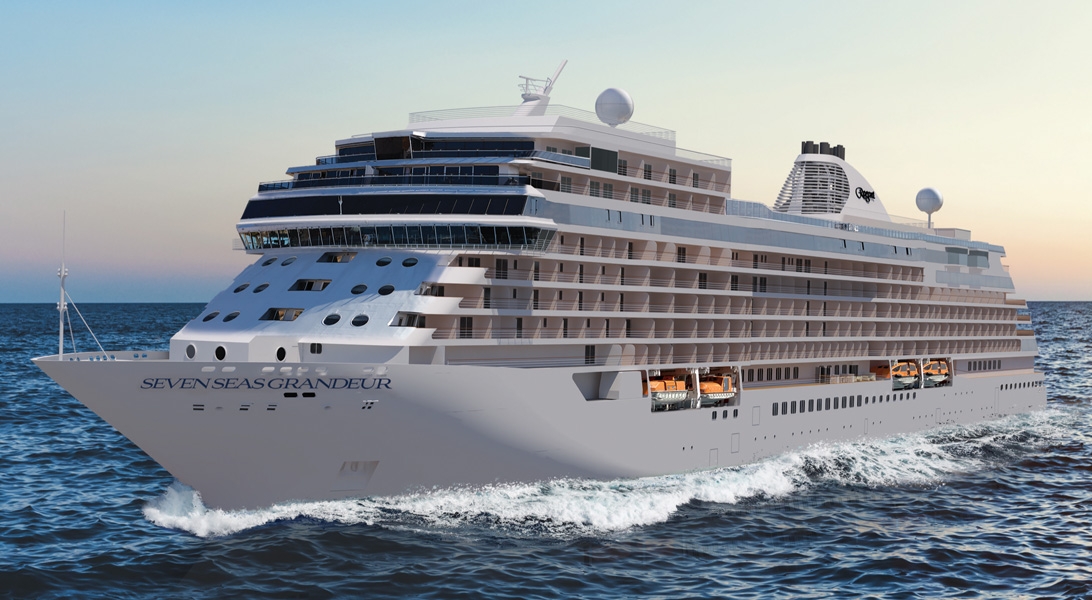


The images shown are for illustration purposes only and may not be an exact representation of what you find on the ship.
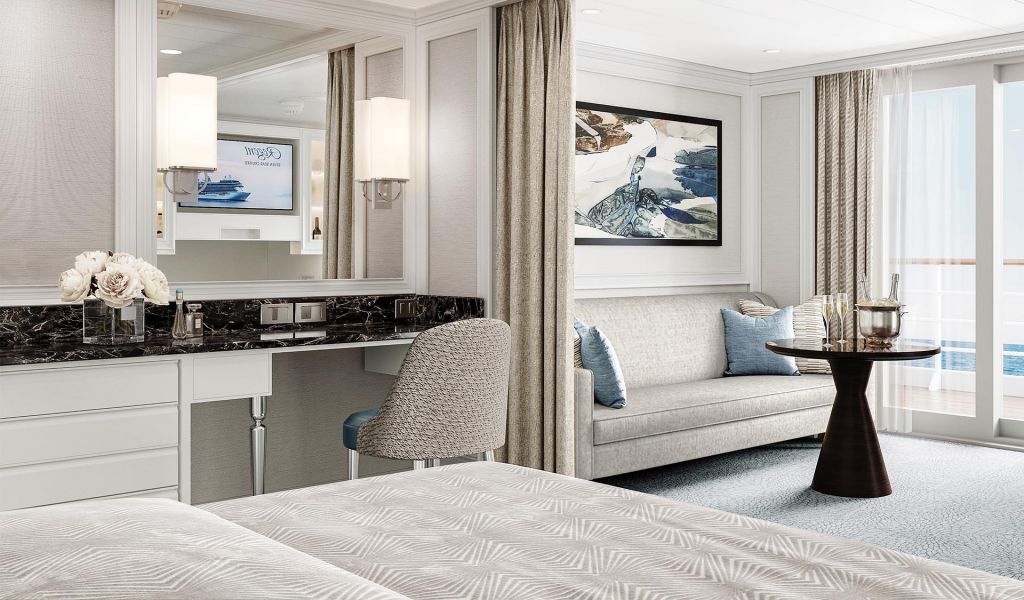
| Grade Code | From | To | |
| E | Concierge Suite | £11,409 | £15,159 |
| D | Concierge Suite | £11,859 | £15,609 |
Step out onto your private balcony with a freshly made cup of coffee and take in the grandeur of ocean travel. This suite is packed with stylish comfort and includes a king-sized bed with a spectacular horizon view.
Layout
The suite pictured may differ from the suite booked, as layouts and designs vary by ship, deck, and suite location.
Amenities
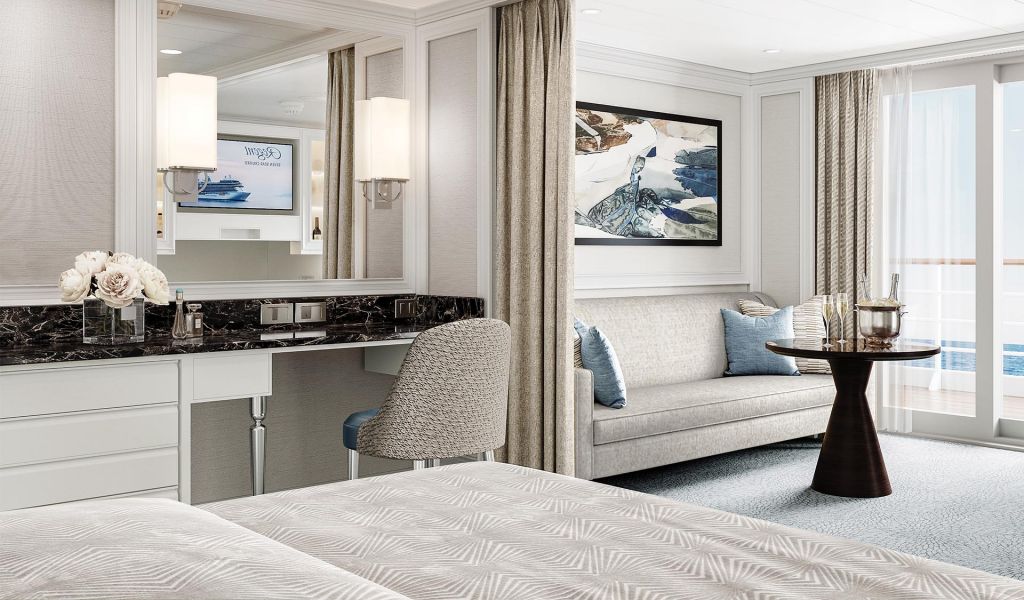
| Grade Code | From | To | |
| G2 | Deluxe Veranda Suite | £9,619 | £13,369 |
| G1 | Deluxe Veranda Suite | £9,919 | £13,669 |
First, the view — soak in the entirety of your ocean-going adventure out on your private balcony, or get cozy in your floor-to-ceiling-windowed sitting area. Inside is perfectly designed for maximum elegance and comfort.
Layout
The suite pictured may differ from the suite booked, as layouts and designs vary by ship, deck, and suite location.
Amenities
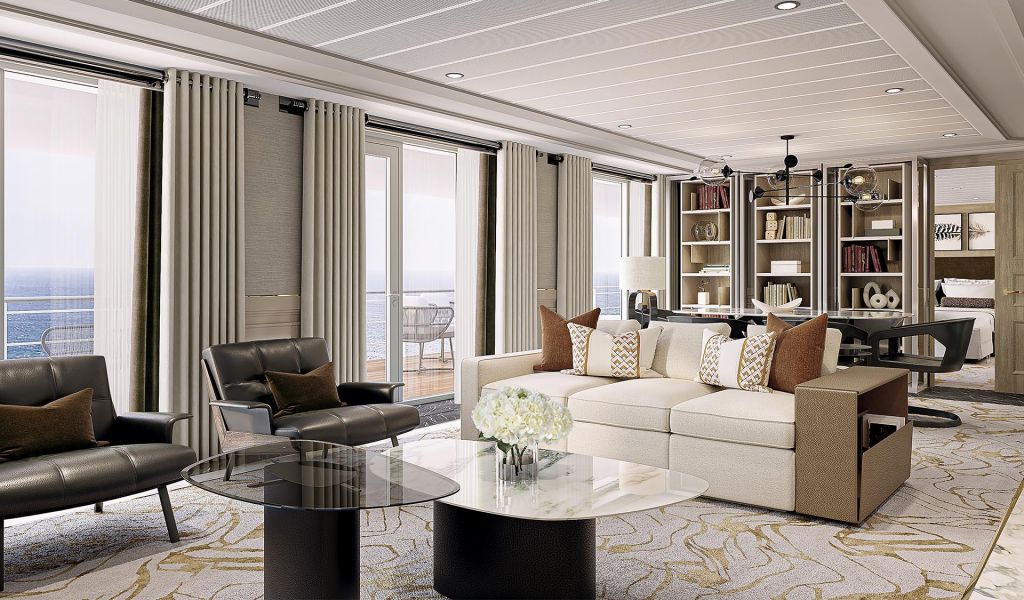
| Grade Code | From | To | |
| GS | Grand Suite | £21,409 | £25,159 |
Experience the joy of sailing the world with an exquisitely designed space like this suite to call home throughout your voyage. Indulge in a sumptuous living room, two full baths, lavish bath products and a private balcony.
The suite pictured may differ from the suite booked, as layouts and designs vary by ship, deck, and suite location.
Layout
1 Spacious Bedroom with a European King-Size Elite Slumber® Bed (*Bed cannot be converted into two beds.)
Amenities
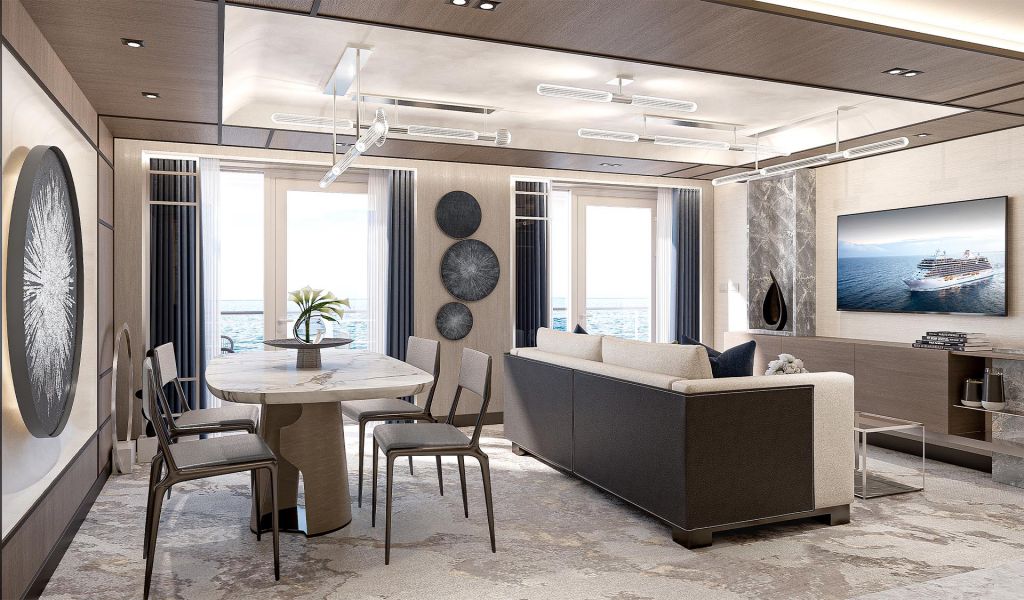
| Grade Code | From | To | |
| GN | Grandeur Suite | £19,319 | £23,069 |
A glamorous home away from home with a private balcony that’s among the largest at sea. Luxuriate in its spacious living room and sitting area, and impress guests with a full-liquor bar and in-suite caviar service.
Layout
The suite pictured may differ from the suite booked, as layouts and designs vary by ship, deck, and suite location.
Amenities
Additional Grandeur Suite Amenities:
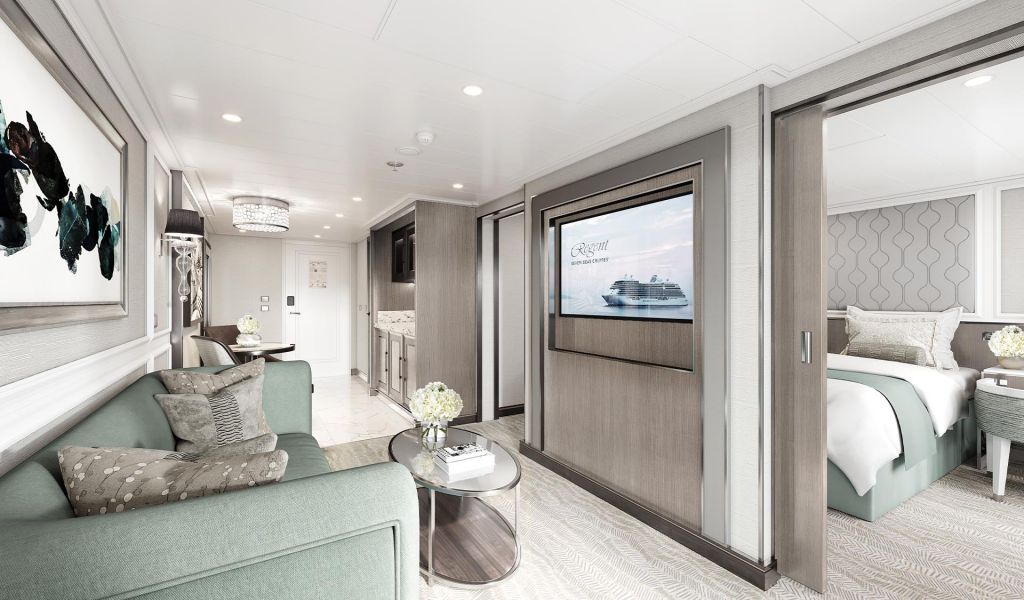
| Grade Code | From | To | |
| C | Penthouse Suite | £14,249 | £17,999 |
| B | Penthouse Suite | £14,619 | £18,369 |
| A | Penthouse Suite | £15,069 | £18,819 |
Designed to maximize your space and comfort — highlighted by a beautifully furnished sitting area and private balcony — you'll relish time spent in this luxurious suite as you prepare for your next onshore adventure.
Layout
The suite pictured may differ from the suite booked, as layouts and designs vary by ship, deck, and suite location.
Amenities
Additional Penthouse Suite Amenities:
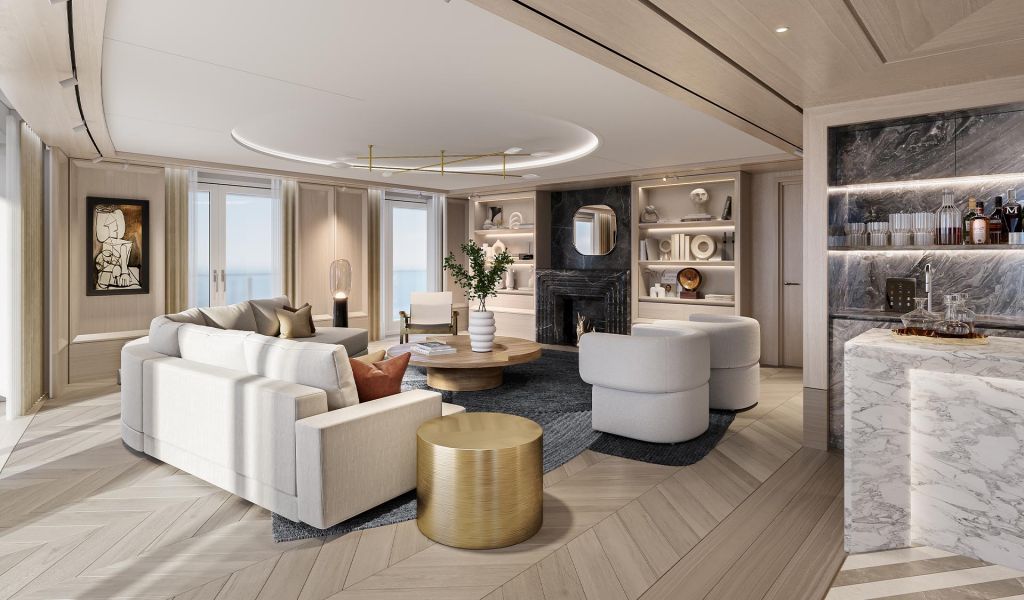
| Grade Code | From | To | |
| RS | Regent Suite | £78,299 | £82,049 |
A one-of-a-kind achievement in lavish accommodations, this unparalleled suite boasts an in-suite spa retreat, private balcony with a Treesse Minipool, two magnificent bedrooms and more. Simply astonishing luxury.
Layout
The suite pictured may differ from the suite booked, as layouts and designs vary by ship, deck, and suite location.
Amenities
| Grade Code | From | To | |
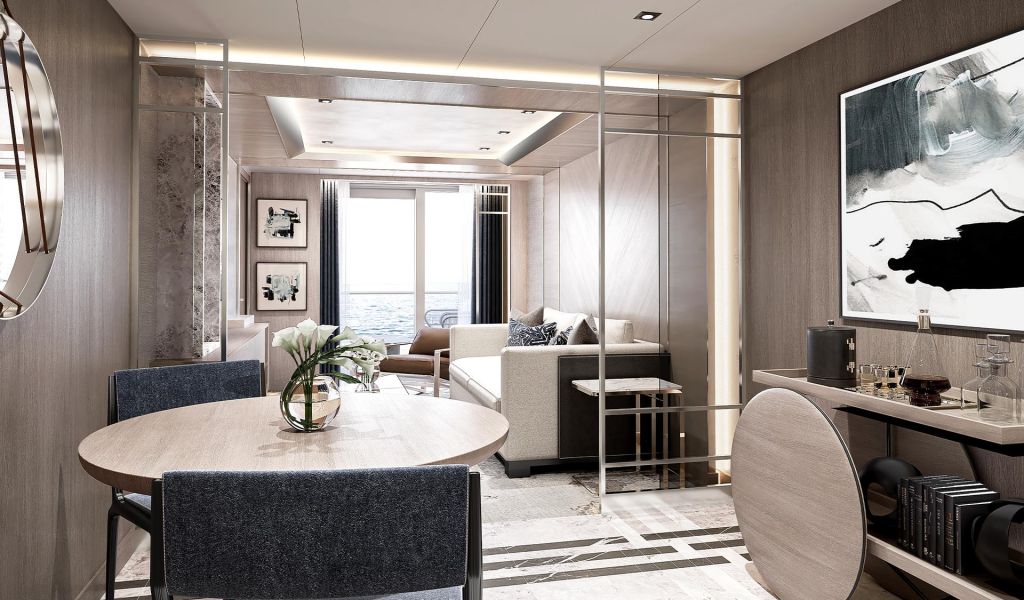
| SS | Seven Seas Suite | £17,899 | £21,649 |
With glorious vistas in every direction, this suite is designed to complement the soothing nature of the world outside. Your private balcony will beckon from your stylish sitting area, as will the marble accents of your baths.
Layout
The suite pictured may differ from the suite booked, as layouts and designs vary by ship, deck, and suite location.
Amenities
Additional Seven Seas Suites Amenitie:
| Grade Code | From | To | |
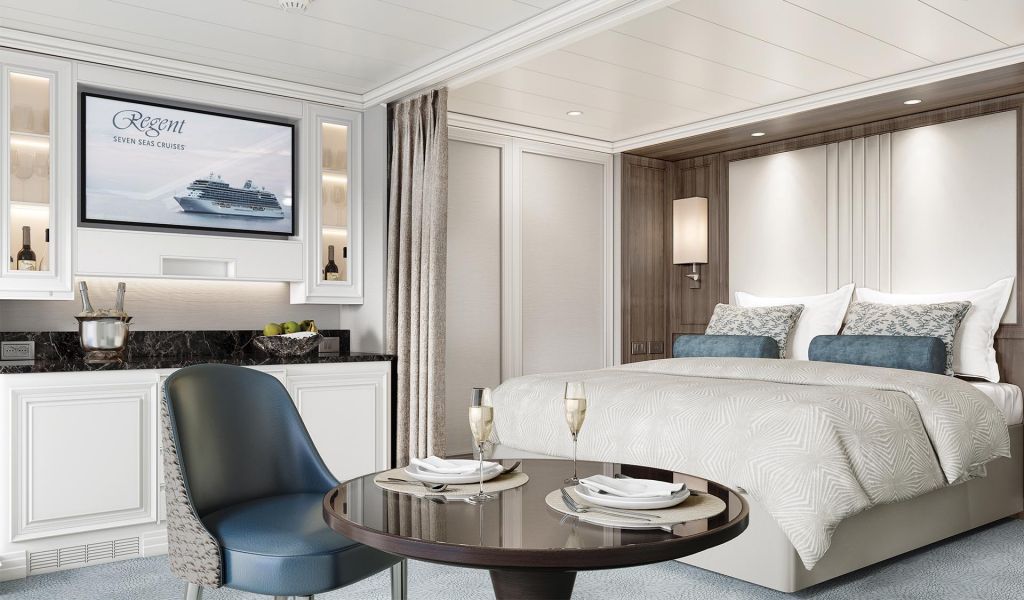
| H | Veranda Suite | £9,249 | £12,999 |
A private balcony to sip the beverage of your choice, a sitting area with a table for in-suite breakfasts, lavish bath products, a flat-screen TV... this suite has all you need to feel spoiled on an unforgettable voyage.
Layout
The suite pictured may differ from the suite booked, as layouts and designs vary by ship, deck, and suite location.
Amenities
The images shown are for illustration purposes only and may not be an exact representation of what you find on the ship.
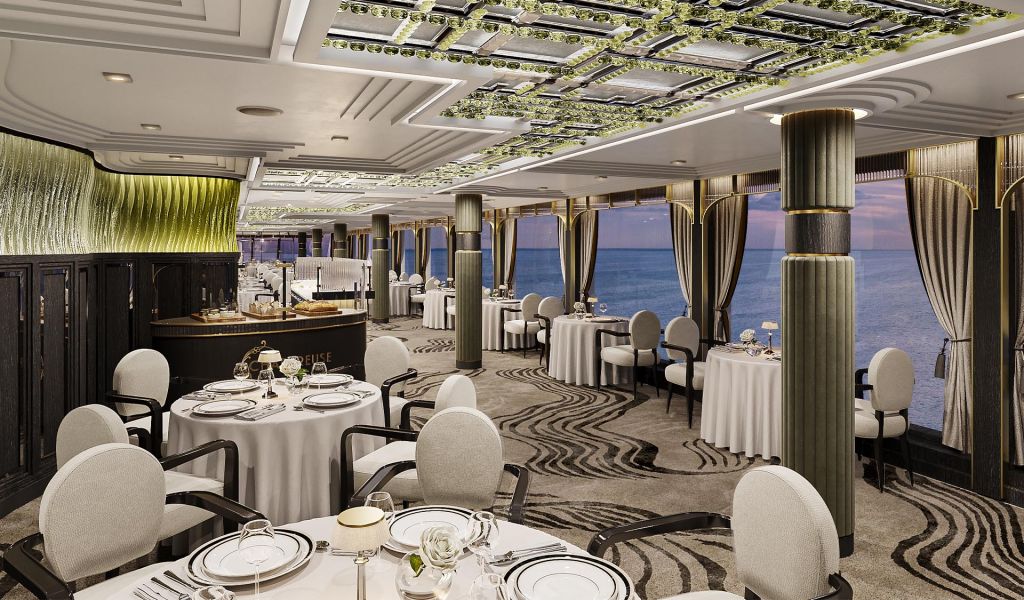
Classic French fare with a modern twist – and glorious ocean views. If Chartreuse seems familiar, you may have once stumbled upon a chic, fine-dining restaurant on a Champs-Elysees side street. A fantasy you can taste.
Chartreuse evokes memories of a chic Parisian fine dining restaurant discovered during an evening stroll. Wherever you are seated in this regal restaurant, you will be treated to a succulent dinner while enjoying incredible ocean views. The restaurant ambiance is complemented by a menu that features modern French dishes. Available on Seven Seas Grandeur™, Seven Seas Splendor®, Seven Seas Explorer®, Seven Seas Mariner® and Seven Seas Voyager® with reservations each evening for dinner, and open for lunch on Seven Seas Explorer on alternate port days. French bistro style food is offered.
Reservations Required
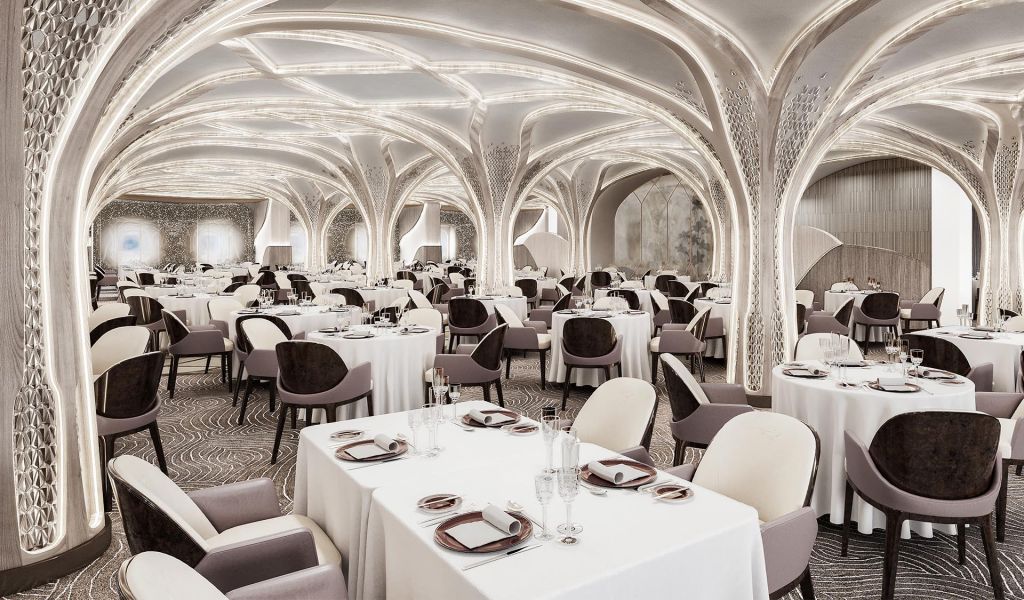
Our largest specialty restaurant on a ship full of spectacular dining options. Design your very own entrée from preferred sides, sauces, pastas and main features of beef, poultry and fish. Dessert? Decadent, of course.
We are pleased to re-introduce the elegantly enhanced Compass Rose, the largest specialty restaurant across our fleet. Ensuring a tantalizing mix of new and familiar items on every visit, the new lunch and dinner menus offer a vast selection to meet your discerning tastes. Exclusively aboard Seven Seas Mariner®, Seven Seas Voyager®, and Seven Seas Navigator® for lunch, you may choose from a robust list of appetizers and main courses from our specialty restaurants. And across our fleet for dinner, you have the unique ability to design your very own entrée from preferred sides, sauces, pastas and main features of beef, poultry and fish. This is in addition to sinfully indulgent desserts made by talented bakers and pastry chefs. With daily changing menus, the refreshed Compass Rose offers more choices than ever before.
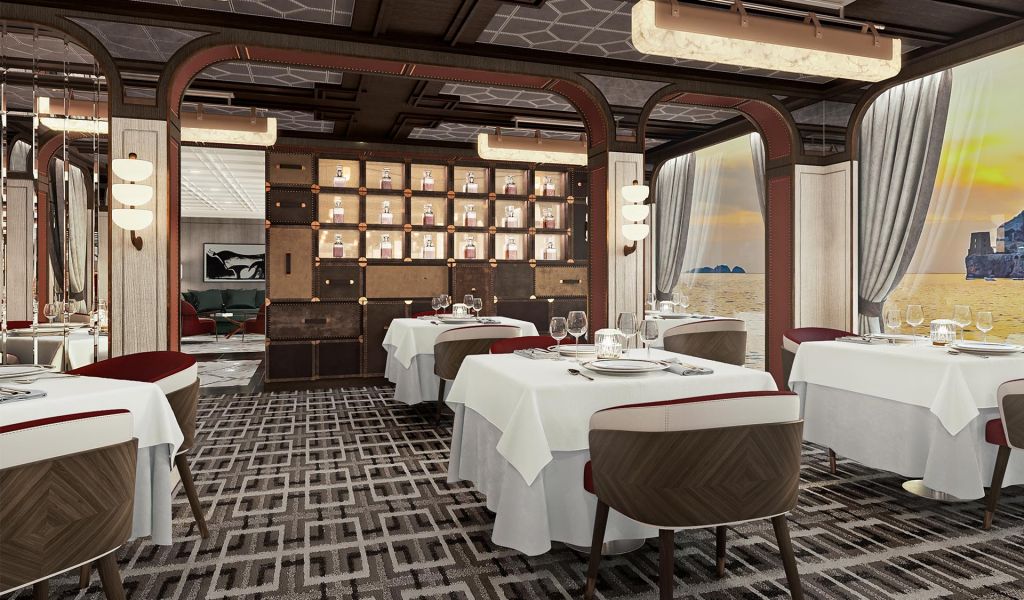
From perfectly aged New York strip, porterhouse and succulent filet mignon to smoked salmon with a phenomenal tamarind-whiskey sauce, Prime 7 elevates classic American fare to lofty heights.
A true classic in every sense, Prime 7 sets a new standard in steakhouse fare with its contemporary interpretation of an American classic. Handsomely decorated with supple leather wing-back chairs, burnished woods and rich earth-toned fabrics, Prime 7 exudes a distinct, intimate elegance. This is sophistication redefined, a luxurious setting to enjoy classic steakhouse cuisine with a modern flair.
All the traditional starters are here, including Jumbo Lump Crab Cakes, Classic Steak Tartare, and Clam Chowder. Of course, beef is the undisputed star, and it is aged for a minimum of 40 days to ensure the ultimate tenderness and juiciness. New York Strip, Porterhouse Steak and succulent Filet Mignon only touch upon the selections. Mouthwatering alternatives include Applewood Smoked Salmon and Dover Sole.
Reservations Required
The images shown are for illustration purposes only and may not be an exact representation of what you find on the ship.
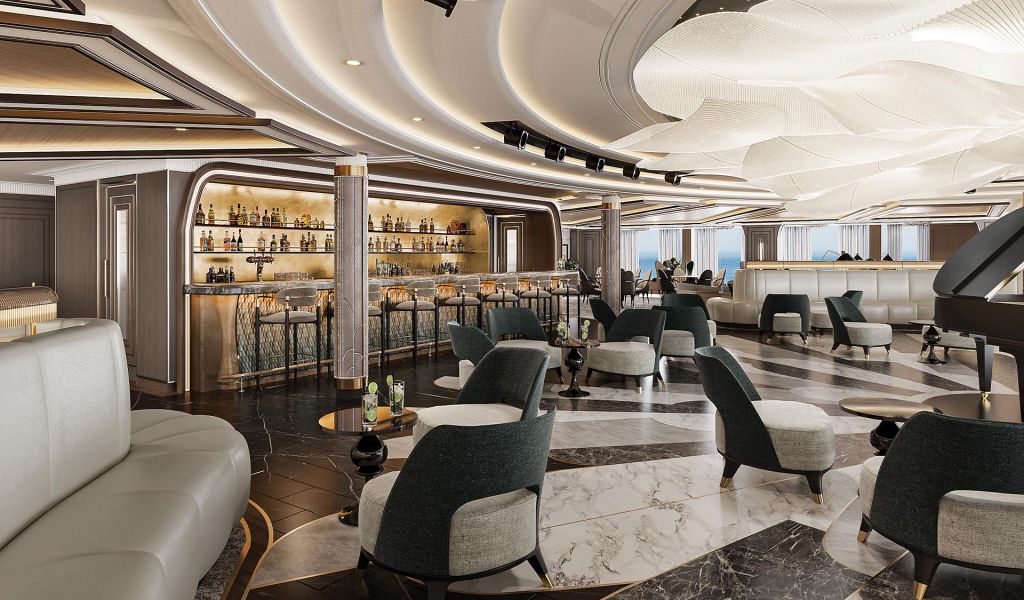
Every evening on Seven Seas Grandeur will be one to remember. As the lights go on from the stage to the dance floor, this stunning vessel takes on a new life with live productions, high-caliber musicians, guest entertainers, intimate lounges and more.
The images shown are for illustration purposes only and may not be an exact representation of what you find on the ship.
The images shown are for illustration purposes only and may not be an exact representation of what you find on the ship.


Our Fusion packages are all ABTA & ATOL protected ensuring that your booking is safe with us
| Return flights including luggage allowance | |||
| Overseas Transfers | |||
| 14 nights aboard the Seven Seas Grandeur | |||
| Free Luxury Hotel Package in Concierge Suites and Higher | |||
| Free Unlimited Shore Excursions | |||
| Free Speciality Restaurants | |||
| Free Unlimited Beverages Including Fine Wines | |||
| Free In-Suite Mini Bar Replenished Daily | |||
| Free Pre-Paid Gratuities | |||
| Free Wifi Throughout the Ship | |||
| Free Transfers Between Airport and Ship | |||
| Free 24 Hour Room Service | |||
| Port Taxes and Fees | |||
 | ABTA and ATOL Protection* | ||
Fly/cruise package |
Date 14th Jun 2028 |
Nts 14 |
Suite £9,249pp |
Suite £9,869pp |
Suite £9,869pp |
Suite £9,869pp |
Suite £9,869pp |
Suite £9,869pp |
Suite £9,869pp |
Suite £9,869pp |
Suite £9,869pp |
Suite £9,869pp |
Date 14th Jun 2028 |
Nts 14 |
Suite £9,249pp |
Suite £9,869pp |
Suite £9,869pp |
Suite £9,869pp |
Suite £9,869pp |
Suite £9,869pp |
Suite £9,869pp |
Suite £9,869pp |
Suite £9,869pp |
Suite £9,869pp |
| Suite staterooms from | £9,249pp | ||
| RS | Regent Suite |  | |
| GS | Grand Suite | £21,409pp | |
| GN | Grandeur Suite | £19,319pp | |
| SS | Seven Seas Suite | £17,899pp | |
| A | Penthouse Suite | £15,069pp | |
| B | Penthouse Suite | £14,619pp | |
| C | Penthouse Suite | £14,249pp | |
| D | Concierge Suite | £11,859pp | |
| E | Concierge Suite | £11,409pp | |
| F1 | Serenity Suite | £10,669pp | |
| F2 | Serenity Suite | £10,449pp | |
| G1 | Deluxe Veranda Suite | £9,919pp | |
| G2 | Deluxe Veranda Suite | £9,619pp | |
| H | Veranda Suite | £9,249pp | |
| SG | Signature Suite | | |
| HP | Horizon Penthouse Suite | | |
| Suite staterooms from | £9,869pp | ||
| RS | Regent Suite | | |
| GS | Grand Suite | £22,029pp | |
| GN | Grandeur Suite | £19,939pp | |
| SS | Seven Seas Suite | £18,519pp | |
| A | Penthouse Suite | £15,689pp | |
| B | Penthouse Suite | £15,239pp | |
| C | Penthouse Suite | £14,869pp | |
| D | Concierge Suite | £12,479pp | |
| E | Concierge Suite | £12,029pp | |
| F1 | Serenity Suite | £11,289pp | |
| F2 | Serenity Suite | £11,069pp | |
| G1 | Deluxe Veranda Suite | £10,539pp | |
| G2 | Deluxe Veranda Suite | £10,239pp | |
| H | Veranda Suite | £9,869pp | |
| SG | Signature Suite | | |
| HP | Horizon Penthouse Suite | | |
| Suite staterooms from | £9,869pp | ||
| RS | Regent Suite | | |
| GS | Grand Suite | £22,029pp | |
| GN | Grandeur Suite | £19,939pp | |
| SS | Seven Seas Suite | £18,519pp | |
| A | Penthouse Suite | £15,689pp | |
| B | Penthouse Suite | £15,239pp | |
| C | Penthouse Suite | £14,869pp | |
| D | Concierge Suite | £12,479pp | |
| E | Concierge Suite | £12,029pp | |
| F1 | Serenity Suite | £11,289pp | |
| F2 | Serenity Suite | £11,069pp | |
| G1 | Deluxe Veranda Suite | £10,539pp | |
| G2 | Deluxe Veranda Suite | £10,239pp | |
| H | Veranda Suite | £9,869pp | |
| SG | Signature Suite | | |
| HP | Horizon Penthouse Suite | | |
| Suite staterooms from | £9,869pp | ||
| RS | Regent Suite | | |
| GS | Grand Suite | £22,029pp | |
| GN | Grandeur Suite | £19,939pp | |
| SS | Seven Seas Suite | £18,519pp | |
| A | Penthouse Suite | £15,689pp | |
| B | Penthouse Suite | £15,239pp | |
| C | Penthouse Suite | £14,869pp | |
| D | Concierge Suite | £12,479pp | |
| E | Concierge Suite | £12,029pp | |
| F1 | Serenity Suite | £11,289pp | |
| F2 | Serenity Suite | £11,069pp | |
| G1 | Deluxe Veranda Suite | £10,539pp | |
| G2 | Deluxe Veranda Suite | £10,239pp | |
| H | Veranda Suite | £9,869pp | |
| SG | Signature Suite | | |
| HP | Horizon Penthouse Suite | | |
| Suite staterooms from | £9,869pp | ||
| RS | Regent Suite | | |
| GS | Grand Suite | £22,029pp | |
| GN | Grandeur Suite | £19,939pp | |
| SS | Seven Seas Suite | £18,519pp | |
| A | Penthouse Suite | £15,689pp | |
| B | Penthouse Suite | £15,239pp | |
| C | Penthouse Suite | £14,869pp | |
| D | Concierge Suite | £12,479pp | |
| E | Concierge Suite | £12,029pp | |
| F1 | Serenity Suite | £11,289pp | |
| F2 | Serenity Suite | £11,069pp | |
| G1 | Deluxe Veranda Suite | £10,539pp | |
| G2 | Deluxe Veranda Suite | £10,239pp | |
| H | Veranda Suite | £9,869pp | |
| SG | Signature Suite | | |
| HP | Horizon Penthouse Suite | | |
| Suite staterooms from | £9,869pp | ||
| RS | Regent Suite | | |
| GS | Grand Suite | £22,029pp | |
| GN | Grandeur Suite | £19,939pp | |
| SS | Seven Seas Suite | £18,519pp | |
| A | Penthouse Suite | £15,689pp | |
| B | Penthouse Suite | £15,239pp | |
| C | Penthouse Suite | £14,869pp | |
| D | Concierge Suite | £12,479pp | |
| E | Concierge Suite | £12,029pp | |
| F1 | Serenity Suite | £11,289pp | |
| F2 | Serenity Suite | £11,069pp | |
| G1 | Deluxe Veranda Suite | £10,539pp | |
| G2 | Deluxe Veranda Suite | £10,239pp | |
| H | Veranda Suite | £9,869pp | |
| SG | Signature Suite | | |
| HP | Horizon Penthouse Suite | | |
| Suite staterooms from | £9,869pp | ||
| RS | Regent Suite | | |
| GS | Grand Suite | £22,029pp | |
| GN | Grandeur Suite | £19,939pp | |
| SS | Seven Seas Suite | £18,519pp | |
| A | Penthouse Suite | £15,689pp | |
| B | Penthouse Suite | £15,239pp | |
| C | Penthouse Suite | £14,869pp | |
| D | Concierge Suite | £12,479pp | |
| E | Concierge Suite | £12,029pp | |
| F1 | Serenity Suite | £11,289pp | |
| F2 | Serenity Suite | £11,069pp | |
| G1 | Deluxe Veranda Suite | £10,539pp | |
| G2 | Deluxe Veranda Suite | £10,239pp | |
| H | Veranda Suite | £9,869pp | |
| SG | Signature Suite | | |
| HP | Horizon Penthouse Suite | | |
| Suite staterooms from | £9,869pp | ||
| RS | Regent Suite | | |
| GS | Grand Suite | £22,029pp | |
| GN | Grandeur Suite | £19,939pp | |
| SS | Seven Seas Suite | £18,519pp | |
| A | Penthouse Suite | £15,689pp | |
| B | Penthouse Suite | £15,239pp | |
| C | Penthouse Suite | £14,869pp | |
| D | Concierge Suite | £12,479pp | |
| E | Concierge Suite | £12,029pp | |
| F1 | Serenity Suite | £11,289pp | |
| F2 | Serenity Suite | £11,069pp | |
| G1 | Deluxe Veranda Suite | £10,539pp | |
| G2 | Deluxe Veranda Suite | £10,239pp | |
| H | Veranda Suite | £9,869pp | |
| SG | Signature Suite | | |
| HP | Horizon Penthouse Suite | | |
| Suite staterooms from | £9,869pp | ||
| RS | Regent Suite | | |
| GS | Grand Suite | £22,029pp | |
| GN | Grandeur Suite | £19,939pp | |
| SS | Seven Seas Suite | £18,519pp | |
| A | Penthouse Suite | £15,689pp | |
| B | Penthouse Suite | £15,239pp | |
| C | Penthouse Suite | £14,869pp | |
| D | Concierge Suite | £12,479pp | |
| E | Concierge Suite | £12,029pp | |
| F1 | Serenity Suite | £11,289pp | |
| F2 | Serenity Suite | £11,069pp | |
| G1 | Deluxe Veranda Suite | £10,539pp | |
| G2 | Deluxe Veranda Suite | £10,239pp | |
| H | Veranda Suite | £9,869pp | |
| SG | Signature Suite | | |
| HP | Horizon Penthouse Suite | | |
| Suite staterooms from | £9,869pp | ||
| RS | Regent Suite | | |
| GS | Grand Suite | £22,029pp | |
| GN | Grandeur Suite | £19,939pp | |
| SS | Seven Seas Suite | £18,519pp | |
| A | Penthouse Suite | £15,689pp | |
| B | Penthouse Suite | £15,239pp | |
| C | Penthouse Suite | £14,869pp | |
| D | Concierge Suite | £12,479pp | |
| E | Concierge Suite | £12,029pp | |
| F1 | Serenity Suite | £11,289pp | |
| F2 | Serenity Suite | £11,069pp | |
| G1 | Deluxe Veranda Suite | £10,539pp | |
| G2 | Deluxe Veranda Suite | £10,239pp | |
| H | Veranda Suite | £9,869pp | |
| SG | Signature Suite | | |
| HP | Horizon Penthouse Suite | | |
Fusion Holidays when selling travel arrangements is a trading name of Co-op Travel Services Limited, registration 08903986. Fusion Cruises is an Accredited Body Member of Co-op Travel Services Limited ATOL 12904.
Book with Confidence. We are a Member of ABTA which means you have the benefit of ABTA’s assistance and Code of Conduct.
Some of the flights and flight-inclusive holidays on this website are financially protected by the ATOL scheme but ATOL protection does not apply to all holiday and travel services offered on this website. This website will provide you with information on the protection that applies in the case of each holiday and travel service offered before you make your booking. If you do not receive an ATOL Certificate then the booking will not be ATOL protected. If you do receive an ATOL Certificate but all parts of your trip are not listed on it, those parts will not be ATOL protected. Please see our booking conditions for information, or for more information about financial protection and the ATOL Certificate go to: www.caa.co.uk