This site uses cookies as defined in our Cookie Policy, by continuing to use this site you agree to their use.
Continue

| Arrive | Depart | ||||||
| 24th24 | OctOct | 202828 | Panama City, Panama, embark on the Scenic Eclipse | ||||
Expect incredible morning views as you arrive into the port for Panama City. Tinged with a silver pre-dawn light, the city will metamorphosise into a golden glow as the sun rises above it. And from then on expect one stunning view after another. Very interesting in its own right, Fuerte Amador is obviously overshadowed by its proximity to Panama City. So should the Miraflores museum of the Canal, which offers a comprehensive and immersive tour of the Canal including a 3-D experience, four exhibition halls, an observation deck, and a surprisingly good restaurant not interest you then there is always the option of lovely Casco Viejo – literally the old quartier of Panama. The grand old colonial houses, cobbled streets, independent boutiques and buzzing street scene make this a must stop on your itinerary. And if you like seafood, you will not want miss the many restaurants and market stalls serving different variations of so-fresh-it’s-still-practically-swimming ceviche. Best eaten like the Panamanians do, with salty crackers and a cold beer on the beach. And if money is no object, a cup of geisha coffee – supposedly the world’s best and definitely the world’s most expensive at $7 a shot is definitely a pick me up! Cool cosmopolitan capital aside, Panama has a skyscraper filled skyline that is worthy of some of its North American counterparts. But if urban utopia is not your scene then fear not, the sandy beaches and lush rainforests are never more than a short cab ride away. Welcome to Panama City. This cosmopolitan metropolis is a captivating blend of old and new, where gleaming skyscrapers stand alongside 17th-century churches and beautifully preserved colonial buildings in the historic Casco Viejo district, a World Heritage-listed site.Be warmly greeted by your crew as you arrive at your ultra-luxury Scenic Discovery Yacht, Scenic Eclipse. Enjoy a glass of Champagne, meet your butler and get familiar with your spacious suite, admiring the city from your private verandah. Please book your flight to arrive into Panama City prior to 02:00 PM. | |||||||
| 25th25 | OctOct | 202828 | Darién National Park, Panama | ||||
"The remote Darien Jungle has one of the most biodiverse ecosystems in the world. It is also one of the world’s top ten birding sites, with the colourful Crimson-collared Tanager, Chestnut-fronted Macaws, and Snow-bellied Hummingbirds found here. Mammals include tapirs and Black-headed Spider Monkeys. In this roadless stretch of forest, rivers provide the best access. Visitors to the Darien Jungle are rare with fewer than 1,000 tourists visiting each year. The Embera are one of several indigenous groups that live here in relative isolation offering ornate handcrafted baskets and carvings for sale in their traditional villages." Uncover World Heritage-listed Darién National Park, one of the most important heritage sites in central America. A natural bridge spanning the two Americas, it houses a myriad of habitats, ranging from rocky coastlines to sandy beaches and mangroves. A plethora of wildlife awaits as even endangered species of Night Monkey, Spotted Paca and Guatemalan Black Howler call these tropical forests home. Darién National Park is among the largest protected areas where indigenous communities still inhabit the landscape.Later, return to Scenic Eclipse to unwind with sundowners at the Sky Bar, where the day's discoveries settle into conversation and the evening begins to unfold. | |||||||
| 26th26 | OctOct | 202828 | Utría National Park, Colombia | ||||
The Utria National Park, located on Colombia’s Pacific Coast, is set in one of the most beautiful and unique natural settings of the country. It is a natural landmark of Colombia with striking thick rainforest, endless beaches, lush mangroves and steep mountains. During the breeding season, humpback whales raise their new-borns in the coastal waters. The park is a biodiversity “hot spot”, with a huge diversity of wildlife including monkeys, frogs, and more than 400 species of birds. Utría National Natural Park, nestled along Colombia's Pacific coast, is a true hidden gem. This lush, mountainous rainforest, one of the wettest places on Earth, boasts an incredible four distinct ecosystems. Dominated by dense rainforest, the park also features expansive mangroves lining its coastline. It teems with biodiversity, sheltering a vast array of flora and fauna, including more than 500 bird species. | |||||||
| 27th27 | OctOct | 202828 | At Sea | ||||
| 28th28 | OctOct | 202828 | Manta, Ecuador | ||||
Manta’s dynamic waterfront greets you with its emblematic tuna monument, a reminder of the city’s role as one of Ecuador’s most important fishing ports and a global centre for tuna. Its story reaches back to pre-Columbian times, when the indigenous Manteño people, renowned for their sophisticated seafaring and coastal trade networks, inhabited this shore. Just a short walk from the port, the town centre hums with local life, from open-air cafés to colourful stalls. Here you can browse markets where so-called Panama hats – traditionally handwoven in Ecuador – sit alongside finely worked silver jewellery and contemporary clothing boutiques, offering a glimpse into the region’s enduring artisanal traditions. | |||||||
| 29th29 | OctOct | 202828 | At Sea | ||||
| 30th30 | OctOct | 202828 | Salaverry, Peru | ||||
Located about nine hours north of Lima, Trujillo was founded in 1534 by the Spanish conquistador Pizarro. The attractive, colonial city retains much of its original charm with elegant casonas, or mansions, lining the streets. Nearby is Chan Chan, the ancient capital of the Chimú, a local Indian tribe who came under the rule of the Incas. The area has several other Chimú sites, some dating back about 1500 years. The region is also famous as the home of the Peruvian Paso horses, as well as excellent beaches offering world-class surfing and other water sports. Salaverry is a cultural treasure of Peru, home to the ancient wonders of the Chimú and Mochica civilisations. Step back in time at Chan Chan, the largest adobe citadel in pre-Columbian America and a World Heritage-listed site. | |||||||
| 31st31 | OctOct | 202828 | At Sea | ||||
| 1st01 | NovNov | 202828 | Paracas, Peru | ||||
The port city of Paracas is blessed with magnificent natural beauty and rich historical importance, offerings inviting beaches, ideal weather and pleasant scenery — a combination that draws visitors throughout the year. The shores of the Paracas Peninsula and waters of the bay teem with wildlife and have been declared a national reserve. Condors frequently can be seen gliding on the sea winds or perched on the cliffs; pink flamingos often rest here on their migratory flights. The complex interaction between wind and ocean, sun and land has transformed this region into a kind of lunarscape under an equatorial sun. Another reason for travellers to come to this area is its proximity to the famous and mysterious Nazca Lines. Visible from the air, these strange markings stretch for miles on a large barren plain and have bewildered archaeologists, historians and mathematicians since their discovery over a century ago. The earliest Andean people found shelter here. The Paracas culture was known for fine weavings in geometrical designs and vibrant colours, which have been preserved for thousands of years by the dry climate. Some of the finest examples are in museums in Lima. The town of Ica is Peru’s finest wine centre, as well as home to the fiery brandy-derived beverage known as Pisco. The surrounding area features oases with springs considered to have medicinal cures. Pier Information The ship is scheduled to dock at Port of Paracas, about a 45-minute drive from Ica. There are no passenger facilities at the pier. Shopping Shopping opportunities are limited; some souvenirs can be found at the museum in Ica. A bottle of Peruvian Pisco (grape brandy) makes a nice memento. The local currency is the nuevo sol. Cuisine Seafood is highly recommended, however, we recommend you dine only in the hotel restaurants in Peru’s southern region. Be sure to sample the national drink pisco sour and the area’s excellent wines. Always drink bottled water and avoid ice cubes. Other Sites The Bay of Paracas is sheltered by the Paracas peninsula, noted as one of the best marine reserves in the world. This is also a popular resort area thanks to its beautiful bay, beaches and dependable warm weather. Facilities include swimming pools, tennis courts, miniature golf and a good restaurant. For those who are looking for a little adventure dune buggies are available. Local boat trips can be booked to the Ballestas Islands but be aware that commentary is given in Spanish. Private arrangements for independent sightseeing are limited in this port as cars have to come from Lima. Please submit your request to the Tour Office early in the cruise. Welcome to Paracas, a delightful coastal town featuring a beautiful bay, fascinating pre-Inca heritage, and a National Reservation an exceptional spot for birdwatching. | |||||||
| 2nd02 | NovNov | 202828 | At Sea | ||||
| 3rd03 | NovNov | 202828 | At Sea | ||||
| 4th04 | NovNov | 202828 | At Sea | ||||
| 5th05 | NovNov | 202828 | Pingüino de Humboldt National Reserve, Chile | ||||
Freshly squeezed juice, steaming barista-made coffee or tea delivered to your door by your butler will help you start your day just the way you like it. As your Scenic Discovery Yacht sails toward the Pingüino de Humboldt National Reserve, get ready to experience the reserve’s stunning natural beauty and diverse wildlife. Scenic Discovery: | |||||||
| 6th06 | NovNov | 202828 | Valparaiso, Chile | ||||
Valparaíso's dramatic topography—45 cerros, or hills, overlooking the ocean—requires the use of winding pathways and wooden ascensores (funiculars) to get up many of the grades. The slopes are covered by candy-color houses—there are almost no apartments in the city—most of which have exteriors of corrugated metal peeled from shipping containers decades ago. Valparaíso has served as Santiago's port for centuries. Before the Panama Canal opened, Valparaíso was the busiest port in South America. Harsh realities—changing trade routes, industrial decline—have diminished its importance, but it remains Chile's principal port. Most shops, banks, restaurants, bars, and other businesses cluster along the handful of streets called El Plan (the flat area) that are closest to the shoreline. Porteños (which means "the residents of the port") live in the surrounding hills in an undulating array of colorful abodes. At the top of any of the dozens of stairways, the paseos (promenades) have spectacular views; many are named after prominent Yugoslavian, Basque, and German immigrants. Neighborhoods are named for the hills they cover. With the jumble of power lines overhead and the hundreds of buses that slow down—but never completely stop—to pick up agile riders, it's hard to forget you're in a city. Still, walking is the best way to experience Valparaíso. Be careful where you step, though—locals aren't very conscientious about curbing their dogs. Valparaíso rises in colourful tiers above the Pacific, its steep hills threaded with stairways, funiculars and winding lanes. Once a great seaport, its World Heritage-listed historic quarter blends painted houses, street art and old merchant buildings. As you wander, murals, intimate plazas and sudden viewpoints reveal a city where culture and ocean are always in sight. | |||||||
| 7th07 | NovNov | 202828 | At Sea | ||||
| 8th08 | NovNov | 202828 | Niebla, Chile | ||||
Niebla is a small village on the banks of the Rio Valdivia where Chile's Corral Bay meets the Pacific Ocean. Today Niebla is a beach resort, but in 1671 it was a defensive fortress built by the order of the Viceroy of Peru to prevent attacks against the town of Valdivia by pirates and corsairs. Niebla is well-known for its lively markets, the remains of the colonial fortress declared a National Monument in 1950 and restored in 1992, and a museum dedicated to its history. Nearby is the charming river port city of Valdivia, where cultural influences from the native Mapuche, Spanish settlers, and German immigrants have blended. Arrive in Niebla, which is home to the 17th-century Niebla Fortress. Nearby Valdivia is known as one of Chile's most beautiful cities, located along the waterfront of a winding delta. This vibrant and tenacious university town has endured various challenges such as attacks, floods, fires, and the catastrophic earthquake of 1960 — the strongest ever recorded — which nearly submerged the city. | |||||||
| 9th09 | NovNov | 202828 | Puerto Montt, Chile | ||||
For most of its history, windy Puerto Montt was the end of the line for just about everyone traveling in the Lake District. Now the Carretera Austral carries on southward, but for all intents and purposes Puerto Montt remains the region's last significant outpost, a provincial city that is the hub of local fishing, textile, and tourist activity.Today the city center is full of malls, condos, and office towers—it's the fastest-growing city in Chile—but away from downtown, Puerto Montt consists mainly of low clapboard houses perched above its bay, the Seno de Reloncaví. If it's a sunny day, head east to Playa Pelluco or one of the city's other beaches. If you're more interested in exploring the countryside, drive along the shore for a good view of the surrounding hills. A busy town in the Chilean Lake District, Puerto Montt sits near the end of the Pan-American Highway, a legendary stretch of road beginning in Alaska and continuing to Ushuaia in Argentina. Framed by snow-capped volcanoes and lush green landscapes, Puerto Montt serves as a gateway to the stunning Andean Alps. Stroll along its bustling waterfront and explore colourful markets brimming with artisan crafts and fresh seafood. | |||||||
| 10th10 | NovNov | 202828 | Castro, Chile | ||||
Bright, wooden huts teeter on stilts over Castro's estuary waterfront, inviting you into a patchwork of colour that’s sure to brighten any day. These traditional palafitos give the warmest of welcomes, as you prepare to experience Chile at its most vibrant. Castro has faced something of a tumultuous past, having been hit by a by a succession of earthquakes and fires - the most recent a devastating earthquake in 1960. But this city is incredibly resilient, and today the capital of Chiloe Island makes for a fantastic base for exploring the archipelago that surrounds it. Discover Castro, set on the enchanting island of Chiloé, where exquisite natural beauty meets rich cultural heritage. Nestled beside a scenic fjord and home to Chiloé National Park, this region is a haven for diverse wildlife on the island’s wild west coast. Spot a glimpse of the local penguin colony, comprising Magellanic and Humboldt penguins, which migrate to the region. Stroll through the city streets and sample local delicacies, such as the Chiloé potato, and marvel at the many World Heritage-listed churches, known for their ecclesiastical wooden architecture. | |||||||
| 11th11 | NovNov | 202828 | At Sea | ||||
| 12th12 | NovNov | 202828 | Puerto Edén, Chile | ||||
Cruise deep into Patagonia’s Inner Fjords and the English Narrows, which is home to remote Puerto Eden. This is the only settlement inside the Chilean Inside Passage, a region with a mountainous terrain and a thriving Magellanic sub-polar forest. You will be able to learn about the ancient Mapuche culture, navigate the town’s intricate wooden boardwalks and see its native wildlife. Scenic Discovery: | |||||||
| 12th12 | NovNov | 202828 | PIO X Glacier, Chile | ||||
| 13th13 | NovNov | 202828 | At Sea | ||||
| 14th14 | NovNov | 202828 | Punta Arenas, Chile | ||||
Impenetrable forests, impassable mountains, and endless fields of ice define Chilean Patagonia, and meant that the region went largely unexplored until the beginning of the 20th century. Located in the southernmost part of the country, this area is still sparsely inhabited, though you will find a few populated places—like the colorful provincial city of Punta Arenas, which looks like it's about to be swept into the Strait of Magellan. Some unique wildlife, particularly colonies of elephant seals and penguins, call this breathtaking topography home. To the north is Parque Nacional Torres del Paine, the country's most magnificent natural wonder, and whose snow-covered peaks seem to rise vertically from the plains below. The vistas, such as the fantastic Avenue of the Glaciers, are breathtaking; along this stretch of the Beagle Channel, you can pass six tremendous glaciers all within a stone's throw of each other.Cruise SightsPunta Arenas. Founded a little more than 150 years ago, Punta Arenas (Sandy Point) was Chile's first permanent settlement in Patagonia. Plaza Muñoz Gamero, the central square, is surrounded by evidence of that early prosperity: buildings whose then-opulent brick exteriors recall a time when this was one of Chile's wealthiest cities. The newer houses here have colorful tin roofs, best appreciated when seen from a high vantage point such as the Mirador Cerro la Cruz. Although the city as a whole may not be particularly attractive, look for details: the pink-and-white house on a corner, the bay window full of potted plants, parking attendants wearing the regional blue and yellow colors, and schoolchildren in identical naval pea coats that remind you that the city's fate is tied to the sea.The Museo Naval y Marítimo extols Chile's high-seas prowess, particularly concerning Antarctica. Its exhibits are worth a visit for anyone with an interest in ships and sailing, merchant and military alike. Part of the second floor is designed like the interior of a ship, including a map and radio room. Pedro Montt 989. Admission charged.Housed in what was once the mansion of the powerful Braun-Menéndez family, the Museo Regional de Magallanes is an intriguing glimpse into the daily life of a wealthy provincial family at the beginning of the 20th century. Lavish Carrara marble hearths, English bath fixtures, and cordovan leather walls are among the original accoutrements. The museum also has an excellent group of displays depicting Punta Arenas's past, from the first European contact to the town's decline after the opening of the Panama Canal. The museum is half a block north of the main square. Magallanes 949. Admission charged.The resplendent 1895 Palacio Sara Braun is a national landmark and an architectural showpiece of southern Patagonia. Designed by a French architect, the house was built from materials and by craftsmen imported from Europe during the four years of construction. The city's central plaza and surrounding buildings soon followed, ushering in the region's golden era. Noteworthy are the lavish bedrooms, magnificent parquet floors, marble fireplaces, and hand-painted ceilings. Don't miss the portraits of Braun and her husband José Nogueira in the music room. Afterwards, head to the cellar for a drink or snack in the warm public tavern (a good portion of the mansion is leased to a hotel). Plaza Muñoz Gamero 716. Admission charged.Commonly referred to simply as "El Salesiano," the Museo Salesiano de Maggiorino Borgatello is operated by Italian missionaries whose order arrived in Punta Arenas in the 19th century. The Salesians, most of whom spoke no Spanish, proved to be daring explorers. Traveling throughout the region, they collected the artifacts made by indigenous tribes that are currently on display. Av. Bulnes 398. Admission charged.Isla Magdalena. Punta Arenas is the launching point for a boat trip to the Isla Magdalena to see the more than 100,000 Magellanic penguins at the Monumento Natural Los Pingúinos. A single trail, marked off by rope, is accessible to humans. The boat trip to the island, in the middle of the Estrecho de Magallanes, takes about two hours. Make sure to bring along warm clothing, even in summer; the island can be chilly, particularly if a breeze is blowing across the water.Parque Nacional Torres del Paine. Some 12 million years ago, lava flows pushed up through the thick sedimentary crust that covered the southwestern coast of South America, cooling to form a granite mass. Glaciers then swept through the region, grinding away all but the ash-gray spires that rise over the landscape of one of the world's most beautiful natural phenomena, now the Parque Nacional Torres del Paine (established in 1959). Snow formations dazzle along every turn of road, and the sunset views are spectacular.Among the 2,420-square-km (934-square-mi) park's most beautiful attractions are its lakes of turquoise, aquamarine, and emerald green waters. Another draw is its unusual wildlife. Creatures like the guanaco (a woollier version of the llama) and the ñandú (resembling a small ostrich) abound. They are used to visitors and don't seem to be bothered by the proximity of automobile traffic and the snapping of cameras. Predators, like the gray fox, make less frequent appearances. You may also spot the dramatic aerobatics of a falcon and the graceful soaring of the endangered condor. The beautiful puma is especially elusive, but sightings have become more common. Admission charged.Pingúinera de Seno Otway. The road to this penguin sanctuary begins 30 km (18 mi) north of Punta Arenas. Magellanic penguins, which live up to 20 years in the wild, return to their birthplace here every year to mate with the same partner. For about 2,000 penguin couples—no single penguins make the trip—home is this desolate and windswept land off the Otway Sound. In late September, the penguins begin to arrive from the southern coast of Brazil and the Falkland Islands. They mate and lay their eggs in early October, and brood their eggs in November. Offspring hatch between mid-November and early December. If you're lucky, you may catch sight of one of the downy gray chicks that stick their heads out of the burrows when their parents return to feed them. Otherwise you might see scores of the ungainly adult penguins waddling to the ocean from their nesting burrows. They swim for food every eight hours and dive up to 100 feet deep. The penguins depart from the sound in late March. Note that the sanctuary is a 1-km (1/2-mi) walk from the parking lot. It gets chilly, so bring a windbreaker. Admission charged.Reserva Nacional Laguna Parillar. This 47,000-acre reserve lies west of Puerto Hambre, a tranquil fishing village, and is centered around a shimmering lake in a valley flanked by hills. It's a great place for a picnic, and there are a number of well-marked paths that offer sweeping vistas over the Estrecho de Magallanes. About 2 km (1 mi) west of Puerto Hambre is a small white monolith that marks the geographical center of Chile, the midway point between Chile's northern port Arica and the South Pole.Cruise ShoppingWool may no longer be king of the economy, but vast flocks of sheep still yield a high-quality product that is woven into the clothing here. Leather products are also common, but the prices are not necessarily low. About 3 km (2 mi) north of Punta Arenas is the Zona Franca (Av. Bulnes). This duty-free zone is where people from all around the region come for low-priced electronics and other consumer items. Punta Arenas is located at the southern extreme of Chile, in the heart of Patagonia, and serves as the gateway into Antarctica as well as Torres del Paine National Park. Overlooking the Strait of Magellan, this historic port flourished during the California Gold Rush – its prime position served as a haven for ships. The city will delight with its fresh air, sophisticated European architecture and vibrant culture. | |||||||
| 15th15 | NovNov | 202828 | Alberto de Agostini National Park, Chile | ||||
Alberto de Agostini National Park was created in 1965 and takes its name from an Italian explorer, photographer, writer and missionary of the Salesians of Don Bosco order that lived and explored Patagonia as a missionary around 1930. De Agostini was known for his discoveries, photographs and maps of the region. The park is located in the Region of Magallanes and Chilean Antarctica, the southernmost, largest, and second least populated region of Chile. The park covers 5,637 square miles and touches Magallanes, Tierra del Fuego and Antarctica provinces. It is the third largest protected area of the country. The park was declared a World Biosphere Reserve by UNESCO in 2005 and protects many species of animals and sea birds. Its rich fauna includes species like the Andean fox, the South American grey fox (also known as the Patagonian fox), the southern elephant seal, the leopard seal, the Chilean dolphin (also known as the black dolphin or tonina), and the humpback whale. Navigate the stunning fjord of Seno Agostini, where glacially carved inlets, steep cliffs, and cascading waterfalls define the landscape. From the Observation Deck, admire the serene wilderness, lush forests, and untouched shores that make this remote corner of Patagonia so captivating. Scenic Discovery: | |||||||
| 16th16 | NovNov | 202828 | Garibaldi Glacier, Chile | ||||
As you cruise through this remarkable region, witness Seno Garibaldi, one of a handful of advancing glaciers in the world. Continue to Seno Pia Glacier, where you’ll have the chance to explore its striking ice crevasses and meandering rivers. This spectacular area, recognised as a World Heritage-listed Biosphere Reserve, teems with marine life — including seals, sea lions, and a variety of seabirds — whilst majestic Andean condors soar overhead. Scenic Discovery: | |||||||
| 16th16 | NovNov | 202828 | Pia Glacier, Glacier Alley, Chile | ||||
| 17th17 | NovNov | 202828 | Cape Horn, Chile | ||||
Cruise through the legendary waters of Cape Horn, where the Atlantic and Pacific Oceans meet at the southernmost point of South America. The meeting of these two oceans is a spectacular display of nature and a great place to spot sea lions, penguins and whales. Scenic Discovery: Weather and sea conditions permitting, take the opportunity to explore this remote archipelago, celebrated for its breathtaking beauty and dramatic landscapes. Join activities organized by the Discovery Team, such as a hike to the lighthouse and a visit to the Cape Horn Monument. | |||||||
| 18th18 | NovNov | 202828 | Ushuaia, Argentina | ||||
At 55 degrees latitude south, Ushuaia (pronounced oo-swy-ah) is closer to the South Pole than to Argentina's northern border with Bolivia. It is the capital and tourism base for Tierra del Fuego, the island at the southernmost tip of Argentina.Although its stark physical beauty is striking, Tierra del Fuego's historical allure is based more on its mythical past than on rugged reality. The island was inhabited for 6,000 years by Yámana, Haush, Selk'nam, and Alakaluf Indians. But in 1902 Argentina, eager to populate Patagonia to bolster its territorial claims, moved to initiate an Ushuaian penal colony, establishing the permanent settlement of its most southern territories and, by implication, everything in between.When the prison closed in 1947, Ushuaia had a population of about 3,000, made up mainly of former inmates and prison staff. Today the Indians of Darwin's "missing link" theory are long gone—wiped out by diseases brought by settlers and by indifference to their plight—and the 60,000 residents of Ushuaia are hitching their star to tourism.The city rightly (if perhaps too loudly) promotes itself as the southernmost city in the world (Puerto Williams, a few miles south on the Chilean side of the Beagle Channel, is a small town). You can make your way to the tourism office to get your clichéd, but oh-so-necessary, "Southernmost City in the World" passport stamp. Ushuaia feels like a frontier boomtown, at heart still a rugged, weather-beaten fishing village, but exhibiting the frayed edges of a city that quadrupled in size in the '70s and '80s and just keeps growing. Unpaved portions of Ruta 3, the last stretch of the Pan-American Highway, which connects Alaska to Tierra del Fuego, are finally being paved. The summer months (December through March) draw more than 120,000 visitors, and dozens of cruise ships. The city is trying to extend those visits with events like March's Marathon at the End of the World and by increasing the gamut of winter activities buoyed by the excellent snow conditions.A terrific trail winds through the town up to the Martial Glacier, where a ski lift can help cut down a steep kilometer of your journey. The chaotic and contradictory urban landscape includes a handful of luxury hotels amid the concrete of public housing projects. Scores of "sled houses" (wooden shacks) sit precariously on upright piers, ready for speedy displacement to a different site. But there are also many small, picturesque homes with tiny, carefully tended gardens. Many of the newer homes are built in a Swiss-chalet style, reinforcing the idea that this is a town into which tourism has breathed new life. At the same time, the weather-worn pastel colors that dominate the town's landscape remind you that Ushuaia was once just a tiny fishing village, snuggled at the end of the Earth.As you stand on the banks of the Canal Beagle (Beagle Channel) near Ushuaia, the spirit of the farthest corner of the world takes hold. What stands out is the light: at sundown the landscape is cast in a subdued, sensual tone; everything feels closer, softer, and more human in dimension despite the vastness of the setting. The snowcapped mountains reflect the setting sun back onto a stream rolling into the channel, as nearby peaks echo their image—on a windless day—in the still waters.Above the city rise the last mountains of the Andean Cordillera, and just south and west of Ushuaia they finally vanish into the often-stormy sea. Snow whitens the peaks well into summer. Nature is the principal attraction here, with trekking, fishing, horseback riding, wildlife spotting, and sailing among the most rewarding activities, especially in the Parque Nacional Tierra del Fuego (Tierra del Fuego National Park). Nestled between the snow-capped peaks of the Andes and the icy waters of the Beagle Channel, Ushuaia is a city of rugged beauty. Known as the southernmost city in the world, this remote outpost serves as the gateway to Antarctica and Patagonia’s breathtaking wilderness. | |||||||
| 19th19 | NovNov | 202828 | At Sea | ||||
| 20th20 | NovNov | 202828 | Antarctic Peninsula, Antarctica | ||||
Remote and otherworldly, Antarctic is irresistible for its spectacular iceberg sculptures and calving glaciers, and for the possibility of up-close encounters with marine mammals and the iconic penguins. The Antarctic Peninsula – the main peninsula closest to South America – has a human history of almost 200 years, with explorers, sealers, whalers, and scientists who have come to work, and eventually intrepid visitors coming to enjoy this pristine and remote wilderness. It is a region of protected bays, unscaled snow-capped mountains, vast glaciers and a few places where whalers or scientists have worked. Just as irresistible are the many Gentoo and Chinstrap Penguin colonies, the seals basking on ice floes, the whales and orcas. Cross into Antarctic waters today, entering a realm of extraordinary beauty. Step onto the Observation Deck in your complimentary polar parka and witness your first iceberg – a moment that will remain with you forever. The Discovery Team will be on hand to share their knowledge as you scan the horizon for whales. Attend an enriching lecture on Antarctic seabirds and marine life, deepening your connection to this remarkable environment. Tonight, indulge in a culinary experience at Elements, where the chefs prepare Italian specialities, prime steak and fresh seafood to perfection, followed by a drink in the Scenic Lounge with live entertainment. | |||||||
| 21st21 | NovNov | 202828 | Antarctic Peninsula, Antarctica | ||||
Remote and otherworldly, Antarctic is irresistible for its spectacular iceberg sculptures and calving glaciers, and for the possibility of up-close encounters with marine mammals and the iconic penguins. The Antarctic Peninsula – the main peninsula closest to South America – has a human history of almost 200 years, with explorers, sealers, whalers, and scientists who have come to work, and eventually intrepid visitors coming to enjoy this pristine and remote wilderness. It is a region of protected bays, unscaled snow-capped mountains, vast glaciers and a few places where whalers or scientists have worked. Just as irresistible are the many Gentoo and Chinstrap Penguin colonies, the seals basking on ice floes, the whales and orcas. Wake to the sight of sculpted icebergs and glaciated peaks framed by your suite's floor-to-ceiling windows. Antarctica offers unparalleled birdwatching – watch for wandering albatrosses, shearwaters and giant petrels soaring overhead. Scenic Discovery: Daily experiences may include cruising on Zodiacs, stepping ashore to view vast penguin rookeries or historic huts, and kayaking or stand-up paddleboarding around icebergs. Wherever your voyage takes you, you will have countless “pinch me" moments. | |||||||
| 22nd22 | NovNov | 202828 | Antarctic Peninsula, Antarctica | ||||
Remote and otherworldly, Antarctic is irresistible for its spectacular iceberg sculptures and calving glaciers, and for the possibility of up-close encounters with marine mammals and the iconic penguins. The Antarctic Peninsula – the main peninsula closest to South America – has a human history of almost 200 years, with explorers, sealers, whalers, and scientists who have come to work, and eventually intrepid visitors coming to enjoy this pristine and remote wilderness. It is a region of protected bays, unscaled snow-capped mountains, vast glaciers and a few places where whalers or scientists have worked. Just as irresistible are the many Gentoo and Chinstrap Penguin colonies, the seals basking on ice floes, the whales and orcas. Start your day with freshly squeezed juice, steaming barista-made coffee or tea delivered to your suite by your butler. Then set out on Zodiac excursions to explore breathtaking glaciated bays, tranquil channels and pristine landing sites. As you trek across the Antarctic wilderness, meet the adorable chinstrap, Adélie and gentoo penguins that inhabit this remarkable region. Small groups offer the best way to experience an environmentally sensitive destination like Antarctica. You will board the Zodiacs according to your designated colour, with our expert polar Discovery Team guiding you, ensuring an unforgettable and unique experience. | |||||||
| 23rd23 | NovNov | 202828 | Antarctic Peninsula, Antarctica | ||||
Remote and otherworldly, Antarctic is irresistible for its spectacular iceberg sculptures and calving glaciers, and for the possibility of up-close encounters with marine mammals and the iconic penguins. The Antarctic Peninsula – the main peninsula closest to South America – has a human history of almost 200 years, with explorers, sealers, whalers, and scientists who have come to work, and eventually intrepid visitors coming to enjoy this pristine and remote wilderness. It is a region of protected bays, unscaled snow-capped mountains, vast glaciers and a few places where whalers or scientists have worked. Just as irresistible are the many Gentoo and Chinstrap Penguin colonies, the seals basking on ice floes, the whales and orcas. Various species of penguins can be found in the Antarctic and the sub-Antarctic region, including Adélie, Chinstrap, Gentoo, and the rare Emperor. Guided by your expert Discovery Team, you’ll witness colonies up close; hear their calls and watch as they clumsily waddle along and interact with each other. Whales are another majestic creature you may encounter, including minke whales, humpback whales or orcas. Watch them up close in a kayak or a Zodiac with your Discovery Team or observe them from the comfort of your ultra-luxury Scenic Discovery Yacht. Whichever way you see them, it’s a breathtaking experience. This evening, elevate your dining experience at Lumière+, where contemporary French cuisine meets an exquisite selection of Champagne – a perfect pairing to celebrate your Antarctic discoveries. Scenic Discovery: Ask your expert Discovery Team for photography tips so you can best capture the incredible wildlife and landscape around you. | |||||||
| 24th24 | NovNov | 202828 | Antarctic Peninsula, Antarctica | ||||
Remote and otherworldly, Antarctic is irresistible for its spectacular iceberg sculptures and calving glaciers, and for the possibility of up-close encounters with marine mammals and the iconic penguins. The Antarctic Peninsula – the main peninsula closest to South America – has a human history of almost 200 years, with explorers, sealers, whalers, and scientists who have come to work, and eventually intrepid visitors coming to enjoy this pristine and remote wilderness. It is a region of protected bays, unscaled snow-capped mountains, vast glaciers and a few places where whalers or scientists have worked. Just as irresistible are the many Gentoo and Chinstrap Penguin colonies, the seals basking on ice floes, the whales and orcas. Antarctica has drawn explorers for over a century. Today, follow in the footsteps of Scott, Shackleton and Amundsen as you explore the Peninsula's most historic and visually striking locations. Cruise past dramatic ice formations before landing by Zodiac. Extended time ashore allows you to fully immerse yourself in the polar environment. Back on board, settle into the Observation Lounge with a specialty tea or coffee, or visit the Senses Spa. Unwind on thermal loungers in the Salt Therapy Lounge, designed to restore and rejuvenate. | |||||||
| 25th25 | NovNov | 202828 | Antarctic Peninsula, Antarctica | ||||
Remote and otherworldly, Antarctic is irresistible for its spectacular iceberg sculptures and calving glaciers, and for the possibility of up-close encounters with marine mammals and the iconic penguins. The Antarctic Peninsula – the main peninsula closest to South America – has a human history of almost 200 years, with explorers, sealers, whalers, and scientists who have come to work, and eventually intrepid visitors coming to enjoy this pristine and remote wilderness. It is a region of protected bays, unscaled snow-capped mountains, vast glaciers and a few places where whalers or scientists have worked. Just as irresistible are the many Gentoo and Chinstrap Penguin colonies, the seals basking on ice floes, the whales and orcas. Experience Antarctica's rare soundscape – the chatter of penguins debating territory, the crack of calving glaciers sending new icebergs into the sea. These are sounds few will ever hear. Witness ice formations breaking away from towering glacier faces, a humbling reminder of nature's power and beauty. On board, perhaps enjoy a speciality coffee or tea at the Observation Lounge, looking out to the white landscape, or make use of the Swarovski telescopes, borrow a book from the library, or settle in with a game. Choose from a distinct range of culinary experiences tonight. Koko's Asian Fusion delivers bold flavours, whilst Azure Bar & Café offers relaxed all-day dining. | |||||||
| 26th26 | NovNov | 202828 | Antarctic Peninsula, Antarctica | ||||
Remote and otherworldly, Antarctic is irresistible for its spectacular iceberg sculptures and calving glaciers, and for the possibility of up-close encounters with marine mammals and the iconic penguins. The Antarctic Peninsula – the main peninsula closest to South America – has a human history of almost 200 years, with explorers, sealers, whalers, and scientists who have come to work, and eventually intrepid visitors coming to enjoy this pristine and remote wilderness. It is a region of protected bays, unscaled snow-capped mountains, vast glaciers and a few places where whalers or scientists have worked. Just as irresistible are the many Gentoo and Chinstrap Penguin colonies, the seals basking on ice floes, the whales and orcas. On your ultra-luxury Scenic Discovery Yacht, every moment is crafted for both comfort and connection. The Scenic Lounge Bar provides the perfect setting to share stories with fellow guests. With over 130 varieties of whiskey and an expert bartender, it's an ideal retreat after a day of exploration. For those seeking an exhilarating experience, the Polar Plunge offers an unforgettable rush. Under the careful supervision of the Discovery Leader and Captain, take the plunge into Antarctic waters – an experience reserved for the bold. If you prefer to stay warm, find a prime viewing spot and enjoy the spectacle as fellow guests take the plunge, then join them for a toast with a glass of whiskey or a steaming cup of hot chocolate. Scenic Discovery: Glide past towering icebergs on a zodiac, step onto untouched white snow, and soar over vast mountain ranges. This is one of the world's few remaining pristine wildernesses, awaiting your exploration. | |||||||
| 27th27 | NovNov | 202828 | At Sea | ||||
| 28th28 | NovNov | 202828 | Ushuaia, Argentina | ||||
At 55 degrees latitude south, Ushuaia (pronounced oo-swy-ah) is closer to the South Pole than to Argentina's northern border with Bolivia. It is the capital and tourism base for Tierra del Fuego, the island at the southernmost tip of Argentina.Although its stark physical beauty is striking, Tierra del Fuego's historical allure is based more on its mythical past than on rugged reality. The island was inhabited for 6,000 years by Yámana, Haush, Selk'nam, and Alakaluf Indians. But in 1902 Argentina, eager to populate Patagonia to bolster its territorial claims, moved to initiate an Ushuaian penal colony, establishing the permanent settlement of its most southern territories and, by implication, everything in between.When the prison closed in 1947, Ushuaia had a population of about 3,000, made up mainly of former inmates and prison staff. Today the Indians of Darwin's "missing link" theory are long gone—wiped out by diseases brought by settlers and by indifference to their plight—and the 60,000 residents of Ushuaia are hitching their star to tourism.The city rightly (if perhaps too loudly) promotes itself as the southernmost city in the world (Puerto Williams, a few miles south on the Chilean side of the Beagle Channel, is a small town). You can make your way to the tourism office to get your clichéd, but oh-so-necessary, "Southernmost City in the World" passport stamp. Ushuaia feels like a frontier boomtown, at heart still a rugged, weather-beaten fishing village, but exhibiting the frayed edges of a city that quadrupled in size in the '70s and '80s and just keeps growing. Unpaved portions of Ruta 3, the last stretch of the Pan-American Highway, which connects Alaska to Tierra del Fuego, are finally being paved. The summer months (December through March) draw more than 120,000 visitors, and dozens of cruise ships. The city is trying to extend those visits with events like March's Marathon at the End of the World and by increasing the gamut of winter activities buoyed by the excellent snow conditions.A terrific trail winds through the town up to the Martial Glacier, where a ski lift can help cut down a steep kilometer of your journey. The chaotic and contradictory urban landscape includes a handful of luxury hotels amid the concrete of public housing projects. Scores of "sled houses" (wooden shacks) sit precariously on upright piers, ready for speedy displacement to a different site. But there are also many small, picturesque homes with tiny, carefully tended gardens. Many of the newer homes are built in a Swiss-chalet style, reinforcing the idea that this is a town into which tourism has breathed new life. At the same time, the weather-worn pastel colors that dominate the town's landscape remind you that Ushuaia was once just a tiny fishing village, snuggled at the end of the Earth.As you stand on the banks of the Canal Beagle (Beagle Channel) near Ushuaia, the spirit of the farthest corner of the world takes hold. What stands out is the light: at sundown the landscape is cast in a subdued, sensual tone; everything feels closer, softer, and more human in dimension despite the vastness of the setting. The snowcapped mountains reflect the setting sun back onto a stream rolling into the channel, as nearby peaks echo their image—on a windless day—in the still waters.Above the city rise the last mountains of the Andean Cordillera, and just south and west of Ushuaia they finally vanish into the often-stormy sea. Snow whitens the peaks well into summer. Nature is the principal attraction here, with trekking, fishing, horseback riding, wildlife spotting, and sailing among the most rewarding activities, especially in the Parque Nacional Tierra del Fuego (Tierra del Fuego National Park). | |||||||
| 29th29 | NovNov | 202828 | Ushuaia, Argentina | ||||
At 55 degrees latitude south, Ushuaia (pronounced oo-swy-ah) is closer to the South Pole than to Argentina's northern border with Bolivia. It is the capital and tourism base for Tierra del Fuego, the island at the southernmost tip of Argentina.Although its stark physical beauty is striking, Tierra del Fuego's historical allure is based more on its mythical past than on rugged reality. The island was inhabited for 6,000 years by Yámana, Haush, Selk'nam, and Alakaluf Indians. But in 1902 Argentina, eager to populate Patagonia to bolster its territorial claims, moved to initiate an Ushuaian penal colony, establishing the permanent settlement of its most southern territories and, by implication, everything in between.When the prison closed in 1947, Ushuaia had a population of about 3,000, made up mainly of former inmates and prison staff. Today the Indians of Darwin's "missing link" theory are long gone—wiped out by diseases brought by settlers and by indifference to their plight—and the 60,000 residents of Ushuaia are hitching their star to tourism.The city rightly (if perhaps too loudly) promotes itself as the southernmost city in the world (Puerto Williams, a few miles south on the Chilean side of the Beagle Channel, is a small town). You can make your way to the tourism office to get your clichéd, but oh-so-necessary, "Southernmost City in the World" passport stamp. Ushuaia feels like a frontier boomtown, at heart still a rugged, weather-beaten fishing village, but exhibiting the frayed edges of a city that quadrupled in size in the '70s and '80s and just keeps growing. Unpaved portions of Ruta 3, the last stretch of the Pan-American Highway, which connects Alaska to Tierra del Fuego, are finally being paved. The summer months (December through March) draw more than 120,000 visitors, and dozens of cruise ships. The city is trying to extend those visits with events like March's Marathon at the End of the World and by increasing the gamut of winter activities buoyed by the excellent snow conditions.A terrific trail winds through the town up to the Martial Glacier, where a ski lift can help cut down a steep kilometer of your journey. The chaotic and contradictory urban landscape includes a handful of luxury hotels amid the concrete of public housing projects. Scores of "sled houses" (wooden shacks) sit precariously on upright piers, ready for speedy displacement to a different site. But there are also many small, picturesque homes with tiny, carefully tended gardens. Many of the newer homes are built in a Swiss-chalet style, reinforcing the idea that this is a town into which tourism has breathed new life. At the same time, the weather-worn pastel colors that dominate the town's landscape remind you that Ushuaia was once just a tiny fishing village, snuggled at the end of the Earth.As you stand on the banks of the Canal Beagle (Beagle Channel) near Ushuaia, the spirit of the farthest corner of the world takes hold. What stands out is the light: at sundown the landscape is cast in a subdued, sensual tone; everything feels closer, softer, and more human in dimension despite the vastness of the setting. The snowcapped mountains reflect the setting sun back onto a stream rolling into the channel, as nearby peaks echo their image—on a windless day—in the still waters.Above the city rise the last mountains of the Andean Cordillera, and just south and west of Ushuaia they finally vanish into the often-stormy sea. Snow whitens the peaks well into summer. Nature is the principal attraction here, with trekking, fishing, horseback riding, wildlife spotting, and sailing among the most rewarding activities, especially in the Parque Nacional Tierra del Fuego (Tierra del Fuego National Park). This morning, bid farewell to your expert crew and fellow travellers as your extraordinary journey comes to an end. After a final indulgent breakfast on board, disembark in Ushuaia and board your flight to Buenos Aires, carrying with your memories of a truly unforgettable Expedition Voyage in the pristine landscapes of Antarctica. Please book your flight to depart out of Buenos Aires after 09:30 PM. #Spa treatments and services at additional cost. Daily activities may be subject to change; please consult your Daily Wonder for updates. +All drinks on board, including those stocked in your mini bar, are included, except for a very small number of rare, fine and vintage wines, Champagnes and spirits. Specialty restaurants require a reservation, enquire on board. ^Experiences on board our two helicopters and submersible are at additional cost, subject to regulatory approval, availability, weight restrictions, medical approval and weather and ice conditions. ~Kayak and stand-up paddleboard not available in all locations. Subject to weather and operational conditions. Sightings cannot be guaranteed. Helicopter not operational in Panama and Colombia. Submersible not in operation in Colombia. The itinerary is a guide only and may be amended for operational reasons. As such Scenic cannot guarantee the voyage will operate unaltered from the itinerary stated above. Please refer to our terms and conditions for further information. | |||||||
| 29th29 | NovNov | 202828 | Buenos Aires, Argentina, disembark the Scenic Eclipse | ||||
Glamorous and gritty, Buenos Aires is two cities in one. What makes Argentina's capital so fascinating is its dual heritage—part European, part Latin American. Plaza de Mayo resembles a grand square in Madrid, and the ornate Teatro Colón would not be out of place in Vienna. But you’ll know you’re in South America by the leather shoes for sale on cobbled streets and impromptu parades of triumphant soccer fans. Limited-production wines, juicy steaks, and ice cream in countless flavors are among the old-world imports the city has perfected. | |||||||
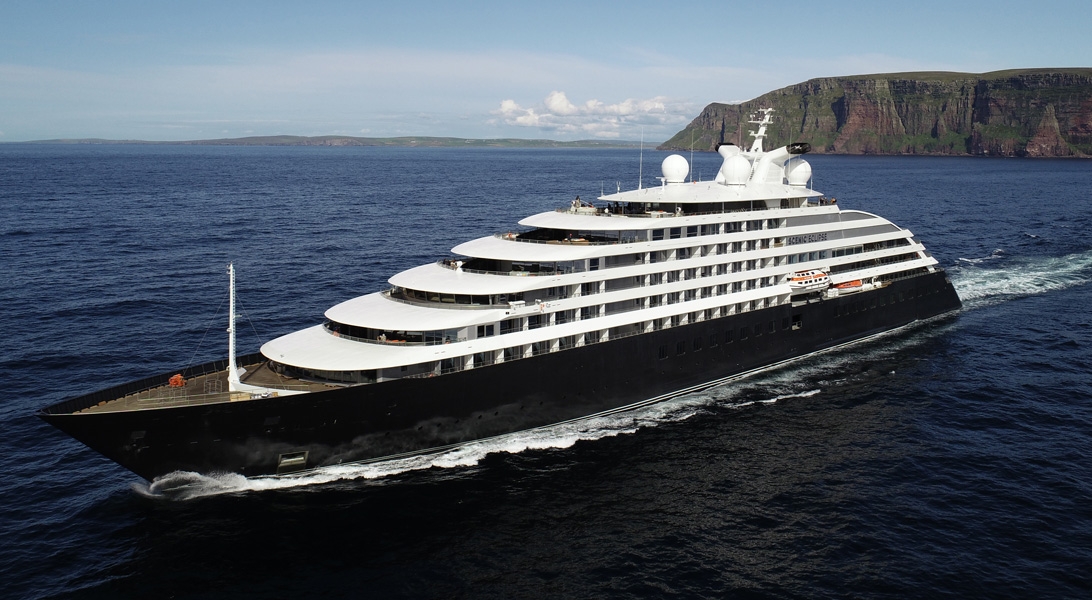
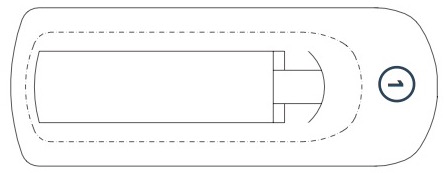

The images shown are for illustration purposes only and may not be an exact representation of what you find on the ship.
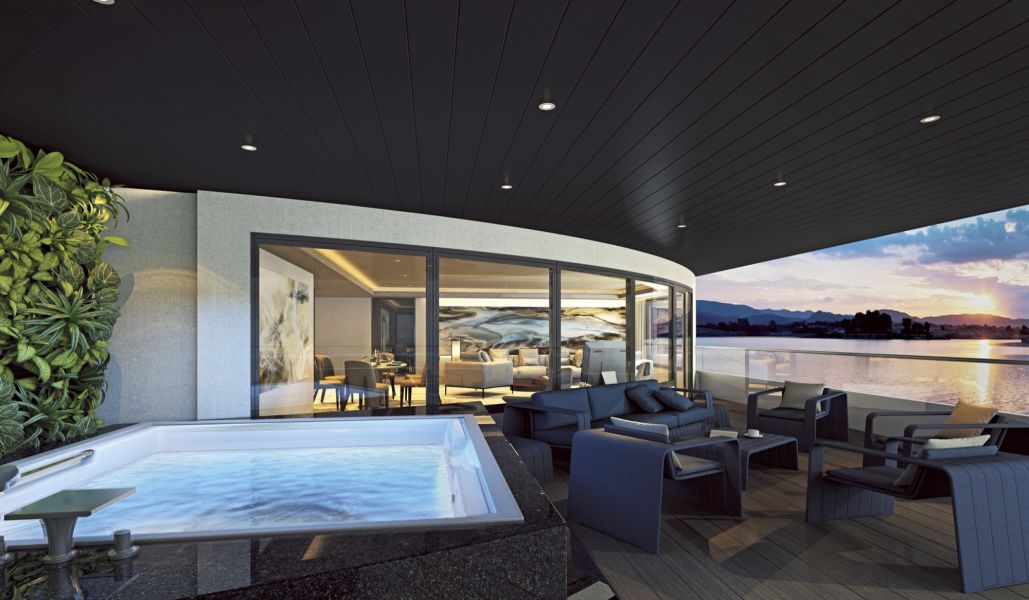
Handcrafted and extraordinary in every way, our Owner’s Penthouse Suites are the ultimate indulgence. Boasting the best views on board, a private spa pool on the spacious terrace, dedicated lounge and dining area, a super-sized bathroom with dual vitality mist showers, and a personalised butler service, it’s a once-in-a-lifetime experience.
Suite Features
At an enormous 195m² in size, the Owner’s Penthouse Suites are located on Deck 9. Suite names and amenities are the same across both Scenic Eclipse and Scenic Eclipse II, however, both have been thoughtfully curated to suit the cruising experience of these ships.
Separate Lounge & Bedrooom
Staying in one of only two Owner’s Penthouse Suites is the ultimate indulgence. Your home away from home is located at the bow of the yacht, on Deck 9, boasting the best views on board. With a private dining area that can comfortably seat up to eight guests, you'll never want to leave.
For a once-in-a-lifetime cruising experience, combine the Owner’s Penthouse Suites with a Spa Suite to create a lavish Two-Bedroom Penthouse Suite – an incredible 245m² of unsurpassed ultra-luxury and opulence.
Spacious Terrace & Pool
Your curved terrace, complete with a personal private spa pool and sun loungers, is the perfect place to indulge in ultra-luxury relaxation.
Super-sized Bathroom
Featuring a super-sized bathroom, your relaxation and comfort are enhanced with a dual steam shower, therapeutic spa bath and guest powder room with dual vanity.
Priority Reservations & Embarkation
Guests in our Owner’s Penthouse Suite will enjoy the privilege of priority dining in the specialty restaurants as well as priority choice of Scenic Freechoice, Scenic Discovery, helicopter^ and submersible^ excursions. VIP embarkation and disembarkation are standard inclusions at the start and finish of your cruise.
Amenities & Features
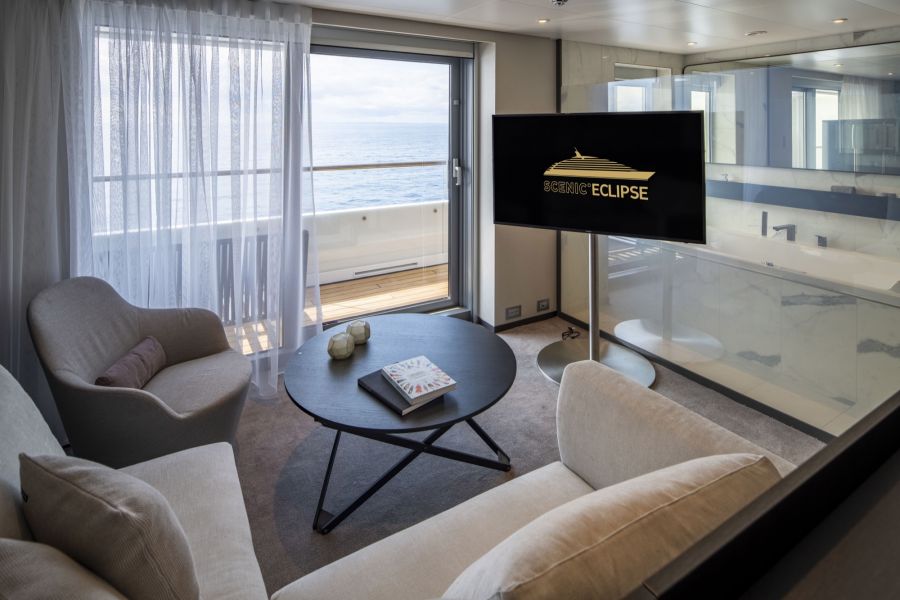
Imagine returning from an exhilarating day of all-inclusive excursions to your private hideaway and relaxing in your luxurious spa bath. Our indulgent Spa Suites will provide the ultimate rejuvenation.
Suite Features
Ranging in size from 46-50m², our Spa Suites are located on Deck 8 and 9.
Suite names and amenities are the same across both Scenic Eclipse and Scenic Eclipse II, however, both have been thoughtfully curated to suit the cruising experience of these ships.
Lounge and Sleeping Area
With a premier location on the higher Decks 8 and 9 and an impressive 46-50m2 in size, our opulent Spa Suites provide the most inviting of ultra-luxury retreats. Featuring a separate sleep zone with a four-poster king-size Scenic Slumber Bed, a lounge area as well as a private verandah, they are the perfect retreat after a day of discovery.
Luxurious Spa
Step into the private sanctuary of your Spa Suite and soak in a steaming bath drawn by your butler. Gaze out over your verandah to the vistas beyond and sip on a glass of Champagne – heaven.
Scenic Eclipse I features the signature double-sized Philippe Starck-designed spa bath, while Scenic Eclipse II offers a luxurious circular spa bath overlooking your verandah. Exclusive to these suites, the baths provide the perfect way to rejuvenate after your day of activities.
There are variations between the Spa Suite configurations on Scenic Eclipse I and II, and these distinctions are subject to the respective ship's specifications and design.
Private Verandah
Your private verandah is the perfect place to unwind. Be immersed in the tranquillity of the sea or be the first to catch sight of wildlife and breathtaking landscapes.
Amenities & Features
The images shown are for illustration purposes only and may not be an exact representation of what you find on the ship.
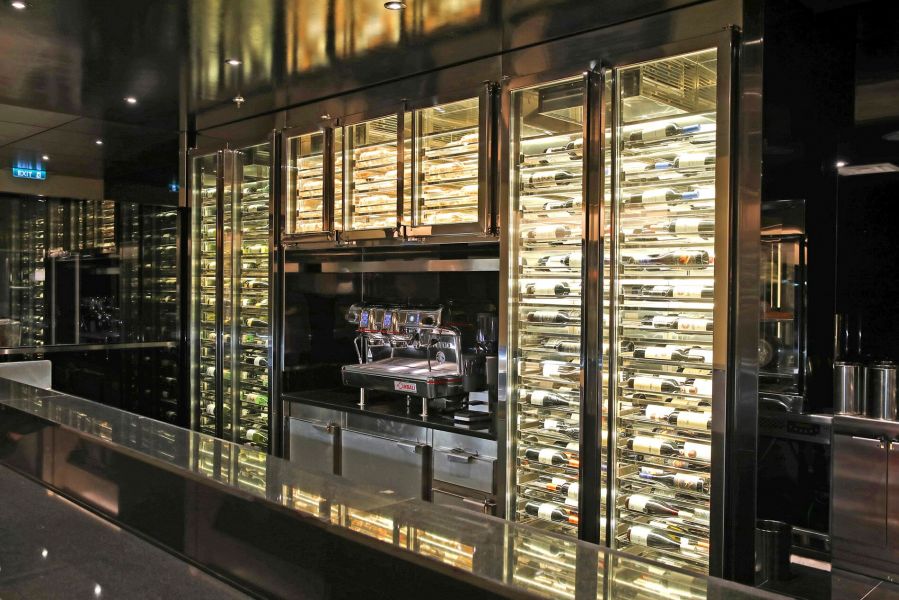
Elements is the main restaurant featuring Italian, steak and seafood from an à la carte menu. Located on Deck 4, it’s a relaxed dining option for dinner. Dine solo, with your travel partner or join friends on larger tables. Enjoy premium beverages from Elements Bar, hosting with fine wines matched to the daily menu and broad selection of international cheeses.
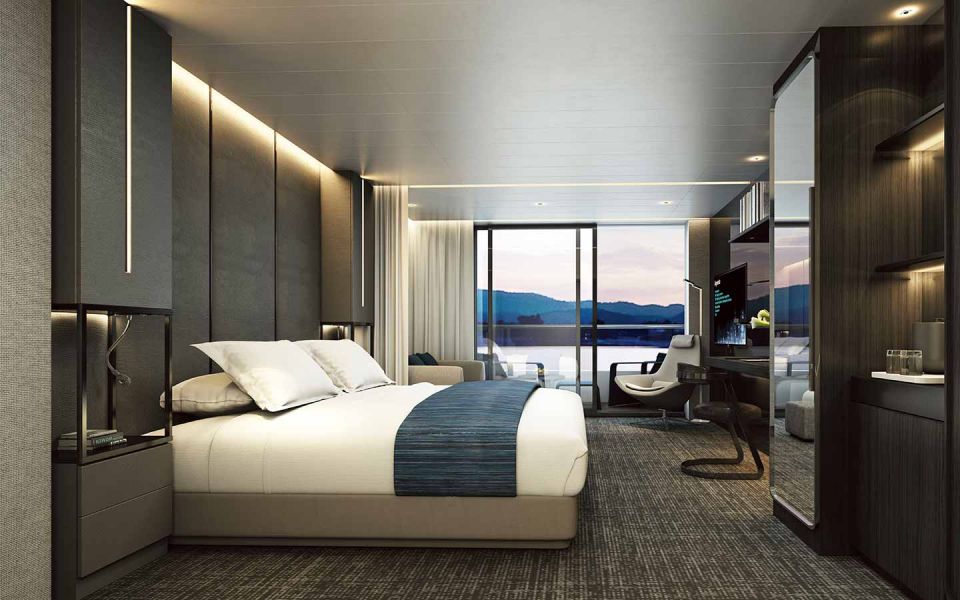
When the mood strikes to dine in the privacy of your suite, your personal butler can arrange everything. Choose from the 24-hour in-suite dining and beverage menus. Your butler will also ensure your in-suite mini-bar is re-stocked daily to your liking. With an in-suite espresso machine, savour your morning coffee in the solitude of your suite or soak up the sunlight on your verandah or terrace.
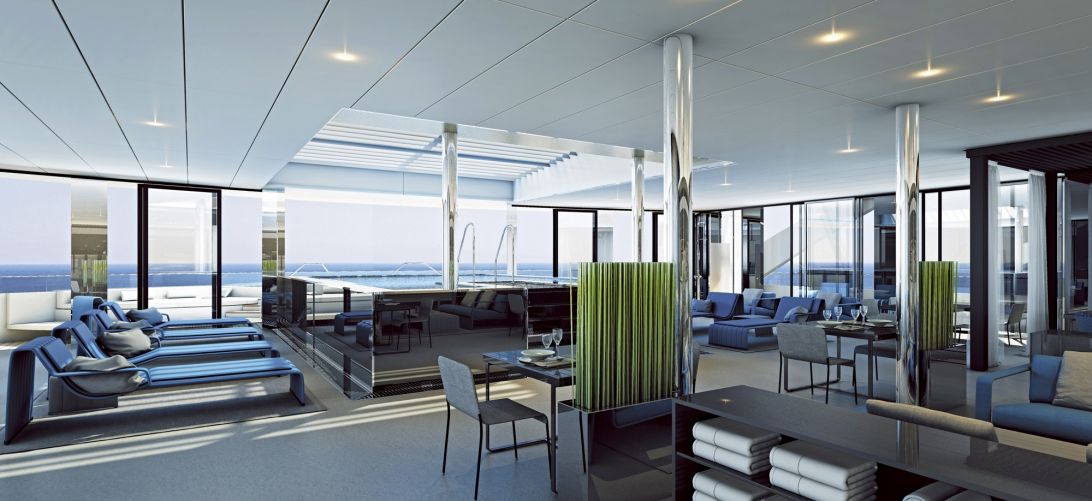
Relax in the Yacht Club grill restaurant and bar for breakfast, lunch and special themed dinners. This casual dining experience is fitted with food islands, outdoor and lounge seating. Come to dine, mingle, relax in swing chairs overlooking the view, or taste our freshly-made gelato.
The images shown are for illustration purposes only and may not be an exact representation of what you find on the ship.
The images shown are for illustration purposes only and may not be an exact representation of what you find on the ship.
The images shown are for illustration purposes only and may not be an exact representation of what you find on the ship.


Our Fusion packages are all ABTA & ATOL protected ensuring that your booking is safe with us
| 36 nights aboard the Scenic Eclipse | |||
| Return Flights (including regional) | |||
| All Verandah Suites | |||
| Butler service for every guest | |||
| Nine Dining Venues | |||
| Gratuities Included | |||
| Complimentary drinks on-board | |||
| Free use of electric bikes | |||
| Comprehensive choice of shore excursions | |||
| Complimentary Wi-Fi | |||
| Explore under the sea in our submarine (additional charge) | |||
| Soar above and beyond by helicopter (additional charge) | |||
| Port Taxes and Fees | |||
 | ABTA and ATOL Protection* | ||
Date 24th Oct 2028 |
Nts 36 |
Please Call for Availability |
Date 24th Oct 2028 |
Nts 36 |
Please Call for Availability |
Fusion Holidays when selling travel arrangements is a trading name of Co-op Travel Services Limited, registration 08903986. Fusion Cruises is an Accredited Body Member of Co-op Travel Services Limited ATOL 12904.
Book with Confidence. We are a Member of ABTA which means you have the benefit of ABTA’s assistance and Code of Conduct.
Some of the flights and flight-inclusive holidays on this website are financially protected by the ATOL scheme but ATOL protection does not apply to all holiday and travel services offered on this website. This website will provide you with information on the protection that applies in the case of each holiday and travel service offered before you make your booking. If you do not receive an ATOL Certificate then the booking will not be ATOL protected. If you do receive an ATOL Certificate but all parts of your trip are not listed on it, those parts will not be ATOL protected. Please see our booking conditions for information, or for more information about financial protection and the ATOL Certificate go to: www.caa.co.uk