This site uses cookies as defined in our Cookie Policy, by continuing to use this site you agree to their use.
Continue

| Arrive | Depart | ||||||
| 25th25 | AprApr | 202828 | Málaga, Spain, embark on the Scenic Eclipse | ||||
As you sail into Malaga you will notice what an idyllic setting the city enjoys on the famous Costa del Sol. To the east of this provincial capital, the coast along the region of La Axarqua is scattered with villages, farmland and sleepy fishing hamlets - the epitome of traditional rural Spain. To the west stretches a continuous city where the razzmatazz and bustle creates a colourful contrast that is easily recognisable as the Costa del Sol. Surrounding the region, the Penibéetica Mountains provide an attractive backdrop overlooking the lower terraced slopes which yield olives and almonds. This spectacular mountain chain shelters the province from cold northerly winds, giving it a reputation as a therapeutic and exotic place in which to escape from cold northern climes. Malaga is also the gateway to many of Andalusia's enchanting historic villages, towns and cities. Welcome to Málaga, the cultural heart of Spain’s famous Costa del Sol and a 3,000-year-old city where millions of visitors flock to the region for its namesake sunshine, rich history, and artistic soul. Uncover culinary delights such as ‘Tinto de Verano’, a refreshing iced summer wine, and wander streets filled with architectural marvels. Please book your flight to arrive into Malaga prior to 02:00 PM. | |||||||
| 26th26 | AprApr | 202828 | Motril, Spain | ||||
Motril is located in the Spanish region of Andalucia on the Costa Tropical. It is the biggest town on the Costa with a thriving commercial, fishing and leisure port. An hour and a half's drive east of Malaga and within easy reach of the magnificent Sierra Nevada mountain range, Motril makes an ideal base for exploring the many delights of the Andalucian coastline and its hinterland. Halfway between the resorts of Malaga to the west and Almeria to the east, nestling in the foothills of the Sierra Lujar mountains, Motril is at the heart of one of the most fertile and productive agricultural areas of Spain. The Costa Tropical takes its name from its sub-tropical climate which enables the cultivation of exotic fruits and crops such as sugar cane, oranges, lemons, apples, avocadoes, mangoes and bananas. One of the sights of Motril is the 17th-century church of Nuestra Señora de la Cabeza, dedicated to the town's patron saint. Perched gracefully on a hillside at the foothills of the Sierra de Lújar, Motril is the elegant capital of the Tropical Coast. Its historic Arab-Spanish quarter and Baroque City Hall reflect a rich cultural heritage, while the pristine beaches of La Joya, Poniente, and Carchuna, along with its vibrant port, add to the town’s coastal charm. Motril also serves as a gateway to Granada, offering convenient access to the Alhambra and the city’s historic streets, making it an inviting introduction to Andalusia’s history, culture, and Mediterranean allure. | |||||||
| 27th27 | AprApr | 202828 | Cartagena, Spain | ||||
A Mediterranean city and naval station located in the Region of Murcia, southeastern Spain, Cartagena’s sheltered bay has attracted sailors for centuries. The Carthaginians founded the city in 223BC and named it Cartago Nova; it later became a prosperous Roman colony, and a Byzantine trading centre. The city has been the main Spanish Mediterranean naval base since the reign of King Philip II, and is still surrounded by walls built during this period. Cartagena’s importance grew with the arrival of the Spanish Bourbons in the 18th century, when the Navidad Fortress was constructed to protect the harbour. In recent years, traces of the city’s fascinating past have been brought to light: a well-preserved Roman Theatre was discovered in 1988, and this has now been restored and opened to the public. During your free time, you may like to take a mini-cruise around Cartagena's historic harbour: these operate several times a day, take approximately 40 minutes and do not need to be booked in advance. Full details will be available at the port. Blessed with one of the world’s greatest natural harbours and surrounded by rich mineral deposits, Cartagena will surprise and delight. Once inhabited by the Romans, Cartagena is recognised for the wealth of ancient sites in and around the city. Step back in time as you explore Cartagena’s magnificent Roman Theatre, one of Spain’s most impressive archaeological restorations. Follow in the footsteps of Roman citizens along the Decumano Máximo, a remarkably preserved street that once formed the city’s bustling main artery. Roman murals and mosaics adorn historical villas while late 19th-century architecture complements the picturesque Mediterranean coast. | |||||||
| 28th28 | AprApr | 202828 | Ibiza, Spain | ||||
Hedonistic and historic, Eivissa (Ibiza, in Castilian) is a city jam-packed with cafés, nightspots, and trendy shops; looming over it are the massive stone walls of Dalt Vila —the medieval city declared a UNESCO World Heritage site in 1999—and its Gothic cathedral. Squeezed between the north walls of the old city and the harbor is Sa Penya, a long labyrinth of stone-paved streets that offer some of the city's best offbeat shopping, snacking, and exploring. The tourist information office on Vara de Rey has a useful map of walks through the old city. Whilst Ibiza is famed for its thriving party scene, there’s far more to this island than meets the eye. Beyond the buzz, you’ll find pristine beaches, lush nature reserves, ancient archaeological sites, and small villages seemingly untouched by time. Inland, limestone hills and lush pine forests shelter artisan producers crafting one-of-a-kind local delights. | |||||||
| 29th29 | AprApr | 202828 | Palma de Mallorca, Spain | ||||
If you look north of the cathedral (La Seu, or the seat of the bishopric, to Mallorcans) on a map of the city of Palma, you can see around the Plaça Santa Eulàlia a jumble of tiny streets that made up the earliest settlement. Farther out, a ring of wide boulevards traces the fortifications built by the Moors to defend the larger city that emerged by the 12th century. The zigzags mark the bastions that jutted out at regular intervals. By the end of the 19th century, most of the walls had been demolished; the only place where you can still see the massive defenses is at Ses Voltes, along the seafront west of the cathedral.A torrent (streambed) used to run through the middle of the old city, dry for most of the year but often a raging flood in the rainy season. In the 17th century it was diverted to the east, along the moat that ran outside the city walls. Two of Palma's main arteries, La Rambla and the Passeig d'es Born, now follow the stream's natural course. The traditional evening paseo (promenade) takes place on the Born.If you come to Palma by car, park in the garage beneath the Parc de la Mar (the ramp is just off the highway from the airport, as you reach the cathedral) and stroll along the park. Beside it run the huge bastions guarding the Almudaina Palace; the cathedral, golden and massive, rises beyond. Where you exit the garage, there's a ceramic mural by the late Catalan artist and Mallorca resident Joan Miró, facing the cathedral across the pool that runs the length of the park.If you begin early enough, a walk along the ramparts at Ses Voltes from the mirador beside the cathedral is spectacular. The first rays of the sun turn the upper pinnacles of La Seu bright gold and then begin to work their way down the sandstone walls. From the Parc de la Mar, follow Avinguda Antoni Maura past the steps to the palace. Just below the Plaça de la Reina, where the Passeig d'es Born begins, turn left on Carrer de la Boteria into the Plaça de la Llotja (if the Llotja itself is open, don't miss a chance to visit—it's the Mediterranean's finest Gothic-style civic building). From there stroll through the Plaça Drassana to the Museu d'Es Baluard, at the end of Carrer Sant Pere. Retrace your steps to Avinguda Antoni Maura. Walk up the Passeig d'es Born to Plaça Joan Carles I, then right on Avenida de La Unió. Palma, a popular resort city and capital of the Spanish island of Mallorca, is where history comes alive. Shaped by Romans, Moors and Catholics since 123 BC, the city’s rich heritage unfolds across centuries. Wander the narrow, cobbled lanes of Palma’s Casco Antiguo (Old Town), where elegant archways, grand historic palacios, medieval churches and picturesque plazas transport you to another time. From the soaring Santa Maria Cathedral to La Almudaina, a Moorish-style Arab fortress converted into a royal residence, and the unique circular Bellver Castle, Palma reveals a new layer of history at every corner. | |||||||
| 30th30 | AprApr | 202828 | At Sea | ||||
| 1st01 | MayMay | 202828 | Sanary-sur-Mer, France | ||||
The small town of Sanary-sur-Mer on the French Riviera began life as a fishing village and the marina is still filled with hundreds of brightly coloured wooden boats. You’ll quickly be charmed by this picturesque Provençal village, with its pretty palm-lined harbour, quiet pedestrian streets and pastel-hued buildings. They are all clustered around a 13th-century watchtower, which you can climb for sweeping views of the town. Along the harbour, you’ll see fishermen pulling in the day’s catch, which is then served up at the open-air restaurants looking out over the bobbing boats. | |||||||
| 2nd02 | MayMay | 202828 | Fréjus, France | ||||
Shaped by centuries of history, Fréjus rewards exploration with an overnight stay that allows ample time to discover its treasures. Its cathedral, a protected historic monument, stands among colourful houses and charming fountains, while cobbled streets reveal the town’s heritage. Along the French Riviera, sandy beaches invite leisurely strolls, offering a refined blend of seaside relaxation and cultural discovery in this welcoming Mediterranean town. | |||||||
| 3rd03 | MayMay | 202828 | Cannes, France | ||||
Cannes is pampered with the luxurious year-round climate that has made it one of the most popular resorts in Europe. Cannes was an important sentinel site for the monks who established themselves on Île St-Honorat in the Middle Ages. Its bay served as nothing more than a fishing port until in 1834 an English aristocrat, Lord Brougham, fell in love with the site during an emergency stopover with a sick daughter. He had a home built here and returned every winter for a sun cure—a ritual quickly picked up by his peers. Between the popularity of Le Train Blue transporting wealthy passengers from Calais, and the introduction in 1936 of France's first paid holidays, Cannes became the destination, a tasteful and expensive breeding ground for the upper-upscale.Cannes has been further glamorized by the ongoing success of its annual film festival, as famous as Hollywood's Academy Awards. About the closest many of us will get to feeling like a film star is a stroll here along La Croisette, the iconic promenade that gracefully curves the wave-washed sand coastline, peppered with chic restaurants and prestigious private beaches. This is precisely the sort of place for which the French invented the verb flâner (to dawdle, saunter): strewn with palm trees and poseurs, its fancy boutiques and status-symbol grand hotels—including the Carlton, the legendary backdrop to Grace Kelly in To Catch a Thief —all vying for the custom of the Louis Vuitton set. This legend is, to many, the heart and soul of the Côte d'Azur. Welcome to Cannes, the world’s cinematic capital where glamour meets the sea. Stroll along the iconic La Croisette, shop haute couture boutiques, or unwind on sun-drenched beaches. Take in breathtaking views from castle ruins, marvel at luxury yachts, and sip cocktails at chic beach bars. While there’s plenty of history and culture to be found in this coastal enclave, Cannes is truly a place to relax and soak up the champagne lifestyle that plays out alongside the sparkling Mediterranean every day. | |||||||
| 4th04 | MayMay | 202828 | Antibes, France | ||||
Located in the southeast of the French Provence region, Antibes ranks among France’s oldest cities. Originally named ‘Antipolis’, Antibes was founded by Greek merchants in the 5th century. The Old City is a maze of small, flower-bedecked streets with Roman and Medieval sections. A portion of the impressive 16th-century ramparts overlooking the Mediterranean Sea still protect the heart of the Old City. Antibes is comprised of three distinct sections. The first is Antibes, which includes the Old City and ramparts. Next is Juan les Pins, a famous beach resort once praised by Francis Scott Fitzgerald and the site of the annual International Jazz Festival. Antibes’ third section is Cap d’Antibes, a wooden peninsula that has become a haunt for the rich and famous. Antibes is also home to Europe’s largest yacht harbor, Port Vauban, where the super-yachts of the wealthy are anchored. For cruise vessels, Antibes offers an opportunity to visit some of Provence’s prettiest areas. It also serves as a convenient starting point for trips to the walled-in hilltop village of St. Paul de Vence. Pier Information The ship is scheduled to anchor in the bay and tender guests ashore. The town centre is within walking distance from the tender pier. Taxis are not easy to find; therefore, it is recommended that private travel arrangements be planned in advance. Shopping The Old City offers a wide range of souvenir shops, home decoration, antiques and Provencal artifacts. Postcards are easily found, and must be sent with French postage stamps. Most shops, however, do close between 12:00 p.m. and 2:00 p.m. The local currency is the euro. Cuisine The cuisine in the southeastern part of France is considered to be varied and healthy, thanks to the common use of quality fresh products and olive oil. Fresh local fish caught daily, excellent vegetable stew, or ratatouille , and great local wines highlight the wide range of gastronomical delights that can be found here. In addition, restaurants in the harbor area typically offer the chef’s daily special, or plat du jour , on their menus. Other Sites Antibes primarily serves as a starting point for trips into the surrounding areas, which are included in the organized excursions. An early-morning stroll through the local fruit and vegetable market may also be of interest. Private Arrangements For those guests interested in touring at their leisure, we are pleased to offer .Silver Shore Privato - both half-day and full-day private arrangements by private car or van. This program may be booked in advance at silversea.com or purchased on board the ship, subject to availability. Other private arrangements for independent sightseeing may be requested through the Tour Office on board the ship. Wake up in Antibes, an ancient Greek and Roman town that has long inspired writers and artists. With only small ships able to dock, Scenic Eclipse will be one of the few vessels in port, gliding past traditional wooden fishing boats. Explore the charming old town, a maze of cobbled streets overlooking the sea. Picasso lived here for years, and the 16th-century Château Grimaldi now houses a museum dedicated to his work. | |||||||
| 4th04 | MayMay | 202828 | Nice, France | ||||
United with France only since 1860, Nice has its own history and atmosphere, which dates back 230,000 years. It was on Colline du Château (now château-less) and at the Plage des Ponchettes, in front of the Old Town, that the Greeks established a market-port in 350 BC and named it Nikaia, which would become Marseilles' chief coastal rival. The Romans established themselves a little later on the hills of Cimiez (Cemenelum), already previously occupied by Ligurians and Celts, and quickly overshadowed the waterfront port. After falling to the Saracen invasions, Nice regained power as an independent state, becoming an important port in the early Middle Ages.So cocksure did it become that in 1388, Nice, along with the hill towns behind, effectively seceded from the county of Provence, under Louis d'Anjou, and allied itself with Savoie. Thus began its liaison with the House of Savoy, and through it with Piedmont and Sardinia, it was the Comté de Nice (Nice County). This relationship lasted some 500 years, tinting the culture, architecture, and dialect in rich Italian hues.By the 19th century Nice was flourishing commercially, locked in rivalry with the neighboring shipping port of Genoa. Another source of income: the dawning of tourism, as first the English, then the Russian nobility, discovered its extraordinary climate and superb waterfront position. A parade of fine stone mansions and hotels closed into a nearly solid wall of masonry, separated from the smooth-round rocks of the beach by what was originally named Camin deis Anglés (the English Way), which of course is now the famous Promenade des Anglais. This magnificent crescent, which is seeking UNESCO recognition, is one of the noblest in France. Many of Nice's most delightful attractions—the Cours Saleya market, the Old Town streets, the Hotel Negresco, and the Palais Masséna—are on or close to this 10-km (6-mile) waterfront, making it the first stop for most visitors, while the redevelopment of Nice's port, around the other side of the Colline du Château, makes it easier for amblers who want to take in the Genoese architecture or peruse the antiques at the Puces de Nice, now part of the Promenade des 100 Antiquaires, along Quai Papacino. Nice also has the distinction of the "Family Plus" label, with free strollers, play areas, and restaurants with child-friendly activities. | |||||||
| 5th05 | MayMay | 202828 | Nice, France, disembark the Scenic Eclipse | ||||
United with France only since 1860, Nice has its own history and atmosphere, which dates back 230,000 years. It was on Colline du Château (now château-less) and at the Plage des Ponchettes, in front of the Old Town, that the Greeks established a market-port in 350 BC and named it Nikaia, which would become Marseilles' chief coastal rival. The Romans established themselves a little later on the hills of Cimiez (Cemenelum), already previously occupied by Ligurians and Celts, and quickly overshadowed the waterfront port. After falling to the Saracen invasions, Nice regained power as an independent state, becoming an important port in the early Middle Ages.So cocksure did it become that in 1388, Nice, along with the hill towns behind, effectively seceded from the county of Provence, under Louis d'Anjou, and allied itself with Savoie. Thus began its liaison with the House of Savoy, and through it with Piedmont and Sardinia, it was the Comté de Nice (Nice County). This relationship lasted some 500 years, tinting the culture, architecture, and dialect in rich Italian hues.By the 19th century Nice was flourishing commercially, locked in rivalry with the neighboring shipping port of Genoa. Another source of income: the dawning of tourism, as first the English, then the Russian nobility, discovered its extraordinary climate and superb waterfront position. A parade of fine stone mansions and hotels closed into a nearly solid wall of masonry, separated from the smooth-round rocks of the beach by what was originally named Camin deis Anglés (the English Way), which of course is now the famous Promenade des Anglais. This magnificent crescent, which is seeking UNESCO recognition, is one of the noblest in France. Many of Nice's most delightful attractions—the Cours Saleya market, the Old Town streets, the Hotel Negresco, and the Palais Masséna—are on or close to this 10-km (6-mile) waterfront, making it the first stop for most visitors, while the redevelopment of Nice's port, around the other side of the Colline du Château, makes it easier for amblers who want to take in the Genoese architecture or peruse the antiques at the Puces de Nice, now part of the Promenade des 100 Antiquaires, along Quai Papacino. Nice also has the distinction of the "Family Plus" label, with free strollers, play areas, and restaurants with child-friendly activities. As your journey draws to a close, bid farewell in the picturesque city of Nice, a renowned gem of the Côte d’Azur. After savouring a final delightful breakfast on board Scenic Eclipse, it will be time to disembark and commence your onward journey or return home, carrying cherished memories with you. Please book your flight to depart out of Nice after 12:00 PM. #Spa treatments and services at additional cost. Daily activities may be subject to change; please consult your Daily Wonder for updates. Helicopter not operational in France. Submersible not operational on this voyage. The itinerary is a guide only and may be amended for operational reasons. As such, Scenic cannot guarantee the voyage will operate unaltered from the itinerary stated above. Please refer to our terms and conditions for further information. | |||||||
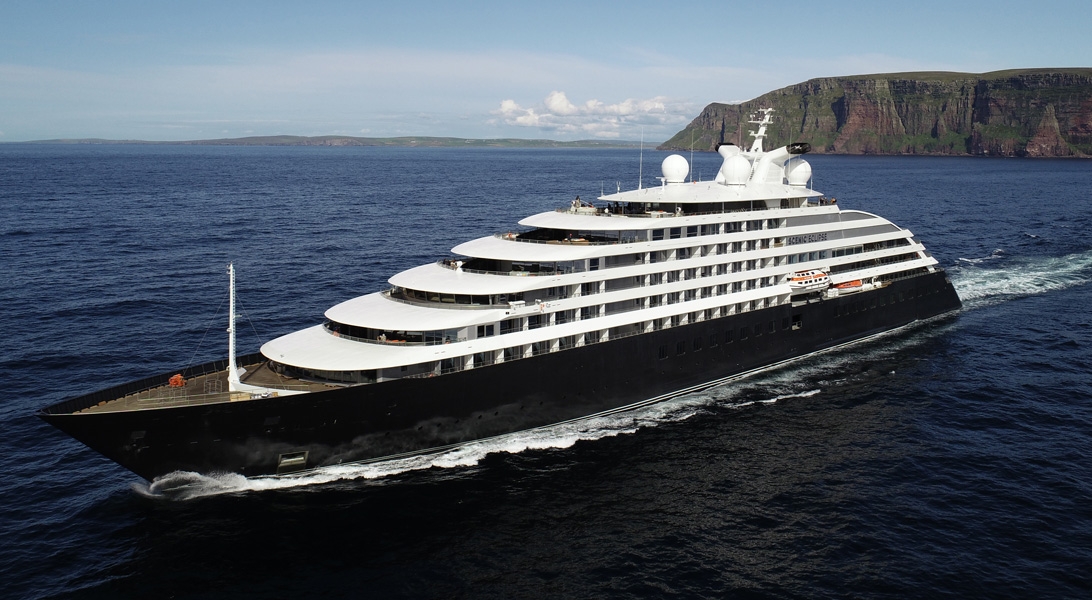
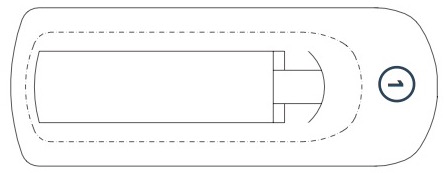

The images shown are for illustration purposes only and may not be an exact representation of what you find on the ship.
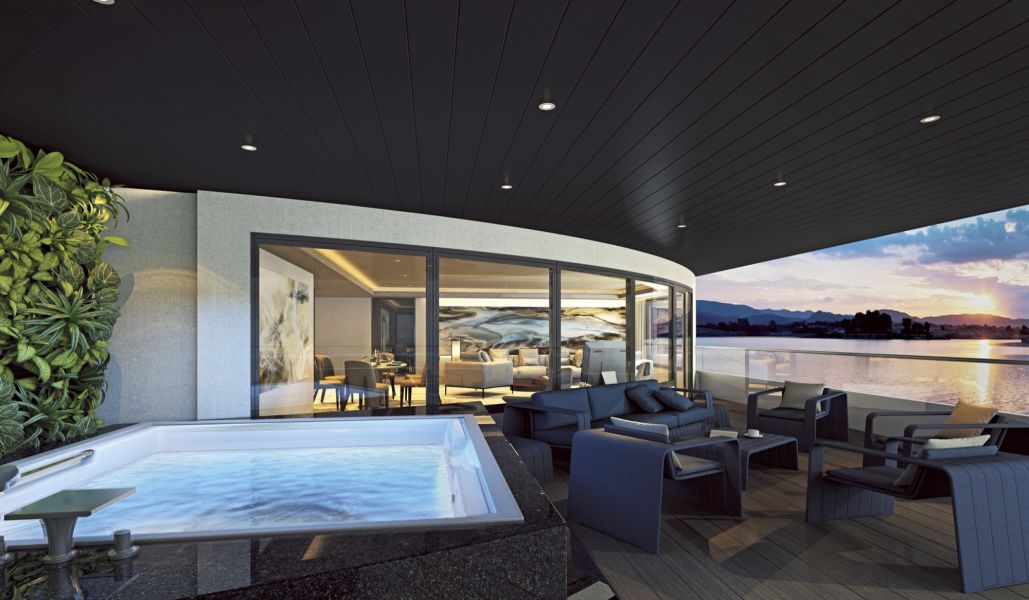
Handcrafted and extraordinary in every way, our Owner’s Penthouse Suites are the ultimate indulgence. Boasting the best views on board, a private spa pool on the spacious terrace, dedicated lounge and dining area, a super-sized bathroom with dual vitality mist showers, and a personalised butler service, it’s a once-in-a-lifetime experience.
Suite Features
At an enormous 195m² in size, the Owner’s Penthouse Suites are located on Deck 9. Suite names and amenities are the same across both Scenic Eclipse and Scenic Eclipse II, however, both have been thoughtfully curated to suit the cruising experience of these ships.
Separate Lounge & Bedrooom
Staying in one of only two Owner’s Penthouse Suites is the ultimate indulgence. Your home away from home is located at the bow of the yacht, on Deck 9, boasting the best views on board. With a private dining area that can comfortably seat up to eight guests, you'll never want to leave.
For a once-in-a-lifetime cruising experience, combine the Owner’s Penthouse Suites with a Spa Suite to create a lavish Two-Bedroom Penthouse Suite – an incredible 245m² of unsurpassed ultra-luxury and opulence.
Spacious Terrace & Pool
Your curved terrace, complete with a personal private spa pool and sun loungers, is the perfect place to indulge in ultra-luxury relaxation.
Super-sized Bathroom
Featuring a super-sized bathroom, your relaxation and comfort are enhanced with a dual steam shower, therapeutic spa bath and guest powder room with dual vanity.
Priority Reservations & Embarkation
Guests in our Owner’s Penthouse Suite will enjoy the privilege of priority dining in the specialty restaurants as well as priority choice of Scenic Freechoice, Scenic Discovery, helicopter^ and submersible^ excursions. VIP embarkation and disembarkation are standard inclusions at the start and finish of your cruise.
Amenities & Features
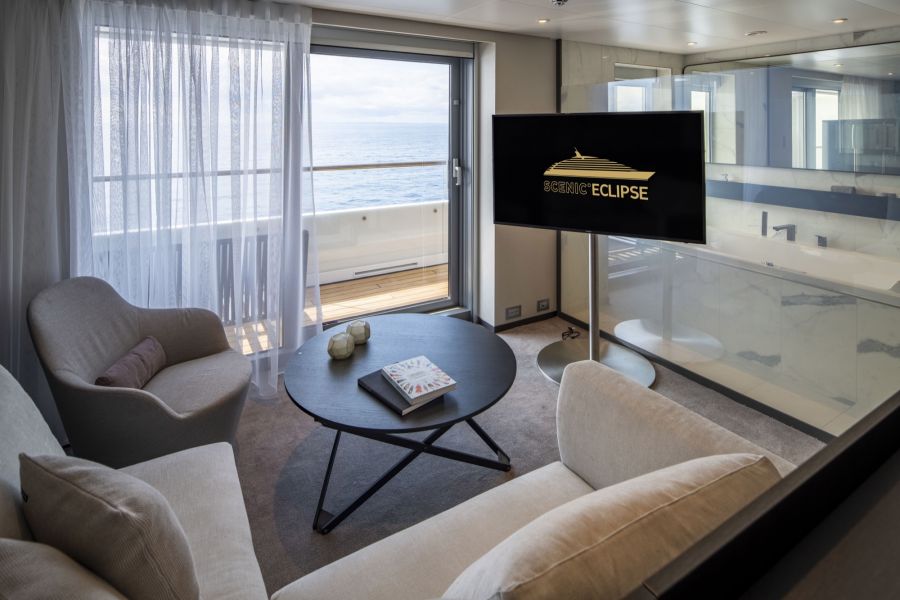
Imagine returning from an exhilarating day of all-inclusive excursions to your private hideaway and relaxing in your luxurious spa bath. Our indulgent Spa Suites will provide the ultimate rejuvenation.
Suite Features
Ranging in size from 46-50m², our Spa Suites are located on Deck 8 and 9.
Suite names and amenities are the same across both Scenic Eclipse and Scenic Eclipse II, however, both have been thoughtfully curated to suit the cruising experience of these ships.
Lounge and Sleeping Area
With a premier location on the higher Decks 8 and 9 and an impressive 46-50m2 in size, our opulent Spa Suites provide the most inviting of ultra-luxury retreats. Featuring a separate sleep zone with a four-poster king-size Scenic Slumber Bed, a lounge area as well as a private verandah, they are the perfect retreat after a day of discovery.
Luxurious Spa
Step into the private sanctuary of your Spa Suite and soak in a steaming bath drawn by your butler. Gaze out over your verandah to the vistas beyond and sip on a glass of Champagne – heaven.
Scenic Eclipse I features the signature double-sized Philippe Starck-designed spa bath, while Scenic Eclipse II offers a luxurious circular spa bath overlooking your verandah. Exclusive to these suites, the baths provide the perfect way to rejuvenate after your day of activities.
There are variations between the Spa Suite configurations on Scenic Eclipse I and II, and these distinctions are subject to the respective ship's specifications and design.
Private Verandah
Your private verandah is the perfect place to unwind. Be immersed in the tranquillity of the sea or be the first to catch sight of wildlife and breathtaking landscapes.
Amenities & Features
The images shown are for illustration purposes only and may not be an exact representation of what you find on the ship.
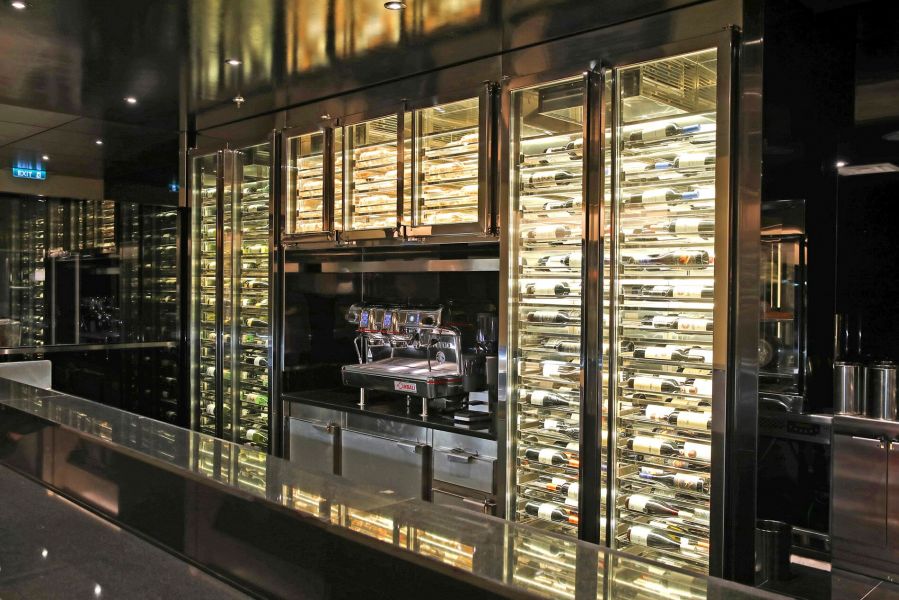
Elements is the main restaurant featuring Italian, steak and seafood from an à la carte menu. Located on Deck 4, it’s a relaxed dining option for dinner. Dine solo, with your travel partner or join friends on larger tables. Enjoy premium beverages from Elements Bar, hosting with fine wines matched to the daily menu and broad selection of international cheeses.
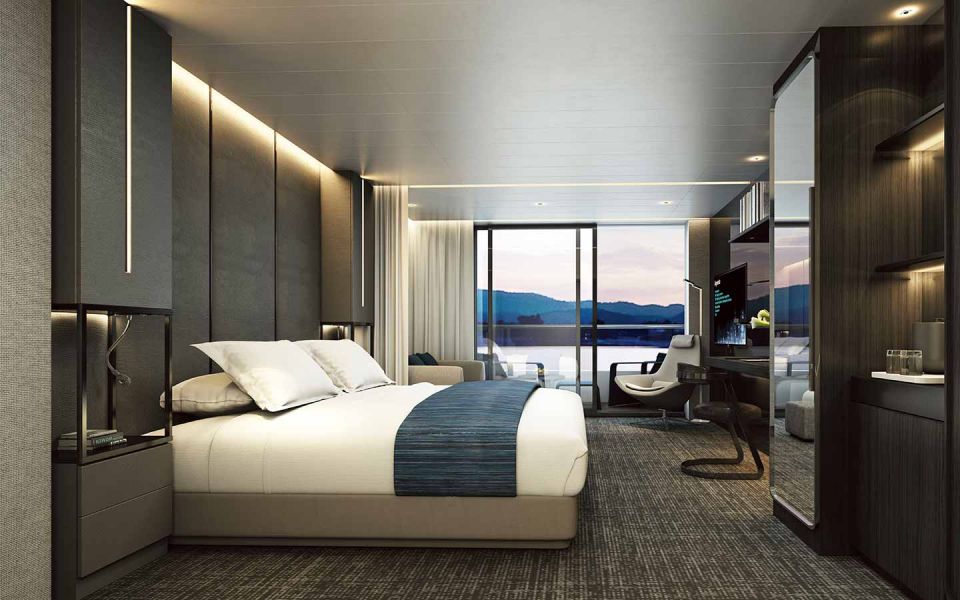
When the mood strikes to dine in the privacy of your suite, your personal butler can arrange everything. Choose from the 24-hour in-suite dining and beverage menus. Your butler will also ensure your in-suite mini-bar is re-stocked daily to your liking. With an in-suite espresso machine, savour your morning coffee in the solitude of your suite or soak up the sunlight on your verandah or terrace.
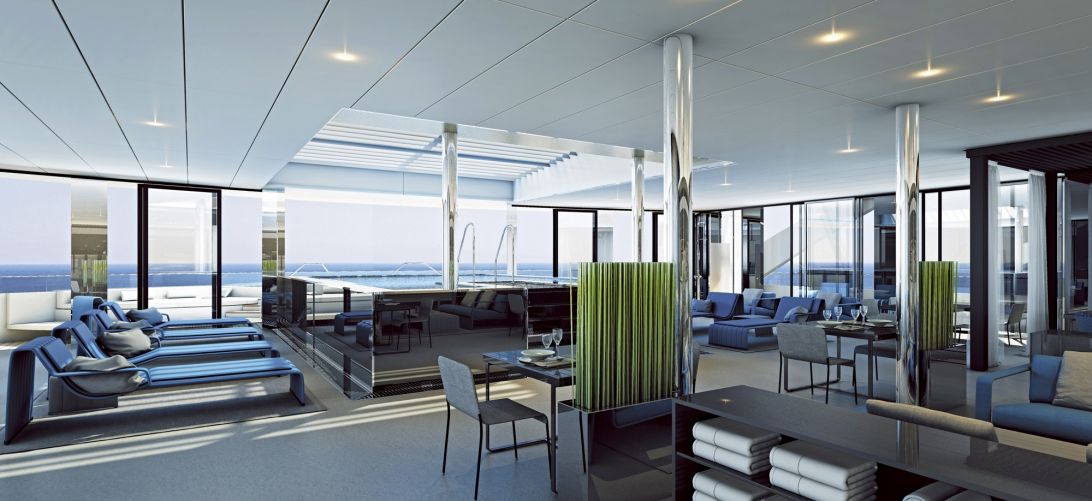
Relax in the Yacht Club grill restaurant and bar for breakfast, lunch and special themed dinners. This casual dining experience is fitted with food islands, outdoor and lounge seating. Come to dine, mingle, relax in swing chairs overlooking the view, or taste our freshly-made gelato.
The images shown are for illustration purposes only and may not be an exact representation of what you find on the ship.
The images shown are for illustration purposes only and may not be an exact representation of what you find on the ship.
The images shown are for illustration purposes only and may not be an exact representation of what you find on the ship.


Our Fusion packages are all ABTA & ATOL protected ensuring that your booking is safe with us
| Return flights including luggage allowance | |||
| Overseas Transfers | |||
| 10 nights aboard the Scenic Eclipse | |||
| Return Flights (including regional) | |||
| All Verandah Suites | |||
| Butler service for every guest | |||
| Nine Dining Venues | |||
| Gratuities Included | |||
| Complimentary drinks on-board | |||
| Free use of electric bikes | |||
| Comprehensive choice of shore excursions | |||
| Complimentary Wi-Fi | |||
| Explore under the sea in our submarine (additional charge) | |||
| Soar above and beyond by helicopter (additional charge) | |||
| Port Taxes and Fees | |||
 | ABTA and ATOL Protection* | ||
Fly/cruise package |
Date 25th Apr 2028 |
Nts 10 |
Interior  |
Oceanview |
Balcony |
Suite £8,594pp |
Interior |
Oceanview |
Balcony |
Suite £17,188pp |
Date 25th Apr 2028 |
Nts 10 |
Interior |
Oceanview |
Balcony |
Suite £8,594pp |
Interior |
Oceanview |
Balcony |
Suite £17,188pp |
Fusion Holidays when selling travel arrangements is a trading name of Co-op Travel Services Limited, registration 08903986. Fusion Cruises is an Accredited Body Member of Co-op Travel Services Limited ATOL 12904.
Book with Confidence. We are a Member of ABTA which means you have the benefit of ABTA’s assistance and Code of Conduct.
Some of the flights and flight-inclusive holidays on this website are financially protected by the ATOL scheme but ATOL protection does not apply to all holiday and travel services offered on this website. This website will provide you with information on the protection that applies in the case of each holiday and travel service offered before you make your booking. If you do not receive an ATOL Certificate then the booking will not be ATOL protected. If you do receive an ATOL Certificate but all parts of your trip are not listed on it, those parts will not be ATOL protected. Please see our booking conditions for information, or for more information about financial protection and the ATOL Certificate go to: www.caa.co.uk