This site uses cookies as defined in our Cookie Policy, by continuing to use this site you agree to their use.
Continue

| Arrive | Depart | ||||||
| 6th06 | MarMar | 202929 | Singapore, Singapore, embark on the Silver Moon | 19:00 | |||
The main island of Singapore is shaped like a flattened diamond, 42 km (26 miles) east to west and 23 km (14 miles) north to south. Near the northern peak is the causeway leading to West Malaysia—Kuala Lumpur is less than four hours away by car. It is at the southern foot where you will find most of the city-state’s action, with its gleaming office towers, working docks, and futuristic "supertrees," which are solar-powered and serve as vertical gardens. Offshore are Sentosa and over 60 smaller islands, most uninhabited, that serve as bases for oil refining or as playgrounds and beach escapes from the city. To the east is Changi International Airport, connected to the city by metro, bus, and a tree-lined parkway. Of the island's total land area, more than half is built up, with the balance made up of parkland, farmland, plantations, swamp areas, and rain forest. Well-paved roads connect all parts of the island, and Singapore city has an excellent, and constantly expanding, public transportation system. The heart of Singapore's history and its modern wealth are in and around the Central Business District. The area includes the skyscrapers in the Central Business District, the 19th-century Raffles Hotel, the convention centers of Marina Square, on up to the top of Ft. Canning. Although most of old Singapore has been knocked down to make way for the modern city, most colonial landmarks have been preserved in the CBD, including early-19th-century buildings designed by the Irish architect George Coleman. Advanced, airy and elevated, Singapore is a spectacular, futuristic vision of utopian city life. A healthy population of almost six million call it home, but this is a city designed with space to breathe, and gorgeous outdoor parks, massive indoor greenhouses and beautiful recreational spaces spread between the City of Gardens' skyscrapers and soaring structures. Once a quiet fishing village, now a glistening island city-state and an international beacon of science, education and technology. Singapore is almost intimidatingly clean - and the hyper-efficient public transport system whips residents and visitors across the city's neighbourhoods in a heartbeat. Glorious fountains and audacious skyscrapers loom up - nodding to traditional feng shui beliefs - and putting on dazzling illuminated displays after dark. The lush green botanical gardens are a spectacular UNESCO World Heritage Site, covering 52 hectares and decorated with impressive colourful orchids. Or breathe in more of the freshest air by heading up to wander the canopy strung bridges of MacRitchie Reservoir Park. Head for the iconic Marina Bay - a landmark of the city crowned by three interconnected towers, which watch out over island sprinkled waters. Jaunt between Little India and the atmospheric Chinatown in minutes, where beautiful temples - like the Chinese Thian Hock Keng Temple and Hindu Sri Mariamman Temple add rich cultural intrigue. Singapore's cuisine is a mouthwatering fusion of its Indian, Chinese, Indonesian, and Malay influences, taking and enhancing the best of each. Enjoy dishes in towering restaurants, or toast the glowing skyline with the city's eponymous gin-soaked cocktail - a Singapore Sling. | |||||||
| 7th07 | MarMar | 202929 | At Sea | ||||
| 8th08 | MarMar | 202929 | At Sea | ||||
| 9th09 | MarMar | 202929 | Ho Chi Minh City, Vietnam | ||||
Romantically referred to by the French as the Pearl of the Orient, Ho Chi Minh City today is a super-charged city of sensory overload. Motorbikes zoom day and night along the wide boulevards, through the narrow back alleys and past vendors pushing handcarts hawking goods of all descriptions. Still called Saigon by most residents, this is Vietnam's largest city and the engine driving the country's current economic resurgence, but despite its frenetic pace, it's a friendlier place than Hanoi and locals will tell you the food—simple, tasty, and incorporating many fresh herbs—is infinitely better than in the capital.This is a city full of surprises. The madness of the city's traffic—witness the oddball things that are transported on the back of motorcycles—is countered by tranquil pagodas, peaceful parks, quirky coffee shops, and whole neighborhoods hidden down tiny alleyways, although some of these quiet spots can be difficult to track down. Life in Ho Chi Minh City is lived in public: on the back of motorcycles, on the sidewalks, and in the parks. Even when its residents are at home, they're still on display. With many living rooms opening onto the street, grandmothers napping, babies being rocked, and food being prepared, are all in full view of passersby.Icons of the past endure in the midst of the city’s headlong rush into capitalism. The Hotel Continental, immortalized in Graham Greene's The Quiet American, continues to stand on the corner of old Indochina's most famous thoroughfare, the rue Catinat, known to American G.I.s during the Vietnam War as Tu Do (Freedom) Street and renamed Dong Khoi (Uprising) Street by the Communists. The city still has its ornate opera house and its old French city hall, the Hôtel de Ville. The broad colonial boulevards leading to the Saigon River and the gracious stucco villas are other remnants of the French colonial presence. Grisly reminders of the more recent past can be seen at the city's war-related museums. Residents, however, prefer to look forward rather than back and are often perplexed by tourists' fascination with a war that ended 40 years ago.The Chinese influence on the country is still very much in evidence in the Cholon district, the city's Chinatown, but the modern office towers and international hotels that mark the skyline symbolize Vietnam's fixation on the future. A chaotic enchanting swirl of sensory stimulation - Ho Chi Minh City is a place of incense-infused temples colonial architecture warm people and delicious street food. Formerly known as Saigon the city was affectionately-labelled the Pearl of the Orient by the French. Afternoons here drift by lazily on the gentle chaos of the River Saigon as taxi boats and motor canoes flit up and down and parks fill out with locals playing jianzi kicking shuttlecocks back and forth. Just across the road you'll also find the celebrated Ho Chi Minh Post office which was erroneously credited as a Gustav Eifel creation. In reality the architect was another Frenchman Alfred Foulhoux. Taste the street food to get under Ho Chi Minh City's skin with humble restaurants serving up rich flavours - from the Vietnamese take on the baguette a banh mi sandwich - to the local staple of pho a delicious noodle soup. The Tortoise pagoda is a tranquil escape and a serene place of worship for Vietnamese who practice Buddhism and Taoism while the Vietnamese medical museum has a fascinating collection of remedies and potions - some dating back to Stone Age. Journey out to learn more of the Vietnam War at the Remnants Museum and Cu Chi tunnels. Offering a vivid glimpse of conditions and the ingenuity and resilience of the soldiers you'll learn of the guerrilla war campaign raged from within this claustrophobic 70-mile network of war tunnels. | |||||||
| 10th10 | MarMar | 202929 | Ho Chi Minh City, Vietnam | 16:00 | |||
Romantically referred to by the French as the Pearl of the Orient, Ho Chi Minh City today is a super-charged city of sensory overload. Motorbikes zoom day and night along the wide boulevards, through the narrow back alleys and past vendors pushing handcarts hawking goods of all descriptions. Still called Saigon by most residents, this is Vietnam's largest city and the engine driving the country's current economic resurgence, but despite its frenetic pace, it's a friendlier place than Hanoi and locals will tell you the food—simple, tasty, and incorporating many fresh herbs—is infinitely better than in the capital.This is a city full of surprises. The madness of the city's traffic—witness the oddball things that are transported on the back of motorcycles—is countered by tranquil pagodas, peaceful parks, quirky coffee shops, and whole neighborhoods hidden down tiny alleyways, although some of these quiet spots can be difficult to track down. Life in Ho Chi Minh City is lived in public: on the back of motorcycles, on the sidewalks, and in the parks. Even when its residents are at home, they're still on display. With many living rooms opening onto the street, grandmothers napping, babies being rocked, and food being prepared, are all in full view of passersby.Icons of the past endure in the midst of the city’s headlong rush into capitalism. The Hotel Continental, immortalized in Graham Greene's The Quiet American, continues to stand on the corner of old Indochina's most famous thoroughfare, the rue Catinat, known to American G.I.s during the Vietnam War as Tu Do (Freedom) Street and renamed Dong Khoi (Uprising) Street by the Communists. The city still has its ornate opera house and its old French city hall, the Hôtel de Ville. The broad colonial boulevards leading to the Saigon River and the gracious stucco villas are other remnants of the French colonial presence. Grisly reminders of the more recent past can be seen at the city's war-related museums. Residents, however, prefer to look forward rather than back and are often perplexed by tourists' fascination with a war that ended 40 years ago.The Chinese influence on the country is still very much in evidence in the Cholon district, the city's Chinatown, but the modern office towers and international hotels that mark the skyline symbolize Vietnam's fixation on the future. A chaotic enchanting swirl of sensory stimulation - Ho Chi Minh City is a place of incense-infused temples colonial architecture warm people and delicious street food. Formerly known as Saigon the city was affectionately-labelled the Pearl of the Orient by the French. Afternoons here drift by lazily on the gentle chaos of the River Saigon as taxi boats and motor canoes flit up and down and parks fill out with locals playing jianzi kicking shuttlecocks back and forth. Just across the road you'll also find the celebrated Ho Chi Minh Post office which was erroneously credited as a Gustav Eifel creation. In reality the architect was another Frenchman Alfred Foulhoux. Taste the street food to get under Ho Chi Minh City's skin with humble restaurants serving up rich flavours - from the Vietnamese take on the baguette a banh mi sandwich - to the local staple of pho a delicious noodle soup. The Tortoise pagoda is a tranquil escape and a serene place of worship for Vietnamese who practice Buddhism and Taoism while the Vietnamese medical museum has a fascinating collection of remedies and potions - some dating back to Stone Age. Journey out to learn more of the Vietnam War at the Remnants Museum and Cu Chi tunnels. Offering a vivid glimpse of conditions and the ingenuity and resilience of the soldiers you'll learn of the guerrilla war campaign raged from within this claustrophobic 70-mile network of war tunnels. | |||||||
| 11th11 | MarMar | 202929 | At Sea | ||||
| 12th12 | MarMar | 202929 | At Sea | ||||
| 13th13 | MarMar | 202929 | Hong Kong, Hong Kong | 07:00 | 18:00 | ||
The Hong Kong Island skyline, with its ever-growing number of skyscrapers, speaks to ambition and money. Paris, London, even New York were centuries in the making, while Hong Kong's towers, bright lights, and glitzy shopping emporia weren't yet part of the urban scene when many of the young investment bankers who fuel one of the world's leading financial centers were born. Commerce is concentrated in the glittering high-rises of Central, tucked between Victoria Harbor and forested peaks on Hong Kong Island's north shore. While it's easy to think all the bright lights are the sum of today's Hong Kong, you need only walk or board a tram for the short jaunt west into Western to discover a side of Hong Kong that is more traditionally Chinese but no less high-energy. You'll discover the real Hong Kong to the east of Central, too, in Wan Chai, Causeway Bay, and beyond. Amid the residential towers are restaurants, shopping malls, bars, convention centers, a nice smattering of museums, and—depending on fate and the horse you wager on—one of Hong Kong's luckiest or unluckiest spots, the Happy Valley Racecourse. Kowloon sprawls across a generous swath of the Chinese mainland across Victoria Harbour from Central. Tsim Sha Tsui, at the tip of Kowloon peninsula, is packed with glitzy shops, first-rate museums, and eye-popping views of the skyline across the water. Just to the north are the teeming market streets of Mong Kok and in the dense residential neighborhoods beyond, two of Hong Kong's most enchanting spiritual sights, Wong Tai Sin Temple and Chi Lin Nunnery. As you navigate this huge metropolis (easy to do on the excellent transportation network), keep in mind that streets are usually numbered odd on one side, even on the other. There's no baseline for street numbers and no block-based numbering system, but street signs indicate building numbers for any given block. A spectacular, serrated skyline of soaring towers and neon lights, Hong Kong is a vibrant, immersive metropolis and cultural hub. Dramatic harbour-front light shows transform the waterfront’s gleaming buildings into a colourful canvas – best seen from the Star Ferry, when the Symphony of Lights blares into life each evening. A city where future and tradition collides - perhaps best illustrated by the skyscrapers that feature gaping holes, designed to allow spirit dragons to soar from the hills to the waterfront unimpeded. Wander flowing shopping streets, wade through sprawling markets and soak up the neon glory of this one-of-a-kind city - which continues to reach for the sky. Hong Kong's dense jumble of activity is one of its main appeals, but once you've felt the thrill of rising to towering observation decks, to see the soaring city from above, it's surprisingly easy to find peace among Hong Kong's intense urban wonders. Victoria Peak is the highest point and it offers staggering views down over the city and harbour. The Peak Tram funicular can ferry you to the top, to the vantage point which was historically adored by the rich for the cooler air found here, away from the busy bustle of the city streets. Many elaborate temples add a tranquil element to Hong Kong’s whirr, and Tin Hau temple has a surprisingly urban location, considering its dedication to the Goddess of the Sea. It did once occupy the shorefront, but the city's growth saw land reclaimed from the sea around it, leaving the temple marooned inland. Having been leased to the British for 99 years, milky tea is a revered tradition here - enjoy your cup with a serving of local dim sum.While it's easy to think all the bright lights are the sum of today's Hong Kong, you need only walk or board a tram for the short jaunt west into Western to discover a side of Hong Kong that is more traditionally Chinese but no less high-energy. You'll discover the real Hong Kong to the east of Central, too, in Wan Chai, Causeway Bay, and beyond. Amid the residential towers are restaurants, shopping malls, bars, convention centers, a nice smattering of museums, and—depending on fate and the horse you wager on—one of Hong Kong's luckiest or unluckiest spots, the Happy Valley Racecourse. Kowloon sprawls across a generous swath of the Chinese mainland across Victoria Harbour from Central. Tsim Sha Tsui, at the tip of Kowloon peninsula, is packed with glitzy shops, first-rate museums, and eye-popping views of the skyline across the water. Just to the north are the teeming market streets of Mong Kok and in the dense residential neighborhoods beyond, two of Hong Kong's most enchanting spiritual sights, Wong Tai Sin Temple and Chi Lin Nunnery. As you navigate this huge metropolis (easy to do on the excellent transportation network), keep in mind that streets are usually numbered odd on one side, even on the other. There's no baseline for street numbers and no block-based numbering system, but street signs indicate building numbers for any given block. | |||||||
| 14th14 | MarMar | 202929 | At Sea | ||||
| 15th15 | MarMar | 202929 | Keelung (Chilung), Taiwan | 08:00 | 18:00 | ||
With the glittering lights of Taipei - a futuristic metropolis of culture and ideas - sparkling nearby, Keelung is the first calling point for many visitors arriving in Taiwan. While this port city essentially serves as Taipei's ocean gateway, you shouldn’t be too hasty in dashing off to Taipei's neon-lit magic – first it’s well worth spending some time exploring the famous glowing night market, which hums with life each evening and is famous for its local seafood. | |||||||
| 16th16 | MarMar | 202929 | Ishigaki, Japan | 06:30 | 16:30 | ||
| Ishigaki is a city in Okinawa Prefecture Japan and includes Ishigaki Island and the disputed Senkaku Islands territory. Ishigaki City is the political cultural and economic centre of the Yaeyama Islands. At approximately 85 square miles (221 square kilometres) Ishigaki City covers all of Ishigaki Island. Ishigaki Island is part of the island chain comprising the Yaeyama Archipelago and surrounded by coral reefs. Its highest point is Omoto an approximately 1 726-foot-high (about 526-metre-high) mountain located on Ishigaki Island and the tallest mountain in the Okinawa Prefecture. Together with Kabira Bay Mount Omoto is a nationally-designated Place of Scenic Beauty. The uninhabited Senkaku Islands are located approximately 93 miles (about 150 kilometres) north of Ishigaki Island and have an area of approximately 2.4 square miles (about 6.3 square kilometres). | |||||||
| 17th17 | MarMar | 202929 | Naha, Okinawa, Japan | 09:30 | 18:30 | ||
| Unlike other parts of Japan Okinawa has its own separate history having been the independent kingdom of Ryukyu during the 15th century. It is located in an ideal area between mainland Japan and Taiwan the small kingdom prospered and traded goods with Japan China Korea and Southeast Asia. Subsequently Okinawa developed its own unique history and culture that is evident today. Naha the largest city in Okinawa Prefecture has nearly 6 million visitors from outside of Okinawa prefecture every year and it has been one of the most popular destinations within Japan. What makes this city so special? You are sure to be fascinated by magnificent Okinawa landscapes while you are in the city. Remaining of the kingdom of Ryukyu is a “must-see” but you will also learn the history of Okinawa during World War II as well. Okinawa prefecture was under American occupation since 1945 and it finally returned to Japanese sovereignty in 1972. You could still see the combination of Japanese and American cultures. | |||||||
| 18th18 | MarMar | 202929 | Naze, Amani Oshima, Japan | 09:00 | 19:00 | ||
| 19th19 | MarMar | 202929 | At Sea | ||||
| 20th20 | MarMar | 202929 | Kobe, Japan | 07:00 | 22:00 | ||
Located on the calm waters of the Inland Sea, Kobe has served as an important port town for hundreds of years. It was one of the first harbours to accept foreign traders in 1868 when Japan was just emerging from its centuries of isolation. What followed was a surge of Western trade and exports. Today, Kobe is quite multicultural, with expatriates from 98 different nations in residence, providing a cultural diversity most easily visible in restaurants serving every kind of cuisine, including the now world famous Kobe beef. The Great Hanshin Earthquake of 1995 set back Kobe’s development, but not for long. Kobe emerged more vibrant than before - with additional attractions, hotels and urban redevelopment, and only a few remnants of the extensive damage. It is a cosmopolitan place with lively shopping arcades, interesting museums, great restaurants, and a port that is still at the heart of things. Kobe is well known for its nightlife, in an intimate quarter of neon lights, cosy bars and sophisticated nightclubs. It also serves as the gateway to the ancient Japanese capitals of Kyoto and Nara. The Japanese city of Kobe needs no introduction. The name is synonymous with its home grown superstar. We are not talking of its stunning shrines, cherry trees laden with blossom during sakura or effervescent city, buzzing with life 24/7. We are of course talking of a much more grass roots hero – its eponymous beef. The delicacy might have put the city on the map, but there is far more to Kobe than its meat. Naturally, Kobe wears its cuisine as a badge of honour. Its port history has given it a gastronomy that is quite different from its neighbours. Seafood and sushi is naturally some of the freshest and most diverse you can find, but Kobe’s multi-cultural nature (the city is home to 98 different nationalities) means that it has one of the most diverse gastronomic cultures in Japan. Bread and bakeries are also an (unexpected) delicacy. Additionally, Sake is taken very seriously – Kobe even has its own museum dedicated to the national spirit. Historically, Kobe has always been a key city for Japan. Renamed in 1889, it was known as Owada no Tomari during the Nara Period (710-784 C.E.). Kobe’s location on the calm Inland Sea between Osaka and Kyoto has proven to be pivotal in Japanese history; it is mentioned in famous literary works such as The Tale of Genji (from approximately late 9th century) and the Taiheiki (14th century). The city and region are home to many attractions including the Himeji Castle (widely considered to be Japan's most beautiful feudal castle), a short ride away. | |||||||
| 21st21 | MarMar | 202929 | At Sea | ||||
| 22nd22 | MarMar | 202929 | Tokyo, Japan, disembark the Silver Moon | ||||
Lights, sushi, manga! Sprawling, frenetic, and endlessly fascinating, Japan’s capital is a city of contrasts. Shrines and gardens are pockets of calm between famously crowded streets and soaring office buildings. Mom-and-pop noodle houses share street space with Western-style chain restaurants and exquisite fine dining. Shopping yields lovely folk arts as well as the newest electronics. And nightlife kicks off with karaoke or sake and continues with techno clubs and more. Whether you seek the traditional or the cutting edge, Tokyo will provide it. Dense and delightful, there’s nowhere else like Japan’s kinetic capital - a city where ancient traditions blend seamlessly with a relentless pursuit for the future’s sharpest edge. See the city from above, as elevators rocket you up to towering viewing platforms, from which you can survey a vast urban ocean, interspersed with sky-scraping needles. Look out as far as the distant loom of Mount Fuji’s cone on clear days. Futuristic – second-accurate - transport seamlessly links Tokyo’s 14 districts, while the glow of flashing advertisement boards, clanks of arcade machines, and waves of humanity flowing along its streets, adds to the sense of mesmerising, dizzying and glorious sensory overload. One of Tokyo’s most iconic sights, don’t miss the flood of people scrambling to cross Shibuya’s famous intersection. Join the choreographed dance, as crowds of briefcase-carrying commuters are given the green light to cross at the same time – bathed in the light of massive neon advertisements. The culture is immensely rich and deep, with 7th-century, lantern-decorated temples, stunning palaces and tranquil scarlet shrines waiting below cloaks of incense and nestling between soaring skyscrapers. Restaurants serve up precisely prepared sushi, and wafer-thin seafood slivers, offering a unique taste of the country’s refined cuisine. Settle into traditional teahouses, to witness intricate ceremonies, or join the locals as they fill out karaoke bars to sing the night away. In the spring, cherry blossom paints a delicate pink sheen over the city’s innumerable parks and gardens. | |||||||
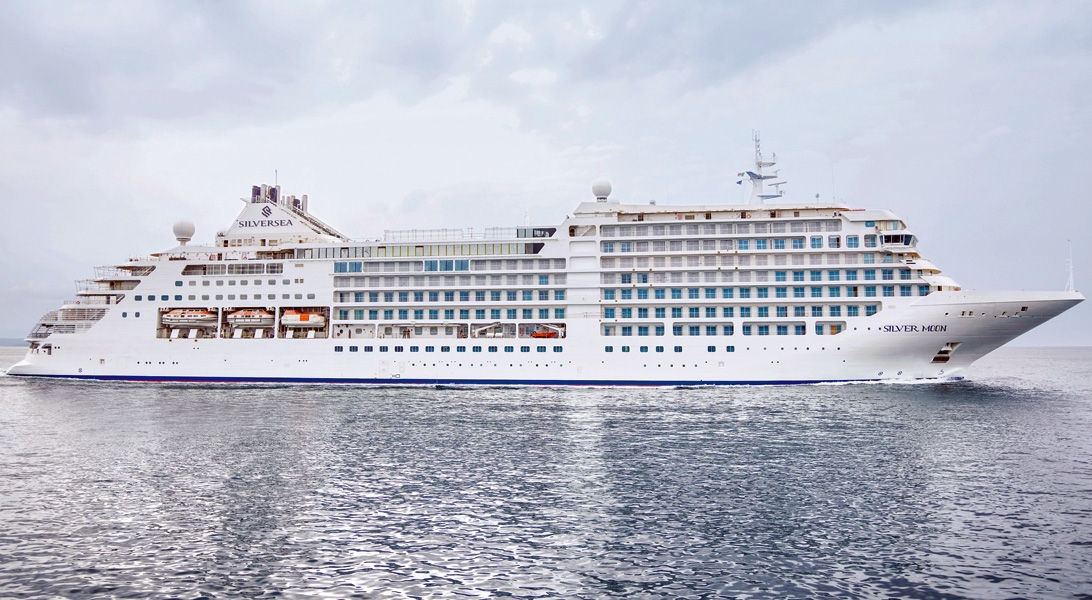

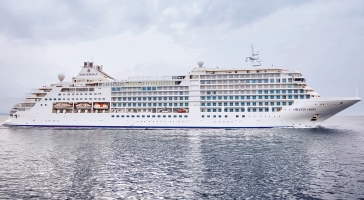
The images shown are for illustration purposes only and may not be an exact representation of what you find on the ship.
The images shown are for illustration purposes only and may not be an exact representation of what you find on the ship.
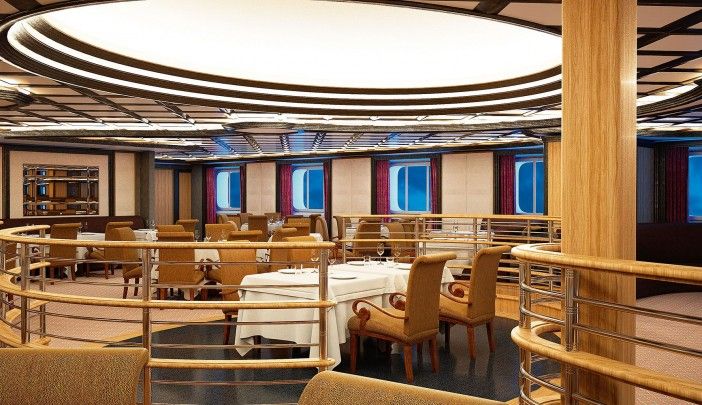
Refined global fare and grilled classics take center stage at Atlantide. Drop in for an indulgent à la carte breakfast, a leisurely lunch, or an elegant dinner among family and new friends, served in a timeless and sophisticated setting.
Images are intended as a general reference. Features, materials, finishes and layout may be different than shown. Opening hours and menu are for reference only.
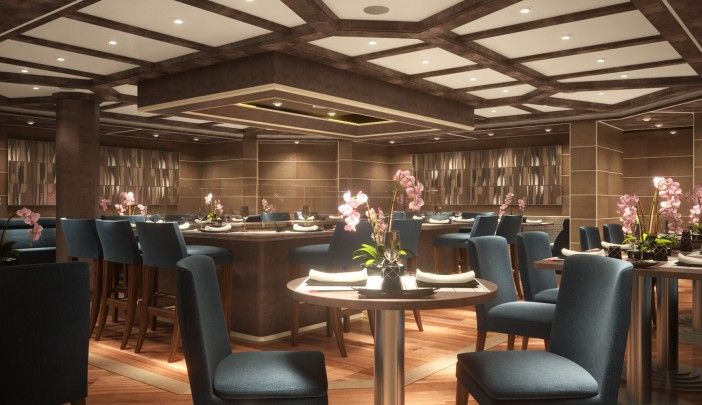
Meals at Kaiseki are rooted in the Japanese philosophy of balance and precision. By day, refreshing sushi, sashimi, and izakaya-style dishes guide the menu. During dinner, specialties like miso black cod and wagyu teriyaki nod to Japan’s enduring culinary legacy, while fine sake, whiskies, and teas enhance every course.
Lunch - Open seating
Opening Hours: 12:00 PM – 2:30 PM
Dinner - Reservations required*
Opening Hours: 7:00 PM – 9:30 PM
Learn more about the Epicurean Experience, which includes dining in three specialty restaurants with preferential rates.
Images are intended as a general reference. Features, materials, finishes and layout may be different than shown. Opening hours and menu are for reference only.
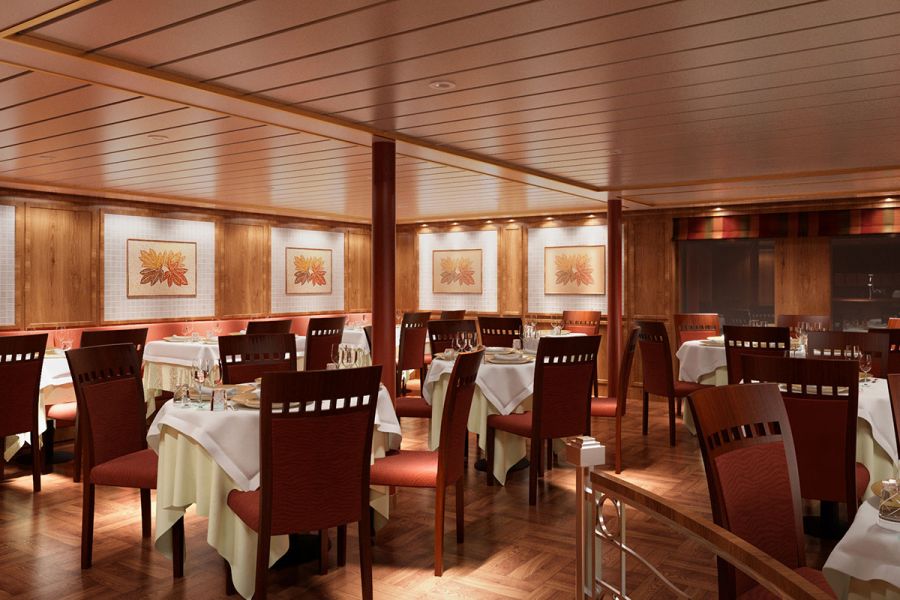
La Terrazza elevates casual dining by day and delivers an authentic Italian experience by night. During the breakfast and lunch buffets, our master chefs prepare global favorites at live stations. As evening falls, handmade pastas and classic seafood dishes are the centerpiece — every impeccable bite paired with fine wines from around the world.
Location: Deck 7
Capacity: 242 guests
Images are intended as a general reference. Features, materials, finishes and layout may be different than shown. Opening hours and menu are for reference only.
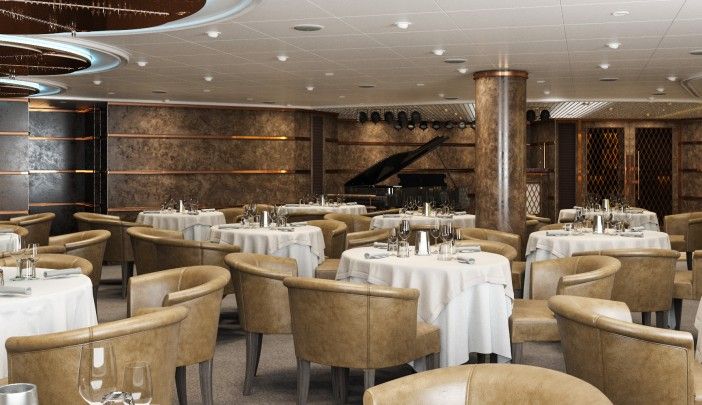
As the stars come out, Silver Note comes alive with the rhythm of jazz and the artistry of small-plate fine dining. This intimate supper-club experience pairs soulful live performances with inventive, international cuisine in a chic, lounge-style setting — one of the most exclusive dining concepts at sea.
Dinner - Reservations required
Opening Hours: 8:00 PM – 10:00 PM
Learn more about the Epicurean Experience, which includes dining in three specialty restaurants with preferential rates.
Images are intended as a general reference. Features, materials, finishes and layout may be different than shown. Opening hours and menu are for reference only.
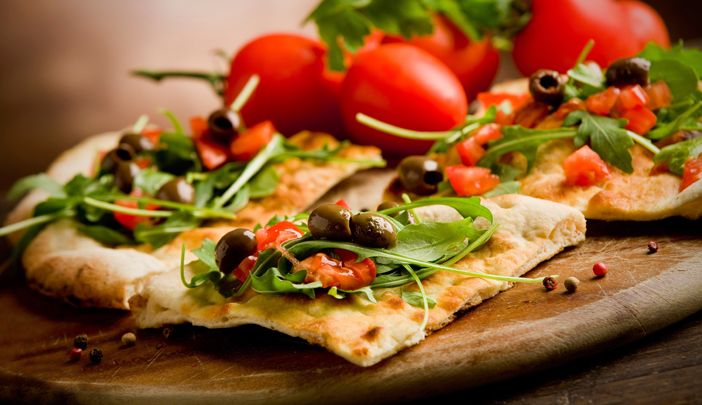
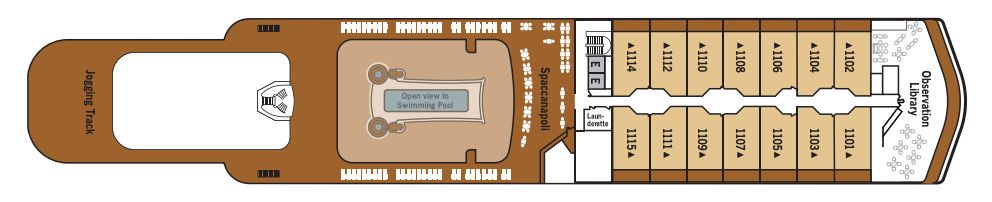
Spaccanapoli honors southern Italy’s culinary heritage with handcrafted pies tossed, topped, and baked to perfection. This signature pizzeria captures true Neapolitan flavor — from golden, blistered crusts to the irresistible aromas that drift from the custom-built oven.
Lunch - Open seating
Opening Hours: 12:00 PM – 2:30 PM
Dinner - Open seating
Opening Hours: 6:00 PM – 9:00 PM
Location: Deck 11
Capacity: 72
Images are intended as a general reference. Features, materials, finishes and layout may be different than shown.
Opening hours and menu are for reference only.
The images shown are for illustration purposes only and may not be an exact representation of what you find on the ship.
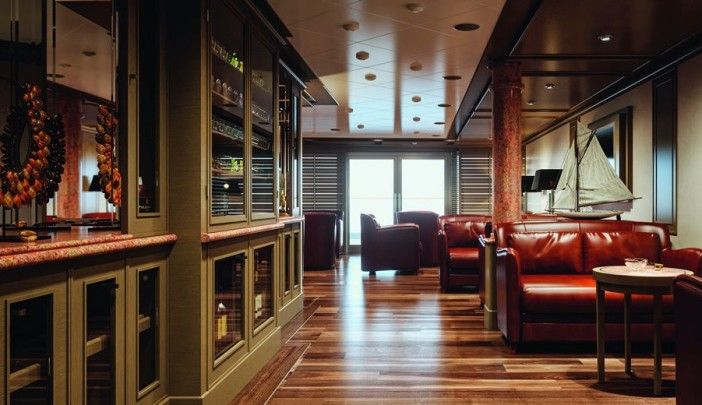
As evening stretches into night, Connoisseur’s Corner offers a stylish refuge for those who appreciate the time-honored rituals of smoke and spirit. Sink into tufted leather chairs with a hand-rolled cigar and a glass of one of our finest cognacs or whiskeys. Indoors or under the stars, every moment is marked by pure indulgence.
Images are intended as a general reference. Features, materials, finishes, and layout may be different than shown.
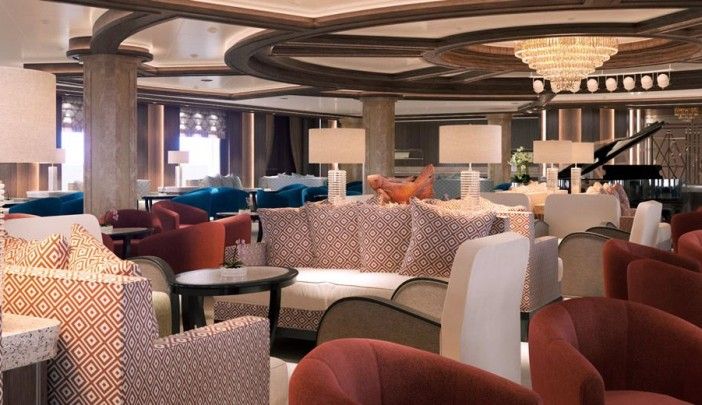
Surrender to a world of Italian elegance where the art of aperitivo takes pride of place. Ideal for connecting over spritzes, negronis, and light bites, here each evening feels like a celebration. As laughter lingers, crystal glasses clink, and live piano notes ripple through the air, Dolce Vita compels you to savor the sweetness of life on board.
Images are intended as a general reference. Features, materials, finishes, and layout may be different than shown.
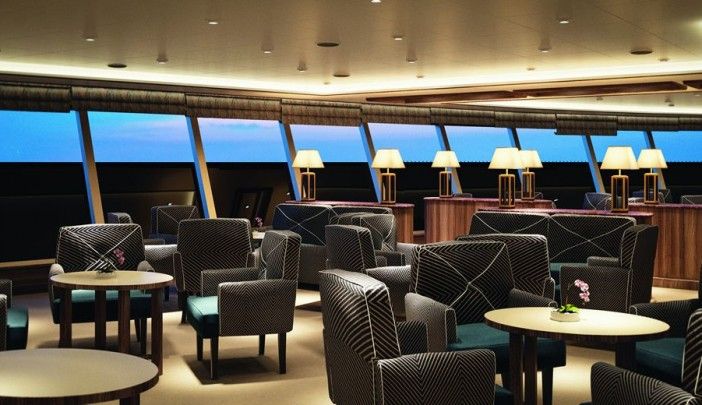
Wrapped in glass and bathed in light, the Observation Lounge offers a serene escape high above the sea. Borrow a book from the in-house library, pour yourself a coffee or tea from the self-service bar, and curl into an armchair to watch the world drift by. This is a sanctuary for reflection, relaxation, and stories — both written and still in the making.
Images are intended as a general reference. Features, materials, finishes and layout may be different than shown.
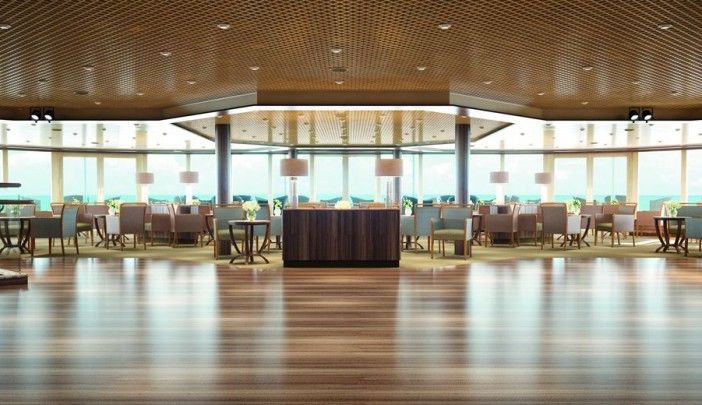
True to its name, Panorama Lounge surrounds you with sweeping views from every angle. Sunlight pours through wraparound windows by day, framing horizons that shift like watercolors. Evenings hum with piano chords and DJ beats that carry you late into the night. And all of it pairs wonderfully with cocktails handcrafted to match your mood.
The images shown are for illustration purposes only and may not be an exact representation of what you find on the ship.
The images shown are for illustration purposes only and may not be an exact representation of what you find on the ship.


Our Fusion packages are all ABTA & ATOL protected ensuring that your booking is safe with us
| 16 nights aboard the Silver Moon | |||
| Butler Service in Every Suite | |||
| Gratuities Always Included | |||
| Beverages In-Suite and Throughout the Ship | |||
| Gourmet Dining | |||
| In Suite Dining & 24-Hour Room Service | |||
| Intimate small size ships | |||
| Free Wifi Throughout the Ship | |||
| Free Zodiac, Land and Sea Tours & Activities & Complimentary Expedition gear | |||
| Port Taxes and Fees | |||
 | ABTA and ATOL Protection* | ||
Date 6th Mar 2029 |
Nts 16 |
Suite £7,100pp |
Date 6th Mar 2029 |
Nts 16 |
Suite £7,100pp |
| Suite staterooms from | £7,100pp | ||
| CV | Classic Veranda Suite | £8,050pp | |
| DX | Deluxe Veranda Suite | £8,750pp | |
| G1 | Grand Suite (1 Bedroom) |  | |
| G2 | Grand Suite (2 Bedrooms) | £32,350pp | |
| O1 | Owner's Suite (1 Bedroom) | | |
| O2 | Owner's Suite (2 Bedrooms) | £34,050pp | |
| PA | Panorama Suite | | |
| R1 | Royal Suite (1 Bedroom) | | |
| R2 | Royal Suite (2 Bedrooms) | £30,200pp | |
| S2 | Silver Suite (2 Bedrooms) | £21,150pp | |
| SL | Silver Suite | £13,600pp | |
| SV | Superior Veranda Suite | £8,350pp | |
| VI | Vista Suite | £7,100pp | |
Fusion Holidays when selling travel arrangements is a trading name of Co-op Travel Services Limited, registration 08903986. Fusion Cruises is an Accredited Body Member of Co-op Travel Services Limited ATOL 12904.
Book with Confidence. We are a Member of ABTA which means you have the benefit of ABTA’s assistance and Code of Conduct.
Some of the flights and flight-inclusive holidays on this website are financially protected by the ATOL scheme but ATOL protection does not apply to all holiday and travel services offered on this website. This website will provide you with information on the protection that applies in the case of each holiday and travel service offered before you make your booking. If you do not receive an ATOL Certificate then the booking will not be ATOL protected. If you do receive an ATOL Certificate but all parts of your trip are not listed on it, those parts will not be ATOL protected. Please see our booking conditions for information, or for more information about financial protection and the ATOL Certificate go to: www.caa.co.uk