This site uses cookies as defined in our Cookie Policy, by continuing to use this site you agree to their use.
Continue

| Arrive | Depart | ||||||
| 27th27 | AprApr | 202828 | Lisbon, Portugal, embark on the Silver Nova | 18:00 | |||
Set on seven hills on the banks of the River Tagus, Lisbon has been the capital of Portugal since the 13th century. It is a city famous for its majestic architecture, old wooden trams, Moorish features and more than twenty centuries of history. Following disastrous earthquakes in the 18th century, Lisbon was rebuilt by the Marques de Pombal who created an elegant city with wide boulevards and a great riverfront and square, Praça do Comércio. Today there are distinct modern and ancient sections, combining great shopping with culture and sightseeing in the Old Town, built on the city's terraced hillsides. The distance between the ship and your tour vehicle may vary. This distance is not included in the excursion grades. A glorious mosaic of beauty, freedom and authenticity, Portugal’s capital is a stirring artwork of a city. Known for the seven hills it spreads across, and its stirring fado music, Lisbon is a pastel-coloured blend of houses and beautiful tile artworks - and this creative city strikes a perfect harmony between natural and manmade beauty. Stroll along Alfama's steep, cobbled streets as you explore one of the city’s oldest neighbourhoods - where each house and door could be its own photograph. Look for the decorative tiles, with the distinctive blues and whites of Azulejo ceramics, and visit the dedicated museum to learn more. Afterwards, wind up to São Jorge Castle, where views out across Lisbon’s red rooftops unravel. Just one of many majestic viewpoints, you can also seek out Miradouro da Graça for perhaps Lisbon's finest panorama, with the copper-coloured suspension bridge stretching over sparkling water beyond the sea of buildings. The elegant Tower of Belém rises in the Tagus estuary and is a historic defender of these shores. The grand, carved cloisters of Jerónimos Monastery spread out close by, and there's another UNESCO recognised location close by at Sintra, where a colourful town is set amid thick gardens and towering mountains - capped by the royal Pena Palace. Later, relax and take a quick break to drink Ginjinha, a cherry liqueur made from chocolate cups instead of coffee. Lisboetas have a sweet tooth, and the famous Pastel de Nata's crumbling pastry and caramelised-custard topping is the essential accompaniment to any coffee stop. | |||||||
| 28th28 | AprApr | 202828 | Porto, Portugal | 08:30 | 17:30 | ||
Lively, commercial Oporto is the second largest city in Portugal after Lisbon. Also called Porto for short, the word easily brings to mind the city's most famous product - port wine. Oporto's strategic location on the north bank of the Douro River has accounted for the town's importance since ancient times. The Romans built a fort here where their trading route crossed the Douro, and the Moors brought their own culture to the area. Oporto profited from provisioning crusaders en route to the Holy Land and enjoyed the riches from Portuguese maritime discoveries during the 15th and 16th centuries. Later, port wine trade with Britain compensated for the loss of the spice trade and the end of gold and gem shipments from Brazil. In the 19th century, the city went through a period of new prosperity with the rise of industries. In its wake followed the building of workers' quarters and opulent residences. Since the declaration of Oporto as a World Heritage Site by UNESCO, the city aims to build up a cultural reference that will provide it with a new image, based on deep historical roots. Among the attractions that make Oporto such an interesting place are its graceful bridges spanning the Douro River, a picturesque riverfront quarter and, most notable, its world-famous port wine lodges. Although Oporto is a bustling centre and home to many different businesses, the source of its greatest fame is the rich, sweet fortified red wine we know as port. Steep stacked banks of evocative buildings and cobbled streetsperch scenically over the River Duoro in this authentic atmospheric Portuguese city. Famed for its wine and bright azulejo tiles - which turn streets into art galleries - Oporto is a charming taste of the real Portugal. Wander the uneven paths of the country’s second-largest city which are soaked with history tradition and eye-catching details. Start in the gorgeous historic Ribeira neighbourhood at the River Douro and walk up through tiny alleys and narrow streets lined with restaurants and cafes. Enjoy views of the colourful city from the skeletal Ponte de Dom Luis I bridge. Its design might ring a bell - the structure was created by a student of Gustav Eiffel and has a similar aesthetic to his famous tower creation. Porto Cathedral sits on a rise of steps towering above the city and offering spectacular views down. The cloisters are a highlight - with beautiful mosaics of the renowned blue and white tiles gleaming. If you’re hungry the indulgent Francesinha sandwich will fill you up for days. A Portuguese take on French toast - it’s packed full of ham and slathered in cheese egg and sauce. Or settle in for a feast on some of Portugal’s ubiquitous salted cod Bacalhau. The climate nurtures the revered vineyards which surround the city helping to produce harvests of perfect grapes. Head out to landscapes coated in vineyards from the Douro Valley to try some of the finest local wines. | |||||||
| 29th29 | AprApr | 202828 | At Sea | ||||
| 30th30 | AprApr | 202828 | Bordeaux, France | ||||
Bordeaux as a whole, rather than any particular points within it, is what you'll want to visit in order to understand why Victor Hugo described it as Versailles plus Antwerp, and why the painter Francisco de Goya, when exiled from his native Spain, chose it as his last home (he died here in 1828). The capital of southwest France and the region's largest city, Bordeaux remains synonymous with the wine trade: wine shippers have long maintained their headquarters along the banks of the Garonne, while buyers from around the world arrive for the huge biennial Vinexpo show (held in odd-number years).Bordeaux is, admittedly, a less exuberant city than many others in France, but lively and stylish elements are making a dent in its conservative veneer. The cleaned-up riverfront is said by some, after a bottle or two, to exude an elegance reminiscent of St. Petersburg, and that aura of 18th-century élan also permeates the historic downtown sector—“le vieux Bordeaux"—where fine shops invite exploration. To the south of the city center are old docklands undergoing renewal—one train station has now been transformed into a big multiplex movie theater—but the area is still a bit shady. To get a feel for the historic port of Bordeaux, take the 90-minute boat trip that leaves Quai Louis-XVIII every weekday afternoon, or the regular passenger ferry that plies the Garonne between Quai Richelieu and the Pont d'Aquitaine in summer. A nice time to stroll around the city center is the first Sunday of the month, when it's pedestrian-only and vehicles are banned. The name alone conjures images of sun-ripened grapes, splashes of refined flavour, and the joy of clinking glasses. Bordeaux is synonymous with quality and prestige, and the promise of endless opportunities to sample the city’s famous, full-bodied red wines makes a visit to this elegant French port city one to truly savour. Sprinkled with scenic, turret-adorned mansion castles, which stand above soil softened by the Atlantic and winding flow of the Garonne River, the vineyards of Bordeaux consistently produce revered wines, enjoyed right across the globe. Explore France’s largest wine region, walking through vineyards where dusty clumps of grapes hang, before descending into cellars to see the painstaking processes that make this region a global wine centre. The acclaimed, sensory experience of Cité du Vin wine museum lets you put your own nose to the test, learning more about the craft involved in producing world class vintages. Brush up on your wine knowledge, with our blog [insert You’ll Fall in Love with Wine in Bordeaux]. Bordeaux itself is an intoxicating blend of old and new – a fact perfectly illustrated by the Water Mirror. This living art installation has reinvigorated one of the city’s most important historical sites, and it feels as though you’re walking on water, as you step through the cooling mist of Place De La Bourse. The moisture generates a glorious mirrored composition of the 300-year-old elegant palatial architecture in front of you. Water also flows freely from the magnificent Monument aux Girondins statue, where horses rear up to extol the values of the Girondin revolutionaries. Marche des Quais – the city’s lively fish market – is the spot to try this wine capital’s freshest lemon-drizzled oysters and juicy prawns. | |||||||
| 1st01 | MayMay | 202828 | Bordeaux, France | ||||
Bordeaux as a whole, rather than any particular points within it, is what you'll want to visit in order to understand why Victor Hugo described it as Versailles plus Antwerp, and why the painter Francisco de Goya, when exiled from his native Spain, chose it as his last home (he died here in 1828). The capital of southwest France and the region's largest city, Bordeaux remains synonymous with the wine trade: wine shippers have long maintained their headquarters along the banks of the Garonne, while buyers from around the world arrive for the huge biennial Vinexpo show (held in odd-number years).Bordeaux is, admittedly, a less exuberant city than many others in France, but lively and stylish elements are making a dent in its conservative veneer. The cleaned-up riverfront is said by some, after a bottle or two, to exude an elegance reminiscent of St. Petersburg, and that aura of 18th-century élan also permeates the historic downtown sector—“le vieux Bordeaux"—where fine shops invite exploration. To the south of the city center are old docklands undergoing renewal—one train station has now been transformed into a big multiplex movie theater—but the area is still a bit shady. To get a feel for the historic port of Bordeaux, take the 90-minute boat trip that leaves Quai Louis-XVIII every weekday afternoon, or the regular passenger ferry that plies the Garonne between Quai Richelieu and the Pont d'Aquitaine in summer. A nice time to stroll around the city center is the first Sunday of the month, when it's pedestrian-only and vehicles are banned. The name alone conjures images of sun-ripened grapes, splashes of refined flavour, and the joy of clinking glasses. Bordeaux is synonymous with quality and prestige, and the promise of endless opportunities to sample the city’s famous, full-bodied red wines makes a visit to this elegant French port city one to truly savour. Sprinkled with scenic, turret-adorned mansion castles, which stand above soil softened by the Atlantic and winding flow of the Garonne River, the vineyards of Bordeaux consistently produce revered wines, enjoyed right across the globe. Explore France’s largest wine region, walking through vineyards where dusty clumps of grapes hang, before descending into cellars to see the painstaking processes that make this region a global wine centre. The acclaimed, sensory experience of Cité du Vin wine museum lets you put your own nose to the test, learning more about the craft involved in producing world class vintages. Brush up on your wine knowledge, with our blog [insert You’ll Fall in Love with Wine in Bordeaux]. Bordeaux itself is an intoxicating blend of old and new – a fact perfectly illustrated by the Water Mirror. This living art installation has reinvigorated one of the city’s most important historical sites, and it feels as though you’re walking on water, as you step through the cooling mist of Place De La Bourse. The moisture generates a glorious mirrored composition of the 300-year-old elegant palatial architecture in front of you. Water also flows freely from the magnificent Monument aux Girondins statue, where horses rear up to extol the values of the Girondin revolutionaries. Marche des Quais – the city’s lively fish market – is the spot to try this wine capital’s freshest lemon-drizzled oysters and juicy prawns. | |||||||
| 2nd02 | MayMay | 202828 | Bordeaux, France | 14:00 | |||
Bordeaux as a whole, rather than any particular points within it, is what you'll want to visit in order to understand why Victor Hugo described it as Versailles plus Antwerp, and why the painter Francisco de Goya, when exiled from his native Spain, chose it as his last home (he died here in 1828). The capital of southwest France and the region's largest city, Bordeaux remains synonymous with the wine trade: wine shippers have long maintained their headquarters along the banks of the Garonne, while buyers from around the world arrive for the huge biennial Vinexpo show (held in odd-number years).Bordeaux is, admittedly, a less exuberant city than many others in France, but lively and stylish elements are making a dent in its conservative veneer. The cleaned-up riverfront is said by some, after a bottle or two, to exude an elegance reminiscent of St. Petersburg, and that aura of 18th-century élan also permeates the historic downtown sector—“le vieux Bordeaux"—where fine shops invite exploration. To the south of the city center are old docklands undergoing renewal—one train station has now been transformed into a big multiplex movie theater—but the area is still a bit shady. To get a feel for the historic port of Bordeaux, take the 90-minute boat trip that leaves Quai Louis-XVIII every weekday afternoon, or the regular passenger ferry that plies the Garonne between Quai Richelieu and the Pont d'Aquitaine in summer. A nice time to stroll around the city center is the first Sunday of the month, when it's pedestrian-only and vehicles are banned. The name alone conjures images of sun-ripened grapes, splashes of refined flavour, and the joy of clinking glasses. Bordeaux is synonymous with quality and prestige, and the promise of endless opportunities to sample the city’s famous, full-bodied red wines makes a visit to this elegant French port city one to truly savour. Sprinkled with scenic, turret-adorned mansion castles, which stand above soil softened by the Atlantic and winding flow of the Garonne River, the vineyards of Bordeaux consistently produce revered wines, enjoyed right across the globe. Explore France’s largest wine region, walking through vineyards where dusty clumps of grapes hang, before descending into cellars to see the painstaking processes that make this region a global wine centre. The acclaimed, sensory experience of Cité du Vin wine museum lets you put your own nose to the test, learning more about the craft involved in producing world class vintages. Brush up on your wine knowledge, with our blog [insert You’ll Fall in Love with Wine in Bordeaux]. Bordeaux itself is an intoxicating blend of old and new – a fact perfectly illustrated by the Water Mirror. This living art installation has reinvigorated one of the city’s most important historical sites, and it feels as though you’re walking on water, as you step through the cooling mist of Place De La Bourse. The moisture generates a glorious mirrored composition of the 300-year-old elegant palatial architecture in front of you. Water also flows freely from the magnificent Monument aux Girondins statue, where horses rear up to extol the values of the Girondin revolutionaries. Marche des Quais – the city’s lively fish market – is the spot to try this wine capital’s freshest lemon-drizzled oysters and juicy prawns. | |||||||
| 3rd03 | MayMay | 202828 | At Sea | ||||
| 4th04 | MayMay | 202828 | Saint-Malo, France | 07:00 | 19:00 | ||
Thrust out into the sea and bound to the mainland only by tenuous man-made causeways, romantic St-Malo has built a reputation as a breeding ground for phenomenal sailors. Many were fishermen, but others—most notably Jacques Cartier, who claimed Canada for Francis I in 1534—were New World explorers. Still others were corsairs, "sea dogs" paid by the French crown to harass the Limeys across the Channel: legendary ones like Robert Surcouf and Duguay-Trouin helped make St-Malo rich through their pillaging, in the process earning it the nickname "the pirates' city." The St-Malo you see today isn’t quite the one they called home because a weeklong fire in 1944, kindled by retreating Nazis, wiped out nearly all of the old buildings. Restoration work was more painstaking than brilliant, but the narrow streets and granite houses of the Vieille Ville were satisfactorily recreated, enabling St-Malo to regain its role as a busy fishing port, seaside resort, and tourist destination. The ramparts that help define this city figuratively and literally are authentic, and the flames also spared houses along Rue de Pelicot in the Vieille Ville. Battalions of tourists invade this quaint part of town in summer, so arrive off-season if you want to avoid crowds. Ship sails flutter in the breeze at the natural port of Saint-Malo - a historic and resilient walled city which watches out over golden sands and island fortresses. Strung tenuously to the mainland Saint Malo was the historic home of a rowdy mix of skilled sailors and new world explorers - as well as the plunderers who earned the place its 'Pirate City' title. Explore streets that breathe with maritime tales and medieval charm - restored from the intense damage sustained during the Second World War. Cathédrale de St Malo rises above the tight paths offering views of the peppered islands and fortifications. Boatloads of fresh oysters and scallops are heaved ashore - savour them or grab savoury crepes galettes stuffed with cheese and ham. Wash Saint Malo's foods down with a Brittany cider which challenges wine as the indulgence of choice in these parts. A highly tidal region the pocket-sized islands of Petit Bé and Grand Bé join the mainland and you can explore at leisure as the tide recedes. The incredible island of Mont Saint Michel also looms in the estuary of the Couesnon River nearby hovering like a cinematic mirage above high tide’s waters. Elsewhere Cap Fréhel's lush green peninsula juts out from the emerald coast towards Jersey tempting with rich coastal hiking trails. | |||||||
| 5th05 | MayMay | 202828 | Le Havre, France | ||||
Le Havre, founded by King Francis I of France in 1517, is located inUpper Normandy on the north bank of the mouth of the River Seine, which isconsidered the most frequented waterway in the world. Its port is ranked thesecond largest in France. The city was originally built on marshland andmudflats that were drained in the 1500’s. During WWII most of Le Havre wasdestroyed by Allied bombing raids. Post war rebuilding of the city followed thedevelopment plans of the well-known Belgian architect Auguste Perre. Thereconstruction was so unique that the entire city was listed as a UNESCO WorldHeritage Site in 2005. Le Havre, founded by King Francis I of France in 1517, is located in Upper Normandy on the north bank of the mouth of the River Seine, which is considered the most frequented waterway in the world. Its port is ranked the second largest in France. The city was originally built on marshland and mudflats that were drained in the 1500’s. During WWII most of Le Havre was destroyed by Allied bombing raids. Post war rebuilding of the city followed the development plans of the well-known Belgian architect Auguste Perre. The reconstruction was so unique that the entire city was listed as a UNESCO World Heritage Site in 2005. | |||||||
| 6th06 | MayMay | 202828 | Le Havre, France | 18:00 | |||
Le Havre, founded by King Francis I of France in 1517, is located inUpper Normandy on the north bank of the mouth of the River Seine, which isconsidered the most frequented waterway in the world. Its port is ranked thesecond largest in France. The city was originally built on marshland andmudflats that were drained in the 1500’s. During WWII most of Le Havre wasdestroyed by Allied bombing raids. Post war rebuilding of the city followed thedevelopment plans of the well-known Belgian architect Auguste Perre. Thereconstruction was so unique that the entire city was listed as a UNESCO WorldHeritage Site in 2005. Le Havre, founded by King Francis I of France in 1517, is located in Upper Normandy on the north bank of the mouth of the River Seine, which is considered the most frequented waterway in the world. Its port is ranked the second largest in France. The city was originally built on marshland and mudflats that were drained in the 1500’s. During WWII most of Le Havre was destroyed by Allied bombing raids. Post war rebuilding of the city followed the development plans of the well-known Belgian architect Auguste Perre. The reconstruction was so unique that the entire city was listed as a UNESCO World Heritage Site in 2005. | |||||||
| 7th07 | MayMay | 202828 | Dover, England | 08:00 | 18:00 | ||
Known as the gateway of England, Dover welcomes millions of visitors from all over the globe each year in its role as the ferry capital of the world and the second busiest cruise port in the UK. The White Cliffs Country has a rich heritage. Within the walls of the town’s iconic castle, over 2,000 years of history waits to be explored, whilst the town’s museum is home to the Dover Bronze Age Boat, the world’s oldest known seagoing vessel. The town’s cliffs that are a welcome sight for today's cross-channel travellers also served as the control centre for the Dunkirk evacuation in 1940. The famous white chalk cliffs cradle England’s southeast’s principal cross-Channel port of Dover. It lies only twenty-one miles from the continent, and on a clear day the low cliffs of Calais are visible. The Romans put Dover on the map when, having conquered Europe, they decided to move on toward Britannia, using the natural harbor of Dover as the base for their northern fleet. They erected a lighthouse to guide their ships into port. Following their withdrawal from England in the 4th century when the Normans constructed the keep that now presides over the bulk of Dover Castle. This superbly positioned fortress had been in continuous use as some sort of military installation until 1958. A network of tunnels constructed beneath the castle during the Napoleonic wars was extended during World War II for use as headquarters for the Dunkirk evacuation. More recently, sections of the 3.5 miles of tunnels were provisioned as a refuge for Kent’s elite in the event of nuclear war. Now that there seems no longer a need for such facilities, the tunnels have been restored and opened to the public. Pier Information The ship is scheduled to dock at Dover’s Western Docks. The distance to downtown Dover is two miles. Taxis may have to be called for pierside pickup. Dover is 85 miles from London. Frequent train service connects the port with London; traveling time is approximately 90 minutes (subject to traffic conditions). Shopping Stores in Dover are limited interest to visitors. Serious shoppers will want to set time aside to explore the endless shopping opportunities in London. Some of the most exclusive shops are found along Oxford, Bond and Regent Streets. Upscale department stores such as Harrods, Selfridges and Liberty offer convenient shopping with everything under one roof. Designer clothing, china and antiques may be of interest. Purchases are subject to a 17.5% VAT (value-added tax). Guests not residing in one of the EU countries can obtain a partial refund of the VAT after spending a certain amount of money. Proper forms have to be requested from the shop at the time of purchase. The refund can be claimed at the airport VAT Refund Desk; if leaving the ship, check on board with the Purser’s Office for procedures. The local currency is the British pound. Cuisine The town of Dover has a limited selection of pubs and restaurants and more can be found in the surrounding countryside, serving meals cooked from locally grown produce and accompanied by a wide variety of bars and wines. Other Sites The county of Kent is a fascinating part of England that is dotted with Castles, historic houses, beautiful gardens and bustling market towns. Dover Castle Dominating the town from its hilltop location, this is Europe’s oldest concentrically-planned castle. From its position you can enjoy a fine panorama of Dover, its white cliffs and the English Channel. Inside the castle is Hellfire, a secret underground war room used by Winston Churchill. In addition to Dover Castle, other attractions include the Old Town Goal, a new museum, the White Cliffs Experience and the Roman Painted House. This ancient guest house was discovered during the construction of a car park. The excavated rooms feature the finest Roman wall paintings in England. Guests in transit to the next cruise may check with the Tour Office on board for additional sightseeing possibilities or arrangements by private car. | |||||||
| 8th08 | MayMay | 202828 | Zeebrugge, Belgium | 08:00 | 18:00 | ||
In 1895 work began to construct a new seaport and harbour next to the tiny village of Zeebrugge, situated on the North Sea coast. Today the fast-expanding port of Zeebrugge is one of the busiest in Europe and its marina is Belgium’s most important fishing port. Many attempts were made to destroy this important port during both World Wars. Zeebrugge is ideally located for discovering the historic city of Bruges, and delightful seaside resorts with long sandy beaches can be visited by using the trams that run the whole length of the Belgian coast. Please note that no food may be taken ashore in Belgium. We shall not be offering shuttle buses to Bruges, but you may visit the city on an optional excursion: those visiting Bruges should note that there may be quite a long walk from the coach to the town centre. The ultimate fairytale city Bruges is a snowglobe medieval town brought to life and lovingly preserved. The medieval majesty rises just inland from Zeebruge's busy port and sandy beaches and the two are linked by the short stretch of the Baudouin Canal. Arrive in Bruges to discover a dreamlike place where time has stood still. Explore the Unesco World Heritage Site centre to wander at leisure among some of the world's most atmospheric streets. Laced with pretty canals winding paths of cobbled stones and glorious squares surrounded by soaring church spires Bruges is an irresistible journey back through time. A city for the seasons see the towering cups of tulips glowing or snowy layers adding a cosy blanket during winter. The climb is not to be underestimated but there are few better places to start a visit to Bruges than the ascent up to the 83-metre lookout of the Belfry of Bruges which rockets up from the city's primary market square. Discover the city's pretty canals and admire the colour-splashed facades - tangled with ivy - that line up appealingly on their banks. With plenty of museums and galleries among the incredible architecture Bruges is a city that effortlessly lives up to its heavy hyping and there are countless cultural attractions to immerse yourself in. Indulge a sweet tooth at the chocolate museum - or sample the wares of countless artisan chocolate shops - to leave this Zeebrugge's port with the most satisfying of tastes lingering. | |||||||
| 9th09 | MayMay | 202828 | At Sea | ||||
| 10th10 | MayMay | 202828 | At Sea | ||||
| 11th11 | MayMay | 202828 | Copenhagen, Denmark, disembark the Silver Nova | ||||
By the 11th century, Copenhagen was already an important trading and fishing centre and today you will find an attractive city which, although the largest in Scandinavia, has managed to retain its low-level skyline. Discover some of the famous attractions including Gefion Fountain and Amalienborg Palace, perhaps cruise the city’s waterways, visit Rosenborg Castle or explore the medieval fishing village of Dragoer. Once the home of Hans Christian Andersen, Copenhagen features many reminders of its fairytale heritage and lives up to the reputation immortalised in the famous song ‘Wonderful Copenhagen’. Effortlessly cool and down to earth, Copenhagen is a contemporary, clean and classy highlight of Scandinavia. A city built to be liveable, Copenhagen has refused to compromise, resulting in a forward-thinking metropolis that’s green and clean. Swim in the waters of Havnebadet Islands during summer, or shelter from winter’s bite by snuggling in beside a roaring open fire during winter. You can even hop on a train to Sweden, traversing the famous span of a Nordic Noir star - the Öresund Bridge. It takes just a touch over half an hour to step off the train in Malmö. There’s only one way to truly explore Copenhagen and that’s on two wheels. Easy bike hire schemes will get you moving across this flat city, designed with bikes at the forefront of the mind. Choose a model with electronic assistance to take the strain out of any journey, giving you the freedom to whizz around and explore the modern angular architecture of the centre, and the pastoral colours of Nyhavn waterfront. Head out to the Little Mermaid statue, inspired by Hans Christian Andersen’s fairy tale - the strikingly-restrained statue is the perfect landmark for Copenhagen; unshowy, self-assured and utterly irresistible. The Danish concept of hygge is very much alive here, and you’ll feel that warm cosy feeling as you visit cafes illuminated by the warm glow of hanging filament bulbs, and stuffed to the brim with thick, dusty books. Home to mega-brewer Carlsberg, Copenhagen is also a city for hop enthusiasts, and there is a thriving craft brewing scene to sample. Danish Smørrebrød sandwiches are a must try, or for something a little more substantial, settle in for a culinary voyage and try a taster menu – the city’s restaurants are littered with Michelin stars. | |||||||
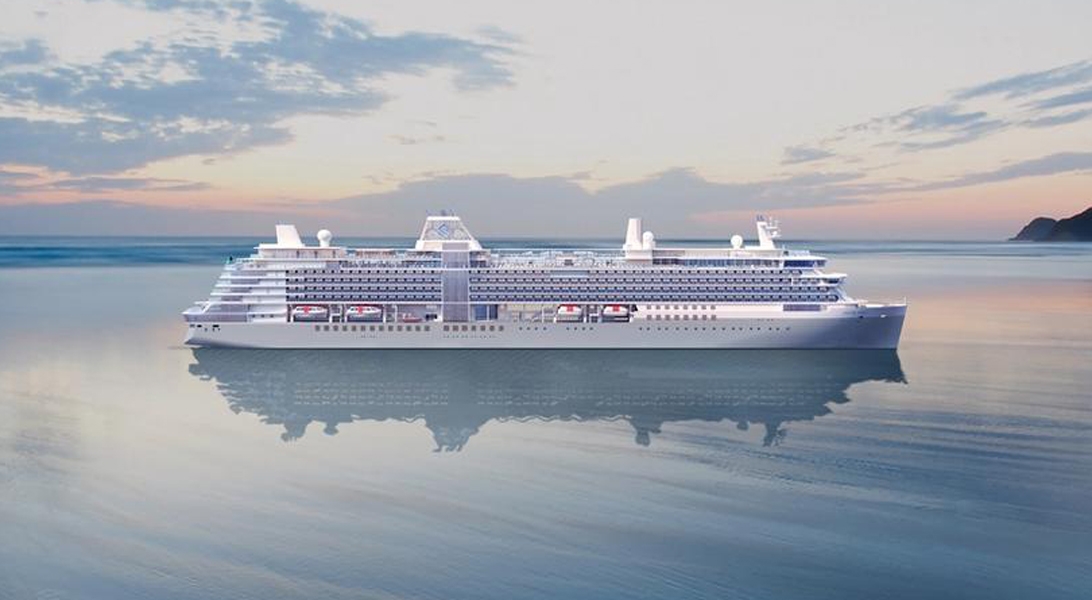
The images shown are for illustration purposes only and may not be an exact representation of what you find on the ship.
The images shown are for illustration purposes only and may not be an exact representation of what you find on the ship.
The images shown are for illustration purposes only and may not be an exact representation of what you find on the ship.
The images shown are for illustration purposes only and may not be an exact representation of what you find on the ship.
The images shown are for illustration purposes only and may not be an exact representation of what you find on the ship.


Our Fusion packages are all ABTA & ATOL protected ensuring that your booking is safe with us
| 14 nights aboard the Silver Nova | |||
| Butler Service in Every Suite | |||
| Gratuities Always Included | |||
| Beverages In-Suite and Throughout the Ship | |||
| Gourmet Dining | |||
| In Suite Dining & 24-Hour Room Service | |||
| Intimate small size ships | |||
| Free Wifi Throughout the Ship | |||
| Free Zodiac, Land and Sea Tours & Activities & Complimentary Expedition gear | |||
| Port Taxes and Fees | |||
 | ABTA and ATOL Protection* | ||
Date 27th Apr 2028 |
Nts 14 |
Please Call for Availability |
Date 27th Apr 2028 |
Nts 14 |
Please Call for Availability |
Fusion Holidays when selling travel arrangements is a trading name of Co-op Travel Services Limited, registration 08903986. Fusion Cruises is an Accredited Body Member of Co-op Travel Services Limited ATOL 12904.
Book with Confidence. We are a Member of ABTA which means you have the benefit of ABTA’s assistance and Code of Conduct.
Some of the flights and flight-inclusive holidays on this website are financially protected by the ATOL scheme but ATOL protection does not apply to all holiday and travel services offered on this website. This website will provide you with information on the protection that applies in the case of each holiday and travel service offered before you make your booking. If you do not receive an ATOL Certificate then the booking will not be ATOL protected. If you do receive an ATOL Certificate but all parts of your trip are not listed on it, those parts will not be ATOL protected. Please see our booking conditions for information, or for more information about financial protection and the ATOL Certificate go to: www.caa.co.uk