This site uses cookies as defined in our Cookie Policy, by continuing to use this site you agree to their use.
Continue

| Arrive | Depart | ||||||
| 26th26 | OctOct | 202727 | Valletta, Malta, embark on the Royal Clipper | ||||
Malta's capital, the minicity of Valletta, has ornate palaces and museums protected by massive fortifications of honey-color limestone. Houses along the narrow streets have overhanging wooden balconies for people-watching from indoors. Generations ago they gave housebound women a window on the world of the street. The main entrance to town is through the City Gate (where all bus routes end), which leads onto Triq Repubblika (Republic Street), the spine of the grid-pattern city and the main shopping street. Triq Mercante (Merchant Street) parallels Repubblika to the east and is also good for strolling. From these two streets, cross streets descend toward the water; some are stepped. Valletta's compactness makes it ideal to explore on foot. City Gate and the upper part of Valletta are experiencing vast redevelopment that includes a new Parliament Building and open-air performance venue. The complex, completed mid-2013, has numerous pedestrian detours in place along with building noise and dust. Before setting out along Republic Street, stop at the tourist information office on Merchant Street for maps and brochures. Valletta is the tiny capital of the island of Malta. The walled city was established in the 1500s on a peninsula by the Knights of St. John, a Roman Catholic order. It has a rich historical past and is a European Art City and a World Heritage City. It's has an abundance of museums, palaces and grand churches to visit but be sure not to miss out on exploring one of it's beautiful gardens. | |||||||
| 27th27 | OctOct | 202727 | At Sea | ||||
| 28th28 | OctOct | 202727 | Cagliari, Italy | ||||
Known in Sardinia as Casteddu, the island's capital has steep streets and impressive Italianate architecture, from modern to medieval. This city of nearly 160,000 people is characterized by a busy commercial center and waterfront with broad avenues and arched arcades, as well as by the typically narrow streets of the old hilltop citadel (called, simply, “Castello”). The Museo Archeologico makes a good starting point to a visit. The imposing Bastione di Saint Remy and Mercato di San Benedetto (one of the best fish markets in Italy) are both musts. Cagliari is the capital city of the Italian island of Sardinia. It's known for it's hilltop Castello, a medieval walled quarter situated high above. the rest of the town. It has a rich and varied heritage reflected in it's buildings that includes Baroque churches, Medieval towers, Italian Art Nouveau as well as Roman stonework. Sardinia's fabled beaches are also accessible and as you would expect the restaurants in and around the town are excellent to. | |||||||
| 29th29 | OctOct | 202727 | At Sea | ||||
| 30th30 | OctOct | 202727 | Mahón, Menorca, Spain | ||||
The capital of Menorca since 1721, Mahon has a impressive natural deep water harbour, which is one of the largest in the world. This, coupled with its strategic location, has made it a stronghold for many nations throughout history. Mahon has an abundance of historical buildings, the oldest being the Arch of Saint Roc which is all that remains of the wall that once encircled the whole town. The island was occupied by the British during the 18th century and Lord Nelson is thought to have stayed there. Indeed, San Antoni Mansion, located on the north side of the harbour, houses a collection of Nelson memorabilia. The legacy of colonial rule can be seen in the muted Georgian style of some of the buildings, but Mahon still boasts attractive examples of neo-Classical, Baroque and Romanesque architecture. With narrow streets to explore, pleasant shaded squares and welcoming pavement cafés, there is something for everyone to enjoy. Please be aware that most shops in town close for a siesta between 1330 and 1730. Gracious Georgian buildings that climb the steep hills backing the Moll Ponent. Mahon's heritage also includes the invention of mayonnaise and the first distillation of gin from juniper berries. | |||||||
| 31st31 | OctOct | 202727 | Palma de Mallorca, Spain | ||||
If you look north of the cathedral (La Seu, or the seat of the bishopric, to Mallorcans) on a map of the city of Palma, you can see around the Plaça Santa Eulàlia a jumble of tiny streets that made up the earliest settlement. Farther out, a ring of wide boulevards traces the fortifications built by the Moors to defend the larger city that emerged by the 12th century. The zigzags mark the bastions that jutted out at regular intervals. By the end of the 19th century, most of the walls had been demolished; the only place where you can still see the massive defenses is at Ses Voltes, along the seafront west of the cathedral.A torrent (streambed) used to run through the middle of the old city, dry for most of the year but often a raging flood in the rainy season. In the 17th century it was diverted to the east, along the moat that ran outside the city walls. Two of Palma's main arteries, La Rambla and the Passeig d'es Born, now follow the stream's natural course. The traditional evening paseo (promenade) takes place on the Born.If you come to Palma by car, park in the garage beneath the Parc de la Mar (the ramp is just off the highway from the airport, as you reach the cathedral) and stroll along the park. Beside it run the huge bastions guarding the Almudaina Palace; the cathedral, golden and massive, rises beyond. Where you exit the garage, there's a ceramic mural by the late Catalan artist and Mallorca resident Joan Miró, facing the cathedral across the pool that runs the length of the park.If you begin early enough, a walk along the ramparts at Ses Voltes from the mirador beside the cathedral is spectacular. The first rays of the sun turn the upper pinnacles of La Seu bright gold and then begin to work their way down the sandstone walls. From the Parc de la Mar, follow Avinguda Antoni Maura past the steps to the palace. Just below the Plaça de la Reina, where the Passeig d'es Born begins, turn left on Carrer de la Boteria into the Plaça de la Llotja (if the Llotja itself is open, don't miss a chance to visit—it's the Mediterranean's finest Gothic-style civic building). From there stroll through the Plaça Drassana to the Museu d'Es Baluard, at the end of Carrer Sant Pere. Retrace your steps to Avinguda Antoni Maura. Walk up the Passeig d'es Born to Plaça Joan Carles I, then right on Avenida de La Unió. Towering over the harbour, Palma's enormous Gothic cathedral is a powerful symbol of the religious fervour which gripped all of Spain shortly after the defeat of the Moors. Built by Jaume I, its vast open nave and soaring Gothic columns have been added to over the centuries. Behind the Cathedral, a maze of twisting streets leads to designer boutiques and open-air markets. | |||||||
| 1st01 | NovNov | 202727 | Cartagena, Spain | ||||
A Mediterranean city and naval station located in the Region of Murcia, southeastern Spain, Cartagena’s sheltered bay has attracted sailors for centuries. The Carthaginians founded the city in 223BC and named it Cartago Nova; it later became a prosperous Roman colony, and a Byzantine trading centre. The city has been the main Spanish Mediterranean naval base since the reign of King Philip II, and is still surrounded by walls built during this period. Cartagena’s importance grew with the arrival of the Spanish Bourbons in the 18th century, when the Navidad Fortress was constructed to protect the harbour. In recent years, traces of the city’s fascinating past have been brought to light: a well-preserved Roman Theatre was discovered in 1988, and this has now been restored and opened to the public. During your free time, you may like to take a mini-cruise around Cartagena's historic harbour: these operate several times a day, take approximately 40 minutes and do not need to be booked in advance. Full details will be available at the port. Cartagena, a historic port city steeped in rich history and fascinating culture. Nestling between the hills and the Mediterranean Sea, the city offers an enchanting mix of historic sites, including the Roman Theatre, picturesque beaches and a lively atmosphere. | |||||||
| 2nd02 | NovNov | 202727 | Málaga, Spain | ||||
As you sail into Malaga you will notice what an idyllic setting the city enjoys on the famous Costa del Sol. To the east of this provincial capital, the coast along the region of La Axarqua is scattered with villages, farmland and sleepy fishing hamlets - the epitome of traditional rural Spain. To the west stretches a continuous city where the razzmatazz and bustle creates a colourful contrast that is easily recognisable as the Costa del Sol. Surrounding the region, the Penibéetica Mountains provide an attractive backdrop overlooking the lower terraced slopes which yield olives and almonds. This spectacular mountain chain shelters the province from cold northerly winds, giving it a reputation as a therapeutic and exotic place in which to escape from cold northern climes. Malaga is also the gateway to many of Andalusia's enchanting historic villages, towns and cities. Malaga's fortress palace of the Alcazaba and the Castillo de Gibralfaro are splendid examples of Moorish architecture. But it is in Granada that you can see the most romantic and magnificent expression of the Arabesque style in the glorious Alhambra Palace. | |||||||
| 3rd03 | NovNov | 202727 | Gibraltar, Gibraltar | ||||
Tagged on to the end of Iberia, the intriguing British outpost of Gibraltar is dominated by a sandy peninsula and the stunning 1,400-feet-high limestone Rock. Although small, Gibraltar has always been seen as having great strategic importance on account of its advantageous position where the Atlantic meets the Mediterranean, just 12 miles from the coast of Africa. Ever popular with British holidaymakers, Gibraltar is very much a home from home, boasting excellent duty-free shopping in many familiar British high street shops. Please note: Gibraltar’s small size and narrow winding roads mean that excursions are operated by 22-seater mini-buses, accompanied by a driver/guide. Local health and safety regulations prohibit the carriage of walking aids and collapsible wheelchairs on these vehicles. If you do wish to bring a mobility aid, we can arrange the Rock Tour by taxi, which has extra space. If this suits your requirements, please advise the Tours and Travel office when you join the ship, as numbers are limited. Gibraltar is a British Overseas Territory and headland, on Spain's south coast. It's dominated by the Rock of Gibraltar, a 426m-high limestone ridge. The Cable Car is one of the ways to the Top of the Rock and a must-see attraction for all visitors to Gibraltar. The view is spectacular and you can watch the famous monkeys of Gibraltar. A lesser known wildlife attraction are the dolphins leaping in the sparkling waters of Gibraltar Bay, whole families of dolphins visit the bay and the chances of seeing them are good. | |||||||
| 4th04 | NovNov | 202727 | Portimão, Portugal | ||||
Portimão is a major fishing port, and significant investment has been poured into transforming it into an attractive cruise port as well. The city itself is spacious and has several good shopping streets—though sadly many of the more traditional retailers have closed in the wake of the global economic crisis. There is also a lovely riverside area that just begs to be strolled (lots of the coastal cruises depart from here). Don’t leave without stopping for an alfresco lunch at the Doca da Sardinha ("sardine dock") between the old bridge and the railway bridge. You can sit at one of many inexpensive establishments, eating charcoal-grilled sardines (a local specialty) accompanied by chewy fresh bread, simple salads, and local wine. Portimao is the largest city in the western Algarve, and was traditionally a centre for sardine fishing and processing. It makes a great base from which to explore the entire western Algarve. Two of the more popular trips are Lagos and Silves. Lagos was the centre for Portugal's 14th century age of exploration and Silves served as the Algarve region's ancient capital and so the tourist attractions here reflect its rich and extensive history. | |||||||
| 5th05 | NovNov | 202727 | Lisbon, Portugal, disembark the Royal Clipper | ||||
Set on seven hills on the banks of the River Tagus, Lisbon has been the capital of Portugal since the 13th century. It is a city famous for its majestic architecture, old wooden trams, Moorish features and more than twenty centuries of history. Following disastrous earthquakes in the 18th century, Lisbon was rebuilt by the Marques de Pombal who created an elegant city with wide boulevards and a great riverfront and square, Praça do Comércio. Today there are distinct modern and ancient sections, combining great shopping with culture and sightseeing in the Old Town, built on the city's terraced hillsides. The distance between the ship and your tour vehicle may vary. This distance is not included in the excursion grades. The capital of Portugal since its conquest from the Moors in 1147, Lisbon is a legendary city with over 20 centuries of history. Spreading out along the right bank of the Tagus, its downtown, the Baixa, is located in the 18th-century area around Rossio. The Alfama, one of the oldest quarters in Lisboa, still retains much of its original layout since it largely survived the earthquake of 1755. | |||||||
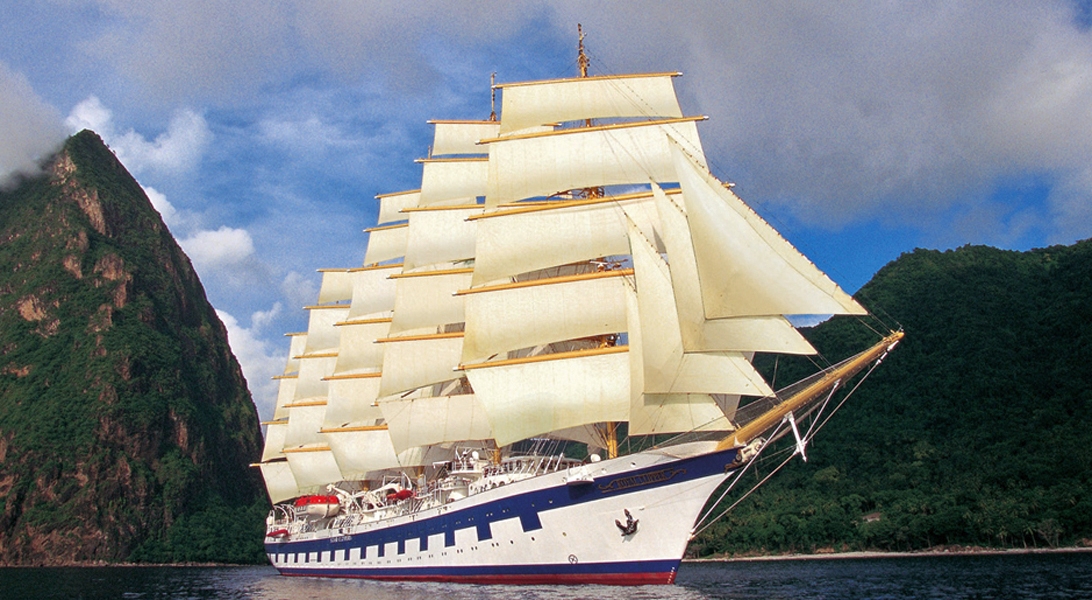
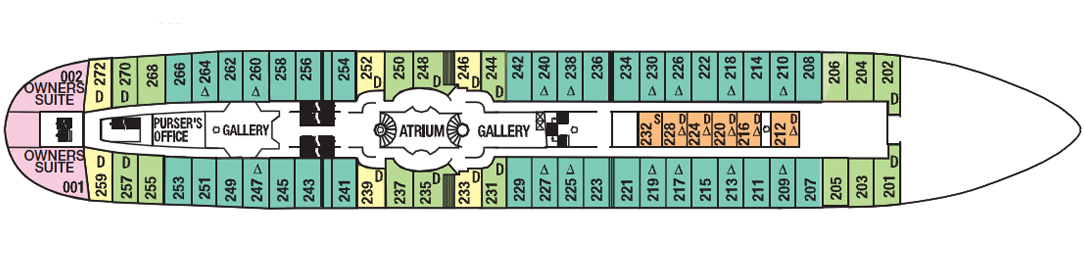

The images shown are for illustration purposes only and may not be an exact representation of what you find on the ship.
| Grade Code | From | To | |
| CAT5 | Category 5 | £4,075 | £4,075 |
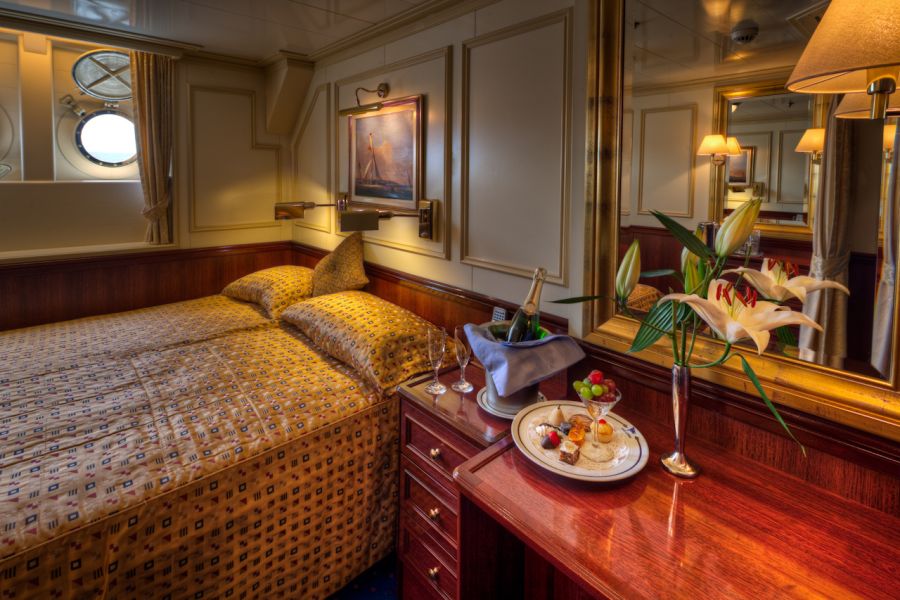
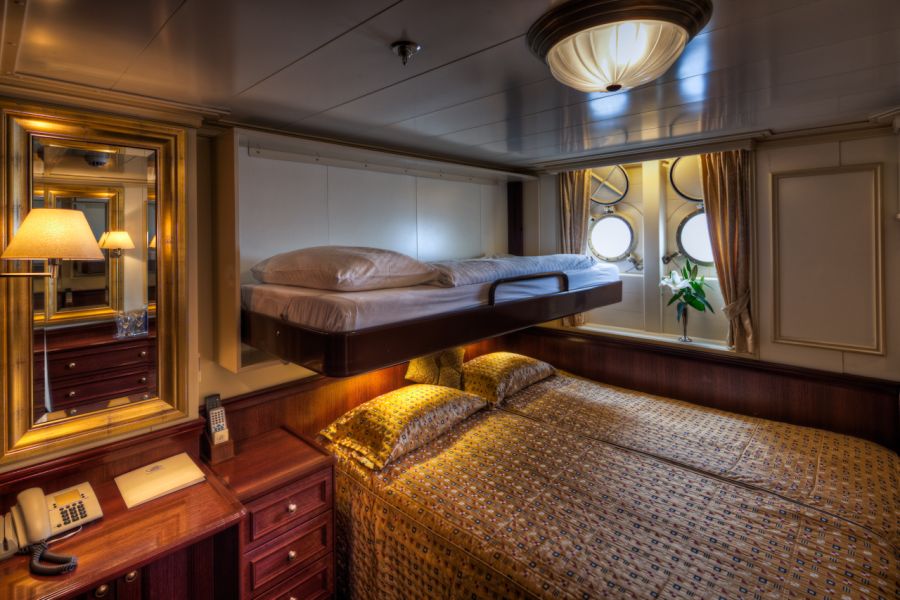
Category 5 staterooms feature ocean views, a double bed, and a marble bathroom with shower. Each stateroom also benefits from air conditioning, hair dryers, private safe, television, DVD player, telephone and other amenities an experienced traveller has come to expect.
| Grade Code | From | To | |
| CAT6 | Category 6 | £3,950 | £3,950 |
Category 6 staterooms feature double/triple beds, and marble bathroom with shower. Each stateroom also benefits from air conditioning, hair dryers, private safe, television, DVD player, telephone and other amenities an experienced traveller has come to expect.
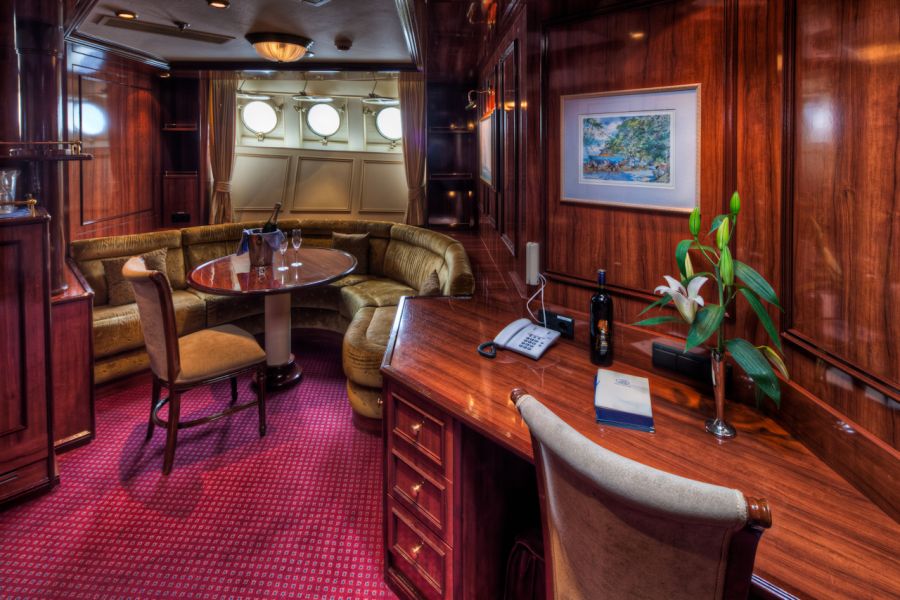
Owner's Suites (no private veranda) feature ocean views, two double beds, separate sitting area, minibar, marble bathroom with whirlpool, and room service. Each stateroom also benefits from air conditioning, hair dryers, private safe, television, DVD player, telephone and other amenities an experienced traveller has come to expect.
The images shown are for illustration purposes only and may not be an exact representation of what you find on the ship.
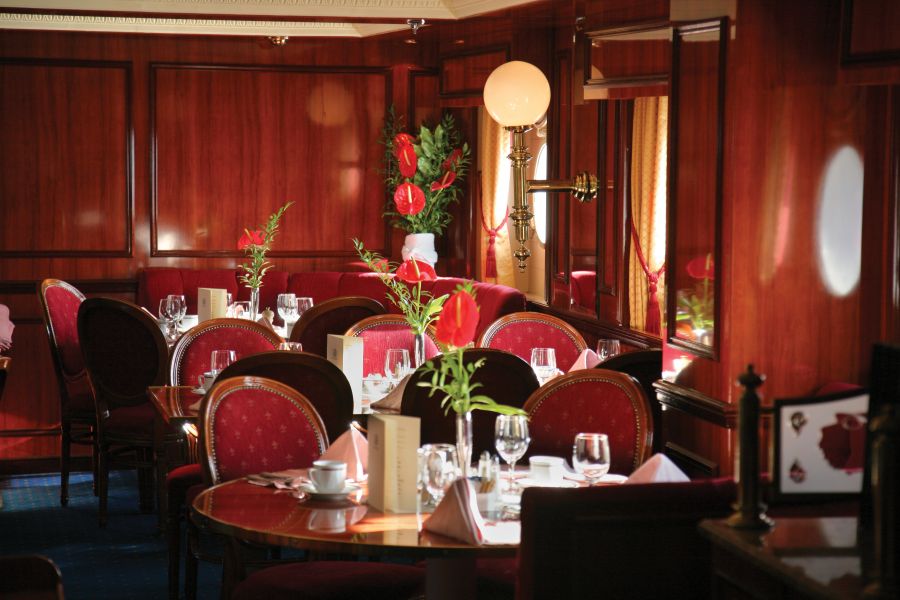
When you rise, help yourself to a continental breakfast with Parisian croissants or sweet Danish pastries. Or savour a full breakfast with fresh tropical fruit and crisp bacon, grilled sausage and omelettes cooked to order in the dining room.
At lunch, a marvellous buffet of seafood, salads and grilled favourites awaits your pleasure. If the day includes a stop at one of the paradisical islands we frequent, you might also be treated to a succulent outdoor barbecue on shore.
When evening comes, our elegantly appointed dining room becomes the setting for the chef’s finest culinary presentations, designed to please the eye and the palate, complemented by a selection of equally fine wines.
You’ll find our service to be friendly and gracious, befitting a tasteful restaurant. Of course, we would not presume to dictate your seating preferences. On all three ships, you are free to dine when and with whomever you wish - including with our officers, who join our guests in the dining room most nights. The dress code? No need for formal gowns and black tie, casual elegance is the order of the day and every single night.
The images shown are for illustration purposes only and may not be an exact representation of what you find on the ship.
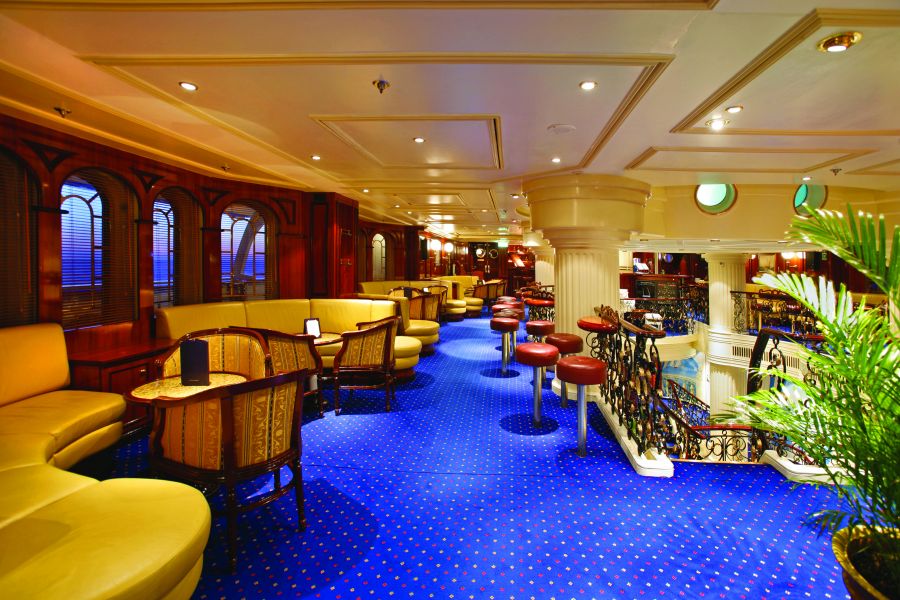
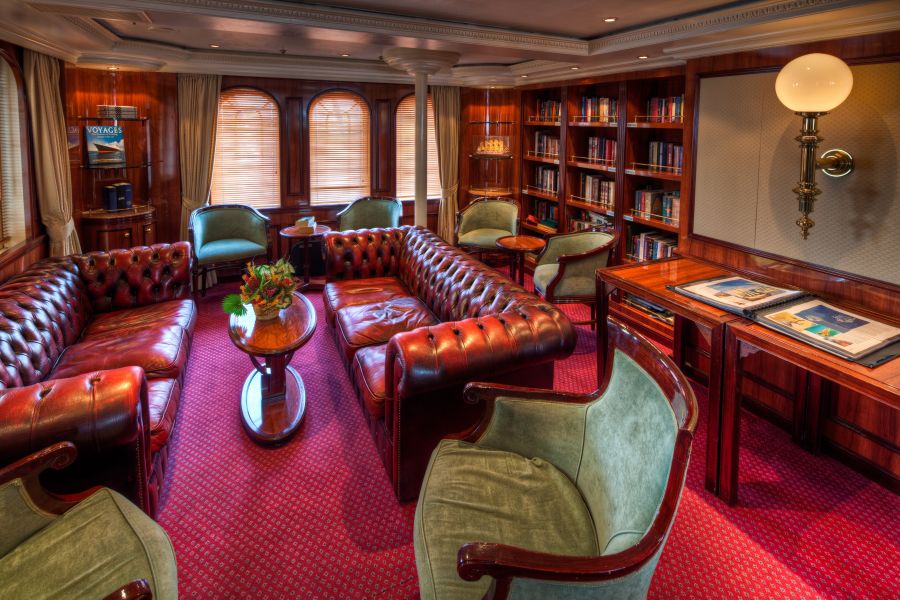
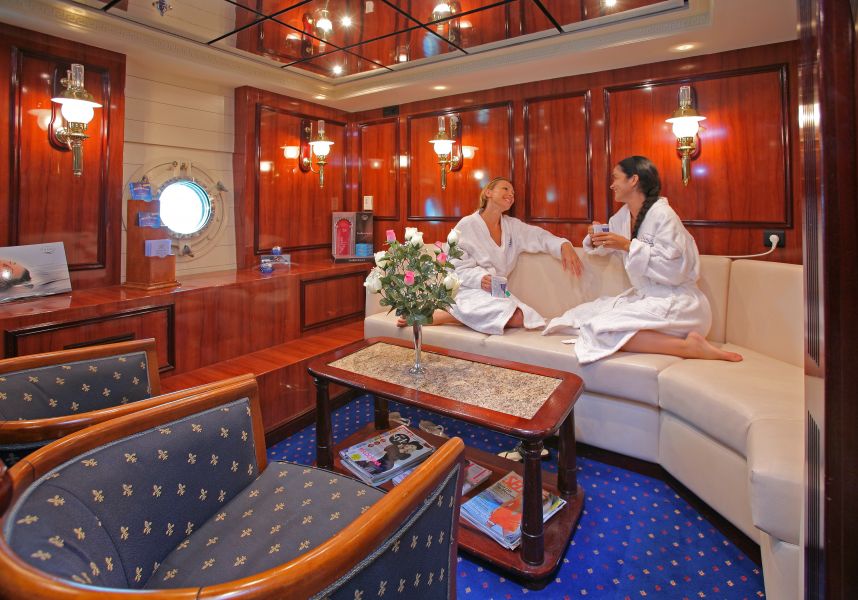
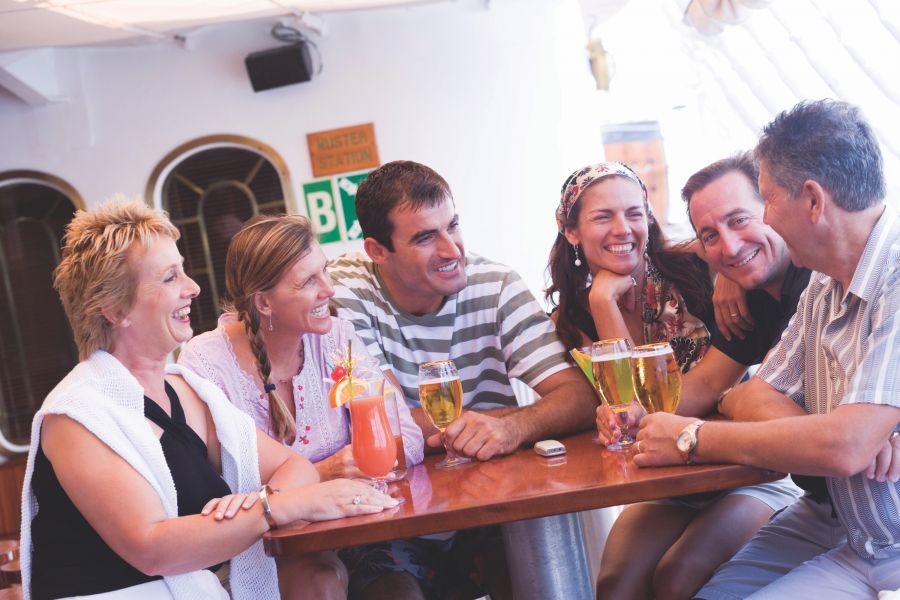
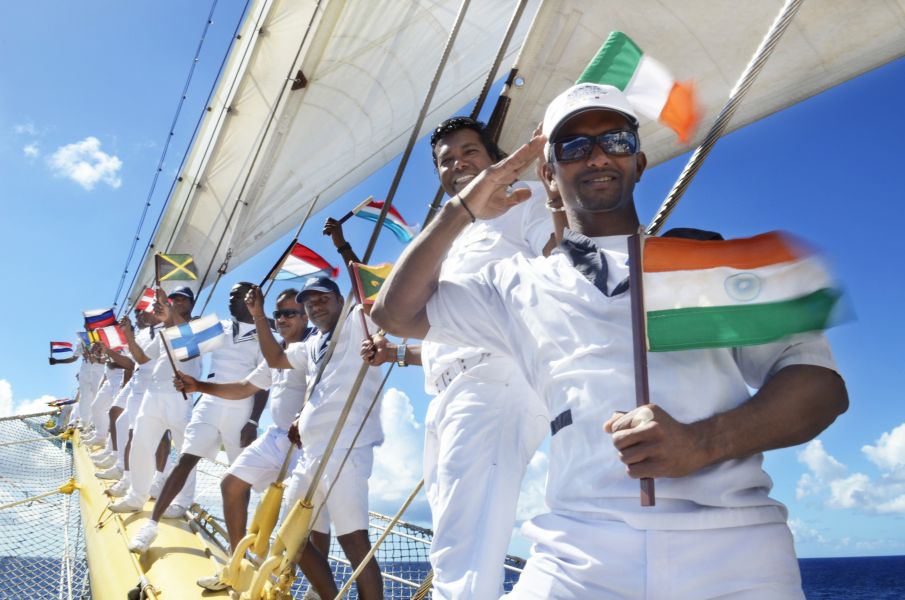
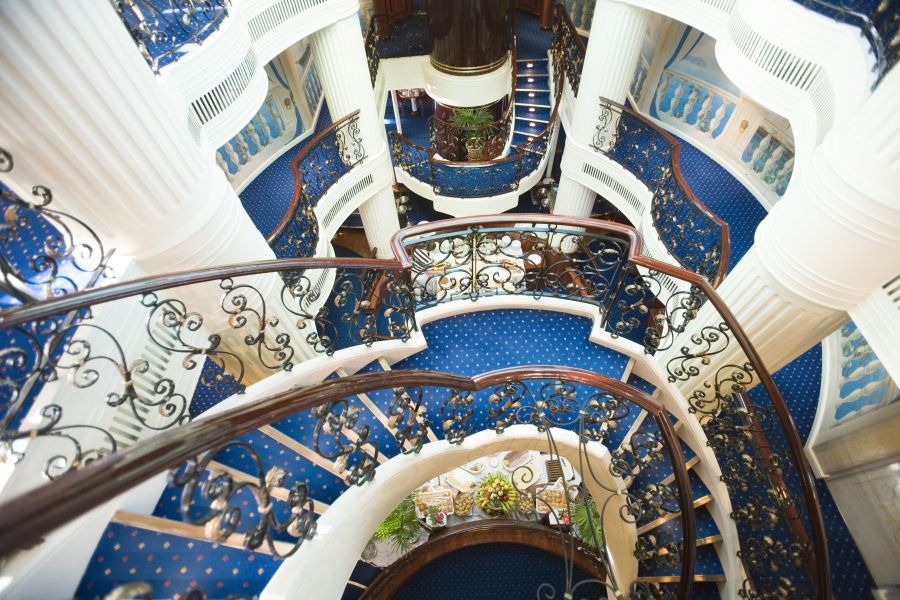
If your time isn't taken up by searching out distant lands from the crow’s nest or enjoying a lovingly prepared meal in the dining room; you can always take a seat in the Observation Lounge, find solitude in the Library, enjoy a drink in the Tropical Bar, or enjoy some live music in the Piano Bar.
The images shown are for illustration purposes only and may not be an exact representation of what you find on the ship.
The images shown are for illustration purposes only and may not be an exact representation of what you find on the ship.

Our Fusion packages are all ABTA & ATOL protected ensuring that your booking is safe with us
| 10 nights aboard the Royal Clipper | |||
| Water sports including water skiing & snorkelling | |||
| Transportation into town (available most ports) | |||
| Unique learn to sail experiences | |||
| Port Taxes and Fees | |||
 | ABTA and ATOL Protection* | ||
Date 26th Oct 2027 |
Nts 10 |
Please call for availability |
| Interior staterooms from | £3,950pp | ||
| CAT6 | Category 6 | £3,950pp | |
| Oceanview staterooms from | £4,075pp | ||
| CAT5 | Category 5 | £4,075pp | |
| CAT4 | Category 4 | £4,395pp | |
| CAT3 | Category 3 | £4,630pp | |
| CAT2 | Category 2 | £4,830pp | |
| CAT1 | Category 1 | £5,330pp | |
| Suite staterooms from | £6,765pp | ||
| DEL | Deluxe Cabin | £6,765pp | |
| OWNC | Owners Cabin | £7,225pp | |
Fusion Holidays when selling travel arrangements is a trading name of Co-op Travel Services Limited, registration 08903986. Fusion Cruises is an Accredited Body Member of Co-op Travel Services Limited ATOL 12904.
Book with Confidence. We are a Member of ABTA which means you have the benefit of ABTA’s assistance and Code of Conduct.
Some of the flights and flight-inclusive holidays on this website are financially protected by the ATOL scheme but ATOL protection does not apply to all holiday and travel services offered on this website. This website will provide you with information on the protection that applies in the case of each holiday and travel service offered before you make your booking. If you do not receive an ATOL Certificate then the booking will not be ATOL protected. If you do receive an ATOL Certificate but all parts of your trip are not listed on it, those parts will not be ATOL protected. Please see our booking conditions for information, or for more information about financial protection and the ATOL Certificate go to: www.caa.co.uk