This site uses cookies as defined in our Cookie Policy, by continuing to use this site you agree to their use.
Continue
| Arrive | Depart | ||||||
| 20th20 | JanJan | 202828 | Colón, Panama, embark on the Star Clipper | ||||
The provincial capital of Colón, beside the canal's Atlantic entrance, is named for the Spanish-language surname of Christopher Columbus, though the Americans called it Aspinwall in the 19th century.. The city was founded in 1850 by Americans working on the Panama railroad and named Aspinwall for one of the railway engineers. Following completion in 1855, Colon gained in importance, which was furthered by the plans for an isthmian canal. During the time of the French canal attempt, a fire in 1885 burned the city nearly to the ground and left thousands of people homeless. Colon was rebuilt in the architectural style then popular in France. Buildings from that era plus the ones constructed by Americans between 1904 and 1914 are still in use today, although the majority is on the verge of collapse. In addition to its importance as a port, Colon boasts the world’s second largest duty-free zone, known as Zona Libre, which is contained in a huge fortress like, walled-off area with giant international stores. However, most of the merchandise is sold in bulk to commercial businesses throughout the country. At the Caribbean entrance to the Panama Canal, Colón is an important maritime gateway closely linked to one of the world’s great waterways. Long shaped by the canal and the shipping routes connecting two oceans, it remains one of Panama’s principal ports. While time ashore may be limited, nearby Agua Clara offers an impressive glimpse of ships transiting the canal’s modern locks. Whether arriving or departing, Colón provides a memorable connection to the rich maritime story of Panama. | |||||||
| 20th20 | JanJan | 202828 | Colón, Panama | ||||
The provincial capital of Colón, beside the canal's Atlantic entrance, is named for the Spanish-language surname of Christopher Columbus, though the Americans called it Aspinwall in the 19th century.. The city was founded in 1850 by Americans working on the Panama railroad and named Aspinwall for one of the railway engineers. Following completion in 1855, Colon gained in importance, which was furthered by the plans for an isthmian canal. During the time of the French canal attempt, a fire in 1885 burned the city nearly to the ground and left thousands of people homeless. Colon was rebuilt in the architectural style then popular in France. Buildings from that era plus the ones constructed by Americans between 1904 and 1914 are still in use today, although the majority is on the verge of collapse. In addition to its importance as a port, Colon boasts the world’s second largest duty-free zone, known as Zona Libre, which is contained in a huge fortress like, walled-off area with giant international stores. However, most of the merchandise is sold in bulk to commercial businesses throughout the country. At the Caribbean entrance to the Panama Canal, Colón is an important maritime gateway closely linked to one of the world’s great waterways. Long shaped by the canal and the shipping routes connecting two oceans, it remains one of Panama’s principal ports. While time ashore may be limited, nearby Agua Clara offers an impressive glimpse of ships transiting the canal’s modern locks. Whether arriving or departing, Colón provides a memorable connection to the rich maritime story of Panama. | |||||||
| 21st21 | JanJan | 202828 | At Sea | ||||
| 22nd22 | JanJan | 202828 | Isla del Rey, Pearl Islands, Panama | ||||
| Scattered across the Gulf of Panama, the Pearl Islands are a dreamy archipelago of emerald isles, white-sand beaches and clear, sunlit waters. Once famed for the pearl oysters that gave the islands their name, and later for tales of pirates and hidden treasure, Las Perlas still feels wonderfully remote and untouched. Isla del Rey, the largest island in the group, is also one of the most peaceful, with only a handful of small settlements and a wild beauty that remains largely undisturbed. Jungle-covered hills, quiet coves and vibrant marine life make this an idyllic escape, where snorkelling, swimming and exploring ashore reveal the natural riches of these enchanting islands. | |||||||
| 22nd22 | JanJan | 202828 | Isla del Rey, Pearl Islands, Panama | ||||
| Scattered across the Gulf of Panama, the Pearl Islands are a dreamy archipelago of emerald isles, white-sand beaches and clear, sunlit waters. Once famed for the pearl oysters that gave the islands their name, and later for tales of pirates and hidden treasure, Las Perlas still feels wonderfully remote and untouched. Isla del Rey, the largest island in the group, is also one of the most peaceful, with only a handful of small settlements and a wild beauty that remains largely undisturbed. Jungle-covered hills, quiet coves and vibrant marine life make this an idyllic escape, where snorkelling, swimming and exploring ashore reveal the natural riches of these enchanting islands. | |||||||
| 23rd23 | JanJan | 202828 | Isla Iguana, Panama | ||||
| Isla Iguana is a natural attraction of the Azuero Peninsula offering the only white sand beach in the region and beautiful clear waters. Accessible only by boat and Inhabited by rare birds, purple and red crabs and of course iguanas, it's considered to be a wildlife refuge. It is great for snorkelling and you may spot morey eeels, rays and turtles swimming in the warm waters. There is also a hiking trail that you can follow where you can see nesting birds. | |||||||
| 23rd23 | JanJan | 202828 | Isla Iguana, Panama | ||||
| Isla Iguana is a natural attraction of the Azuero Peninsula offering the only white sand beach in the region and beautiful clear waters. Accessible only by boat and Inhabited by rare birds, purple and red crabs and of course iguanas, it's considered to be a wildlife refuge. It is great for snorkelling and you may spot morey eeels, rays and turtles swimming in the warm waters. There is also a hiking trail that you can follow where you can see nesting birds. | |||||||
| 24th24 | JanJan | 202828 | Coiba Island, Panama | ||||
| Nestled off the Pacific coast of Panama, Coiba National Park boasts a rich tapestry of biodiversity within its azure waters and dense rainforest. Recognized as a UNESCO World Heritage Site, this pristine sanctuary encompasses the largest island in Central America, Coiba Island, along with 38 smaller islands. A haven for marine life, including sharks, dolphins, and humpback whales, the park's coral reefs teem with vibrant fish species. On land, it shelters rare flora and fauna, including the endemic Coiba spinetail bird. Once a penal colony, its remote location has helped preserve its natural splendor, offering visitors a glimpse into a pristine ecosystem largely untouched by human development. | |||||||
| 24th24 | JanJan | 202828 | Coiba Island, Panama | ||||
| Nestled off the Pacific coast of Panama, Coiba National Park boasts a rich tapestry of biodiversity within its azure waters and dense rainforest. Recognized as a UNESCO World Heritage Site, this pristine sanctuary encompasses the largest island in Central America, Coiba Island, along with 38 smaller islands. A haven for marine life, including sharks, dolphins, and humpback whales, the park's coral reefs teem with vibrant fish species. On land, it shelters rare flora and fauna, including the endemic Coiba spinetail bird. Once a penal colony, its remote location has helped preserve its natural splendor, offering visitors a glimpse into a pristine ecosystem largely untouched by human development. | |||||||
| 25th25 | JanJan | 202828 | Isla Catalana, Mexico | ||||
| Golfo de Chiriqui is home to a national marine park with an area of just over 147 sq km, protecting 25 islands and 19 coral reefs which host abundant wildlife. It's home to howler monkeys, several types of nesting sea turtles and 280 recorded bird species. You can snorkel, surf or kayak in the calm waters or take a big game fishing trip. | |||||||
| 25th25 | JanJan | 202828 | Isla Catalana, Mexico | ||||
| Golfo de Chiriqui is home to a national marine park with an area of just over 147 sq km, protecting 25 islands and 19 coral reefs which host abundant wildlife. It's home to howler monkeys, several types of nesting sea turtles and 280 recorded bird species. You can snorkel, surf or kayak in the calm waters or take a big game fishing trip. | |||||||
| 26th26 | JanJan | 202828 | Isla Parida, Panama | ||||
| Golfito is Costa Rica's most southern port town. It was built for bananas export when the United Fruit Company moved its regional headquarters here in the '30s and remained until it's departure in the 1980s. Today it acts as a gateway to visitors who wish to surf at Pavones or take part in sport-fishing. There are other activities on offer including dolphin watch and kayaking to nearby mangrove forests. | |||||||
| 26th26 | JanJan | 202828 | Isla Parida, Panama | ||||
| Golfito is Costa Rica's most southern port town. It was built for bananas export when the United Fruit Company moved its regional headquarters here in the '30s and remained until it's departure in the 1980s. Today it acts as a gateway to visitors who wish to surf at Pavones or take part in sport-fishing. There are other activities on offer including dolphin watch and kayaking to nearby mangrove forests. | |||||||
| 27th27 | JanJan | 202828 | Quepos (Puerto Quepos), Costa Rica | ||||
Quepos allows tourists to experience a once in a lifetime nature experience in Manuel Antonio National Park without leaving any of the familiar amenities behind. The close proximity of the park, located just 4.3 miles (7 km) to the south, and a wide array of services makes Quepos the perfect place to visit for those who wish to explore this enchanting area. The amenities available include everything from banks, restaurants, hotels, gift shops, bakeries, bars, a hospital, supermarket and even a post office. The area was once dependent on banana plantations which used to line the surrounding area. After disease infiltrated the harvest, interest transferred to African Palms as the prominent crop. Now, tourism has deemed itself the major economic factor, contributing to just about everything in the area. Quepos lures in many tourists for its fantastic sport fishing. In fact, some have come solely to participate in this world class experience and have never left, but besides sport fishing, many other activities are available. Exploring this maze of wetlands by boat is amazing but not the only way to see crocodiles, monkeys, herons, raccoons and more. This small paradise has the perfect balance between nature and the comfort and facilities someone might need. The small busy town of Quepos serves as the gateway to the Manuel Antonio National Park. Although the rapid rise in ecotourism has meant that Quepos has been descended upon it, has largely retained it's authentic feel.There is a good restaurant scene, the streets are easy to navigate and the locals are friendly. | |||||||
| 27th27 | JanJan | 202828 | Quepos (Puerto Quepos), Costa Rica | ||||
Quepos allows tourists to experience a once in a lifetime nature experience in Manuel Antonio National Park without leaving any of the familiar amenities behind. The close proximity of the park, located just 4.3 miles (7 km) to the south, and a wide array of services makes Quepos the perfect place to visit for those who wish to explore this enchanting area. The amenities available include everything from banks, restaurants, hotels, gift shops, bakeries, bars, a hospital, supermarket and even a post office. The area was once dependent on banana plantations which used to line the surrounding area. After disease infiltrated the harvest, interest transferred to African Palms as the prominent crop. Now, tourism has deemed itself the major economic factor, contributing to just about everything in the area. Quepos lures in many tourists for its fantastic sport fishing. In fact, some have come solely to participate in this world class experience and have never left, but besides sport fishing, many other activities are available. Exploring this maze of wetlands by boat is amazing but not the only way to see crocodiles, monkeys, herons, raccoons and more. This small paradise has the perfect balance between nature and the comfort and facilities someone might need. The small busy town of Quepos serves as the gateway to the Manuel Antonio National Park. Although the rapid rise in ecotourism has meant that Quepos has been descended upon it, has largely retained it's authentic feel.There is a good restaurant scene, the streets are easy to navigate and the locals are friendly. | |||||||
| 28th28 | JanJan | 202828 | Tortuga Island, Costa Rica | ||||
Named after its turtle-shaped volcanic rock formations, Isla Tortuga is a small island set just off the tip of Nicoya Peninsula’s southern coast. The island offers a unique combination of white pristine beaches, palm trees, red volcanic rocks, verdant jungles and sparkling crystals that line the shores. Sunlight reaches right through the crystal clear waters at Isla Tortuga, making it a sought-after destination for snorkelers and scuba divers. Just east of the island is the Curu Wildlife Refuge offers some of the region’s best wildlife watching, including sightings of capuchin and howler monkeys, river otters, and deer on the ground, and a diverse ecology of underwater wildlife that can be accessed via snorkeling. Most commonly seen species are mantarays, reef sharks, octupus, stingrays, angle fish and spinner dolphins. Isla Tortuga is widely regarded as the most beautiful island in Costa Rica. With giant coconut palms framing powder soft whitte sand beaches that are lapped by crystal clear turquoise waters, this really is a tropical paradise. You can also play beach volleyball, rent a kayak, swim, or even get a ride of a glass-bottom boat. However if you are feeling adventuous you can ride the zip line as part of a canopy tour. | |||||||
| 28th28 | JanJan | 202828 | Tortuga Island, Costa Rica | ||||
Named after its turtle-shaped volcanic rock formations, Isla Tortuga is a small island set just off the tip of Nicoya Peninsula’s southern coast. The island offers a unique combination of white pristine beaches, palm trees, red volcanic rocks, verdant jungles and sparkling crystals that line the shores. Sunlight reaches right through the crystal clear waters at Isla Tortuga, making it a sought-after destination for snorkelers and scuba divers. Just east of the island is the Curu Wildlife Refuge offers some of the region’s best wildlife watching, including sightings of capuchin and howler monkeys, river otters, and deer on the ground, and a diverse ecology of underwater wildlife that can be accessed via snorkeling. Most commonly seen species are mantarays, reef sharks, octupus, stingrays, angle fish and spinner dolphins. Isla Tortuga is widely regarded as the most beautiful island in Costa Rica. With giant coconut palms framing powder soft whitte sand beaches that are lapped by crystal clear turquoise waters, this really is a tropical paradise. You can also play beach volleyball, rent a kayak, swim, or even get a ride of a glass-bottom boat. However if you are feeling adventuous you can ride the zip line as part of a canopy tour. | |||||||
| 29th29 | JanJan | 202828 | Puerto Caldera, Costa Rica | ||||
| Puerto Caldera is the cruise port that is the major gateway to Costa Rica's Pacific Coast, at 80 km distance from the capital San José. A cruise extension to the Arenal Volcano or Monteverde Cloud Forest is not to be missed | |||||||

| 29th29 | JanJan | 202828 | Puerto Caldera, Costa Rica, disembark the Star Clipper | ||||
| Puerto Caldera is the cruise port that is the major gateway to Costa Rica's Pacific Coast, at 80 km distance from the capital San José. A cruise extension to the Arenal Volcano or Monteverde Cloud Forest is not to be missed | |||||||
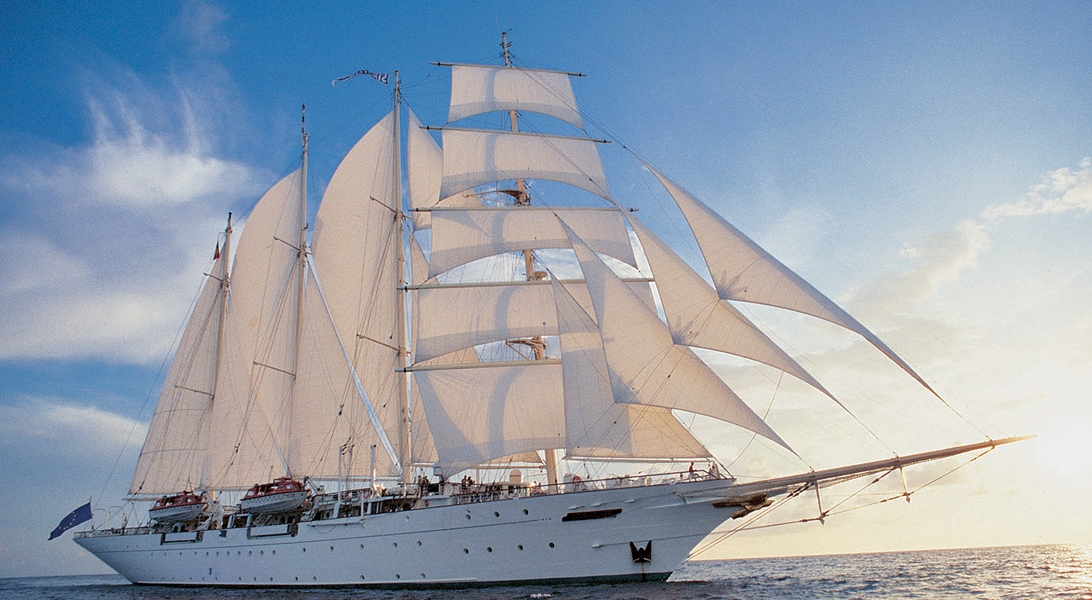
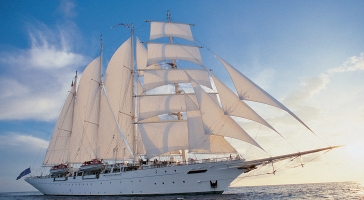
The images shown are for illustration purposes only and may not be an exact representation of what you find on the ship.
When you rise, help yourself to a continental breakfast with Parisian croissants or sweet Danish pastries. Or savour a full breakfast with fresh tropical fruit and crisp bacon, grilled sausage and omelettes cooked to order in the dining room.
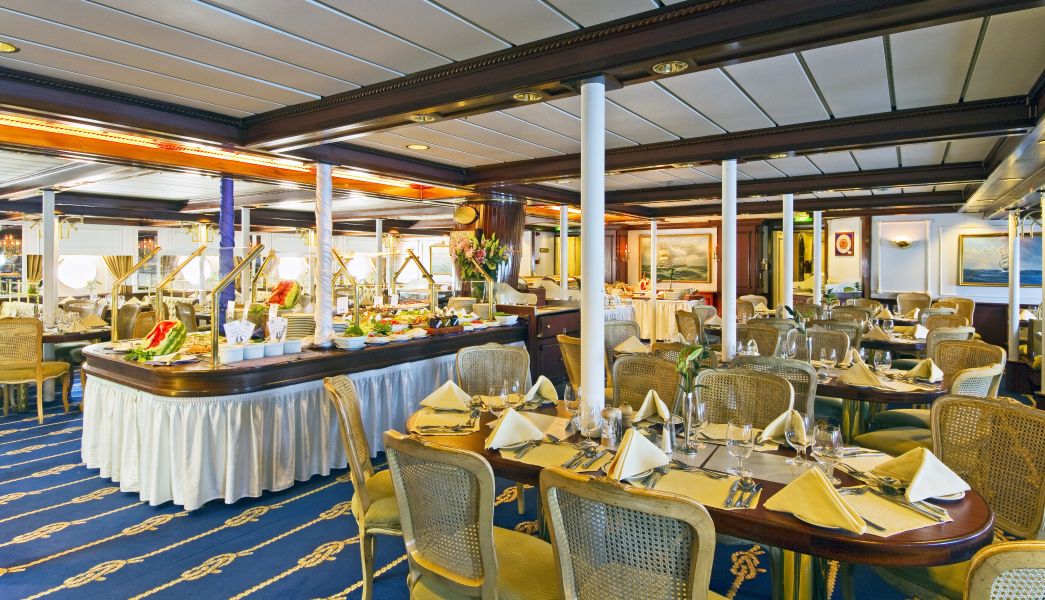
At lunch, a marvellous buffet of seafood, salads and grilled favourites awaits your pleasure. If the day includes a stop at one of the paradisical islands we frequent, you might also be treated to a succulent outdoor barbecue on shore.
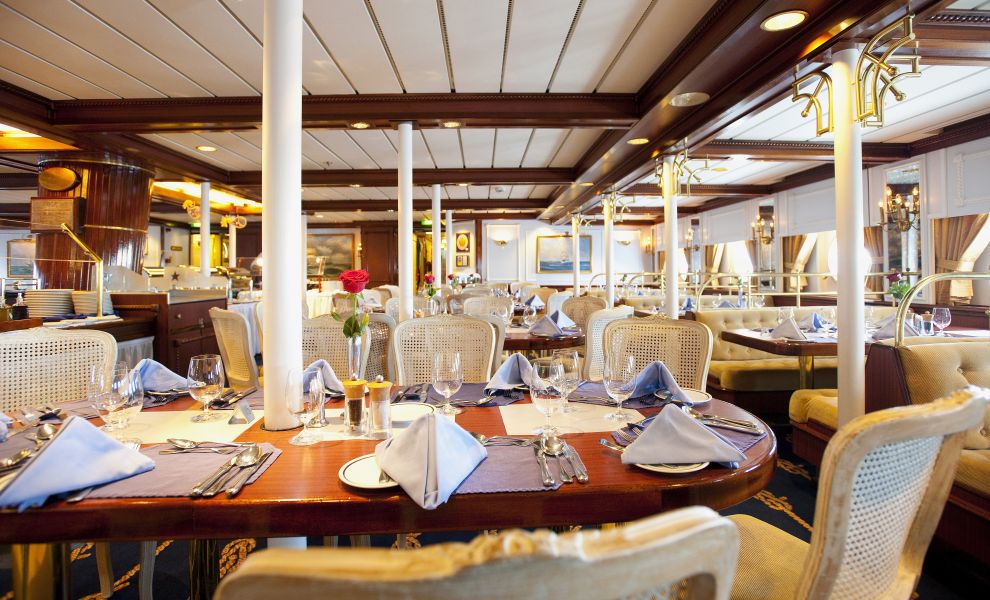
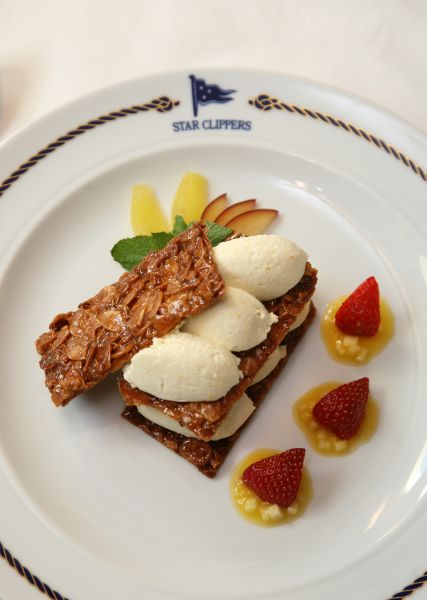
When evening comes, our elegantly appointed dining room becomes the setting for the chef’s finest culinary presentations, designed to please the eye and the palate, complemented by a selection of equally fine wines.
You’ll find our service to be friendly and gracious, befitting a tasteful restaurant. Of course, we would not presume to dictate your seating preferences. On all three ships, you are free to dine when and with whomever you wish - including with our officers, who join our guests in the dining room most nights. The dress code? No need for formal gowns and black tie, casual elegance is the order of the day and every single night.
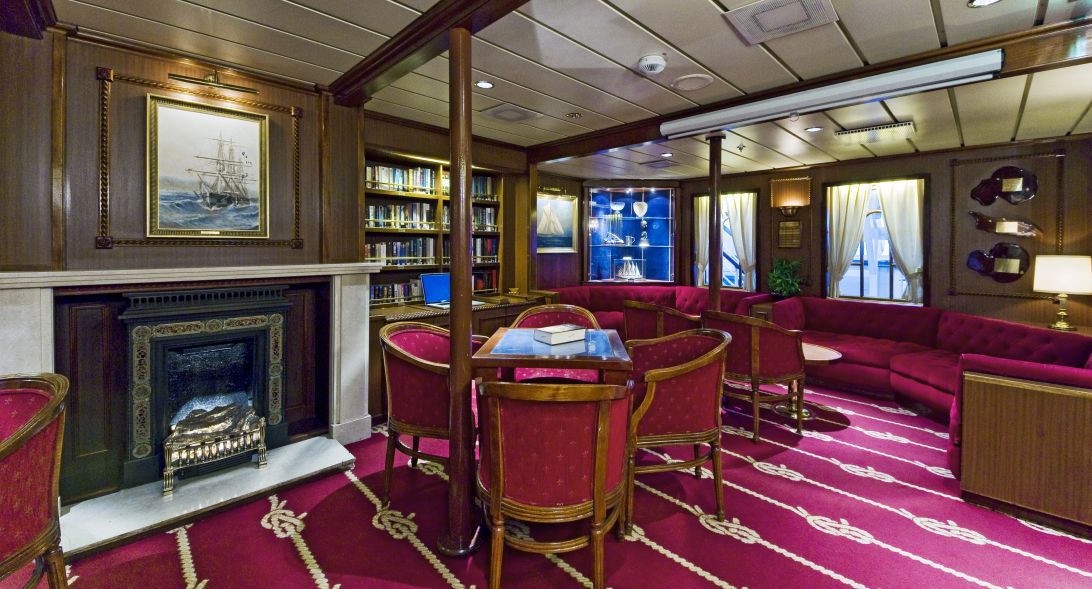
The images shown are for illustration purposes only and may not be an exact representation of what you find on the ship.
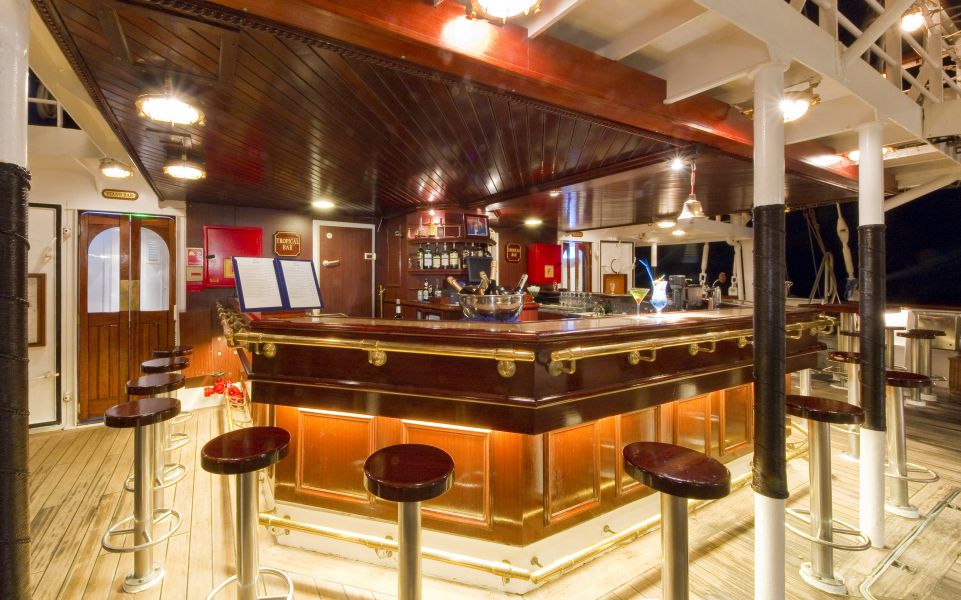
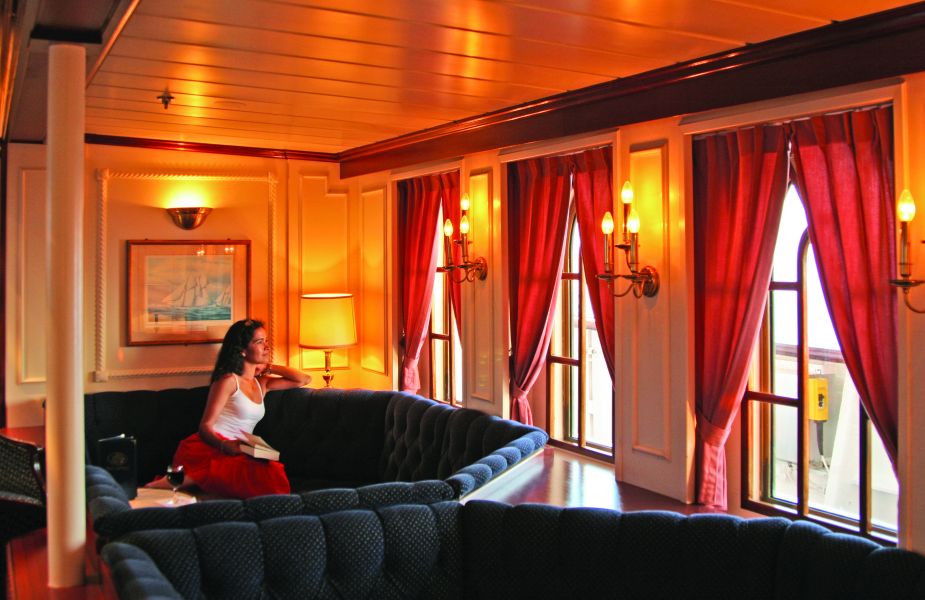
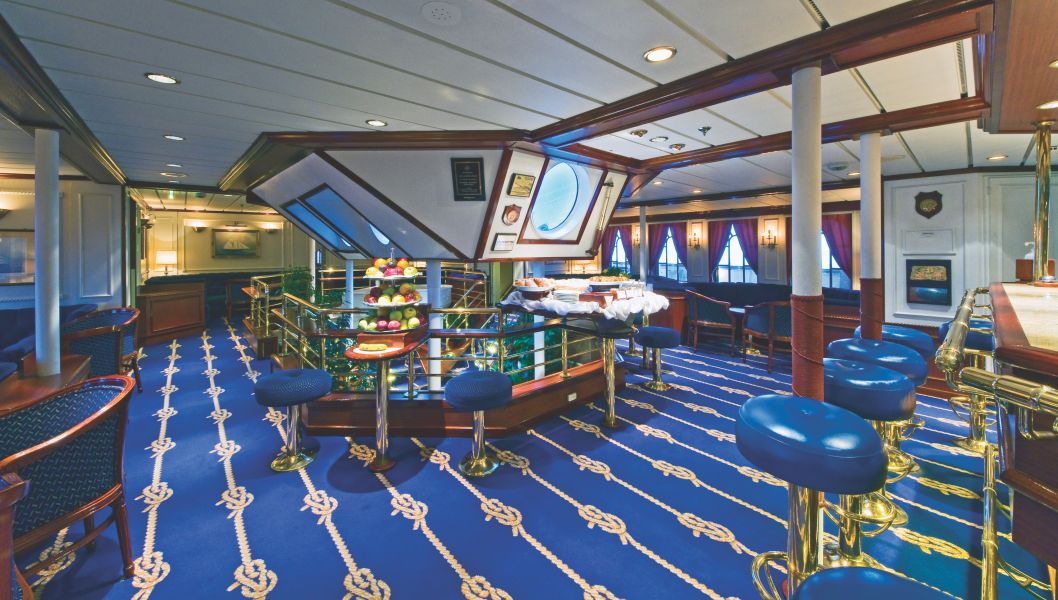
If your time isn't taken up by searching out distant lands from the crow’s nest or enjoying a lovingly prepared meal in the dining room; you can always take a seat in the Observation Lounge, find solitude in the Library, enjoy a drink in the Tropical Bar, or enjoy some live music in the Piano Bar.
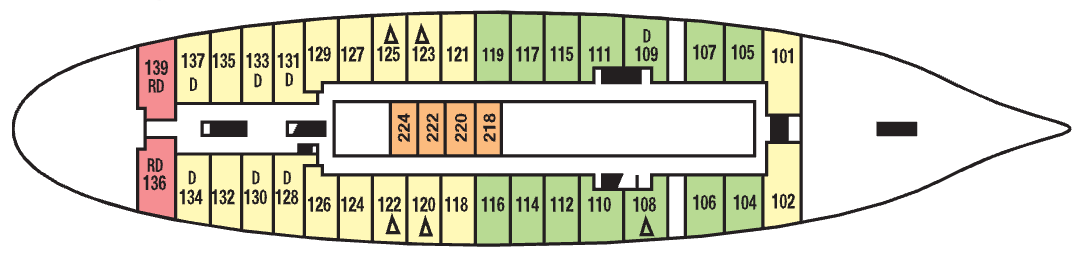
The images shown are for illustration purposes only and may not be an exact representation of what you find on the ship.
| 9 nights aboard the Star Clipper | |||
| Water sports including water skiing & snorkelling | |||
| Transportation into town (available most ports) | |||
| Unique learn to sail experiences | |||
| Port Taxes and Fees | |||
![]() | ABTA and ATOL Protection* | ||
Date 20th Jan 2028 |
Nts 9 |
Please call for availability |
| Interior staterooms from | £4,110pp | ||
| CAT6 | Category 6 | £4,110pp | |
| Oceanview staterooms from | £4,370pp | ||
| CAT5 | Category 5 | £4,370pp | |
| CAT4 | Category 4 | £4,655pp | |
| CAT3 | Category 3 | £4,855pp | |
| CAT2 | Category 2 | £5,045pp | |
| CAT1 | Category 1 | £5,510pp | |
| OWNC | Owners Cabin | £6,800pp | |
Fusion Cruises when selling travel arrangements is a trading name of Co-op Travel Services Ltd. Fusion Cruises is an Accredited Body Member of Co-operative Travel Consortium. (ABTA:P6652, ATOL:12904).
Book with Confidence. We are a Member of ABTA which means you have the benefit of ABTA’s assistance and Code of Conduct.
Some of the flights and flight-inclusive holidays on this website are financially protected by the ATOL scheme but ATOL protection does not apply to all holiday and travel services offered on this website. This website will provide you with information on the protection that applies in the case of each holiday and travel service offered before you make your booking. If you do not receive an ATOL Certificate then the booking will not be ATOL protected. If you do receive an ATOL Certificate but all parts of your trip are not listed on it, those parts will not be ATOL protected. Please see our booking conditions for information, or for more information about financial protection and the ATOL Certificate go to: www.caa.co.uk