This site uses cookies as defined in our Cookie Policy, by continuing to use this site you agree to their use.
Continue

| Arrive | Depart | ||||||
| 31st31 | JulJul | 202727 | Civitavecchia, Italy, embark on the Star Clipper | ||||
Italy's vibrant capital lives in the present, but no other city on earth evokes its past so powerfully. For over 2,500 years, emperors, popes, artists, and common citizens have left their mark here. Archaeological remains from ancient Rome, art-stuffed churches, and the treasures of Vatican City vie for your attention, but Rome is also a wonderful place to practice the Italian-perfected il dolce far niente, the sweet art of idleness. Your most memorable experiences may include sitting at a caffè in the Campo de' Fiori or strolling in a beguiling piazza. Civitavecchia is an important seaport serving Rome, the Italian capital. As a key entry point for Mediterranean cruises and ferries crossing the Tyrrhenian Sea, Civitavecchia offers a gateway to a variety of destinations in Italy and beyond. The city is 70 km from Rome and 62 km to Fiumiccino airport. | |||||||
| 1st01 | AugAug | 202727 | Ponza Island, Italy | ||||
| The pastel houses of Ponza Town rise in neat terraced rows from the busy harbour where sleekly groomed yachts and ramshackle fishing boats moor side by side. Happily, there are few tourists here, so it's a delight to wander through the unspoiled town. | |||||||
| 2nd02 | AugAug | 202727 | Amalfi, Italy | ||||
At first glance, it's hard to imagine that this resort destination was one of the world's great naval powers, and a sturdy rival of Genoa and Pisa for control of the Mediterranean in the 11th and 12th centuries. Once the seat of the Amalfi Maritime Republic, the town is set in a verdant valley of the Lattari Mountains, with cream-colored and pastel-hued buildings tightly packing a gorge on the Bay of Salerno. The harbor, which once launched the greatest fleet in Italy, now bobs with ferries and blue-and-white fishing boats. The main street, lined with shops and pasticcerie, has replaced a raging mountain torrent, and terraced hills flaunt the green and gold of lemon groves. Bearing testimony to its great trade with Tunis, Tripoli, and Algiers, Amalfi remains honeycombed with Arab-Sicilian cloisters and covered passages. In a way Amalfi has become great again, showing off its medieval glory days with sea pageants, convents-turned-hotels, ancient paper mills, covered streets, and its glimmering cathedral. During the Middle Ages, Amalfi was a powerful republic of 70,000 people, rivalling nearby Ravello. For a sense of Amalfi's medieval glory, wander through the grand Duomo, containing the remains of St. Andrew. Amalfi is a magnificent coastal town offering an enchanting blend of natural beauty, rich history and Mediterranean charm. | |||||||
| 3rd03 | AugAug | 202727 | Lipari, Italy | ||||
The largest and most developed of the Aeolians, Lipari welcomes you with distinctive pastel-color houses. Fields of spiky agaves dot the northernmost tip of the island, Acquacalda, indented with pumice and obsidian quarries. In the west is San Calogero, where you can explore hot springs and mud baths. From the red-lava base of the island rises a plateau crowned with a 16th-century castle and a 17th-century cathedral. The Aeolian archipelago is made up of 7 islands of volcanic origin, of which only Stromboli and Vulcano are still active volcanoes. The main island is Lipari, which offers travellers arriving by boat a beautiful panorama of its Acropolis, presided over by the Cathedral. Its marina is bustling with shops, boutiques and stalls... it's an island where life is good. | |||||||
| 4th04 | AugAug | 202727 | Siracuse, Sicily, Italy | ||||
Siracusa, known to English speakers as Syracuse, is a wonder to behold. One of the great ancient capitals of Western civilization, the city was founded in 734 BC by Greek colonists from Corinth and soon grew to rival, and even surpass, Athens in splendor and power. It became the largest, wealthiest city-state in the West and a bulwark of Greek civilization. Although Siracusa lived under tyranny, rulers such as Dionysius filled their courts with Greeks of the highest cultural stature—among them the playwrights Aeschylus and Euripides, and the philosopher Plato. The Athenians, who didn't welcome Siracusa's rise, set out to conquer Sicily, but the natives outsmarted them in what was one of the greatest military campaigns in ancient history (413 BC). The city continued to prosper until it was conquered two centuries later by the Romans.Present-day Siracusa still has some of the finest examples of Baroque art and architecture; dramatic Greek and Roman ruins; and a Duomo that's the stuff of legend—a microcosm of the city's entire history in one building. The modern city also has a wonderful, lively, Baroque old town worthy of extensive exploration, as well as pleasant piazzas, outdoor cafés and bars, and a wide assortment of excellent seafood. There are essentially two areas to explore in Siracusa: the Parco Archeologico (Archaeological Zone), on the mainland; and the island of Ortygia, the ancient city first inhabited by the Greeks, which juts out into the Ionian Sea and is connected to the mainland by two small bridges. Ortygia is becoming increasingly popular with tourists, and is starting to lose its old-fashioned charm in favor of modern boutiques.Siracusa's old nucleus of Ortygia, a compact area, is a pleasure to amble around without getting unduly tired. In contrast, mainland Siracusa is a grid of wider avenues. At the northern end of Corso Gelone, above Viale Paolo Orsi, the orderly grid gives way to the ancient quarter of Neapolis, where the sprawling Parco Archeologico is accessible from Viale Teracati (an extension of Corso Gelone). East of Viale Teracati, about a 10-minute walk from the Parco Archeologico, the district of Tyche holds the archaeological museum and the church and catacombs of San Giovanni, both off Viale Teocrito (drive or take a taxi or city bus from Ortygia). Coming from the train station, it's a 15-minute trudge to Ortygia along Via Francesco Crispi and Corso Umberto. If you're not up for that, take one of the free electric buses leaving every 10 minutes from the bus station around the corner. Syracuse is a city on the Ionian coast of Sicily that's known for its ancient ruins. It was once the largest city in the world, bigger than Athens and Corinth and as you can imagine it's steeped in history. Visit Parco Archeologico della Neapolis, one of Sicily's greatest archaeological sites. Relax in one of it's stylish little cafes that surround it's beautiful baroque piazzas before wandering down it's medieval lanes towards the sparkling blue sea. | |||||||
| 5th05 | AugAug | 202727 | At Sea | ||||
| 6th06 | AugAug | 202727 | Katakolon, Greece | ||||
Katakolon could not seem less of a cruise port if it tried. A tiny enclave clinging to the western Peloponnese coast, it's a sleepy place except when ships dock. But it's a popular cruise destination because of its proximity to Olympia. Ancient Olympia was one of the most important cities in classical Greece. The Sanctuary of Zeus was the city's raison d'être, and attracted pilgrims from around the eastern Mediterranean, and later the city played host to Olympic Games, the original athletic games that were the inspiration for today's modern sporting pan-planetary meet. At the foot of the tree-covered Kronion hill, in a valley near two rivers, Katakolon is today one of the most popular ancient sites in Greece. If you don't want to make the trip to Olympia, then Katakolon is an ideal place for a leisurely Greek lunch while you watch the fishermen mend their nets, but there's just not much else to do there. A charming port town on Greece's Peloponnese peninsula, Katakolon serves as a gateway to the ancient site of Olympia, the birthplace of the Olympic Games. Passengers can explore the ancient ruins with our optional tour. Katakolon itself offers a picturesque waterfront lined with shops and cafes, providing a relaxing prelude or conclusion to the historical exploration of Olympia. | |||||||
| 7th07 | AugAug | 202727 | Gythio, Greece | ||||
| Located in the Peloponnese region of Greece, Gythio is a charming coastal town known for its beautiful beaches and vibrant harbor. It offers a mix of traditional Greek culture and modern amenities, with picturesque streets lined with neoclassical buildings. Visitors can enjoy fresh seafood at waterfront tavernas and explore nearby ancient sites like the ruins of Sparta. The scenic views and relaxed atmosphere make it an ideal destination for a coastal getaway. | |||||||
| 8th08 | AugAug | 202727 | Sifnos, Greece | ||||
| Sifnos, a tranquil jewel in the Aegean Sea, enchants travelers with its harmonious blend of Greek tradition and natural beauty. This Cycladic island is celebrated for its pristine beaches, traditional villages adorned with whitewashed buildings, and a vibrant culinary scene. The island's picturesque churches, winding cobblestone streets, and charming tavernas create an authentic Greek ambiance that's both relaxing and invigorating. Sifnos is renowned for its local cuisine, featuring delectable specialties like chickpea soup and honey-drenched pastries. With its serene beaches and warm hospitality, Sifnos is a perfect destination for those seeking an unspoiled Greek island experience. | |||||||
| 9th09 | AugAug | 202727 | Kleftiko, Greece | ||||
| Weather permitting, the ship anchors at Kleftiko, one of the most breathtaking natural wonders of Milos. Once a pirate hideout, this secluded bay is famed for its dazzling white cliffs, sea caves, and luminous turquoise water. Passengers can swim, snorkel, or simply float beneath towering rock formations sculpted by wind and sea. The light dances across the surface, creating an ever-changing palette of blues and silvers. Peaceful and unforgettable, this morning swim stop is one of the most memorable moments of any Star Clippers voyage - a rare chance to experience the wild beauty of the Aegean at its purest. | |||||||
| 9th09 | AugAug | 202727 | Milos, Greece | ||||
Milos or Melos is a volcanic Greek island in the Aegean Sea, just north of the Sea of Crete. Milos is the southwesternmost island in the Cyclades group. The Venus de Milo and the Asclepius of Milos were both found on the island, as were a Poseidon and an archaic Apollo now in Athens. Milos, a gem of the Cyclades Islands, is famous for its striking volcanic landscape and colourful cliffs, as well as its more than 70 unique beaches boasting crystal-clear waters. Adamas, the island's main port, is nestled in a sweeping natural bay. This bustling harbour town boasts inviting tavernas where visitors can sample local delicacies and enjoy the gentle hum of fishing boats bobbing on the turquoise water. Venture inland to discover Milos's hidden gems, such as Sarakiniko Bay's otherworldly landscape, Plaka's narrow streets and breathtaking views, and the vibrant fishermen's village of Klima with its distinctive 'syrmata' houses. Adamas is a welcoming gateway and a serene retreat in the heart of the Cyclades. | |||||||
| 10th10 | AugAug | 202727 | Hydra, Greece | ||||
Rising from the turquoise expanse of the sunny Mediterranean, Hydra is the counterpoint of choice for Athenians - who can swap the city chaos for blissful relaxation with an hour’s boat journey. Known for its inspiring celebrity appeal - Leonard Cohen bought a house here in the 60s - Hydra is a pretty island of rising streets, whitewash mansions, and carefree clamour. Located a stone's throw from the Greek mainland, the authorities have resisted the temptation to cash in, meaning Hydra remains an endearing time-warp, which revels in life in the slow lane. With cars and new building developments banned – discover an island of donkeys plodding cobbled streets, and fishing boats undulating gently on the harbour’s waves. Hydra is a town of stately mansions all built around 1800 by blockade runners who had made fortunes outwitting the British during the Napoleonic Wars. As there are no cars, for the spectacular view from the Monastery of Ilias you'll have to ride a donkey to the top. | |||||||
| 11th11 | AugAug | 202727 | Piraeus, Greece, disembark the Star Clipper | ||||
It's no wonder that all roads lead to the fascinating and maddening metropolis of Athens. Lift your eyes 200 feet above the city to the Parthenon, its honey-color marble columns rising from a massive limestone base, and you behold architectural perfection that has not been surpassed in 2,500 years. But, today, this shrine of classical form dominates a 21st-century boomtown. To experience Athens—Athína in Greek—fully is to understand the essence of Greece: ancient monuments surviving in a sea of cement, startling beauty amid the squalor, tradition juxtaposed with modernity. Locals depend on humor and flexibility to deal with the chaos; you should do the same. The rewards are immense. Although Athens covers a huge area, the major landmarks of the ancient Greek, Roman, and Byzantine periods are close to the modern city center. You can easily walk from the Acropolis to many other key sites, taking time to browse in shops and relax in cafés and tavernas along the way. From many quarters of the city you can glimpse "the glory that was Greece" in the form of the Acropolis looming above the horizon, but only by actually climbing that rocky precipice can you feel the impact of the ancient settlement. The Acropolis and Filopappou, two craggy hills sitting side by side; the ancient Agora (marketplace); and Kerameikos, the first cemetery, form the core of ancient and Roman Athens. Along the Unification of Archaeological Sites promenade, you can follow stone-paved, tree-lined walkways from site to site, undisturbed by traffic. Cars have also been banned or reduced in other streets in the historical center. In the National Archaeological Museum, vast numbers of artifacts illustrate the many millennia of Greek civilization; smaller museums such as the Goulandris Museum of Cycladic Art Museum and the Byzantine and Christian Museum illuminate the history of particular regions or periods. Athens may seem like one huge city, but it is really a conglomeration of neighborhoods with distinctive characters. The Eastern influences that prevailed during the 400-year rule of the Ottoman Empire are still evident in Monastiraki, the bazaar area near the foot of the Acropolis. On the northern slope of the Acropolis, stroll through Plaka (if possible by moonlight), an area of tranquil streets lined with renovated mansions, to get the flavor of the 19th-century's gracious lifestyle. The narrow lanes of Anafiotika, a section of Plaka, thread past tiny churches and small, color-washed houses with wooden upper stories, recalling a Cycladic island village. In this maze of winding streets, vestiges of the older city are everywhere: crumbling stairways lined with festive tavernas; dank cellars filled with wine vats; occasionally a court or diminutive garden, enclosed within high walls and filled with magnolia trees and the flaming trumpet-shaped flowers of hibiscus bushes. Formerly run-down old quarters, such as Thission, Gazi and Psirri, popular nightlife areas filled with bars and mezedopoleia (similar to tapas bars), are now in the process of gentrification, although they still retain much of their original charm, as does the colorful produce and meat market on Athinas. The area around Syntagma Square, the tourist hub, and Omonia Square, the commercial heart of the city about 1 km (½ mi) northwest, is distinctly European, having been designed by the court architects of King Otho, a Bavarian, in the 19th century. The chic shops and bistros of ritzy Kolonaki nestle at the foot of Mt. Lycabettus, Athens's highest hill (909 feet). Each of Athens's outlying suburbs has a distinctive character: in the north is wealthy, tree-lined Kifissia, once a summer resort for aristocratic Athenians, and in the south and southeast lie Glyfada, Voula, and Vouliagmeni, with their sandy beaches, seaside bars, and lively summer nightlife. Just beyond the city's southern fringes is Piraeus, a bustling port city of waterside fish tavernas and Saronic Gulf views. Walking in the shadow of the Acropolis in the Agora, you can almost hear the voices of Plato, Socrates and Aristotle arguing about who was the greatest philosopher. Ancient Athens, the birthplace of democracy and epicenter of western civilization, is a city for all eternity. Piraeus is the port of Athens, just 15km from the city and 45km from the airport. | |||||||
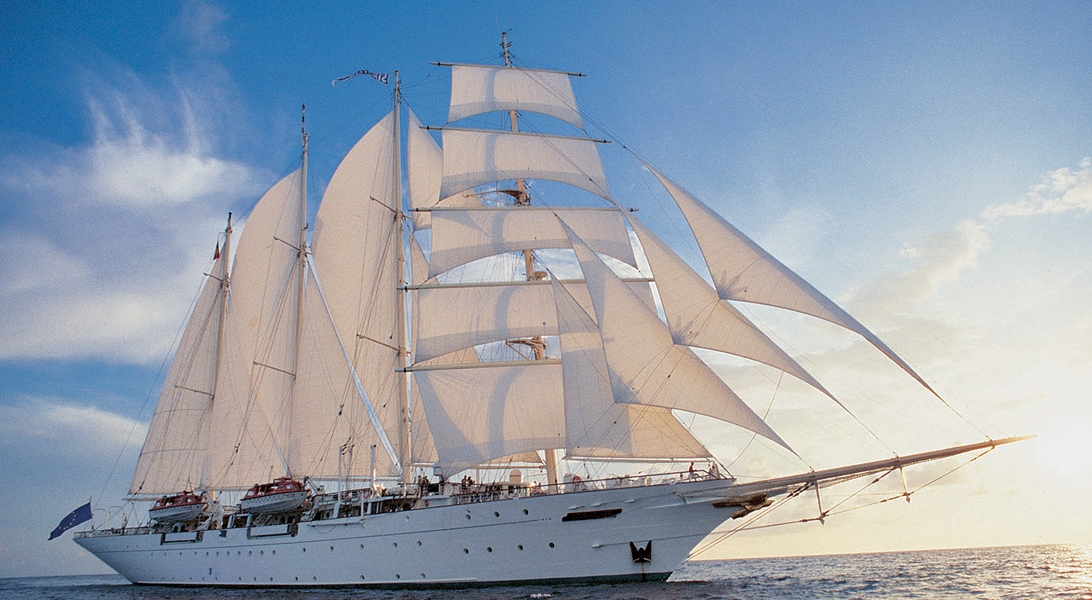
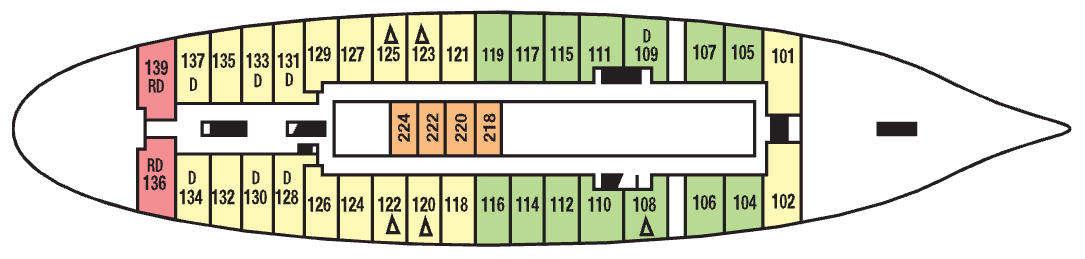

The images shown are for illustration purposes only and may not be an exact representation of what you find on the ship.
The images shown are for illustration purposes only and may not be an exact representation of what you find on the ship.
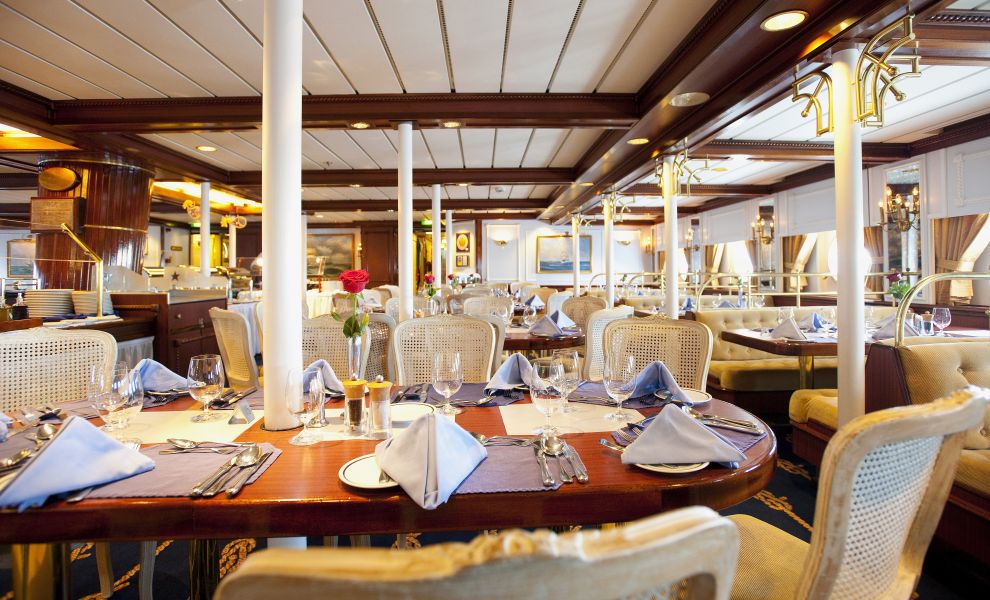
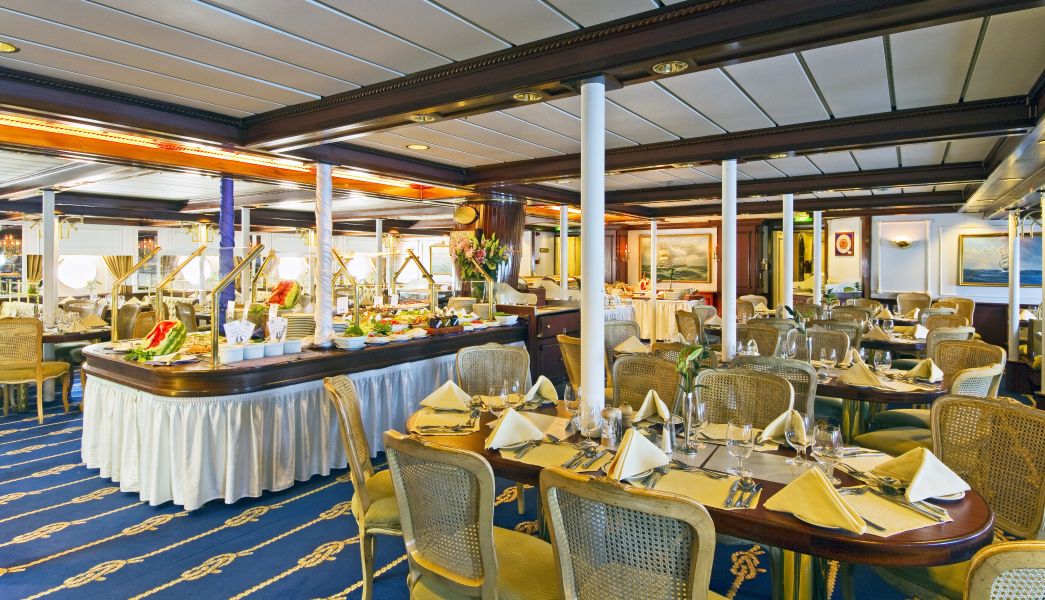
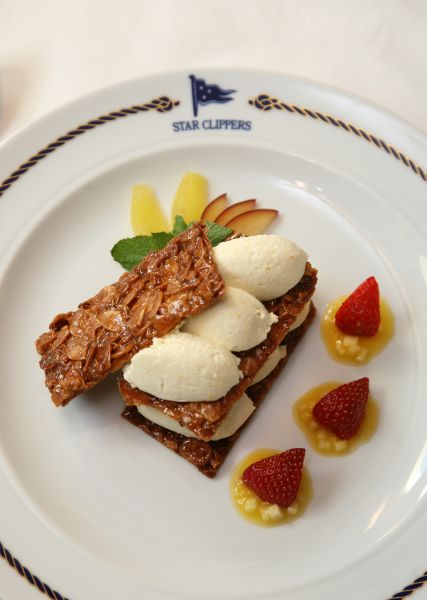
When you rise, help yourself to a continental breakfast with Parisian croissants or sweet Danish pastries. Or savour a full breakfast with fresh tropical fruit and crisp bacon, grilled sausage and omelettes cooked to order in the dining room.
At lunch, a marvellous buffet of seafood, salads and grilled favourites awaits your pleasure. If the day includes a stop at one of the paradisical islands we frequent, you might also be treated to a succulent outdoor barbecue on shore.
When evening comes, our elegantly appointed dining room becomes the setting for the chef’s finest culinary presentations, designed to please the eye and the palate, complemented by a selection of equally fine wines.
You’ll find our service to be friendly and gracious, befitting a tasteful restaurant. Of course, we would not presume to dictate your seating preferences. On all three ships, you are free to dine when and with whomever you wish - including with our officers, who join our guests in the dining room most nights. The dress code? No need for formal gowns and black tie, casual elegance is the order of the day and every single night.
The images shown are for illustration purposes only and may not be an exact representation of what you find on the ship.
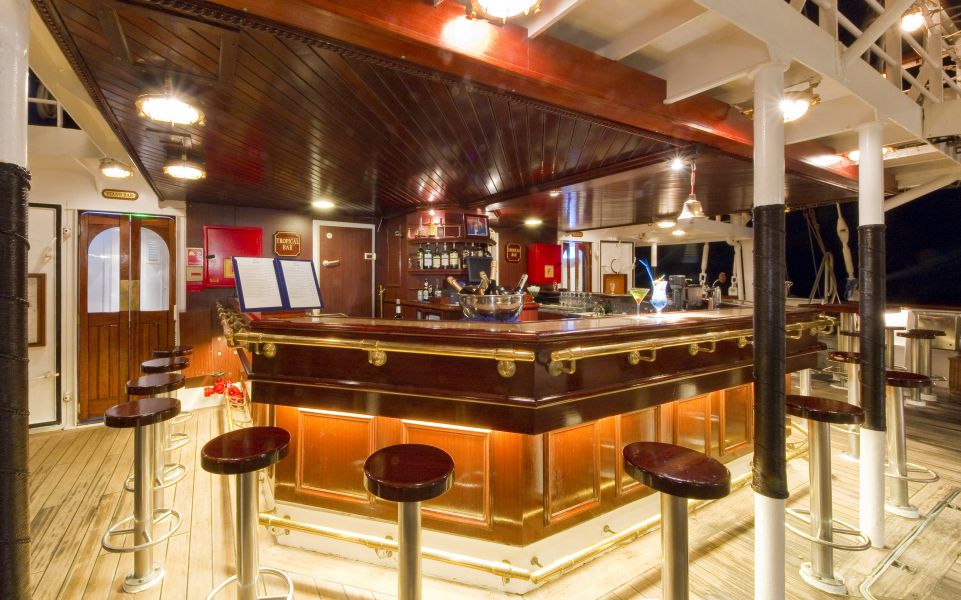
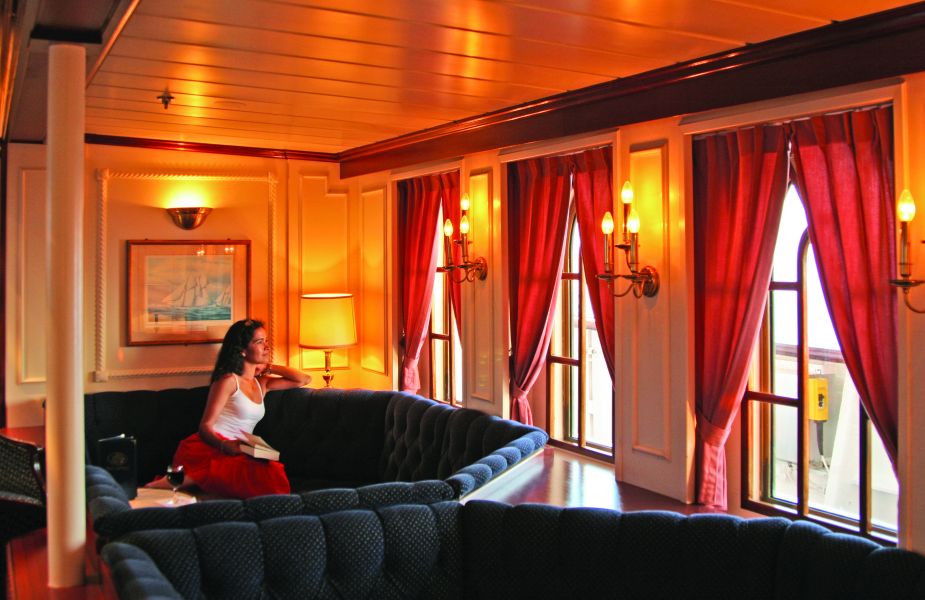
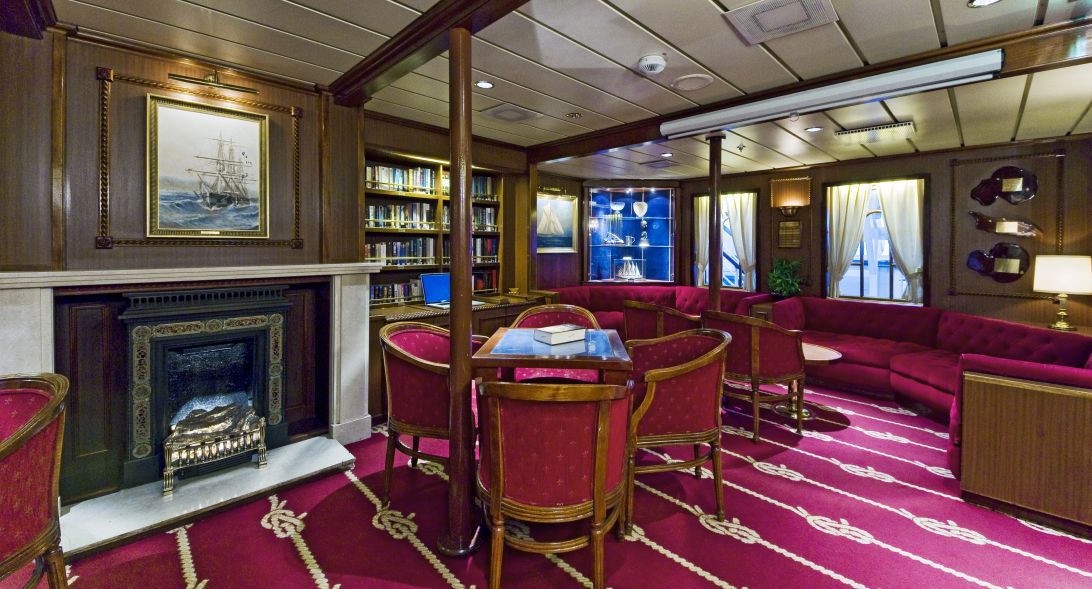
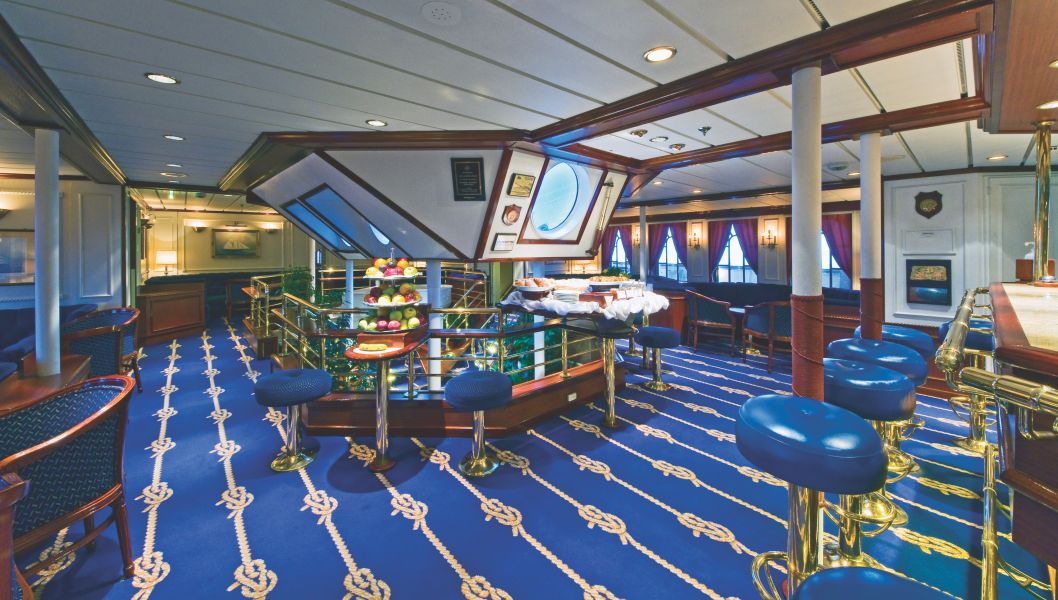
If your time isn't taken up by searching out distant lands from the crow’s nest or enjoying a lovingly prepared meal in the dining room; you can always take a seat in the Observation Lounge, find solitude in the Library, enjoy a drink in the Tropical Bar, or enjoy some live music in the Piano Bar.
The images shown are for illustration purposes only and may not be an exact representation of what you find on the ship.
The images shown are for illustration purposes only and may not be an exact representation of what you find on the ship.

Our Fusion packages are all ABTA & ATOL protected ensuring that your booking is safe with us
| 11 nights aboard the Star Clipper | |||
| Water sports including water skiing & snorkelling | |||
| Transportation into town (available most ports) | |||
| Unique learn to sail experiences | |||
| Port Taxes and Fees | |||
 | ABTA and ATOL Protection* | ||
Date 31st Jul 2027 |
Nts 11 |
Please call for availability |
| Interior staterooms from | £4,065pp | ||
| CAT6 | Category 6 | £4,065pp | |
| Oceanview staterooms from | £4,365pp | ||
| CAT5 | Category 5 | £4,365pp | |
| CAT4 | Category 4 | £4,690pp | |
| CAT3 | Category 3 | £4,925pp | |
| CAT2 | Category 2 | £5,150pp | |
| CAT1 | Category 1 | £5,680pp | |
| OWNC | Owners Cabin | £7,180pp | |
| Sat 29th Apr 202829 Apr 28 | Please call for availability |
Fusion Holidays when selling travel arrangements is a trading name of Co-op Travel Services Limited, registration 08903986. Fusion Cruises is an Accredited Body Member of Co-op Travel Services Limited ATOL 12904.
Book with Confidence. We are a Member of ABTA which means you have the benefit of ABTA’s assistance and Code of Conduct.
Some of the flights and flight-inclusive holidays on this website are financially protected by the ATOL scheme but ATOL protection does not apply to all holiday and travel services offered on this website. This website will provide you with information on the protection that applies in the case of each holiday and travel service offered before you make your booking. If you do not receive an ATOL Certificate then the booking will not be ATOL protected. If you do receive an ATOL Certificate but all parts of your trip are not listed on it, those parts will not be ATOL protected. Please see our booking conditions for information, or for more information about financial protection and the ATOL Certificate go to: www.caa.co.uk