This site uses cookies as defined in our Cookie Policy, by continuing to use this site you agree to their use.
Continue

| Arrive | Depart | ||||||
| 14th14 | NovNov | 202727 | Piraeus, Greece, embark on the Balmoral | Late Night | |||
It's no wonder that all roads lead to the fascinating and maddening metropolis of Athens. Lift your eyes 200 feet above the city to the Parthenon, its honey-color marble columns rising from a massive limestone base, and you behold architectural perfection that has not been surpassed in 2,500 years. But, today, this shrine of classical form dominates a 21st-century boomtown. To experience Athens—Athína in Greek—fully is to understand the essence of Greece: ancient monuments surviving in a sea of cement, startling beauty amid the squalor, tradition juxtaposed with modernity. Locals depend on humor and flexibility to deal with the chaos; you should do the same. The rewards are immense. Although Athens covers a huge area, the major landmarks of the ancient Greek, Roman, and Byzantine periods are close to the modern city center. You can easily walk from the Acropolis to many other key sites, taking time to browse in shops and relax in cafés and tavernas along the way. From many quarters of the city you can glimpse "the glory that was Greece" in the form of the Acropolis looming above the horizon, but only by actually climbing that rocky precipice can you feel the impact of the ancient settlement. The Acropolis and Filopappou, two craggy hills sitting side by side; the ancient Agora (marketplace); and Kerameikos, the first cemetery, form the core of ancient and Roman Athens. Along the Unification of Archaeological Sites promenade, you can follow stone-paved, tree-lined walkways from site to site, undisturbed by traffic. Cars have also been banned or reduced in other streets in the historical center. In the National Archaeological Museum, vast numbers of artifacts illustrate the many millennia of Greek civilization; smaller museums such as the Goulandris Museum of Cycladic Art Museum and the Byzantine and Christian Museum illuminate the history of particular regions or periods. Athens may seem like one huge city, but it is really a conglomeration of neighborhoods with distinctive characters. The Eastern influences that prevailed during the 400-year rule of the Ottoman Empire are still evident in Monastiraki, the bazaar area near the foot of the Acropolis. On the northern slope of the Acropolis, stroll through Plaka (if possible by moonlight), an area of tranquil streets lined with renovated mansions, to get the flavor of the 19th-century's gracious lifestyle. The narrow lanes of Anafiotika, a section of Plaka, thread past tiny churches and small, color-washed houses with wooden upper stories, recalling a Cycladic island village. In this maze of winding streets, vestiges of the older city are everywhere: crumbling stairways lined with festive tavernas; dank cellars filled with wine vats; occasionally a court or diminutive garden, enclosed within high walls and filled with magnolia trees and the flaming trumpet-shaped flowers of hibiscus bushes. Formerly run-down old quarters, such as Thission, Gazi and Psirri, popular nightlife areas filled with bars and mezedopoleia (similar to tapas bars), are now in the process of gentrification, although they still retain much of their original charm, as does the colorful produce and meat market on Athinas. The area around Syntagma Square, the tourist hub, and Omonia Square, the commercial heart of the city about 1 km (½ mi) northwest, is distinctly European, having been designed by the court architects of King Otho, a Bavarian, in the 19th century. The chic shops and bistros of ritzy Kolonaki nestle at the foot of Mt. Lycabettus, Athens's highest hill (909 feet). Each of Athens's outlying suburbs has a distinctive character: in the north is wealthy, tree-lined Kifissia, once a summer resort for aristocratic Athenians, and in the south and southeast lie Glyfada, Voula, and Vouliagmeni, with their sandy beaches, seaside bars, and lively summer nightlife. Just beyond the city's southern fringes is Piraeus, a bustling port city of waterside fish tavernas and Saronic Gulf views. | |||||||
| 15th15 | NovNov | 202727 | Piraeus, Greece | Early AM | Late Night | ||
It's no wonder that all roads lead to the fascinating and maddening metropolis of Athens. Lift your eyes 200 feet above the city to the Parthenon, its honey-color marble columns rising from a massive limestone base, and you behold architectural perfection that has not been surpassed in 2,500 years. But, today, this shrine of classical form dominates a 21st-century boomtown. To experience Athens—Athína in Greek—fully is to understand the essence of Greece: ancient monuments surviving in a sea of cement, startling beauty amid the squalor, tradition juxtaposed with modernity. Locals depend on humor and flexibility to deal with the chaos; you should do the same. The rewards are immense. Although Athens covers a huge area, the major landmarks of the ancient Greek, Roman, and Byzantine periods are close to the modern city center. You can easily walk from the Acropolis to many other key sites, taking time to browse in shops and relax in cafés and tavernas along the way. From many quarters of the city you can glimpse "the glory that was Greece" in the form of the Acropolis looming above the horizon, but only by actually climbing that rocky precipice can you feel the impact of the ancient settlement. The Acropolis and Filopappou, two craggy hills sitting side by side; the ancient Agora (marketplace); and Kerameikos, the first cemetery, form the core of ancient and Roman Athens. Along the Unification of Archaeological Sites promenade, you can follow stone-paved, tree-lined walkways from site to site, undisturbed by traffic. Cars have also been banned or reduced in other streets in the historical center. In the National Archaeological Museum, vast numbers of artifacts illustrate the many millennia of Greek civilization; smaller museums such as the Goulandris Museum of Cycladic Art Museum and the Byzantine and Christian Museum illuminate the history of particular regions or periods. Athens may seem like one huge city, but it is really a conglomeration of neighborhoods with distinctive characters. The Eastern influences that prevailed during the 400-year rule of the Ottoman Empire are still evident in Monastiraki, the bazaar area near the foot of the Acropolis. On the northern slope of the Acropolis, stroll through Plaka (if possible by moonlight), an area of tranquil streets lined with renovated mansions, to get the flavor of the 19th-century's gracious lifestyle. The narrow lanes of Anafiotika, a section of Plaka, thread past tiny churches and small, color-washed houses with wooden upper stories, recalling a Cycladic island village. In this maze of winding streets, vestiges of the older city are everywhere: crumbling stairways lined with festive tavernas; dank cellars filled with wine vats; occasionally a court or diminutive garden, enclosed within high walls and filled with magnolia trees and the flaming trumpet-shaped flowers of hibiscus bushes. Formerly run-down old quarters, such as Thission, Gazi and Psirri, popular nightlife areas filled with bars and mezedopoleia (similar to tapas bars), are now in the process of gentrification, although they still retain much of their original charm, as does the colorful produce and meat market on Athinas. The area around Syntagma Square, the tourist hub, and Omonia Square, the commercial heart of the city about 1 km (½ mi) northwest, is distinctly European, having been designed by the court architects of King Otho, a Bavarian, in the 19th century. The chic shops and bistros of ritzy Kolonaki nestle at the foot of Mt. Lycabettus, Athens's highest hill (909 feet). Each of Athens's outlying suburbs has a distinctive character: in the north is wealthy, tree-lined Kifissia, once a summer resort for aristocratic Athenians, and in the south and southeast lie Glyfada, Voula, and Vouliagmeni, with their sandy beaches, seaside bars, and lively summer nightlife. Just beyond the city's southern fringes is Piraeus, a bustling port city of waterside fish tavernas and Saronic Gulf views. | |||||||
| 16th16 | NovNov | 202727 | At Sea | ||||
| 17th17 | NovNov | 202727 | Bodrum, Turkey | Early AM | Late Night | ||
| 18th18 | NovNov | 202727 | Rhodes, Greece | Early AM | Early PM | ||
Early travelers described Rhodes as a town of two parts: a castle or high town (Collachium) and a lower city. Today Rhodes town—sometimes referred to as Ródos town—is still a city of two parts: the Old Town, a UNESCO World Heritage site that incorporates the high town and lower city, and the modern metropolis, or New Town, spreading away from the walls that encircle the Old Town. The narrow streets of the Old Town are for the most part closed to cars and are lined with Orthodox and Catholic churches, Turkish houses (some of which follow the ancient orthogonal plan), and medieval public buildings with exterior staircases and facades elegantly constructed of well-cut limestone from Lindos. Careful reconstruction in recent years has enhanced the harmonious effect. | |||||||
| 19th19 | NovNov | 202727 | Alanya, Turkey | Early PM | Late PM | ||
| 20th20 | NovNov | 202727 | Alanya, Turkey | Early PM | Late PM | ||
| 21st21 | NovNov | 202727 | At Sea | ||||
| 22nd22 | NovNov | 202727 | Heraklion (Iraklion), Crete, Greece | Early AM | Late PM | ||
Having been controlled by Arabic, Venetian and Ottoman empires over the years - it's no surprise that Heraklion is a diverse patchwork of exotic cultures and historical treasures. Celebrated as the birthplace of the Spanish Renaissance artist, El Greco, you can visit to explore the storied ruins of the Minoan empire's capital, and unearth the rich cultural treasures that Crete’s bustling modern capital has to offer. | |||||||
| 23rd23 | NovNov | 202727 | Piraeus, Greece, disembark the Balmoral | Late Night | |||
It's no wonder that all roads lead to the fascinating and maddening metropolis of Athens. Lift your eyes 200 feet above the city to the Parthenon, its honey-color marble columns rising from a massive limestone base, and you behold architectural perfection that has not been surpassed in 2,500 years. But, today, this shrine of classical form dominates a 21st-century boomtown. To experience Athens—Athína in Greek—fully is to understand the essence of Greece: ancient monuments surviving in a sea of cement, startling beauty amid the squalor, tradition juxtaposed with modernity. Locals depend on humor and flexibility to deal with the chaos; you should do the same. The rewards are immense. Although Athens covers a huge area, the major landmarks of the ancient Greek, Roman, and Byzantine periods are close to the modern city center. You can easily walk from the Acropolis to many other key sites, taking time to browse in shops and relax in cafés and tavernas along the way. From many quarters of the city you can glimpse "the glory that was Greece" in the form of the Acropolis looming above the horizon, but only by actually climbing that rocky precipice can you feel the impact of the ancient settlement. The Acropolis and Filopappou, two craggy hills sitting side by side; the ancient Agora (marketplace); and Kerameikos, the first cemetery, form the core of ancient and Roman Athens. Along the Unification of Archaeological Sites promenade, you can follow stone-paved, tree-lined walkways from site to site, undisturbed by traffic. Cars have also been banned or reduced in other streets in the historical center. In the National Archaeological Museum, vast numbers of artifacts illustrate the many millennia of Greek civilization; smaller museums such as the Goulandris Museum of Cycladic Art Museum and the Byzantine and Christian Museum illuminate the history of particular regions or periods. Athens may seem like one huge city, but it is really a conglomeration of neighborhoods with distinctive characters. The Eastern influences that prevailed during the 400-year rule of the Ottoman Empire are still evident in Monastiraki, the bazaar area near the foot of the Acropolis. On the northern slope of the Acropolis, stroll through Plaka (if possible by moonlight), an area of tranquil streets lined with renovated mansions, to get the flavor of the 19th-century's gracious lifestyle. The narrow lanes of Anafiotika, a section of Plaka, thread past tiny churches and small, color-washed houses with wooden upper stories, recalling a Cycladic island village. In this maze of winding streets, vestiges of the older city are everywhere: crumbling stairways lined with festive tavernas; dank cellars filled with wine vats; occasionally a court or diminutive garden, enclosed within high walls and filled with magnolia trees and the flaming trumpet-shaped flowers of hibiscus bushes. Formerly run-down old quarters, such as Thission, Gazi and Psirri, popular nightlife areas filled with bars and mezedopoleia (similar to tapas bars), are now in the process of gentrification, although they still retain much of their original charm, as does the colorful produce and meat market on Athinas. The area around Syntagma Square, the tourist hub, and Omonia Square, the commercial heart of the city about 1 km (½ mi) northwest, is distinctly European, having been designed by the court architects of King Otho, a Bavarian, in the 19th century. The chic shops and bistros of ritzy Kolonaki nestle at the foot of Mt. Lycabettus, Athens's highest hill (909 feet). Each of Athens's outlying suburbs has a distinctive character: in the north is wealthy, tree-lined Kifissia, once a summer resort for aristocratic Athenians, and in the south and southeast lie Glyfada, Voula, and Vouliagmeni, with their sandy beaches, seaside bars, and lively summer nightlife. Just beyond the city's southern fringes is Piraeus, a bustling port city of waterside fish tavernas and Saronic Gulf views. | |||||||
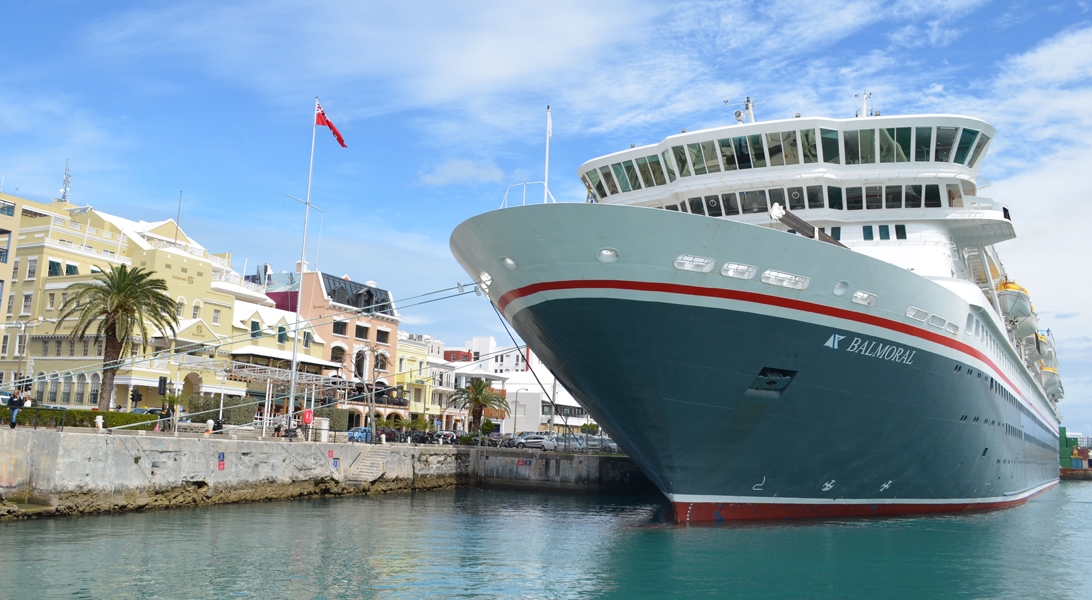
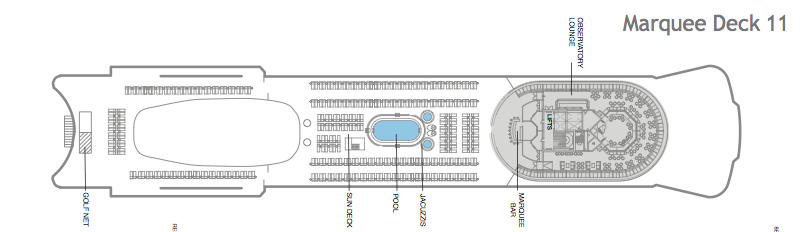

The images shown are for illustration purposes only and may not be an exact representation of what you find on the ship.
The images shown are for illustration purposes only and may not be an exact representation of what you find on the ship.
The images shown are for illustration purposes only and may not be an exact representation of what you find on the ship.
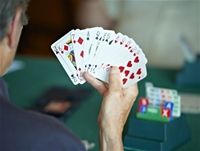
Featuring plenty of card tables and comfortable chairs, the Card Room on board Balmoral provides guests with a quiet, relaxing space to enjoy a competitive hand or two, or simply a bit of fun. Bridge is always a popular pursuit on board, so you're sure to find players up for a challenge. On some cruises, Bridge tuition is on offer to help you develop your skills.
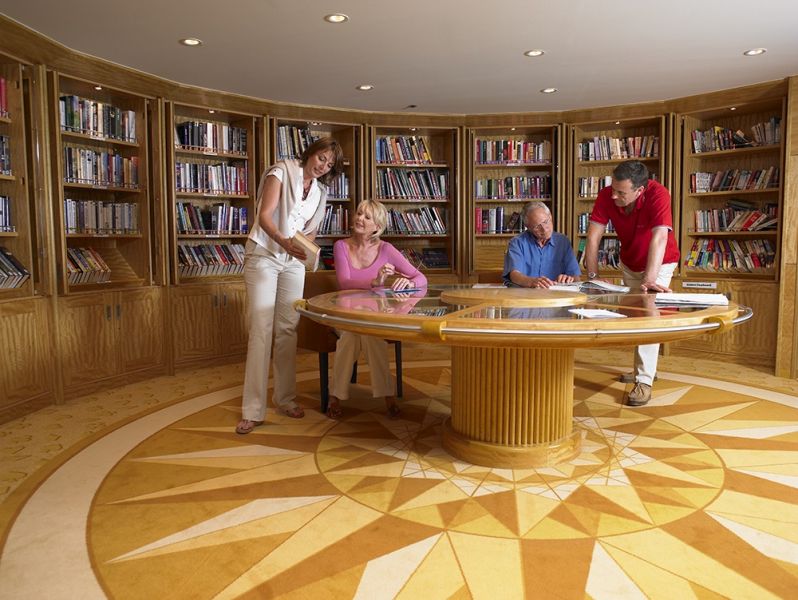
Located in the Bookmark Café on Lounge Deck, Balmoral's well-appointed library provides a wide variety of books and publications, including some large print books to delve into, accompanied by speciality coffees, teas and tempting chocolates or baked treats served close by to this quiet, comfortable space.
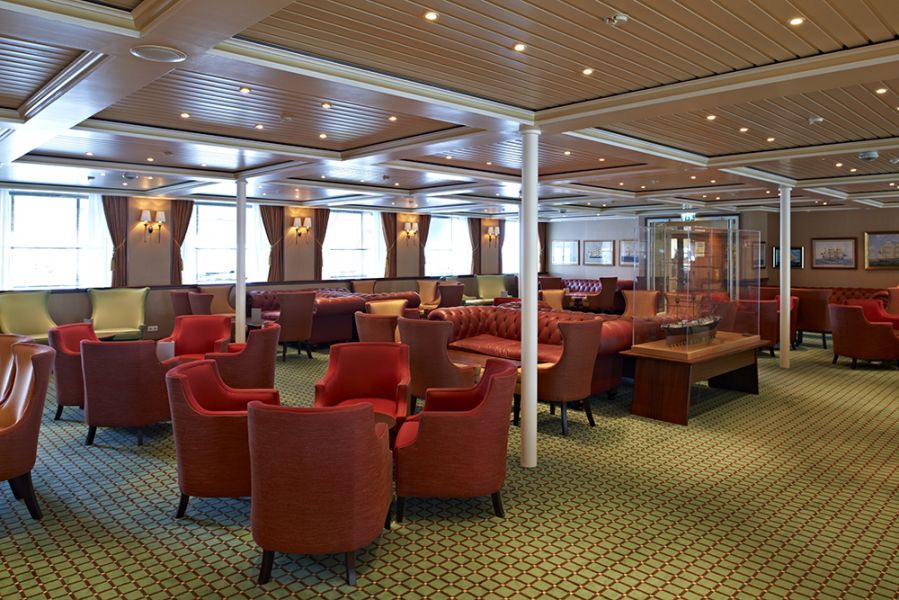
Named after one of the largest sailing ships owned by the Olsen family in 1892 and decorated to resemble a British pub, the Morning Light Pub has a welcoming atmosphere and traditional style. Open throughout the day and the evening, it’s the ideal place to relax and socialise with friends both old and new. Featuring a well-stocked bar with a collection of beer and cider, including both British and international classics, and a selection from independent breweries close to our office in Ipswich, sip a drink and listen to our resident singers and guitarists, or take part in the popular (and competitive!) Fred. Olsen quiz.
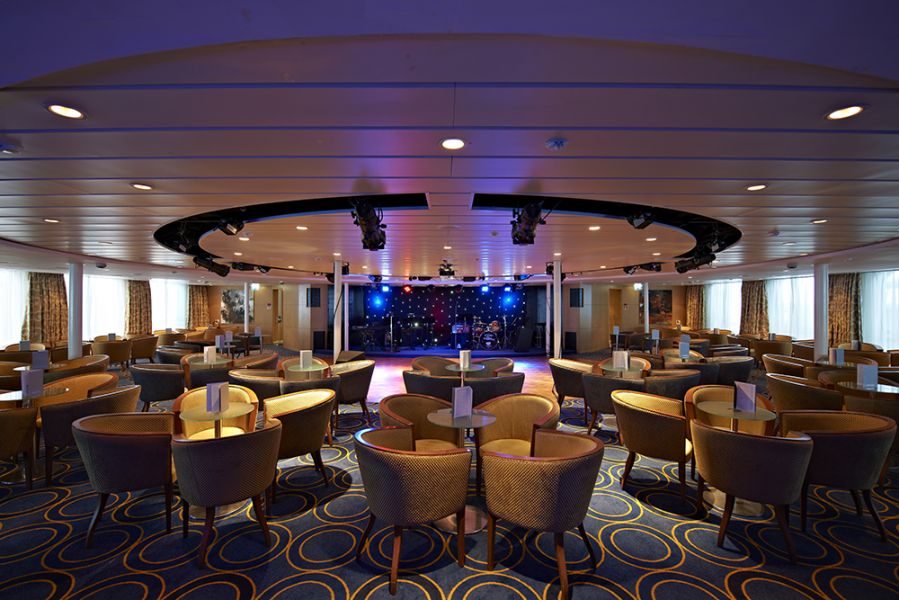
Join our Show Team in the Neptune Lounge as they put on memorable shows for you, along with guest comedians, singers and magicians, who’ll delight and entertain you, and do join us for our popular Captain’s Welcome and Farewell parties. During the day, the Neptune Lounge is used for our Signature Experiences, where our guest speakers will share their knowledge with you, delivering fascinating talks and activities, designed to give you a deeper understanding of the destinations you’ll be visiting. It's also the perfect place to attend our 'Audience with...'sessions, where you can learn about how much work goes into our Shows, or hear about life as a ship's Captain or officer.
The images shown are for illustration purposes only and may not be an exact representation of what you find on the ship.
The images shown are for illustration purposes only and may not be an exact representation of what you find on the ship.


Our Fusion packages are all ABTA & ATOL protected ensuring that your booking is safe with us
| Return flights including luggage allowance | |||
| Overseas Transfers | |||
| 9 nights aboard the Balmoral | |||
| Evening entertainment | |||
| Tea & coffee facilities in cabin | |||
| Welcome and farewell cocktail parties | |||
| Drinks packages available | |||
| Complimentary tea & coffee during the day and early evening. | |||
| Daily on-board activities | |||
| Port Taxes and Fees | |||
 | ABTA and ATOL Protection* | ||
Fly/cruise package |
Date 14th Nov 2027 |
Nts 9 |
Interior £899pp |
Oceanview £1,019pp |
Balcony £2,009pp |
Suite £2,189pp |
Interior £1,099pp |
Oceanview £1,219pp |
Balcony £2,209pp |
Suite £2,389pp |
Interior £1,099pp |
Oceanview £1,219pp |
Balcony £2,209pp |
Suite £2,389pp |
Date 14th Nov 2027 |
Nts 9 |
Interior £899pp |
Oceanview £1,019pp |
Balcony £2,009pp |
Suite £2,189pp |
Interior £1,099pp |
Oceanview £1,219pp |
Balcony £2,209pp |
Suite £2,389pp |
Interior £1,099pp |
Oceanview £1,219pp |
Balcony £2,209pp |
Suite £2,389pp |
| Interior staterooms from | £899pp | ||
| M | Single Superior |  | |
| N | Single Interior | | |
| I | Interior Cabin | £899pp | |
| H | Interior Cabin | £949pp | |
| G | Superior Interior | £999pp | |
| GD | Wheelchair Adapted | | |
| Oceanview staterooms from | £1,019pp | ||
| CO | Sup Ocean Fully Obst | £1,199pp | |
| J | Single Balcony Cabin | | |
| K | Single Ocean View | | |
| L | Single Ocean View | | |
| F | Ocean View Cabin | £1,019pp | |
| E | Ocean View Cabin | £1,109pp | |
| D | Ocean View Cabin | £1,199pp | |
| C | Superior Ocean View | £1,339pp | |
| B | Superior Ocean View | £1,379pp | |
| BD | Wheelchair Adapted | | |
| A | Superior Ocean View | £1,519pp | |
| Balcony staterooms from | £2,009pp | ||
| JB | Single Balcony Suite | | |
| BA | Balcony Cabin | £2,009pp | |
| Suite staterooms from | £2,189pp | ||
| BJ | Balcony Junior Suite | £2,189pp | |
| BJD | Wheelchair Adapted | | |
| SS | Superior Suite | £2,369pp | |
| MS | Marquee Suite | £2,819pp | |
| PS | Premier Suite | £3,269pp | |
| OW | Olsen Suite | £4,169pp | |
| Interior staterooms from | £1,099pp | ||
| M | Single Superior | | |
| N | Single Interior | | |
| I | Interior Cabin | £1,099pp | |
| H | Interior Cabin | £1,149pp | |
| G | Superior Interior | £1,199pp | |
| GD | Wheelchair Adapted | | |
| Oceanview staterooms from | £1,219pp | ||
| CO | Sup Ocean Fully Obst | £1,399pp | |
| J | Single Balcony Cabin | | |
| K | Single Ocean View | | |
| L | Single Ocean View | | |
| F | Ocean View Cabin | £1,219pp | |
| E | Ocean View Cabin | £1,309pp | |
| D | Ocean View Cabin | £1,399pp | |
| C | Superior Ocean View | £1,539pp | |
| B | Superior Ocean View | £1,579pp | |
| BD | Wheelchair Adapted | | |
| A | Superior Ocean View | £1,719pp | |
| Balcony staterooms from | £2,209pp | ||
| JB | Single Balcony Suite | | |
| BA | Balcony Cabin | £2,209pp | |
| Suite staterooms from | £2,389pp | ||
| BJ | Balcony Junior Suite | £2,389pp | |
| BJD | Wheelchair Adapted | | |
| SS | Superior Suite | £2,569pp | |
| MS | Marquee Suite | £3,019pp | |
| PS | Premier Suite | £3,469pp | |
| OW | Olsen Suite | £4,369pp | |
| Interior staterooms from | £1,099pp | ||
| M | Single Superior | | |
| N | Single Interior | | |
| I | Interior Cabin | £1,099pp | |
| H | Interior Cabin | £1,149pp | |
| G | Superior Interior | £1,199pp | |
| GD | Wheelchair Adapted | | |
| Oceanview staterooms from | £1,219pp | ||
| CO | Sup Ocean Fully Obst | £1,399pp | |
| J | Single Balcony Cabin | | |
| K | Single Ocean View | | |
| L | Single Ocean View | | |
| F | Ocean View Cabin | £1,219pp | |
| E | Ocean View Cabin | £1,309pp | |
| D | Ocean View Cabin | £1,399pp | |
| C | Superior Ocean View | £1,539pp | |
| B | Superior Ocean View | £1,579pp | |
| BD | Wheelchair Adapted | | |
| A | Superior Ocean View | £1,719pp | |
| Balcony staterooms from | £2,209pp | ||
| JB | Single Balcony Suite | | |
| BA | Balcony Cabin | £2,209pp | |
| Suite staterooms from | £2,389pp | ||
| BJ | Balcony Junior Suite | £2,389pp | |
| BJD | Wheelchair Adapted | | |
| SS | Superior Suite | £2,569pp | |
| MS | Marquee Suite | £3,019pp | |
| PS | Premier Suite | £3,469pp | |
| OW | Olsen Suite | £4,369pp | |
Fusion Holidays when selling travel arrangements is a trading name of Co-op Travel Services Limited, registration 08903986. Fusion Cruises is an Accredited Body Member of Co-op Travel Services Limited ATOL 12904.
Book with Confidence. We are a Member of ABTA which means you have the benefit of ABTA’s assistance and Code of Conduct.
Some of the flights and flight-inclusive holidays on this website are financially protected by the ATOL scheme but ATOL protection does not apply to all holiday and travel services offered on this website. This website will provide you with information on the protection that applies in the case of each holiday and travel service offered before you make your booking. If you do not receive an ATOL Certificate then the booking will not be ATOL protected. If you do receive an ATOL Certificate but all parts of your trip are not listed on it, those parts will not be ATOL protected. Please see our booking conditions for information, or for more information about financial protection and the ATOL Certificate go to: www.caa.co.uk