This site uses cookies as defined in our Cookie Policy, by continuing to use this site you agree to their use.
Continue

| Arrive | Depart | ||||||
| 24th24 | SepSep | 202828 | Lisbon, Portugal, embark on the Silver Nova | 18:00 | |||
Set on seven hills on the banks of the River Tagus, Lisbon has been the capital of Portugal since the 13th century. It is a city famous for its majestic architecture, old wooden trams, Moorish features and more than twenty centuries of history. Following disastrous earthquakes in the 18th century, Lisbon was rebuilt by the Marques de Pombal who created an elegant city with wide boulevards and a great riverfront and square, Praça do Comércio. Today there are distinct modern and ancient sections, combining great shopping with culture and sightseeing in the Old Town, built on the city's terraced hillsides. The distance between the ship and your tour vehicle may vary. This distance is not included in the excursion grades. A glorious mosaic of beauty, freedom and authenticity, Portugal’s capital is a stirring artwork of a city. Known for the seven hills it spreads across, and its stirring fado music, Lisbon is a pastel-coloured blend of houses and beautiful tile artworks - and this creative city strikes a perfect harmony between natural and manmade beauty. Stroll along Alfama's steep, cobbled streets as you explore one of the city’s oldest neighbourhoods - where each house and door could be its own photograph. Look for the decorative tiles, with the distinctive blues and whites of Azulejo ceramics, and visit the dedicated museum to learn more. Afterwards, wind up to São Jorge Castle, where views out across Lisbon’s red rooftops unravel. Just one of many majestic viewpoints, you can also seek out Miradouro da Graça for perhaps Lisbon's finest panorama, with the copper-coloured suspension bridge stretching over sparkling water beyond the sea of buildings. The elegant Tower of Belém rises in the Tagus estuary and is a historic defender of these shores. The grand, carved cloisters of Jerónimos Monastery spread out close by, and there's another UNESCO recognised location close by at Sintra, where a colourful town is set amid thick gardens and towering mountains - capped by the royal Pena Palace. Later, relax and take a quick break to drink Ginjinha, a cherry liqueur made from chocolate cups instead of coffee. Lisboetas have a sweet tooth, and the famous Pastel de Nata's crumbling pastry and caramelised-custard topping is the essential accompaniment to any coffee stop. | |||||||
| 25th25 | SepSep | 202828 | At Sea | ||||
| 26th26 | SepSep | 202828 | Cádiz, Spain | 08:00 | 18:00 | ||
Believed to be the oldest town on the Iberian Peninsula, the Andalusian port of Cádiz enjoys a stunning location at the edge of a six-mile promontory. The town itself, with 3,000 years of history, is characterised by pretty white houses with balconies often adorned with colourful flowers. As you wander around be sure to take a stroll through the sizeable Plaza de Espãna, with its large monument dedicated to the first Spanish constitution, which was signed here in 1812. Cádiz has two pleasant seafront promenades which boast fine views of the Atlantic Ocean, and has a lovely park, the Parque Genoves, located close to the sea with an open-air theatre and attractive palm garden. Also notable is the neo-Classical cathedral, capped by a golden dome. More than a hundred watchtowers gaze out across the waves surrounding this ancient Andalusian city. Sprinkled with evocative cobbled side streets, you’ll explore 3,000 years’ worth of history, while stumbling across palm-tree lined plazas of shaded coffee sippers. Cadiz claims the mantle of Western Europe’s oldest city, and every piece of architecture - and every wrong turn - offers a chance to discover fascinating new tales. Founded by the Phoenicians in 1100BC, Christopher Columbus used the city as a base for his exploratory, map-defining voyages of 1493 and 1502. The port grew in importance and wealth as Cadiz’s strategic location close to Africa’s northern tip helped it blossom into a centre for New World trade. Catedral de Cádiz, is a display of the city’s wealth and importance, looming spectacularly over the Atlantic’s waves, with cawing seagulls sweeping between its twin bell towers. Inside, treasures from the city’s trading exploits in the West Indies and beyond - which helped fuel the growth of this historically prosperous city – are on display. Enveloped by ocean on almost every side, Cadiz has something of an island feel, and you can cool off from southern Spain’s unrelenting sunshine on the sweeping golden sand beach of Playa Victoria. The two towers of the new El Puente de la Constitución de 1812 mark a contemporary landmark in this most ancient of cities, in the form of a spectacular new road bridge. Torre Tavira, meanwhile, is the most famous of Cadiz’s army of watchtowers, and the highest point in the city. Reach the top for a view of the ocean fringing the city’s expanse, and to learn about the towers - constructed so trading merchants could survey the harbour from their lavish homes. The Central Market is a chaotic place of bartering, where flashing knives dissect fresh fish. Stop in at the orbiting bars to enjoy tapas, freshly prepared with the market’s produce. | |||||||
| 27th27 | SepSep | 202828 | Motril, Spain | 08:00 | 18:00 | ||
Motril is located in the Spanish region of Andalucia on the Costa Tropical. It is the biggest town on the Costa with a thriving commercial, fishing and leisure port. An hour and a half's drive east of Malaga and within easy reach of the magnificent Sierra Nevada mountain range, Motril makes an ideal base for exploring the many delights of the Andalucian coastline and its hinterland. Halfway between the resorts of Malaga to the west and Almeria to the east, nestling in the foothills of the Sierra Lujar mountains, Motril is at the heart of one of the most fertile and productive agricultural areas of Spain. The Costa Tropical takes its name from its sub-tropical climate which enables the cultivation of exotic fruits and crops such as sugar cane, oranges, lemons, apples, avocadoes, mangoes and bananas. One of the sights of Motril is the 17th-century church of Nuestra Señora de la Cabeza, dedicated to the town's patron saint. Seeing the Alhambra palace sprawling majestically beneath the snow-sprinkled backdrop of the Sierra Nevada's range's peaks is one of Spain’s most enchanting vistas. White sandy beaches welcome you ashore at Motril, and it’s a short jaunt to the legendarily beautiful, sun-soaked setting of Granada - where the famous and lush Moorish palace stands. Fountains sprinkle, archways soar, and intricate mosaics sparkle at the Alhambra - a fairy-tale palace, fortress and treasure of Spain’s Moorish architecture. The best view can be found opposite, at the magical Mirador de San Nicolas viewpoint - but you’ll need your wits about you to find it. The square sits perched amid the steep, historic labyrinth of the Moorish Albaicín district - a fiendishly labyrinthine - and gorgeously authentic quarter. You’ll also find Sacromonte mountain rising opposite, punctuated with cave dwellings. It's here, within these atmospheric caves, where rhythmic claps echo, guitars are stabbed and strummed, and sultry flamenco performances play out by candle-light. They say there’s no such thing as a free lunch, but that’s not entirely the case in Granada - one of the last cities in Spain where you will usually receive a free plate of tapas when ordering. Everything from sandwiches to healthy helpings of carne con salsa – meat in tomato sauce – is dished out accompanying drinks. Enjoy a culinary tour of the city’s many tapas bars before heading back to Motril – no one leaves Granada hungry. | |||||||
| 28th28 | SepSep | 202828 | Cartagena, Spain | 08:00 | 18:00 | ||
A Mediterranean city and naval station located in the Region of Murcia, southeastern Spain, Cartagena’s sheltered bay has attracted sailors for centuries. The Carthaginians founded the city in 223BC and named it Cartago Nova; it later became a prosperous Roman colony, and a Byzantine trading centre. The city has been the main Spanish Mediterranean naval base since the reign of King Philip II, and is still surrounded by walls built during this period. Cartagena’s importance grew with the arrival of the Spanish Bourbons in the 18th century, when the Navidad Fortress was constructed to protect the harbour. In recent years, traces of the city’s fascinating past have been brought to light: a well-preserved Roman Theatre was discovered in 1988, and this has now been restored and opened to the public. During your free time, you may like to take a mini-cruise around Cartagena's historic harbour: these operate several times a day, take approximately 40 minutes and do not need to be booked in advance. Full details will be available at the port. On the crossroads of mighty cultures, this Murcian port has endless ancient stories to share. A valuable natural harbour attracted many civilisations to this sun-bathed, southeasterly setting - following its foundation by the Carthaginians in 227 BC. Blending the imprints left by countless cultures on this global junction, the presence of everyone from the Vandals to the Phoenicians and Moors can be felt as you explore, walking between ruins and celebrated modernist architecture along Calle Mayor. Cartagena is crowned by the soaring Castillo de la Concepcion - rise to the stout castle aboard a panoramic lift. Inside, look through reams of archaeological treasures, or admire the rolling views down over the port and across the waters. Watch out for the electric blue peacocks who strut flamboyantly. Cartagena's emergence as a visitor destination coincided with a stunning discovery in 1988 - the bowl of a gloriously preserved Roman Theatre. Enter to sit among the grandiose ancient venue, so evocative, you can't help but imagine the historic performances that have graced its stage. Wander the breezy waterfront, looking across the narrow strait towards Africa's distant haze, and spotting gleaming warships. Cartagena's perfect harbour means it has been one of Spain's oldest strategic navy positions since the 16th century. Settle to enjoy the joys of tapas in lively bars - sampling crisped paella, squid and honeyed-aubergine. Easter's Semana Santa festivities are typically lively here, as hooded processions, lavish floats and sombre fiery displays roll through the streets. | |||||||
| 29th29 | SepSep | 202828 | Palma de Mallorca, Spain | ||||
If you look north of the cathedral (La Seu, or the seat of the bishopric, to Mallorcans) on a map of the city of Palma, you can see around the Plaça Santa Eulàlia a jumble of tiny streets that made up the earliest settlement. Farther out, a ring of wide boulevards traces the fortifications built by the Moors to defend the larger city that emerged by the 12th century. The zigzags mark the bastions that jutted out at regular intervals. By the end of the 19th century, most of the walls had been demolished; the only place where you can still see the massive defenses is at Ses Voltes, along the seafront west of the cathedral.A torrent (streambed) used to run through the middle of the old city, dry for most of the year but often a raging flood in the rainy season. In the 17th century it was diverted to the east, along the moat that ran outside the city walls. Two of Palma's main arteries, La Rambla and the Passeig d'es Born, now follow the stream's natural course. The traditional evening paseo (promenade) takes place on the Born.If you come to Palma by car, park in the garage beneath the Parc de la Mar (the ramp is just off the highway from the airport, as you reach the cathedral) and stroll along the park. Beside it run the huge bastions guarding the Almudaina Palace; the cathedral, golden and massive, rises beyond. Where you exit the garage, there's a ceramic mural by the late Catalan artist and Mallorca resident Joan Miró, facing the cathedral across the pool that runs the length of the park.If you begin early enough, a walk along the ramparts at Ses Voltes from the mirador beside the cathedral is spectacular. The first rays of the sun turn the upper pinnacles of La Seu bright gold and then begin to work their way down the sandstone walls. From the Parc de la Mar, follow Avinguda Antoni Maura past the steps to the palace. Just below the Plaça de la Reina, where the Passeig d'es Born begins, turn left on Carrer de la Boteria into the Plaça de la Llotja (if the Llotja itself is open, don't miss a chance to visit—it's the Mediterranean's finest Gothic-style civic building). From there stroll through the Plaça Drassana to the Museu d'Es Baluard, at the end of Carrer Sant Pere. Retrace your steps to Avinguda Antoni Maura. Walk up the Passeig d'es Born to Plaça Joan Carles I, then right on Avenida de La Unió. A rugged Mediterranean gem, arising out of the rich blue haze, Mallorca is a Spanish island of cuisine, culture, and sun-gorged beaches. Palma de Mallorca is the island's dominating capital, and a sand-coloured mirage of glorious buildings and living history. Conquered and liberated countless times over the years, since its Bronze Age founding, the city is your gateway to ceaseless Mediterranean beauty, buzzy markets, and intense flavours. Cafes and bars wait close to the sweeping coastline, where you can enjoy strong espressos to kick start the day, or splashes of red Majorcan wines to round it off. Bicycles trundle up and down the promenade, which invites you to wander in the morning sunshine beside the waves. Dominated by the indefatigable form of Santa María cathedral, which looms over the city and coastline, Palma de Mallorca is drenched in history and culture. The labyrinth of the old town is a cobbled haven, which bustles with dripping ice creams and sun-lashed squares. Settle to try the island’s superb cuisine, and savour local ingredients with an exceptional depth of flavour. Something about the sunshine here makes tomatoes extra sharp and delicious, while the seafood is consistently juicy and plump. The creation of the mighty cathedral, Le Seu, began in 1229 and was eventually concluded in 1601. A perfect encapsulation of Palma de Mallorca’s blend of the historic and the contemporary, even Gaudi lent his hand to it, and the interior features a spectacular modernist take on the New Testament from artist Miquel Barcelo, which is painted across the chapel’s walls. The splendid Royal Palace of La Almudaina fortress stands nearby, a left-behind Moorish footprint of square towers and Arabic archways that now serves as an official summer residence for the King of Spain. | |||||||
| 30th30 | SepSep | 202828 | Palma de Mallorca, Spain | 19:00 | |||
If you look north of the cathedral (La Seu, or the seat of the bishopric, to Mallorcans) on a map of the city of Palma, you can see around the Plaça Santa Eulàlia a jumble of tiny streets that made up the earliest settlement. Farther out, a ring of wide boulevards traces the fortifications built by the Moors to defend the larger city that emerged by the 12th century. The zigzags mark the bastions that jutted out at regular intervals. By the end of the 19th century, most of the walls had been demolished; the only place where you can still see the massive defenses is at Ses Voltes, along the seafront west of the cathedral.A torrent (streambed) used to run through the middle of the old city, dry for most of the year but often a raging flood in the rainy season. In the 17th century it was diverted to the east, along the moat that ran outside the city walls. Two of Palma's main arteries, La Rambla and the Passeig d'es Born, now follow the stream's natural course. The traditional evening paseo (promenade) takes place on the Born.If you come to Palma by car, park in the garage beneath the Parc de la Mar (the ramp is just off the highway from the airport, as you reach the cathedral) and stroll along the park. Beside it run the huge bastions guarding the Almudaina Palace; the cathedral, golden and massive, rises beyond. Where you exit the garage, there's a ceramic mural by the late Catalan artist and Mallorca resident Joan Miró, facing the cathedral across the pool that runs the length of the park.If you begin early enough, a walk along the ramparts at Ses Voltes from the mirador beside the cathedral is spectacular. The first rays of the sun turn the upper pinnacles of La Seu bright gold and then begin to work their way down the sandstone walls. From the Parc de la Mar, follow Avinguda Antoni Maura past the steps to the palace. Just below the Plaça de la Reina, where the Passeig d'es Born begins, turn left on Carrer de la Boteria into the Plaça de la Llotja (if the Llotja itself is open, don't miss a chance to visit—it's the Mediterranean's finest Gothic-style civic building). From there stroll through the Plaça Drassana to the Museu d'Es Baluard, at the end of Carrer Sant Pere. Retrace your steps to Avinguda Antoni Maura. Walk up the Passeig d'es Born to Plaça Joan Carles I, then right on Avenida de La Unió. A rugged Mediterranean gem, arising out of the rich blue haze, Mallorca is a Spanish island of cuisine, culture, and sun-gorged beaches. Palma de Mallorca is the island's dominating capital, and a sand-coloured mirage of glorious buildings and living history. Conquered and liberated countless times over the years, since its Bronze Age founding, the city is your gateway to ceaseless Mediterranean beauty, buzzy markets, and intense flavours. Cafes and bars wait close to the sweeping coastline, where you can enjoy strong espressos to kick start the day, or splashes of red Majorcan wines to round it off. Bicycles trundle up and down the promenade, which invites you to wander in the morning sunshine beside the waves. Dominated by the indefatigable form of Santa María cathedral, which looms over the city and coastline, Palma de Mallorca is drenched in history and culture. The labyrinth of the old town is a cobbled haven, which bustles with dripping ice creams and sun-lashed squares. Settle to try the island’s superb cuisine, and savour local ingredients with an exceptional depth of flavour. Something about the sunshine here makes tomatoes extra sharp and delicious, while the seafood is consistently juicy and plump. The creation of the mighty cathedral, Le Seu, began in 1229 and was eventually concluded in 1601. A perfect encapsulation of Palma de Mallorca’s blend of the historic and the contemporary, even Gaudi lent his hand to it, and the interior features a spectacular modernist take on the New Testament from artist Miquel Barcelo, which is painted across the chapel’s walls. The splendid Royal Palace of La Almudaina fortress stands nearby, a left-behind Moorish footprint of square towers and Arabic archways that now serves as an official summer residence for the King of Spain. | |||||||
| 1st01 | OctOct | 202828 | Valencia, Spain | 08:00 | 19:00 | ||
Valencia, Spain's third-largest municipality, is a proud city with a thriving nightlife and restaurant scene, quality museums, and spectacular contemporary architecture, juxtaposed with a thoroughly charming historic quarter, making it a popular destination year in year out. During the Civil War, it was the last seat of the Republican Loyalist government (1935–36), holding out against Franco’s National forces until the country fell to 40 years of dictatorship. Today it represents the essence of contemporary Spain—daring design and architecture along with experimental cuisine—but remains deeply conservative and proud of its traditions. Though it faces the Mediterranean, Valencia's history and geography have been defined most significantly by the River Turia and the fertile huerta that surrounds it.The city has been fiercely contested ever since it was founded by the Greeks. El Cid captured Valencia from the Moors in 1094 and won his strangest victory here in 1099: he died in the battle, but his corpse was strapped into his saddle and so frightened the besieging Moors that it caused their complete defeat. In 1102 his widow, Jimena, was forced to return the city to Moorish rule; Jaume I finally drove them out in 1238. Modern Valencia was best known for its frequent disastrous floods until the River Turia was diverted to the south in the late 1950s. Since then the city has been on a steady course of urban beautification. The lovely bridges that once spanned the Turia look equally graceful spanning a wandering municipal park, and the spectacularly futuristic Ciutat de les Arts i les Ciències (City of Arts and Sciences), most of it designed by Valencia-born architect Santiago Calatrava, has at last created an exciting architectural link between this river town and the Mediterranean. If you're in Valencia, an excursion to Albufera Nature Park is a worthwhile day trip. Valencia is a proud city. During the Civil War, it was the last seat of the Republican Loyalist government (1935–36), holding out against Franco’s National forces until the country fell to 40 years of dictatorship. Today it represents the essence of contemporary Spain—daring design and architecture along with experimental cuisine—but remains deeply conservative and proud of its traditions. Though it faces the Mediterranean, Valencia's history and geography have been defined most significantly by the River Turia and the fertile floodplain (huerta) that surrounds it. The city has been fiercely contested ever since it was founded by the Greeks. El Cid captured Valencia from the Moors in 1094 and won his strangest victory here in 1099: he died in the battle, but his corpse was strapped into his saddle and so frightened the besieging Moors that it caused their complete defeat. In 1102 his widow, Jimena, was forced to return the city to Moorish rule; Jaume I finally drove them out in 1238. Modern Valencia was best known for its frequent disastrous floods until the River Turia was diverted to the south in the late 1950s. Since then the city has been on a steady course of urban beautification. The lovely bridges that once spanned the Turia look equally graceful spanning a wandering municipal park, and the spectacularly futuristic Ciutat de les Arts i les Ciències (City of Arts and Sciences), most of it designed by Valencia-born architect Santiago Calatrava, has at last created an exciting architectural link between this river town and the Mediterranean. If you're in Valencia, an excursion to Albufera Nature Park is a worthwhile day trip. | |||||||
| 2nd02 | OctOct | 202828 | Alicante, Spain | 08:00 | 17:00 | ||
The provincial capital of the Valencian Community serves as a gateway to the huge influx of tourists that flock to the Costa Blanca resorts every year. Alicante is popular with holidaymakers who arrive for the warm, Mediterranean climate and seemingly endless golden beaches. However, there is much more to this city than sand and sun. With a picturesque waterfront, a hugely impressive castle, buzzing nightlife and a rich, complex history, Alicante is a fascinating destination all year round. The bustling resort of Alicante serves not only as the port for Madrid, but is also one of the loveliest vacation spots along Spain’s sunny Costa Blanca. The latter is primarily due to the pleasant climate. Various civilizations have flourished along these shores. Early records indicate that the city dates back to a Carthaginian settlement established in 325 BC. These settlers were followed by the Romans, who equally found the area inviting. Then the Moors ruled this region for five centuries and named the city Al-Akant. Today’s name probably stems from this origin. The city’s occupation by Roman and Moorish forces accounts for a notable and varied heritage. In fact, much of this cultural impact is still apparent today in numerous buildings, names and the cuisine. Much of the city’s economy is based on tourism and agriculture. Wine, raisins, and other products from the surrounding areas find their way into the cargo holds of ships bound for worldwide destinations. | |||||||
| 3rd03 | OctOct | 202828 | Melilla, Spain | 09:30 | 18:00 | ||
The autonomous city of Melilla is a Spanish enclave located on the Mediterranean Rif coast of North Africa, bordering Morocco. Its chequered past embraced periods of Phoenician, Punic, Roman and Byzantine rule before it was conquered by Spain in 1497. The latter part of the 19th century and the first quarter of the 20th century saw hostilities between Rif berbers and the Spanish, with the latter finally reinstating their control in 1927. The city was used by General Franco as one of the staging points for the rebellion of 1936. As part of the Spanish protectorate, Melilla developed the architectural style of 'Modernisme', the Catalan version of Art Nouveau, and boasts the second most important concentration of Modernist works in Spain, after Barcelona. | |||||||
| 4th04 | OctOct | 202828 | Gibraltar, Gibraltar | 08:00 | 19:00 | ||
Tagged on to the end of Iberia, the intriguing British outpost of Gibraltar is dominated by a sandy peninsula and the stunning 1,400-feet-high limestone Rock. Although small, Gibraltar has always been seen as having great strategic importance on account of its advantageous position where the Atlantic meets the Mediterranean, just 12 miles from the coast of Africa. Ever popular with British holidaymakers, Gibraltar is very much a home from home, boasting excellent duty-free shopping in many familiar British high street shops. Please note: Gibraltar’s small size and narrow winding roads mean that excursions are operated by 22-seater mini-buses, accompanied by a driver/guide. Local health and safety regulations prohibit the carriage of walking aids and collapsible wheelchairs on these vehicles. If you do wish to bring a mobility aid, we can arrange the Rock Tour by taxi, which has extra space. If this suits your requirements, please advise the Tours and Travel office when you join the ship, as numbers are limited. A curious slice of Britain - picked up and plonked into the sun sea and sand of southern Spain - Gibraltar is a unique and historic peninsula crowned by the iconic Rock of Gibraltar mountain. Bright red phone boxes gleam Union Jacks flutter in the breeze and cones of fish and chips are scoffed in the sun in this most British of outposts. At times a surreal and strange juxtaposition you can be gazing at the African shoreline from the beach one moment and carefully treading across the runway of a crammed-in international airport the next. Gibraltar's cathedral-like Rock towers 400 metres above the waves and the stark limestone mountain watches out across a narrow strategic strait between the European and African continents. The pointed Rock is a symbol of this unique place and you can hike it - or take the convenient cable car - to enjoy the views and meet the mischievous colony of Barbary macaques who live on its slopes. Europe's only wild monkeys roam free and loose on the mountain. The Siege Tunnels bring to life the struggles for this land with the plucky British boring tunnels through the rock by hand effectively converting it into a giant watchtower capable of defending the distant territory. Natural caves inside droop with stalactites while a squat Moorish castle stands proudly at its summit. Grand Casemates Square is a sunbathed plaza and drizzly old Britain feels a world away as you sit back and sip ice-cold beers and cocktails in Gibraltar's historic centre. | |||||||
| 5th05 | OctOct | 202828 | At Sea | ||||
| 6th06 | OctOct | 202828 | Lisbon, Portugal, disembark the Silver Nova | ||||
Set on seven hills on the banks of the River Tagus, Lisbon has been the capital of Portugal since the 13th century. It is a city famous for its majestic architecture, old wooden trams, Moorish features and more than twenty centuries of history. Following disastrous earthquakes in the 18th century, Lisbon was rebuilt by the Marques de Pombal who created an elegant city with wide boulevards and a great riverfront and square, Praça do Comércio. Today there are distinct modern and ancient sections, combining great shopping with culture and sightseeing in the Old Town, built on the city's terraced hillsides. The distance between the ship and your tour vehicle may vary. This distance is not included in the excursion grades. A glorious mosaic of beauty, freedom and authenticity, Portugal’s capital is a stirring artwork of a city. Known for the seven hills it spreads across, and its stirring fado music, Lisbon is a pastel-coloured blend of houses and beautiful tile artworks - and this creative city strikes a perfect harmony between natural and manmade beauty. Stroll along Alfama's steep, cobbled streets as you explore one of the city’s oldest neighbourhoods - where each house and door could be its own photograph. Look for the decorative tiles, with the distinctive blues and whites of Azulejo ceramics, and visit the dedicated museum to learn more. Afterwards, wind up to São Jorge Castle, where views out across Lisbon’s red rooftops unravel. Just one of many majestic viewpoints, you can also seek out Miradouro da Graça for perhaps Lisbon's finest panorama, with the copper-coloured suspension bridge stretching over sparkling water beyond the sea of buildings. The elegant Tower of Belém rises in the Tagus estuary and is a historic defender of these shores. The grand, carved cloisters of Jerónimos Monastery spread out close by, and there's another UNESCO recognised location close by at Sintra, where a colourful town is set amid thick gardens and towering mountains - capped by the royal Pena Palace. Later, relax and take a quick break to drink Ginjinha, a cherry liqueur made from chocolate cups instead of coffee. Lisboetas have a sweet tooth, and the famous Pastel de Nata's crumbling pastry and caramelised-custard topping is the essential accompaniment to any coffee stop. | |||||||
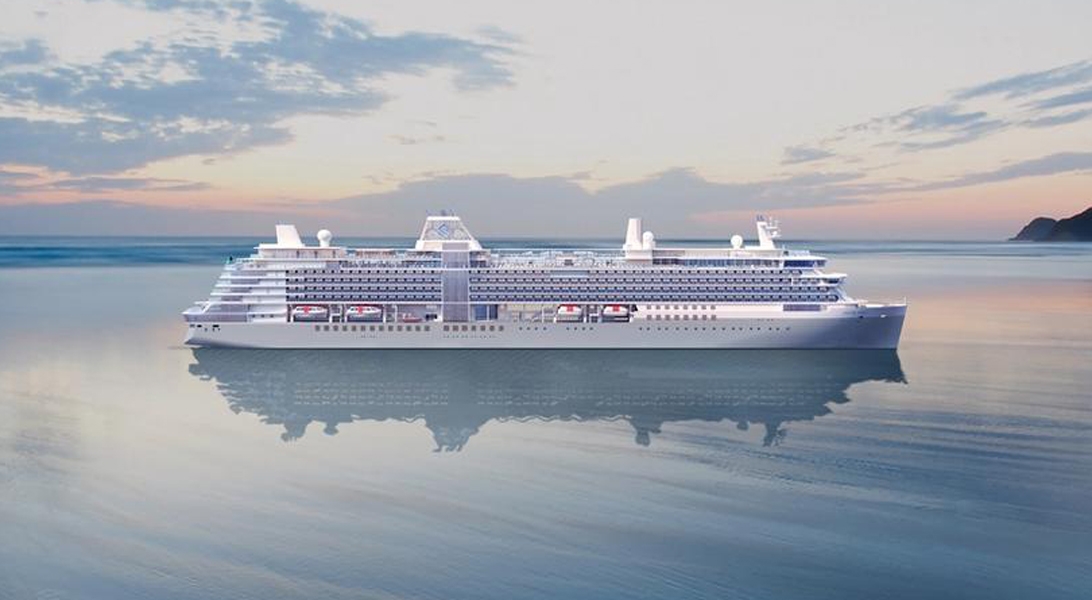
The images shown are for illustration purposes only and may not be an exact representation of what you find on the ship.
The images shown are for illustration purposes only and may not be an exact representation of what you find on the ship.
The images shown are for illustration purposes only and may not be an exact representation of what you find on the ship.
The images shown are for illustration purposes only and may not be an exact representation of what you find on the ship.
The images shown are for illustration purposes only and may not be an exact representation of what you find on the ship.


Our Fusion packages are all ABTA & ATOL protected ensuring that your booking is safe with us
| 12 nights aboard the Silver Nova | |||
| Butler Service in Every Suite | |||
| Gratuities Always Included | |||
| Beverages In-Suite and Throughout the Ship | |||
| Gourmet Dining | |||
| In Suite Dining & 24-Hour Room Service | |||
| Intimate small size ships | |||
| Free Wifi Throughout the Ship | |||
| Free Zodiac, Land and Sea Tours & Activities & Complimentary Expedition gear | |||
| Port Taxes and Fees | |||
 | ABTA and ATOL Protection* | ||
Date 24th Sep 2028 |
Nts 12 |
Suite £7,250pp |
Date 24th Sep 2028 |
Nts 12 |
Suite £7,250pp |
| Suite staterooms from | £7,250pp | ||
| CV | Classic Veranda Suite | £7,250pp | |
| DX | Deluxe Veranda Suite | £7,950pp | |
| SV | Superior Veranda Suite | £7,600pp | |
| PV | Premium Veranda Suite | £8,100pp | |
| J2 | Junior Grand Suite (2 Bedrooms) |  | |
| JG | Junior Grand Suite (1 Bedroom) | £13,900pp | |
| G1 | Grand Suite (1 Bedroom) | £22,500pp | |
| SL | Silver Suite | £15,500pp | |
| PM | Premium Medallion Suite | £12,200pp | |
| ME | Medallion Suite | £11,400pp | |
| MS | Master Suite | £16,750pp | |
| O1 | Owner's Suite (1 Bedroom) | £24,950pp | |
| O2 | Owner's Suite (2 Bedrooms) | | |
| OT | Otium Suite | £27,400pp | |
| SS | Signature Suite | £15,900pp | |
Fusion Holidays when selling travel arrangements is a trading name of Co-op Travel Services Limited, registration 08903986. Fusion Cruises is an Accredited Body Member of Co-op Travel Services Limited ATOL 12904.
Book with Confidence. We are a Member of ABTA which means you have the benefit of ABTA’s assistance and Code of Conduct.
Some of the flights and flight-inclusive holidays on this website are financially protected by the ATOL scheme but ATOL protection does not apply to all holiday and travel services offered on this website. This website will provide you with information on the protection that applies in the case of each holiday and travel service offered before you make your booking. If you do not receive an ATOL Certificate then the booking will not be ATOL protected. If you do receive an ATOL Certificate but all parts of your trip are not listed on it, those parts will not be ATOL protected. Please see our booking conditions for information, or for more information about financial protection and the ATOL Certificate go to: www.caa.co.uk