This site uses cookies as defined in our Cookie Policy, by continuing to use this site you agree to their use.
Continue

| Arrive | Depart | ||||||
| 21st21 | MayMay | 202828 | Honolulu, Hawaii, United States, embark on the Silver Whisper | ||||
Capital of Hawaii, and a popular tourist destination, Honolulu is known for surfing and water sports. However, there's more to the city than surfing; with museums, the only royal palace in the country, and a mall, there's bound to be something of interest for any visitor. Here is Hawaii's only true metropolis, its seat of government, center of commerce and shipping, entertainment and recreation mecca, a historic site, and an evolving urban area—conflicting roles that engender endless debate and controversy. For the visitor, Honolulu is an everyman's delight: hipsters and scholars, sightseers and foodies, nature lovers and culture vultures all can find their bliss. Once there was the broad bay of Mamala and the narrow inlet of Kou, fronting a dusty plain occupied by a few thatched houses and the great Pakaka heiau (shrine). Nosing into the narrow passage in the early 1790s, British sea captain William Brown named the port Fair Haven. Later, Hawaiians would call it Honolulu, or "sheltered bay." As shipping traffic increased, the settlement grew into a Western-style town of streets and buildings, tightly clustered around the single freshwater source, Nuuanu Stream. Not until piped water became available in the early 1900s did Honolulu spread across the greening plain. Long before that, however, Honolulu gained importance when King Kamehameha I reluctantly abandoned his home on the Big Island to build a chiefly compound near the harbor in 1804 to better protect Hawaiian interests from the Western incursion. Two hundred years later, the entire island is, in a sense, Honolulu—the City and County of Honolulu. The city has no official boundaries, extending across the flatlands from Pearl Harbor to Waikiki and high into the hills behind. The main areas (Waikiki, Pearl Harbor, Downtown, Chinatown) have the lion's share of the sights, but greater Honolulu also has a lot to offer. One reason to venture farther afield is the chance to glimpse Honolulu's residential neighborhoods. Species of classic Hawaii homes include the tiny green-and-white plantation-era house with its corrugated tin roof, two windows flanking a central door and small porch; the breezy bungalow with its swooping Thai-style roofline and two wings flanking screened French doors through which breezes blow into the living room. Note the tangled "Grandma-style" gardens and many ohana houses—small homes in the backyard of a larger home or built as apartments perched over the garage, allowing extended families to live together. Carports, which rarely house cars, are the island's version of rec rooms, where parties are held and neighbors sit to "talk story." Sometimes you see gallon jars on the flat roofs of garages or carports: these are pickled lemons fermenting in the sun. Also in the neighborhoods, you find the folksy restaurants and takeout spots favored by the islanders. | |||||||
| 22nd22 | MayMay | 202828 | Honolulu, Hawaii, United States | 18:00 | |||
Capital of Hawaii, and a popular tourist destination, Honolulu is known for surfing and water sports. However, there's more to the city than surfing; with museums, the only royal palace in the country, and a mall, there's bound to be something of interest for any visitor. Here is Hawaii's only true metropolis, its seat of government, center of commerce and shipping, entertainment and recreation mecca, a historic site, and an evolving urban area—conflicting roles that engender endless debate and controversy. For the visitor, Honolulu is an everyman's delight: hipsters and scholars, sightseers and foodies, nature lovers and culture vultures all can find their bliss. Once there was the broad bay of Mamala and the narrow inlet of Kou, fronting a dusty plain occupied by a few thatched houses and the great Pakaka heiau (shrine). Nosing into the narrow passage in the early 1790s, British sea captain William Brown named the port Fair Haven. Later, Hawaiians would call it Honolulu, or "sheltered bay." As shipping traffic increased, the settlement grew into a Western-style town of streets and buildings, tightly clustered around the single freshwater source, Nuuanu Stream. Not until piped water became available in the early 1900s did Honolulu spread across the greening plain. Long before that, however, Honolulu gained importance when King Kamehameha I reluctantly abandoned his home on the Big Island to build a chiefly compound near the harbor in 1804 to better protect Hawaiian interests from the Western incursion. Two hundred years later, the entire island is, in a sense, Honolulu—the City and County of Honolulu. The city has no official boundaries, extending across the flatlands from Pearl Harbor to Waikiki and high into the hills behind. The main areas (Waikiki, Pearl Harbor, Downtown, Chinatown) have the lion's share of the sights, but greater Honolulu also has a lot to offer. One reason to venture farther afield is the chance to glimpse Honolulu's residential neighborhoods. Species of classic Hawaii homes include the tiny green-and-white plantation-era house with its corrugated tin roof, two windows flanking a central door and small porch; the breezy bungalow with its swooping Thai-style roofline and two wings flanking screened French doors through which breezes blow into the living room. Note the tangled "Grandma-style" gardens and many ohana houses—small homes in the backyard of a larger home or built as apartments perched over the garage, allowing extended families to live together. Carports, which rarely house cars, are the island's version of rec rooms, where parties are held and neighbors sit to "talk story." Sometimes you see gallon jars on the flat roofs of garages or carports: these are pickled lemons fermenting in the sun. Also in the neighborhoods, you find the folksy restaurants and takeout spots favored by the islanders. | |||||||
| 23rd23 | MayMay | 202828 | Kailua-Kona, Hawaii, United States | 08:00 | 18:00 | ||
Kailua-Kona is a town on the west coast of Hawaii Island (the Big Island). Hulihee Palace is a former royal vacation home dating from 1838. Mokuaikaua Church, from the 1800s, is Hawaii’s oldest Christian church. On Kailua Bay, reconstructed thatched houses at Kamakahonu National Historic Landmark mark King Kamehameha I’s residence. Colorful coral lies off Kamakahonu Beach. Kailua Pier has boat moorings. The Kona coast, on Hawaii’s western shore, divides into two distinct areas – the north with spectacular sandy beaches followed farther up by a long bleak slope of barren lava trails from dormant Mauna Kea all the way down to the sea. Southwards, the hillsides are more fertile and there is still a feel of the old Hawaii. The Big Island’s main resort is officially called Kailua, but mostly everyone simply refers to it as Kona, or Kailua-Kona. It is by far the island’s most developed area. Whilst the main road, Ali’i Drive, is lined with shops, hotels and condominiums, most of the shoreline vista remains intact thanks to low-rise buildings. To show just how fertile lava can be when tended, miles of multi-hued bougainvillea and poinsettias line Ali’i Drive like a colourful lei. East of town is the 8,271-foot (2,521-metre) Mount Hualalai, where local people still earn a living growing vegetables and taro on small farms spreading over the side of the mountain. In the centre of Kona stands the Hulihee Palace built as the governor’s residence in 1838. The relatively simple dwelling was heavily damaged during the last big storm and is now under restoration. The north end of downtown is home to Ahuena Heiau, where King Kamehameha spent the last years of his life. A dozen miles south of Kona at Kealakekua Bay is the site where Captain Cook was killed on his second voyage to Hawaii. South Kona is also the prime source of the famous Kona coffee. | |||||||
| 24th24 | MayMay | 202828 | Hilo, Hawaii, United States | 08:00 | 17:00 | ||
In comparison to Kailua-Kona, Hilo is often described as "the old Hawaii." With significantly fewer visitors than residents, more historic buildings, and a much stronger identity as a long-established community, this quaint, traditional town does seem more authentic. It stretches from the banks of the Wailuku River to Hilo Bay, where a few hotels line stately Banyan Drive. The characteristic old buildings that make up Hilo's downtown have been spruced up as part of a revitalization effort. Nearby, the 30-acre Liliuokalani Gardens, a formal Japanese garden with arched bridges and waterways, was created in the early 1900s to honor the area's Japanese sugar-plantation laborers. It also became a safety zone after a devastating tsunami swept away businesses and homes on May 22, 1960, killing 60 people. With a population of almost 50,000 in the entire district, Hilo is the fourth-largest city in the state and home to the University of Hawaii at Hilo. Although it is the center of government and commerce for the island, Hilo is clearly a residential town. Mansions with yards of lush tropical foliage share streets with older, single-walled plantation-era houses with rusty corrugated roofs. It's a friendly community, populated primarily by descendants of the contract laborers—Japanese, Chinese, Filipino, Puerto Rican, and Portuguese—brought in to work the sugarcane fields during the 1800s. One of the main reasons visitors have tended to steer clear of the east side of the island is its weather. With an average rainfall of 130 inches per year, it's easy to see why Hilo's yards are so green and its buildings so weatherworn. Outside of town, the Hilo District has rain forests and waterfalls, a terrain unlike the hot and dry white-sand beaches of the Kohala Coast. But when the sun does shine—usually part of nearly every day—the town sparkles, and, during winter, the snow glistens on Mauna Kea, 25 miles in the distance. Best of all is when the mists fall and the sun shines at the same time, leaving behind the colorful arches that earn Hilo its nickname: the City of Rainbows. The Merrie Monarch Hula Festival takes place in Hilo every year during the second week of April, and dancers and admirers flock to the city from all over the world. If you're planning a stay in Hilo during this time, be sure to book your room well in advance. | |||||||
| 25th25 | MayMay | 202828 | At Sea | ||||
| 26th26 | MayMay | 202828 | At Sea | ||||
| 27th27 | MayMay | 202828 | At Sea | ||||
| 28th28 | MayMay | 202828 | At Sea | ||||
| 29th29 | MayMay | 202828 | At Sea | ||||
| 30th30 | MayMay | 202828 | At Sea | ||||
| 31st31 | MayMay | 202828 | Victoria, British Columbia, Canada | 09:30 | 19:00 | ||
Victoria, the capital of a province whose license plates brazenly label it "The Best Place on Earth," is a walkable, livable seaside city of fragrant gardens, waterfront paths, engaging museums, and beautifully restored 19th-century architecture. In summer, the Inner Harbour—Victoria's social and cultural center—buzzes with visiting yachts, horse-and-carriage rides, street entertainers, and excursion boats heading out to visit pods of friendly local whales. Yes, it might be a bit touristy, but Victoria's good looks, gracious pace, and manageable size are instantly beguiling, especially if you stand back to admire the mountains and ocean beyond. At the southern tip of Vancouver Island, Victoria dips slightly below the 49th parallel. That puts it farther south than most of Canada, giving it the mildest climate in the country, with virtually no snow and less than half the rain of Vancouver. The city's geography, or at least its place names, can cause confusion. Just to clarify: the city of Victoria is on Vancouver Island (not Victoria Island). The city of Vancouver is on the British Columbia mainland, not on Vancouver Island. At any rate, that upstart city of Vancouver didn't even exist in 1843 when Victoria, then called Fort Victoria, was founded as the westernmost trading post of the British-owned Hudson's Bay Company. Victoria was the first European settlement on Vancouver Island, and in 1868 it became the capital of British Columbia. The British weren't here alone, of course. The local First Nations people—the Songhees, the Saanich, and the Sooke—had already lived in the areas for thousands of years before anyone else arrived. Their art and culture are visible throughout southern Vancouver Island. You can see this in private and public galleries, in the totems at Thunderbird Park, in the striking collections at the Royal British Columbia Museum, and at the Quw'utsun'Cultural and Conference Centre in nearby Duncan. Spanish explorers were the first foreigners to explore the area, although they left little more than place names (Galiano Island and Cordova Bay, for example). The thousands of Chinese immigrants drawn by the gold rushes of the late 19th century had a much greater impact, founding Canada's oldest Chinatown and adding an Asian influence that's still quite pronounced in Victoria's multicultural mix. Despite its role as the provincial capital, Victoria was largely eclipsed, economically, by Vancouver throughout the 20th century. This, as it turns out, was all to the good, helping to preserve Victoria's historic downtown and keeping the city largely free of skyscrapers and highways. For much of the 20th century, Victoria was marketed to tourists as "The Most British City in Canada," and it still has more than its share of Anglo-themed pubs, tea shops, and double-decker buses. These days, however, Victorians prefer to celebrate their combined indigenous, Asian, and European heritage, and the city's stunning wilderness backdrop. Locals do often venture out for afternoon tea, but they're just as likely to nosh on dim sum or tapas. Decades-old shops sell imported linens and tweeds, but newer upstarts offer local designs in hemp and organic cotton. And let's not forget that fabric prevalent among locals: Gore-Tex. The outdoors is ever present here. You can hike, bike, kayak, sail, or whale-watch straight from the city center, and forests, beaches, offshore islands, and wilderness parklands lie just minutes away. A little farther afield, there's surfing near Sooke, wine touring in the Cowichan Valley, and kayaking among the Gulf Islands. Set on the southern tip of Vancouver Island (although nowhere near Vancouver the city), Victoria (the city) is nowhere near Victoria Island. Confused? Victoria may be Vancouver’s smaller sister in size but what it lacks in bright light big city bustle, is more than made up for by its fantastic foodie scene, historical background and its glorious natural surroundings. What’s more, stop any local and you’ll find a charming population, full of friendliness and pride for their city. Easily walkable, Victoria is full of blooming gardens, coastal paths, engaging museums, and beautifully restored 19th-century architecture. Pods of friendly whales have been known to visit the harbour, attracted by the fertile waters. Three resident pods of Orcas live in the nearby Puget Sound, Gulf and San Juan Islands. Nothing beats the feeling of standing on the viewing deck, binoculars in hand, listening to the eerie communication of the beautiful black and white beasts. Discovered by Captain James Cook in the 18th century, Victoria – and Vancouver Island – had long been home to many indigenous families. The city retains its roots to its First Nation culture, thousands of examples of which can be found in the spectacular collection housed at The Royal BC Museum. People flocked to the area after gold was discovered in 1858, bringing adventurers from as far afield as Australia. This diversity of population was further cemented in the 19th century when thousands of migrant workers were brought in to build the railway. | |||||||
| 1st01 | JunJun | 202828 | Vancouver, British Columbia, Canada, disembark the Silver Whisper | ||||
Vancouver is a delicious juxtaposition of urban sophistication and on-your-doorstep wilderness adventure. The mountains and seascape make the city an outdoor playground for hiking, skiing, kayaking, cycling, and sailing—and so much more—while the cuisine and arts scenes are equally diverse, reflecting the makeup of Vancouver's ethnic (predominantly Asian) mosaic. Vancouver is consistently ranked as one of the world's most livable cities, and it's easy for visitors to see why. It's beautiful, it's outdoorsy, and there's a laidback West Coast vibe. On the one hand, there's easy access to a variety of outdoor activities, a fabulous variety of beaches, and amazing parks. At the same time, the city has a multicultural vitality and cosmopolitan flair. The attraction is as much in the range of food choices—the fresh seafood and local produce are some of North America's best—as it is in the museums, shopping, and nightlife.Vancouver's landscaping also adds to the city's walking appeal. In spring, flowerbeds spill over with tulips and daffodils while sea breezes scatter scented cherry blossoms throughout Downtown; in summer office workers take to the beaches, parks, and urban courtyards for picnic lunches and laptop meetings. More than 8 million visitors each year come to Vancouver, Canada's third-largest metropolitan area. Because of its peninsula location, traffic flow is a contentious issue. Thankfully, Vancouver is wonderfully walkable, especially in the downtown core. The North Shore is a scoot across the harbor, and the rapid-transit system to Richmond and the airport means that staying in the more affordable ’burbs doesn't have to be synonymous with sacrificing convenience. The mild climate, exquisite natural scenery, and relaxed outdoor lifestyle keep attracting residents, and the number of visitors is increasing for the same reasons. People often get their first glimpse of Vancouver when catching an Alaskan cruise, and many return at some point to spend more time here. Boasting mountains, sea, culture, art and so much more, many cities claim to have it all, but few can back it up like Vancouver. Famously livable, just visiting this highrise city - surrounded by staggering natural beauty - is a thrill. Offering all of the creature comforts of an ultra-modern, worldly metropolis - even downtown has a hint of mountain-freshness to its air - and part of Vancouver's appeal is how easily you can swap the skyscrapers for whale-filled oceans and mountain-punctured skies. Head up to the Vancouver Lookout Tower for the ultimate 360-degree views of the city glistening, amid the beautiful embrace of the beckoning wilderness beyond. But what to see first? Art lovers might choose the Vancouver Art Gallery or the Contemporary Art Gallery. Nature lovers might rush for the ferry to visit Vancouver Island - where they can encounter grizzly bears, whales and orcas. Culture vultures, on the other hand, will probably head for the sights and sounds of Canada's biggest Chinatown. From steaming dim sum for lunch to Chinese apothecaries offering herbs to soothe any illness, it’s all here thanks to the migrant workers of the 19th century. The one-of-a-kind treasure of Stanley Park brings wild wonder and natural beauty to this cosmopolitan city's doorstep, and the pine-tree clad park offers isolated trails and amazing views. Wander the Seawall that encircles it - a 20-mile coastal path, full of joggers, whizzing skaters and wandering couples. Grab a bike and cycle between Coal Harbour and Kitsilano Beach. You can top up your tan on the shore, as you soak in the glorious views of the mountains and cityscape from the sands. | |||||||
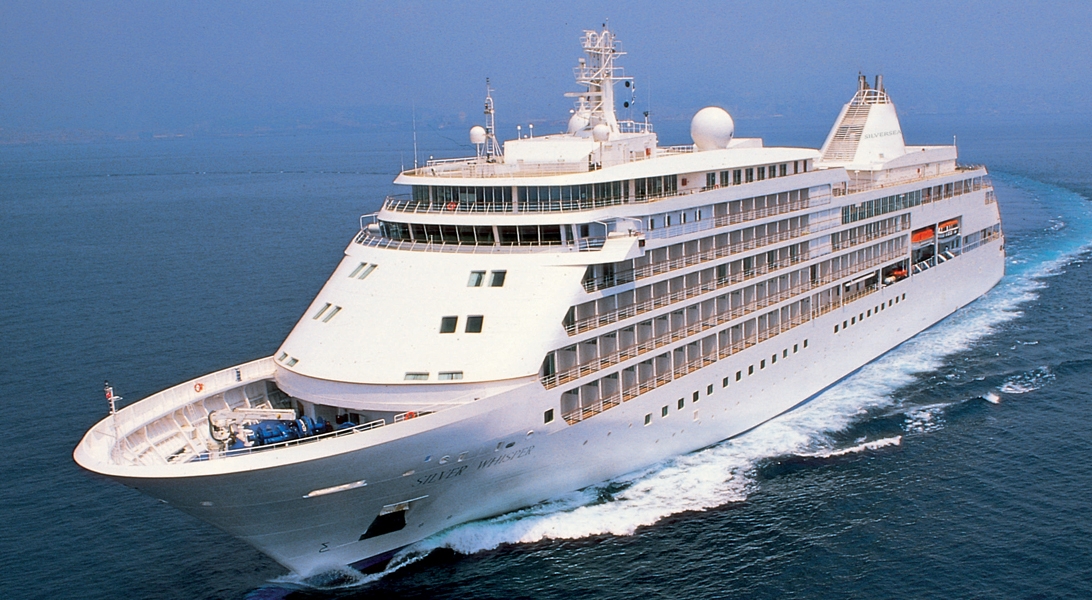
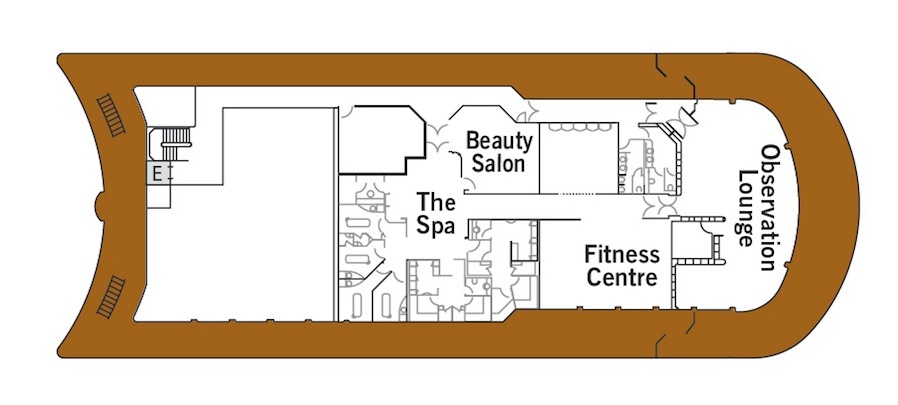

The images shown are for illustration purposes only and may not be an exact representation of what you find on the ship.
| Grade Code | From | To | |
| O1 | Owner's Suite (1 Bedroom) | £10,900 | £11,150 |
| O2 | Owner's Suite (2 Bedrooms) | £15,700 | £16,200 |
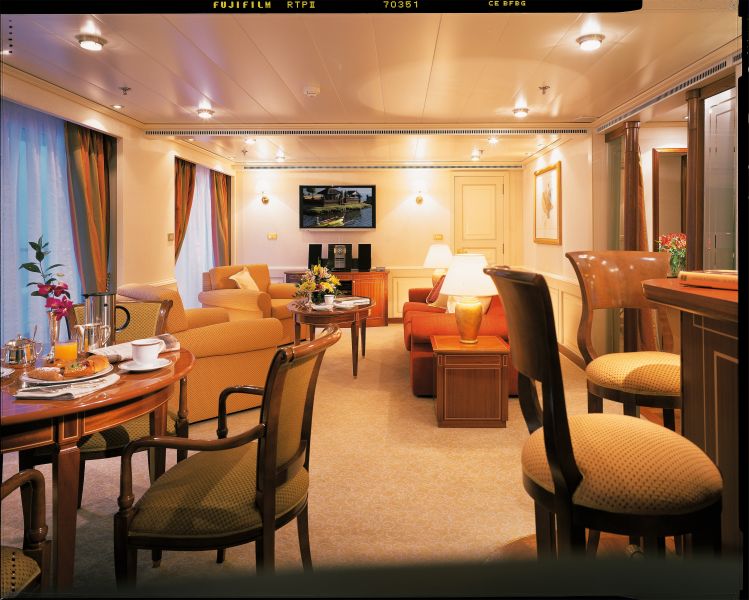
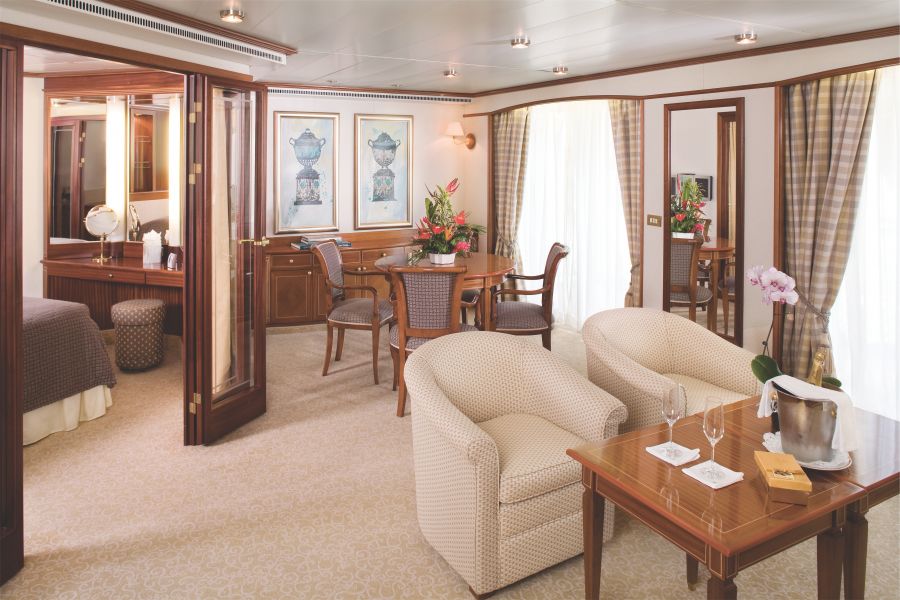
The name says it all. A stylish apartment. Prestigious and classic, as is the Silver Whisper itself. For those who seek the superlative level of space, comfort and service on board. Available as a one-bedroom configuration or as two-bedrooms (as illustrated) by adjoining with a Vista Suite.
One bedroom: 85 sq.m. including veranda
Two bedroom: 117 sq.m. including veranda
Please note that the 3rd guest will sleep on a comfortable sofa bed in the reception area of the suite.
Essentials
Characteristics
Furniture
Media & Communication
Onboard Services
Amenities
| Grade Code | From | To | |
| SL | Silver Suite | £7,250 | £7,550 |
Stylish and sophisticated. Separate dining and living rooms. Larger verandas. Situated midship. Perfection in design for comfortable living. Silver Suites accommodate three guests.
One bedroom: 61-65 sq.m. including veranda
Please note that the 3rd guest will sleep on a comfortable sofa bed in the reception area of the suite.
Essentials
Characteristics
Furniture
Media & Communication
Onboard Services
Amenities
The images shown are for illustration purposes only and may not be an exact representation of what you find on the ship.
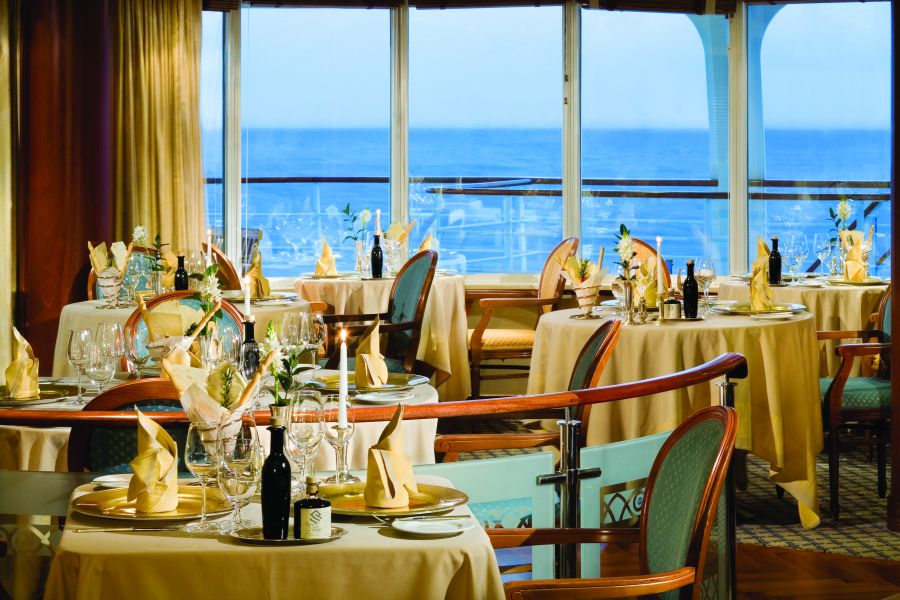
La Terrazza elevates casual dining by day and delivers an authentic Italian experience by night. During the breakfast and lunch buffets, our master chefs prepare global favorites at live stations. As evening falls, handmade pastas and classic seafood dishes are the centerpiece — every impeccable bite paired with fine wines from around the world.
Open-seating for breakfast and lunch.
Seating is limited for dinner and reservations are recommended.
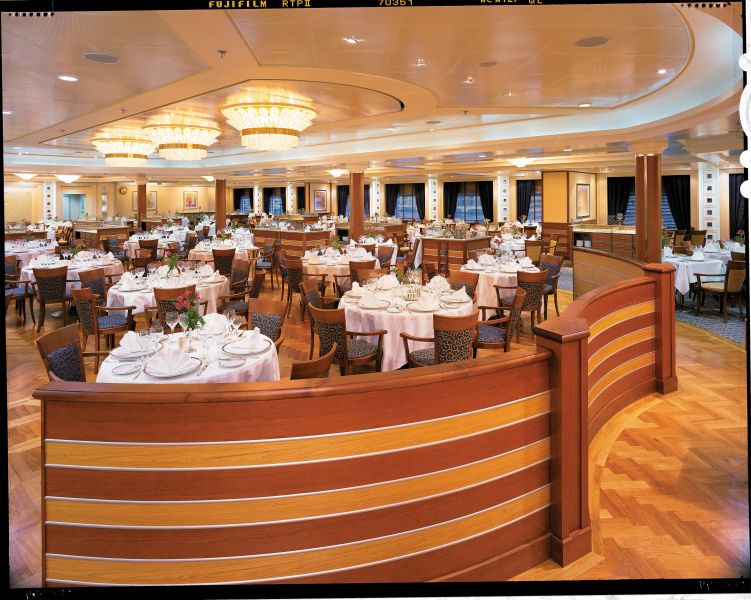
The Restaurant transforms dining into an extraordinary journey of taste. Indulge in international delicacies, refined classics, and destination-driven creations that reflect the flavors of the region you’re exploring. From breakfast favorites to imaginative evening courses, every meal draws inspiration from your voyage.
The images shown are for illustration purposes only and may not be an exact representation of what you find on the ship.
The images shown are for illustration purposes only and may not be an exact representation of what you find on the ship.
The images shown are for illustration purposes only and may not be an exact representation of what you find on the ship.

Our Fusion packages are all ABTA & ATOL protected ensuring that your booking is safe with us
| 11 nights aboard the Silver Whisper | |||
| Butler Service in Every Suite | |||
| Gratuities Always Included | |||
| Beverages In-Suite and Throughout the Ship | |||
| Gourmet Dining | |||
| In Suite Dining & 24-Hour Room Service | |||
| Intimate small size ships | |||
| Free Wifi Throughout the Ship | |||
| Free Zodiac, Land and Sea Tours & Activities & Complimentary Expedition gear | |||
| Port Taxes and Fees | |||
 | ABTA and ATOL Protection* | ||
Date 21st May 2028 |
Nts 11 |
Suite £4,350pp |
Date 21st May 2028 |
Nts 11 |
Suite £4,350pp |
| Suite staterooms from | £4,350pp | ||
| G1 | Grand Suite (1 Bedroom) | £9,400pp | |
| G2 | Grand Suite (2 Bedrooms) |  | |
| ME | Medallion Suite | £6,950pp | |
| O1 | Owner's Suite (1 Bedroom) | £10,900pp | |
| O2 | Owner's Suite (2 Bedrooms) | | |
| R1 | Royal Suite (1 Bedroom) | £8,950pp | |
| R2 | Royal Suite (2 Bedrooms) | | |
| SL | Silver Suite | £7,250pp | |
| VI | Vista Suite | £4,350pp | |
| CV | Classic Veranda Suite | £4,800pp | |
| SV | Superior Veranda Suite | £4,900pp | |
| DX | Deluxe Veranda Suite | £4,950pp | |
Fusion Holidays when selling travel arrangements is a trading name of Co-op Travel Services Limited, registration 08903986. Fusion Cruises is an Accredited Body Member of Co-op Travel Services Limited ATOL 12904.
Book with Confidence. We are a Member of ABTA which means you have the benefit of ABTA’s assistance and Code of Conduct.
Some of the flights and flight-inclusive holidays on this website are financially protected by the ATOL scheme but ATOL protection does not apply to all holiday and travel services offered on this website. This website will provide you with information on the protection that applies in the case of each holiday and travel service offered before you make your booking. If you do not receive an ATOL Certificate then the booking will not be ATOL protected. If you do receive an ATOL Certificate but all parts of your trip are not listed on it, those parts will not be ATOL protected. Please see our booking conditions for information, or for more information about financial protection and the ATOL Certificate go to: www.caa.co.uk