This site uses cookies as defined in our Cookie Policy, by continuing to use this site you agree to their use.
Continue

| Arrive | Depart | ||||||
| 7th07 | MayMay | 202828 | Piraeus, Greece, embark on the Silver Wind | 17:00 | |||
It's no wonder that all roads lead to the fascinating and maddening metropolis of Athens. Lift your eyes 200 feet above the city to the Parthenon, its honey-color marble columns rising from a massive limestone base, and you behold architectural perfection that has not been surpassed in 2,500 years. But, today, this shrine of classical form dominates a 21st-century boomtown. To experience Athens—Athína in Greek—fully is to understand the essence of Greece: ancient monuments surviving in a sea of cement, startling beauty amid the squalor, tradition juxtaposed with modernity. Locals depend on humor and flexibility to deal with the chaos; you should do the same. The rewards are immense. Although Athens covers a huge area, the major landmarks of the ancient Greek, Roman, and Byzantine periods are close to the modern city center. You can easily walk from the Acropolis to many other key sites, taking time to browse in shops and relax in cafés and tavernas along the way. From many quarters of the city you can glimpse "the glory that was Greece" in the form of the Acropolis looming above the horizon, but only by actually climbing that rocky precipice can you feel the impact of the ancient settlement. The Acropolis and Filopappou, two craggy hills sitting side by side; the ancient Agora (marketplace); and Kerameikos, the first cemetery, form the core of ancient and Roman Athens. Along the Unification of Archaeological Sites promenade, you can follow stone-paved, tree-lined walkways from site to site, undisturbed by traffic. Cars have also been banned or reduced in other streets in the historical center. In the National Archaeological Museum, vast numbers of artifacts illustrate the many millennia of Greek civilization; smaller museums such as the Goulandris Museum of Cycladic Art Museum and the Byzantine and Christian Museum illuminate the history of particular regions or periods. Athens may seem like one huge city, but it is really a conglomeration of neighborhoods with distinctive characters. The Eastern influences that prevailed during the 400-year rule of the Ottoman Empire are still evident in Monastiraki, the bazaar area near the foot of the Acropolis. On the northern slope of the Acropolis, stroll through Plaka (if possible by moonlight), an area of tranquil streets lined with renovated mansions, to get the flavor of the 19th-century's gracious lifestyle. The narrow lanes of Anafiotika, a section of Plaka, thread past tiny churches and small, color-washed houses with wooden upper stories, recalling a Cycladic island village. In this maze of winding streets, vestiges of the older city are everywhere: crumbling stairways lined with festive tavernas; dank cellars filled with wine vats; occasionally a court or diminutive garden, enclosed within high walls and filled with magnolia trees and the flaming trumpet-shaped flowers of hibiscus bushes. Formerly run-down old quarters, such as Thission, Gazi and Psirri, popular nightlife areas filled with bars and mezedopoleia (similar to tapas bars), are now in the process of gentrification, although they still retain much of their original charm, as does the colorful produce and meat market on Athinas. The area around Syntagma Square, the tourist hub, and Omonia Square, the commercial heart of the city about 1 km (½ mi) northwest, is distinctly European, having been designed by the court architects of King Otho, a Bavarian, in the 19th century. The chic shops and bistros of ritzy Kolonaki nestle at the foot of Mt. Lycabettus, Athens's highest hill (909 feet). Each of Athens's outlying suburbs has a distinctive character: in the north is wealthy, tree-lined Kifissia, once a summer resort for aristocratic Athenians, and in the south and southeast lie Glyfada, Voula, and Vouliagmeni, with their sandy beaches, seaside bars, and lively summer nightlife. Just beyond the city's southern fringes is Piraeus, a bustling port city of waterside fish tavernas and Saronic Gulf views. A city of legend, civilisation and enduring culture, Athens is a majestic and magical urban sprawl. Extraordinary elegance and grace combine with grit and graft in Greece's capital, where highways encase ruins from antiquity, and gleaming museums and galleries stand beside concrete sprayed with edgy street art. These contrasts enhance and elevate the wonders of this 2,500-year-old city, however, which can count notable contributions to philosophy, drama and democracy, among its global legacy. Piraeus' giant port and naval base welcome you to the edge of the Athens' urban area. From there it's a simple jaunt to the centre. The majestic ancient citadel of the Acropolis dominates an elevated platform and is a constant presence as you explore the city. The wonderful remains of the columned temple of the Parthenon - which date back to the 5th century BC - stand here, representing the pinnacle of classical architecture. The nearby Acropolis Museum adds context to your visit and frames the broad views from its giant glass windows. Or rise up Mount Lycabettus, to be rewarded with perhaps Athens' best panorama of the Acropolis sitting high over the city on its grand stage. See the marble horseshoe of the Old Olympic Stadium, where the first modern Olympics were held in 1896, for more of the city's enduring legacy. Elsewhere, golden beaches and temples stretch out along the coastline, should you wish to explore a little further afield. Coffee is an art form to the Greeks, and it's an unwritten rule that coffee time must never be rushed. So prepare to settle down for a couple of hours and lose yourself in a good chat. Feeling hungry - try traditional souvlaki made with sauces handed from generation to generation. | |||||||
| 8th08 | MayMay | 202828 | Vólos, Greece | 08:30 | 19:00 | ||
| Nestled ideally between the gentle lapping waves of the Pagasetic Gulf and Mount Pelion, Volos is a Greek seaside town worth visiting. The town enjoys a near mythic status as being home of Jason and his Argonauts, and that, along with its reputation for being ‘Land of the Centaurs’ should go some way to illustrating the degree of ancient history to be found in Volos. The city was severely damaged in an earthquake in 1955 which regrettably means that much of the 19th-century architecture has been lost or damaged. A few traces do remain however, fine examples of neo-classical architecture that are hidden away around the town. If you want your history a little older than that, the superb archaeology museum will both surprise and delight you. Not only will you find objects from the Ancient Greek era but recent excavations have unearthed artefacts from the first Neolithic settlements of Dimini and Sesklo. The city itself is flat and easy to negotiate on foot. Or better still, make like the locals and hire a bike to cycle the city. For those feeling a little more adventurous, the 8-mile cycle up Mont Pelion rewards the sporty cycler with traditional stone tavernas and breathtaking views of the region. If relaxing closer to home is more your glass of ouzo, make for Palia, the old part of Volos, famous for having some of the finest cuisine on the mainland. Head into the narrow alleys, order a tsipouradika (a combination of traditional spirit served with local mezze) and enjoy. | |||||||
| 9th09 | MayMay | 202828 | Kusadasi, Turkey | 14:00 | 23:00 | ||
Whilst the busy resort town of Kusadasi offers much in the way of shopping and dining – not to mention a flourishing beach life scene, the real jewel here is Ephesus and the stunning ruined city that really take centre stage. With only 20% of the classical ruins having been excavated, this archaeological wonder has already gained the status as Europe’s most complete classical metropolis. And a metropolis it really is; built in the 10th century BC this UNESCO World Heritage site is nothing short of spectacular. Although regrettably very little remains of the Temple of Artemis (one of the seven wonders of the ancient world), the superb Library of Celsus’ façade is practically intact and it is one of life’s great joys to attend an evening performance in the illuminated ruins once all the tourists have left. The history of the city is fascinating and multi-layered and it is well worth reading up on this beforehand if a visit is planned. Another point of interest for historians would be the house of the Virgin Mary, located on the romantically named Mount Nightingale and just nine kilometres away from Ephesus proper. Legend has it that Mary (along with St. John) spent her final years here, secluded from the rest of the population, spreading Christianity. An edifying experience, even for non-believers. For the less historical minded amongst you, Kusadasi offers plenty in the way of activities. After a stroll through the town, jump in a taxi to Ladies’ Beach (men are allowed), sample a Turkish kebap on one of the many beachfront restaurants and enjoy the clement weather. If you do want to venture further afield, then the crystal clear beaches of Guzelcamli (or the Millipark), the cave of Zeus and the white scalloped natural pools at Pamukkale, known as Cleopatra’s pools, are definitely worth a visit. Explore the towering columns and storied remains of Ephesus - one of the most spectacular cities left by the Ancient Greeks. Kusadasi welcomes you to the Turkish coastline and is your base for exploring these majestic remains which sit just 10 miles inland from the port. The Ephesus UNESCO World Heritage Site is a true archaeological gold mine and an amazingly well-preserved site - once home to 150 000 people. The grand Temple of Artemis rose up majestically here and was recognised as one of the Seven Wonders of the Ancient World before its untimely destruction. The grand city was a fitting location for such a wonder and with a mere 20% estimated to have been uncovered the scale and majesty of Ephesus is hard to fully comprehend as you walk its ancient streets. Visit the precious Library of Celsus - a gorgeous double-layered façade of columns and artistry - and enjoy the city's gently illuminated atmospheric venues - which still host stirring evening concerts. Ephesus's museum adds context to the 25 000 treasures that are exhibited within. After a long hot day exploring recharge with a perfectly-charred and seasoned kebab or vegetable and rice stuffed grape leaves like dolma. In Kusadasi itself you can discover a lively seaside city with a buzzing Aegean beach scene and a glut of restaurants and cafes to kick back in. | |||||||
| 10th10 | MayMay | 202828 | Pátmos, Greece | 07:00 | 18:00 | ||
For better or worse, it can be difficult to reach Patmos—for many travelers, this lack of access is definitely for the better, since the island retains the air of an unspoiled retreat. Rocky and barren, the small, 34-square-km (21-square-mi) island lies beyond the islands of Kalymnos and Leros, northwest of Kos. Here on a hillside is the Monastery of the Apocalypse, which enshrines the cave where St. John received the Revelation in AD 95. Scattered evidence of Mycenaean presence remains on Patmos, and walls of the classical period indicate the existence of a town near Skala. Most of the island's approximately 2,800 people live in three villages: Skala, medieval Chora, and the small rural settlement of Kambos. The island is popular among the faithful making pilgrimages to the monastery as well as with vacationing Athenians and a newly growing community of international trendsetters—designers, artists, poets, and “taste gurus” (to quote Vogue’s July 2011 write-up of the island)—who have bought homes in Chora. These stylemeisters followed in the footsteps of Alexandrian John Stefanidis and the English artist Teddy Millington-Drake who, in the early ’60s, set about creating what eventually became hailed as one of the most gorgeous island homes in the world. The word soon spread thanks to their many guests (who included Jacqueline Kennedy Onassis) but, happily, administrators have carefully contained development, and as a result, Patmos retains its charm and natural beauty—even in the busy month of August. The seahorse-shaped Patmos is a Greek island of stunning seascapes and immense cultural significance. Whether you’re religious or not there is something of the divine in this gorgeous island - a place of sanctuary fringed by crystal-clear waters and blissful beaches. Sleepy whitewash towns gleam in the strong sunshine while cats slink between the crumbling walls of this ruggedly beautiful island. High on the hillside above the cobalt-blue bay you’ll find the sacred chapel where an exiled John of Patmos is said to have entered the Cave of the Apocalypse and prophesied of the end of the world’s fire and brimstone – a striking juxtaposition with the peaceful serenity of the calm location. Higher up you’ll find the 11th-century Monastery of St. John which offers spectacular views of the island’s mounds curving around like a scorpion’s tail. It stands watching over the island like a fortified crown. Sun-wrinkled black-robed monks climb the streets up to this World Heritage site where bells peel out melodically. Inside vaulted chambers and stunning frescoes tell stories amid the striking religious iconography. Chora’s incredible narrow streets - moulded white - are an enchanting place to lose your bearings spreading below the monastery. Elsewhere blissful beaches stretch out across the coastline or this remote Greek island’s curves can be admired while bobbing offshore in a sailboat. | |||||||
| 11th11 | MayMay | 202828 | Folégandros, Greece | 07:00 | 16:00 | ||
| There is popular saying that good things come in small packages, or that small is beautiful. And never has a truer word been said when talking about Folegandros. Because this little island in the Aegean packs a big punch. What it might lack in mainstream tourism – you won’t see any all-day breakfasts or Sky sports channels here – is more amply made up by the mouthwatering cuisine, stunning beaches, azure Aegean waters and secluded coves. At just 12.5 m2 this tiny Cycladic gem – along with its 765 year round inhabitants – is a pearl waiting to be polished. Named after the son of King Minos the island’s auspicious history is eclipsed by its beauty. Used as a prison for exiled political prisoners until last century the island’s remote location is a happy blessing for those who want step back in time. Despite being so secluded there is plenty for visitpors to do once they have arrived in the charming harbour and its village. The pebbly beaches are covered with tamarisk trees while scenic Karavostássis with its beautiful beach is the perfect starting point for an exploration of the five other glorious beaches of on the island. Livádi a village with a sandy beach and turquoise waters is a must-see for all those who want to go off the beaten path but still want to swim in the warm Aegean waters. A boat tour of the island offers day-trippers to fully appreciate the tall cliffs and large “golden” cave (unfortunately closed to the public due to the archaeological excavations taking place). The whitewashed houses and zigzagging path are certainly worth the view from the water! A walk up the same path from the pretty village to the Church of the Assumption of the Virgin Mary takes about 15 minutes and offers stupendous views once you’re at the top. | |||||||
| 12th12 | MayMay | 202828 | Corfu, Greece | 19:00 | 21:00 | ||
Corfu town today is a vivid tapestry of cultures—a sophisticated weave, where charm, history, and natural beauty blend. Located about midway along the island's east coast, this spectacularly lively capital is the cultural heart of Corfu and has a remarkable historic center that UNESCO designated as a World Heritage Site in 2007. All ships and planes dock or land near Corfu town, which occupies a small peninsula jutting into the Ionian Sea.Whether arriving by ferry from mainland Greece or Italy, from another island, or directly by plane, catch your breath by first relaxing with a coffee or a gelato in Corfu town's shaded Liston Arcade, then stroll the narrow lanes of its pedestrians-only quarter. For an overview of the immediate area, and a quick tour of Mon Repos palace, hop on the little tourist train that runs from May to September. Corfu town has a different feel at night, so book a table at one of its famed tavernas to savor the island's unique cuisine.The best way to get around Corfu town is on foot. The town is small enough so that you can easily walk to every sight. There are local buses, but they do not thread their way into the streets (many now car-free) of the historic center. If you are arriving by ferry or plane, it's best to take a taxi to your hotel. Expect to pay about €10 from the airport or ferry terminal to a hotel in Corfu town. If there are no taxis waiting, you can call for one. The soft hues of Corfu’s UNESCO World Heritage List Old Town brings together Corfu’s mesh of European influences with its romantic stone floors and vine-clad cafes. Find somewhere to settle in for a morning coffee ritual like a true Corfiat and sip at the laid-back pace of the locals - allowing the thick bitter concoction to settle before indulging. The oddly out-of-place sound of leather on willow can be heard in Spianada Square – the largest city square in the Balkan region - where a manicured cricket pitch spreads out incongruously below the Mediterranean sun. Take the hike up to the 13th-century Paleokastritsa Monastery where you’ll be escorted by the resident goats and have to step over cats contentedly rolling around your feet on arrival. Inside explore gold-framed frescoes and watch as monks squeeze oil from the monastery’s trees’ bounty. Wander out among the groves to views of Corfu’s never-ending sea reaching out to the horison below you. Corfu’s sweeping sand beaches and hidden coves display the full spectrum of vivid Mediterranean seaside colours – which shift from turquoise greens to cobalt blues. The famous Canal d’Amour is a gorgeous inlet and island legend says couples who swim together in this narrow channel of water stay together forever. Enjoy an afternoon sit-down and drink of ginger tea or something a little stronger in the form of Corfu’s famous radiant orange kumquat liqueur. | |||||||
| 13th13 | MayMay | 202828 | Otranto, Italy | 07:00 | 17:00 | ||
Located right in the heel of the Italian boot, Otranto’s scenic landscape often plays the protagonist in displaying the beauty of Puglia, Italy’s easternmost region. Facing the Adriatic sea, the seducing weather and pristine waters have made it a popular destination where on a clear day, wanderers can see the coast of Albania. Like much of Italy, the city boasts a rich and mixed history. Once a Greek and Roman port, it was later occupied by the Byzantines, the Normans and the Spanish before the Ottoman invaded in during their Jihad to conquer Europe. Remains of forts are still visible and are a living testimonial of the town’s rich history along with Otranto’s cathedral, which still encloses today the relics of martyrs who refused to convert to Islam. With its stern, steep fortifications, Otranto is an imposing, elevated and alluring port call. Learn a little of the history here, and you'll soon realise that this is a town that's right to be wary, having been conquered by - and repelled - many hostile visitors over its turbulent past. Visit Otranto to enjoy the heel of Italy's generous weather, bright white beaches, and the tug-of-war history between east and west. The turquoise seawater offers an enticing welcome, but this is a town haunted by past events. The darkest chapter occurred in 1480, when 813 were slaughtered after refusing to convert when Ottoman invaders conquered the city - following a fierce 15 days of resistance. The bones and skulls of the Martyrs of Otranto now watch over the altar of the cathedral, where they are stacked up behind a wall of glass. They were canonised by Pope Francis In 2012, and are recognised as Otranto's patron saints. Less macabre, the cathedral’s wonderful rose window and mosaic floor are gloriously beautiful, dating back to the 12th century. Head to the beach to soak up some sun and views of the sparkling Adriatic in Italy's most easterly town, or wander the pretty, cafe-lined streets of the historic old town amid the stout round towers of the extraordinary ramparts. Enjoy the leisurely pace of life along these tight, history-steeped alleyways, and try some of Puglia's delicious food, like the deceptively simple pasta cacio e pepe – pasta with cheese and pepper, or fresh hauls of prawns. Hidden beaches, gaping caves, and scattered fortifications litter the surrounding coastline. | |||||||
| 14th14 | MayMay | 202828 | Komiza, Croatia | 09:30 | 21:30 | ||
| 15th15 | MayMay | 202828 | Sibenik, Croatia | 06:30 | 19:00 | ||
Šibenik's main monument, its Gothic-Renaissance cathedral, built of pale-gray Dalmatian stone and designated a UNESCO World Heritage Site, stands on a raised piazza close to the seafront promenade. From here a network of narrow, cobbled streets leads through the medieval quarter of tightly packed, terra-cotta–roof houses, and up to the ruins of a 16th-century hilltop fortress. The city has never been a real tourist destination. Before the Croatian war for independence, it was a relatively prosperous industrial center, but when the factories closed, Šibenik sank into an economic depression. However, the cathedral more than warrants a look, and it makes a decent base for visiting the waterfalls of Krka National Park. Set on the dazzling Adriatic where the Krka River opens out into the blue island-peppered waters Šibenik is a stone-clad city that oozes Dalmatian medieval charm. Gorgeous Krka National Park gushes with famously picturesque waterfalls close by while the World Heritage Sites of Croatia’s oldest native town have endless stories to tell. Rising from the shadow of popular neighbours Split and Zadar Šibenik is successfully establishing itself as an unmissable Dalmatian city thanks to its timeless grace and 30 hidden churches and monasteries - which ring their bells above a wash of terracotta roofs. Dominating the tight streets of the charming old town - where ice cream vendors spoon out fruity flavours and footsteps rattle along stone streets - is the magnificent Cathedral St. James UNESCO World Heritage site. Taking more than a century to construct it is built from stone in a Gothic-Renaissance style and adorned with 71 sculptured heads - each displaying its own personality. St. Michael’s Fortress stands on a hill above the city providing the perfect viewpoint to see Šibenik rolling towards the stunning archipelago which punctuates the turquoise Adriatic. Part of the fortress is now used as an open-air stage forming an ethereal venue for performances. St. Nicholas Fortress is another UNESCO protected site and was built where the monastery of St. Nicholas once stood. Further afield the beautiful old town of Trogir is close by along with the Roman ruins of Salona. | |||||||
| 16th16 | MayMay | 202828 | Pomena, Croatia | 06:30 | 18:00 | ||
| 17th17 | MayMay | 202828 | Split, Croatia, disembark the Silver Wind | ||||
Split's ancient core is so spectacular and unusual that a visit is more than worth your time. The heart of the city lies within the walls of Roman emperor Diocletian's retirement palace, which was built in the 3rd century AD. Diocletian, born in the nearby Roman settlement of Salona in AD 245, achieved a brilliant career as a soldier and became emperor at the age of 40. In 295 he ordered this vast palace to be built in his native Dalmatia, and when it was completed he stepped down from the throne and retired to his beloved homeland. Upon his death, he was laid to rest in an octagonal mausoleum, around which Split's magnificent cathedral was built.In 615, when Salona was sacked by barbarian tribes, those fortunate enough to escape found refuge within the stout palace walls and divided up the vast imperial apartments into more modest living quarters. Thus, the palace developed into an urban center, and by the 11th century the settlement had expanded beyond the ancient walls.Under the rule of Venice (1420–1797), Split—as a gateway to the Balkan interior—became one of the Adriatic's main trading ports, and the city's splendid Renaissance palaces bear witness to the affluence of those times. When the Habsburgs took control during the 19th century, an overland connection to Central Europe was established by the construction of the Split–Zagreb–Vienna railway line.After World War II, the Tito years saw a period of rapid urban expansion: industrialization accelerated and the suburbs extended to accommodate high-rise apartment blocks. Today the historic center of Split is included on UNESCO's list of World Heritage Sites. Bathing in the Dalmatian Coast’s generous sunshine and overlooking sparkling island-studded waters Split is a city of romantic beauty built around an extraordinary - still beating - historical heart. The setting may be spectacular but it’s the Diocletian’s Palace - a Roman remain of incredible scale and detail that is truly bewitching. With a natural backdrop of dramatic limestone mountains and Croatia’s trademark scenic wonders all around Split is a true heavyweight of the Adriatic. To enter Split’s Diocletian’s Palace is to step into a beautiful time warp. Head first to the Cathedral of Saint Domnius where a hollow bell tower rockets up puncturing the sky. The perfume of lavender hangs heavy wherever you walk in the old town where tucked shops offer artisan chocolates dried figs and freshly-ground coffees. The expansive seafront promenade is all palm trees buzzing bars and eateries and further out you’ll find the peace of Marion Hill - where you can climb to some of the best views in town. Or take the far less exerting wander to Sustipan cemetery’s breathtaking panorama of sea city and distant islands. Trips to island paradises like Hvar and Brac are tempting as are longer excursions to sites like Krka National Park’s Waterfalls - where wide terraces of frothing water thunder into cooling swimmable splash pools below. Nearby Trogir is another UNESCO World Heritage Site offering a cosier no less charming old town and historic port. | |||||||
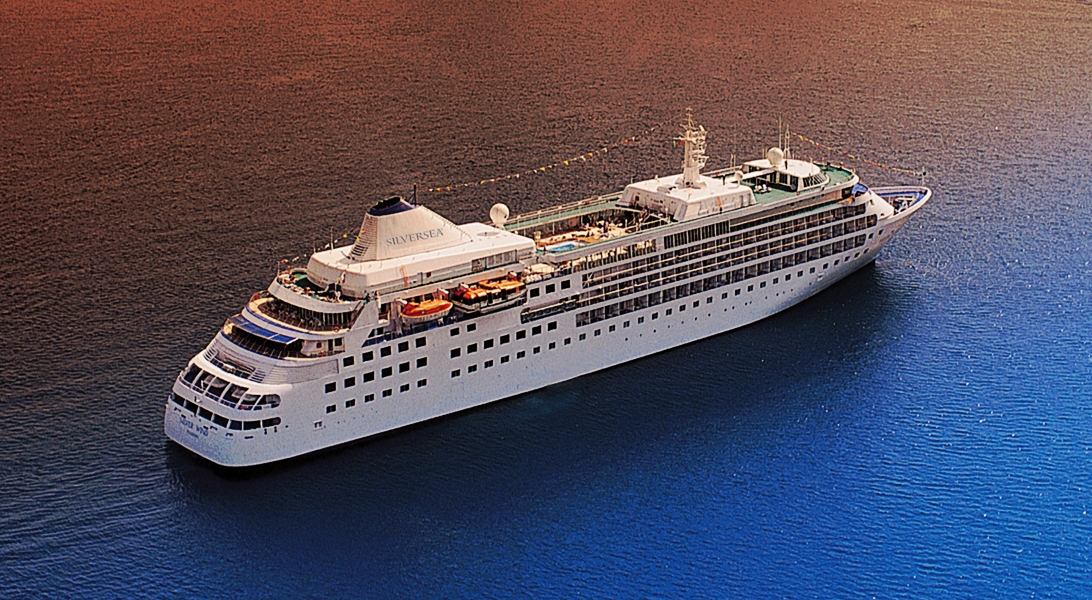
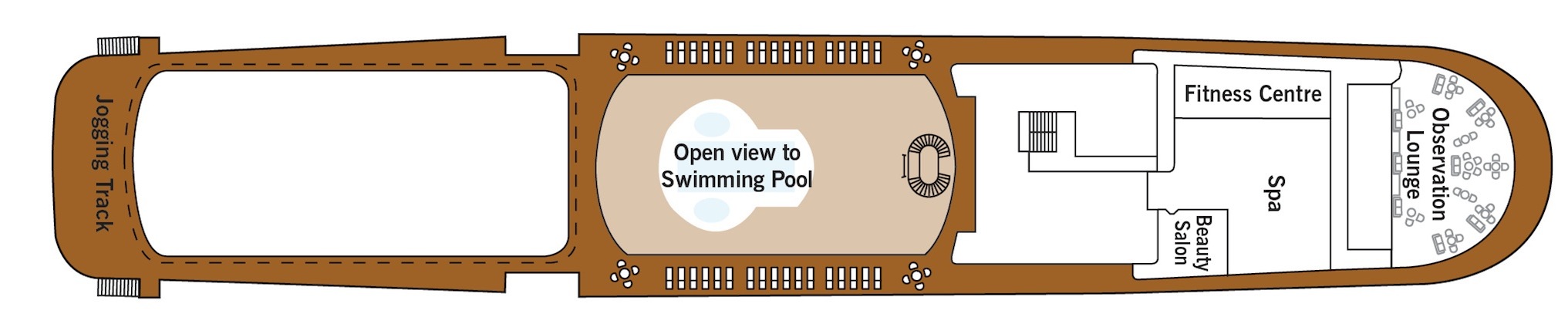

The images shown are for illustration purposes only and may not be an exact representation of what you find on the ship.
| Grade Code | From | To | |
| G1 | Grand Suite (1 Bedroom) | £15,450 | £15,450 |
| G2 | Grand Suite (2 Bedrooms) | £24,250 | £24,250 |
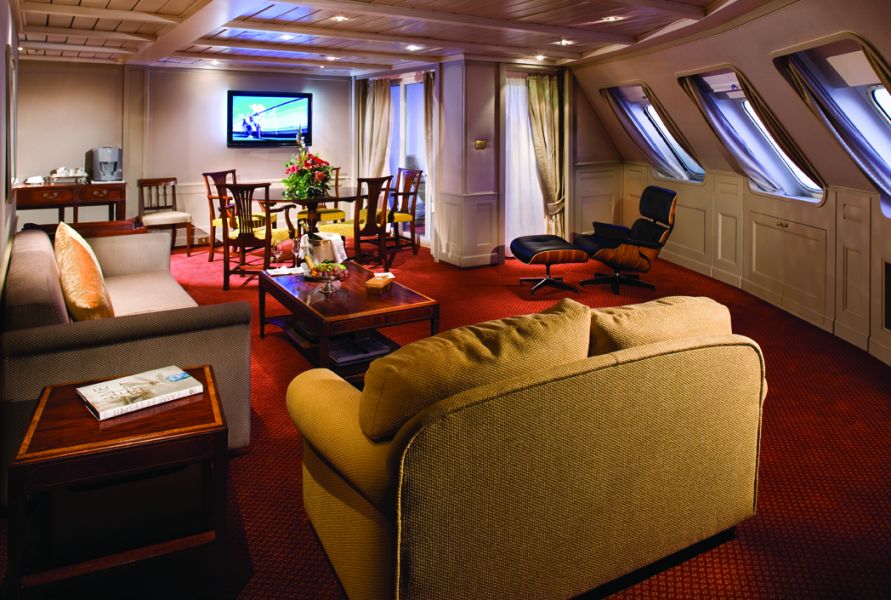
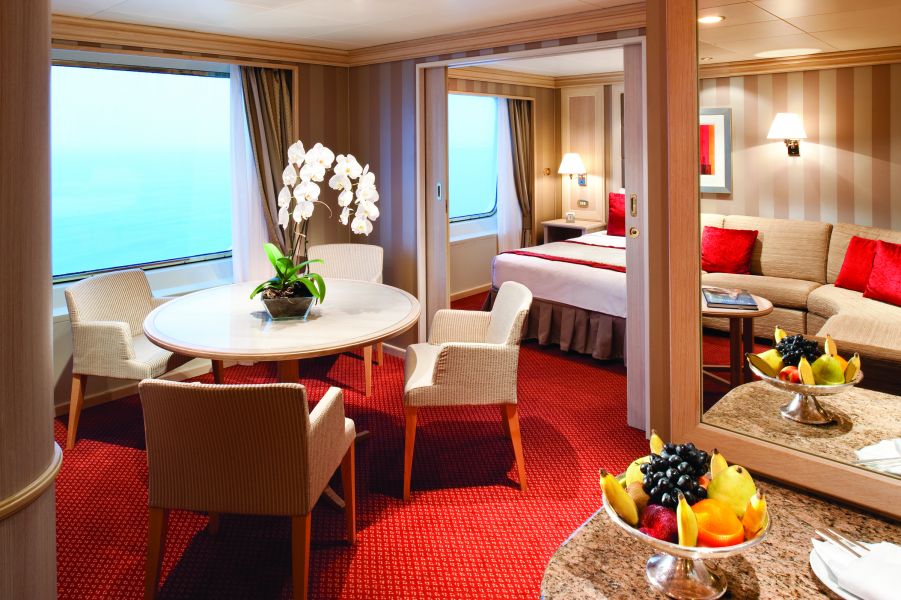
Expertly designed and exquisitely appointed. The Grand Suite on the Silver Wind is ideal for entertaining friends or enjoying a quiet dinner “at home.” Available as a one-bedroom configuration or as two bedrooms by adjoining with a Veranda Suite.
One bedroom: 95 sq m (14 sq. m.)
Two bedrooms: 122 sq m (18.5 sq. m.)
Images and suite plans are intended as a general reference. Features, materials, finishes and layout maybe different than shown.
Please note that the 3rd guest will sleep on a comfortable sofa bed in the reception area of the suite.
Essentials
Characteristics
Furniture
Media & Communication
Onboard Services
Amenities
| Grade Code | From | To | |
| ME | Medallion Suite | £12,550 | £12,550 |
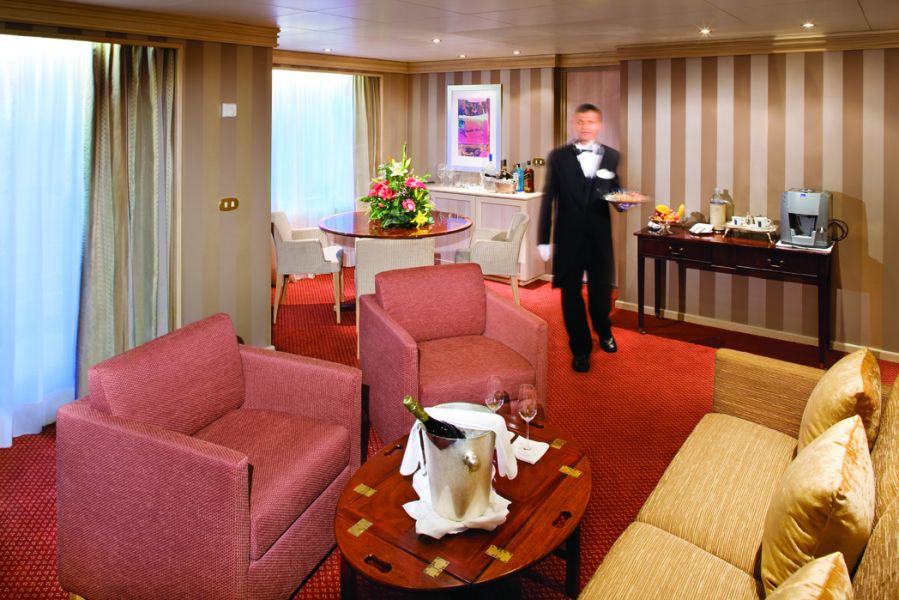
A mark of distinction. Sumptuous. Spacious. Rich textures and panoramic views surround you with distinguished luxury. The perfect summary of The Medallion Suite offered by the world’s best cruise line.
One bedroom: 41 sq m (12 sq. m.)
Suite 741: 667 sq. ft/62 sq. m. with French balcony, separate dining area and full-size bath.
Suites 801–804 only: with Veranda
Images and suite plans are intended as a general reference. Features, materials, finishes and layout maybe different than shown.
Please note that the 3rd guest will sleep on a comfortable sofa bed in the reception area of the suite.
Essentials
Characteristics
Furniture
Media & Communication
Onboard Services
Amenities
| Grade Code | From | To | |
| O1 | Owner's Suite (1 Bedroom) | £16,900 | £16,900 |
| O2 | Owner's Suite (2 Bedrooms) | £24,200 | £24,200 |
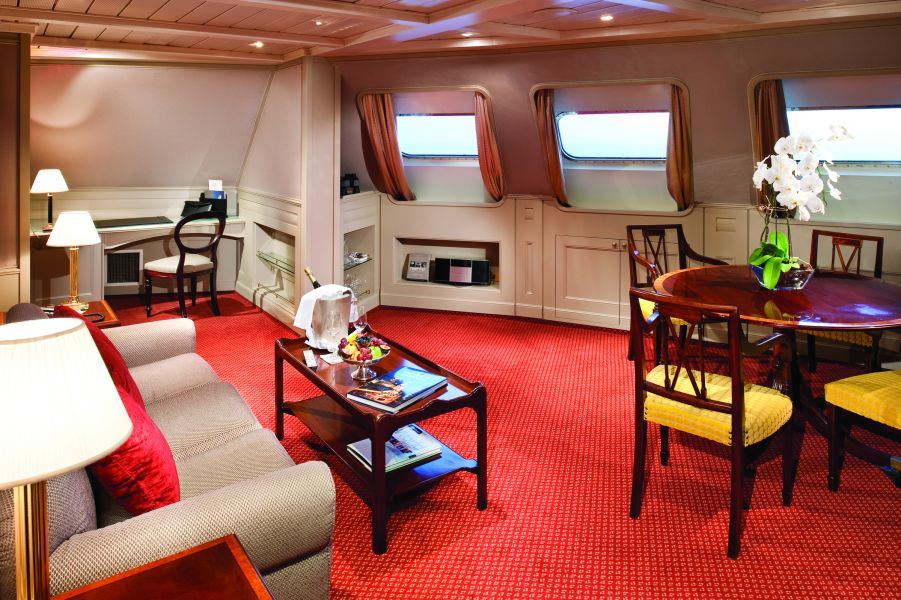
The name says it all. A stylish apartment. Prestigious and classic. For those who seek spaciousness, comfort and service on board. The Owner’s Suite is available as a one-bedroom configuration or as two bedrooms (as illustrated) by adjoining with a Vista Suite so you can enjoy your luxury cruise in style.
One bedroom: 55 sq m (8 sq. m.)
Two bedrooms: 77 sq m (8 sq. m.)
Images and suite plans are intended as a general reference. Features, materials, finishes and layout may be different than shown.
Please note that the 3rd guest will sleep on a comfortable sofa bed in the reception area of the suite.
Essentials
Characteristics
Furniture
Media & Communication
Onboard Services
Amenities
| Grade Code | From | To | |
| R1 | Royal Suite (1 Bedroom) | £14,000 | £14,000 |
| R2 | Royal Suite (2 Bedrooms) | £22,800 | £22,800 |
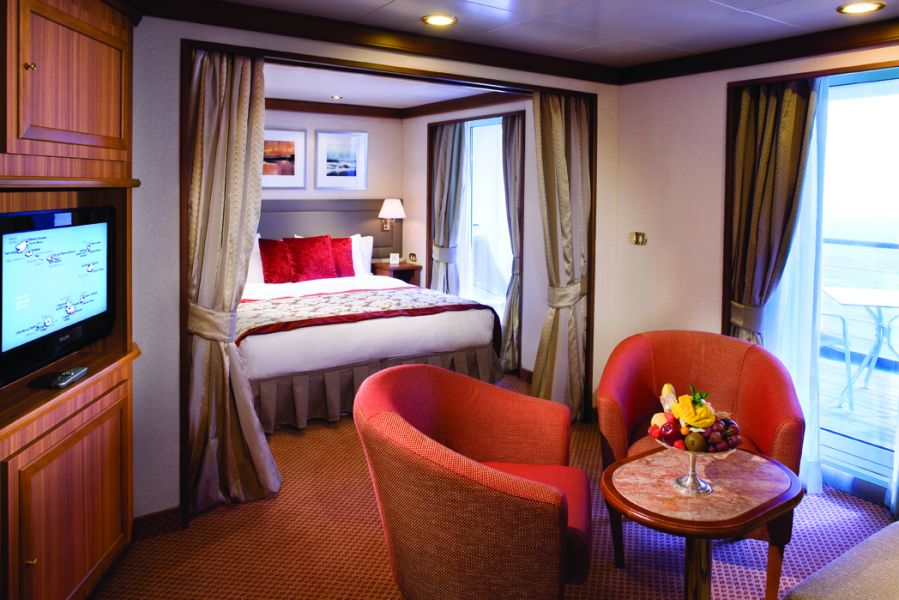
Stately. Commanding and majestic. Perfect for entertaining. The Royal suite lives up to its name. Enough living space to roam. The pinnacle of good living. Available as a one-bedroom configuration or as two bedrooms by adjoining with a Veranda Suite.
One bedroom: 69 sq m (12 sq. m.)
Two bedrooms: 96 sq. m. (16.5 sq. m.)
Images and suite plans are intended as a general reference. Features, materials, finishes and layout maybe different than shown.
Please note that the 3rd guest will sleep on a comfortable sofa bed in the reception area of the suite.
Essentials
Characteristics
Furniture
Media & Communication
Onboard Services
Amenities
| Grade Code | From | To | |
| SL | Silver Suite | £12,800 | £12,800 |
For those wanting more space, Silver Suites are ideal. Stylish and sophisticated. Separate dining and living rooms. Larger verandas. Situated midship on the Silver Wind. Perfection in design for comfortable living. Silver Suites accommodate three guests.
One bedroom: 48 sq m (8 sq. m.)
Images and suite plans are intended as a general reference. Features, materials, finishes and layout maybe different than shown.
Please note that the 3rd guest will sleep on a comfortable sofa bed in the reception area of the suite.
Essentials
Characteristics
Furniture
Media & Communication
Onboard Services
Amenities
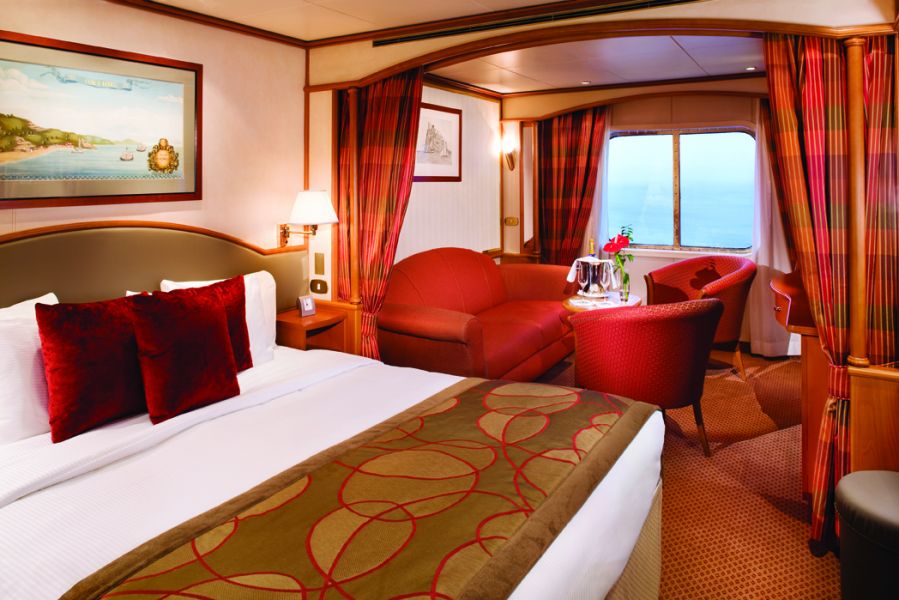
| Grade Code | From | To | |
| VI | Vista Suite | £7,100 | £7,100 |
A quiet sanctuary to escape to on your cruise. The seating area has plenty of room to relax. Large picture windows frame panoramic ocean views. The perfect backdrop for breakfast in bed.
One bedroom: 22 sq. m.
Suite 738: 325 sq. ft./30 sq. m.
Wheelchair accessible suites: 445 and 447
Images and suite plans are intended as a general reference. Features, materials, finishes and layout maybe different than shown.
Please note that the 3rd guest will sleep on a comfortable sofa bed in the reception area of the suite.
Essentials
Characteristics
Furniture
Media & Communication
Onboard Services
Amenities
The images shown are for illustration purposes only and may not be an exact representation of what you find on the ship.
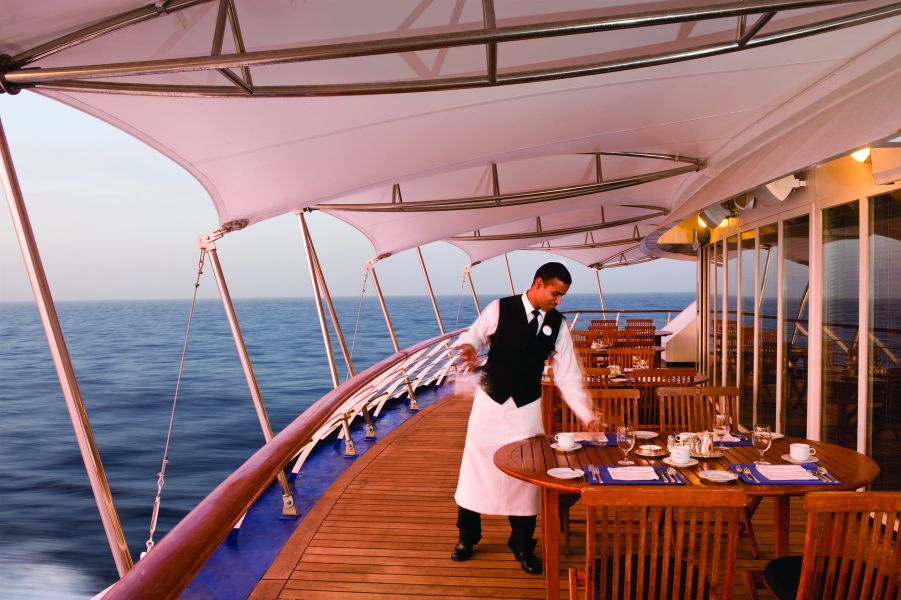
La Terrazza elevates casual dining by day and delivers an authentic Italian experience by night. During the breakfast and lunch buffets, our master chefs prepare global favorites at live stations. As evening falls, handmade pastas and classic seafood dishes are the centerpiece — every impeccable bite paired with fine wines from around the world.
Open-seating for breakfast and lunch.
Reservations recommended for dinner.
Images and suite plans are intended as a general reference. Features, materials, finishes and layout may be different than shown.
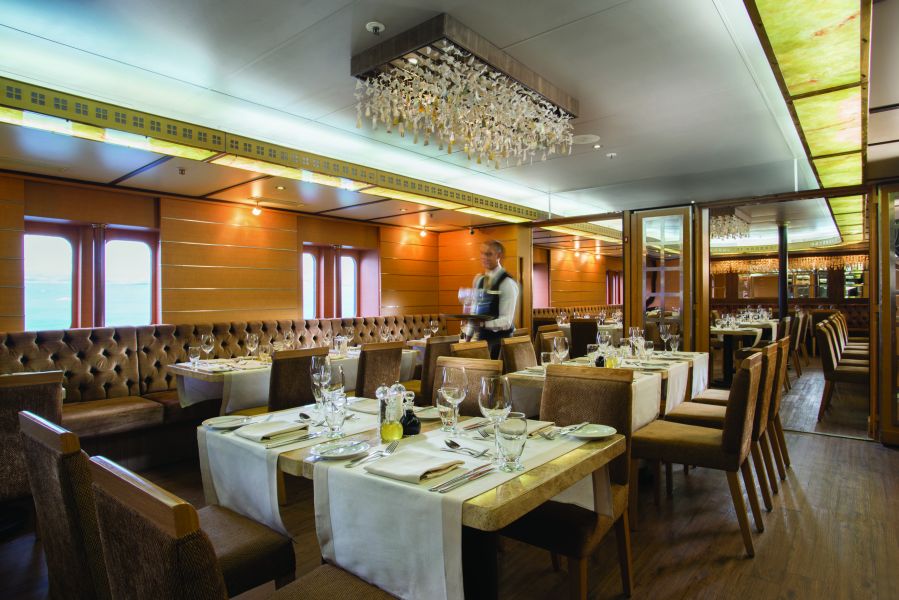
The Restaurant transforms dining into an extraordinary journey of taste. Indulge in international delicacies, refined classics, and destination-driven creations that reflect the flavors of the region you’re exploring. From breakfast favorites to imaginative evening courses, every meal draws inspiration from your voyage.
Images and suite plans are intended as a general reference. Features, materials, finishes and layout may be different than shown.
The images shown are for illustration purposes only and may not be an exact representation of what you find on the ship.
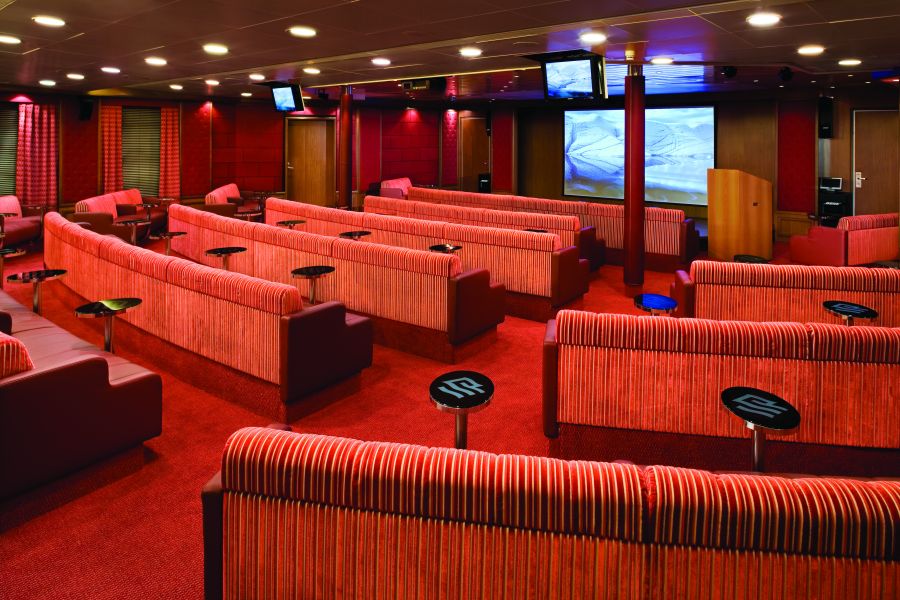
At The Show Lounge, theatrical immersion takes center stage. From captivating performances and screenings to cultural programs, this elegant venue was designed to dazzle. Tiered seating ensures impeccable views while attentive beverage service makes indulging effortless. Raise a glass as the curtain rises on an unforgettable night of entertainment.
Images and suite plans are intended as a general reference. Features, materials, finishes and layout may be different than shown.
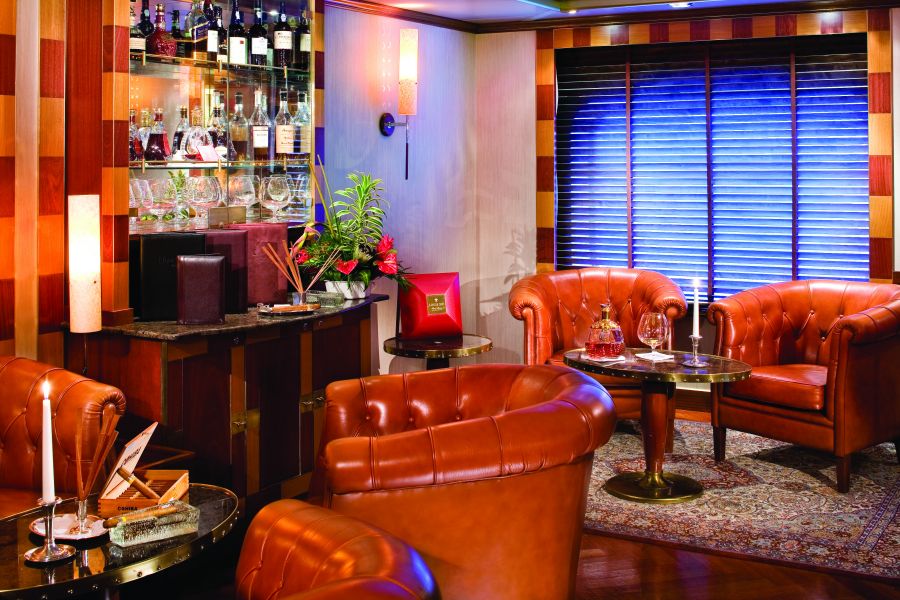
As evening stretches into night, Connoisseur’s Corner offers a stylish refuge for those who appreciate the time-honored rituals of smoke and spirit. Sink into tufted leather chairs with a hand-rolled cigar and a glass of one of our finest cognacs or whiskeys. Indoors or under the stars, every moment is marked by pure indulgence.
Images and suite plans are intended as a general reference. Features, materials, finishes and layout maybe different than shown.
The images shown are for illustration purposes only and may not be an exact representation of what you find on the ship.
The images shown are for illustration purposes only and may not be an exact representation of what you find on the ship.


Our Fusion packages are all ABTA & ATOL protected ensuring that your booking is safe with us
| 10 nights aboard the Silver Wind | |||
| Butler Service in Every Suite | |||
| Gratuities Always Included | |||
| Beverages In-Suite and Throughout the Ship | |||
| Gourmet Dining | |||
| In Suite Dining & 24-Hour Room Service | |||
| Intimate small size ships | |||
| Free Wifi Throughout the Ship | |||
| Free Zodiac, Land and Sea Tours & Activities & Complimentary Expedition gear | |||
| Port Taxes and Fees | |||
 | ABTA and ATOL Protection* | ||
Date 7th May 2028 |
Nts 10 |
Suite £7,100pp |
Date 7th May 2028 |
Nts 10 |
Suite £7,100pp |
| Suite staterooms from | £7,100pp | ||
| CV | Classic Veranda Suite | £8,800pp | |
| DX | Deluxe Veranda Suite | £9,200pp | |
| G1 | Grand Suite (1 Bedroom) | £15,450pp | |
| G2 | Grand Suite (2 Bedrooms) |  | |
| ME | Medallion Suite | £12,550pp | |
| O1 | Owner's Suite (1 Bedroom) | £16,900pp | |
| O2 | Owner's Suite (2 Bedrooms) | | |
| R1 | Royal Suite (1 Bedroom) | £14,000pp | |
| R2 | Royal Suite (2 Bedrooms) | | |
| SL | Silver Suite | | |
| VI | Vista Suite | £7,100pp | |
Fusion Holidays when selling travel arrangements is a trading name of Co-op Travel Services Limited, registration 08903986. Fusion Cruises is an Accredited Body Member of Co-op Travel Services Limited ATOL 12904.
Book with Confidence. We are a Member of ABTA which means you have the benefit of ABTA’s assistance and Code of Conduct.
Some of the flights and flight-inclusive holidays on this website are financially protected by the ATOL scheme but ATOL protection does not apply to all holiday and travel services offered on this website. This website will provide you with information on the protection that applies in the case of each holiday and travel service offered before you make your booking. If you do not receive an ATOL Certificate then the booking will not be ATOL protected. If you do receive an ATOL Certificate but all parts of your trip are not listed on it, those parts will not be ATOL protected. Please see our booking conditions for information, or for more information about financial protection and the ATOL Certificate go to: www.caa.co.uk